
- Category
-
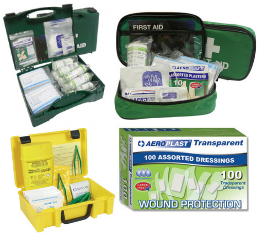
- First Aid 39
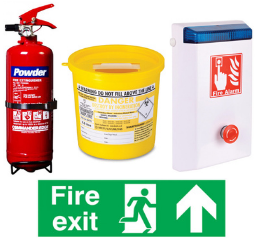
- Fire & Emergency 131
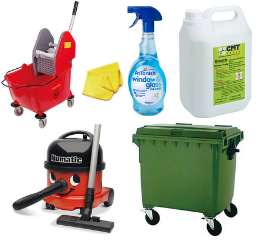
- Janitorial 129
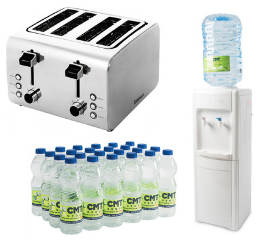
- Catering & Canteen 69
- Furniture 45
- Cleaning 121
Facilities, Hygiene & Emergency

Facilities, hygiene, and emergency supplies are the welfare and safety essentials that construction sites are legally required to provide and maintain throughout the project. CMT Group supplies a comprehensive range of facilities, hygiene, and emergency products across six categories: first aid kits and eyewash stations, fire extinguishers and emergency equipment, janitorial and cleaning supplies, catering and canteen essentials, site furniture, and hand and surface cleaning products, covering the welfare and compliance requirements of construction sites and site managers across the UK.
Read more Read less
Under the Construction (Design and Management) Regulations 2015 and the Workplace (Health, Safety and Welfare) Regulations 1992, construction sites must provide adequate welfare facilities including sanitary facilities, washing facilities, rest areas, and facilities for eating and drinking. Beyond the legal minimum, a well-stocked site with accessible first aid kits, correctly specified fire extinguishers, and reliable catering supplies creates a safer, more productive working environment. CMT Group has been supplying facilities, hygiene, and emergency products to UK construction sites for over 20 years.
- ✓ First aid kits, eyewash stations, bandages, dressings, and wound protection for site first aid compliance
- ✓ Fire extinguishers, fire blankets, spill kits, drip trays, and fire exit signage
- ✓ Janitorial supplies including paper towels, paper towel dispensers, toilet roll, and cleaning equipment
- ✓ Catering and canteen supplies including paper cups, water dispensers, kettles, toasters, and cutlery
- ✓ Site welfare furniture including canteen tables, benches, and site office furniture
- ✓ Hand cleaning, glass cleaners, washing-up liquid, and surface cleaning products
- ✓ Bulk supply available for ongoing project requirements and trade accounts
- ✓ Next day delivery standard. VIP 2-3 hour delivery on a dedicated vehicle also available
Welfare and Emergency Compliance on Construction Sites
Construction sites have specific legal obligations under health and safety legislation to provide adequate welfare facilities, emergency equipment, and hygiene supplies from the first day of site operations. The Health and Safety at Work Act 1974, CDM Regulations 2015, and Workplace (Health, Safety and Welfare) Regulations 1992 collectively set out the minimum requirements for toilets, washing facilities, rest areas, drinking water, and first aid provision that all construction sites must meet.
Fire safety on a construction site is governed by the Regulatory Reform (Fire Safety) Order 2005, which requires a suitable fire risk assessment and the provision of appropriate fire fighting equipment. For most construction sites, this means correctly specified and maintained fire extinguishers, fire blankets in catering and welfare areas, clearly signed fire exit routes, and a written emergency plan. Spill kits and drip trays are required wherever plant, machinery, or fuel storage creates a risk of oil, fuel, or chemical spillage that could contaminate soil or drainage. CMT Group stocks all of these compliance essentials alongside the welfare consumables needed to keep a construction site running day to day.
Facilities, Hygiene and Emergency by Category
Our range covers the welfare, hygiene, and emergency products required across all construction site operations.
First Aid
First aid kits, eyewash stations, eye washing bottles, bandages, wound dressings, burns treatment, and first aid consumables for construction site first aid compliance. All construction sites must have appropriate first aid provision under the Health and Safety (First Aid) Regulations 1981. The level of provision required depends on the number of workers on site and the nature of the hazards. Eyewash stations are required wherever workers handle chemicals, dust, or materials that could cause eye injury.
First aid kits · Eyewash stations · Bandages and dressings · Burns treatment
Fire and Emergency
Fire extinguishers, fire blankets, spill kits, drip trays, and fire exit signage for fire safety and emergency response on construction sites. Fire extinguishers must be correctly specified for the class of fire risk present on site and maintained in serviceable condition. Spill kits allow rapid containment and cleanup of fuel, oil, and chemical spills before they reach drains or soil. Drip trays are placed under plant and machinery to catch leaks at source.
Fire extinguishers · Spill kits · Fire blankets · Drip trays · Fire exit signs
Janitorial
Paper towels, paper towel dispensers, toilet roll, janitorial cleaning equipment, mops, buckets, and bins for welfare facility maintenance on construction sites. Clean and well-stocked welfare facilities are a legal requirement and significantly impact worker morale and wellbeing on site. Paper towels and dispensers are one of the most important daily consumables in any site welfare facility.
Paper towels and dispensers · Toilet roll · Mops and buckets · Waste bins
Catering and Canteen
Paper cups, water dispensers and water bottles, kettles, toasters, cutlery, catering consumables, and canteen supplies for construction site welfare areas. CDM Regulations require rest areas with facilities for eating, drinking, and preparing hot drinks. Paper cups and water dispensers are essential daily consumables in every site welfare unit. The catering and canteen range covers the full scope of welfare unit provisioning for construction sites of all sizes.
Paper cups · Water dispensers · Cutlery · Kettles · Catering consumables
Furniture
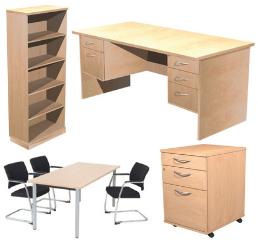
Canteen tables, canteen benches, chairs, desks, and storage furniture for site welfare areas and site offices. CDM Regulations require adequate rest facilities with sufficient seating for the number of workers on site. Canteen tables and benches specifically designed for construction site welfare units provide robust and easily cleaned surfaces suitable for the welfare area environment. Available in a range of sizes to suit different welfare unit configurations and site workforce sizes.
Canteen tables and benches · Chairs · Site office desks · Welfare furniture
Cleaning
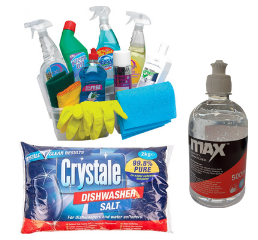
Hand cleaners, glass cleaners, washing-up liquid, dishwasher salt, surface cleaning sprays, and general cleaning products for construction site welfare facilities and site office areas. Hand cleaning products are consumed in large volumes on construction sites where workers are handling cement, oils, paints, and chemicals throughout the working day. The cleaning range covers all of the products needed to maintain clean welfare facilities and site office areas throughout the project duration.
Hand cleaner · Glass cleaner · Washing-up liquid · Surface cleaning sprays
Welfare and Emergency Compliance: What Your Site Needs
The facilities, hygiene, and emergency products required on a construction site are determined by a combination of legal requirements, the size of the workforce, the nature of the hazards on site, and the duration of the project. The table below summarises the key compliance requirements and the products that meet them, based on the CDM Regulations 2015, Health and Safety (First Aid) Regulations 1981, and the Regulatory Reform (Fire Safety) Order 2005.
All of these requirements apply from day one of site operations. Welfare facilities that are inadequate, poorly stocked, or not maintained throughout the project are a common enforcement concern for the HSE and local authorities, and can result in prohibition notices that halt site operations.
| Requirement | Products needed | Regulation |
|---|---|---|
| First aid provision | First aid kit, eyewash station, first aid consumables | Health and Safety (First Aid) Regulations 1981 |
| Fire safety equipment | Fire extinguishers, fire blankets, fire exit signage | Regulatory Reform (Fire Safety) Order 2005 |
| Spill and leak containment | Spill kits, drip trays | Environmental Permitting Regulations 2016 |
| Washing and sanitary facilities | Paper towels, soap, toilet roll, hand cleaner | CDM Regulations 2015, Workplace Regulations 1992 |
| Rest area with eating and drinking facilities | Canteen tables, chairs, paper cups, water dispenser, kettle | CDM Regulations 2015 |
| Welfare facility maintenance | Cleaning products, mops, bins, janitorial consumables | Workplace (Health, Safety and Welfare) Regulations 1992 |
Facilities, Hygiene and Emergency Supplies for UK Construction Sites
Facilities, hygiene, and emergency supplies are not discretionary on a construction site. They are legal requirements that must be in place from the first day of operations and maintained throughout the project. Running out of first aid consumables, having an uninspected or incorrectly specified fire extinguisher, or failing to maintain clean and adequately stocked welfare facilities are all compliance failures that expose principal contractors and site managers to enforcement action by the HSE and local authorities.
CMT Group has been supplying facilities, hygiene, and emergency products to UK construction sites for over 20 years. Our range covers the full scope of welfare and compliance requirements across six categories, from fire extinguishers and spill kits to paper cups, canteen tables, and hand cleaning products. We hold CHAS Elite accreditation, ConstructionOnline Gold membership, and BSI ISO 9001:2015 certification. We operate our own fleet of 100+ FORS Gold accredited vehicles covering 90% of the UK, with next day delivery standard on orders placed by 5pm by phone or 7pm online, and VIP 2-3 hour delivery on a dedicated vehicle dispatched within 30 minutes for urgent site requirements.
Frequently asked questions
What fire extinguisher do I need on a construction site?
The correct fire extinguisher for a construction site depends on the fire risks present. For general construction sites where the primary fire risk is from combustible materials such as timber, cardboard, and general waste, a water or foam extinguisher is the standard choice for Class A fires. Where electrical equipment is in use, a CO2 extinguisher is required as it leaves no residue and is safe on live electrical equipment. Where fuel or oils are stored, a dry powder or foam extinguisher is needed for Class B fires. Most construction sites require at least one water or foam extinguisher and one CO2 extinguisher as a minimum. The fire risk assessment for the site, required under the Regulatory Reform (Fire Safety) Order 2005, will identify the specific fire risks and the extinguisher types and numbers required. Fire extinguishers must be serviced annually and inspected before each period of use.
What first aid kit do I need on a construction site?
The level of first aid provision required on a construction site depends on the number of workers and the nature of the hazards involved. Under the Health and Safety (First Aid) Regulations 1981, all employers must ensure adequate first aid equipment is available, and a suitable first aid kit must be available at all times when workers are on site. For construction sites with higher hazard levels, a fully stocked first aid kit containing bandages, dressings, wound closure strips, burns dressings, foil blankets, scissors, and disposable gloves is the standard requirement. An eyewash station is required wherever workers could be exposed to dust, chemicals, or materials that could cause eye contamination. For sites with more than a very small number of workers, a trained first aider rather than just an appointed person is typically required.
When do I need a spill kit on a construction site?
A spill kit is required on any construction site where plant, machinery, fuel, oils, or chemicals are stored or used that could contaminate soil or drainage if spilled. Under the Environmental Permitting Regulations 2016, construction sites must prevent oil, fuel, and chemical spills from reaching drains, watercourses, or the ground. A spill kit allows rapid containment and absorption of a spill before it spreads, significantly reducing the environmental damage and the cost of remediation. Spill kits should be positioned within easy reach of fuel and oil storage areas, plant refuelling points, and chemical stores. Drip trays under static plant and machinery provide passive containment as a first line of defence, with a spill kit available for any overflow or secondary spill.
What welfare facilities are legally required on a construction site?
Under the CDM Regulations 2015, construction sites must provide sanitary facilities including toilets and urinals in sufficient numbers for the workforce, washing facilities with hot and cold or warm water, soap or other cleaning agent, and drying facilities, drinking water, a rest area where workers can eat and drink including somewhere to boil water and prepare food, and changing and drying facilities where workers change into or out of site clothing or PPE. The scale of facilities required increases with the size of the workforce and the duration of the project. These requirements must be in place from the start of construction and maintained throughout. Failure to provide adequate welfare facilities is a common cause of HSE enforcement action on UK construction sites.
Why buy facilities and hygiene supplies from CMT Group?
CMT Group is a BSIF Registered Safety Supplier, which means every safety product in our range including first aid kits, fire extinguishers, eyewash stations, and spill kits is sourced and verified to meet strict safety and compliance standards. We also hold SSIP accreditation, CHAS Elite accreditation, and BSI ISO 9001:2015 certification, giving procurement teams and site managers confidence that our welfare and emergency products meet the compliance standards required on UK construction sites under CDM, COSHH, and fire safety legislation. Our range covers the complete scope of facilities, hygiene, and emergency requirements across six categories, from fire extinguishers and spill kits through to paper cups, canteen furniture, and hand cleaning products, so the full welfare unit can be stocked from a single supplier. We operate our own fleet of 100+ FORS Gold accredited vehicles covering 90% of the UK, with next day delivery standard on orders placed by 5pm by phone or 7pm online, and VIP 2-3 hour delivery on a dedicated vehicle dispatched within 30 minutes when a welfare or emergency supply is needed urgently on site.
Spill Kits vs Drip Trays: Which Do You Need?
Spill kits and drip trays both manage the risk of oil, fuel, and chemical spills on construction sites, but they serve different functions and are used in different situations. A drip tray is a passive containment device placed beneath plant, machinery, fuel cans, or chemical containers to collect any drips or leaks at source before they reach the ground or drains. Drip trays are used as a permanent or semi-permanent containment measure wherever there is an ongoing risk of small leaks, such as under a static generator, beneath a fuel storage drum, or under plant during an oil change. They do not require any action to activate and provide continuous passive protection.
A spill kit is a reactive product used to respond to a spill that has already occurred. It contains absorbent materials, socks, and pads that are deployed to contain and absorb the spilled liquid before it spreads further. Spill kits are positioned at fuel storage areas, chemical stores, and refuelling points so they can be accessed immediately when a spill occurs. For most construction sites with plant, machinery, or fuel on site, both products are required: drip trays as passive containment under static plant and storage, and spill kits as reactive response capability for fuel delivery, refuelling operations, and larger unexpected spills. Using a drip tray alone without a spill kit leaves no capability to respond to a spill that exceeds the capacity of the tray.
Accreditations and memberships

Shop Facilities, Hygiene and Emergency by Category
Facilities, Hygiene & Emergency
Facilities, hygiene, and emergency supplies are the welfare and safety essentials that construction sites are legally required to provide and maintain throughout the project. CMT Group supplies a comprehensive range of facilities, hygiene, and emergency products across six categories: first aid kits and eyewash stations, fire extinguishers and emergency equipment, janitorial and cleaning supplies, catering and canteen essentials, site furniture, and hand and surface cleaning products, covering the welfare and compliance requirements of construction sites and site managers across the UK.
Read more Read less
Under the Construction (Design and Management) Regulations 2015 and the Workplace (Health, Safety and Welfare) Regulations 1992, construction sites must provide adequate welfare facilities including sanitary facilities, washing facilities, rest areas, and facilities for eating and drinking. Beyond the legal minimum, a well-stocked site with accessible first aid kits, correctly specified fire extinguishers, and reliable catering supplies creates a safer, more productive working environment. CMT Group has been supplying facilities, hygiene, and emergency products to UK construction sites for over 20 years.
- ✓ First aid kits, eyewash stations, bandages, dressings, and wound protection for site first aid compliance
- ✓ Fire extinguishers, fire blankets, spill kits, drip trays, and fire exit signage
- ✓ Janitorial supplies including paper towels, paper towel dispensers, toilet roll, and cleaning equipment
- ✓ Catering and canteen supplies including paper cups, water dispensers, kettles, toasters, and cutlery
- ✓ Site welfare furniture including canteen tables, benches, and site office furniture
- ✓ Hand cleaning, glass cleaners, washing-up liquid, and surface cleaning products
- ✓ Bulk supply available for ongoing project requirements and trade accounts
- ✓ Next day delivery standard. VIP 2-3 hour delivery on a dedicated vehicle also available
Welfare and Emergency Compliance on Construction Sites
Construction sites have specific legal obligations under health and safety legislation to provide adequate welfare facilities, emergency equipment, and hygiene supplies from the first day of site operations. The Health and Safety at Work Act 1974, CDM Regulations 2015, and Workplace (Health, Safety and Welfare) Regulations 1992 collectively set out the minimum requirements for toilets, washing facilities, rest areas, drinking water, and first aid provision that all construction sites must meet.
Fire safety on a construction site is governed by the Regulatory Reform (Fire Safety) Order 2005, which requires a suitable fire risk assessment and the provision of appropriate fire fighting equipment. For most construction sites, this means correctly specified and maintained fire extinguishers, fire blankets in catering and welfare areas, clearly signed fire exit routes, and a written emergency plan. Spill kits and drip trays are required wherever plant, machinery, or fuel storage creates a risk of oil, fuel, or chemical spillage that could contaminate soil or drainage. CMT Group stocks all of these compliance essentials alongside the welfare consumables needed to keep a construction site running day to day.
Facilities, Hygiene and Emergency by Category
Our range covers the welfare, hygiene, and emergency products required across all construction site operations.
First Aid
First aid kits, eyewash stations, eye washing bottles, bandages, wound dressings, burns treatment, and first aid consumables for construction site first aid compliance. All construction sites must have appropriate first aid provision under the Health and Safety (First Aid) Regulations 1981. The level of provision required depends on the number of workers on site and the nature of the hazards. Eyewash stations are required wherever workers handle chemicals, dust, or materials that could cause eye injury.
First aid kits · Eyewash stations · Bandages and dressings · Burns treatment
Fire and Emergency
Fire extinguishers, fire blankets, spill kits, drip trays, and fire exit signage for fire safety and emergency response on construction sites. Fire extinguishers must be correctly specified for the class of fire risk present on site and maintained in serviceable condition. Spill kits allow rapid containment and cleanup of fuel, oil, and chemical spills before they reach drains or soil. Drip trays are placed under plant and machinery to catch leaks at source.
Fire extinguishers · Spill kits · Fire blankets · Drip trays · Fire exit signs
Janitorial
Paper towels, paper towel dispensers, toilet roll, janitorial cleaning equipment, mops, buckets, and bins for welfare facility maintenance on construction sites. Clean and well-stocked welfare facilities are a legal requirement and significantly impact worker morale and wellbeing on site. Paper towels and dispensers are one of the most important daily consumables in any site welfare facility.
Paper towels and dispensers · Toilet roll · Mops and buckets · Waste bins
Catering and Canteen
Paper cups, water dispensers and water bottles, kettles, toasters, cutlery, catering consumables, and canteen supplies for construction site welfare areas. CDM Regulations require rest areas with facilities for eating, drinking, and preparing hot drinks. Paper cups and water dispensers are essential daily consumables in every site welfare unit. The catering and canteen range covers the full scope of welfare unit provisioning for construction sites of all sizes.
Paper cups · Water dispensers · Cutlery · Kettles · Catering consumables
Furniture
Canteen tables, canteen benches, chairs, desks, and storage furniture for site welfare areas and site offices. CDM Regulations require adequate rest facilities with sufficient seating for the number of workers on site. Canteen tables and benches specifically designed for construction site welfare units provide robust and easily cleaned surfaces suitable for the welfare area environment. Available in a range of sizes to suit different welfare unit configurations and site workforce sizes.
Canteen tables and benches · Chairs · Site office desks · Welfare furniture
Cleaning
Hand cleaners, glass cleaners, washing-up liquid, dishwasher salt, surface cleaning sprays, and general cleaning products for construction site welfare facilities and site office areas. Hand cleaning products are consumed in large volumes on construction sites where workers are handling cement, oils, paints, and chemicals throughout the working day. The cleaning range covers all of the products needed to maintain clean welfare facilities and site office areas throughout the project duration.
Hand cleaner · Glass cleaner · Washing-up liquid · Surface cleaning sprays
Welfare and Emergency Compliance: What Your Site Needs
The facilities, hygiene, and emergency products required on a construction site are determined by a combination of legal requirements, the size of the workforce, the nature of the hazards on site, and the duration of the project. The table below summarises the key compliance requirements and the products that meet them, based on the CDM Regulations 2015, Health and Safety (First Aid) Regulations 1981, and the Regulatory Reform (Fire Safety) Order 2005.
All of these requirements apply from day one of site operations. Welfare facilities that are inadequate, poorly stocked, or not maintained throughout the project are a common enforcement concern for the HSE and local authorities, and can result in prohibition notices that halt site operations.
| Requirement | Products needed | Regulation |
|---|---|---|
| First aid provision | First aid kit, eyewash station, first aid consumables | Health and Safety (First Aid) Regulations 1981 |
| Fire safety equipment | Fire extinguishers, fire blankets, fire exit signage | Regulatory Reform (Fire Safety) Order 2005 |
| Spill and leak containment | Spill kits, drip trays | Environmental Permitting Regulations 2016 |
| Washing and sanitary facilities | Paper towels, soap, toilet roll, hand cleaner | CDM Regulations 2015, Workplace Regulations 1992 |
| Rest area with eating and drinking facilities | Canteen tables, chairs, paper cups, water dispenser, kettle | CDM Regulations 2015 |
| Welfare facility maintenance | Cleaning products, mops, bins, janitorial consumables | Workplace (Health, Safety and Welfare) Regulations 1992 |
Facilities, Hygiene and Emergency Supplies for UK Construction Sites
Facilities, hygiene, and emergency supplies are not discretionary on a construction site. They are legal requirements that must be in place from the first day of operations and maintained throughout the project. Running out of first aid consumables, having an uninspected or incorrectly specified fire extinguisher, or failing to maintain clean and adequately stocked welfare facilities are all compliance failures that expose principal contractors and site managers to enforcement action by the HSE and local authorities.
CMT Group has been supplying facilities, hygiene, and emergency products to UK construction sites for over 20 years. Our range covers the full scope of welfare and compliance requirements across six categories, from fire extinguishers and spill kits to paper cups, canteen tables, and hand cleaning products. We hold CHAS Elite accreditation, ConstructionOnline Gold membership, and BSI ISO 9001:2015 certification. We operate our own fleet of 100+ FORS Gold accredited vehicles covering 90% of the UK, with next day delivery standard on orders placed by 5pm by phone or 7pm online, and VIP 2-3 hour delivery on a dedicated vehicle dispatched within 30 minutes for urgent site requirements.
Frequently asked questions
What fire extinguisher do I need on a construction site?
The correct fire extinguisher for a construction site depends on the fire risks present. For general construction sites where the primary fire risk is from combustible materials such as timber, cardboard, and general waste, a water or foam extinguisher is the standard choice for Class A fires. Where electrical equipment is in use, a CO2 extinguisher is required as it leaves no residue and is safe on live electrical equipment. Where fuel or oils are stored, a dry powder or foam extinguisher is needed for Class B fires. Most construction sites require at least one water or foam extinguisher and one CO2 extinguisher as a minimum. The fire risk assessment for the site, required under the Regulatory Reform (Fire Safety) Order 2005, will identify the specific fire risks and the extinguisher types and numbers required. Fire extinguishers must be serviced annually and inspected before each period of use.
What first aid kit do I need on a construction site?
The level of first aid provision required on a construction site depends on the number of workers and the nature of the hazards involved. Under the Health and Safety (First Aid) Regulations 1981, all employers must ensure adequate first aid equipment is available, and a suitable first aid kit must be available at all times when workers are on site. For construction sites with higher hazard levels, a fully stocked first aid kit containing bandages, dressings, wound closure strips, burns dressings, foil blankets, scissors, and disposable gloves is the standard requirement. An eyewash station is required wherever workers could be exposed to dust, chemicals, or materials that could cause eye contamination. For sites with more than a very small number of workers, a trained first aider rather than just an appointed person is typically required.
When do I need a spill kit on a construction site?
A spill kit is required on any construction site where plant, machinery, fuel, oils, or chemicals are stored or used that could contaminate soil or drainage if spilled. Under the Environmental Permitting Regulations 2016, construction sites must prevent oil, fuel, and chemical spills from reaching drains, watercourses, or the ground. A spill kit allows rapid containment and absorption of a spill before it spreads, significantly reducing the environmental damage and the cost of remediation. Spill kits should be positioned within easy reach of fuel and oil storage areas, plant refuelling points, and chemical stores. Drip trays under static plant and machinery provide passive containment as a first line of defence, with a spill kit available for any overflow or secondary spill.
What welfare facilities are legally required on a construction site?
Under the CDM Regulations 2015, construction sites must provide sanitary facilities including toilets and urinals in sufficient numbers for the workforce, washing facilities with hot and cold or warm water, soap or other cleaning agent, and drying facilities, drinking water, a rest area where workers can eat and drink including somewhere to boil water and prepare food, and changing and drying facilities where workers change into or out of site clothing or PPE. The scale of facilities required increases with the size of the workforce and the duration of the project. These requirements must be in place from the start of construction and maintained throughout. Failure to provide adequate welfare facilities is a common cause of HSE enforcement action on UK construction sites.
Why buy facilities and hygiene supplies from CMT Group?
CMT Group is a BSIF Registered Safety Supplier, which means every safety product in our range including first aid kits, fire extinguishers, eyewash stations, and spill kits is sourced and verified to meet strict safety and compliance standards. We also hold SSIP accreditation, CHAS Elite accreditation, and BSI ISO 9001:2015 certification, giving procurement teams and site managers confidence that our welfare and emergency products meet the compliance standards required on UK construction sites under CDM, COSHH, and fire safety legislation. Our range covers the complete scope of facilities, hygiene, and emergency requirements across six categories, from fire extinguishers and spill kits through to paper cups, canteen furniture, and hand cleaning products, so the full welfare unit can be stocked from a single supplier. We operate our own fleet of 100+ FORS Gold accredited vehicles covering 90% of the UK, with next day delivery standard on orders placed by 5pm by phone or 7pm online, and VIP 2-3 hour delivery on a dedicated vehicle dispatched within 30 minutes when a welfare or emergency supply is needed urgently on site.
Spill Kits vs Drip Trays: Which Do You Need?
Spill kits and drip trays both manage the risk of oil, fuel, and chemical spills on construction sites, but they serve different functions and are used in different situations. A drip tray is a passive containment device placed beneath plant, machinery, fuel cans, or chemical containers to collect any drips or leaks at source before they reach the ground or drains. Drip trays are used as a permanent or semi-permanent containment measure wherever there is an ongoing risk of small leaks, such as under a static generator, beneath a fuel storage drum, or under plant during an oil change. They do not require any action to activate and provide continuous passive protection.
A spill kit is a reactive product used to respond to a spill that has already occurred. It contains absorbent materials, socks, and pads that are deployed to contain and absorb the spilled liquid before it spreads further. Spill kits are positioned at fuel storage areas, chemical stores, and refuelling points so they can be accessed immediately when a spill occurs. For most construction sites with plant, machinery, or fuel on site, both products are required: drip trays as passive containment under static plant and storage, and spill kits as reactive response capability for fuel delivery, refuelling operations, and larger unexpected spills. Using a drip tray alone without a spill kit leaves no capability to respond to a spill that exceeds the capacity of the tray.
Accreditations and memberships
