Groundwork Equipment

Active groundworks sites need more than digging tools. CMT Group supplies wheelbarrows, sprayers, brooms, brushes, buckets, watering cans, mortar tubs, fuel cans, lubricants, consumables, winter essentials and water containers, including many MAX site equipment lines, for construction, civils, drainage and infrastructure teams ... Active groundworks sites need more than digging tools. CMT Group supplies wheelbarrows, sprayers, brooms, brushes, buckets, watering cans, mortar tubs, fuel cans, lubricants, consumables, winter essentials and water containers, including many MAX site equipment lines, for construction, civils, drainage and infrastructure teams. The range supports material movement, site cleaning, mortar mixing, water handling, fuel storage, seasonal access planning and day-to-day site replenishment. Procurement teams can manage project quantities, depot stock and repeat supply through account-based ordering, stock availability and fast UK delivery. read more...read less
Groundwork equipment types, site use and buying considerations
| Equipment type | Typical site use | Buying considerations |
|---|---|---|
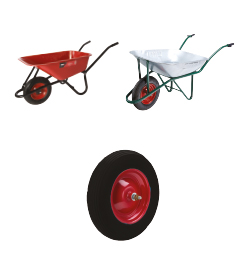
| Wheelbarrows | Moving spoil, aggregate, concrete, rubble and site materials across construction, drainage, paving and civils sites | Check load capacity, tray depth, frame strength, tyre type, handle design and site terrain |
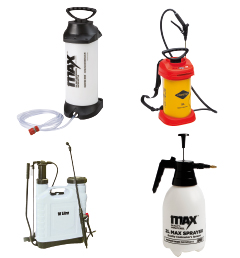
| Sprayers | Controlled application of water, treatments, marking products or cleaning fluids during groundworks and site preparation | Check tank capacity, nozzle type, pressure method, seal compatibility, liquid suitability and manufacturer guidance |
| Brooms & Brushes | Sweeping, cleaning and clearing dust, grit, slurry, aggregate and debris from yards, access routes and working areas | Check bristle type, brush width, handle strength, surface type and whether stiff or soft bristles are needed |
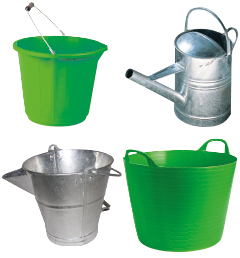
| Buckets & Watering Cans | Carrying water, small material quantities, cleaning fluids and site liquids for groundworks, mortar and general site tasks | Check capacity, handle strength, material durability, pouring control and suitability for the liquid or material |
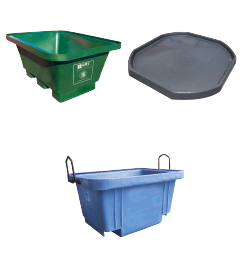
| Mortar Mixing & Mortar Tubs | Mixing, carrying and holding mortar, render, screed, grout, concrete mixes and wet materials | Check tub capacity, wall strength, base stability, flexibility, cleaning needs and suitability for the mixing method |
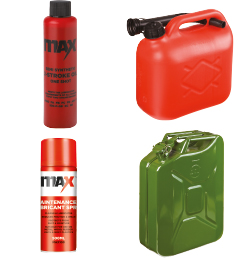
| Fuel Cans, Oil & Lubricants | Storing, carrying and using fuels, oils and lubricants for site plant, small tools and maintenance tasks | Check container type, capacity, closure, spout design, compatibility, storage rules, spill control and labelling |
| Consumables | Day-to-day site consumables for groundworks, utilities, maintenance, cleaning, preparation and project support | Check product type, pack size, usage rate, storage needs, task compatibility and reorder frequency |
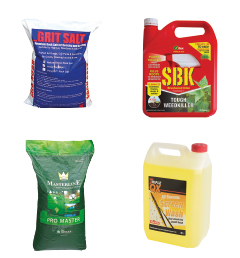
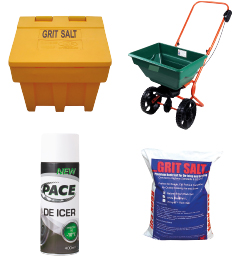
| Winter Essentials | Supporting access routes, yards, paths and work areas during cold, icy or wintry conditions | Check coverage area, storage method, application method, reorder frequency and seasonal site requirements |
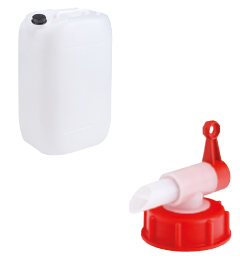
| Water Containers | Transporting and storing water for cleaning, mixing, dust suppression, welfare support and temporary site tasks | Check capacity, cap type, handle design, material durability, transport method and intended water use |
Frequently asked questions
What should procurement teams consider when selecting wheelbarrows for construction and groundworks sites?
Wheelbarrows on active construction sites are typically assessed on load capacity, tyre type, tray construction and weight when loaded. Pneumatic tyres can be better suited to uneven ground, soft surfaces and rutted site tracks, while puncture-proof or solid tyres reduce downtime and tyre maintenance on harder or more controlled surfaces.
Buyers should also consider whether a deep or shallow tray matches the materials being moved, and how tray balance and handle position affect the physical demands on the operative over a full working day. For sites running multiple crews, standardising on a single wheelbarrow specification can simplify stock management and replacement ordering across projects.
How do concrete brushes and site brooms serve different roles in groundworks and surface finishing?
Concrete brushes and site brooms are used for different cleaning, surface preparation and finishing tasks. Concrete brushes are commonly used around concrete and surface work where a stiffer brush is needed, while site brooms handle loose material, grit, soil and debris clearance from hard standings, paved areas and working zones. Buyers should select the brush type around the surface, material being cleared and the finish required.
When ordering, buyers should check bristle stiffness and material (nylon, coco, wire or polypropylene), head width, handle length and fitting type. Stiff-bristle brooms and wire-head brushes suit coarser surface cleaning and heavy grit; softer or medium bristles suit lighter sweeping and finishing tasks. Brooms with replaceable heads can reduce whole-unit replacement costs over the life of the product.
What are the key buying considerations for mortar mixing tubs and mixing equipment on site?
Mortar tubs need to hold up to repeated use, physical impact and the weight of the materials being mixed. Key buying factors include tub capacity, base and wall thickness, the flexibility or rigidity of the material, and resistance to cracking in cold or frosty site conditions. Some tubs may be more prone to cracking in cold conditions, while very flexible tubs may be less suitable for heavier mixing tasks.
Buyers should confirm whether the tub is designed for hand mixing only or for use with a mechanical paddle or whisk, as mechanical mixing places greater stress on tub walls and bases over time. Stackability is worth considering for sites where tubs need to be stored and transported between multiple locations during a project.
What should buyers check before ordering fuel cans, oils and lubricants for groundworks and construction sites?
Fuel containers should be checked against any approval or standard relevant to the fuel type being stored, and buyers should confirm that the container is rated for the specific fuel or liquid intended. Capacity, spout design, closure type, material compatibility and the site's storage regulations all affect which container is appropriate. Site rules on fuel storage, including maximum permitted volumes, containment requirements, spill control and labelling obligations, should be confirmed before purchasing.
Manufacturer guidance and relevant regulations apply to the safe handling, storage and transportation of fuel, oils and lubricants on site. Different fuels, oils and lubricants have different storage and compatibility requirements, and buyers should not assume that one container type is suitable across all product types.
What does the groundwork equipment Consumables range include and when should construction teams order from it?
The Consumables range within groundwork equipment covers day-to-day site consumables used across groundworks, utilities, maintenance, cleaning, preparation and project support tasks. Detectable underground mesh warning tape is a key product within this range, used to mark underground service routes, utility runs, pipe positions and cable layouts in trenches and excavations.
Detectable tape should be selected for the utility type being protected, with colour coding following service-type conventions. Buyers should check detection method compatibility, trench depth requirements and any project-specific specification before ordering. Tape selection should form part of the safe dig and service protection procedure, and the product type should be consistent with the detection equipment in use on the project.
What is the difference between Groundwork Equipment and Groundwork Tools?
Groundwork Equipment covers site support products such as wheelbarrows, sprayers, brooms, brushes, buckets, mortar tubs, fuel cans, consumables, winter essentials and water containers. These products support material movement, site cleaning, mixing, storage, water handling, seasonal preparation and repeat site supply.
Groundwork Tools covers operative hand tools such as spades, shovels, forks, rakes, lutes, crowbars, pickaxes, sledgehammers and mauls. Buyers equipping site teams often need both categories, but this Groundwork Equipment page should be used for supporting site kit rather than digging and breaking tools.
How should buyers choose between sprayers and water containers for site use?
Sprayers are used where controlled liquid application is needed, such as targeted treatment, cleaning, dust suppression or site preparation tasks. Buyers should check tank capacity, nozzle type, pressure method, seal compatibility, liquid suitability and manufacturer guidance before ordering. Sprayers should not be used for liquids outside their stated compatibility.
Water containers are used for transporting or storing water for site tasks, cleaning, mixing, temporary supply and areas where water access is limited. Buyers should check capacity, cap type, handle design, storage conditions, transport method and whether the container is suitable for the intended water use.
How should sites plan winter essential stocking for seasonal site and yard management?
Planning winter essential stock before the season begins is generally more reliable than ordering reactively during cold weather, when availability can be reduced and delivery times may be longer. Buyers should assess the site areas needing coverage, including access routes, footpaths, yard areas and vehicle routes, alongside expected weather conditions for the location and season.
Grit bin sizing, bag capacity and application coverage should be checked against the areas to be treated and the reorder frequency the site or depot can manage. Storage requirements for grit and salt products should also be confirmed before delivery, as exposure to moisture can affect product quality. Winter essentials support site access management as part of a wider approach to cold weather site planning.
Can CMT Group supply groundwork equipment in volume for project teams, depot replenishment or ongoing site supply?
Yes. CMT Group supplies MAX and other groundwork equipment, including wheelbarrows, sprayers, brooms and brushes, mortar tubs, water containers, buckets, fuel cans, oils, lubricants, winter essentials and site consumables for construction contractors, civils teams, drainage and utilities crews and site maintenance buyers. The range supports procurement across van kits, site replenishment, depot stocking and project-based supply.
Account-based ordering is available through the EDGE B2B Portal, with trade pricing, full order history and repeat purchasing to support ongoing supply. For larger project quantities or planned seasonal stock, speak to the team about lead times, delivery scheduling and stock availability.
The wider supply service is supported by supplier-level accreditations including BSIF Registered Safety Supplier, BSI ISO 9001:2015 Quality Management and CHAS Elite. Product suitability depends on the individual item, task, site conditions, manufacturer guidance and any project-specific requirements.
Sourcing groundwork equipment for active sites, depot replenishment or project supply? CMT Group supplies wheelbarrows, sprayers, brooms, brushes, buckets, mortar tubs, fuel cans, oils, lubricants, water containers, winter essentials and consumables for trade and project accounts across the UK. For volume requirements or planned supply, speak to the team.
UK-wide delivery
Next-day and VIP same-day delivery on stocked groundwork equipment lines, with nationwide coverage for trade and project accounts.Stock availability
Large stockholding across wheelbarrows, sprayers, brooms, buckets, mortar tubs, fuel cans, water containers, consumables and winter essentials, with support for repeat site supply and planned replenishment.EDGE B2B Portal
Self-serve procurement with trade pricing, order tracking and easy repeat ordering for account holders.Wider site range
Order groundwork equipment alongside hand tools, groundwork tools, tool tethering, measuring and marking products and site machinery from the Hand & Groundworking Tools range.Sustainable procurement
Supply support for responsible procurement, project planning and social value commitments across construction and infrastructure work.Shop Groundwork Equipment by Type
Groundwork Equipment
Active groundworks sites need more than digging tools. CMT Group supplies wheelbarrows, sprayers, brooms, brushes, buckets, watering cans, mortar tubs, fuel cans, lubricants, consumables, winter essentials and water containers, including many MAX site equipment lines, for construction, civils, drainage and infrastructure teams ... Active groundworks sites need more than digging tools. CMT Group supplies wheelbarrows, sprayers, brooms, brushes, buckets, watering cans, mortar tubs, fuel cans, lubricants, consumables, winter essentials and water containers, including many MAX site equipment lines, for construction, civils, drainage and infrastructure teams. The range supports material movement, site cleaning, mortar mixing, water handling, fuel storage, seasonal access planning and day-to-day site replenishment. Procurement teams can manage project quantities, depot stock and repeat supply through account-based ordering, stock availability and fast UK delivery. read more...read less
Groundwork equipment types, site use and buying considerations
| Equipment type | Typical site use | Buying considerations |
|---|---|---|
| Wheelbarrows | Moving spoil, aggregate, concrete, rubble and site materials across construction, drainage, paving and civils sites | Check load capacity, tray depth, frame strength, tyre type, handle design and site terrain |
| Sprayers | Controlled application of water, treatments, marking products or cleaning fluids during groundworks and site preparation | Check tank capacity, nozzle type, pressure method, seal compatibility, liquid suitability and manufacturer guidance |
| Brooms & Brushes | Sweeping, cleaning and clearing dust, grit, slurry, aggregate and debris from yards, access routes and working areas | Check bristle type, brush width, handle strength, surface type and whether stiff or soft bristles are needed |
| Buckets & Watering Cans | Carrying water, small material quantities, cleaning fluids and site liquids for groundworks, mortar and general site tasks | Check capacity, handle strength, material durability, pouring control and suitability for the liquid or material |
| Mortar Mixing & Mortar Tubs | Mixing, carrying and holding mortar, render, screed, grout, concrete mixes and wet materials | Check tub capacity, wall strength, base stability, flexibility, cleaning needs and suitability for the mixing method |
| Fuel Cans, Oil & Lubricants | Storing, carrying and using fuels, oils and lubricants for site plant, small tools and maintenance tasks | Check container type, capacity, closure, spout design, compatibility, storage rules, spill control and labelling |
| Consumables | Day-to-day site consumables for groundworks, utilities, maintenance, cleaning, preparation and project support | Check product type, pack size, usage rate, storage needs, task compatibility and reorder frequency |
| Winter Essentials | Supporting access routes, yards, paths and work areas during cold, icy or wintry conditions | Check coverage area, storage method, application method, reorder frequency and seasonal site requirements |
| Water Containers | Transporting and storing water for cleaning, mixing, dust suppression, welfare support and temporary site tasks | Check capacity, cap type, handle design, material durability, transport method and intended water use |
Frequently asked questions
What should procurement teams consider when selecting wheelbarrows for construction and groundworks sites?
Wheelbarrows on active construction sites are typically assessed on load capacity, tyre type, tray construction and weight when loaded. Pneumatic tyres can be better suited to uneven ground, soft surfaces and rutted site tracks, while puncture-proof or solid tyres reduce downtime and tyre maintenance on harder or more controlled surfaces.
Buyers should also consider whether a deep or shallow tray matches the materials being moved, and how tray balance and handle position affect the physical demands on the operative over a full working day. For sites running multiple crews, standardising on a single wheelbarrow specification can simplify stock management and replacement ordering across projects.
How do concrete brushes and site brooms serve different roles in groundworks and surface finishing?
Concrete brushes and site brooms are used for different cleaning, surface preparation and finishing tasks. Concrete brushes are commonly used around concrete and surface work where a stiffer brush is needed, while site brooms handle loose material, grit, soil and debris clearance from hard standings, paved areas and working zones. Buyers should select the brush type around the surface, material being cleared and the finish required.
When ordering, buyers should check bristle stiffness and material (nylon, coco, wire or polypropylene), head width, handle length and fitting type. Stiff-bristle brooms and wire-head brushes suit coarser surface cleaning and heavy grit; softer or medium bristles suit lighter sweeping and finishing tasks. Brooms with replaceable heads can reduce whole-unit replacement costs over the life of the product.
What are the key buying considerations for mortar mixing tubs and mixing equipment on site?
Mortar tubs need to hold up to repeated use, physical impact and the weight of the materials being mixed. Key buying factors include tub capacity, base and wall thickness, the flexibility or rigidity of the material, and resistance to cracking in cold or frosty site conditions. Some tubs may be more prone to cracking in cold conditions, while very flexible tubs may be less suitable for heavier mixing tasks.
Buyers should confirm whether the tub is designed for hand mixing only or for use with a mechanical paddle or whisk, as mechanical mixing places greater stress on tub walls and bases over time. Stackability is worth considering for sites where tubs need to be stored and transported between multiple locations during a project.
What should buyers check before ordering fuel cans, oils and lubricants for groundworks and construction sites?
Fuel containers should be checked against any approval or standard relevant to the fuel type being stored, and buyers should confirm that the container is rated for the specific fuel or liquid intended. Capacity, spout design, closure type, material compatibility and the site's storage regulations all affect which container is appropriate. Site rules on fuel storage, including maximum permitted volumes, containment requirements, spill control and labelling obligations, should be confirmed before purchasing.
Manufacturer guidance and relevant regulations apply to the safe handling, storage and transportation of fuel, oils and lubricants on site. Different fuels, oils and lubricants have different storage and compatibility requirements, and buyers should not assume that one container type is suitable across all product types.
What does the groundwork equipment Consumables range include and when should construction teams order from it?
The Consumables range within groundwork equipment covers day-to-day site consumables used across groundworks, utilities, maintenance, cleaning, preparation and project support tasks. Detectable underground mesh warning tape is a key product within this range, used to mark underground service routes, utility runs, pipe positions and cable layouts in trenches and excavations.
Detectable tape should be selected for the utility type being protected, with colour coding following service-type conventions. Buyers should check detection method compatibility, trench depth requirements and any project-specific specification before ordering. Tape selection should form part of the safe dig and service protection procedure, and the product type should be consistent with the detection equipment in use on the project.
What is the difference between Groundwork Equipment and Groundwork Tools?
Groundwork Equipment covers site support products such as wheelbarrows, sprayers, brooms, brushes, buckets, mortar tubs, fuel cans, consumables, winter essentials and water containers. These products support material movement, site cleaning, mixing, storage, water handling, seasonal preparation and repeat site supply.
Groundwork Tools covers operative hand tools such as spades, shovels, forks, rakes, lutes, crowbars, pickaxes, sledgehammers and mauls. Buyers equipping site teams often need both categories, but this Groundwork Equipment page should be used for supporting site kit rather than digging and breaking tools.
How should buyers choose between sprayers and water containers for site use?
Sprayers are used where controlled liquid application is needed, such as targeted treatment, cleaning, dust suppression or site preparation tasks. Buyers should check tank capacity, nozzle type, pressure method, seal compatibility, liquid suitability and manufacturer guidance before ordering. Sprayers should not be used for liquids outside their stated compatibility.
Water containers are used for transporting or storing water for site tasks, cleaning, mixing, temporary supply and areas where water access is limited. Buyers should check capacity, cap type, handle design, storage conditions, transport method and whether the container is suitable for the intended water use.
How should sites plan winter essential stocking for seasonal site and yard management?
Planning winter essential stock before the season begins is generally more reliable than ordering reactively during cold weather, when availability can be reduced and delivery times may be longer. Buyers should assess the site areas needing coverage, including access routes, footpaths, yard areas and vehicle routes, alongside expected weather conditions for the location and season.
Grit bin sizing, bag capacity and application coverage should be checked against the areas to be treated and the reorder frequency the site or depot can manage. Storage requirements for grit and salt products should also be confirmed before delivery, as exposure to moisture can affect product quality. Winter essentials support site access management as part of a wider approach to cold weather site planning.
Can CMT Group supply groundwork equipment in volume for project teams, depot replenishment or ongoing site supply?
Yes. CMT Group supplies MAX and other groundwork equipment, including wheelbarrows, sprayers, brooms and brushes, mortar tubs, water containers, buckets, fuel cans, oils, lubricants, winter essentials and site consumables for construction contractors, civils teams, drainage and utilities crews and site maintenance buyers. The range supports procurement across van kits, site replenishment, depot stocking and project-based supply.
Account-based ordering is available through the EDGE B2B Portal, with trade pricing, full order history and repeat purchasing to support ongoing supply. For larger project quantities or planned seasonal stock, speak to the team about lead times, delivery scheduling and stock availability.
The wider supply service is supported by supplier-level accreditations including BSIF Registered Safety Supplier, BSI ISO 9001:2015 Quality Management and CHAS Elite. Product suitability depends on the individual item, task, site conditions, manufacturer guidance and any project-specific requirements.
Sourcing groundwork equipment for active sites, depot replenishment or project supply? CMT Group supplies wheelbarrows, sprayers, brooms, brushes, buckets, mortar tubs, fuel cans, oils, lubricants, water containers, winter essentials and consumables for trade and project accounts across the UK. For volume requirements or planned supply, speak to the team.