
- Category
Traffic, Barriers & Signage

Traffic management, barriers, and safety signage keep construction sites, highways operations, and public spaces safe for workers, pedestrians, and road users. CMT Group supplies a comprehensive range of traffic management and safety signage products including road signs, road cones, barriers, temporary fencing, safety signs, scaff tags, speed humps, trench covers, water-filled barriers, and automotive supplies, covering the traffic management and signage requirements of construction contractors, highways teams, and site managers across the UK.
Read more Read less
Traffic management and safety signage on construction sites and highways works are subject to a comprehensive regulatory framework. Road signs used on the public highway must comply with the Traffic Signs Regulations and General Directions 2016 and be approved for use on the public road network. Safety signs on construction sites must comply with the Health and Safety (Safety Signs and Signals) Regulations 1996 and the colour coding and symbol standards of BS ISO 7010. CMT Group is a FORS Gold accredited supplier and BSIF Registered Safety Supplier, providing the traffic management and signage sector with products that meet these regulatory requirements.
- ✓ Road signs including regulatory, warning, and information signs for highways works
- ✓ Road cones, delineator cones, and cone accessories for traffic management on site
- ✓ Water-filled barriers, pedestrian barriers, and temporary fencing and hoarding
- ✓ Traffic management equipment including speed humps, trench covers, and warning lights
- ✓ Safety signs, scaff tags, ladder tags, and site pedestrian access signs
- ✓ Automotive supplies including anti-freeze, reflective triangles, and vehicle safety products
- ✓ Bulk supply available for project procurement, framework agreements, and trade accounts
- ✓ Next day delivery standard. VIP 2-3 hour delivery on a dedicated vehicle also available
Road Signs and Traffic Management on Construction Sites
Road signs used on the public highway in connection with construction and roadworks must comply with the Traffic Signs Regulations and General Directions 2016 (TSRGD 2016), which specify the design, dimensions, colours, and retroreflectivity requirements for all traffic signs used on UK roads. Signs used in temporary traffic management must also comply with the Traffic Signs Manual Chapter 8, which provides detailed guidance on the signing, lighting, and guarding requirements for roadworks on the public highway.
On construction sites away from the public highway, road signs and traffic management equipment must still be appropriate for their purpose and clearly communicate the intended restriction or instruction to drivers and pedestrians within the site boundary. Site safety signs must comply with the Health and Safety (Safety Signs and Signals) Regulations 1996, which implement the EU Safety Signs Directive and specify the required colours, symbols, and formats for prohibition, warning, mandatory, and safe condition signs. Using non-compliant or incorrect signs on a construction site is a health and safety compliance failure that could result in accidents and enforcement action.
Traffic, Barriers and Signage by Category
Our range covers the traffic management, barrier, and signage products required across construction, highways, and site safety operations.
Barriers, Temporary Fencing and Hoarding
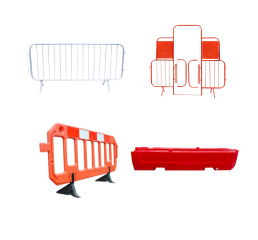
Water-filled barriers, pedestrian crowd control barriers, plastic interlocking barriers, temporary fencing panels, and hoarding systems for site perimeter protection, pedestrian control, and public safety around construction operations. Water-filled barriers provide robust vehicle impact protection for roadworks and can be configured into flexible barrier runs. Pedestrian barriers are used for crowd management and pedestrian routing around construction activities on footways and public areas. Temporary fencing and hoarding provide site perimeter security and public safety separation.
Water-filled barriers · Pedestrian barriers · Temporary fencing · Hoarding systems
Traffic Management
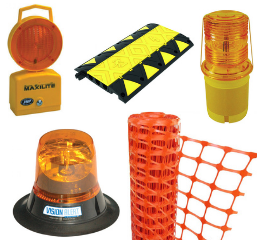
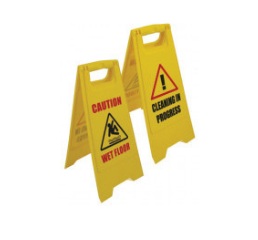
Traffic management equipment including speed humps, road humps, cable protectors, trench covers, warning lights, beacons, and traffic management accessories for construction sites and highways operations. Speed humps control vehicle speed within construction sites and temporary traffic management schemes. Trench covers provide safe and compliant bridging of excavations and cable runs across vehicle and pedestrian routes. Warning lights and amber beacons provide additional conspicuity for construction plant, vehicles, and roadworks in all lighting conditions.
Speed humps · Trench covers · Warning lights and beacons · Cable protectors
Road Cones
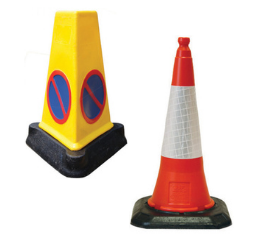
Road cones, delineator cones, and cone accessories in the standard sizes used for temporary traffic management on the public highway and within construction sites. Road cones in 450mm, 750mm, and 1000mm heights provide lane delineation, hazard marking, and vehicle guidance around roadworks and construction activities in compliance with Traffic Signs Manual Chapter 8. Cones are available with and without reflective sleeves for day and night use. Cone accessories including toppers, reflective rings, and cone bags are also stocked for traffic management setups.
450mm, 750mm and 1000mm heights · Reflective sleeves · Chapter 8 compliant · Cone accessories
Road Signs
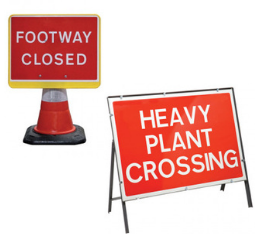
Road signs for temporary traffic management and roadworks on the public highway and construction sites, including regulatory signs, warning signs, information signs, and sign posts and accessories. Road signs for use on the public highway must comply with TSRGD 2016 specifications for dimensions, reflectivity, and symbol design. Sign posts, sign frames, and cone-mounted sign systems allow rapid deployment and reconfiguration of temporary signing schemes as works progress. Close road signs, footway closed signs, heavy plant crossing signs, and site-specific regulatory signs are all stocked.
TSRGD 2016 compliant · Sign posts and frames · Cone-mounted signs · Regulatory and warning
Safety Signs
Construction site safety signs, scaff tags, ladder tags, pedestrian access signs, and safety information signs compliant with the Health and Safety (Safety Signs and Signals) Regulations 1996 and BS ISO 7010. Safety signs for construction sites cover mandatory PPE requirements, prohibition signs, warning signs, fire safety signs, and safe condition signs for first aid and emergency routes. Scaff tags and ladder tags provide a visual inspection record system for scaffold and ladder safety that is widely required by principal contractors and clients as part of their safety management systems.
Scaff tags and ladder tags · Mandatory, warning and prohibition · BS ISO 7010 compliant · PPE signs
Automotive Supplies
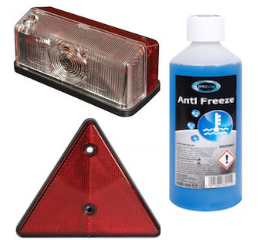
Automotive safety and maintenance supplies for construction site vehicles and plant including anti-freeze, screen wash, reflective warning triangles, side marker lights, and vehicle safety accessories. Reflective warning triangles are a legal requirement in many European countries and are best practice for any vehicle breakdown situation. Anti-freeze and screen wash ensure vehicles remain operational in winter conditions. Side marker lights and reflectors maintain vehicle conspicuity on construction sites operating in low-light conditions or during winter months when early darkness reduces visibility of plant and site vehicles.
Anti-freeze and screen wash · Reflective triangles · Side marker lights · Vehicle safety accessories
Choosing the Right Traffic Management and Signage Equipment
Traffic management and signage equipment selection must be based on the specific requirements of the works location, the type of road or site, the speed of traffic, the duration of the works, and the regulatory requirements that apply. For works on the public highway, a Traffic Management Plan approved by the relevant highway authority is required, and the signs, cones, and barriers used must comply with the specifications set out in Traffic Signs Manual Chapter 8.
For construction site internal traffic management, the priority is clear separation of vehicle and pedestrian routes, appropriate speed control, and clear signage at all site access points identifying the PPE requirements, speed limits, and site rules. Scaff tags and ladder tags must be in place on all scaffolding and ladders from the point of erection and must be updated following each inspection throughout the life of the scaffold or ladder on site.
| Application | Equipment required | Key requirement |
|---|---|---|
| Roadworks on public highway | Road cones, road signs, sign posts | TSRGD 2016 compliant; Chapter 8 TMP |
| Vehicle and pedestrian separation on site | Barriers, pedestrian barriers, cones | CDM Regulations 2015 traffic management plan |
| Site entrance and PPE compliance | Mandatory PPE signs, site entry signs | Health and Safety (Safety Signs and Signals) Regs 1996 |
| Scaffold inspection recording | Scaff tags | Work at Height Regulations 2005 |
| Ladder inspection recording | Ladder tags | Work at Height Regulations 2005; PUWER 1998 |
| Site speed control | Speed humps, speed limit signs | Site traffic management plan |
| Excavation and trench bridging | Trench covers, barriers, warning signs | CDM Regulations 2015; safe access requirements |
Traffic Management and Safety Signage Supplied Across the UK
Traffic management and safety signage are safety-critical products where regulatory compliance is not optional. Road signs that do not meet TSRGD 2016 specifications, cones that do not meet retroreflectivity requirements, and safety signs that do not comply with BS ISO 7010 colour and symbol standards can all result in enforcement action and, more critically, in accidents that correct specification and placement would have prevented.
CMT Group has been supplying traffic management, barriers, and safety signage to UK construction and highways contractors for over 20 years. As a FORS Gold accredited organisation and BSIF Registered Safety Supplier, we understand the regulatory requirements of our customers and supply products that meet them. Our range covers the complete scope of traffic management and signage requirements from road cones and road signs through to scaff tags, barriers, speed humps, and trench covers. We operate our own fleet of 100+ FORS Gold accredited vehicles covering 90% of the UK, with next day delivery standard on orders placed by 5pm by phone or 7pm online, and VIP 2-3 hour delivery on a dedicated vehicle dispatched within 30 minutes for urgent requirements.
Frequently asked questions
What are scaff tags and are they a legal requirement?
Scaff tags are colour-coded inspection record tags attached to scaffolding to communicate the current inspection status of the scaffold to all workers on site. A green tag indicates the scaffold has been inspected and is safe for use. A red or amber tag indicates the scaffold must not be used until a specific issue has been resolved. While scaff tags are not specifically mandated by name in legislation, the Work at Height Regulations 2005 require that scaffolding is inspected by a competent person before first use and at regular intervals thereafter, and that the results of inspections are recorded. Scaff tags provide a simple, highly visible method of communicating inspection status at the point of use, and are required by most principal contractors and clients as part of their scaffold safety management systems. They are considered best practice and are effectively a commercial requirement on all but the smallest projects.
What size road cone do I need for roadworks?
The correct road cone size for roadworks on the public highway is determined by the speed limit of the road and the requirements of Traffic Signs Manual Chapter 8. For roads with a speed limit of 50mph or below, 450mm cones are generally appropriate for lane delineation. For roads with a speed limit above 50mph, larger 750mm or 1000mm cones are required to provide the greater conspicuity needed at higher traffic speeds. Cones used in temporary traffic management on the public highway must meet the retroreflectivity requirements of BS EN 13422 to ensure adequate visibility in headlights at night and in poor weather. Always refer to the approved Traffic Management Plan for the specific cone size and spacing requirements for your works.
What road signs do I need for construction roadworks?
The road signs required for roadworks on the public highway depend on the nature of the works, the location, and the Traffic Management Plan approved by the highway authority. At a minimum, most roadworks require advance warning signs to alert drivers to the upcoming hazard, signs indicating any temporary speed limit in force, and signs directing traffic through or around the works. The specific signs, their distances from the works, and their dimensions are all specified in Traffic Signs Manual Chapter 8, which should be referenced when planning any temporary traffic management scheme. Signs must comply with TSRGD 2016 specifications for the sign type being used. For works not on the public highway, road signs used within the site boundary must still be appropriate for their purpose but do not need to meet TSRGD specifications.
What do the different safety sign colours mean?
Under the Health and Safety (Safety Signs and Signals) Regulations 1996 and BS ISO 7010, safety signs are colour coded by category. Red signs indicate prohibition, meaning an action that must not be done, such as no smoking or no unauthorised entry. Yellow or amber signs indicate warning, alerting workers to a hazard such as overhead loads, deep excavations, or moving machinery. Blue signs indicate mandatory actions that must be taken, such as wearing a hard hat, high-visibility clothing, or eye protection in the area. Green signs indicate safe conditions or emergency information, such as the location of first aid equipment, emergency exits, and assembly points. This colour coding system is standardised across the UK and Europe so that the meaning of a sign is immediately understood without needing to read the text.
Why buy traffic management and signage from CMT Group?
CMT Group is a FORS Gold accredited organisation and BSIF Registered Safety Supplier, with over 20 years of experience supplying traffic management, barriers, and safety signage to UK construction and highways contractors. Our FORS Gold accreditation demonstrates our commitment to vehicle and road safety standards that directly align with the traffic management products we supply. Our range covers road cones, road signs, barriers, water-filled barriers, speed humps, trench covers, safety signs, scaff tags, and ladder tags, sourced to meet the regulatory requirements of the TSRGD 2016, Traffic Signs Manual Chapter 8, and the Health and Safety (Safety Signs and Signals) Regulations 1996. We operate our own fleet of 100+ FORS Gold accredited vehicles covering 90% of the UK, with next day delivery standard on orders placed by 5pm by phone or 7pm online, and VIP 2-3 hour delivery on a dedicated vehicle dispatched within 30 minutes for urgent requirements.
Scaff Tags vs Ladder Tags: What Is the Difference?
Scaff tags and ladder tags are both visual inspection record systems used on construction sites, but they apply to different equipment and have different inspection requirements. Scaff tags are applied to scaffolding structures and record the inspection status of the scaffold as a whole, including the date of inspection, the name of the competent person who carried out the inspection, and whether the scaffold is safe for use (green tag), has a restriction on use (amber tag), or must not be used (red tag). Under the Work at Height Regulations 2005, scaffolding must be inspected before first use following erection, after any event that may have affected its safety, and at intervals not exceeding seven days during use.
Ladder tags are applied to individual ladders and stepladders to record that each ladder has been inspected and is safe for use. Ladders must be inspected before first use and regularly thereafter under the Work at Height Regulations 2005 and PUWER 1998. The ladder tag records the inspection date, the inspector's details, and the result of the inspection. A red tag on a ladder means it must be taken out of use immediately until repaired or replaced. Both scaff tag and ladder tag systems create a visible, at-a-glance safety status for everyone on site, and both generate an inspection record that supports compliance with regulatory requirements. They are not interchangeable: scaff tags go on scaffolding, ladder tags go on ladders.
Accreditations and memberships



Shop Traffic, Barriers and Signage by Category
Traffic, Barriers & Signage
Traffic management, barriers, and safety signage keep construction sites, highways operations, and public spaces safe for workers, pedestrians, and road users. CMT Group supplies a comprehensive range of traffic management and safety signage products including road signs, road cones, barriers, temporary fencing, safety signs, scaff tags, speed humps, trench covers, water-filled barriers, and automotive supplies, covering the traffic management and signage requirements of construction contractors, highways teams, and site managers across the UK.
Read more Read less
Traffic management and safety signage on construction sites and highways works are subject to a comprehensive regulatory framework. Road signs used on the public highway must comply with the Traffic Signs Regulations and General Directions 2016 and be approved for use on the public road network. Safety signs on construction sites must comply with the Health and Safety (Safety Signs and Signals) Regulations 1996 and the colour coding and symbol standards of BS ISO 7010. CMT Group is a FORS Gold accredited supplier and BSIF Registered Safety Supplier, providing the traffic management and signage sector with products that meet these regulatory requirements.
- ✓ Road signs including regulatory, warning, and information signs for highways works
- ✓ Road cones, delineator cones, and cone accessories for traffic management on site
- ✓ Water-filled barriers, pedestrian barriers, and temporary fencing and hoarding
- ✓ Traffic management equipment including speed humps, trench covers, and warning lights
- ✓ Safety signs, scaff tags, ladder tags, and site pedestrian access signs
- ✓ Automotive supplies including anti-freeze, reflective triangles, and vehicle safety products
- ✓ Bulk supply available for project procurement, framework agreements, and trade accounts
- ✓ Next day delivery standard. VIP 2-3 hour delivery on a dedicated vehicle also available
Road Signs and Traffic Management on Construction Sites
Road signs used on the public highway in connection with construction and roadworks must comply with the Traffic Signs Regulations and General Directions 2016 (TSRGD 2016), which specify the design, dimensions, colours, and retroreflectivity requirements for all traffic signs used on UK roads. Signs used in temporary traffic management must also comply with the Traffic Signs Manual Chapter 8, which provides detailed guidance on the signing, lighting, and guarding requirements for roadworks on the public highway.
On construction sites away from the public highway, road signs and traffic management equipment must still be appropriate for their purpose and clearly communicate the intended restriction or instruction to drivers and pedestrians within the site boundary. Site safety signs must comply with the Health and Safety (Safety Signs and Signals) Regulations 1996, which implement the EU Safety Signs Directive and specify the required colours, symbols, and formats for prohibition, warning, mandatory, and safe condition signs. Using non-compliant or incorrect signs on a construction site is a health and safety compliance failure that could result in accidents and enforcement action.
Traffic, Barriers and Signage by Category
Our range covers the traffic management, barrier, and signage products required across construction, highways, and site safety operations.
Barriers, Temporary Fencing and Hoarding
Water-filled barriers, pedestrian crowd control barriers, plastic interlocking barriers, temporary fencing panels, and hoarding systems for site perimeter protection, pedestrian control, and public safety around construction operations. Water-filled barriers provide robust vehicle impact protection for roadworks and can be configured into flexible barrier runs. Pedestrian barriers are used for crowd management and pedestrian routing around construction activities on footways and public areas. Temporary fencing and hoarding provide site perimeter security and public safety separation.
Water-filled barriers · Pedestrian barriers · Temporary fencing · Hoarding systems
Traffic Management
Traffic management equipment including speed humps, road humps, cable protectors, trench covers, warning lights, beacons, and traffic management accessories for construction sites and highways operations. Speed humps control vehicle speed within construction sites and temporary traffic management schemes. Trench covers provide safe and compliant bridging of excavations and cable runs across vehicle and pedestrian routes. Warning lights and amber beacons provide additional conspicuity for construction plant, vehicles, and roadworks in all lighting conditions.
Speed humps · Trench covers · Warning lights and beacons · Cable protectors
Road Cones
Road cones, delineator cones, and cone accessories in the standard sizes used for temporary traffic management on the public highway and within construction sites. Road cones in 450mm, 750mm, and 1000mm heights provide lane delineation, hazard marking, and vehicle guidance around roadworks and construction activities in compliance with Traffic Signs Manual Chapter 8. Cones are available with and without reflective sleeves for day and night use. Cone accessories including toppers, reflective rings, and cone bags are also stocked for traffic management setups.
450mm, 750mm and 1000mm heights · Reflective sleeves · Chapter 8 compliant · Cone accessories
Road Signs
Road signs for temporary traffic management and roadworks on the public highway and construction sites, including regulatory signs, warning signs, information signs, and sign posts and accessories. Road signs for use on the public highway must comply with TSRGD 2016 specifications for dimensions, reflectivity, and symbol design. Sign posts, sign frames, and cone-mounted sign systems allow rapid deployment and reconfiguration of temporary signing schemes as works progress. Close road signs, footway closed signs, heavy plant crossing signs, and site-specific regulatory signs are all stocked.
TSRGD 2016 compliant · Sign posts and frames · Cone-mounted signs · Regulatory and warning
Safety Signs
Construction site safety signs, scaff tags, ladder tags, pedestrian access signs, and safety information signs compliant with the Health and Safety (Safety Signs and Signals) Regulations 1996 and BS ISO 7010. Safety signs for construction sites cover mandatory PPE requirements, prohibition signs, warning signs, fire safety signs, and safe condition signs for first aid and emergency routes. Scaff tags and ladder tags provide a visual inspection record system for scaffold and ladder safety that is widely required by principal contractors and clients as part of their safety management systems.
Scaff tags and ladder tags · Mandatory, warning and prohibition · BS ISO 7010 compliant · PPE signs
Automotive Supplies
Automotive safety and maintenance supplies for construction site vehicles and plant including anti-freeze, screen wash, reflective warning triangles, side marker lights, and vehicle safety accessories. Reflective warning triangles are a legal requirement in many European countries and are best practice for any vehicle breakdown situation. Anti-freeze and screen wash ensure vehicles remain operational in winter conditions. Side marker lights and reflectors maintain vehicle conspicuity on construction sites operating in low-light conditions or during winter months when early darkness reduces visibility of plant and site vehicles.
Anti-freeze and screen wash · Reflective triangles · Side marker lights · Vehicle safety accessories
Choosing the Right Traffic Management and Signage Equipment
Traffic management and signage equipment selection must be based on the specific requirements of the works location, the type of road or site, the speed of traffic, the duration of the works, and the regulatory requirements that apply. For works on the public highway, a Traffic Management Plan approved by the relevant highway authority is required, and the signs, cones, and barriers used must comply with the specifications set out in Traffic Signs Manual Chapter 8.
For construction site internal traffic management, the priority is clear separation of vehicle and pedestrian routes, appropriate speed control, and clear signage at all site access points identifying the PPE requirements, speed limits, and site rules. Scaff tags and ladder tags must be in place on all scaffolding and ladders from the point of erection and must be updated following each inspection throughout the life of the scaffold or ladder on site.
| Application | Equipment required | Key requirement |
|---|---|---|
| Roadworks on public highway | Road cones, road signs, sign posts | TSRGD 2016 compliant; Chapter 8 TMP |
| Vehicle and pedestrian separation on site | Barriers, pedestrian barriers, cones | CDM Regulations 2015 traffic management plan |
| Site entrance and PPE compliance | Mandatory PPE signs, site entry signs | Health and Safety (Safety Signs and Signals) Regs 1996 |
| Scaffold inspection recording | Scaff tags | Work at Height Regulations 2005 |
| Ladder inspection recording | Ladder tags | Work at Height Regulations 2005; PUWER 1998 |
| Site speed control | Speed humps, speed limit signs | Site traffic management plan |
| Excavation and trench bridging | Trench covers, barriers, warning signs | CDM Regulations 2015; safe access requirements |
Traffic Management and Safety Signage Supplied Across the UK
Traffic management and safety signage are safety-critical products where regulatory compliance is not optional. Road signs that do not meet TSRGD 2016 specifications, cones that do not meet retroreflectivity requirements, and safety signs that do not comply with BS ISO 7010 colour and symbol standards can all result in enforcement action and, more critically, in accidents that correct specification and placement would have prevented.
CMT Group has been supplying traffic management, barriers, and safety signage to UK construction and highways contractors for over 20 years. As a FORS Gold accredited organisation and BSIF Registered Safety Supplier, we understand the regulatory requirements of our customers and supply products that meet them. Our range covers the complete scope of traffic management and signage requirements from road cones and road signs through to scaff tags, barriers, speed humps, and trench covers. We operate our own fleet of 100+ FORS Gold accredited vehicles covering 90% of the UK, with next day delivery standard on orders placed by 5pm by phone or 7pm online, and VIP 2-3 hour delivery on a dedicated vehicle dispatched within 30 minutes for urgent requirements.
Frequently asked questions
What are scaff tags and are they a legal requirement?
Scaff tags are colour-coded inspection record tags attached to scaffolding to communicate the current inspection status of the scaffold to all workers on site. A green tag indicates the scaffold has been inspected and is safe for use. A red or amber tag indicates the scaffold must not be used until a specific issue has been resolved. While scaff tags are not specifically mandated by name in legislation, the Work at Height Regulations 2005 require that scaffolding is inspected by a competent person before first use and at regular intervals thereafter, and that the results of inspections are recorded. Scaff tags provide a simple, highly visible method of communicating inspection status at the point of use, and are required by most principal contractors and clients as part of their scaffold safety management systems. They are considered best practice and are effectively a commercial requirement on all but the smallest projects.
What size road cone do I need for roadworks?
The correct road cone size for roadworks on the public highway is determined by the speed limit of the road and the requirements of Traffic Signs Manual Chapter 8. For roads with a speed limit of 50mph or below, 450mm cones are generally appropriate for lane delineation. For roads with a speed limit above 50mph, larger 750mm or 1000mm cones are required to provide the greater conspicuity needed at higher traffic speeds. Cones used in temporary traffic management on the public highway must meet the retroreflectivity requirements of BS EN 13422 to ensure adequate visibility in headlights at night and in poor weather. Always refer to the approved Traffic Management Plan for the specific cone size and spacing requirements for your works.
What road signs do I need for construction roadworks?
The road signs required for roadworks on the public highway depend on the nature of the works, the location, and the Traffic Management Plan approved by the highway authority. At a minimum, most roadworks require advance warning signs to alert drivers to the upcoming hazard, signs indicating any temporary speed limit in force, and signs directing traffic through or around the works. The specific signs, their distances from the works, and their dimensions are all specified in Traffic Signs Manual Chapter 8, which should be referenced when planning any temporary traffic management scheme. Signs must comply with TSRGD 2016 specifications for the sign type being used. For works not on the public highway, road signs used within the site boundary must still be appropriate for their purpose but do not need to meet TSRGD specifications.
What do the different safety sign colours mean?
Under the Health and Safety (Safety Signs and Signals) Regulations 1996 and BS ISO 7010, safety signs are colour coded by category. Red signs indicate prohibition, meaning an action that must not be done, such as no smoking or no unauthorised entry. Yellow or amber signs indicate warning, alerting workers to a hazard such as overhead loads, deep excavations, or moving machinery. Blue signs indicate mandatory actions that must be taken, such as wearing a hard hat, high-visibility clothing, or eye protection in the area. Green signs indicate safe conditions or emergency information, such as the location of first aid equipment, emergency exits, and assembly points. This colour coding system is standardised across the UK and Europe so that the meaning of a sign is immediately understood without needing to read the text.
Why buy traffic management and signage from CMT Group?
CMT Group is a FORS Gold accredited organisation and BSIF Registered Safety Supplier, with over 20 years of experience supplying traffic management, barriers, and safety signage to UK construction and highways contractors. Our FORS Gold accreditation demonstrates our commitment to vehicle and road safety standards that directly align with the traffic management products we supply. Our range covers road cones, road signs, barriers, water-filled barriers, speed humps, trench covers, safety signs, scaff tags, and ladder tags, sourced to meet the regulatory requirements of the TSRGD 2016, Traffic Signs Manual Chapter 8, and the Health and Safety (Safety Signs and Signals) Regulations 1996. We operate our own fleet of 100+ FORS Gold accredited vehicles covering 90% of the UK, with next day delivery standard on orders placed by 5pm by phone or 7pm online, and VIP 2-3 hour delivery on a dedicated vehicle dispatched within 30 minutes for urgent requirements.
Scaff Tags vs Ladder Tags: What Is the Difference?
Scaff tags and ladder tags are both visual inspection record systems used on construction sites, but they apply to different equipment and have different inspection requirements. Scaff tags are applied to scaffolding structures and record the inspection status of the scaffold as a whole, including the date of inspection, the name of the competent person who carried out the inspection, and whether the scaffold is safe for use (green tag), has a restriction on use (amber tag), or must not be used (red tag). Under the Work at Height Regulations 2005, scaffolding must be inspected before first use following erection, after any event that may have affected its safety, and at intervals not exceeding seven days during use.
Ladder tags are applied to individual ladders and stepladders to record that each ladder has been inspected and is safe for use. Ladders must be inspected before first use and regularly thereafter under the Work at Height Regulations 2005 and PUWER 1998. The ladder tag records the inspection date, the inspector's details, and the result of the inspection. A red tag on a ladder means it must be taken out of use immediately until repaired or replaced. Both scaff tag and ladder tag systems create a visible, at-a-glance safety status for everyone on site, and both generate an inspection record that supports compliance with regulatory requirements. They are not interchangeable: scaff tags go on scaffolding, ladder tags go on ladders.
Accreditations and memberships
