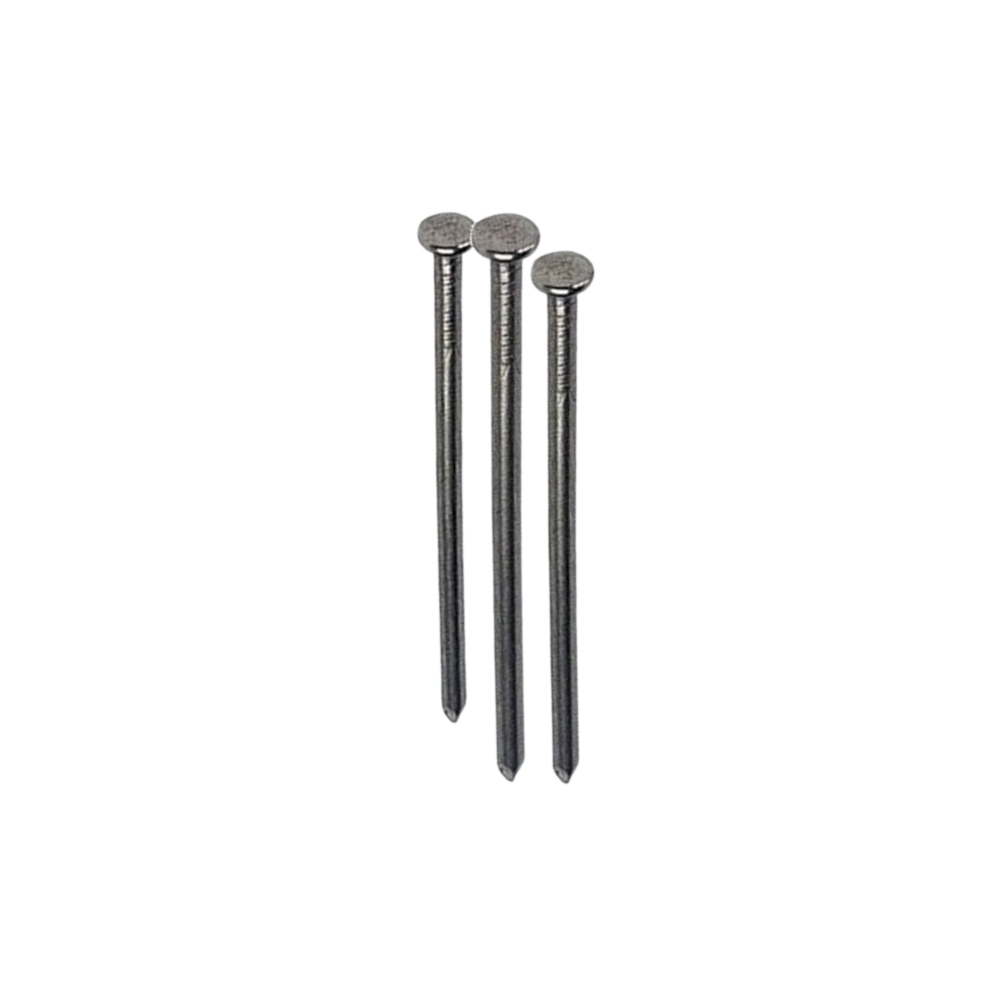
Nails

Nails are used across construction, groundworks and carpentry where your team needs reliable fixings for timber, masonry, concrete, roofing sheets and general site work. CMT Group supplies masonry nails, ring shank nails, twist nails, wire nails, gas nails and plastic head nails for trade orders, project supply and repeat procurement ... Nails are used across construction, groundworks and carpentry where your team needs reliable fixings for timber, masonry, concrete, roofing sheets and general site work. CMT Group supplies masonry nails, ring shank nails, twist nails, wire nails, gas nails and plastic head nails for trade orders, project supply and repeat procurement. You can narrow the range by nail type, shank profile, point style, length, gauge, finish and pack quantity, depending on the base material and application. The range supports timber fixing, masonry fixing, roofing sheets, cladding, fibre cement boards, nail gun use and general site fastening where product data supports the use. For larger requirements, CMT Group can support trade pack ordering, stock checks, repeat procurement and same-day or next-day UK delivery on stocked lines. read more...read less
Nail types, specification checks and common use
| Nail type | Specification checks | What it means for the buyer | Common use |
|---|---|---|---|
| Wire Nails | Gauge or diameter, length, head type (flat or round), point type, finish (bright or galvanised), pack weight or quantity and product data where stated. | Confirm gauge or diameter, length, head type, finish and pack quantity before ordering. Check product data for the intended base material and application. | General carpentry, timber frame, shuttering, temporary fixing and site applications where a plain shank nail is suitable and the fixing is not load-critical. |
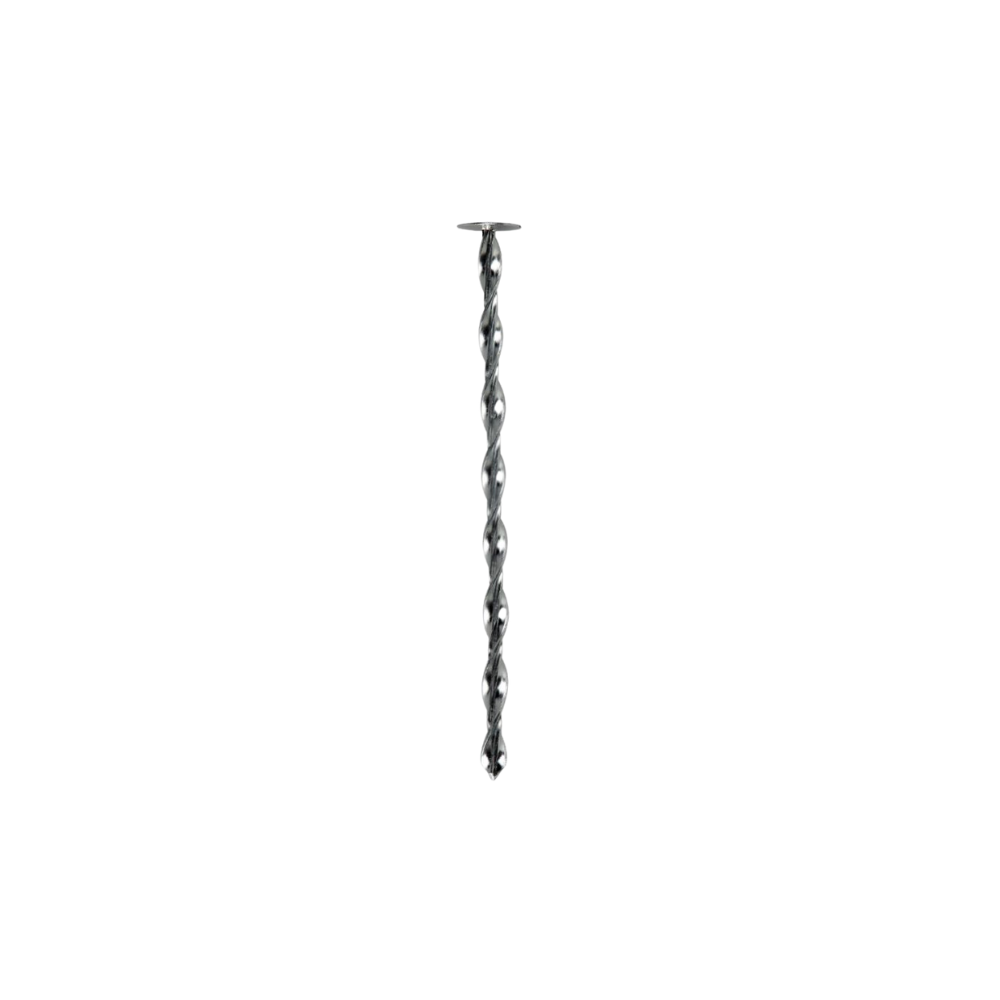
| Twist Nails | Shank diameter or gauge, length, head type, shank profile (square twisted), finish (hot dip galvanised or bright), pack quantity and product data where stated. | Confirm shank diameter, length, head type, shank profile, finish and pack quantity before ordering. The twisted shank increases grip and withdrawal resistance compared to plain shank nails. Check product data and any project specification before ordering. | Trussed rafter work, engineered timber connections, timber frame applications, floor decking and other timber fixing where product data or project specification supports the use. |
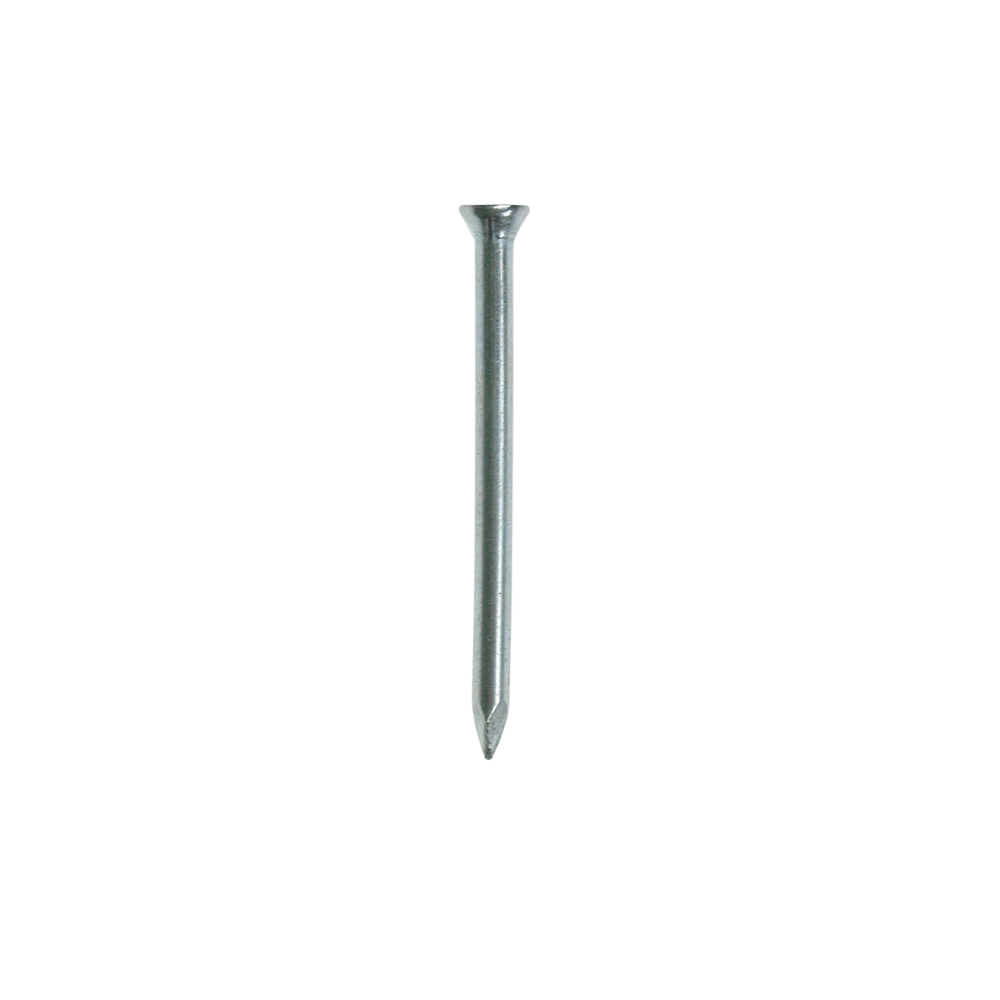
| Masonry Nails | Shank diameter, length, head type (flat or round), shank profile, finish, base material (solid concrete, block or brick), pack weight or quantity and product data where stated. | Check diameter, length, shank profile, base material and pack quantity before ordering. Masonry nails are generally used with suitable solid substrates. For hollow, cellular or lightweight blockwork, check product data before ordering to confirm whether the fixing is suitable. | Light-duty fixing of timber battens, plates, cable clips, conduit saddles and lightweight brackets into solid concrete, brick or dense block where product data supports the use. |
| Ring Shank Nails | Shank diameter, length, ring profile, head type, collation format (hand-driven or strip or coil for machine use), finish (hot dip galvanised or stainless), pack or box quantity and product data where stated. | Confirm shank diameter, length, head type, collation format, finish and quantity before ordering. Ring shank nails are often selected where improved withdrawal resistance is needed compared with plain shank nails. | Timber cladding, decking, sheet material fixing, floorboard and chipboard flooring, boarding and applications where withdrawal resistance is a project or specification requirement. |
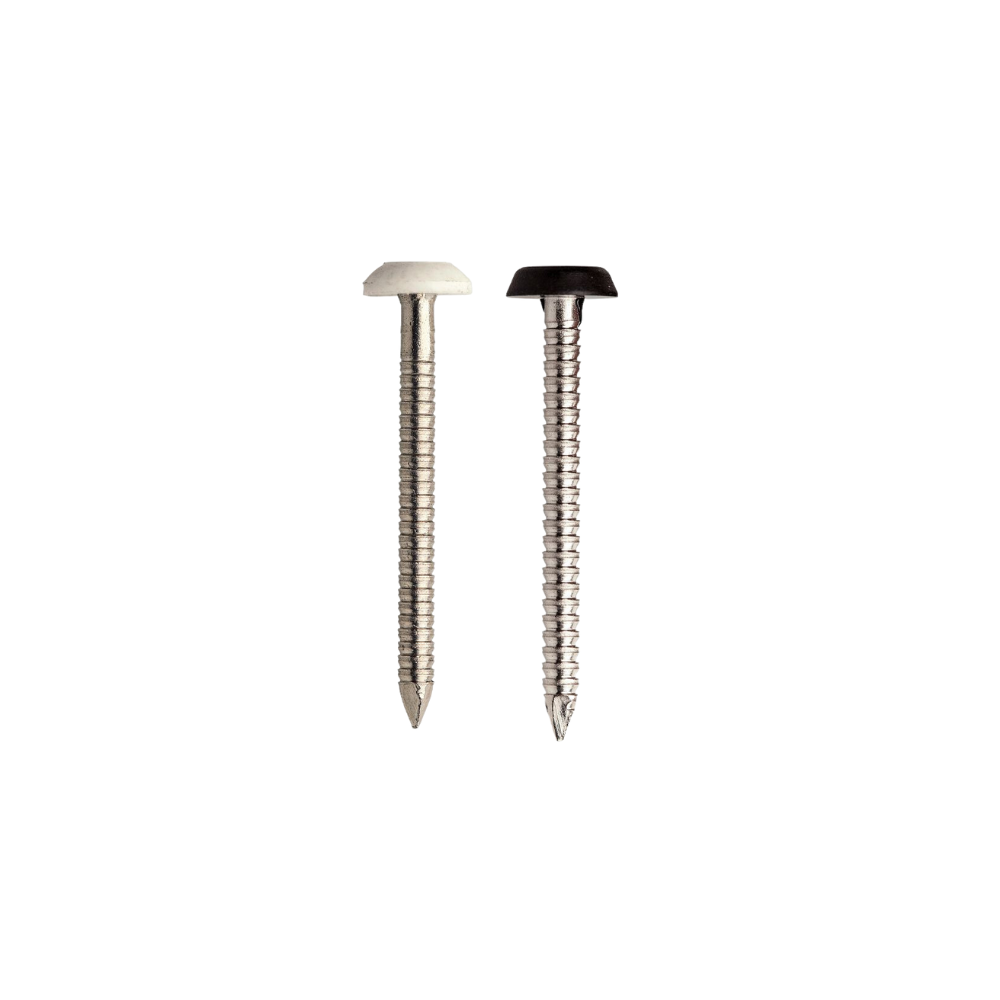
| Plastic Head Nails | Shank diameter, length, head colour and type (for strip collation), base material (fibre cement, roofing sheet or board), collation format, finish and pack quantity where stated. | Match the head colour and collation format to your nailer and application. Confirm shank diameter and length before ordering. Typically used with a nailer for fibre cement board, cladding and roofing sheet materials where the head must sit flush or colour matching is specified. | Fibre cement board, cladding, soffit and fascia fixing, roofing sheet materials and applications where a low-visibility or colour-matched head is required. |
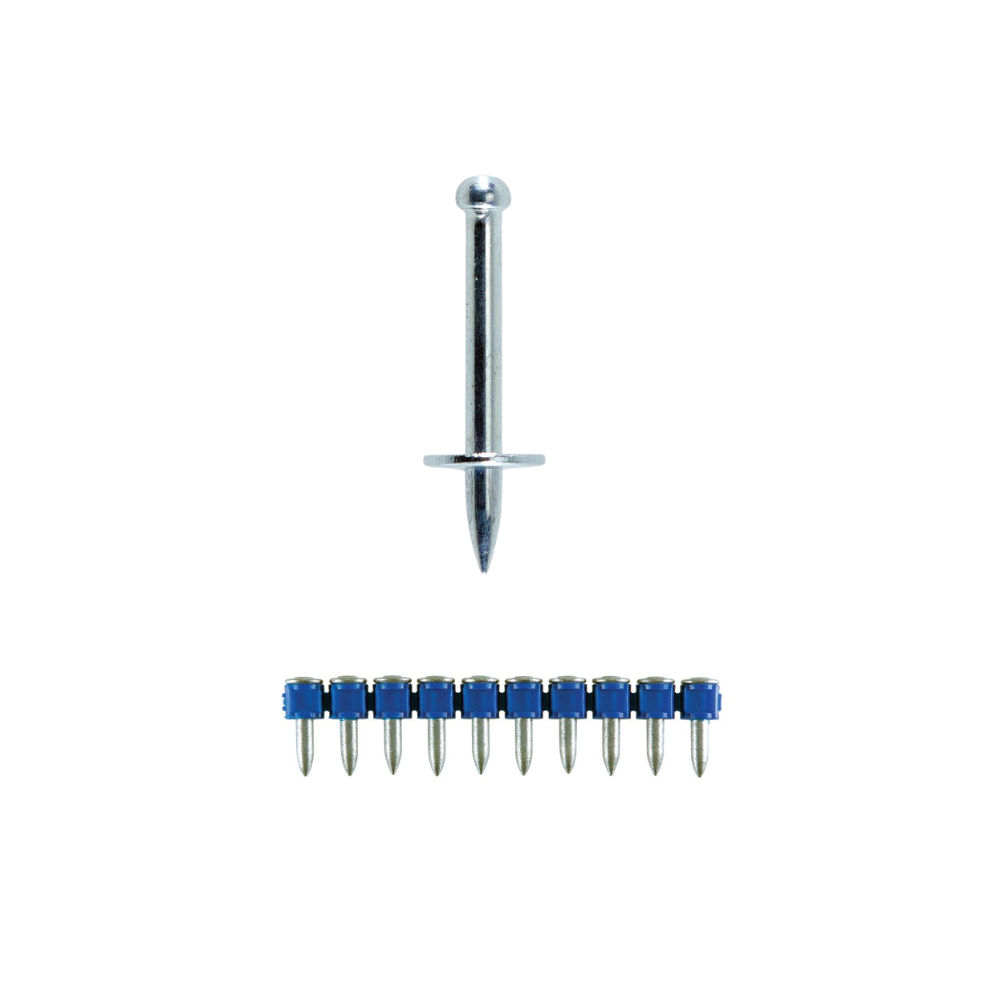
| Gas Nails | Nail diameter, length, head type, collation format (strip or coil), compatible nailer model, finish, pack or box quantity and product data where stated. | Confirm nail diameter, length and collation format match the nailer you are using. Nails and nailers must be compatible: check product data and manufacturer guidance before ordering. | First fix carpentry, timber framing, pallet fixing, bulk site carpentry and applications where a compatible gas or battery-powered nailer is used for high-volume nailing. |
Frequently asked questions
Which nail types are most commonly ordered by construction and carpentry procurement teams?
Construction and carpentry teams commonly order masonry nails for light-duty fixing into suitable concrete, brick or block. Ring shank nails are used for timber cladding, flooring, decking and sheet material fixing where extra grip is needed. Twist nails are often selected for timber frame, trussed rafter and engineered timber applications where the project specification calls for that nail type. Gas nails support fast, high-volume site fastening when they match the nailer being used. Wire nails remain a general-purpose option for carpentry, shuttering and temporary fixing. Plastic head nails are commonly used for fibre cement board, cladding and roofing sheet applications where a wider or colour-matched head is useful.
Nail selection depends on the base material, application, shank profile, length, finish, collation format and any project specification requirements. You should check product data before ordering to confirm the nail type is suitable for the base material and application.
What should buyers confirm before ordering masonry nails or cement nails for site fixing?
Before ordering masonry nails, check shank diameter, length, finish, pack quantity and the base material. Masonry nails are generally used with suitable solid concrete, brick or dense block. For hollow, cellular or lightweight blockwork, check the product data before ordering to confirm whether the fixing is suitable.
Masonry nails are typically suited to light-duty, secondary or non-structural applications such as fixing timber battens, cable clips or conduit saddles. For load-related fixing into concrete or masonry, a mechanical or chemical anchor is likely the more appropriate choice. Check the base material condition, nail specification and pack quantity before ordering.
How should buyers choose between masonry nails and mechanical or chemical anchors for concrete fixing?
Masonry nails are typically used for light-duty, secondary or temporary fixing into solid concrete, brick or dense block, for example fixing timber battens, cable clips or conduit saddles where the fixing is not load-critical. They offer a quick, tool-driven fixing method for non-structural applications where product data supports the base material.
For load-related, structural, pull-out or specified fixing into concrete or masonry, a mechanical anchor (such as a drop in anchor, sleeve anchor or heavy duty anchor) or a chemical anchor system is likely the more appropriate choice. Check the product data and follow any project specification before ordering. The Anchors range covers drop in anchors, sleeve anchors, chemical anchors, nail in anchors and heavy duty anchors for concrete and masonry fixing applications.
What is the difference between ring shank nails and twist nails, and when should each be specified?
Ring shank nails have a ringed or annular shank profile. They are often selected for timber cladding, flooring, decking, chipboard and sheet material fixing where improved withdrawal resistance is needed compared with a plain shank nail.
Twist nails have a twisted shank profile and are commonly used for trussed rafter work, engineered timber connections, floor decking and timber frame applications where that nail type is specified.
Both nail types should be selected using product data and any project specification. Check length, diameter or gauge, finish, head type, pack quantity and the application before ordering.
What should buyers check when ordering gas nails for site nailers?
Gas nails must be compatible with the nailer being used on site. Compatibility depends on nail diameter, length, collation format (strip or coil) and the specific nailer model. Not all nail formats suit every nailer, and using incompatible nails can affect performance and safety. Confirm the nail specification, collation type and nailer compatibility from the product data before placing an order.
For volume requirements or to confirm compatibility for a specific nailer model or site application, the CMT Group team can assist. Check product data for nail dimensions, collation format and compatible nailer types before ordering.
How should buyers choose between bright and galvanised nails for construction applications?
Bright nails are generally used for internal or dry applications where corrosion resistance is not a key requirement. Galvanised nails are commonly selected for applications where the fixing may be exposed to moisture, such as external timber work, cladding, decking, roofing sheets or general outdoor site use.
The right finish depends on the material being fixed, the exposure conditions and any project or manufacturer specification. Check product data before ordering, especially where the nail will be used externally or where a specific coating or treatment is required.
Can CMT Group support repeat nail orders, trade accounts and project replenishment?
Yes. CMT Group supplies nails for project accounts, depot replenishment, framework contracts and ongoing site supply. For bulk orders, repeat supply or account-based procurement, your team can use the EDGE B2B Portal or speak to the team to discuss stock availability, trade pricing and supply arrangements.
The wider supply service is supported by accreditations including CHAS Elite, BSI ISO 9001:2015 Quality Management and ConstructionOnline Gold, which support procurement confidence around safety management and quality processes. Product suitability still depends on the individual nail type, base material, application and any project-specific requirements.
How quickly can stocked nail lines be delivered?
Stocked nail lines can be supplied with same-day and next-day delivery options where available, with nationwide coverage for trade and project accounts. Availability can vary by nail type, finish and pack quantity, so check stock and delivery options before placing large or time-critical orders.
Sourcing nails for construction, groundworks, carpentry, masonry or timber fixing? CMT Group supplies masonry nails, ring shank nails, twist nails, wire nails, gas nails and plastic head nails for trade and project accounts across the UK. For volume requirements, depot replenishment or planned supply, speak to the team or browse the full Fixings, Fasteners & Resins range.
UK-wide delivery
Same-day and next-day UK delivery on stocked nail lines, with nationwide coverage for trade and project accounts.Stock availability
Stock availability across masonry nails, ring shank nails, twist nails, wire nails, gas nails and plastic head nails, with support for repeat site supply and project replenishment.EDGE B2B Portal
Self-serve procurement with trade pricing, order tracking and easy repeat ordering for account holders.Fixings range
Order nails alongside screws, bolts, anchors, resins and accessories from the wider Fixings, Fasteners & Resins range.Sustainable procurement
Supply support for responsible procurement, project planning and social value commitments across construction and infrastructure work.Shop Nails by Type
Nails
Nails are used across construction, groundworks and carpentry where your team needs reliable fixings for timber, masonry, concrete, roofing sheets and general site work. CMT Group supplies masonry nails, ring shank nails, twist nails, wire nails, gas nails and plastic head nails for trade orders, project supply and repeat procurement ... Nails are used across construction, groundworks and carpentry where your team needs reliable fixings for timber, masonry, concrete, roofing sheets and general site work. CMT Group supplies masonry nails, ring shank nails, twist nails, wire nails, gas nails and plastic head nails for trade orders, project supply and repeat procurement. You can narrow the range by nail type, shank profile, point style, length, gauge, finish and pack quantity, depending on the base material and application. The range supports timber fixing, masonry fixing, roofing sheets, cladding, fibre cement boards, nail gun use and general site fastening where product data supports the use. For larger requirements, CMT Group can support trade pack ordering, stock checks, repeat procurement and same-day or next-day UK delivery on stocked lines. read more...read less
Nail types, specification checks and common use
| Nail type | Specification checks | What it means for the buyer | Common use |
|---|---|---|---|
| Wire Nails | Gauge or diameter, length, head type (flat or round), point type, finish (bright or galvanised), pack weight or quantity and product data where stated. | Confirm gauge or diameter, length, head type, finish and pack quantity before ordering. Check product data for the intended base material and application. | General carpentry, timber frame, shuttering, temporary fixing and site applications where a plain shank nail is suitable and the fixing is not load-critical. |
| Twist Nails | Shank diameter or gauge, length, head type, shank profile (square twisted), finish (hot dip galvanised or bright), pack quantity and product data where stated. | Confirm shank diameter, length, head type, shank profile, finish and pack quantity before ordering. The twisted shank increases grip and withdrawal resistance compared to plain shank nails. Check product data and any project specification before ordering. | Trussed rafter work, engineered timber connections, timber frame applications, floor decking and other timber fixing where product data or project specification supports the use. |
| Masonry Nails | Shank diameter, length, head type (flat or round), shank profile, finish, base material (solid concrete, block or brick), pack weight or quantity and product data where stated. | Check diameter, length, shank profile, base material and pack quantity before ordering. Masonry nails are generally used with suitable solid substrates. For hollow, cellular or lightweight blockwork, check product data before ordering to confirm whether the fixing is suitable. | Light-duty fixing of timber battens, plates, cable clips, conduit saddles and lightweight brackets into solid concrete, brick or dense block where product data supports the use. |
| Ring Shank Nails | Shank diameter, length, ring profile, head type, collation format (hand-driven or strip or coil for machine use), finish (hot dip galvanised or stainless), pack or box quantity and product data where stated. | Confirm shank diameter, length, head type, collation format, finish and quantity before ordering. Ring shank nails are often selected where improved withdrawal resistance is needed compared with plain shank nails. | Timber cladding, decking, sheet material fixing, floorboard and chipboard flooring, boarding and applications where withdrawal resistance is a project or specification requirement. |
| Plastic Head Nails | Shank diameter, length, head colour and type (for strip collation), base material (fibre cement, roofing sheet or board), collation format, finish and pack quantity where stated. | Match the head colour and collation format to your nailer and application. Confirm shank diameter and length before ordering. Typically used with a nailer for fibre cement board, cladding and roofing sheet materials where the head must sit flush or colour matching is specified. | Fibre cement board, cladding, soffit and fascia fixing, roofing sheet materials and applications where a low-visibility or colour-matched head is required. |
| Gas Nails | Nail diameter, length, head type, collation format (strip or coil), compatible nailer model, finish, pack or box quantity and product data where stated. | Confirm nail diameter, length and collation format match the nailer you are using. Nails and nailers must be compatible: check product data and manufacturer guidance before ordering. | First fix carpentry, timber framing, pallet fixing, bulk site carpentry and applications where a compatible gas or battery-powered nailer is used for high-volume nailing. |
Frequently asked questions
Which nail types are most commonly ordered by construction and carpentry procurement teams?
Construction and carpentry teams commonly order masonry nails for light-duty fixing into suitable concrete, brick or block. Ring shank nails are used for timber cladding, flooring, decking and sheet material fixing where extra grip is needed. Twist nails are often selected for timber frame, trussed rafter and engineered timber applications where the project specification calls for that nail type. Gas nails support fast, high-volume site fastening when they match the nailer being used. Wire nails remain a general-purpose option for carpentry, shuttering and temporary fixing. Plastic head nails are commonly used for fibre cement board, cladding and roofing sheet applications where a wider or colour-matched head is useful.
Nail selection depends on the base material, application, shank profile, length, finish, collation format and any project specification requirements. You should check product data before ordering to confirm the nail type is suitable for the base material and application.
What should buyers confirm before ordering masonry nails or cement nails for site fixing?
Before ordering masonry nails, check shank diameter, length, finish, pack quantity and the base material. Masonry nails are generally used with suitable solid concrete, brick or dense block. For hollow, cellular or lightweight blockwork, check the product data before ordering to confirm whether the fixing is suitable.
Masonry nails are typically suited to light-duty, secondary or non-structural applications such as fixing timber battens, cable clips or conduit saddles. For load-related fixing into concrete or masonry, a mechanical or chemical anchor is likely the more appropriate choice. Check the base material condition, nail specification and pack quantity before ordering.
How should buyers choose between masonry nails and mechanical or chemical anchors for concrete fixing?
Masonry nails are typically used for light-duty, secondary or temporary fixing into solid concrete, brick or dense block, for example fixing timber battens, cable clips or conduit saddles where the fixing is not load-critical. They offer a quick, tool-driven fixing method for non-structural applications where product data supports the base material.
For load-related, structural, pull-out or specified fixing into concrete or masonry, a mechanical anchor (such as a drop in anchor, sleeve anchor or heavy duty anchor) or a chemical anchor system is likely the more appropriate choice. Check the product data and follow any project specification before ordering. The Anchors range covers drop in anchors, sleeve anchors, chemical anchors, nail in anchors and heavy duty anchors for concrete and masonry fixing applications.
What is the difference between ring shank nails and twist nails, and when should each be specified?
Ring shank nails have a ringed or annular shank profile. They are often selected for timber cladding, flooring, decking, chipboard and sheet material fixing where improved withdrawal resistance is needed compared with a plain shank nail.
Twist nails have a twisted shank profile and are commonly used for trussed rafter work, engineered timber connections, floor decking and timber frame applications where that nail type is specified.
Both nail types should be selected using product data and any project specification. Check length, diameter or gauge, finish, head type, pack quantity and the application before ordering.
What should buyers check when ordering gas nails for site nailers?
Gas nails must be compatible with the nailer being used on site. Compatibility depends on nail diameter, length, collation format (strip or coil) and the specific nailer model. Not all nail formats suit every nailer, and using incompatible nails can affect performance and safety. Confirm the nail specification, collation type and nailer compatibility from the product data before placing an order.
For volume requirements or to confirm compatibility for a specific nailer model or site application, the CMT Group team can assist. Check product data for nail dimensions, collation format and compatible nailer types before ordering.
How should buyers choose between bright and galvanised nails for construction applications?
Bright nails are generally used for internal or dry applications where corrosion resistance is not a key requirement. Galvanised nails are commonly selected for applications where the fixing may be exposed to moisture, such as external timber work, cladding, decking, roofing sheets or general outdoor site use.
The right finish depends on the material being fixed, the exposure conditions and any project or manufacturer specification. Check product data before ordering, especially where the nail will be used externally or where a specific coating or treatment is required.
Can CMT Group support repeat nail orders, trade accounts and project replenishment?
Yes. CMT Group supplies nails for project accounts, depot replenishment, framework contracts and ongoing site supply. For bulk orders, repeat supply or account-based procurement, your team can use the EDGE B2B Portal or speak to the team to discuss stock availability, trade pricing and supply arrangements.
The wider supply service is supported by accreditations including CHAS Elite, BSI ISO 9001:2015 Quality Management and ConstructionOnline Gold, which support procurement confidence around safety management and quality processes. Product suitability still depends on the individual nail type, base material, application and any project-specific requirements.
How quickly can stocked nail lines be delivered?
Stocked nail lines can be supplied with same-day and next-day delivery options where available, with nationwide coverage for trade and project accounts. Availability can vary by nail type, finish and pack quantity, so check stock and delivery options before placing large or time-critical orders.
Sourcing nails for construction, groundworks, carpentry, masonry or timber fixing? CMT Group supplies masonry nails, ring shank nails, twist nails, wire nails, gas nails and plastic head nails for trade and project accounts across the UK. For volume requirements, depot replenishment or planned supply, speak to the team or browse the full Fixings, Fasteners & Resins range.