Other Fixings & Accessories

Fixings accessories support the nuts, washers, studding, channel components, drill bits, resin accessories, silicone and finishing parts your team needs to complete site fixing work. CMT Group supplies fixing accessories for trade orders, project supply and repeat procurement across construction and civils work ... Fixings accessories support the nuts, washers, studding, channel components, drill bits, resin accessories, silicone and finishing parts your team needs to complete site fixing work. CMT Group supplies fixing accessories for trade orders, project supply and repeat procurement across construction and civils work. You can narrow the range by accessory type, thread size, diameter, length, finish, pack quantity and system compatibility. The range supports bolted assemblies, threaded rod work, channel support systems, resin fixing, drilling preparation, nylon fixing, sealing and finishing where product data supports the use. For larger requirements, CMT Group can support stock checks, repeat procurement, depot replenishment and same-day or next-day UK delivery on stocked lines. read more...read less
Fixing accessory types, specification checks and common use
| Accessory type | Specification checks | What it means for you | Common use |
|---|---|---|---|
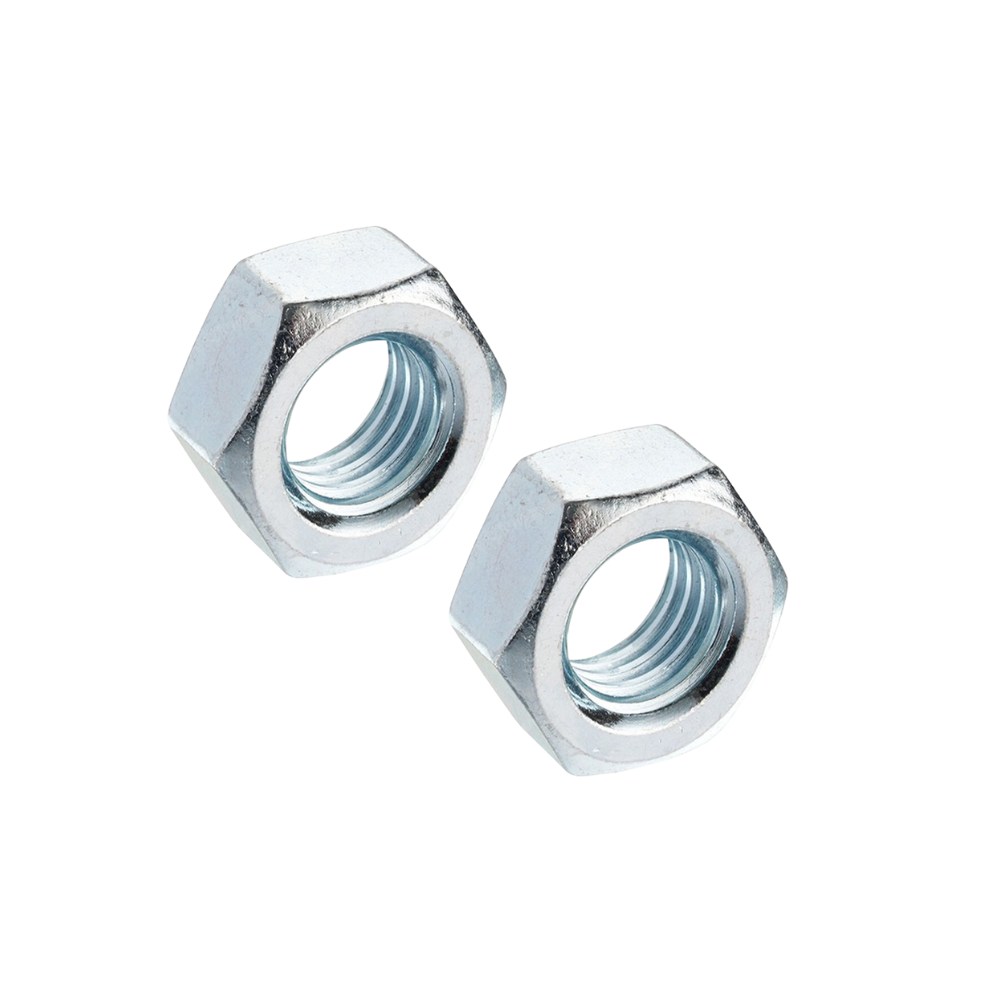
| Full Nuts | Thread size, grade, finish (BZP, stainless or hot-dip galvanised), pack quantity and product data. | Confirm thread size, grade and finish before ordering. Check product data confirms the nut is suitable for your fixing duty, loading conditions and environment. | Securing bolts, anchor rods and studding in general construction, civils and mechanical fixing applications where product data supports the use. |
| Washers | Bore size, outer diameter, finish (BZP, stainless or galvanised), thickness, pack quantity and product data. | Confirm bore size, outer diameter and finish before ordering. Check product data confirms the washer suits your bolt or rod size and application. | Load-spreading in bolted assemblies, threaded rod and anchor fixing work, used alongside bolts, nuts and studding where product data supports the use. |
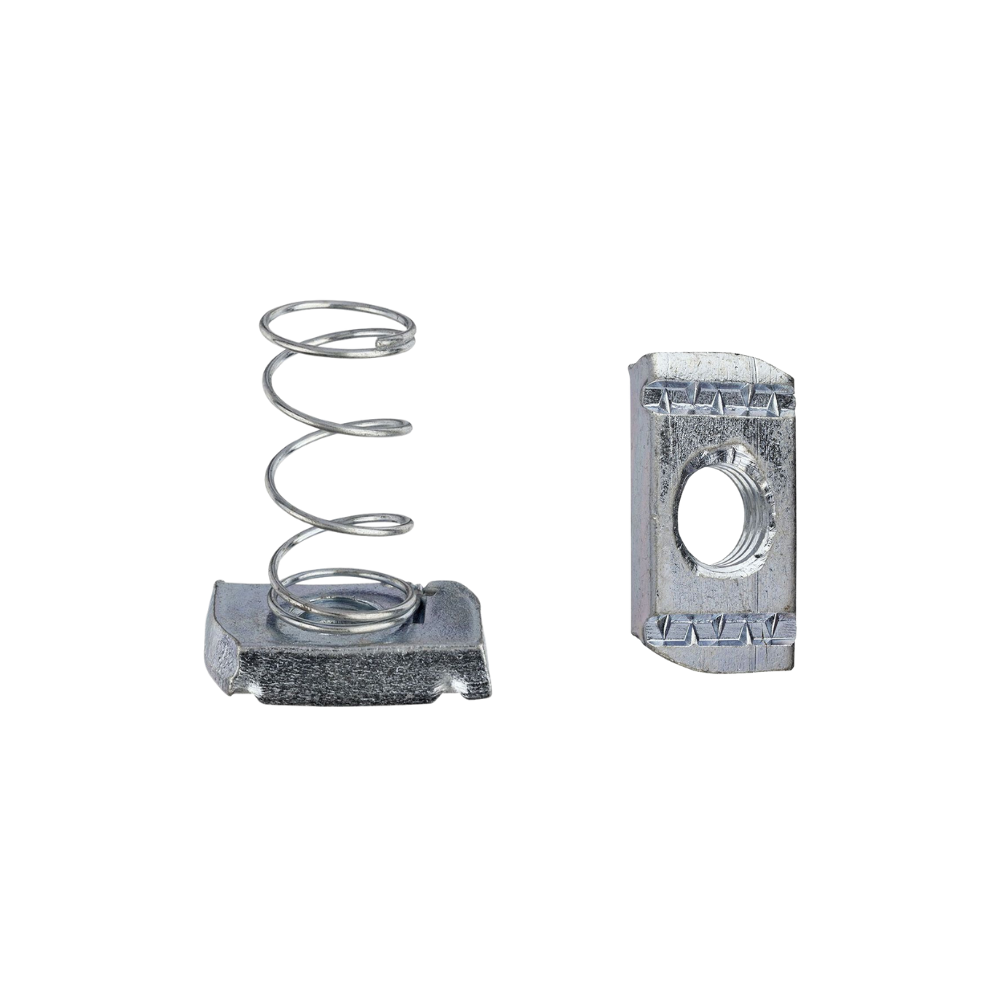
| Channel Nuts | Thread size, channel section compatibility, finish, load rating, pack quantity and product data. | Confirm channel section and thread size compatibility before ordering. Check product data confirms the channel nut is rated for your application and loading requirement. | Channel support systems for fixing to structural steel, concrete and other substrates, including MEP and cladding support work where product data supports the use. |
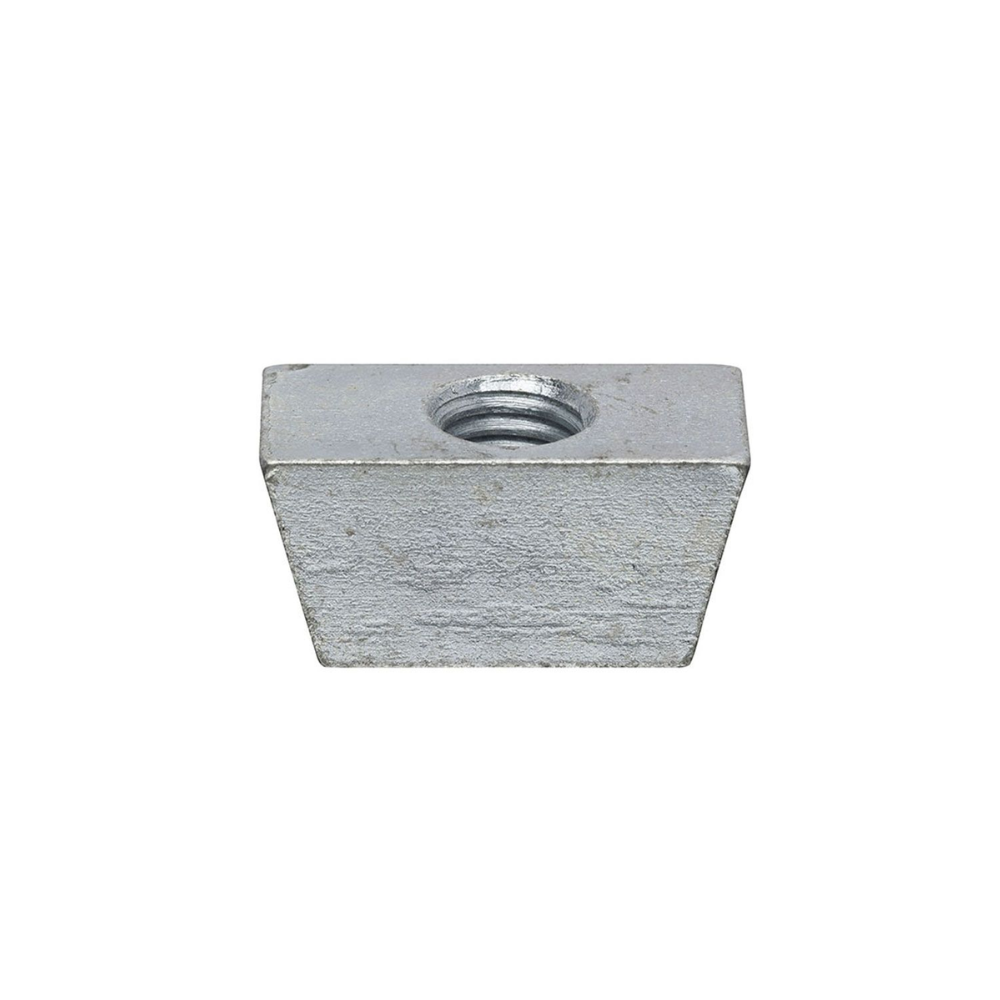
| Wedge Nuts | Thread size, wedge nut type, formwork or shuttering system compatibility, pack quantity and product data. | Confirm thread size and wedge nut type against the formwork or shuttering system before ordering. Check product data confirms compatibility with the tie rod or she-bolt system. | Formwork and shuttering systems, including tie rod and she-bolt applications where product data supports the use. |
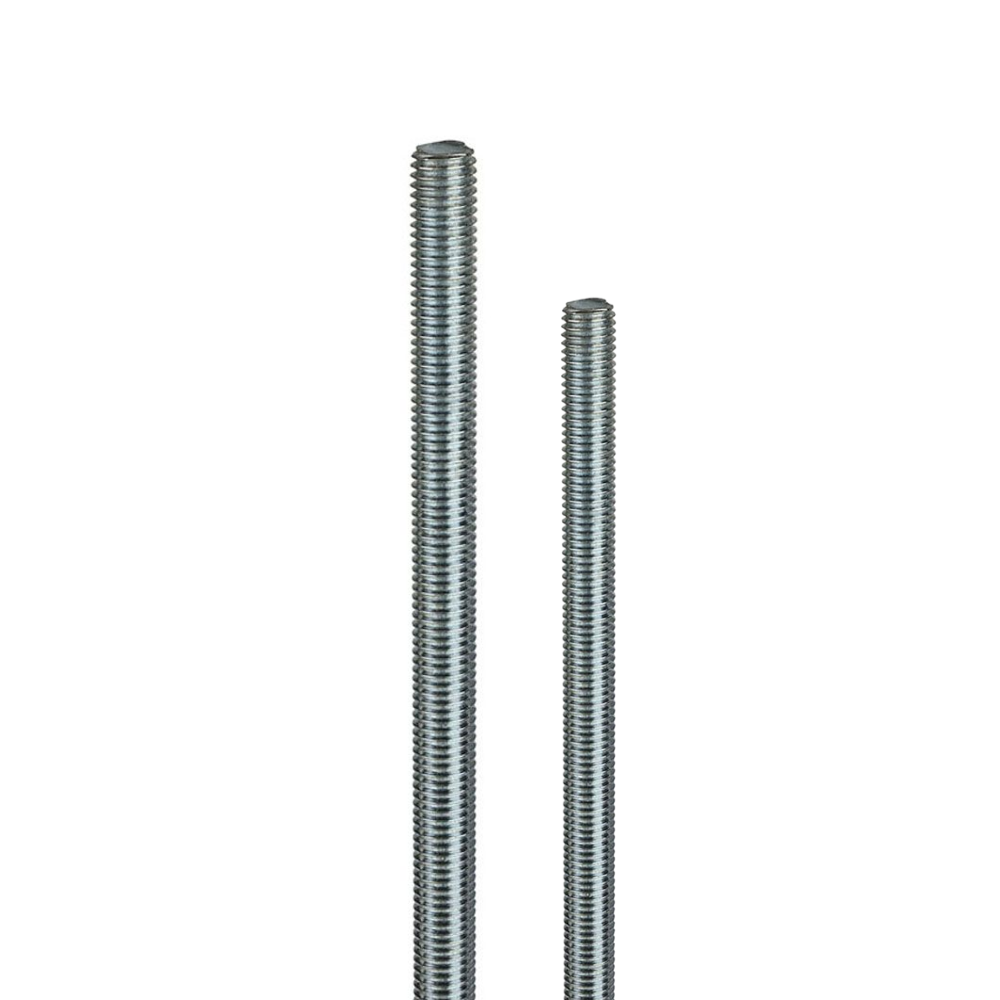
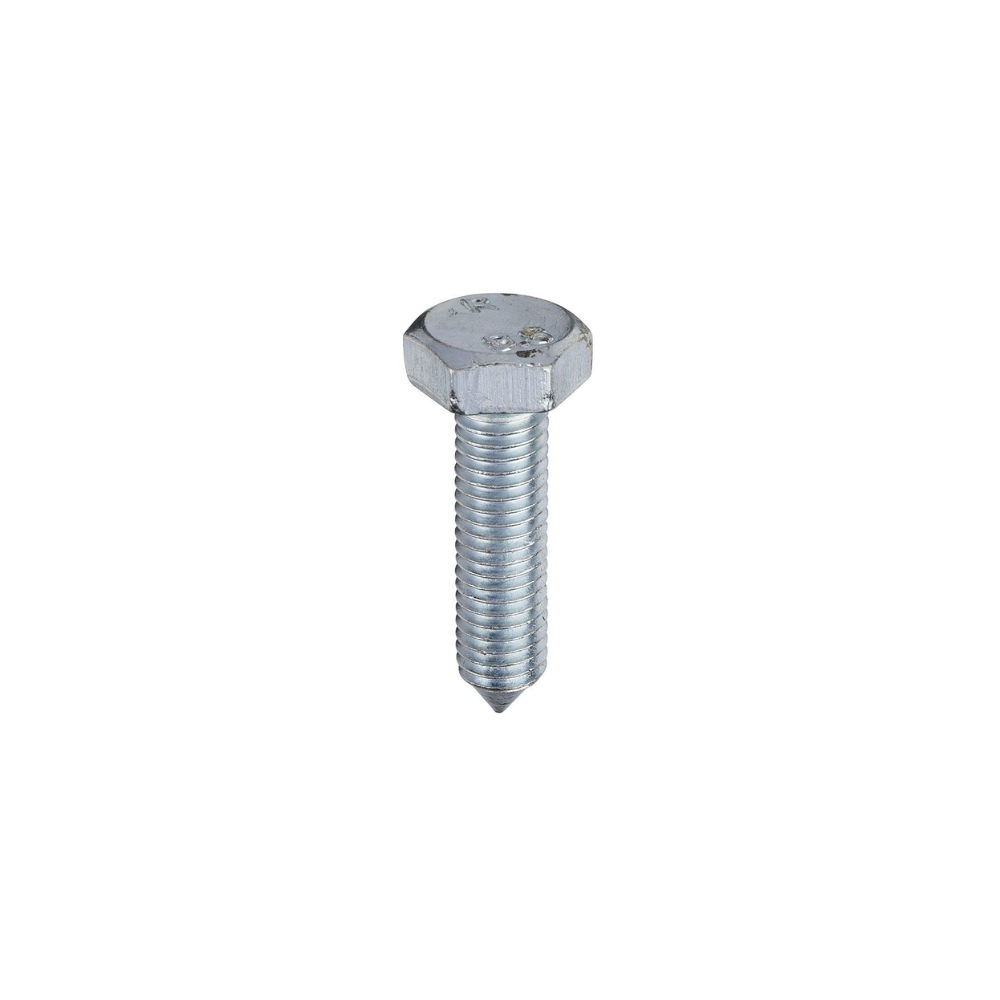
| Studding | Thread size, length, grade, finish (BZP, stainless or hot-dip galvanised), pack quantity and product data. | Confirm thread size, length, grade and finish before ordering. Check product data confirms the studding suits your system, loading and environment. | Threaded rod fixing, channel support systems, anchor bolt extensions, concrete anchoring and bolted assemblies where product data and project specification support the use. |
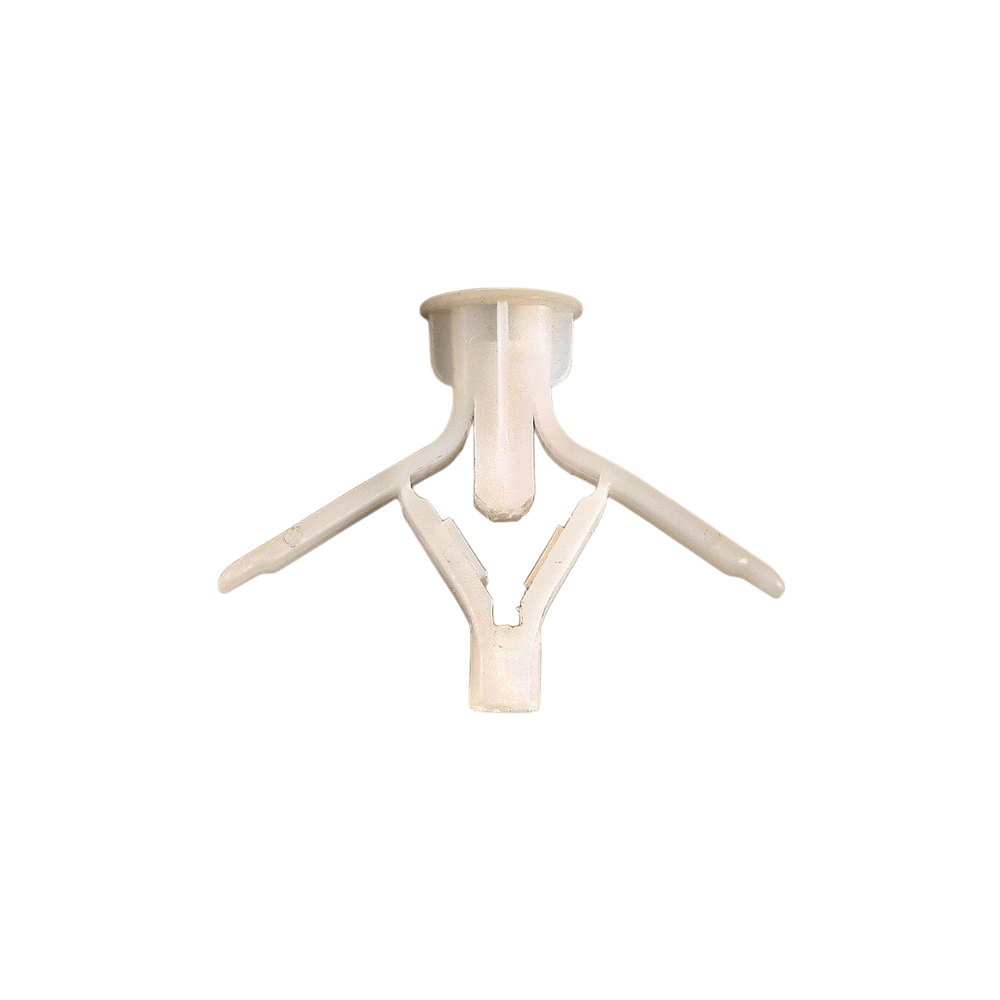
| Nylon Fixings | Diameter, length, suitable base materials (masonry, blockwork, concrete), pack quantity and product data. | Confirm diameter and length against the screw or fixing size. Check product data confirms the nylon fixing is suitable for the substrate and fixing duty before ordering. | Frame fixing and general wall plug applications in masonry, blockwork and concrete where product data supports the use. |
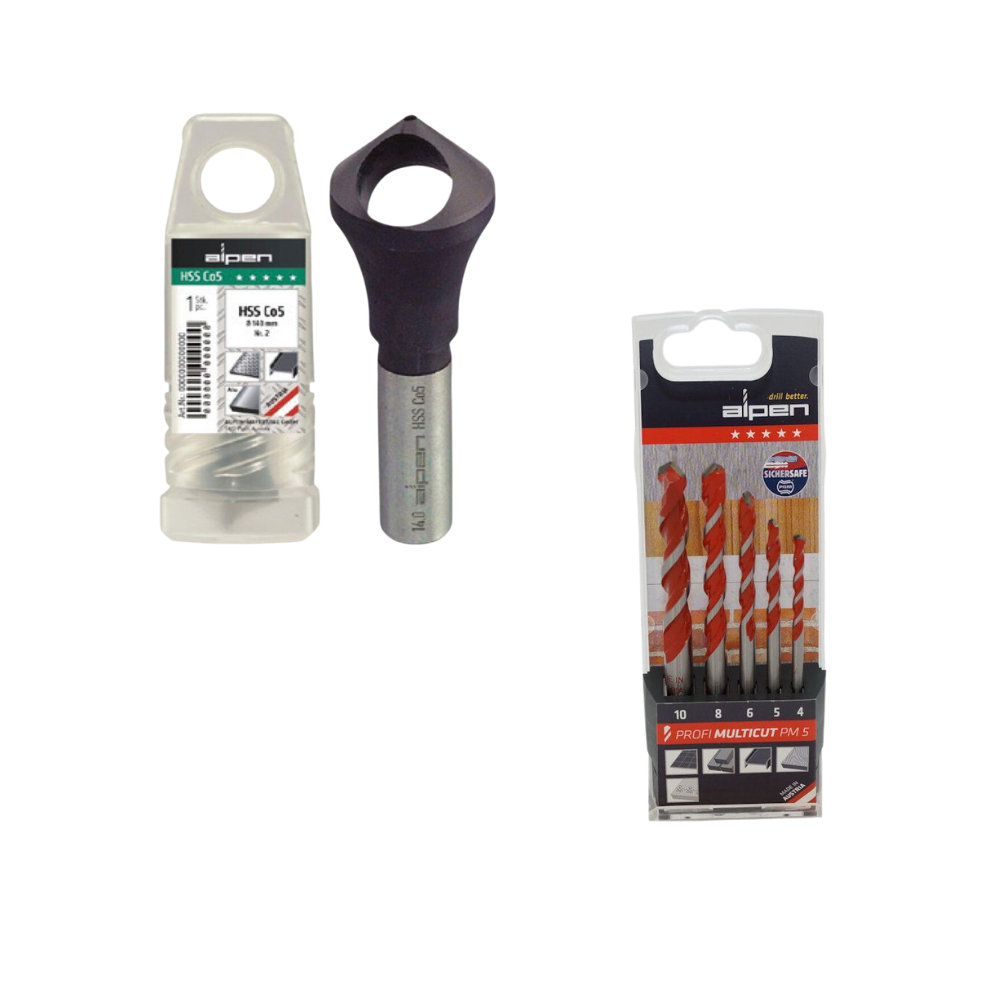
| Drill Bits | Diameter, length, shank type (standard, SDS-Plus or SDS-Max), suitable substrates, drill compatibility, pack quantity and product data. | Confirm diameter and length match the hole size required for the fixing system. Check shank type matches your drill and product data confirms the bit is rated for the substrate and drilling method. | Drilling preparation for masonry, concrete and blockwork fixing prior to installing bolts, anchors, nylon fixings or resin systems where product data supports the use. |
| Accessories and Sets | Compatible fastener or anchor system, components included, pack quantity and product data. | Confirm the set is compatible with your fastener or anchor system before ordering. Check which components are included and verify they meet your installation requirements. | Completing fixing assemblies where a combined set of components is required, ordered alongside bolts, anchors, resins or studding where product data supports the use. |
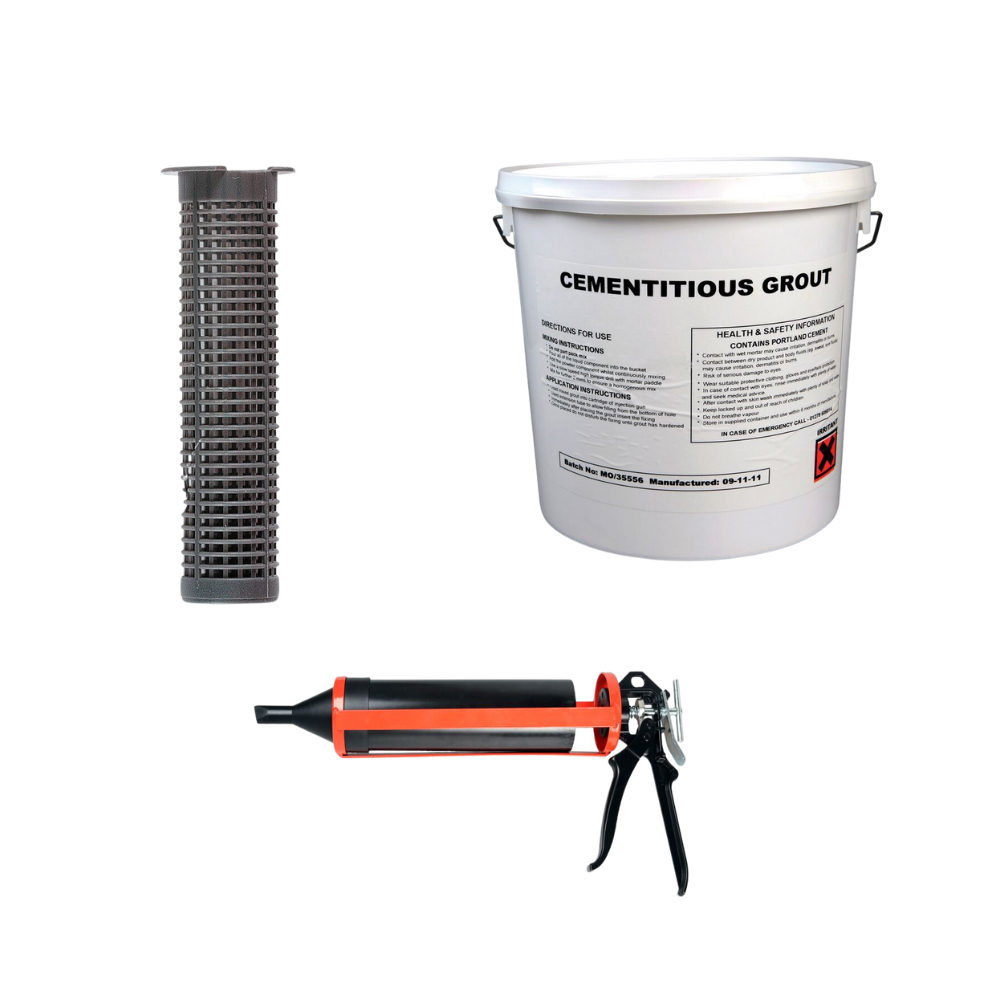
| Injection Resin Accessories | Mesh sleeve diameter and length, mixing nozzle compatibility, resin cartridge and applicator gun compatibility, pack quantity and product data. | Confirm mesh sleeve diameter matches the drilled hole and threaded rod size. Check nozzle and mixing tip compatibility with the resin cartridge before ordering. | Hollow substrate anchoring (hollow block, perforated brick) using chemical anchor resin where a mesh sleeve is required. Also used for mixing nozzle replacement in ongoing resin injection work. |
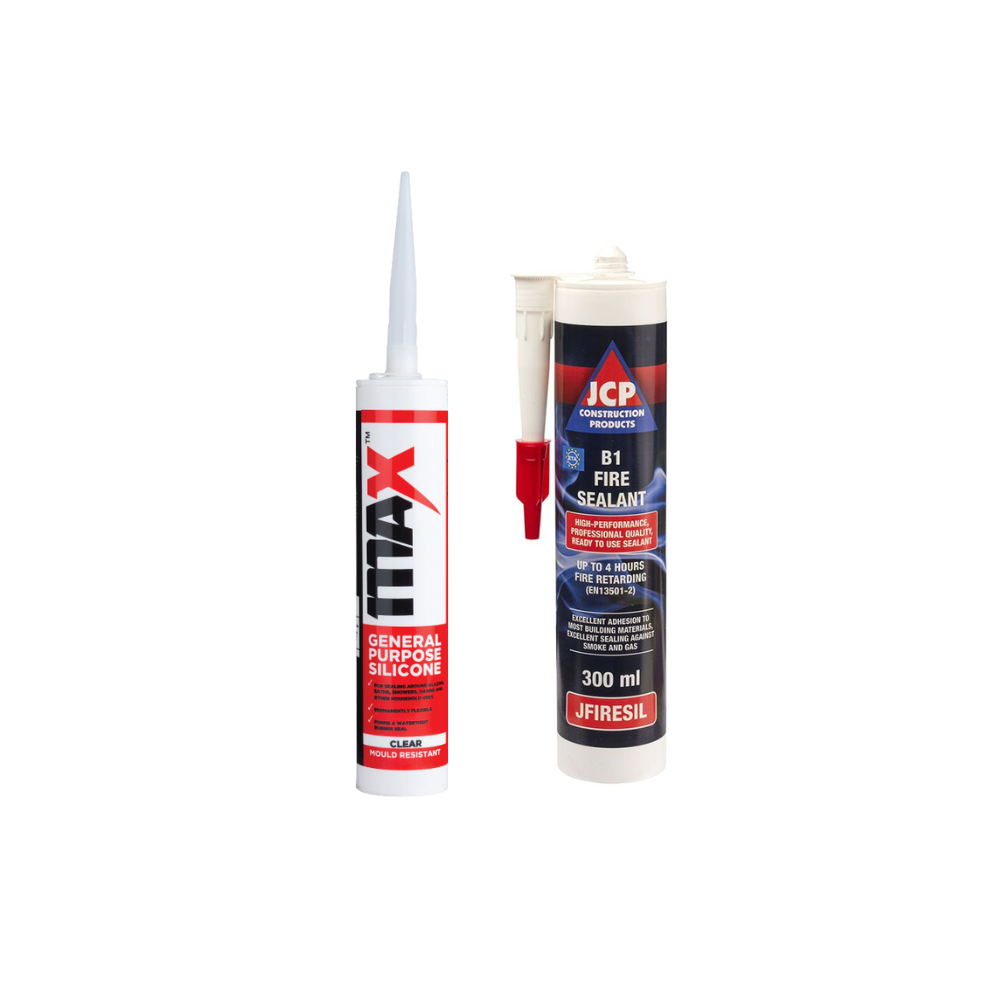
| Silicone | Silicone type (neutral cure, acetoxy or equivalent), colour, cartridge size, substrate suitability, intended application and product data. | Confirm the silicone type is suitable for the substrate and application. Where a specific rating is required, check product data confirms the product meets that requirement before use. | Sealing, jointing and finishing in construction and civils work, including framing, wet areas and external applications where product data confirms the silicone type is appropriate. |
| End Caps | Compatible channel section or studding size, pack quantity and product data. | Confirm the end cap is compatible with the channel section or threaded rod size before ordering. Check product data confirms the end cap suits the system. | Closing off channel section ends and threaded rod in channel support systems where product data supports the use. |
Frequently asked questions
What fixing accessories does CMT Group supply for construction and civils projects?
CMT Group supplies nuts, washers, studding, channel components, drill bits, injection resin accessories, silicone, end caps and accessory sets for trade orders, project supply and repeat procurement. The range covers bolted assemblies, threaded rod work, channel support systems, resin fixing, drilling preparation, nylon fixing, sealing and finishing.
You can narrow the range by accessory type, thread size, diameter, length, finish, pack quantity and system compatibility. Check product data to confirm the specific fixing accessory meets your base material, loading and installation requirements before ordering.
What should you check before ordering studding or channel components for a channel support system?
Before ordering studding, confirm thread size, length, grade and finish against the channel and fixing components in your system. For channel nuts, check compatibility with the channel section and verify product data supports the load and installation requirements.
For wedge nuts used alongside studding in formwork or shuttering systems, confirm thread size and wedge nut type against the formwork or shuttering system before ordering. Where a system is specified by a structural engineer, use only the compatible components listed in the manufacturer's product data.
What is the difference between full nuts, channel nuts and wedge nuts?
Full nuts are standard threaded fasteners used to secure bolts, threaded rod or studding in a wide range of general fixing applications. Confirm thread size, grade and finish before ordering.
Channel nuts are designed to locate within a channel section and allow adjustment along the channel before tightening. They are used in channel support systems for fixing to structural steel, concrete and other substrates. Wedge nuts are used for formwork and shuttering systems, including tie rod and she-bolt applications where product data supports compatibility. Check thread size, wedge nut type and the formwork system before ordering.
What should you check before ordering nylon fixings or drill bits?
For nylon fixings, confirm diameter and length against the screw or fixing size before ordering. Check product data confirms the nylon fixing is suitable for the substrate (masonry, blockwork or concrete) and fixing duty. Frame fixings and wall plugs are available in a range of diameters and lengths.
For drill bits, confirm diameter and length match the hole size required for the fixing system. Check shank type (standard, SDS-Plus or SDS-Max) is compatible with your drill. Confirm the drill bit is rated for the substrate and drilling method in the product data before ordering.
Can injection resin accessories and mesh sleeves be ordered alongside anchor resins?
Yes. Injection resin accessories, including mesh sleeves and mixing nozzles, are available in the fixing accessories range and can be ordered alongside chemical anchor resins and applicator guns from CMT Group. Mesh sleeves may be required when injecting resin into hollow substrates such as hollow block or perforated brick, depending on the resin system, substrate and product data.
Confirm mesh sleeve diameter matches the drilled hole and threaded rod size before ordering. Check nozzle and mixing tip compatibility with the resin cartridge and applicator gun. You can order resin accessories alongside the wider chemical anchor resin and applicator range from the Fixings, Fasteners and Resins category.
What should you check when ordering silicone or sealant products?
Before ordering, confirm the silicone type (neutral cure, acetoxy or equivalent) is suitable for the substrate and application. Neutral cure silicone is generally suitable for a wider range of substrates, including some metals and coated surfaces, where acetoxy types may not be appropriate.
Check cartridge size, colour, intended application and product data before ordering. Where a specific fire rating, watertight performance or other technical requirement applies, confirm product data supports that requirement. Check the technical data sheet before use to confirm suitability for your substrate and application conditions.
Can CMT Group support repeat orders, project quantities and trade accounts for fixing accessories?
Yes. CMT Group supplies fixing accessories to trade accounts, framework accounts, project procurement teams and depot replenishment requirements. The EDGE B2B Portal allows account holders to manage repeat orders, check stock, track deliveries and access trade pricing directly.
For volume requirements, project supply planning or depot replenishment, speak to the team or use your EDGE account. The wider supply service is supported by supplier-level accreditations including CHAS Elite, BSI ISO 9001:2015 Quality Management and ConstructionOnline Gold. These accreditations support procurement confidence around safety management, quality processes and supplier assurance. Product suitability still depends on the individual accessory type, thread specification, system compatibility, installation requirements, manufacturer guidance and any project-specific requirements.
How quickly can stocked fixing accessory lines be delivered?
Stocked fixing accessory lines can be supplied with same-day and next-day UK delivery options where available, with nationwide coverage for trade and project accounts. Availability can vary by accessory type, specification, pack quantity and reorder volume, so check stock and delivery options before placing large or time-critical orders.
Sourcing fixing accessories for construction, civils, bolted assemblies, studding, resin systems, drilling preparation, sealing or finishing work? CMT Group supplies nuts, washers, channel nuts, wedge nuts, studding, nylon fixings, drill bits, injection resin accessories, silicone, end caps and accessory sets for trade and project accounts across the UK. For volume requirements, depot replenishment or planned supply, speak to the team or browse the full Fixings, Fasteners & Resins range.