Resins

Chemical anchor resins are used across construction and civils projects where your team needs bonded fixings in concrete, masonry or other suitable base materials. CMT Group supplies polyester, vinylester, hybrid and pure epoxy resin systems alongside applicator guns for trade orders, project supply and repeat procurement ... Chemical anchor resins are used across construction and civils projects where your team needs bonded fixings in concrete, masonry or other suitable base materials. CMT Group supplies polyester, vinylester, hybrid and pure epoxy resin systems alongside applicator guns for trade orders, project supply and repeat procurement. You can narrow the range by resin type, cartridge size, base material, approval requirement, cure time and applicator gun compatibility. The range supports threaded rod, rebar, concrete fixing, masonry fixing and resin anchoring where product data supports the use. For larger requirements, CMT Group can support trade pack ordering, stock checks, repeat procurement and same-day or next-day UK delivery on stocked lines. read more...read less
Resin types, specification checks and common use
| Resin / product type | Specification checks | What it means for you | Common use |
|---|---|---|---|
| Vinylester Chemical Anchor Resin (MAXFIX V4) | Cartridge size (400ml), ETA Option 1 where required, Seismic C2 approval where specified, cracked or non-cracked concrete suitability, cure time, temperature range, hole condition, applicator gun compatibility and product data. | Check whether ETA Option 1 is required by your project specification. Confirm substrate, seismic approval requirement, cure time and applicator gun compatibility before ordering. Check product data for styrene-free, low odour or VOC-related statements where those details matter to your project. | Specification-led anchoring in suitable cracked or non-cracked concrete, threaded rod and rebar applications, enclosed space work and projects where ETA Option 1 or seismic approval is specified and supported by product data. |
| Polyester Chemical Anchor Resin (MAXFIX P4) | Cartridge size (400ml), ETA Option 7, non-cracked concrete or masonry suitability, threaded rod compatibility, cure time, hole condition, applicator gun compatibility and product data. | Confirm the base material is non-cracked concrete or masonry before ordering. Check whether ETA Option 7 meets your project specification, and match cartridge size and applicator gun before placing the order. | General anchoring in non-cracked concrete and masonry, high-volume installations, cost-effective threaded rod fixing and applications where ETA Option 7 meets the project or specification requirement. |
| Hybrid Chemical Anchor Resin (MAXFIX H4) | Cartridge size (400ml), ETA Option 1 where required, seismic approval where specified, cracked or non-cracked concrete suitability, cure time, hole condition, applicator gun compatibility and product data. | Check whether ETA Option 1 is required. Confirm substrate, cure time, seismic approval requirement and applicator gun compatibility. Use product data to confirm cure time, approval status and suitability for your project. | Specification-led anchoring where ETA Option 1 is required, concrete fixing, brackets, frames and resin fixing applications where product data and project specification support the use. |
| Pure Epoxy Chemical Anchor Resin (JCP) | Cartridge size (385ml), ETA Option 1, WRAS approval where specified for potable water applications, cracked or non-cracked concrete suitability, rebar or threaded rod compatibility, cure time, applicator gun compatibility and product data. | Confirm whether WRAS approval or documentation is required before ordering. Check substrate, rebar or rod compatibility, cartridge size, cure time and applicator gun compatibility. Check product data for the correct heavy duty applicator gun before ordering. | High-specification anchoring, rebar, infrastructure and water-related projects where WRAS approval, ETA Option 1 or other documentation is required and supported by product data. |
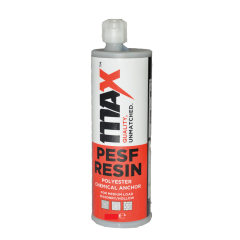
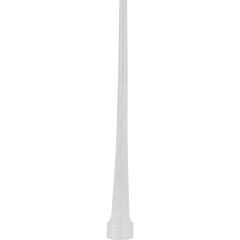
| General Chemical Anchor Resin (MAX XPSF) | Cartridge size (300ml), base material, threaded rod compatibility, cure time, applicator gun compatibility (300ml economy), mixing nozzle compatibility and product data. | Check cartridge size, applicator gun compatibility and substrate before ordering. Suitable for general anchoring where product data supports the substrate and fixing duty, and where a higher-specification resin system is not required by the project. | General site anchoring, concrete and masonry fixing, smaller resin fixing tasks, lower-volume installations and repeat trade orders where product data supports the use. |
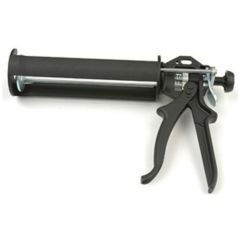
| Resin Applicator Guns | Cartridge size, cartridge format, gun ratio, resin viscosity, nozzle and mixing tip compatibility, and product data for the resin system being used. | Match the applicator gun to the cartridge size, cartridge format and resin viscosity before ordering. Check product data for the specific resin system, nozzle and gun compatibility. | Dispensing compatible 300ml, 385ml, 400ml or 410ml chemical anchor resin cartridges on site, depending on the resin system and applicator gun. |
Frequently asked questions
Which chemical anchor resin types does CMT Group supply for construction and civils projects?
CMT Group supplies styrene-free polyester, vinylester and hybrid chemical anchor resins in the MAXFIX range, alongside the JCP pure epoxy resin and the MAX XPSF general chemical anchor resin. Compatible applicator guns are available for the cartridge formats shown in the product data.
The range covers general anchoring, specification-led concrete fixing, rebar applications and projects where ETA, seismic or WRAS documentation may be required. Check product data to confirm which resin type suits your substrate, fixing duty and approval requirements before ordering.
What should you check before ordering chemical anchor resin?
Before ordering, confirm the resin type, cartridge size and ETA Option number where relevant. Check base material suitability (cracked or non-cracked concrete, masonry or hollow substrate), cure time, hole condition and applicator gun compatibility.
Where a project specification requires ETA Option 1, seismic approval or WRAS approval, confirm the resin meets those requirements before ordering. Also check threaded rod or rebar compatibility, temperature range, nozzle and mixing tip compatibility, and pack quantity. For specification-led work, review the Declaration of Performance for the resin system before placing the order.
What is the difference between polyester, vinylester, hybrid and pure epoxy chemical anchor resins?
Polyester resin is commonly used for general anchoring in suitable non-cracked concrete and masonry where product data supports the use. It can be a practical option for repeat site work where a higher-specification resin system is not required by the project.
Vinylester resin is often selected for specification-led anchoring where product data and project documentation support its use. Depending on the product, this may include cracked concrete, seismic or ETA Option requirements.
Hybrid resin can be used where your project needs a balance of site practicality, cure time and approval requirements. Check the product data to confirm substrate suitability, approval status and cartridge compatibility before ordering.
Pure epoxy resin is commonly selected for higher-specification anchoring, rebar, infrastructure or water-related projects where the correct documentation supports the use. Check WRAS, ETA, substrate, cure time and applicator compatibility before ordering.
When does a project specification or approval requirement affect resin selection?
Project specifications can affect resin selection when they call for a particular ETA Option, cracked concrete suitability, seismic approval, WRAS documentation, threaded rod size, rebar compatibility or base material.
Do not assume every chemical anchor resin carries the same approval. Check the product data, Declaration of Performance and any project documentation before ordering. Where the specification names a required approval or performance level, choose a resin system that is documented for that requirement.
What applicator gun do you need for chemical anchor resin cartridges?
The correct applicator gun depends on cartridge size, cartridge format, resin viscosity and the resin system being used. Some resins need a higher-ratio heavy duty applicator gun, while smaller or standard cartridge formats may use a different gun.
Check product data before ordering to confirm applicator gun, nozzle and mixing tip compatibility. Using the wrong gun or nozzle can affect dispensing and mix quality, so your team should match the gun to the resin system rather than ordering by cartridge size alone.
Can chemical anchor resin be used in hollow block or brick?
Some chemical anchor resin systems can be used in hollow block, perforated brick or similar substrates where product data supports the use and the correct sleeve or accessory system is used.
Suitability depends on the resin type, substrate, sleeve compatibility, threaded rod size and fixing duty. Load values and performance can differ significantly between solid concrete, masonry and hollow substrates, so check the product data, Declaration of Performance and manufacturer guidance before ordering.
Can CMT Group support repeat resin orders, project quantities and trade accounts?
Yes. CMT Group supplies chemical anchor resins and applicator guns to trade accounts, framework accounts, project procurement teams and depot replenishment requirements. The EDGE B2B Portal allows account holders to manage repeat orders, check stock, track deliveries and access trade pricing directly.
For volume requirements, project supply planning or depot replenishment, speak to the team or use your EDGE account. The wider supply service is supported by accreditations including CHAS Elite, BSI ISO 9001:2015 Quality Management and ConstructionOnline Gold. These accreditations support procurement confidence around safety management, quality processes and supplier assurance. Product suitability still depends on the individual resin type, substrate, fixing duty, system compatibility, site conditions, manufacturer guidance and any project-specific requirements.
How quickly can stocked resin lines be delivered?
Stocked resin lines can be supplied with same-day and next-day UK delivery options where available, with nationwide coverage for trade and project accounts. Availability can vary by resin type, cartridge size, applicator gun type and quantity, so check stock and delivery options before placing large or time-critical orders.
Sourcing chemical anchor resin for construction, civils, concrete, masonry or rebar applications? CMT Group supplies polyester, vinylester, hybrid and pure epoxy resin systems alongside applicator guns for trade and project accounts across the UK. For volume requirements, depot replenishment or planned supply, speak to the team or browse the full Fixings, Fasteners & Resins range.
UK-wide delivery
Same-day and next-day UK delivery on stocked resin lines, with nationwide coverage for trade and project accounts.Stock availability
Stock availability across MAXFIX polyester, vinylester and hybrid resins, JCP pure epoxy and compatible applicator guns, with support for repeat site supply and project replenishment.EDGE B2B Portal
Self-serve procurement with trade pricing, order tracking and easy repeat ordering for account holders.Fixings range
Order resins alongside screws, bolts, anchors, nails and accessories from the wider Fixings, Fasteners & Resins range.Sustainable procurement
Supply support for responsible procurement, project planning and social value commitments across construction and infrastructure work.Shop Chemical Anchor Resins & Applicators
-
 Product Code: FI100004 MAXFIX V4 Styrene-Free Vinylester Chemical Anchor Resin 400ml - ETA Option 1 & Seismic C2£7.74 £6.45
 -
 Product Code: FI100002 MAXFIX P4 Styrene-Free Polyester Chemical Anchor Resin 400ml - ETA Option 7£5.39 £4.49
 -
 Product Code: FI100001 MAXFIX H4 Styrene-Free Hybrid Chemical Anchor Resin 400ml - ETA Option 1 & Seismic Approved£5.99 £4.99
 -
-
Product Code: PUR500585 JCP ETA Option 1 Pure Epoxy Chemical Anchor Resin 385ml - Solvent-Free - WRAS Approved JF375E£33.13 £27.61 As low as £30.58 £25.48
-
Product Code: MET410 Heavy Duty Resin Applicator Gun 410ml - 26:1 Ratio Chemical Anchor Tool£32.20 £26.83 As low as £21.47 £17.89
-
-