Fixings, Fasteners & Resins

Reliable fixing choices depend on the base material, load, finish, environment and fixing method. CMT Group supplies screws, bolts, anchors, nails, chemical resins and fixing accessories for construction, civils, concrete, masonry and general trade applications ... Reliable fixing choices depend on the base material, load, finish, environment and fixing method. CMT Group supplies screws, bolts, anchors, nails, chemical resins and fixing accessories for construction, civils, concrete, masonry and general trade applications. The range supports everyday site fixing, structural and non-structural connections, post-installed anchors, resin fixing, masonry work, timber work and repeat project supply. Buyers can manage project quantities, depot stock and repeat orders through account-based purchasing, stock availability and fast UK delivery. read more...read less
Fixings, fasteners and resins, specification checks and common use
| Subcategory | Standards / specification checks | What it means | Common use |
|---|---|---|---|
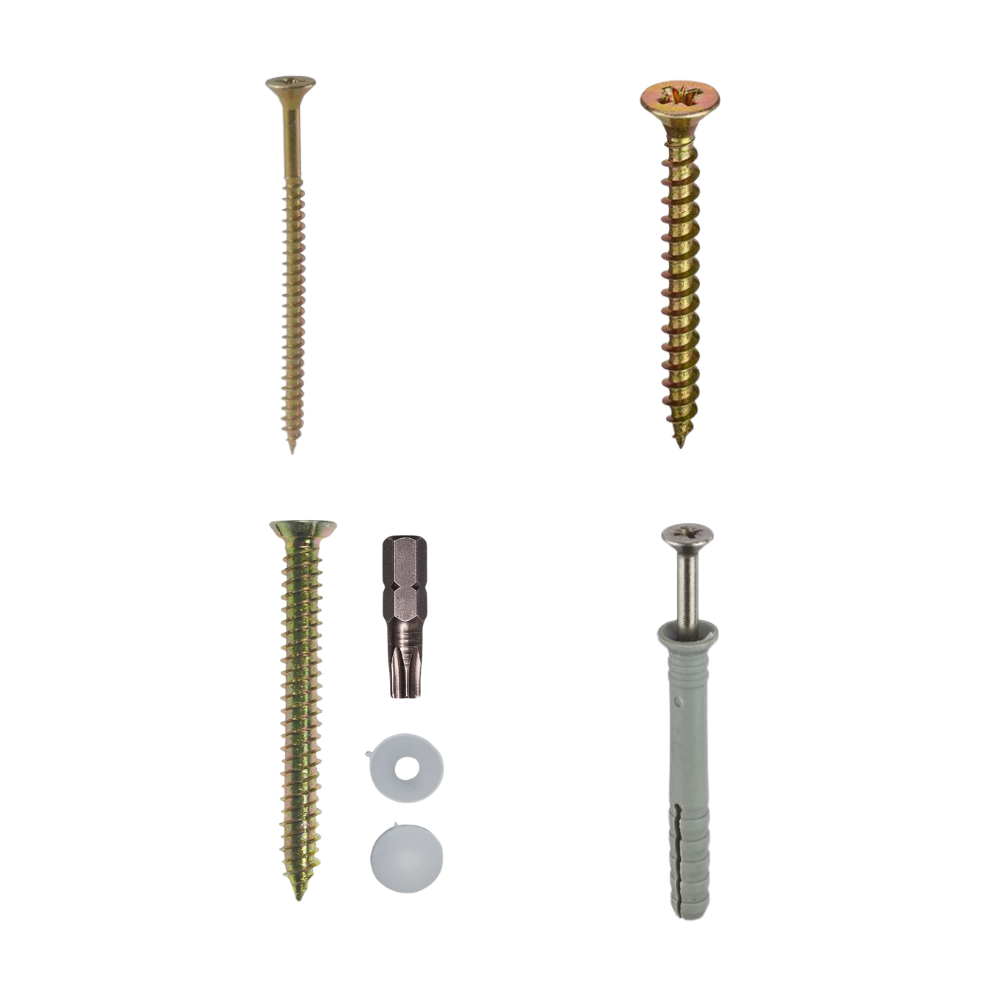
| Screws | Substrate, screw type, length, head type, drive type, thread pattern, coating, corrosion environment and product data where stated. | Screw selection depends on the material being fixed into, the fixing duty, exposure conditions and the required finish. | Timber, board, masonry, metalwork, site fixing, framing, finishing and general trade applications. |
| Bolts | Bolt grade or class, diameter, length, thread type, nut and washer compatibility, coating or finish, and product standard where stated. | Bolt strength and finish must match the connection, load, substrate and exposure environment. | Steelwork, timber-to-steel connections, brackets, frames, mechanical connections and site assembly. |
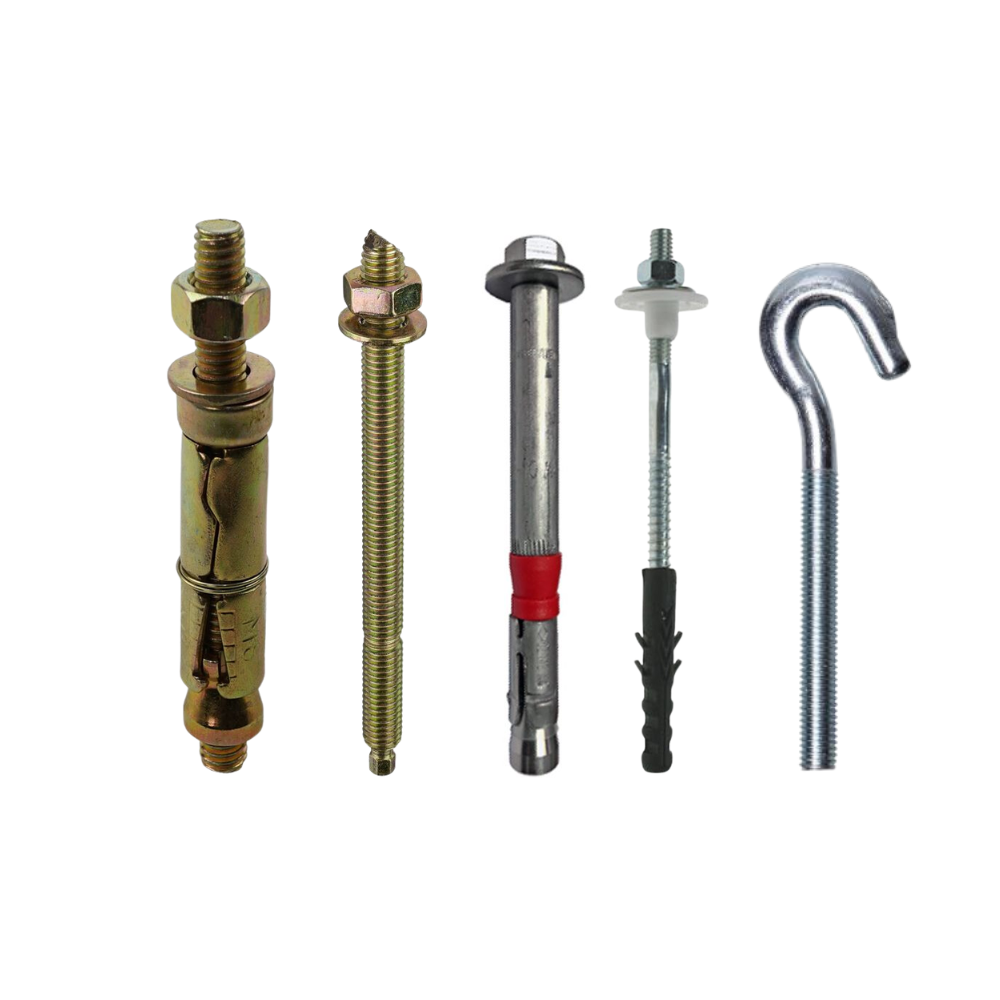
| Anchors | Base material, load rating, embedment depth, anchor type, cracked or uncracked concrete suitability, ETA/DoP or technical data where applicable. | Anchor choice depends on the base material, fixing load, concrete or masonry condition, spacing, edge distance and installation method. | Concrete and masonry anchoring, brackets, supports, frames, rails, services and structural or non-structural fixings. |
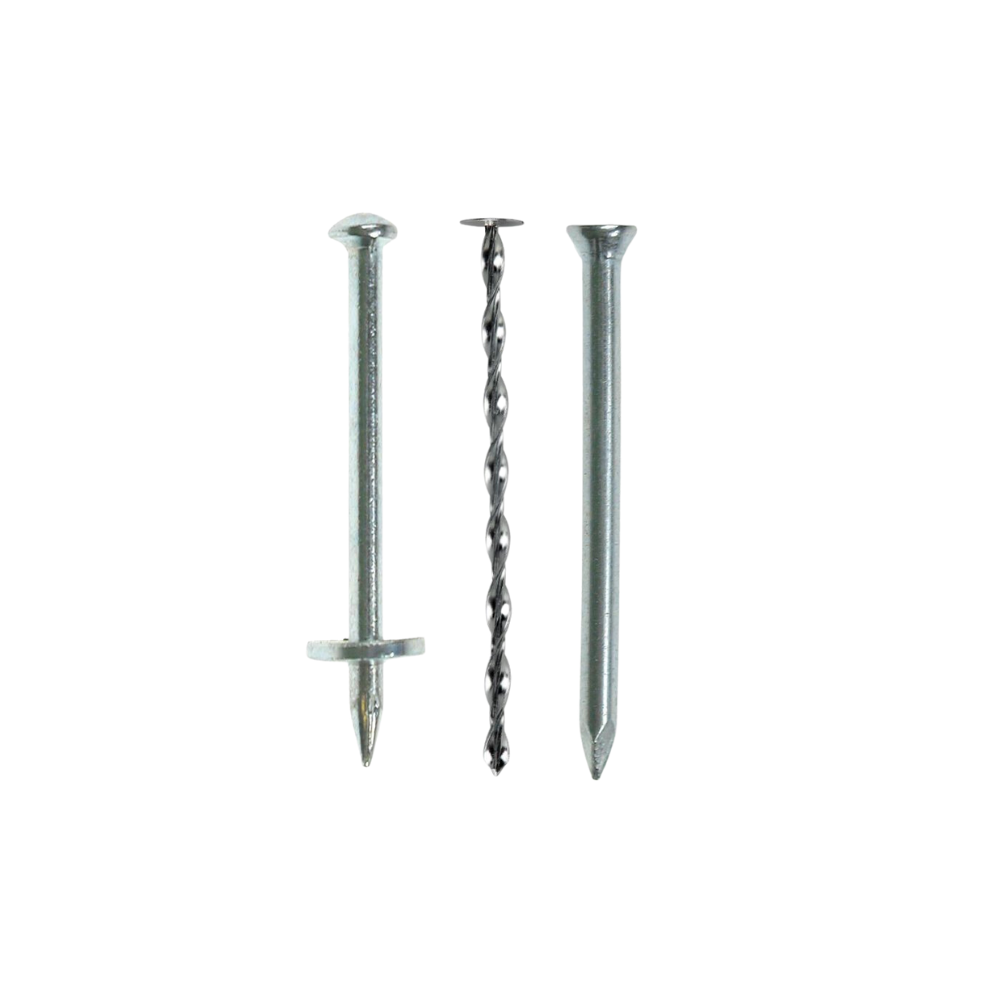
| Nails | Length, gauge, shank type, head type, coating, collation type, substrate and exposure environment. | Nail selection depends on pull-out resistance, timber type, finish, installation method and whether hand or collated fixing is needed. | Timber framing, roofing, flooring, fencing, carpentry, temporary works and general site fixing. |
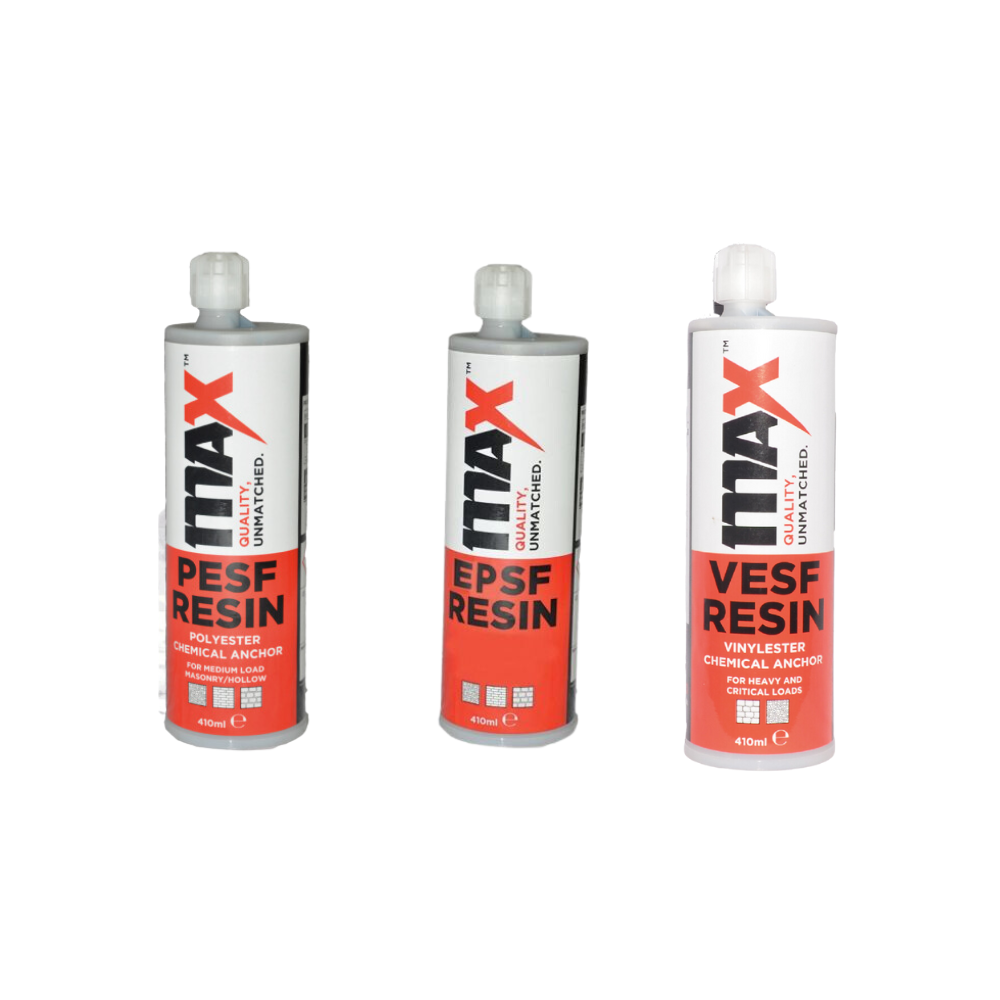
| Resins | ETA option, cracked or uncracked concrete suitability, seismic approval, WRAS or other approval where stated, cure time, base material, hole condition and manufacturer data. | Chemical resin selection depends on load demand, base material, installation conditions, cure time, edge distance, embedment and project specification. | Post-installed anchors, threaded rod, rebar, concrete fixing, masonry fixing and applications where product data supports the fixing requirement. |
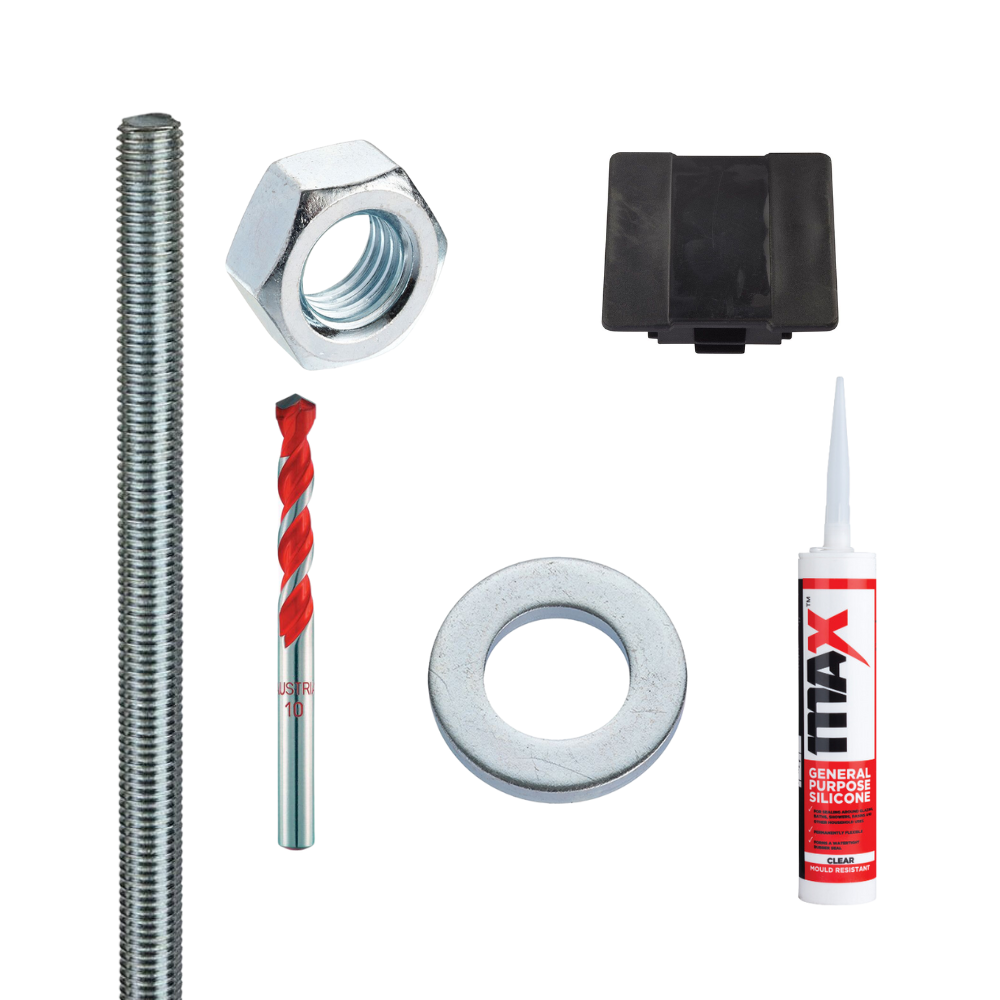
| Other Fixings & Accessories | Thread size, washer and nut compatibility, drill size, resin accessory compatibility, sealant or accessory type and product data where stated. | Accessories complete the fixing system and must match the fastener, anchor, resin or substrate being used. | Nuts, washers, studding, drill bits, sleeves, resin accessories, caps, plugs, sealants and general fixing support. |
Frequently asked questions
Which fixings, fasteners and resins are commonly ordered for construction and civils teams?
Construction and civils teams commonly order screws for timber, board and masonry work; bolts for steelwork, structural frames and mechanical connections; anchors for post-installed fixing into concrete and masonry; nails for framing, roofing and flooring; and chemical resin systems for post-installed anchors and threaded rod. Fixing accessories including nuts, washers, studding, nylon plugs and drill bits are also regularly ordered to complete fixing systems.
The right products depend on the base material, connection type, load, exposure environment and project specification. Buyers should check product data and manufacturer guidance before ordering to confirm suitability for the task.
How should buyers choose between screws, bolts and anchors?
The choice depends on the base material, fixing duty and connection type. Screws are typically used for fixing into timber, board, masonry and metalwork where thread engagement is sufficient for the load. Bolts are used for connecting steel to steel, steel to timber and for mechanical connections where a higher-strength fastener with nut and washer is needed. Anchors are used to fix into existing concrete or masonry where a post-installed fixing is required.
Each type has sub-categories suited to different loads, substrates and environments. Where the connection is structural or safety-critical, buyers should work from a design specification and confirm product suitability with technical data before ordering.
What should buyers check before ordering concrete or masonry anchors?
Key checks include the base material (concrete or masonry type and condition), the required load type (tension, shear or combined), embedment depth, edge distance and anchor spacing. Where the application is structural, technical data or a design specification should confirm the anchor type, grade and installation method.
Mechanical anchors rely on expansion against the base material and may not be suitable for cracked concrete or reduced edge distances. Chemical resin anchors rely on bond strength and can offer better performance in some base conditions. Where the project specification references an ETA or Declaration of Performance (DoP), buyers should confirm that the product supplied carries the relevant documentation. Check manufacturer guidance and technical data before ordering.
When should chemical resin fixings be considered instead of mechanical anchors?
Chemical resin fixings may be considered where the project specification, base material and product documentation support a bonded anchor system. They are often reviewed for post-installed anchors, threaded rod, rebar, concrete fixing, masonry fixing, reduced edge distances or applications where a mechanical expansion anchor is not the preferred option.
Where a resin fixing is being used for a structural or load-related connection, buyers should check that the product data confirms suitability for the application, including base material, hole condition, cure time and any relevant approvals. Not all resin systems are suitable for every substrate, load or installation condition. Check technical data and manufacturer guidance before ordering.
What should buyers check when ordering resin fixing systems?
Key checks include the resin type (polyester, vinylester, epoxy or hybrid), suitability for the base material, cure time at the expected site temperature, and whether applicator guns, mixing nozzles and sleeves are included or need to be ordered separately. Where the project specification references an ETA Option 1, ETA Option 7, seismic approval or WRAS approval, buyers should confirm that the product documentation supports those approvals before ordering.
Not all resin systems in the range carry every approval. Check the technical data sheet for the specific product and confirm suitability against the project specification and manufacturer guidance.
What should procurement teams check when ordering bolts, nuts and washers?
Bolts, nuts and washers must be ordered together as a compatible system. Checks include bolt grade or class, diameter, length, thread type and coating or finish. Nuts and washers must be compatible in thread size and, where the connection is in an exposed or corrosive environment, in corrosion resistance grade.
Zinc-plated, hot-dip galvanised and stainless grades are available across the range. Where bolts are being used in steelwork or structural connections, buyers should confirm the product grade against any relevant project or design specification. Check product data for suitability before ordering.
What accessories are needed to complete a fixing or resin installation?
Accessories vary by fixing type. Screw fixing may require drill bits matched to the substrate and screw size. Bolt fixing typically requires nuts, washers and appropriate tooling. Anchor and resin installations usually require a correctly sized drill bit, the appropriate sleeve or spiral anchor, mixing nozzle, applicator gun and sometimes end caps or threaded rod.
CMT Group supplies injection resin accessories, drill bits, studding, nuts, washers, silicone sealant and nylon fixings alongside the main fixing and resin range. Accessories should be checked for compatibility with the specific fixing or resin product being used. Check product data and manufacturer guidance before ordering.
Can CMT Group supply fixings, fasteners and resins for project rollouts, depot replenishment or ongoing site teams?
Yes. CMT Group supplies fixings, fasteners and resins for project accounts, depot replenishment, framework contracts and ongoing site supply. For bulk orders, repeat supply or account-based procurement, buyers can use the EDGE B2B Portal or speak to the team to discuss stock availability and supply arrangements.
The wider supply service is supported by supplier-level accreditations including CHAS Elite, BSI ISO 9001:2015 Quality Management and ConstructionOnline Gold. These accreditations support procurement confidence around safety management, quality processes and supplier assurance. Product suitability still depends on the individual fixing, fastener, resin, substrate, task, site conditions, manufacturer guidance and any project-specific requirements.
Sourcing screws, bolts, anchors, nails or chemical resin systems for construction, civils or infrastructure projects? CMT Group supplies contractor-grade fixings, fasteners and resins for trade and project accounts across the UK. For volume requirements, depot replenishment or planned supply, speak to the team.
UK-wide delivery
Next-day and VIP same-day delivery on stocked fixing, fastener and resin lines, with nationwide coverage for trade and project accounts.Stock availability
Large stockholding across screws, bolts, anchors, nails, resins and fixing accessories, with support for repeat site supply and project replenishment.EDGE B2B Portal
Self-serve procurement with trade pricing, order tracking and easy repeat ordering for account holders.Fixings range
Order screws, bolts, anchors, nails, resins and accessories from the wider Fixings, Fasteners & Resins range.Sustainable procurement
Supply support for responsible procurement, project planning and social value commitments across construction and infrastructure work.Shop Fixings and Fasteners by Type
Fixings, Fasteners & Resins
Reliable fixing choices depend on the base material, load, finish, environment and fixing method. CMT Group supplies screws, bolts, anchors, nails, chemical resins and fixing accessories for construction, civils, concrete, masonry and general trade applications ... Reliable fixing choices depend on the base material, load, finish, environment and fixing method. CMT Group supplies screws, bolts, anchors, nails, chemical resins and fixing accessories for construction, civils, concrete, masonry and general trade applications. The range supports everyday site fixing, structural and non-structural connections, post-installed anchors, resin fixing, masonry work, timber work and repeat project supply. Buyers can manage project quantities, depot stock and repeat orders through account-based purchasing, stock availability and fast UK delivery. read more...read less
Fixings, fasteners and resins, specification checks and common use
| Subcategory | Standards / specification checks | What it means | Common use |
|---|---|---|---|
| Screws | Substrate, screw type, length, head type, drive type, thread pattern, coating, corrosion environment and product data where stated. | Screw selection depends on the material being fixed into, the fixing duty, exposure conditions and the required finish. | Timber, board, masonry, metalwork, site fixing, framing, finishing and general trade applications. |
| Bolts | Bolt grade or class, diameter, length, thread type, nut and washer compatibility, coating or finish, and product standard where stated. | Bolt strength and finish must match the connection, load, substrate and exposure environment. | Steelwork, timber-to-steel connections, brackets, frames, mechanical connections and site assembly. |
| Anchors | Base material, load rating, embedment depth, anchor type, cracked or uncracked concrete suitability, ETA/DoP or technical data where applicable. | Anchor choice depends on the base material, fixing load, concrete or masonry condition, spacing, edge distance and installation method. | Concrete and masonry anchoring, brackets, supports, frames, rails, services and structural or non-structural fixings. |
| Nails | Length, gauge, shank type, head type, coating, collation type, substrate and exposure environment. | Nail selection depends on pull-out resistance, timber type, finish, installation method and whether hand or collated fixing is needed. | Timber framing, roofing, flooring, fencing, carpentry, temporary works and general site fixing. |
| Resins | ETA option, cracked or uncracked concrete suitability, seismic approval, WRAS or other approval where stated, cure time, base material, hole condition and manufacturer data. | Chemical resin selection depends on load demand, base material, installation conditions, cure time, edge distance, embedment and project specification. | Post-installed anchors, threaded rod, rebar, concrete fixing, masonry fixing and applications where product data supports the fixing requirement. |
| Other Fixings & Accessories | Thread size, washer and nut compatibility, drill size, resin accessory compatibility, sealant or accessory type and product data where stated. | Accessories complete the fixing system and must match the fastener, anchor, resin or substrate being used. | Nuts, washers, studding, drill bits, sleeves, resin accessories, caps, plugs, sealants and general fixing support. |
Frequently asked questions
Which fixings, fasteners and resins are commonly ordered for construction and civils teams?
Construction and civils teams commonly order screws for timber, board and masonry work; bolts for steelwork, structural frames and mechanical connections; anchors for post-installed fixing into concrete and masonry; nails for framing, roofing and flooring; and chemical resin systems for post-installed anchors and threaded rod. Fixing accessories including nuts, washers, studding, nylon plugs and drill bits are also regularly ordered to complete fixing systems.
The right products depend on the base material, connection type, load, exposure environment and project specification. Buyers should check product data and manufacturer guidance before ordering to confirm suitability for the task.
How should buyers choose between screws, bolts and anchors?
The choice depends on the base material, fixing duty and connection type. Screws are typically used for fixing into timber, board, masonry and metalwork where thread engagement is sufficient for the load. Bolts are used for connecting steel to steel, steel to timber and for mechanical connections where a higher-strength fastener with nut and washer is needed. Anchors are used to fix into existing concrete or masonry where a post-installed fixing is required.
Each type has sub-categories suited to different loads, substrates and environments. Where the connection is structural or safety-critical, buyers should work from a design specification and confirm product suitability with technical data before ordering.
What should buyers check before ordering concrete or masonry anchors?
Key checks include the base material (concrete or masonry type and condition), the required load type (tension, shear or combined), embedment depth, edge distance and anchor spacing. Where the application is structural, technical data or a design specification should confirm the anchor type, grade and installation method.
Mechanical anchors rely on expansion against the base material and may not be suitable for cracked concrete or reduced edge distances. Chemical resin anchors rely on bond strength and can offer better performance in some base conditions. Where the project specification references an ETA or Declaration of Performance (DoP), buyers should confirm that the product supplied carries the relevant documentation. Check manufacturer guidance and technical data before ordering.
When should chemical resin fixings be considered instead of mechanical anchors?
Chemical resin fixings may be considered where the project specification, base material and product documentation support a bonded anchor system. They are often reviewed for post-installed anchors, threaded rod, rebar, concrete fixing, masonry fixing, reduced edge distances or applications where a mechanical expansion anchor is not the preferred option.
Where a resin fixing is being used for a structural or load-related connection, buyers should check that the product data confirms suitability for the application, including base material, hole condition, cure time and any relevant approvals. Not all resin systems are suitable for every substrate, load or installation condition. Check technical data and manufacturer guidance before ordering.
What should buyers check when ordering resin fixing systems?
Key checks include the resin type (polyester, vinylester, epoxy or hybrid), suitability for the base material, cure time at the expected site temperature, and whether applicator guns, mixing nozzles and sleeves are included or need to be ordered separately. Where the project specification references an ETA Option 1, ETA Option 7, seismic approval or WRAS approval, buyers should confirm that the product documentation supports those approvals before ordering.
Not all resin systems in the range carry every approval. Check the technical data sheet for the specific product and confirm suitability against the project specification and manufacturer guidance.
What should procurement teams check when ordering bolts, nuts and washers?
Bolts, nuts and washers must be ordered together as a compatible system. Checks include bolt grade or class, diameter, length, thread type and coating or finish. Nuts and washers must be compatible in thread size and, where the connection is in an exposed or corrosive environment, in corrosion resistance grade.
Zinc-plated, hot-dip galvanised and stainless grades are available across the range. Where bolts are being used in steelwork or structural connections, buyers should confirm the product grade against any relevant project or design specification. Check product data for suitability before ordering.
What accessories are needed to complete a fixing or resin installation?
Accessories vary by fixing type. Screw fixing may require drill bits matched to the substrate and screw size. Bolt fixing typically requires nuts, washers and appropriate tooling. Anchor and resin installations usually require a correctly sized drill bit, the appropriate sleeve or spiral anchor, mixing nozzle, applicator gun and sometimes end caps or threaded rod.
CMT Group supplies injection resin accessories, drill bits, studding, nuts, washers, silicone sealant and nylon fixings alongside the main fixing and resin range. Accessories should be checked for compatibility with the specific fixing or resin product being used. Check product data and manufacturer guidance before ordering.
Can CMT Group supply fixings, fasteners and resins for project rollouts, depot replenishment or ongoing site teams?
Yes. CMT Group supplies fixings, fasteners and resins for project accounts, depot replenishment, framework contracts and ongoing site supply. For bulk orders, repeat supply or account-based procurement, buyers can use the EDGE B2B Portal or speak to the team to discuss stock availability and supply arrangements.
The wider supply service is supported by supplier-level accreditations including CHAS Elite, BSI ISO 9001:2015 Quality Management and ConstructionOnline Gold. These accreditations support procurement confidence around safety management, quality processes and supplier assurance. Product suitability still depends on the individual fixing, fastener, resin, substrate, task, site conditions, manufacturer guidance and any project-specific requirements.
Sourcing screws, bolts, anchors, nails or chemical resin systems for construction, civils or infrastructure projects? CMT Group supplies contractor-grade fixings, fasteners and resins for trade and project accounts across the UK. For volume requirements, depot replenishment or planned supply, speak to the team.