
- Category
Diamond Blades

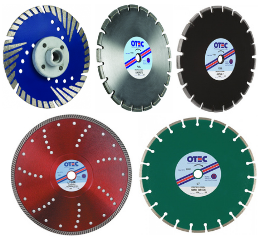
Diamond blades, cores and drills for construction, civil engineering and groundworks. CMT Group supplies OTEC material-specific diamond blades, floorsaw blades from 350mm to 600mm, benchsaw blades for brick and block work, diamond core drilling from 20mm to 450mm diameter, cutting and grinding discs, and drill bits including HSS, SDS Plus and SDS Max ... Diamond blades, cores and drills for construction, civil engineering and groundworks. CMT Group supplies OTEC material-specific diamond blades, floorsaw blades from 350mm to 600mm, benchsaw blades for brick and block work, diamond core drilling from 20mm to 450mm diameter, cutting and grinding discs under the MAX brand, and drill bits including HSS, SDS Plus and SDS Max. Use the ranges below to match the right cutting product to your material, machine and application. Check blade diameter, bore size, material rating, arbor compatibility, RPM rating and product data before ordering. For project supply, bulk pricing or product selection support, CMT Group can assist trade and project accounts across the UK. Where standards, ratings or approvals are shown on individual product listings or datasheets, check these against your project requirements before ordering. read more...read less
Choose the right diamond blade, core or drill
| Product range | Best for | Key buying checks | Typical products |
|---|---|---|---|
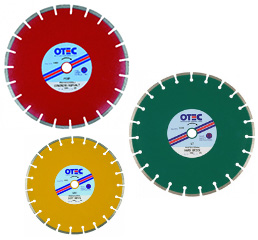
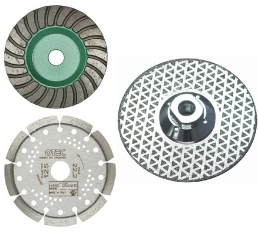
| OTEC Diamond Blades | Selecting diamond blades by material, machine type and product data for concrete, asphalt, stone, ceramics, hard materials and mixed site materials where suitable | Material compatibility; blade diameter; bore size; arbor type; machine specification; product data | Concrete blades, asphalt blades, hard material blades, multi-purpose blades, ceramic and stone blades, cup grinding discs |
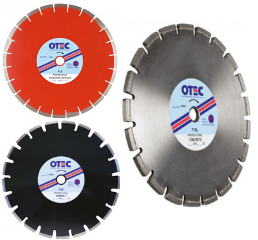
| Floorsaw Blades | Deep cutting of concrete, asphalt and road surfaces with ride-on or walk-behind floor saw machines on infrastructure, roadworks and large-scale slab work | Blade diameter (350mm to 600mm available); bore size to match machine; material type (concrete, asphalt or multi-purpose); required cutting depth; product data | OTEC D18P Professional Plus, concrete floorsaw blades, asphalt floorsaw blades, multi-purpose floorsaw blades |
| Benchsaw Blades | Brick, block and abrasive material cutting with a static benchsaw machine on construction, brickwork and masonry projects | Material type (brick, block or abrasive concrete); blade diameter; bore size to match benchsaw; product data | OTEC D18P benchsaw blades for abrasive materials, OTEC W19SC specialist brick cutting blades |
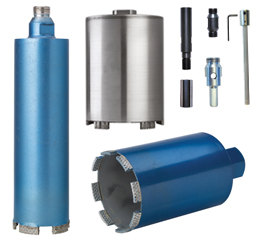
| Diamond Core Drilling | Wet and dry core drilling to create circular penetrations through concrete, masonry and hard construction materials | Core type (wet or dry); core diameter (wet 20mm to 450mm, dry 32mm to 181mm); machine specification; arbor compatibility; accessory requirements; product data | Wet cores, dry cores, drift keys, adaptors, core barrel extensions, guide rods, taper drills |
| Cutting & Grinding Discs | Cutting and grinding metal, stone and other materials with angle grinders, circular saws and reciprocating saws | Disc type (metal or stone); diameter; bore size; maximum RPM rating; machine compatibility; product data | MAX metal cutting discs, MAX stone cutting discs, diamond angle grinder blades, TCT circular saw blades, reciprocating saw blades |
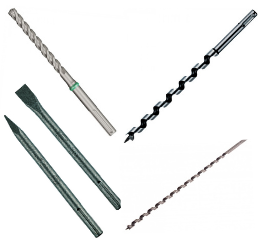
| Drilling | Drilling through masonry, metal, timber, tile, glass and concrete with SDS, hammer drill and rotary drilling tools | Drill bit type; shank type (HSS, SDS Plus, SDS Max, hex shank, masonry); diameter; material suitability; product data | HSS drill bits and sets, SDS Plus masonry bits, SDS Max bits and chisels, masonry bits, spear drill bits, auger bits, jigsaw blades |
Frequently asked questions
What is the difference between OTEC diamond blades, floorsaw blades, benchsaw blades, core drilling products, cutting discs and drilling products?
OTEC Diamond Blades, Floorsaw Blades and Benchsaw Blades are cutting ranges for different machines, materials and site applications. Diamond Core Drilling covers core drilling products and accessories for creating larger openings where the product data supports the application. Cutting & Grinding Discs covers disc-based cutting and grinding products, while Drilling covers drill bits and related drilling products.
Use the category table and product listings to choose the right range before checking diameter, bore size, core size, machine compatibility and material suitability.
How do I choose the right product for the material being cut, cored, ground or drilled?
Start with the material, then check the product listing. Different products may be listed for concrete, asphalt, brick, block, masonry, stone, ceramics, metal or mixed materials depending on the range.
Product suitability depends on the individual product, the material, the machine being used and any project-specific requirements. For project supply or uncertain specifications, speak to our team before ordering.
Why are diameter, bore size, core size and drill size important?
Diameter, bore size, core diameter, core depth and drill size help confirm whether the product matches the machine, the task and the required cut or opening. These measurements are especially important when ordering blades, floorsaw blades, benchsaw blades, diamond cores and drilling products.
Check the individual product data before ordering and confirm the specification against the machine and project requirement.
What should I check before ordering OTEC diamond blades, floorsaw blades or benchsaw blades?
Check blade diameter, bore size, machine type, material suitability, wet or dry use where stated, segment type where stated, cutting depth where stated and product data.
Where standards, ratings or approvals are shown on the product listing or datasheet, check these against your project requirements before ordering.
What should I check before ordering diamond core drilling products?
Check core diameter, core depth, thread or arbor type where stated, machine compatibility, material suitability, wet or dry use where stated and product data.
For project-specific core drilling requirements, confirm the product data and accessory compatibility before ordering.
What should I check before ordering cutting discs, grinding discs or drilling products?
Check disc diameter, bore size, drill size, shank type, material suitability, machine compatibility, pack size where stated and product data.
The correct product depends on the tool, material and project requirement. Use the product listing to confirm suitability before purchase.
Can CMT Group support project supply, repeat procurement and depot replenishment?
Yes. CMT Group can support project supply, repeat procurement and depot replenishment for trade accounts buying OTEC diamond blades, floorsaw blades, benchsaw blades, diamond core drilling products, cutting and grinding discs, drilling products and related consumables across multiple projects or depots.
For larger requirements, speak to our team before ordering so we can help with product options, quantities, stock checks and delivery planning.
How quickly can stocked diamond blades, cores, discs and drilling products be delivered?
Stocked diamond blades, core drilling products, cutting discs, grinding discs and drilling products can be supplied with same-day and next-day UK delivery options where available for trade and project accounts.
For time-critical requirements, check stock availability, product specification and lead times before ordering. Account holders can use the EDGE B2B Portal for order tracking and repeat purchasing.
Sourcing diamond blades, cores and drills for construction, civil engineering, roadworks or groundworks? CMT Group supplies OTEC diamond blades, floorsaw blades, benchsaw blades, diamond core drilling equipment, cutting discs and drill bits for trade and project accounts across the UK. For volume requirements, project supply or product selection support, speak to our team or browse the product ranges below.
UK-wide delivery
Same-day and next-day UK delivery options on stocked diamond blades, core drilling products, cutting discs, grinding discs and drilling products for trade and project accounts.Stock availability
Stocked diamond tooling and drilling products across verified blade, core, disc and drilling ranges, subject to live product availability.EDGE B2B Portal
Self-serve procurement with trade pricing, order tracking and easy repeat ordering for account holders.Project and repeat procurement
Support for project quantities, depot replenishment and repeat orders across diamond blades, core drilling products, cutting discs, grinding discs and drilling products.Sustainable procurement
Supply support for responsible procurement, project planning and social value commitments across construction and infrastructure work.Shop Diamond Blades, Cores & Drills by Type
Diamond Blades
Diamond blades, cores and drills for construction, civil engineering and groundworks. CMT Group supplies OTEC material-specific diamond blades, floorsaw blades from 350mm to 600mm, benchsaw blades for brick and block work, diamond core drilling from 20mm to 450mm diameter, cutting and grinding discs, and drill bits including HSS, SDS Plus and SDS Max ... Diamond blades, cores and drills for construction, civil engineering and groundworks. CMT Group supplies OTEC material-specific diamond blades, floorsaw blades from 350mm to 600mm, benchsaw blades for brick and block work, diamond core drilling from 20mm to 450mm diameter, cutting and grinding discs under the MAX brand, and drill bits including HSS, SDS Plus and SDS Max. Use the ranges below to match the right cutting product to your material, machine and application. Check blade diameter, bore size, material rating, arbor compatibility, RPM rating and product data before ordering. For project supply, bulk pricing or product selection support, CMT Group can assist trade and project accounts across the UK. Where standards, ratings or approvals are shown on individual product listings or datasheets, check these against your project requirements before ordering. read more...read less
Choose the right diamond blade, core or drill
| Product range | Best for | Key buying checks | Typical products |
|---|---|---|---|
| OTEC Diamond Blades | Selecting diamond blades by material, machine type and product data for concrete, asphalt, stone, ceramics, hard materials and mixed site materials where suitable | Material compatibility; blade diameter; bore size; arbor type; machine specification; product data | Concrete blades, asphalt blades, hard material blades, multi-purpose blades, ceramic and stone blades, cup grinding discs |
| Floorsaw Blades | Deep cutting of concrete, asphalt and road surfaces with ride-on or walk-behind floor saw machines on infrastructure, roadworks and large-scale slab work | Blade diameter (350mm to 600mm available); bore size to match machine; material type (concrete, asphalt or multi-purpose); required cutting depth; product data | OTEC D18P Professional Plus, concrete floorsaw blades, asphalt floorsaw blades, multi-purpose floorsaw blades |
| Benchsaw Blades | Brick, block and abrasive material cutting with a static benchsaw machine on construction, brickwork and masonry projects | Material type (brick, block or abrasive concrete); blade diameter; bore size to match benchsaw; product data | OTEC D18P benchsaw blades for abrasive materials, OTEC W19SC specialist brick cutting blades |
| Diamond Core Drilling | Wet and dry core drilling to create circular penetrations through concrete, masonry and hard construction materials | Core type (wet or dry); core diameter (wet 20mm to 450mm, dry 32mm to 181mm); machine specification; arbor compatibility; accessory requirements; product data | Wet cores, dry cores, drift keys, adaptors, core barrel extensions, guide rods, taper drills |
| Cutting & Grinding Discs | Cutting and grinding metal, stone and other materials with angle grinders, circular saws and reciprocating saws | Disc type (metal or stone); diameter; bore size; maximum RPM rating; machine compatibility; product data | MAX metal cutting discs, MAX stone cutting discs, diamond angle grinder blades, TCT circular saw blades, reciprocating saw blades |
| Drilling | Drilling through masonry, metal, timber, tile, glass and concrete with SDS, hammer drill and rotary drilling tools | Drill bit type; shank type (HSS, SDS Plus, SDS Max, hex shank, masonry); diameter; material suitability; product data | HSS drill bits and sets, SDS Plus masonry bits, SDS Max bits and chisels, masonry bits, spear drill bits, auger bits, jigsaw blades |
Frequently asked questions
What is the difference between OTEC diamond blades, floorsaw blades, benchsaw blades, core drilling products, cutting discs and drilling products?
OTEC Diamond Blades, Floorsaw Blades and Benchsaw Blades are cutting ranges for different machines, materials and site applications. Diamond Core Drilling covers core drilling products and accessories for creating larger openings where the product data supports the application. Cutting & Grinding Discs covers disc-based cutting and grinding products, while Drilling covers drill bits and related drilling products.
Use the category table and product listings to choose the right range before checking diameter, bore size, core size, machine compatibility and material suitability.
How do I choose the right product for the material being cut, cored, ground or drilled?
Start with the material, then check the product listing. Different products may be listed for concrete, asphalt, brick, block, masonry, stone, ceramics, metal or mixed materials depending on the range.
Product suitability depends on the individual product, the material, the machine being used and any project-specific requirements. For project supply or uncertain specifications, speak to our team before ordering.
Why are diameter, bore size, core size and drill size important?
Diameter, bore size, core diameter, core depth and drill size help confirm whether the product matches the machine, the task and the required cut or opening. These measurements are especially important when ordering blades, floorsaw blades, benchsaw blades, diamond cores and drilling products.
Check the individual product data before ordering and confirm the specification against the machine and project requirement.
What should I check before ordering OTEC diamond blades, floorsaw blades or benchsaw blades?
Check blade diameter, bore size, machine type, material suitability, wet or dry use where stated, segment type where stated, cutting depth where stated and product data.
Where standards, ratings or approvals are shown on the product listing or datasheet, check these against your project requirements before ordering.
What should I check before ordering diamond core drilling products?
Check core diameter, core depth, thread or arbor type where stated, machine compatibility, material suitability, wet or dry use where stated and product data.
For project-specific core drilling requirements, confirm the product data and accessory compatibility before ordering.
What should I check before ordering cutting discs, grinding discs or drilling products?
Check disc diameter, bore size, drill size, shank type, material suitability, machine compatibility, pack size where stated and product data.
The correct product depends on the tool, material and project requirement. Use the product listing to confirm suitability before purchase.
Can CMT Group support project supply, repeat procurement and depot replenishment?
Yes. CMT Group can support project supply, repeat procurement and depot replenishment for trade accounts buying OTEC diamond blades, floorsaw blades, benchsaw blades, diamond core drilling products, cutting and grinding discs, drilling products and related consumables across multiple projects or depots.
For larger requirements, speak to our team before ordering so we can help with product options, quantities, stock checks and delivery planning.
How quickly can stocked diamond blades, cores, discs and drilling products be delivered?
Stocked diamond blades, core drilling products, cutting discs, grinding discs and drilling products can be supplied with same-day and next-day UK delivery options where available for trade and project accounts.
For time-critical requirements, check stock availability, product specification and lead times before ordering. Account holders can use the EDGE B2B Portal for order tracking and repeat purchasing.
Sourcing diamond blades, cores and drills for construction, civil engineering, roadworks or groundworks? CMT Group supplies OTEC diamond blades, floorsaw blades, benchsaw blades, diamond core drilling equipment, cutting discs and drill bits for trade and project accounts across the UK. For volume requirements, project supply or product selection support, speak to our team or browse the product ranges below.
