Groundwork Tools

Groundwork tools are the foundation of any construction project. CMT Group supplies a comprehensive range of contractor-grade groundwork tools for digging, excavation, breaking, levelling, and material handling on UK construction and civil engineering sites. Our range covers spades and shovels in insulated, polyfibre, ash, and all steel handle options, alongside forks, rakes and lutes, crowbars, and pickaxes, sledgehammers, and mauls, covering everything needed for groundwork from first dig to finished formation.
Read more Read less
The right tools for the job promote trust and speed up the process on site. At CMT Group we have always believed that a contractor is only as good as the tools they use, which is why every groundwork tool in our range is built with quality and durability as the primary requirement, not afterthoughts. Whether you are equipping a single groundworker or procuring for a large civils programme, our range has the right tool in the right specification.
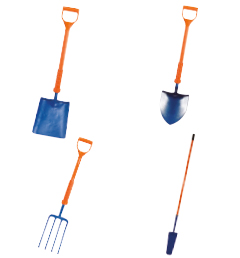
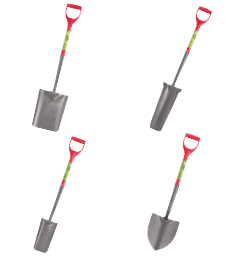
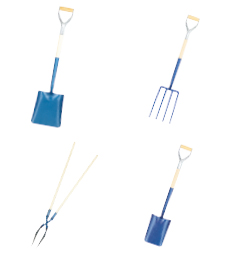
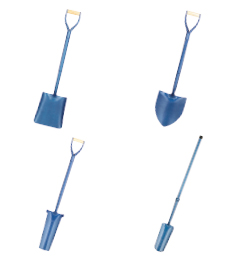
- ✓ Spades and shovels in insulated, polyfibre, ash, and all steel handle options
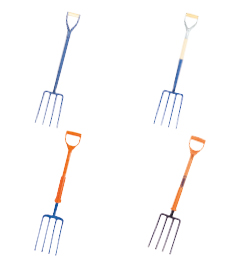
- ✓ Forks for digging, lifting, and material handling on construction sites
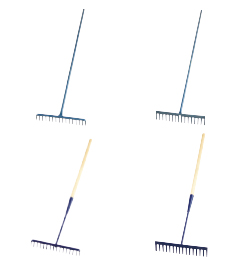
- ✓ Rakes and lutes for spreading, levelling, and finishing asphalt and aggregate
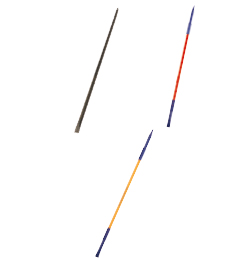
- ✓ Crowbars for breaking, levering, and demolition tasks on site
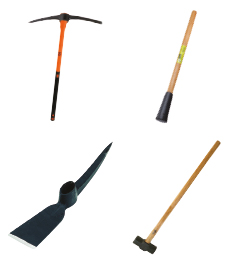
- ✓ Pickaxes, sledgehammers, and mauls for heavy breaking and compaction
- ✓ Insulated handle tools for use in environments with electrical risk
- ✓ Bulk supply with same-day and next-day UK delivery available
What Are Groundwork Tools?
Groundwork tools are the hand tools used to prepare land, excavate foundations, and carry out the early-stage construction work that every build depends on. They cover digging and excavation with spades, shovels, and forks; breaking and demolition with pickaxes, crowbars, and sledgehammers; material spreading and finishing with rakes and lutes; and levelling and compaction tasks that prepare a site for the structural work above.
Groundwork is the stage of a construction project where tool quality matters most. Tools are used in soil, aggregate, clay, and concrete under sustained physical load, in all weather conditions, often continuously across long shifts. A tool that bends, breaks, or fails on a groundwork site creates downtime and safety risk. Professional-grade groundwork tools use high-strength steel heads with reinforced welds or forged construction, and handles selected for the specific demands of the tool and working environment, whether that is the shock absorption of ash, the chemical resistance of polyfibre, the all-round durability of all steel, or the electrical safety of an insulated handle.
Groundwork Tools by Type
Our range covers every groundwork tool category, with spades and shovels available across four handle specifications to match the working environment.
Choosing the Right Groundwork Tools
The right groundwork tools depend on the task, the ground conditions, and the working environment. For digging and excavation in general construction ground, a quality spade or fork in polyfibre or ash handle is the standard choice. For sites with heavy clay, compacted ground, or stony soils, pickaxes and forks will be needed alongside spades. For spreading and finishing asphalt or screed, a lute is the correct tool rather than a standard rake.
Handle material is worth specifying deliberately rather than leaving to chance. Where there is a risk of contact with underground services or electrical cables, insulated handle tools are the correct specification. Where tools will be used in wet conditions continuously or in chemically treated ground, polyfibre handles outlast timber. For the heaviest-duty groundwork where tool breakage is a recurring problem, all steel handle construction eliminates the most common failure point. If you are unsure which specification is right for your project, our team can advise.
Contractor-Grade Groundwork Tools for UK Construction
Groundwork tools play a critical role across construction, infrastructure, and civil engineering projects. The quality of groundwork directly determines the performance of everything built above it, and the quality of the tools used determines how efficiently and reliably that groundwork is delivered. From the first trench dig to the final formation level, the right tools reduce physical effort, minimise breakage and downtime, and support consistent results across demanding site conditions.
CMT Group has been supplying contractor-grade groundwork tools to UK construction teams for over 20 years. Our range covers every tool category needed on a groundwork site, with genuine choice of handle material to match the working environment rather than a one-size-fits-all approach. Strong UK stockholding and same-day and next-day delivery support contractors, groundworkers, and procurement teams with the reliable supply needed to keep projects moving on schedule.
Frequently asked questions
What is the difference between insulated and standard handle groundwork tools?
Insulated handle groundwork tools have handles manufactured from or coated with an electrically insulating material, providing protection against electric shock when working near underground cables or live electrical services. They are required on utility groundwork and any trenching where contact with live services is a risk. Standard handle tools (whether ash, polyfibre, or all steel) do not provide this protection and should not be used in environments where live electrical services may be present.
What is a lute and when is it used?
A lute is a wide, flat-headed spreading tool used to spread and level asphalt, concrete, screed, and aggregate to an even surface. Unlike a standard rake, the flat blade of a lute produces a smoother, more even surface finish, making it the correct tool for asphalt road laying, screed application, and aggregate spreading where surface regularity is important. Lutes are widely used by groundworkers and highways teams on road construction and repair projects.
Why do all steel handle tools last longer than wooden handle tools?
The most common failure point on a digging tool is the neck of the handle just above the blade socket, where the handle is thinnest and takes the highest bending load during heavy digging. On wooden handle tools, this is where splits and breaks occur. All steel handle construction eliminates this failure point entirely, as the handle and socket are a single piece of steel with no weak joint. All steel tools have a higher upfront cost but significantly lower replacement frequency on heavy-duty groundwork sites.
What tools do groundworkers use on a construction site?
A groundworker's standard toolkit typically includes spades and shovels for digging and moving soil, forks for breaking and lifting in stony or compacted ground, a pickaxe or mattock for hard ground, a crowbar for levering and breaking, a lute or rake for spreading and levelling material, and a sledgehammer or maul for driving stakes and breaking concrete. The specific tools required vary depending on the ground conditions, the stage of the project, and the type of groundwork being carried out.
Why buy groundwork tools from CMT Group?
CMT Group has been supplying contractor-grade groundwork tools to UK construction teams for over 20 years. Our range covers every groundwork tool category with genuine specification choice across handle materials, so you can select the right tool for your working environment rather than accepting a generic option. Strong UK stockholding and same-day and next-day delivery mean we can fulfil urgent site requirements quickly, and bulk supply pricing is available for contractors and procurement teams equipping large projects.
Spade vs Shovel: What is the Difference and When Do You Use Each?
Spades and shovels are often treated as interchangeable terms but they are different tools designed for different tasks. A spade has a flat, rectangular blade with a straight or slightly angled edge, designed for cutting into and lifting soil, turf, and compacted ground. The flat blade allows clean, vertical cuts when digging trenches or defining edges, and the relatively short blade face gives good leverage for cutting through roots and compacted material.
A shovel has a curved, concave blade with a pointed or rounded tip and an angled face, designed for scooping, lifting, and moving loose material such as soil, sand, gravel, and concrete mix. The curved blade holds material better when moving it from one place to another, making shovels the correct choice for moving loose spoil, backfilling, and mixing materials on site. For most groundwork projects, both tools are needed: the spade for cutting and breaking ground, and the shovel for moving the material once it is loose.
Shop Groundwork Tools by Type
Groundwork Tools
Groundwork tools are the foundation of any construction project. CMT Group supplies a comprehensive range of contractor-grade groundwork tools for digging, excavation, breaking, levelling, and material handling on UK construction and civil engineering sites. Our range covers spades and shovels in insulated, polyfibre, ash, and all steel handle options, alongside forks, rakes and lutes, crowbars, and pickaxes, sledgehammers, and mauls, covering everything needed for groundwork from first dig to finished formation.
Read more Read less
The right tools for the job promote trust and speed up the process on site. At CMT Group we have always believed that a contractor is only as good as the tools they use, which is why every groundwork tool in our range is built with quality and durability as the primary requirement, not afterthoughts. Whether you are equipping a single groundworker or procuring for a large civils programme, our range has the right tool in the right specification.
- ✓ Spades and shovels in insulated, polyfibre, ash, and all steel handle options
- ✓ Forks for digging, lifting, and material handling on construction sites
- ✓ Rakes and lutes for spreading, levelling, and finishing asphalt and aggregate
- ✓ Crowbars for breaking, levering, and demolition tasks on site
- ✓ Pickaxes, sledgehammers, and mauls for heavy breaking and compaction
- ✓ Insulated handle tools for use in environments with electrical risk
- ✓ Bulk supply with same-day and next-day UK delivery available
What Are Groundwork Tools?
Groundwork tools are the hand tools used to prepare land, excavate foundations, and carry out the early-stage construction work that every build depends on. They cover digging and excavation with spades, shovels, and forks; breaking and demolition with pickaxes, crowbars, and sledgehammers; material spreading and finishing with rakes and lutes; and levelling and compaction tasks that prepare a site for the structural work above.
Groundwork is the stage of a construction project where tool quality matters most. Tools are used in soil, aggregate, clay, and concrete under sustained physical load, in all weather conditions, often continuously across long shifts. A tool that bends, breaks, or fails on a groundwork site creates downtime and safety risk. Professional-grade groundwork tools use high-strength steel heads with reinforced welds or forged construction, and handles selected for the specific demands of the tool and working environment, whether that is the shock absorption of ash, the chemical resistance of polyfibre, the all-round durability of all steel, or the electrical safety of an insulated handle.
Groundwork Tools by Type
Our range covers every groundwork tool category, with spades and shovels available across four handle specifications to match the working environment.
Choosing the Right Groundwork Tools
The right groundwork tools depend on the task, the ground conditions, and the working environment. For digging and excavation in general construction ground, a quality spade or fork in polyfibre or ash handle is the standard choice. For sites with heavy clay, compacted ground, or stony soils, pickaxes and forks will be needed alongside spades. For spreading and finishing asphalt or screed, a lute is the correct tool rather than a standard rake.
Handle material is worth specifying deliberately rather than leaving to chance. Where there is a risk of contact with underground services or electrical cables, insulated handle tools are the correct specification. Where tools will be used in wet conditions continuously or in chemically treated ground, polyfibre handles outlast timber. For the heaviest-duty groundwork where tool breakage is a recurring problem, all steel handle construction eliminates the most common failure point. If you are unsure which specification is right for your project, our team can advise.
Contractor-Grade Groundwork Tools for UK Construction
Groundwork tools play a critical role across construction, infrastructure, and civil engineering projects. The quality of groundwork directly determines the performance of everything built above it, and the quality of the tools used determines how efficiently and reliably that groundwork is delivered. From the first trench dig to the final formation level, the right tools reduce physical effort, minimise breakage and downtime, and support consistent results across demanding site conditions.
CMT Group has been supplying contractor-grade groundwork tools to UK construction teams for over 20 years. Our range covers every tool category needed on a groundwork site, with genuine choice of handle material to match the working environment rather than a one-size-fits-all approach. Strong UK stockholding and same-day and next-day delivery support contractors, groundworkers, and procurement teams with the reliable supply needed to keep projects moving on schedule.
Frequently asked questions
What is the difference between insulated and standard handle groundwork tools?
Insulated handle groundwork tools have handles manufactured from or coated with an electrically insulating material, providing protection against electric shock when working near underground cables or live electrical services. They are required on utility groundwork and any trenching where contact with live services is a risk. Standard handle tools (whether ash, polyfibre, or all steel) do not provide this protection and should not be used in environments where live electrical services may be present.
What is a lute and when is it used?
A lute is a wide, flat-headed spreading tool used to spread and level asphalt, concrete, screed, and aggregate to an even surface. Unlike a standard rake, the flat blade of a lute produces a smoother, more even surface finish, making it the correct tool for asphalt road laying, screed application, and aggregate spreading where surface regularity is important. Lutes are widely used by groundworkers and highways teams on road construction and repair projects.
Why do all steel handle tools last longer than wooden handle tools?
The most common failure point on a digging tool is the neck of the handle just above the blade socket, where the handle is thinnest and takes the highest bending load during heavy digging. On wooden handle tools, this is where splits and breaks occur. All steel handle construction eliminates this failure point entirely, as the handle and socket are a single piece of steel with no weak joint. All steel tools have a higher upfront cost but significantly lower replacement frequency on heavy-duty groundwork sites.
What tools do groundworkers use on a construction site?
A groundworker's standard toolkit typically includes spades and shovels for digging and moving soil, forks for breaking and lifting in stony or compacted ground, a pickaxe or mattock for hard ground, a crowbar for levering and breaking, a lute or rake for spreading and levelling material, and a sledgehammer or maul for driving stakes and breaking concrete. The specific tools required vary depending on the ground conditions, the stage of the project, and the type of groundwork being carried out.
Why buy groundwork tools from CMT Group?
CMT Group has been supplying contractor-grade groundwork tools to UK construction teams for over 20 years. Our range covers every groundwork tool category with genuine specification choice across handle materials, so you can select the right tool for your working environment rather than accepting a generic option. Strong UK stockholding and same-day and next-day delivery mean we can fulfil urgent site requirements quickly, and bulk supply pricing is available for contractors and procurement teams equipping large projects.
Spade vs Shovel: What is the Difference and When Do You Use Each?
Spades and shovels are often treated as interchangeable terms but they are different tools designed for different tasks. A spade has a flat, rectangular blade with a straight or slightly angled edge, designed for cutting into and lifting soil, turf, and compacted ground. The flat blade allows clean, vertical cuts when digging trenches or defining edges, and the relatively short blade face gives good leverage for cutting through roots and compacted material.
A shovel has a curved, concave blade with a pointed or rounded tip and an angled face, designed for scooping, lifting, and moving loose material such as soil, sand, gravel, and concrete mix. The curved blade holds material better when moving it from one place to another, making shovels the correct choice for moving loose spoil, backfilling, and mixing materials on site. For most groundwork projects, both tools are needed: the spade for cutting and breaking ground, and the shovel for moving the material once it is loose.