Plant & Machinery

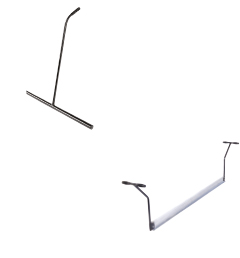
Plant and machinery covers the powered equipment that handles the tasks hand tools cannot: mixing concrete, cutting through hard materials, compacting ground, pumping water, and washing surfaces. CMT Group supplies a contractor-grade range of site plant including cement mixers, power tools, cut-off saws, pressure washers, sub pumps, breaker steels, dapple bars, and rollers, rammers and compactors, built to last and ready to get the job done on UK construction and civil engineering sites.
Read more Read less
At CMT Group we have been supplying plant and machinery to UK construction sites for over 20 years. Every item in our range is selected for quality and durability because plant that fails on a live site creates delay and cost. Whether you need a cement mixer for a foundation pour, a cut-off saw for road or concrete cutting, a rammer for compacting backfill, or a pressure washer for site clearance, our range has the right equipment in the right specification for the job.
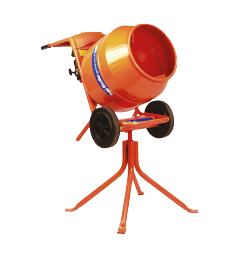
- ✓ Cement mixers for foundation, concreting, and mortar mixing on site
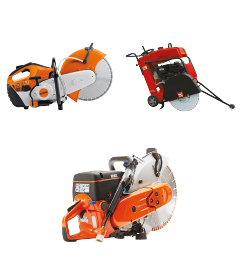
- ✓ Cut-off saws for road, concrete, and hard material cutting
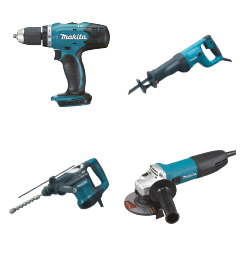
- ✓ Power tools including drills, grinders, and reciprocating saws
- ✓ Rollers, rammers, and compactors for ground and backfill compaction
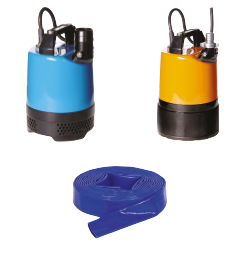
- ✓ Sub pumps and layflat hose for dewatering excavations and trenches
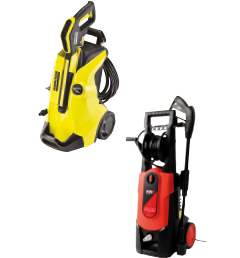
- ✓ Pressure washers for site and equipment cleaning
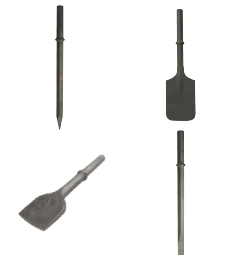
- ✓ Breaker steels, points, and chisels for breaking and demolition
- ✓ Next day delivery on orders by 5pm (phone) or 7pm (online). VIP 2-3 hour delivery available
What Is Site Plant and Machinery?
Site plant and machinery refers to the powered equipment used on construction sites to carry out tasks that are impractical or impossible by hand alone. It covers a wide range of equipment from small portable power tools and cement mixers through to larger compaction plant such as plate compactors and rammers, and specialist equipment such as cut-off saws for road cutting and sub pumps for dewatering excavations.
Unlike hand tools, plant and machinery must be selected not only for the task but for the power source, output capacity, and compatibility with the site conditions and safety requirements. Equipment used on construction sites is subject to PUWER (Provision and Use of Work Equipment Regulations 1998), which requires that all work equipment is suitable for its intended use, maintained in a safe condition, and used only by people who have received adequate information, instruction, and training. Selecting the correct specification of plant for the task is therefore both a productivity decision and a regulatory one.
Plant and Machinery by Type
Our range covers the powered site equipment needed across every stage of a construction and groundworks project.
Choosing the Right Plant and Machinery
Selecting the right plant and machinery depends on the task, the scale of the work, the power source available on site, and the regulatory requirements applicable to the equipment. For mixing, the drum capacity of the mixer must be matched to the volume of concrete or mortar needed per batch and the rate at which it will be placed. For compaction, the type of compactor must be matched to the material being compacted: plate compactors for granular sub-base and asphalt, rammers for cohesive soils and confined spaces such as trench backfill.
For cut-off saws, the blade diameter and power output must be matched to the depth of cut and material being cut. For sub pumps, the pump capacity must exceed the expected rate of water ingress, and the discharge head must be achievable with the pump selected. All plant and machinery supplied by CMT Group is contractor-grade and built for site conditions. Our team can advise on the correct specification for your application if you are unsure.
Contractor-Grade Plant and Machinery for UK Construction
Plant and machinery plays a critical role across construction, groundworks, and civil engineering, covering the powered tasks that hand tools cannot perform efficiently at site scale. From the first concrete pour to final compaction and site clearance, the right plant keeps work moving at the right pace without compromising on quality or safety. Equipment that is undersized, poorly specified, or unreliable creates delay and cost that quickly outweighs any saving made at procurement.
CMT Group has been supplying contractor-grade plant and machinery to UK construction teams for over 20 years. Our own fleet of 100+ FORS Silver accredited vehicles covers 90% of the UK, with next day delivery on orders placed by 5pm by phone or 7pm online, and VIP 2-3 hour delivery on a dedicated vehicle dispatched within 30 minutes for the most urgent site requirements.
Frequently asked questions
What size cement mixer do I need for a construction site?
The correct mixer size depends on the volume of concrete or mortar you need per batch and the rate at which it will be used. For general construction use such as foundations and brickwork mortar, a 130 to 160 litre drum mixer is the most common choice, providing enough output for a working rate that keeps a small team productive without overmixing. For larger pours or higher-volume concreting, a larger drum or a continuous output mixing system may be more appropriate. The working capacity of a drum mixer is typically around 65% of its stated drum volume.
What is the difference between a plate compactor and a rammer?
A plate compactor uses a vibrating flat plate to compact granular materials such as gravel, hardcore, and asphalt over a wide, flat area. It is the correct choice for compacting sub-base layers, paved areas, and asphalt. A rammer (also called a jumping jack compactor) uses a high-impact foot that rams the ground in a vertical motion, making it more effective on cohesive soils such as clay and in confined areas such as trenches and around foundations where a plate compactor cannot operate effectively. Most groundworks projects require both types at different stages.
What are sub pumps used for on a construction site?
Sub pumps (submersible pumps) are used to remove water from excavations, trenches, basements, and other below-ground areas where groundwater ingress or rainwater accumulation prevents work from proceeding safely. They are lowered directly into the water and pump it to the surface through a layflat or rigid discharge hose. Sub pumps must be rated for the volume of water expected and the height it needs to be pumped. On sites with high groundwater, continuous dewatering using a sub pump may be required throughout the groundworks programme.
What are breaker steels and when do they need replacing?
Breaker steels are the wear parts that fit into electric or pneumatic breaker machines and make direct contact with the material being broken. They come in different profiles including points for breaking into hard surfaces, chisels for channelling and cutting, and spades for breaking up slabs. They wear down during use and must be replaced when the working tip becomes blunt, as a worn steel reduces breaking efficiency significantly and increases stress on the breaker machine. Stocking replacement steels in the correct size for your breaker avoids downtime during breaking operations.
Why buy plant and machinery from CMT Group?
CMT Group has been supplying contractor-grade plant and machinery to UK construction sites for over 20 years. Every item in our range is selected for quality and durability, because equipment failure on a live site creates delay and cost that no procurement saving justifies. We operate our own fleet of 100+ FORS Silver accredited vehicles covering 90% of the UK, with next day delivery on orders placed by 5pm by phone or 7pm online, and VIP 2-3 hour delivery on a dedicated vehicle dispatched within 30 minutes for the most urgent requirements.
Petrol vs Electric Plant: Which Is Right for Your Site?
The choice between petrol and electric plant depends primarily on whether a reliable power supply is available on site and on the specific duty requirements of the task. Petrol-powered plant is self-contained, requiring no mains supply or generator, which makes it the practical choice for remote sites, early-stage groundworks before site power is established, and any application where trailing cables would be a hazard or impractical. Petrol plant also tends to offer higher power output for a given size, which matters for demanding applications such as cut-off saw work on thick concrete or asphalt.
Electric plant is generally quieter, produces no exhaust emissions, and requires less maintenance than petrol equivalents, making it better suited to indoor use, noise-sensitive environments, and sites with good power availability. Cordless battery-powered tools have improved significantly in recent years and are now suitable for many site tasks that previously required mains power, reducing the risk from trailing cables. For most construction sites, the answer is a mix of both: petrol for outdoor heavy-duty work and early-stage groundworks, electric or cordless for indoor work and tasks in enclosed or noise-restricted areas.
Shop Plant and Machinery by Type
Plant & Machinery
Plant and machinery covers the powered equipment that handles the tasks hand tools cannot: mixing concrete, cutting through hard materials, compacting ground, pumping water, and washing surfaces. CMT Group supplies a contractor-grade range of site plant including cement mixers, power tools, cut-off saws, pressure washers, sub pumps, breaker steels, dapple bars, and rollers, rammers and compactors, built to last and ready to get the job done on UK construction and civil engineering sites.
Read more Read less
At CMT Group we have been supplying plant and machinery to UK construction sites for over 20 years. Every item in our range is selected for quality and durability because plant that fails on a live site creates delay and cost. Whether you need a cement mixer for a foundation pour, a cut-off saw for road or concrete cutting, a rammer for compacting backfill, or a pressure washer for site clearance, our range has the right equipment in the right specification for the job.
- ✓ Cement mixers for foundation, concreting, and mortar mixing on site
- ✓ Cut-off saws for road, concrete, and hard material cutting
- ✓ Power tools including drills, grinders, and reciprocating saws
- ✓ Rollers, rammers, and compactors for ground and backfill compaction
- ✓ Sub pumps and layflat hose for dewatering excavations and trenches
- ✓ Pressure washers for site and equipment cleaning
- ✓ Breaker steels, points, and chisels for breaking and demolition
- ✓ Next day delivery on orders by 5pm (phone) or 7pm (online). VIP 2-3 hour delivery available
What Is Site Plant and Machinery?
Site plant and machinery refers to the powered equipment used on construction sites to carry out tasks that are impractical or impossible by hand alone. It covers a wide range of equipment from small portable power tools and cement mixers through to larger compaction plant such as plate compactors and rammers, and specialist equipment such as cut-off saws for road cutting and sub pumps for dewatering excavations.
Unlike hand tools, plant and machinery must be selected not only for the task but for the power source, output capacity, and compatibility with the site conditions and safety requirements. Equipment used on construction sites is subject to PUWER (Provision and Use of Work Equipment Regulations 1998), which requires that all work equipment is suitable for its intended use, maintained in a safe condition, and used only by people who have received adequate information, instruction, and training. Selecting the correct specification of plant for the task is therefore both a productivity decision and a regulatory one.
Plant and Machinery by Type
Our range covers the powered site equipment needed across every stage of a construction and groundworks project.
Choosing the Right Plant and Machinery
Selecting the right plant and machinery depends on the task, the scale of the work, the power source available on site, and the regulatory requirements applicable to the equipment. For mixing, the drum capacity of the mixer must be matched to the volume of concrete or mortar needed per batch and the rate at which it will be placed. For compaction, the type of compactor must be matched to the material being compacted: plate compactors for granular sub-base and asphalt, rammers for cohesive soils and confined spaces such as trench backfill.
For cut-off saws, the blade diameter and power output must be matched to the depth of cut and material being cut. For sub pumps, the pump capacity must exceed the expected rate of water ingress, and the discharge head must be achievable with the pump selected. All plant and machinery supplied by CMT Group is contractor-grade and built for site conditions. Our team can advise on the correct specification for your application if you are unsure.
Contractor-Grade Plant and Machinery for UK Construction
Plant and machinery plays a critical role across construction, groundworks, and civil engineering, covering the powered tasks that hand tools cannot perform efficiently at site scale. From the first concrete pour to final compaction and site clearance, the right plant keeps work moving at the right pace without compromising on quality or safety. Equipment that is undersized, poorly specified, or unreliable creates delay and cost that quickly outweighs any saving made at procurement.
CMT Group has been supplying contractor-grade plant and machinery to UK construction teams for over 20 years. Our own fleet of 100+ FORS Silver accredited vehicles covers 90% of the UK, with next day delivery on orders placed by 5pm by phone or 7pm online, and VIP 2-3 hour delivery on a dedicated vehicle dispatched within 30 minutes for the most urgent site requirements.
Frequently asked questions
What size cement mixer do I need for a construction site?
The correct mixer size depends on the volume of concrete or mortar you need per batch and the rate at which it will be used. For general construction use such as foundations and brickwork mortar, a 130 to 160 litre drum mixer is the most common choice, providing enough output for a working rate that keeps a small team productive without overmixing. For larger pours or higher-volume concreting, a larger drum or a continuous output mixing system may be more appropriate. The working capacity of a drum mixer is typically around 65% of its stated drum volume.
What is the difference between a plate compactor and a rammer?
A plate compactor uses a vibrating flat plate to compact granular materials such as gravel, hardcore, and asphalt over a wide, flat area. It is the correct choice for compacting sub-base layers, paved areas, and asphalt. A rammer (also called a jumping jack compactor) uses a high-impact foot that rams the ground in a vertical motion, making it more effective on cohesive soils such as clay and in confined areas such as trenches and around foundations where a plate compactor cannot operate effectively. Most groundworks projects require both types at different stages.
What are sub pumps used for on a construction site?
Sub pumps (submersible pumps) are used to remove water from excavations, trenches, basements, and other below-ground areas where groundwater ingress or rainwater accumulation prevents work from proceeding safely. They are lowered directly into the water and pump it to the surface through a layflat or rigid discharge hose. Sub pumps must be rated for the volume of water expected and the height it needs to be pumped. On sites with high groundwater, continuous dewatering using a sub pump may be required throughout the groundworks programme.
What are breaker steels and when do they need replacing?
Breaker steels are the wear parts that fit into electric or pneumatic breaker machines and make direct contact with the material being broken. They come in different profiles including points for breaking into hard surfaces, chisels for channelling and cutting, and spades for breaking up slabs. They wear down during use and must be replaced when the working tip becomes blunt, as a worn steel reduces breaking efficiency significantly and increases stress on the breaker machine. Stocking replacement steels in the correct size for your breaker avoids downtime during breaking operations.
Why buy plant and machinery from CMT Group?
CMT Group has been supplying contractor-grade plant and machinery to UK construction sites for over 20 years. Every item in our range is selected for quality and durability, because equipment failure on a live site creates delay and cost that no procurement saving justifies. We operate our own fleet of 100+ FORS Silver accredited vehicles covering 90% of the UK, with next day delivery on orders placed by 5pm by phone or 7pm online, and VIP 2-3 hour delivery on a dedicated vehicle dispatched within 30 minutes for the most urgent requirements.
Petrol vs Electric Plant: Which Is Right for Your Site?
The choice between petrol and electric plant depends primarily on whether a reliable power supply is available on site and on the specific duty requirements of the task. Petrol-powered plant is self-contained, requiring no mains supply or generator, which makes it the practical choice for remote sites, early-stage groundworks before site power is established, and any application where trailing cables would be a hazard or impractical. Petrol plant also tends to offer higher power output for a given size, which matters for demanding applications such as cut-off saw work on thick concrete or asphalt.
Electric plant is generally quieter, produces no exhaust emissions, and requires less maintenance than petrol equivalents, making it better suited to indoor use, noise-sensitive environments, and sites with good power availability. Cordless battery-powered tools have improved significantly in recent years and are now suitable for many site tasks that previously required mains power, reducing the risk from trailing cables. For most construction sites, the answer is a mix of both: petrol for outdoor heavy-duty work and early-stage groundworks, electric or cordless for indoor work and tasks in enclosed or noise-restricted areas.