Women's Clothing

Women's Safety Clothing for site teams who need women's-fit workwear that supports comfort, coverage and movement without relying on oversized unisex garments. Order women's hi-vis vests, waistcoats, jackets, fleeces, trousers, wet weather clothing, polo shirts, sweatshirts and bodywarmers in bulk ... Women's Safety Clothing for site teams who need women's-fit workwear that supports comfort, coverage and movement without relying on oversized unisex garments. Order women's hi-vis vests, waistcoats, jackets, fleeces, trousers, wet weather clothing, polo shirts, sweatshirts and bodywarmers in bulk for construction, highways, rail, utilities and industrial environments. The range focuses on practical women's safety clothing for visibility, weather protection, branded teamwear and repeat project rollouts. CMT Group helps contractors, procurement teams and facilities managers source inclusive site clothing with stock availability, account-based purchasing and fast nationwide delivery for trade and contract supply. read more...read less
Women's safety clothing types, standards and common use
| Subcategory | Relevant standards | What it means | Common use |
|---|---|---|---|
| Sweatshirts | EN ISO 20471 where certified; RIS-3279-TOM where rail orange is required | Women's-fit hi-vis sweatshirts selected for visibility, warmth, comfort and branded teamwear; check garment class and certification. | Construction, highways, utilities, logistics, rail-adjacent work and colder site conditions |
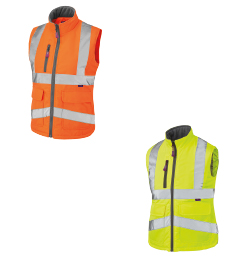
| Bodywarmers | EN ISO 20471 where certified; other product-specific standards where applicable | Sleeveless women's-fit layers selected for visibility, warmth and movement where full-sleeve outerwear is not required. | Outdoor sites, utilities, site supervision, logistics, maintenance and seasonal layering |
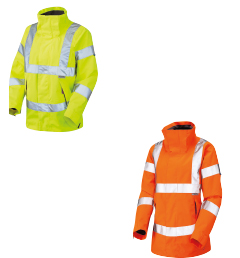
| Wet Weather Clothing | EN ISO 20471 and EN 343 where certified | Women's-fit waterproof or weather-resistant garments selected for visibility, rain protection and all-day outdoor use. | Highways, rail-adjacent work, utilities, civils, drainage, outdoor maintenance and wet site conditions |
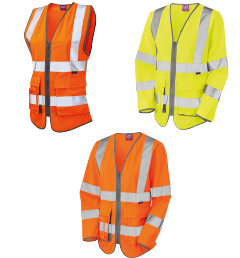
| Vests & Waistcoats | EN ISO 20471 where certified; RIS-3279-TOM where rail orange is required | Lightweight women's-fit visibility garments used for quick identification, site rules, visitors and team clothing; check class, colour and certification. | Construction, highways, utilities, logistics, rail-adjacent environments and site visitors |
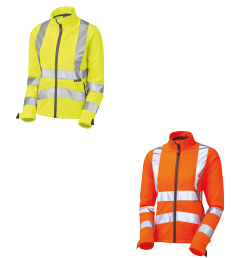
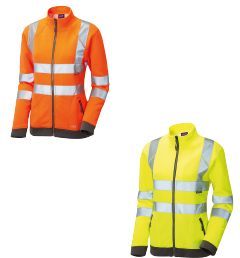
| Jackets & Fleeces | EN ISO 20471 where certified; EN 343 or EN 14058 where applicable | Women's-fit outerwear and fleece layers selected for visibility, warmth, weather protection and practical movement on site. | Construction, highways, utilities, logistics, rail-adjacent work and outdoor site teams |
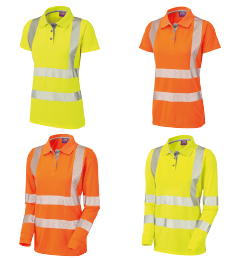
| Polo Shirts | EN ISO 20471 where certified | Women's-fit hi-vis polo shirts selected for warmer conditions, branded teamwear and breathable site clothing. | Construction, facilities, logistics, utilities, warehouses and summer site work |
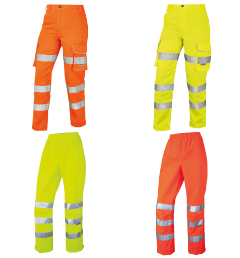
| Trousers | EN ISO 20471 where certified; EN 343 where waterproof protection applies | Women's-fit trousers selected for lower-body visibility, comfort, coverage, pocket layout and compatibility with site requirements. | Highways, utilities, civils, rail-adjacent work, outdoor maintenance and wet site work |
Frequently asked questions
What is women's safety clothing?
Women's safety clothing is workwear and personal protective equipment designed in women's-fit garment patterns and sizing. The range includes hi-vis vests, jackets, fleeces, trousers, wet weather layers, polo shirts, sweatshirts and bodywarmers produced specifically for women working on construction sites, highways, rail-adjacent environments, utilities, industrial sites and similar outdoor workplaces.
Whether a specific garment meets a safety or PPE standard depends on the individual product. Buyers should check the garment specification, the relevant EN standard, garment class and the declaration of conformity for each item purchased.
Why choose women's-fit safety clothing instead of unisex workwear?
Unisex workwear is typically cut for a male body shape. Women wearing oversized unisex garments may experience reduced comfort, restricted or excess material that limits movement, and poor coverage at the waist, hip and shoulder. On site, ill-fitting clothing can also affect practical wear habits and wearer acceptance.
Women's-fit safety clothing is designed to address these fit issues, with proportioning, pocket placement and closure positioning suited to women's measurements. Better-fitting garments tend to support comfort and consistent wear throughout the shift. Note that garment fit does not itself confer certification. Buyers should still confirm that each garment carries the relevant product standard and certification where required.
What standards should buyers check for women's hi-vis clothing?
The primary standard for high-visibility clothing is EN ISO 20471, which sets requirements for fluorescent background material, retroreflective tape, minimum areas and garment class (Class 1, 2 or 3). Buyers sourcing hi-vis clothing for women's site teams should check that each garment carries a valid declaration of conformity for EN ISO 20471 and that the class meets the site-specific risk assessment and client specification.
For wet weather garments, EN 343 covers resistance to water penetration and water vapour resistance where certified. For rail environments where orange hi-vis is required, RIS-3279-TOM applies. Some fleeces and soft-shell jackets carry EN 14058 where cold weather protection is relevant. Always check the product documentation, garment label and declaration of conformity for each item.
Can women's safety clothing be used for rail or highways work?
Women's safety clothing can be used for rail or highways work where the specific garments carry the required certification and meet the applicable visibility requirements. Rail environments in the UK may require garments that meet RIS-3279-TOM for orange hi-vis specification in addition to EN ISO 20471. Highways work typically requires Class 2 or Class 3 hi-vis garments as a minimum, depending on site rules, traffic speed and the site-specific risk assessment.
Not every women's hi-vis garment is automatically suitable for rail or highways. Buyers should verify garment class, fluorescent colour, retroreflective tape coverage and the declaration of conformity, and confirm with the client or principal contractor specification before ordering for these environments.
What women's wet weather clothing should site teams choose?
For outdoor site work in wet conditions, women's wet weather clothing should combine EN ISO 20471 hi-vis certification with EN 343 water resistance and water vapour resistance where certified. Look for garments that specify the class for both standards on the product declaration of conformity. Jackets, trousers and overtrousers are the most common wet weather items for site teams.
The appropriate garment depends on the work environment, exposure duration, temperature and site rules. Buyers should check garment specifications, layering compatibility and manufacturer guidance for each item. For sustained exposure or high-hazard environments, confirm site-specific risk assessment requirements.
Can CMT Group brand women's safety clothing with company logos?
Yes. CMT Group offers Brandit, an in-house branding service covering embroidery and print for workwear and site clothing, including women's safety clothing. Brandit is available for trade, contract and project accounts and supports branded sitewear, project rollouts and repeat supply where branded clothing is part of the site or client specification.
When branding women's hi-vis safety clothing, the branding should not cover, reduce or obscure the fluorescent background material or retroreflective tape in a way that diminishes the certified visibility performance of the garment. Follow the manufacturer guidance and garment specification for each item before applying branding.
How should procurement teams choose sizes for women's safety clothing?
Procurement teams ordering women's safety clothing in bulk should use the garment-specific size guide rather than assuming a direct match with general clothing sizes. Women's safety workwear sizing varies between manufacturers, garment types and fits. Key measurements typically include chest, waist, hip and inside leg where relevant for trousers.
Where possible, allow wearers to check sizing before bulk ordering, particularly for trousers and fitted jackets where fit affects both comfort and garment performance. For layered systems, account for undergarment and mid-layer thickness when selecting outer garment sizes. Product page size guides, specification tables and, where available, product datasheets can help buyers confirm sizing and garment details before full project rollout quantities are ordered.
What supplier assurance supports CMT Group's women's safety clothing supply?
CMT Group is a BSIF Registered Safety Supplier, BSI ISO 9001:2015 Quality Management certified and CHAS Elite accredited. These supplier-level assurances support buyer confidence when sourcing women's safety clothing for site teams, project rollouts and repeat supply.
Supplier accreditations are company-level assurance and do not replace garment-level or product-level certification. Buyers should still verify the relevant EN standard, garment class, declaration of conformity and product documentation for each item. View CMT Group's full accreditations.
Planning a women's-fit sitewear rollout? Many CMT Group product pages include size guides and specification tables to help buyers check fit, garment details and standards before ordering. For project quantities or product datasheets where available, contact the CMT Group team.
UK-wide delivery
Next-day and VIP same-day delivery on stocked women's safety clothing lines, with nationwide coverage for trade and project accounts.Stock availability
Large stockholding, easy reordering and repeat supply support for women's safety clothing buyers and site teams.EDGE B2B Portal
Self-serve procurement with trade pricing, order tracking and easy repeat ordering for account holders.Brandit
In-house branding for women's safety clothing and sitewear, including embroidery and print for teams and projects.Sustainable & compliance-ready products
Sustainable supply and compliance-ready products to support responsible procurement and social value commitments.Shop Women's Safety Clothing by Subcategory
Women's Clothing
Women's Safety Clothing for site teams who need women's-fit workwear that supports comfort, coverage and movement without relying on oversized unisex garments. Order women's hi-vis vests, waistcoats, jackets, fleeces, trousers, wet weather clothing, polo shirts, sweatshirts and bodywarmers in bulk ... Women's Safety Clothing for site teams who need women's-fit workwear that supports comfort, coverage and movement without relying on oversized unisex garments. Order women's hi-vis vests, waistcoats, jackets, fleeces, trousers, wet weather clothing, polo shirts, sweatshirts and bodywarmers in bulk for construction, highways, rail, utilities and industrial environments. The range focuses on practical women's safety clothing for visibility, weather protection, branded teamwear and repeat project rollouts. CMT Group helps contractors, procurement teams and facilities managers source inclusive site clothing with stock availability, account-based purchasing and fast nationwide delivery for trade and contract supply. read more...read less
Women's safety clothing types, standards and common use
| Subcategory | Relevant standards | What it means | Common use |
|---|---|---|---|
| Sweatshirts | EN ISO 20471 where certified; RIS-3279-TOM where rail orange is required | Women's-fit hi-vis sweatshirts selected for visibility, warmth, comfort and branded teamwear; check garment class and certification. | Construction, highways, utilities, logistics, rail-adjacent work and colder site conditions |
| Bodywarmers | EN ISO 20471 where certified; other product-specific standards where applicable | Sleeveless women's-fit layers selected for visibility, warmth and movement where full-sleeve outerwear is not required. | Outdoor sites, utilities, site supervision, logistics, maintenance and seasonal layering |
| Wet Weather Clothing | EN ISO 20471 and EN 343 where certified | Women's-fit waterproof or weather-resistant garments selected for visibility, rain protection and all-day outdoor use. | Highways, rail-adjacent work, utilities, civils, drainage, outdoor maintenance and wet site conditions |
| Vests & Waistcoats | EN ISO 20471 where certified; RIS-3279-TOM where rail orange is required | Lightweight women's-fit visibility garments used for quick identification, site rules, visitors and team clothing; check class, colour and certification. | Construction, highways, utilities, logistics, rail-adjacent environments and site visitors |
| Jackets & Fleeces | EN ISO 20471 where certified; EN 343 or EN 14058 where applicable | Women's-fit outerwear and fleece layers selected for visibility, warmth, weather protection and practical movement on site. | Construction, highways, utilities, logistics, rail-adjacent work and outdoor site teams |
| Polo Shirts | EN ISO 20471 where certified | Women's-fit hi-vis polo shirts selected for warmer conditions, branded teamwear and breathable site clothing. | Construction, facilities, logistics, utilities, warehouses and summer site work |
| Trousers | EN ISO 20471 where certified; EN 343 where waterproof protection applies | Women's-fit trousers selected for lower-body visibility, comfort, coverage, pocket layout and compatibility with site requirements. | Highways, utilities, civils, rail-adjacent work, outdoor maintenance and wet site work |
Frequently asked questions
What is women's safety clothing?
Women's safety clothing is workwear and personal protective equipment designed in women's-fit garment patterns and sizing. The range includes hi-vis vests, jackets, fleeces, trousers, wet weather layers, polo shirts, sweatshirts and bodywarmers produced specifically for women working on construction sites, highways, rail-adjacent environments, utilities, industrial sites and similar outdoor workplaces.
Whether a specific garment meets a safety or PPE standard depends on the individual product. Buyers should check the garment specification, the relevant EN standard, garment class and the declaration of conformity for each item purchased.
Why choose women's-fit safety clothing instead of unisex workwear?
Unisex workwear is typically cut for a male body shape. Women wearing oversized unisex garments may experience reduced comfort, restricted or excess material that limits movement, and poor coverage at the waist, hip and shoulder. On site, ill-fitting clothing can also affect practical wear habits and wearer acceptance.
Women's-fit safety clothing is designed to address these fit issues, with proportioning, pocket placement and closure positioning suited to women's measurements. Better-fitting garments tend to support comfort and consistent wear throughout the shift. Note that garment fit does not itself confer certification. Buyers should still confirm that each garment carries the relevant product standard and certification where required.
What standards should buyers check for women's hi-vis clothing?
The primary standard for high-visibility clothing is EN ISO 20471, which sets requirements for fluorescent background material, retroreflective tape, minimum areas and garment class (Class 1, 2 or 3). Buyers sourcing hi-vis clothing for women's site teams should check that each garment carries a valid declaration of conformity for EN ISO 20471 and that the class meets the site-specific risk assessment and client specification.
For wet weather garments, EN 343 covers resistance to water penetration and water vapour resistance where certified. For rail environments where orange hi-vis is required, RIS-3279-TOM applies. Some fleeces and soft-shell jackets carry EN 14058 where cold weather protection is relevant. Always check the product documentation, garment label and declaration of conformity for each item.
Can women's safety clothing be used for rail or highways work?
Women's safety clothing can be used for rail or highways work where the specific garments carry the required certification and meet the applicable visibility requirements. Rail environments in the UK may require garments that meet RIS-3279-TOM for orange hi-vis specification in addition to EN ISO 20471. Highways work typically requires Class 2 or Class 3 hi-vis garments as a minimum, depending on site rules, traffic speed and the site-specific risk assessment.
Not every women's hi-vis garment is automatically suitable for rail or highways. Buyers should verify garment class, fluorescent colour, retroreflective tape coverage and the declaration of conformity, and confirm with the client or principal contractor specification before ordering for these environments.
What women's wet weather clothing should site teams choose?
For outdoor site work in wet conditions, women's wet weather clothing should combine EN ISO 20471 hi-vis certification with EN 343 water resistance and water vapour resistance where certified. Look for garments that specify the class for both standards on the product declaration of conformity. Jackets, trousers and overtrousers are the most common wet weather items for site teams.
The appropriate garment depends on the work environment, exposure duration, temperature and site rules. Buyers should check garment specifications, layering compatibility and manufacturer guidance for each item. For sustained exposure or high-hazard environments, confirm site-specific risk assessment requirements.
Can CMT Group brand women's safety clothing with company logos?
Yes. CMT Group offers Brandit, an in-house branding service covering embroidery and print for workwear and site clothing, including women's safety clothing. Brandit is available for trade, contract and project accounts and supports branded sitewear, project rollouts and repeat supply where branded clothing is part of the site or client specification.
When branding women's hi-vis safety clothing, the branding should not cover, reduce or obscure the fluorescent background material or retroreflective tape in a way that diminishes the certified visibility performance of the garment. Follow the manufacturer guidance and garment specification for each item before applying branding.
How should procurement teams choose sizes for women's safety clothing?
Procurement teams ordering women's safety clothing in bulk should use the garment-specific size guide rather than assuming a direct match with general clothing sizes. Women's safety workwear sizing varies between manufacturers, garment types and fits. Key measurements typically include chest, waist, hip and inside leg where relevant for trousers.
Where possible, allow wearers to check sizing before bulk ordering, particularly for trousers and fitted jackets where fit affects both comfort and garment performance. For layered systems, account for undergarment and mid-layer thickness when selecting outer garment sizes. Product page size guides, specification tables and, where available, product datasheets can help buyers confirm sizing and garment details before full project rollout quantities are ordered.
What supplier assurance supports CMT Group's women's safety clothing supply?
CMT Group is a BSIF Registered Safety Supplier, BSI ISO 9001:2015 Quality Management certified and CHAS Elite accredited. These supplier-level assurances support buyer confidence when sourcing women's safety clothing for site teams, project rollouts and repeat supply.
Supplier accreditations are company-level assurance and do not replace garment-level or product-level certification. Buyers should still verify the relevant EN standard, garment class, declaration of conformity and product documentation for each item. View CMT Group's full accreditations.
Planning a women's-fit sitewear rollout? Many CMT Group product pages include size guides and specification tables to help buyers check fit, garment details and standards before ordering. For project quantities or product datasheets where available, contact the CMT Group team.