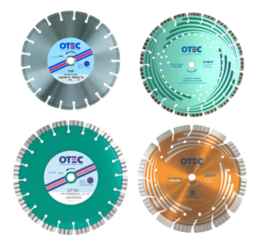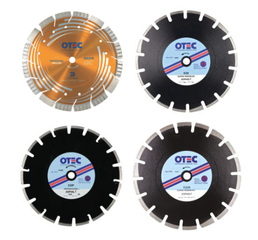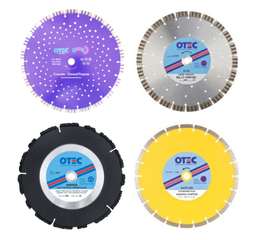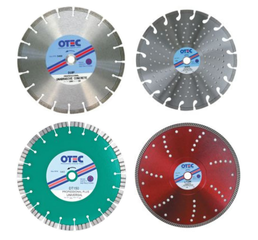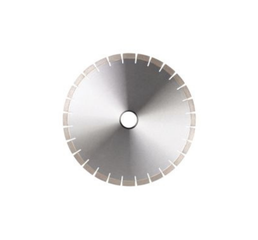
OTEC Diamond Blades

OTEC diamond blades support trade cutting across concrete, reinforced concrete, asphalt, stone, granite, ceramics, porcelain and mixed-material site work. CMT Group supplies OTEC blades for contractors, civils teams, groundworkers, highways projects, utilities, refurbishment work and repeat trade procurement ... OTEC diamond blades support trade cutting across concrete, reinforced concrete, asphalt, stone, granite, ceramics, porcelain and mixed-material site work where the individual product data confirms suitability. CMT Group supplies OTEC blades for contractors, civils teams, groundworkers, utilities projects, refurbishment work and repeat trade procurement. Start with the material being cut and the machine type, then confirm blade diameter, bore size, maximum RPM rating and any stated wet or dry suitability on the product listing before ordering. For project quantities, repeat blade specifications or depot replenishment, CMT Group can help check suitable OTEC product options, availability and delivery requirements before you order. read more...read less
Select OTEC diamond blades by material, machine and project requirement
| Selection route | Use when | Specification checks | Typical OTEC options |
|---|---|---|---|
| Concrete and reinforced concrete | Cutting concrete, reinforced concrete or related construction materials where blade suitability is stated on the product listing | Material suitability where stated; blade diameter; bore size; machine type; maximum RPM rating where stated; wet or dry suitability where stated; product data | OTEC concrete blade ranges, including TX-series and DX05 models where live product data confirms suitability for concrete or reinforced concrete |
| Asphalt and road surfaces | Cutting road surfaces, carriageways, footpath reinstatement or patching where asphalt suitability is stated on the product listing | Material suitability; blade diameter; bore size; machine type; RPM rating where stated; undercut protection where stated; product data | OTEC asphalt blade ranges, including D20 models where live product data confirms suitability; undercut protection where shown in individual product data |
| Stone, granite and hard materials | Cutting granite, engineering brick, dense stone or other hard materials where the product listing confirms suitability for that material | Material suitability; blade diameter; bore size; machine type; maximum RPM rating where stated; segment type where stated; product data | OTEC hard material and stone cutting blades where the product listing confirms suitability for the stated material |
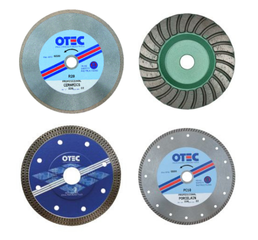
| Ceramic, porcelain and specialist surface materials | Cutting ceramic tiles, porcelain, natural stone or engineered surfaces where blade suitability is confirmed on the product listing | Material suitability; blade diameter; bore size; machine type; edge or segment type where stated; wet cutting where stated in product data; product data | OTEC ceramic, porcelain and stone blades; continuous rim or turbo options only where listed in product data |
| Mixed-material site cutting | Working across multiple material types on site, or where concrete and stone cutting is required on the same project | Supported material range; blade diameter; bore size; machine type; RPM rating where stated; wet or dry suitability where stated; product data | OTEC multi-purpose blade ranges, including D15T or D18P where live product data confirms mixed-material suitability |
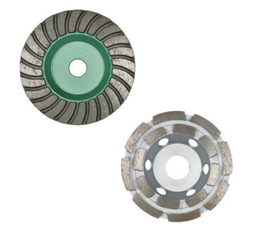
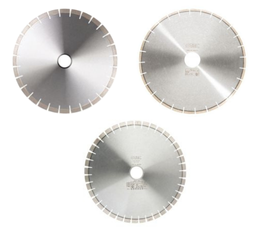
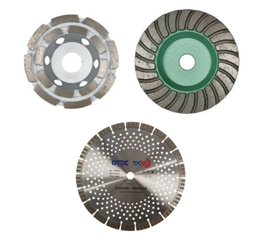
| Specialist machine and surface preparation options | Choosing OTEC blades or discs for bridge saws, wet cutting benches, surface preparation or grinding applications where the product listing confirms the machine type and material suitability | Machine type; blade or disc type; material suitability; diameter; bore size; maximum RPM rating where stated; wet use where stated; product data | OTEC bridgesaw blades or cup grinding discs only where listed in the live range |
| Project and repeat specification | Repeat ordering, depot replenishment or keeping consistent OTEC blade specifications across multiple sites or projects | Material type; blade diameter; bore size; machine type; SKU; pack quantity where stated; stock availability; account requirements | Repeat-order OTEC blade specifications across concrete, asphalt, multi-purpose and specialist ranges; project and depot replenishment lines |
Frequently asked questions
Which OTEC diamond blade should I choose for concrete or reinforced concrete?
Start with OTEC blades listed for concrete or reinforced concrete suitability. OTEC concrete blade ranges include TX-series and DX05 models where live product data confirms suitability for the material and machine type. Check blade diameter, bore size, machine type and maximum RPM rating where shown on the product listing before ordering.
For project quantities or help matching a concrete blade specification to a machine or site requirement, speak to our team before placing your order.
When should I choose an asphalt blade instead of a concrete blade?
Asphalt and concrete should be matched to blades listed for the correct material. For roadworks, carriageway cutting, reinstatement and patching where asphalt suitability is stated, choose from OTEC asphalt blade ranges, including D20 models where live product data confirms suitability. Where undercut protection or other blade features are shown in product data, check these against the material and machine requirement before ordering.
Confirm material suitability on the individual product listing before ordering. If you are unsure which blade suits your material or machine, speak to our team.
Which OTEC blades are suitable for stone, granite, ceramic or porcelain?
Choose from OTEC blades where the product listing confirms suitability for the specific material. OTEC hard material blades cover granite, engineering brick and dense stone where listed. OTEC stone cutting blades cover sandstone, limestone, slate and other natural stone where stated. OTEC ceramic, porcelain and stone blades, including continuous rim or turbo options only where listed, may be suitable for tile, porcelain or specialist surface materials where the product data confirms the use.
Hard materials and surface materials require different blade specifications. Check the product listing and product data for your material before ordering, and confirm blade diameter, bore size and machine type are correct for your application.
Can I use one OTEC diamond blade across mixed site materials?
Some OTEC blades may be listed for multi-purpose or mixed-material site use, including D15T or D18P only where the product data confirms the application. Whether a blade covers the combination of materials on your site depends on the individual product listing and product data for each blade.
Where sustained cutting of a specific material is required, a material-specific OTEC blade may be a more appropriate choice where available. Check the product data before specifying a multi-purpose blade for your project, and speak to our team if you need help matching a blade to mixed-material site requirements.
How do I match an OTEC blade to my grinder, cut-off saw or machine?
Start with blade diameter, bore size and machine type. OTEC product listings may cover angle grinders, petrol saws, cut-off saws, bench saws, bridge saws or other compatible machines where stated. Check blade diameter against your machine, confirm bore size against your machine spindle specification, and verify the maximum RPM rating where stated on the product listing against your machine speed before ordering.
If the product listing does not confirm compatibility with your specific machine, check the product datasheet or speak to our team before purchasing.
What product data should I check before adding OTEC blades to a project order?
Before placing a project order, check: material suitability; blade diameter; bore size; machine type; maximum RPM rating where stated; wet or dry suitability where stated; pack quantity where stated; SKU; and stock availability. Where standards, ratings or approvals are shown on individual product listings or datasheets, check these against your project specification and any procurement requirements before ordering.
For projects with specific product specification or delivery requirements, speak to our team before ordering so we can confirm specification, stock and lead time.
Can CMT Group help keep OTEC blade specifications consistent across sites or depots?
Yes. CMT Group supports trade accounts with repeat blade specifications, stock checks, project quantities and depot replenishment for OTEC diamond blades. For procurement teams or site managers specifying the same blade across multiple sites, our team can verify product availability, confirm specifications and plan delivery before you commit to an order. Account holders can use the EDGE B2B Portal for repeat purchasing and order tracking.
For regular blade requirements or framework procurement, contact our team to discuss account options and supply arrangements.
How quickly can OTEC diamond blades be supplied for trade or project orders?
Same-day and next-day UK delivery options are available for stocked OTEC diamond blades where availability allows. For larger quantities, project orders or time-critical requirements, speak to our team before ordering so we can check stock, confirm specifications and arrange delivery to your site or depot.
Contact our team in advance for urgent or high-volume requirements so supply and delivery can be confirmed before you need the blades on site.
Ordering OTEC diamond blades for construction, civils, highways, utilities, groundwork, refurbishment or depot replenishment? CMT Group can support trade and project accounts with product selection, stock checks, repeat blade specifications and UK delivery options. For volume requirements or project-specific specifications, speak to our team or browse the OTEC blade range below.
UK-wide delivery
Same-day and next-day UK delivery options on stocked OTEC diamond blades for trade and project accounts.Stock availability
Live availability across OTEC concrete, asphalt, multi-purpose, stone, ceramic and specialist blade ranges, subject to current stock.EDGE B2B Portal
Self-serve procurement with trade pricing, order tracking and easy repeat ordering for account holders.Project and repeat procurement
Support for project quantities, depot replenishment and repeat OTEC blade specifications across sites and accounts.Diamond Blades, Cores & Drills
Order OTEC diamond blades alongside floorsaw blades, benchsaw blades, diamond core drilling products, cutting and grinding discs and drilling products.Shop OTEC Diamond Blades by Material and Specification
OTEC Diamond Blades
OTEC diamond blades support trade cutting across concrete, reinforced concrete, asphalt, stone, granite, ceramics, porcelain and mixed-material site work. CMT Group supplies OTEC blades for contractors, civils teams, groundworkers, highways projects, utilities, refurbishment work and repeat trade procurement ... OTEC diamond blades support trade cutting across concrete, reinforced concrete, asphalt, stone, granite, ceramics, porcelain and mixed-material site work where the individual product data confirms suitability. CMT Group supplies OTEC blades for contractors, civils teams, groundworkers, utilities projects, refurbishment work and repeat trade procurement. Start with the material being cut and the machine type, then confirm blade diameter, bore size, maximum RPM rating and any stated wet or dry suitability on the product listing before ordering. For project quantities, repeat blade specifications or depot replenishment, CMT Group can help check suitable OTEC product options, availability and delivery requirements before you order. read more...read less
Select OTEC diamond blades by material, machine and project requirement
| Selection route | Use when | Specification checks | Typical OTEC options |
|---|---|---|---|
| Concrete and reinforced concrete | Cutting concrete, reinforced concrete or related construction materials where blade suitability is stated on the product listing | Material suitability where stated; blade diameter; bore size; machine type; maximum RPM rating where stated; wet or dry suitability where stated; product data | OTEC concrete blade ranges, including TX-series and DX05 models where live product data confirms suitability for concrete or reinforced concrete |
| Asphalt and road surfaces | Cutting road surfaces, carriageways, footpath reinstatement or patching where asphalt suitability is stated on the product listing | Material suitability; blade diameter; bore size; machine type; RPM rating where stated; undercut protection where stated; product data | OTEC asphalt blade ranges, including D20 models where live product data confirms suitability; undercut protection where shown in individual product data |
| Stone, granite and hard materials | Cutting granite, engineering brick, dense stone or other hard materials where the product listing confirms suitability for that material | Material suitability; blade diameter; bore size; machine type; maximum RPM rating where stated; segment type where stated; product data | OTEC hard material and stone cutting blades where the product listing confirms suitability for the stated material |
| Ceramic, porcelain and specialist surface materials | Cutting ceramic tiles, porcelain, natural stone or engineered surfaces where blade suitability is confirmed on the product listing | Material suitability; blade diameter; bore size; machine type; edge or segment type where stated; wet cutting where stated in product data; product data | OTEC ceramic, porcelain and stone blades; continuous rim or turbo options only where listed in product data |
| Mixed-material site cutting | Working across multiple material types on site, or where concrete and stone cutting is required on the same project | Supported material range; blade diameter; bore size; machine type; RPM rating where stated; wet or dry suitability where stated; product data | OTEC multi-purpose blade ranges, including D15T or D18P where live product data confirms mixed-material suitability |
| Specialist machine and surface preparation options | Choosing OTEC blades or discs for bridge saws, wet cutting benches, surface preparation or grinding applications where the product listing confirms the machine type and material suitability | Machine type; blade or disc type; material suitability; diameter; bore size; maximum RPM rating where stated; wet use where stated; product data | OTEC bridgesaw blades or cup grinding discs only where listed in the live range |
| Project and repeat specification | Repeat ordering, depot replenishment or keeping consistent OTEC blade specifications across multiple sites or projects | Material type; blade diameter; bore size; machine type; SKU; pack quantity where stated; stock availability; account requirements | Repeat-order OTEC blade specifications across concrete, asphalt, multi-purpose and specialist ranges; project and depot replenishment lines |
Frequently asked questions
Which OTEC diamond blade should I choose for concrete or reinforced concrete?
Start with OTEC blades listed for concrete or reinforced concrete suitability. OTEC concrete blade ranges include TX-series and DX05 models where live product data confirms suitability for the material and machine type. Check blade diameter, bore size, machine type and maximum RPM rating where shown on the product listing before ordering.
For project quantities or help matching a concrete blade specification to a machine or site requirement, speak to our team before placing your order.
When should I choose an asphalt blade instead of a concrete blade?
Asphalt and concrete should be matched to blades listed for the correct material. For roadworks, carriageway cutting, reinstatement and patching where asphalt suitability is stated, choose from OTEC asphalt blade ranges, including D20 models where live product data confirms suitability. Where undercut protection or other blade features are shown in product data, check these against the material and machine requirement before ordering.
Confirm material suitability on the individual product listing before ordering. If you are unsure which blade suits your material or machine, speak to our team.
Which OTEC blades are suitable for stone, granite, ceramic or porcelain?
Choose from OTEC blades where the product listing confirms suitability for the specific material. OTEC hard material blades cover granite, engineering brick and dense stone where listed. OTEC stone cutting blades cover sandstone, limestone, slate and other natural stone where stated. OTEC ceramic, porcelain and stone blades, including continuous rim or turbo options only where listed, may be suitable for tile, porcelain or specialist surface materials where the product data confirms the use.
Hard materials and surface materials require different blade specifications. Check the product listing and product data for your material before ordering, and confirm blade diameter, bore size and machine type are correct for your application.
Can I use one OTEC diamond blade across mixed site materials?
Some OTEC blades may be listed for multi-purpose or mixed-material site use, including D15T or D18P only where the product data confirms the application. Whether a blade covers the combination of materials on your site depends on the individual product listing and product data for each blade.
Where sustained cutting of a specific material is required, a material-specific OTEC blade may be a more appropriate choice where available. Check the product data before specifying a multi-purpose blade for your project, and speak to our team if you need help matching a blade to mixed-material site requirements.
How do I match an OTEC blade to my grinder, cut-off saw or machine?
Start with blade diameter, bore size and machine type. OTEC product listings may cover angle grinders, petrol saws, cut-off saws, bench saws, bridge saws or other compatible machines where stated. Check blade diameter against your machine, confirm bore size against your machine spindle specification, and verify the maximum RPM rating where stated on the product listing against your machine speed before ordering.
If the product listing does not confirm compatibility with your specific machine, check the product datasheet or speak to our team before purchasing.
What product data should I check before adding OTEC blades to a project order?
Before placing a project order, check: material suitability; blade diameter; bore size; machine type; maximum RPM rating where stated; wet or dry suitability where stated; pack quantity where stated; SKU; and stock availability. Where standards, ratings or approvals are shown on individual product listings or datasheets, check these against your project specification and any procurement requirements before ordering.
For projects with specific product specification or delivery requirements, speak to our team before ordering so we can confirm specification, stock and lead time.
Can CMT Group help keep OTEC blade specifications consistent across sites or depots?
Yes. CMT Group supports trade accounts with repeat blade specifications, stock checks, project quantities and depot replenishment for OTEC diamond blades. For procurement teams or site managers specifying the same blade across multiple sites, our team can verify product availability, confirm specifications and plan delivery before you commit to an order. Account holders can use the EDGE B2B Portal for repeat purchasing and order tracking.
For regular blade requirements or framework procurement, contact our team to discuss account options and supply arrangements.
How quickly can OTEC diamond blades be supplied for trade or project orders?
Same-day and next-day UK delivery options are available for stocked OTEC diamond blades where availability allows. For larger quantities, project orders or time-critical requirements, speak to our team before ordering so we can check stock, confirm specifications and arrange delivery to your site or depot.
Contact our team in advance for urgent or high-volume requirements so supply and delivery can be confirmed before you need the blades on site.
Ordering OTEC diamond blades for construction, civils, highways, utilities, groundwork, refurbishment or depot replenishment? CMT Group can support trade and project accounts with product selection, stock checks, repeat blade specifications and UK delivery options. For volume requirements or project-specific specifications, speak to our team or browse the OTEC blade range below.