In this article
The UK government has committed significant new funding to road maintenance, with £25 billion earmarked for the strategic road network between 2026 and 2031, and local road repair budgets set to exceed £2 billion a year by 2030. For highways contractors, local authorities and maintenance teams, this represents a substantial increase in the volume of repair work coming through the pipeline over the next several years.
Potholes remain one of the most common defects affecting roads, car parks, access routes and industrial yards. They develop when water penetrates cracks in the asphalt surface and weakens the base layers underneath. As traffic passes over the weakened area, the surface breaks apart and a pothole forms. With increased funding now being directed toward tackling the UK's road repair backlog, demand for pothole repair materials and reinstatement products is expected to rise significantly.
This guide explains the typical pothole repair process used by contractors, along with the materials commonly used to deliver reliable and durable repairs. Whether you are a highways maintenance team preparing for an increased workload or a contractor looking to stock the right materials, this step-by-step process covers everything needed to carry out professional, long-lasting pothole repairs.
Step 1 – Prepare the Damaged Area
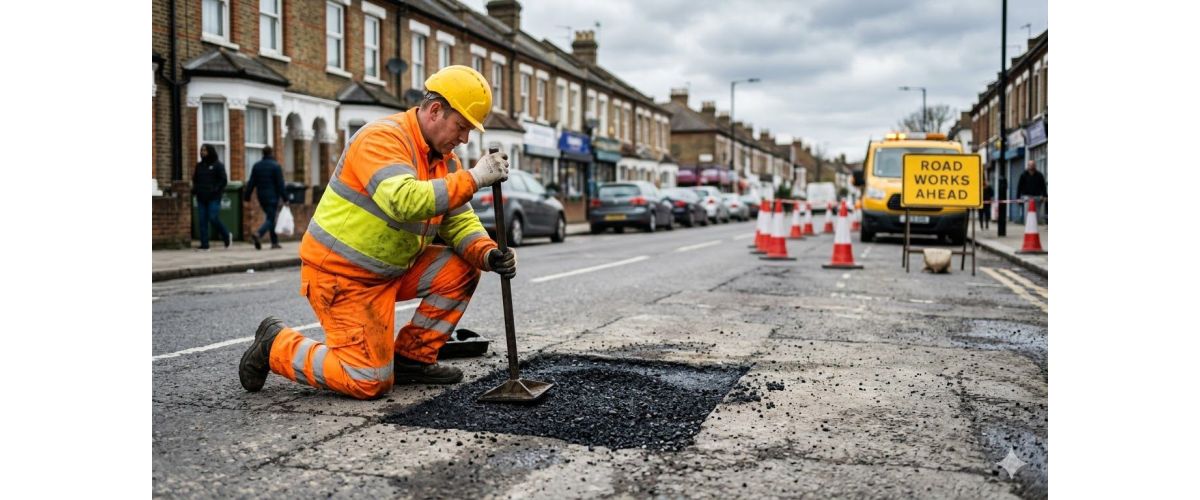
Before applying any repair material, the pothole must be properly prepared. Loose asphalt, dirt and debris should be removed to create a clean repair area. This step is often overlooked during emergency repairs, but taking even a few additional minutes to prepare the surface can significantly extend the life of the finished repair.
Preparation typically involves sweeping or brushing loose material from the pothole and surrounding edges, removing any standing water, and trimming damaged or crumbling edges back to sound asphalt where necessary. On larger defects, a saw-cut square edge may be used to create a clean vertical boundary for the repair material to bond against.
Where the base layer is saturated or has broken down, a bitumen emulsion such as Colas Bitukold Cold Applied Bitumen Emulsion 15kg can be applied as a tack coat to improve adhesion between the existing surface and the new fill material. The emulsion bonds to both damp and dry surfaces and helps the cold lay asphalt key into the repair area more effectively.
A clean, properly prepared surface allows the repair material to bond more effectively and significantly improves the overall durability of the repair.
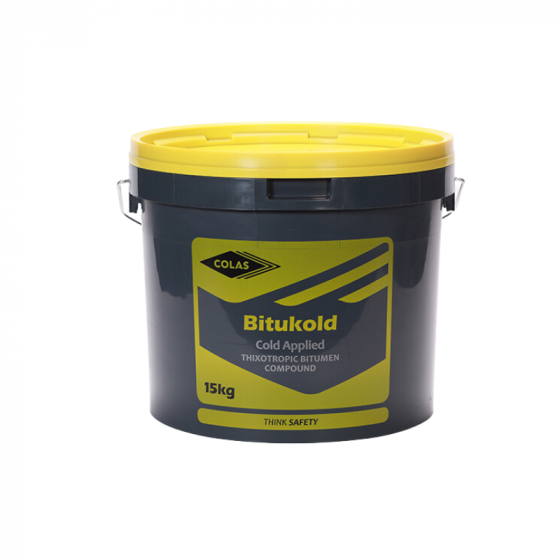
Colas Bitukold Cold Applied Bitumen Emulsion 15kg
Cold-applied bitumen emulsion for tack coating, priming and sealing. Bonds to damp and dry surfaces.
View product arrow_forwardStep 2 – Fill the Pothole with Cold Lay Asphalt
Cold lay asphalt is widely used for pothole repairs because it can be applied without heating equipment. This makes it ideal for quick repairs carried out by highways maintenance crews, contractors and facilities teams working on site.
Materials such as DriveRepair Cold Lay Asphalt 25kg provide a ready-to-use solution for filling potholes, damaged asphalt patches and worn road surfaces. The material is placed directly into the prepared repair area and spread evenly before being compacted to form a level surface. For deeper potholes, the material should be applied in layers of no more than 50mm and compacted between each layer to avoid air pockets and ensure proper density.
Cold lay asphalt is commonly used for repairs on highways and local roads, car parks, industrial yards, driveways and access routes. It is particularly suited to emergency and reactive maintenance because it requires no specialist plant, no heating, and no minimum order quantities.
Once compacted, the repaired area can usually be opened to traffic immediately. The material continues to harden and cure over the following days under normal traffic loading.

DriveRepair Cold Lay Asphalt 25kg
Ready-to-use cold lay asphalt for pothole filling and asphalt patch repairs. No heating required, immediate traffic use after compaction.
View product arrow_forwardStep 3 – Seal the Repair Edges
After filling the pothole, sealing the edges of the repair helps prevent water from entering the joint between the existing asphalt and the new repair material. This joint line is the most vulnerable point of any pothole repair, and if left unsealed it becomes the primary route for water ingress, which is the leading cause of repair failure.
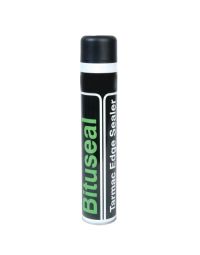
Products such as Bituseal Bitumen Sealer Spray 750ml provide a fast and effective solution for sealing these edges. The aerosol format allows contractors to apply a controlled coating directly onto the vertical joint edges without additional tools or equipment. The spray cures quickly to form a flexible, waterproof seal.
Sealing the repair edges helps prevent water ingress, improve overall repair durability, and protect the surrounding asphalt from further deterioration. This step is particularly important in areas exposed to heavy rainfall or repeated freeze-thaw cycles, where trapped water can expand and break the bond between old and new material.
Water ingress at the repair edge is the single most common cause of pothole repair failure. Sealing the joint between old and new material takes seconds but can extend repair life by years.
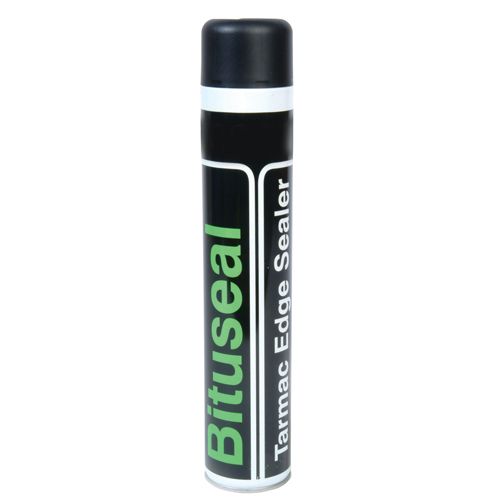
Bituseal Bitumen Sealer Spray 750ml
Fast-curing aerosol bitumen sealer for vertical joint edges. Waterproof, flexible seal with no additional tools required.
View product arrow_forwardStep 4 – Seal Cracks and Joints
Where cracks or reinstatement joints are present in the surrounding asphalt, additional protection may be required to prevent water penetration. Left untreated, these cracks allow water to reach the sub-base, which weakens the road structure and leads to further potholes forming nearby.
Anti-Skid Overbanding Tape 35mm is commonly used to seal asphalt cracks and reinstatement joints. The tape is applied using a gas torch, which melts the bitumen material into the road surface to create a durable, waterproof seal that conforms to the surface profile.
Unlike traditional liquid bitumen, overbanding tape also provides a high-friction anti-skid surface, which helps improve safety for road users by maintaining grip across the sealed area. This makes it particularly suitable for use on public highways, pedestrian crossings and car park surfaces where slip resistance is a safety requirement.
Overbanding tape is commonly used for asphalt crack sealing, utility reinstatement joints, and preventative road maintenance. Sealing cracks early, before they expand, is one of the most cost-effective ways to extend the life of an asphalt surface and prevent new potholes from developing.
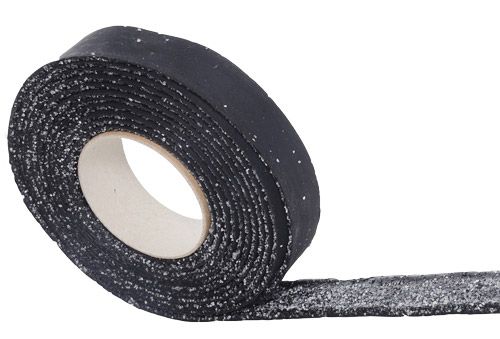
Anti-Skid Overbanding Tape 35mm x 5m
Torch-applied bitumen tape for sealing asphalt cracks and reinstatement joints. Anti-skid finish for improved road safety.
View product arrow_forwardStep 5 – Prepare Surfaces for Road Markings
After repairs have been completed, road markings may need to be reinstated. When applying thermoplastic road markings, proper surface preparation is essential to ensure strong adhesion and prevent early marking failure.
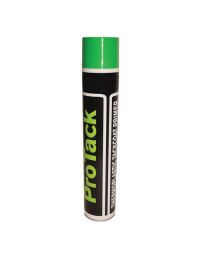
Easytack Aerosol Primer 750ml is designed to prepare asphalt or concrete surfaces before installing preformed thermoplastic markings. The primer improves the bond between the road surface and the thermoplastic material, helping to ensure the markings remain in place under traffic loading and weather exposure.
Using a primer improves marking durability, prevents early marking failure, and ensures consistent installation results. This step is commonly carried out during road repairs, resurfacing works and car park line marking projects. It is a quick additional step that significantly reduces the risk of markings lifting or peeling prematurely.
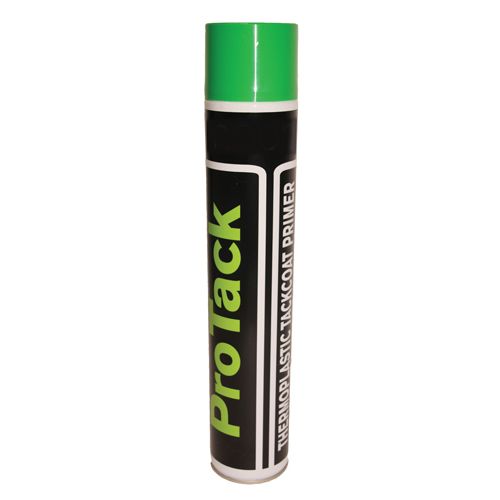
Easytack Aerosol Primer 750ml
Aerosol primer for asphalt and concrete surfaces before thermoplastic road marking installation. Improves adhesion and marking life.
View product arrow_forward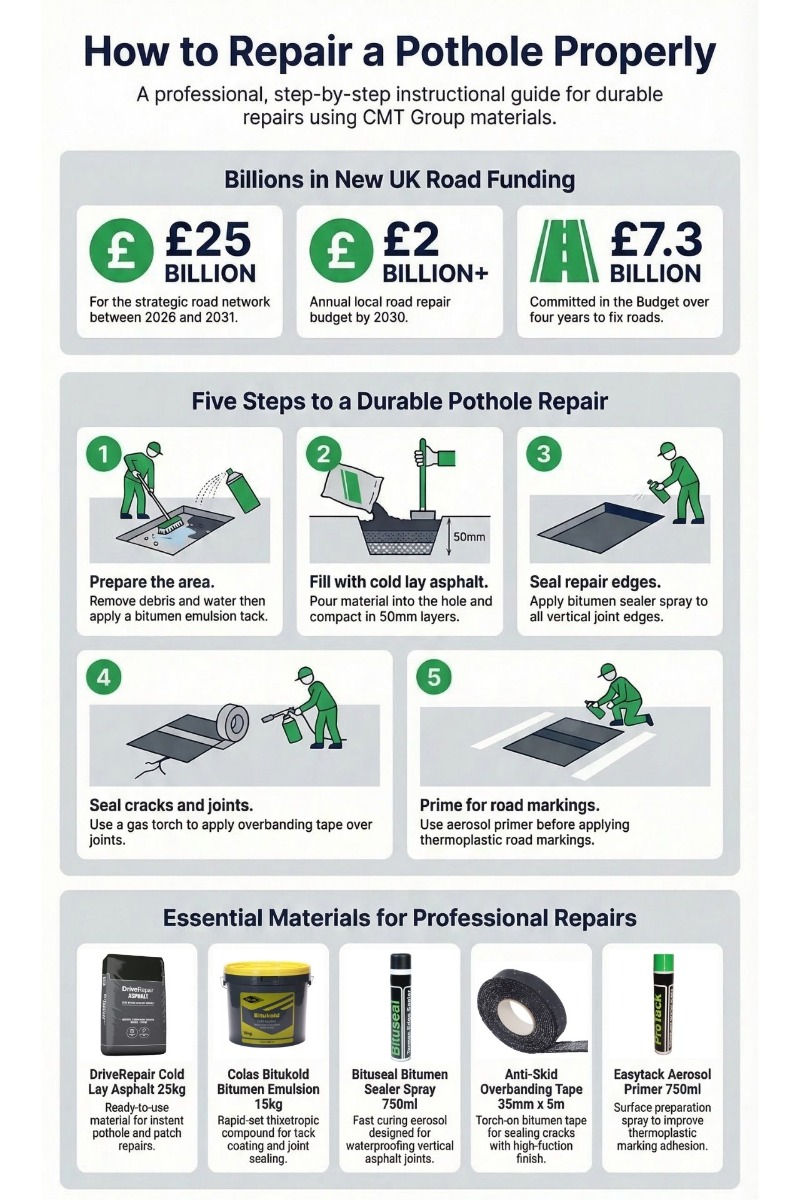
Best Practices for Long-Lasting Pothole Repairs
Although pothole repairs are often carried out under time pressure, following best practice procedures helps ensure the repair lasts as long as possible and reduces the likelihood of costly return visits.
Remove all loose material, debris and standing water before applying any fill material. A clean surface is the foundation of a durable repair.
Where the sub-base is damp or degraded, a cold-applied bitumen emulsion improves bonding between the existing surface and the repair material.
Use a vibrating plate, roller or hand tamper to compact the material thoroughly. For deeper repairs, apply in layers of no more than 50mm.
Apply bitumen sealer spray to all vertical joint edges to prevent water ingress at the repair boundary.
Sealing cracks with overbanding tape before they develop into potholes is the most cost-effective form of road maintenance.
Use a thermoplastic primer on repaired surfaces before applying road markings to ensure proper adhesion and prevent premature lifting.
Materials Used by Professional Road Maintenance Teams
With government funding increasing the volume of road repair and reinstatement work across the UK, highways maintenance teams and contractors need to ensure they have the right materials available to handle repairs efficiently. Having essential products in stock allows teams to respond quickly to road defects, minimise disruption to road users, and take advantage of the growing pipeline of funded repair work.
Pothole filling and asphalt patch repairs
Tack coating, priming and surface sealing
Joint edge sealing and waterproofing
Crack sealing and reinstatement joints
Thermoplastic road marking preparation
Maintaining Safe and Durable Road Surfaces
Potholes and asphalt damage can develop quickly, especially during periods of heavy rainfall or freezing temperatures. With the UK government committing billions in new funding to road maintenance over the coming years, the volume of repair and reinstatement work is set to increase significantly across both the strategic and local road networks.
Carrying out repairs promptly using suitable materials helps maintain safe road surfaces and prevent further deterioration. Using products designed specifically for road maintenance tasks allows contractors and highways teams to perform repairs efficiently while maintaining the durability of the road network.
CMT Group supplies the full range of pothole repair, reinstatement and road maintenance materials used by professional highways teams across the UK. All products featured in this guide are available for next-day delivery to site, with no minimum order requirement.
Frequently Asked Questions
Cold lay asphalt can be applied in damp conditions, but standing water should be removed from the pothole before filling. A dry repair area always produces the best bond and longest-lasting result. In persistent wet weather, applying a bitumen emulsion tack coat before filling can improve adhesion.
Most cold lay asphalt repairs can be opened to traffic immediately after compaction. The material continues to harden over the following days as it cures under traffic loading.
Cold lay asphalt is a pre-mixed, ready-to-use material that does not require heating equipment. Hot mix asphalt is produced at high temperatures and delivered by specialist plant. Cold lay is typically used for smaller repairs and emergency maintenance, while hot mix is used for larger resurfacing and planned works.
Sealing the joint between the existing asphalt and the new repair material prevents water from entering the repair boundary. Water ingress is the primary cause of repair failure, particularly during freeze-thaw cycles when trapped water expands and breaks the bond.
Overbanding tape is a torch-applied bitumen strip used to seal asphalt cracks and reinstatement joints. It melts into the road surface to create a waterproof seal and also provides an anti-skid finish for improved road safety.
A well-prepared and properly sealed cold lay asphalt repair can last several years under normal traffic conditions. Durability depends on the quality of preparation, compaction, edge sealing, and the volume and type of traffic using the repaired surface.