Exposure to excessive noise on construction sites can lead to long-term hearing damage, making hearing protection a crucial part of workplace safety. Regulations are put in place to reduce the risks of hearing loss by limiting the noise exposure to 80dB and setting minimal requirements workplaces must abide by to keep their employees safe. Find out more about the dangers of high noise exposure and how to work out what level performance ear defenders you need supplied.
As we move into the hotter months, the idea of cutting down on your PPE equipment can become increasingly tempting, especially when the head makes the simpliest task feel more strenuous. While comfort is crucial, it is essential to understand the role that safety gear plays. One peice of PPE that often faces scrutiny, yet remains one of the most important is hard hats. In this blog, we will explore the history of hard hats, the reason they were introduced, and why they continue to be a cornerstone of workplace safety today. As we breakdown their evolution we will also discuss modern advancements that make them lighter, more comfortable and more effective in protection from risks.
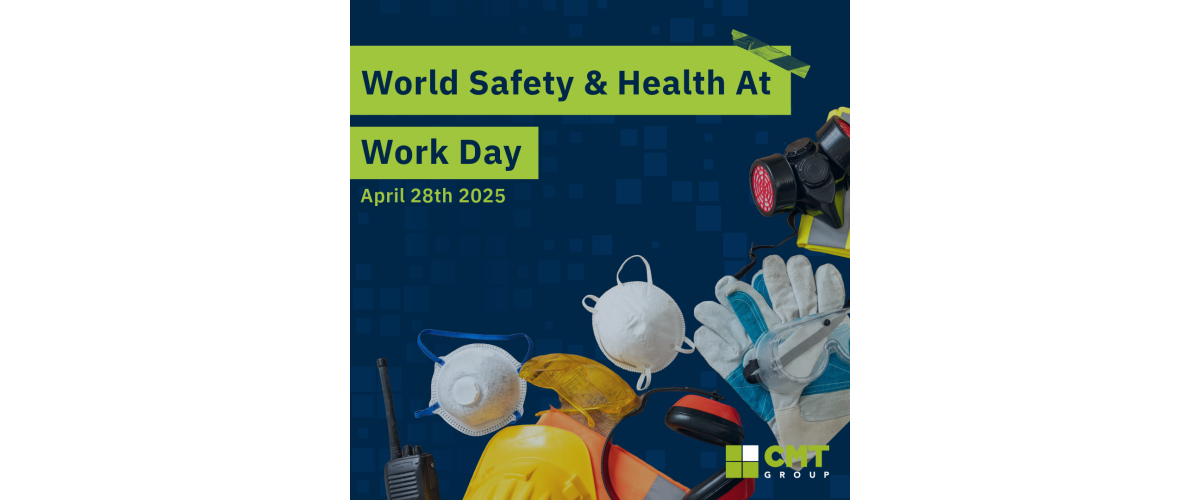
Personal protective equipment (PPE) is a huge part of construction life. Regardless the environment, the right equipment can make all the difference and prevent short or long term damage to your health and wellbeing. In this blog, we will take a closer look at various types of above-the-neck PPE and the range of protection they can provide. Throughout the month, we will delve deeper into the specific dangers and history of each piece of equipment. But for now, lets start with a general overview.
Starting March 31st, all workplaces in England have a legal duty to present dry recyclable materials, food waste and residual waste bins. Workplaces that generate garden waste must also have a duty to manage it in accordance, arranging for recycling or composting, if it delivers the best environmental outcome. Learn why this is being implemented, the risks of not complying and hwo you can prepare for a more sustainable future.
Pollution comes in three main forms: air, water and noise. In this blog we will go into detail about each of these three major threats and how to prevent their serious consequences. But why is combatting pollution so important? Pollution has a significant environment and social impact, along with increasing harm to human health and well-being. In 2015, the Paris Agreement was established as an international treaty to combat climate change, all 197 countries have joined together to reduce carbon emmisions by 43% by 2030. Additionally, ensuring the health and wellbeing of employees is a legal requirement in the construction industry as outlined in legislation.gov.uk. This blog will examine the direct affect pollution can have on your employees, and provide actionable steps to minimise the risks.
Nutrition and Hydration week has been celebrated every March since 2012. The purpose of this annual event is to create energy and focus food and water intake to highlight the importance of maintaining health and wellbeing. Workers in physically demanding jobs, like those on construction sites, are some of the most vulnerable to dehydration which is why we believe educating your crew on the signs and dangers of dehydration is key to a safe and productive workplace.
Working at height remains one of the most significant risks in construction, with falls being a leading cause of serious injury and fatalities. As a result, stringent safety measures and the correct use of fall protection equipment are crucial. Two key systems used to protect workers arefall restraint and fall arrest systems. While they may seem similar, they serve very different purposes. Understanding these differences ensures that the right equipment is used for the right application, keeping workers safe and compliant with health and safety regulations.
Suspension trauma is a serious and potentially life-threatening condition. Understanding its causes and dangers is essential for anyone working at heights.
Suspension trauma, also known as ‘orthostatic shock while suspended’ or ‘harness hang syndrome’, is a serious condition that is particularly relevant to those working at heights, such as construction workers, climbers, and rescue personnel. Let’s talk about what suspension trauma is, how it is caused, the dangers it presents and how it can be prevented.
Silica is found in many construction materials, from stone to sand and from concrete to clay. Inhaling silica dust can have serious health consequences.
Large construction projects in the UK, from sprawling commercial developments to extensive infrastructure initiatives, have a substantial environmental footprint. As these projects often involve significant resource consumption and waste generation, it's crucial to implement sustainable practices to mitigate their impact on the environment. Here are three effective strategies tailored to help reduce the environmental impact on larger construction projects.
Did you know that just over 50% of construction workers are exposed to hazardous noise, 25% of noise-tested construction workers have a hearing impairment and 7% have tinnitus?
In the realm of workplace safety, high-visibility clothing (hi-vis) plays a crucial role in ensuring the well-being of employees who work in conditions where visibility can be a concern. Whether it's construction sites, roadwork, or any environment where low-light or adverse weather conditions are factors, hi-vis clothing is designed to enhance the wearer's visibility to others.