Anchors

Anchors are used across construction and civils projects where fixings need to hold securely in concrete, brick, block or masonry. CMT Group supplies drop in anchors, heavy duty anchors, chemical anchors, nail in anchors and sleeve anchors for everyday site work, project orders and repeat trade supply ... Anchors are used across construction and civils projects where fixings need to hold securely in concrete, brick, block or masonry. CMT Group supplies drop in anchors, heavy duty anchors, chemical anchors, nail in anchors and sleeve anchors for everyday site work, project orders and repeat trade supply. Buyers can choose by anchor type, base material, diameter, length, finish and product data, depending on the application. The range supports concrete and masonry anchoring, frame fixing, brackets, rails, supports, threaded rod applications and resin fixing where product data supports the use. For larger requirements, CMT Group can support trade pack ordering, stock checks, repeat procurement and fast UK delivery on stocked lines. read more...read less
Anchor types, specification checks and common use
| Anchor type | Standards / specification checks | What it means for the buyer | Common use |
|---|---|---|---|
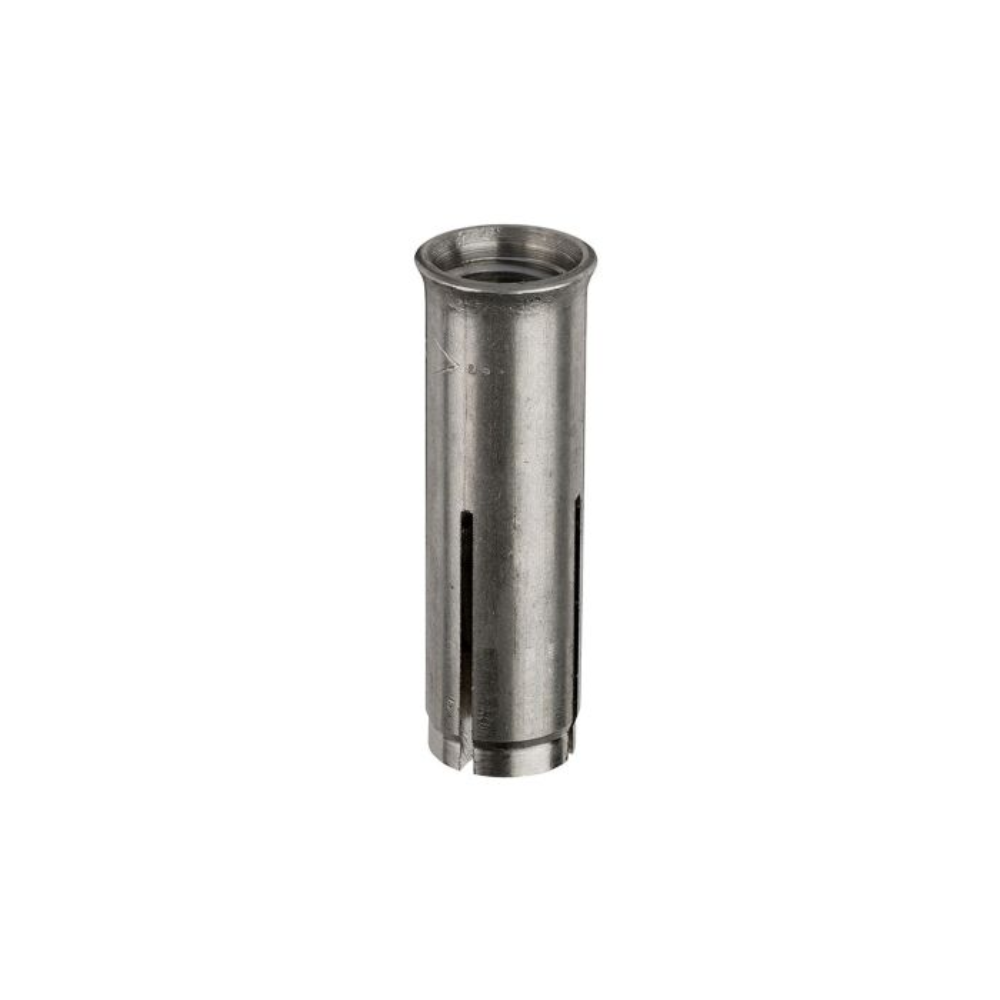
| Drop in Anchors | Internal thread size, outside diameter, length, base material (solid concrete or masonry), setting punch requirement, coating or finish, pack quantity and product data where stated. | Buyers should confirm internal thread size, anchor diameter, available embedment depth, base material condition and whether a setting punch is required before ordering. Check product data for suitable base materials. | Concrete soffits, slabs and floors for suspended services, cable management, support applications and flush-anchor fixing where product data supports the use. |
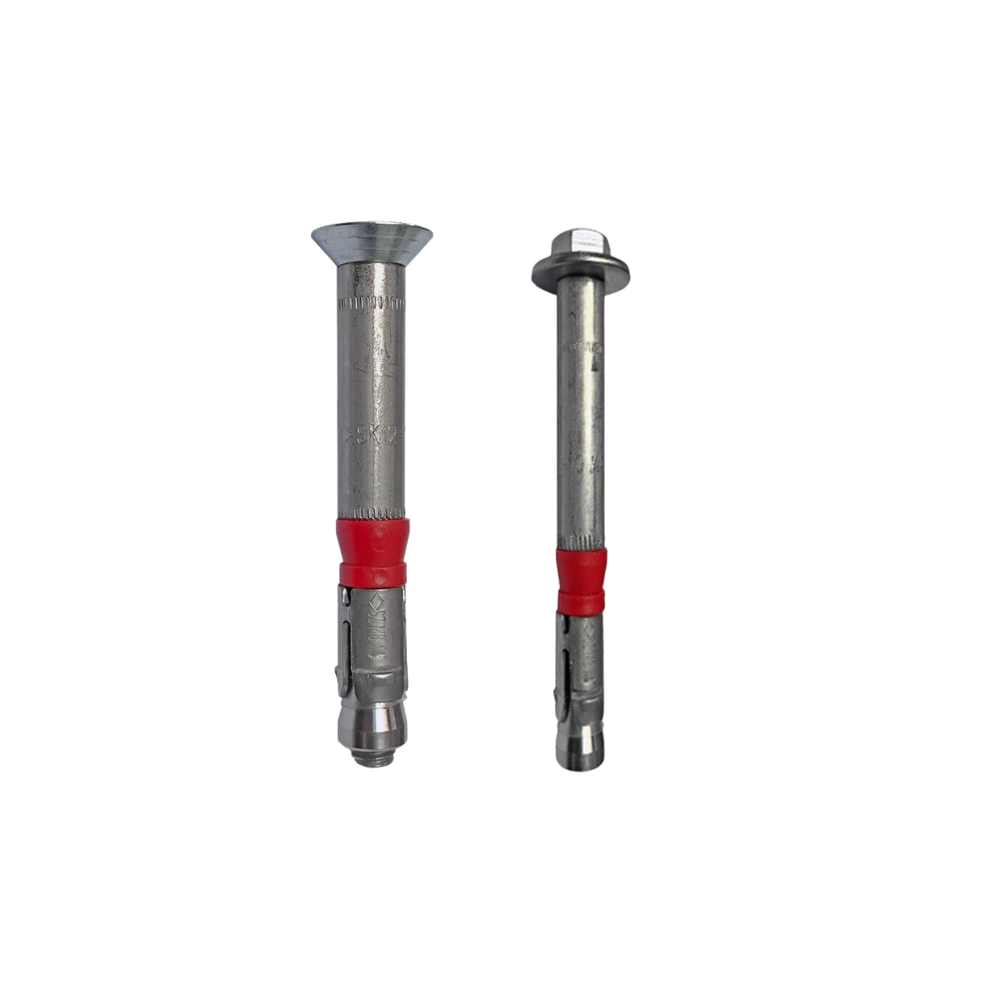
| Heavy Duty Anchors | Diameter, length, head type, base material, embedment depth, coating or finish, pack quantity and product data where stated. | Buyers should confirm diameter, length, base material, embedment depth, fixing duty and product data before ordering. Check product data for suitable base materials and load conditions. | Concrete and masonry anchoring, brackets, frames, rails, supports, base plates and load-related fixings where product data supports the application. |
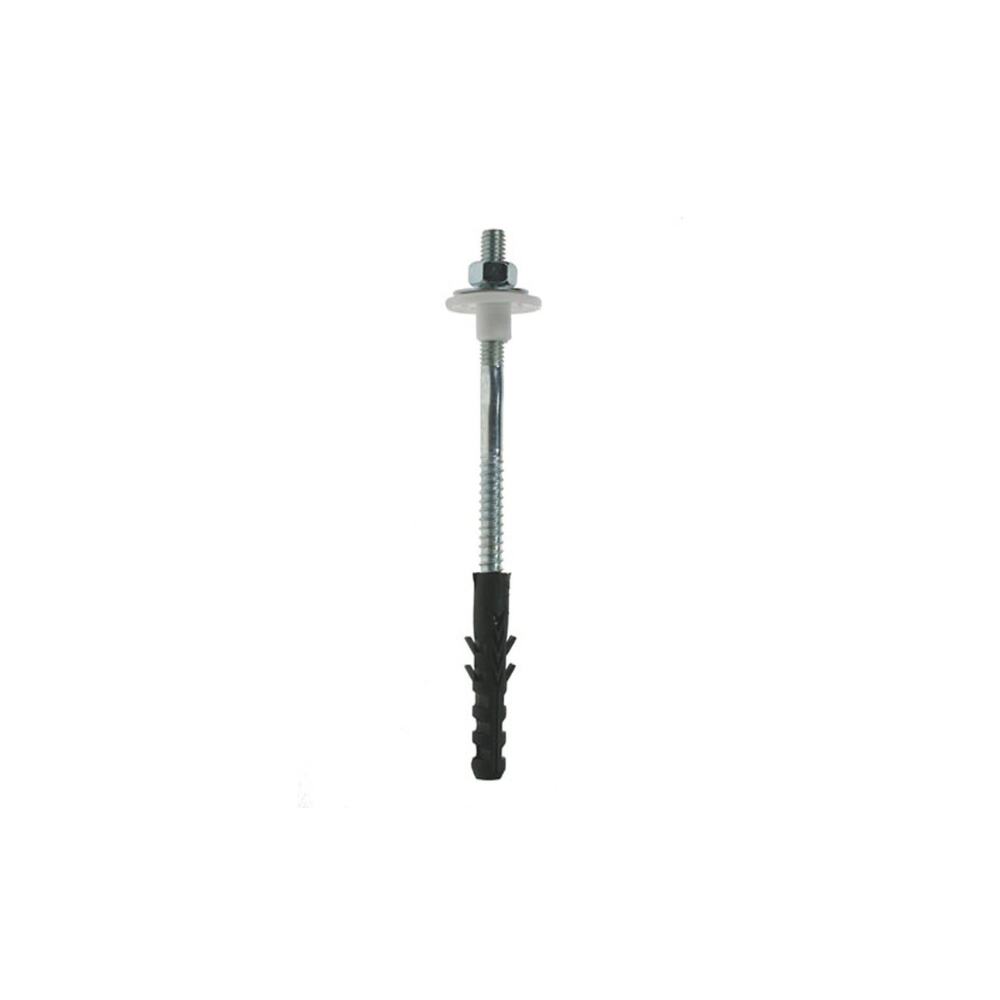
| Chemical Anchors | Thread bar size, resin system type, hole diameter, embedment depth, cure time, base material and condition (solid or hollow), environmental conditions, coating or finish and product data where stated. | Buyers should confirm thread bar size, resin system compatibility, hole size, embedment, cure time, base material condition, accessories and product data before ordering. Where specified, check project documentation and approval requirements. | Bonded anchor systems, threaded rod, rebar, concrete fixing, masonry fixing and applications where product data supports a resin fixing system. |
| Nail in Anchors | Nail or anchor type (masonry nail or nail-in expansion anchor), shank size or diameter, length, base material, coating or finish, pack quantity and product data where stated. | Buyers should confirm whether a masonry nail or a nail-in expansion anchor suits the application, and check diameter or shank size, length, base material and pack quantity before ordering. | Light-duty fixing into concrete, brick or block for cable clips, conduit saddles, pipe clips, lightweight brackets and general site fixing where product data supports the use. |
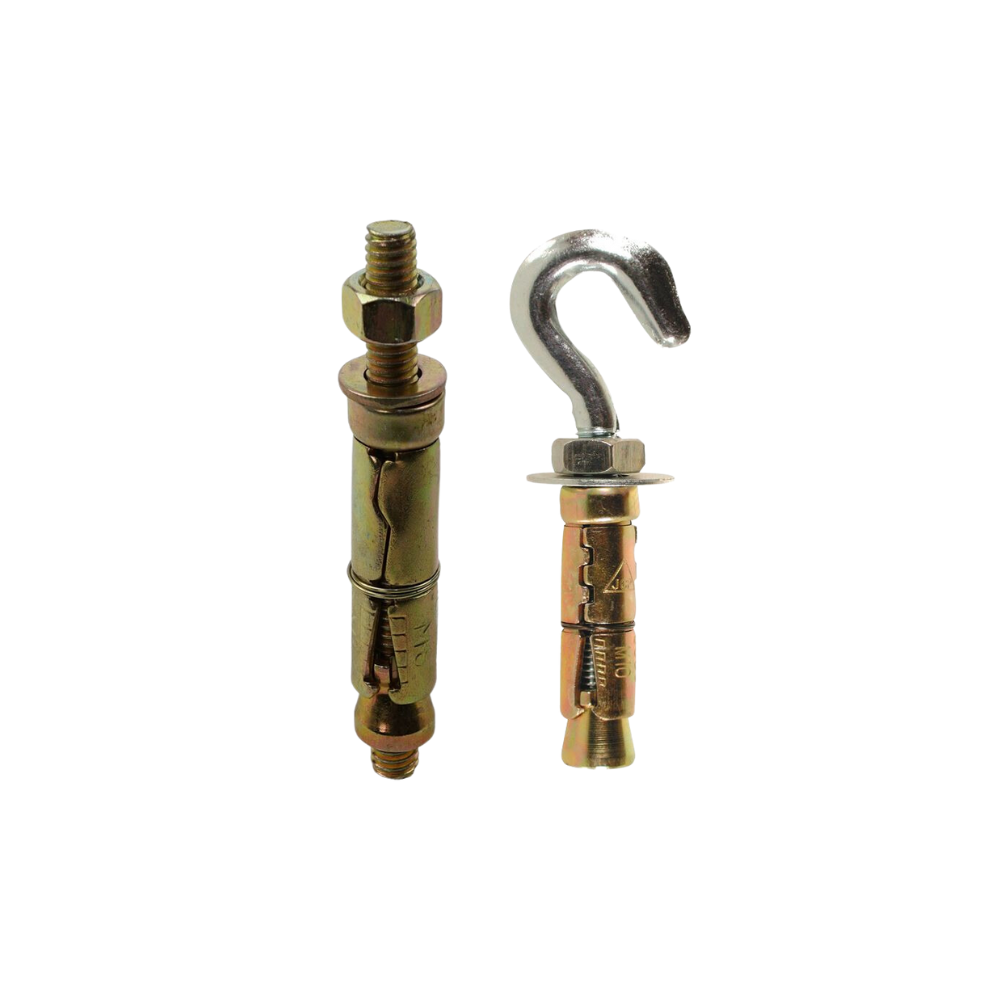
| Sleeve Anchors | Diameter, length, head type (hex, hook or eye), fixture thickness, base material, coating or finish, pack quantity and product data where stated. | Buyers should confirm diameter, length, head type, fixture thickness and base material before ordering. Check product data for suitable base materials and whether the head configuration suits the connection. | Mechanical anchoring into concrete, brick or block for brackets, conduit, cable tray, handrails, shelving and general equipment fixing where product data supports the application. |
Frequently asked questions
Which anchor types are commonly ordered by construction and civils teams?
Construction and civils teams commonly order drop in anchors for concrete slabs and soffits where a flush, internally threaded fixing point is needed. Heavy duty anchors are used for concrete and masonry applications where product data supports the fixing duty. Chemical anchors support bonded anchor systems, threaded rod, rebar and resin fixing applications where product data supports the use. Nail in anchors are typically used for light-duty fixing of cable management, conduit and lightweight brackets in concrete, brick and block. Sleeve anchors are used for bracket, handrail, conduit and cable tray fixing where product data supports the base material and application.
Anchor selection depends on the base material and its condition, load type and direction, edge distance, spacing, embedment depth, head type, finish and any project specification requirements. Buyers should check product data and manufacturer guidance before ordering to confirm the anchor is suitable for the base material, fixing duty and site conditions.
What information should a buyer confirm before ordering anchors?
The key checks before ordering depend on the anchor type. For all anchor types, buyers should confirm: anchor type, diameter or thread size, length, base material (concrete, brick or block, and whether solid or hollow), coating or finish, pack quantity and any project specification requirements.
For drop in anchors, confirm internal thread size and whether a setting punch is required. For chemical anchors, confirm resin system compatibility, thread bar size, hole diameter, embedment depth, cure time, base material condition and any project specification or product approval requirements. For nail in anchors, confirm whether a masonry nail or a nail-in expansion anchor suits the application, and check shank size or diameter, length and base material. For sleeve anchors, confirm head type (hex, hook or eye), diameter, length and fixture thickness. For load-related, specified or safety-critical applications, check product data, project specification and manufacturer guidance before ordering.
How should buyers choose between drop in anchors, chemical anchors and sleeve anchors?
Drop in anchors are commonly considered where a flush, internally threaded fixing point is needed in a suitable concrete base material. Buyers should check internal thread size, anchor diameter, embedment, compatible bolt or threaded rod, setting tool requirements and product data before ordering.
Chemical anchors are considered where a bonded anchor system is required and where the product data supports the base material, threaded rod or rebar, resin type, cure time, accessories and fixing duty. Buyers should check project specification, product data and manufacturer guidance before ordering, especially for specified or load-related applications.
Sleeve anchors are mechanical anchors used for concrete, brick or block fixing where product data supports the base material, fixture thickness, head type and fixing duty. Buyers should confirm diameter, length, finish and product data before ordering.
What is the difference between mechanical and chemical anchor systems?
Mechanical anchors generally work by expanding or engaging within a drilled hole in the base material. They are commonly considered for concrete, brick or block fixing where the product data supports the substrate, diameter, embedment, fixture thickness and fixing duty.
Chemical anchors use a resin system with compatible threaded rod, rebar or accessories to create a bonded fixing. Buyers should check the resin type, cartridge size, base material, hole condition, cure time, accessories and product data before ordering.
For load-related, specified or safety-critical applications, buyers should follow the project specification, product data and manufacturer guidance. Not every mechanical or chemical anchor is suitable for every substrate, load, edge distance or site condition.
Can mechanical anchors be used in hollow block or perforated brick?
Suitability depends on the specific anchor, substrate and product data. Some anchors are intended for solid concrete, brick or block, while hollow block or perforated brick may require a different fixing approach or accessory system.
Where the base material is hollow, perforated or variable, buyers should check the product data before ordering and confirm whether the anchor, sleeve, resin system or accessory is suitable for that substrate. For specified or load-related applications, follow the project specification and manufacturer guidance.
What accessories or tools are required alongside anchor installation?
Accessory requirements depend on the anchor type. Drop in anchors may require a compatible setting tool. Chemical anchor orders may require resin cartridges, mixing nozzles, applicator guns, sleeves, threaded rod, nuts and washers. Mechanical anchors may require drill bits matched to the specified hole size.
Buyers should check the product data before ordering to confirm which accessories are required for the anchor type, diameter, base material and application. This helps avoid incomplete site orders and supports repeat procurement for project or depot replenishment.
Can CMT Group support repeat anchor orders, trade accounts and site replenishment?
Yes. CMT Group supplies anchors for project accounts, depot replenishment, framework contracts and ongoing site supply. For bulk orders, repeat supply or account-based procurement, buyers can use the EDGE B2B Portal or speak to the team to discuss stock availability and supply arrangements.
The wider supply service is supported by supplier-level accreditations including CHAS Elite, BSI ISO 9001:2015 Quality Management and ConstructionOnline Gold. These accreditations support procurement confidence around safety management, quality processes and supplier assurance. Product suitability still depends on the individual anchor type, base material, fixing duty, site conditions, manufacturer guidance and any project-specific requirements.
How quickly can stocked anchor lines be delivered?
Stocked anchor lines can be supplied with next-day and VIP same-day delivery options where available, with nationwide coverage for trade and project accounts. Availability can vary by anchor type, diameter, finish and quantity, so buyers ordering for project rollouts, depot replenishment or urgent site requirements should check stock and delivery options before placing large or time-critical orders.
Sourcing anchors for construction, civils, concrete, brick, block, masonry or site fixing applications? CMT Group supplies drop in anchors, heavy duty anchors, chemical anchors, nail in anchors and sleeve anchors for trade and project accounts across the UK. For volume requirements, depot replenishment or planned supply, speak to the team or browse the full Fixings, Fasteners & Resins range.