

Many tasks require gloves to be cut-resistant, but how do you know which level of cut resistance you need for the task you are carrying out? Read this post ti find out.
Loading...
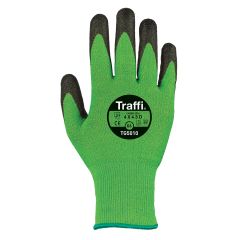
HPPE composite PU palm coated cut resistant gloves rated TDM Cut Level C under ISO 13997, built for construction operatives, engineers, and mechanical handling workers requiring confirmed cut protection alongside precision grip and dexterity.

HPPE composite PU palm coated cut resistant gloves rated TDM Cut Level C under ISO 13997, built for construction operatives, engineers, and mechanical handling workers requiring confirmed cut protection alongside precision grip and dexterity.
HPPE composite PU palm coated cut resistant gloves rated TDM Cut Level C under the ISO 13997 straight-blade test, designed for construction operatives, mechanical engineers, and general handling workers who require confirmed cut protection alongside dexterity and precision grip on dry materials and components. The HPPE composite liner, combining high-performance polyethylene, glass fibre, nylon, and spandex, delivers the TDM Level C cut resistance whilst retaining the stretch and close-fitting comfort that a pure HPPE liner cannot provide alone. The PU palm coating applies a thin, non-porous grip surface across the palm and front of fingers, maintaining tactile sensitivity for tool handling and component placement alongside the cut protection the liner delivers. Rated 4X43C under EN388:2016+A1:2018, CE and UKCA marked, with UKCA type examination by SATRA Approved Body 0321. Colour-coded cuffs identify size at a glance: red for L (9), black for XL (10), and blue for XXL (11), allowing rapid correct-size issue across large site workforces. Supplied in packs of 12 in plastic-free packaging.
Prior to the 2016 revision of EN388, cut resistance was measured using the Coupe rotating blade test and expressed as a number from 1 to 5. Many gloves in the market still carry legacy descriptions referencing "Level 3" or "Level 4" cut using this old scale. The 2016 revision introduced the ISO 13997 TDM straight-blade test alongside the Coupe test, producing a letter grade from A to F. TDM Level C means the glove resisted a straight blade at 10 Newtons of force before the blade penetrated the material. This test better replicates real-world cut hazards from sharp edges, sheet metal, glass, and construction materials than the older rotating blade test. Specifying by TDM level rather than old numeric cut level ensures the glove genuinely meets the cut risk identified in the task risk assessment and is not a legacy product carrying an outdated rating that no longer maps accurately to the current EN388 standard.
TDM Cut Level C protection: ISO 13997 straight-blade test at 10 Newtons resistance before blade penetration. This is the relevant cut protection benchmark under EN388:2016 for construction, engineering, and mechanical handling tasks involving sharp edges, metal components, glass, and sheet materials.
HPPE composite liner: High-performance polyethylene combined with glass fibre, nylon, and spandex delivers TDM Level C cut resistance whilst the nylon and spandex components maintain stretch, close fit, and all-day wearing comfort. A more dextrous and comfortable construction than a single-material cut liner.
Level 4 abrasion resistance: The maximum achievable EN388 abrasion result, at 8000 rub cycles before coating failure. Under daily construction and engineering use, this translates to significantly longer service life compared with gloves rated at Level 2 or 3 abrasion, reducing replacement frequency and procurement cost over a project lifecycle.
PU palm coating: Thin, non-porous polyurethane applied across the palm and front of fingers delivers consistent dry grip on components, tools, fixings, and construction materials alongside the cut protection of the HPPE liner. Maintains tactile sensitivity for precision handling tasks where both grip and cut protection are required simultaneously.
Colour-coded cuffs by size: Red cuffs for L (size 9), black cuffs for XL (size 10), and blue cuffs for XXL (size 11). Allows operatives and site managers to identify the correct size at a glance during issue, without reading labels or checking individual pairs. Significantly reduces mis-sizing errors across large workforces.
Breathable uncoated back: The knitted back of hand and fingers is left uncoated, allowing heat and moisture vapour to escape during sustained wear. Reduces the discomfort that causes operatives to remove gloves mid-task, maintaining cut protection compliance across the full working shift.
EN388:2016+A1:2018 certified, CE and UKCA marked: UKCA type examination by SATRA Approved Body 0321, certificate AB0321/21219-01/E00-00. Declaration of Conformity issued by CMT Equipment Ltd T/A CMT Group as manufacturer.
Trades and roles:
Construction operatives and site labourers
Mechanical engineers and fabricators
Sheet metal and glass handlers
General handling operatives on mixed-hazard sites
Procurement teams specifying cut PPE across large workforces
Industries:
Construction and civil engineering
Mechanical engineering and fabrication
Manufacturing and light industrial
Utilities and infrastructure
Facilities management and maintenance
| Specification | Detail |
|---|---|
| Product Name | MAX HPPE PU Palm Coated Cut Resistant Gloves - TDM Cut Level C |
| SKU / Product Code | SCRSG |
| Glove Category | HPPE composite PU palm coated cut resistant glove |
| EN Standard | EN388:2016+A1:2018 |
| EN388 Rating | 4X43C |
| Abrasion Resistance | Level 4 (8000 cycles — maximum rating) |
| Blade Cut Resistance (Coupe) | X — Coupe test not conducted |
| Tear Resistance | Level 4 (75N) |
| Puncture Resistance | Level 3 (100N) |
| TDM Cut Resistance (ISO 13997) | Level C — 10N straight-blade resistance |
| Impact Protection | Not tested |
| Certification Marks | CE and UKCA, Category II |
| UKCA Type Examination | SATRA Approved Body 0321, certificate AB0321/21219-01/E00-00 |
| Liner Material | HPPE composite: HDPE, glass fibre, nylon, spandex |
| Liner Gauge | 13 gauge |
| Coating Type | Polyurethane (PU) |
| Coating Coverage | Palm coated — palm and front of fingers |
| Grip Environment | Dry conditions |
| Back of Hand | Uncoated breathable knitted |
| Cuff Type | Elasticated knitted, colour-coded by size |
| Sizes Available | 7 - 8 - 9 - 10 - 11 (S - M - L - XL - XXL) |
| Pack Quantity | 12 pairs |
| Colour | Grey marl HPPE liner, grey PU coating, colour-coded cuffs |
| Packaging | Plastic-free, zero-waste |
| Application / Condition | Status |
|---|---|
| Sharp edge and sheet material handling | ✓ Compatible — TDM Cut Level C rated |
| Construction material handling on mixed-hazard sites | ✓ Compatible |
| Mechanical engineering and fabrication tasks | ✓ Compatible |
| Glass and sheet metal handling | ✓ Compatible — TDM Level C protection |
| General handling requiring cut and abrasion protection | ✓ Compatible |
| Dry grip precision and tool handling | ✓ Compatible — PU palm coating |
| High cut-hazard tasks requiring TDM Level D, E or F | ✗ Not recommended — specify higher TDM level |
| Sustained wet or waterproof handling | ✗ Not recommended — palm coated only |
| Chemical immersion or splash | ✗ Not recommended — no EN374 rating |
| Heat or flame exposure | ✗ Not recommended — no EN407 rating |
| Needle-stick or hypodermic puncture hazards | ✗ Not recommended — EN388 puncture is not needle-stick rated |
HPPE PU palm coated cut resistant gloves at TDM Cut Level C are used primarily by construction operatives, mechanical engineers, and fabricators on UK construction and engineering sites where tasks involve sharp edges, sheet materials, metal components, or glass where a confirmed cut rating under the current EN388:2016 TDM test is required alongside dexterity and grip. The HPPE composite liner delivers the TDM Level C cut performance whilst the nylon and spandex components maintain the close fit and comfort needed for extended continuous wear. Site managers and safety officers specifying cut PPE across large workforces will find the colour-coded cuff sizing system particularly practical, as red, black, and blue cuffs identify L, XL, and XXL at a glance during issue without requiring operatives to read labels individually. Procurement teams sourcing a single cut-resistant grip glove for mixed construction and engineering workforces where individual task risk assessments identify TDM Level C as the minimum cut protection will find this product meets the EN388:2016+A1:2018 requirement under UK PPE Regulations 1992, with UKCA marking confirmed by SATRA type examination.
Handling sheet metal, metal components, and fabricated sections in construction and engineering environments where sharp edges present a TDM-rated cut risk throughout the working shift.
Glass handling on construction and refurbishment sites where window installation, glazing, and glass sheet movement require confirmed TDM Level C cut protection alongside grip on smooth glass surfaces.
Rebar handling and tying on reinforced concrete construction sites where exposed wire ends and sharp bar ends present a persistent cut and abrasion risk during groundwork and structural frame construction.
Demolition and strip-out tasks involving broken masonry, exposed fixings, sheet materials, and mixed debris where cut and abrasion protection are both required simultaneously.
Mechanical engineering assembly and maintenance tasks where metal components, sharp fixings, and fabricated parts are handled in workshop and site environments.
Utilities and infrastructure work involving pipe sections, cable management, and duct installation where sharp cut edges from sawn or broken materials present a cut risk throughout the task.
General site handling on mixed-hazard construction sites where a procurement team specifies a single cut-resistant glove across the workforce to cover both precision tasks and sharp material contact.
Step 1: Select the correct size. Use the cuff colour to confirm the correct size at a glance before issue. At 13 gauge, correct sizing is essential for maintaining the close fit that preserves both cut protection and tactile sensitivity.
Step 2: Inspect the PU coating and HPPE liner before each use. Check the palm and fingertip area for wear, thinning, or visible damage to the coating. Do not use a glove where the liner is visibly worn through or the PU coating is cracked or perforated, as cut protection is compromised when the liner is damaged.
Step 3: Pull the glove fully over the hand, ensuring all fingers are completely seated with the PU coating covering the full palm and front of fingers. Check that no liner bunching is visible at the fingertips.
Step 4: Seat the elasticated knitted cuff flat against the wrist before beginning work.
Step 5: After use, wipe with a damp cloth to remove dust, debris, and light contamination. Do not launder or dry-clean: performance levels are rated for new condition only and cannot be guaranteed after washing.
Step 6: Air dry fully before storing. Store away from direct sunlight, heat sources, and ozone.
Step 7: Replace when the PU coating shows visible thinning or cracking, when the HPPE liner shows wear at the fingertips or palm, or when grip or cut protection performance can no longer be confirmed by visual inspection.
Specifying TDM Level C where a higher level is required: TDM Level C provides confirmed resistance at 10 Newtons under ISO 13997. For tasks involving very sharp blades, knife work, or high-frequency contact with sharp edges where the risk assessment identifies a higher cut level as required, TDM Level D (15N), E (22N), or F (30N) must be specified. Never substitute a lower TDM level than the task risk assessment requires.
Confusing EN388 puncture resistance with needle-stick protection: The Level 3 puncture resistance (100N) in this glove's rating reflects resistance to a blunt probe under the EN388 test. It does not confer protection against hypodermic needles or fine sharp points. Where needle-stick protection is required, a specifically rated needle-stick glove must be specified.
Using on wet or oily surfaces: PU coating performs in dry conditions. On oily, greasy, or wet surfaces, PU loses traction. For mixed-hazard sites where cut protection and wet grip are both required, a foam nitrile or sandy nitrile cut-resistant alternative should be evaluated.
Selecting the wrong size: At 13 gauge, an oversized glove creates fingertip bunching that reduces tactile feedback, precision grip, and the fit of the cut-resistant liner against the hand. Use the colour-coded cuffs to confirm the correct size before issue.
Washing or dry cleaning: Performance levels are rated for new condition only and cannot be guaranteed after laundering. Wipe with a damp cloth and air dry only.
These gloves are certified to EN388:2016+A1:2018 (4X43C), CE and UKCA marked Category II, with UKCA type examination by SATRA Approved Body 0321. TDM Cut Level C protects against straight-blade cut hazards at 10 Newtons under ISO 13997 and is appropriate for construction, engineering, and mechanical handling tasks involving sharp edges, sheet metal, glass, and similar cut risks. These gloves do not protect against heat, flame, chemical immersion, or needle-stick hazards. Do not use near moving machinery due to the entanglement hazard noted in the user instructions. A task-specific risk assessment under the Personal Protective Equipment at Work Regulations 1992 must confirm the TDM level is sufficient for the specific cut hazard before specifying these gloves for a task.
Wipe with a damp cloth after use to remove dust, debris, and light contamination. Air dry fully at room temperature before storing. Store in dry conditions away from direct sunlight, heat sources, and ozone. Inspect the PU coating at the palm and fingertips before every use. Inspect the HPPE liner for visible wear or thinning. Replace when either the coating or the liner shows visible damage, wear, or degradation, or when TDM cut protection can no longer be confirmed by inspection.
Q: What does TDM Cut Level C mean and how does it compare with older cut resistance ratings?
A: TDM Cut Level C is the result of the ISO 13997 straight-blade cut test under EN388:2016+A1:2018. It means the glove material resisted a straight blade at 10 Newtons of applied force before the blade penetrated. The TDM test was introduced in the 2016 revision of EN388 because the older Coupe rotating blade test was considered less representative of real-world cut hazards from straight-edged materials. The old numeric scale ran from Level 1 to Level 5. The TDM scale runs from Level A (2N) to Level F (30N), with Level C sitting at the mid-lower range and appropriate for sharp edge handling, sheet metal, glass, and rebar tasks on construction and engineering sites.
Q: What does the EN388 rating 4X43C mean digit by digit?
A: EN388:2016+A1:2018 rates gloves across five positions. The first digit (4) is abrasion resistance at the maximum Level 4, meaning the coating withstood 8000 rub cycles before failure. This is the highest achievable abrasion result and significantly extends service life under daily site use. The second digit (X) means the Coupe rotating blade test was not conducted: X does not indicate a failed test. The third digit (4) is tear resistance at Level 4, requiring 75 Newtons of force to tear the material. The fourth digit (3) is puncture resistance at Level 3, rated at 100 Newtons. The fifth position (C) is the TDM straight-blade cut result under ISO 13997 at 10 Newtons resistance. CE and UKCA marking confirmed by SATRA Approved Body 0321 type examination.
Q: What are these gloves NOT suitable for?
A: These gloves provide TDM Cut Level C mechanical protection for dry construction and engineering tasks. They must not be used for tasks where the risk assessment identifies a higher TDM cut level as required: specify TDM Level D, E, or F for higher-risk cutting tasks. They are palm-coated only and not suitable for sustained wet handling. The EN388 puncture resistance rating is not needle-stick protection: do not use where hypodermic needle risk is present. They carry no EN374 chemical protection rating and must not be used for chemical handling. They are not rated for heat, flame, or electrical arc hazard.
Q: Why does the EN388 rating show X in the second position for a cut-resistant glove?
A: The second position X indicates that the Coupe rotating blade test was either not conducted or produced an unreliable result because the glove material blunted the test blade before a valid result could be obtained. This commonly occurs with HPPE and composite cut-resistant liners where the material is hard enough to blunt the Coupe blade during testing. Where the Coupe test produces an X, the TDM straight-blade result in the fifth position is the relevant and reliable cut protection indicator. For this glove, the TDM Level C result in the fifth position is the confirmed cut protection benchmark.
Q: What is HPPE and why does it provide cut resistance?
A: HPPE stands for high-performance polyethylene. It is a synthetic fibre with a very high tensile strength relative to its weight, produced by aligning polyethylene molecules into long chains that resist being cut by a blade. In this glove, HPPE is combined with glass fibre, nylon, and spandex into a composite 13-gauge liner. The HPPE and glass fibre components provide the cut resistance measured in the TDM test. The nylon and spandex components add stretch, close fit, and wearing comfort that a pure HPPE liner alone would not provide. The result is a liner that meets TDM Level C whilst remaining comfortable enough for a full working shift.
Q: What does the colour-coded cuff system mean and how does it help on site?
A: The colour-coded cuffs identify glove size at a glance without reading individual labels. Red cuffs indicate size L (9), black cuffs indicate size XL (10), and blue cuffs indicate size XXL (11). On a busy construction site where gloves are being issued from a pack of 12 to multiple operatives, the colour coding allows the site manager to identify and distribute the correct size quickly and reduces the mis-sizing errors that occur when operatives pick gloves at random from a mixed-size pack.
Q: Is puncture resistance Level 3 the same as needle-stick protection?
A: No. EN388 puncture resistance is measured using a blunt probe at increasing force until the probe penetrates the glove material. Level 3 (100N) means the material resisted a blunt probe at 100 Newtons. This test does not replicate the sharpness, diameter, or penetration dynamics of a hypodermic needle. Where needle-stick protection is required, a glove specifically certified for needle-stick protection under EN ISO 23388 or equivalent must be specified. These gloves must not be relied upon for needle-stick protection.
Q: How quickly can I get these cut resistant gloves delivered to a construction site?
A: Order by 7pm for next-day delivery nationwide at no extra cost on stocked lines. CMT Group operates its own fleet of vehicles covering over 95% of the UK mainland, not a third-party courier, with live order tracking, real-time ETAs, and What3Words integration for precise delivery to any site compound, gate, or entrance without needing a full postcode. VIP 2-hour delivery is available from any CMT depot across the UK.
Q: What makes CMT Group a reliable source for cut resistant PPE gloves?
A: MAX is a CMT Group own brand. CMT Equipment Ltd T/A CMT Group is the manufacturer and issuer of the Declaration of Conformity for these gloves, confirmed by UKCA type examination by SATRA Approved Body 0321. CMT holds BSIF Registered Safety Supplier status, ISO 9001:2015 accreditation, CHAS Elite approval, and Crown Commercial Service Supplier status, all independently verified. Large UK stock holdings across CMT fulfilment centres mean no backorders on core cut PPE lines. CMT Group is rated Excellent on Trustpilot with over 400 verified Reviews.io reviews reflecting consistent stock and service reliability across UK construction and engineering projects.