Personal Protection Equipment (PPE)

Personal Protective Equipment (PPE) for construction, rail, utilities, industrial and facilities teams who need reliable site kit for busy jobs, project rollouts and repeat orders. Order certified safety footwear, gloves, hard hats, eye and hearing protection, respiratory equipment and fall arrest in bulk ... Personal Protective Equipment (PPE) for construction, rail, utilities, industrial and facilities teams who need reliable site kit for busy jobs, project rollouts and repeat orders. Order certified safety footwear, gloves, hard hats, eye and hearing protection, respiratory equipment and fall arrest in bulk, with fast nationwide delivery for trade and contract supply. The range includes everyday PPE for site teams alongside task-specific protection for handling, impact, dust, noise and work at height. CMT helps contractors, procurement teams and facilities managers keep teams equipped with stock availability, account-based purchasing and repeat supply. read more...read less
PPE types, standards and common use
| Subcategory | Relevant standards | What it means | Common use |
|---|---|---|---|
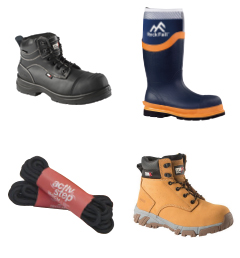
| Footwear | EN ISO 20345 | Safety footwear with protective toecaps and product-specific features such as slip resistance, penetration resistance, water resistance or anti-static properties. | Construction, civils, utilities, rail and industrial sites |
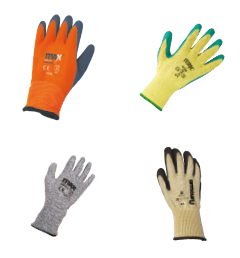
| Hand Protection | EN 388, EN 407, EN ISO 374 where applicable | Gloves selected by hazard, including cut, abrasion, heat, chemical or general handling protection. | Handling, site work, utilities, maintenance and industrial tasks |
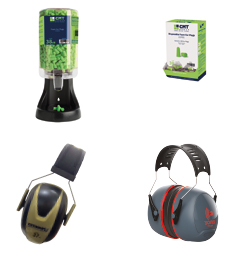
| Hearing Protection | EN 352 | Ear defenders and ear plugs used to reduce exposure to harmful noise levels. | Cutting, drilling, plant rooms, machinery and industrial environments |
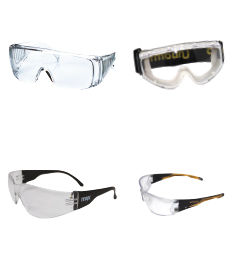
| Eye Protection | EN 166 or relevant current eye-protection standard where applicable | Safety glasses, goggles and face protection selected by impact, splash, dust or task risk. | Cutting, grinding, drilling, chemical handling and general site work |
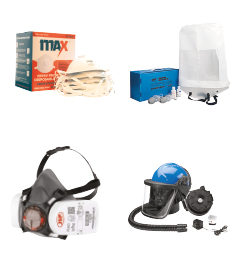
| Respiratory Equipment | EN 149, EN 140, EN 143 or relevant product standard where applicable | Disposable masks, half masks and filters selected by dust, fumes, vapour or respiratory hazard. | Dusty works, cutting, sanding, drilling, maintenance and industrial tasks |
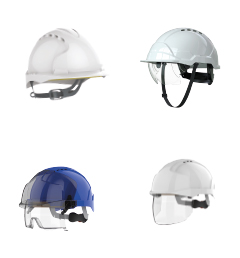
| Head Protection | EN 397 and other product-specific standards where applicable | Hard hats and safety helmets selected for impact protection, site rules and task-specific requirements. | Construction, civils, utilities, rail and general site environments |
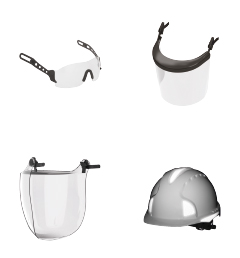
| Helmet Accessories | Accessory and compatibility requirements vary by helmet system | Visors, chin straps, ear defenders and replacement parts should be compatible with the selected helmet. | Site teams needing integrated head, face or hearing protection |
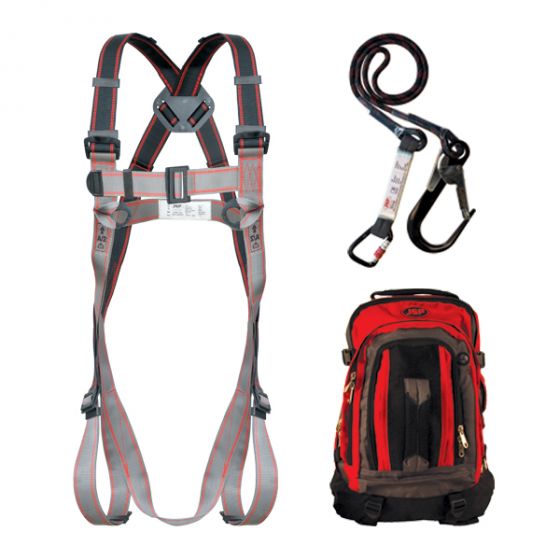
| Fall Arrest & Restraint | EN 361, EN 355, EN 362, EN 363 where applicable | Harnesses, lanyards, connectors and fall-protection systems selected for work at height and rescue planning. | Roofing, scaffolding, MEWPs, utilities, maintenance and work at height |
Frequently asked questions
What PPE is usually required on UK construction sites?
Most construction sites require, as a minimum, safety footwear to EN ISO 20345, head protection to EN 397 and hi-vis clothing to EN ISO 20471. Depending on the work activities and the site-specific risk assessment, teams may also need gloves, eye protection, hearing protection, respiratory protection and fall arrest equipment.
Requirements are set by the PPE at Work Regulations 1992 (as amended) and CDM 2015.
How do I choose the right PPE for a site team?
PPE selection should follow the site-specific risk assessment. Identify the hazards relevant to each task, then choose products certified to the applicable EN standard for each hazard type. Where multiple PPE types are worn together, check that they are compatible and do not compromise each other's protection.
CMT's trade team and the EDGE B2B Portal can assist with repeat supply once a specification is confirmed.
What safety footwear standard should I look for?
EN ISO 20345 is the principal standard for safety footwear in the UK. The minimum requirement is a 200J toecap. Common classifications include S1P (anti-static, anti-penetration, closed heel) and S3 (waterproof, anti-penetration, closed heel), with S3 typically required for outdoor construction and civil engineering environments.
A site-specific risk assessment determines the correct classification. View the safety footwear range.
How do I choose the right safety gloves?
Glove selection depends on the hazard. EN 388 covers mechanical risks such as cut, abrasion, tear and puncture. EN 407 applies to heat and flame hazards. EN ISO 374 covers chemical and microbiological risks. Check the performance levels against the specific hazard, and confirm that the selected gloves are compatible with any other PPE being worn.
Manufacturer guidance and the site risk assessment should inform the final specification.
When is fall arrest equipment needed?
Fall arrest equipment is typically required where the risk assessment identifies a risk of falling from height that cannot be adequately controlled by collective measures such as edge protection, barriers or working platforms. Harnesses, lanyards and anchorage systems should be selected in line with EN 361, EN 355 and EN 362 as applicable.
Any fall arrest system should form part of a planned fall protection programme that includes rescue arrangements. Requirements depend on the specific task, working height and site conditions. View the fall arrest and restraint range.
What is the difference between safety glasses and goggles?
Safety glasses protect the eyes from impact and particles from the front and sides but are not sealed around the face. Goggles provide a closer fit or sealed barrier, offering additional protection against liquid splashes, fine dust, vapour and chemicals where glasses alone may not provide sufficient coverage.
Both should comply with EN 166 or the current applicable eye-protection standard. Selection depends on the type of hazard identified in the task risk assessment.
How often should PPE be replaced?
PPE replacement intervals are set by manufacturer guidance, the relevant EN standard and the results of regular inspection. PPE that has absorbed an impact, shows visible damage or wear, or has reached its stated service life should be replaced without delay.
Regular inspection and planned replenishment through a trade account helps maintain consistent PPE standards across site teams. Contact the CMT team to discuss repeat supply and account options.
Is CMT a registered safety supplier for PPE?
CMT is a BSIF Registered Safety Supplier. BSIF registration means CMT has formally committed to supplying only tested and certified products that meet the relevant safety standards, providing additional assurance for buyers sourcing PPE for site teams, projects and repeat supply.
CMT's supplier accreditations are company-level assurance and do not replace individual product certification. Buyers should still verify the relevant EN standard, declaration of conformity and product documentation for each item. View CMT's full accreditations.
Need a specific PPE item? Go straight to safety footwear, Hand Protection, Hearing Protection, Eye Protection, Respiratory Equipment, head protection, Helmet Accessories or fall arrest equipment. For repeat PPE ordering, account pricing or project supply, use the EDGE B2B Portal or contact the CMT team.
UK-wide delivery
Next-day and VIP same-day delivery on stocked PPE lines, with nationwide coverage for trade and project accounts.Stock availability
Large stockholding, easy reordering and repeat supply support for PPE buyers and site teams.EDGE B2B Portal
Self-serve procurement with trade pricing, order tracking and easy repeat ordering for account holders.Brandit
In-house branding for PPE and site workwear, including embroidery and print for teams and projects.Sustainable & compliance-ready products
Sustainable supply and compliance-ready products to support responsible procurement and social value commitments.Shop Personal Protection Equipment by Subcategory
Personal Protection Equipment (PPE)
Personal Protective Equipment (PPE) for construction, rail, utilities, industrial and facilities teams who need reliable site kit for busy jobs, project rollouts and repeat orders. Order certified safety footwear, gloves, hard hats, eye and hearing protection, respiratory equipment and fall arrest in bulk ... Personal Protective Equipment (PPE) for construction, rail, utilities, industrial and facilities teams who need reliable site kit for busy jobs, project rollouts and repeat orders. Order certified safety footwear, gloves, hard hats, eye and hearing protection, respiratory equipment and fall arrest in bulk, with fast nationwide delivery for trade and contract supply. The range includes everyday PPE for site teams alongside task-specific protection for handling, impact, dust, noise and work at height. CMT helps contractors, procurement teams and facilities managers keep teams equipped with stock availability, account-based purchasing and repeat supply. read more...read less
PPE types, standards and common use
| Subcategory | Relevant standards | What it means | Common use |
|---|---|---|---|
| Footwear | EN ISO 20345 | Safety footwear with protective toecaps and product-specific features such as slip resistance, penetration resistance, water resistance or anti-static properties. | Construction, civils, utilities, rail and industrial sites |
| Hand Protection | EN 388, EN 407, EN ISO 374 where applicable | Gloves selected by hazard, including cut, abrasion, heat, chemical or general handling protection. | Handling, site work, utilities, maintenance and industrial tasks |
| Hearing Protection | EN 352 | Ear defenders and ear plugs used to reduce exposure to harmful noise levels. | Cutting, drilling, plant rooms, machinery and industrial environments |
| Eye Protection | EN 166 or relevant current eye-protection standard where applicable | Safety glasses, goggles and face protection selected by impact, splash, dust or task risk. | Cutting, grinding, drilling, chemical handling and general site work |
| Respiratory Equipment | EN 149, EN 140, EN 143 or relevant product standard where applicable | Disposable masks, half masks and filters selected by dust, fumes, vapour or respiratory hazard. | Dusty works, cutting, sanding, drilling, maintenance and industrial tasks |
| Head Protection | EN 397 and other product-specific standards where applicable | Hard hats and safety helmets selected for impact protection, site rules and task-specific requirements. | Construction, civils, utilities, rail and general site environments |
| Helmet Accessories | Accessory and compatibility requirements vary by helmet system | Visors, chin straps, ear defenders and replacement parts should be compatible with the selected helmet. | Site teams needing integrated head, face or hearing protection |
| Fall Arrest & Restraint | EN 361, EN 355, EN 362, EN 363 where applicable | Harnesses, lanyards, connectors and fall-protection systems selected for work at height and rescue planning. | Roofing, scaffolding, MEWPs, utilities, maintenance and work at height |
Frequently asked questions
What PPE is usually required on UK construction sites?
Most construction sites require, as a minimum, safety footwear to EN ISO 20345, head protection to EN 397 and hi-vis clothing to EN ISO 20471. Depending on the work activities and the site-specific risk assessment, teams may also need gloves, eye protection, hearing protection, respiratory protection and fall arrest equipment.
Requirements are set by the PPE at Work Regulations 1992 (as amended) and CDM 2015.
How do I choose the right PPE for a site team?
PPE selection should follow the site-specific risk assessment. Identify the hazards relevant to each task, then choose products certified to the applicable EN standard for each hazard type. Where multiple PPE types are worn together, check that they are compatible and do not compromise each other's protection.
CMT's trade team and the EDGE B2B Portal can assist with repeat supply once a specification is confirmed.
What safety footwear standard should I look for?
EN ISO 20345 is the principal standard for safety footwear in the UK. The minimum requirement is a 200J toecap. Common classifications include S1P (anti-static, anti-penetration, closed heel) and S3 (waterproof, anti-penetration, closed heel), with S3 typically required for outdoor construction and civil engineering environments.
A site-specific risk assessment determines the correct classification. View the safety footwear range.
How do I choose the right safety gloves?
Glove selection depends on the hazard. EN 388 covers mechanical risks such as cut, abrasion, tear and puncture. EN 407 applies to heat and flame hazards. EN ISO 374 covers chemical and microbiological risks. Check the performance levels against the specific hazard, and confirm that the selected gloves are compatible with any other PPE being worn.
Manufacturer guidance and the site risk assessment should inform the final specification.
When is fall arrest equipment needed?
Fall arrest equipment is typically required where the risk assessment identifies a risk of falling from height that cannot be adequately controlled by collective measures such as edge protection, barriers or working platforms. Harnesses, lanyards and anchorage systems should be selected in line with EN 361, EN 355 and EN 362 as applicable.
Any fall arrest system should form part of a planned fall protection programme that includes rescue arrangements. Requirements depend on the specific task, working height and site conditions. View the fall arrest and restraint range.
What is the difference between safety glasses and goggles?
Safety glasses protect the eyes from impact and particles from the front and sides but are not sealed around the face. Goggles provide a closer fit or sealed barrier, offering additional protection against liquid splashes, fine dust, vapour and chemicals where glasses alone may not provide sufficient coverage.
Both should comply with EN 166 or the current applicable eye-protection standard. Selection depends on the type of hazard identified in the task risk assessment.
How often should PPE be replaced?
PPE replacement intervals are set by manufacturer guidance, the relevant EN standard and the results of regular inspection. PPE that has absorbed an impact, shows visible damage or wear, or has reached its stated service life should be replaced without delay.
Regular inspection and planned replenishment through a trade account helps maintain consistent PPE standards across site teams. Contact the CMT team to discuss repeat supply and account options.
Is CMT a registered safety supplier for PPE?
CMT is a BSIF Registered Safety Supplier. BSIF registration means CMT has formally committed to supplying only tested and certified products that meet the relevant safety standards, providing additional assurance for buyers sourcing PPE for site teams, projects and repeat supply.
CMT's supplier accreditations are company-level assurance and do not replace individual product certification. Buyers should still verify the relevant EN standard, declaration of conformity and product documentation for each item. View CMT's full accreditations.
Need a specific PPE item? Go straight to safety footwear, Hand Protection, Hearing Protection, Eye Protection, Respiratory Equipment, head protection, Helmet Accessories or fall arrest equipment. For repeat PPE ordering, account pricing or project supply, use the EDGE B2B Portal or contact the CMT team.