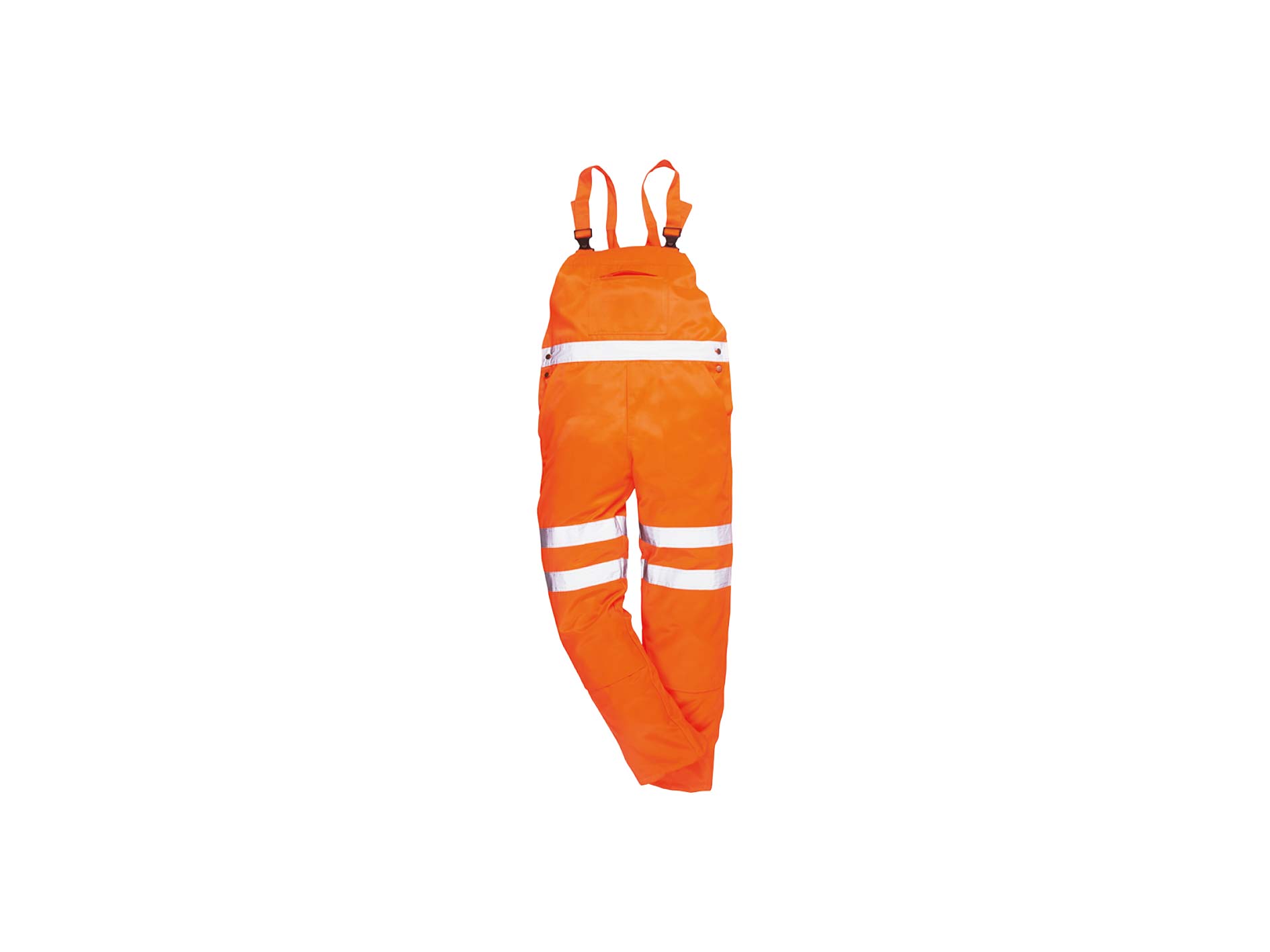
Hi-Vis Clothing

Hi-Vis Clothing for site teams working around vehicles, plant, poor light and changing weather, where visibility has to be clear throughout the shift. Order hi-vis vests, waistcoats, jackets, fleeces, trousers, wet weather clothing, polo shirts, sweatshirts and T-shirts in bulk ... Hi-Vis Clothing for site teams working around vehicles, plant, poor light and changing weather, where visibility has to be clear throughout the shift. Order hi-vis vests, waistcoats, jackets, fleeces, trousers, wet weather clothing, polo shirts, sweatshirts and T-shirts in bulk for construction, highways, rail, utilities and industrial environments. Choose EN ISO 20471 garments where required, orange hi-vis options for relevant rail visibility requirements, and branded layers that keep teams visible, identifiable and ready for repeat project rollouts. CMT supports contractors, procurement teams and facilities managers with stock availability, account-based purchasing and fast nationwide delivery for trade and contract supply. read more...read less
Hi-vis clothing types, standards and common use
| Subcategory | Relevant standards | What it means | Common use |
|---|---|---|---|
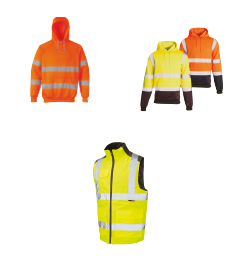
| Hoodies & Bodywarmers | EN ISO 20471 where certified; other product-specific standards where applicable | Warm hi-vis layers selected for visibility, comfort and seasonal site use; check the garment class and certification. | Outdoor sites, utilities, highways, logistics, maintenance and colder site conditions |
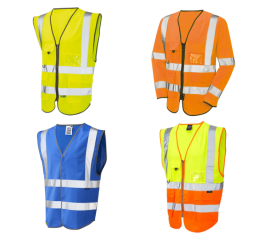
| Vests & Waistcoats | EN ISO 20471 where certified; RIS-3279-TOM where rail orange is required | Lightweight hi-vis garments used to improve wearer visibility; check class, colour and rail suitability where required. | Construction, highways, site visitors, utilities, logistics and rail-adjacent environments |
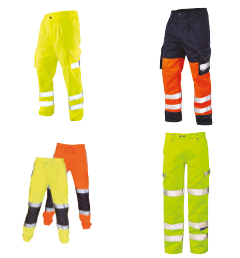
| Trousers | EN ISO 20471 where certified; EN 343 where waterproof protection applies | Hi-vis trousers selected for lower-body visibility, site rules, weather protection and compatibility with other layers. | Highways, utilities, civils, rail, outdoor maintenance and wet site work |
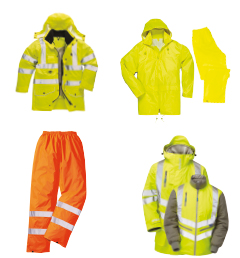
| Wet Weather Clothing | EN ISO 20471 and EN 343 where certified | Waterproof or weather-resistant hi-vis garments selected for visibility and protection in rain, wind and poor conditions. | Highways, rail, utilities, civils, drainage, outdoor maintenance and winter site work |
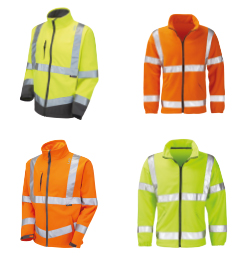
| Jackets & Fleeces | EN ISO 20471 where certified; EN 343 or EN 14058 where applicable | Outerwear and fleece layers selected for visibility, warmth, weather protection and all-day site comfort. | Construction, highways, utilities, logistics, rail and outdoor site teams |
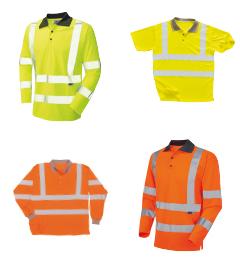
| Polo Shirts | EN ISO 20471 where certified | Breathable hi-vis teamwear for warmer conditions, indoor/outdoor work and branded site clothing. | Construction, facilities, warehouses, logistics, utilities and summer site work |
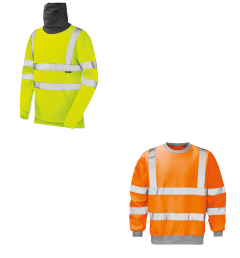
| Sweatshirts | EN ISO 20471 where certified; RIS-3279-TOM where rail orange is required | Warm hi-vis mid-layers selected for visibility, comfort, team branding and seasonal work. | Construction, highways, utilities, logistics, rail and general site teams |
| Bibs & Braces | EN ISO 20471 and EN 343 where certified | High-coverage hi-vis garments used where lower-body visibility and weather protection are both important. | Highways, rail, utilities, civils, outdoor maintenance and wet-weather work |
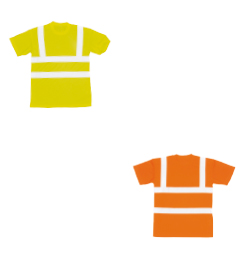
| T-Shirts | EN ISO 20471 where certified | Lightweight hi-vis clothing for warmer conditions, layering and branded team clothing; check garment class and wash-care. | Construction, highways, facilities, logistics, utilities and summer site work |
Frequently asked questions
What hi-vis clothing do construction and site teams usually need?
Most construction and site teams require hi-vis clothing where the risk assessment identifies a risk from moving vehicles, plant or reduced visibility. At a minimum, this typically means an EN ISO 20471 waistcoat or vest, though many sites also require hi-vis jackets, trousers and wet weather layers for all-day outdoor work.
Specific requirements depend on site rules, task type, traffic exposure, season and any client or principal contractor uniform policy. A site-specific risk assessment determines the appropriate garment class and coverage.
What does EN ISO 20471 mean for hi-vis clothing?
EN ISO 20471 is the principal standard for high-visibility clothing in the UK and Europe. It sets requirements for fluorescent background material, retroreflective tape and the combined minimum areas of each, which determine the visibility class of the garment.
Garments certified to EN ISO 20471 carry a class rating (1, 2 or 3) on the label. Buyers should check that the garment class meets the site requirement and that the garment holds a valid declaration of conformity and UKCA or CE marking.
What is the difference between Class 1, Class 2 and Class 3 hi-vis?
EN ISO 20471 defines three visibility classes based on the minimum area of fluorescent material and retroreflective tape a garment provides. Class 1 offers the lowest visibility level and is suitable for lower-risk environments with limited traffic exposure. Class 2 provides an intermediate level of visibility, and Class 3 offers the highest level of coverage and is required in higher-risk traffic or high-speed road environments.
The correct class depends on site rules, traffic speed, task risk and the site-specific risk assessment. Where requirements are unclear, follow the site risk assessment, client specification and product documentation, and choose garments that meet or exceed the required visibility class. Many highways and rail environments specify Class 2 or Class 3 as a minimum.
When is orange hi-vis clothing required?
Orange hi-vis clothing may be required in certain rail and highways environments where yellow hi-vis does not provide sufficient contrast against the surrounding environment. On the railway, Network Rail infrastructure work typically requires orange garments that comply with RIS-3279-TOM, which sets specific requirements for rail orange visibility clothing.
Not every orange garment is automatically rail-approved. Buyers working in rail environments should check that the specific garment is certified to the applicable rail standard and carries the required documentation. General orange hi-vis used outside rail environments should still be checked against EN ISO 20471 or the relevant product standard.
Do hi-vis waterproof jackets need EN 343?
Not all hi-vis jackets are waterproof, and not all waterproof hi-vis jackets are certified to EN 343. EN 343 relates to protection against rain and wet weather and sets requirements for resistance to water penetration and breathability where certified. A garment that is described as water-resistant or shower-proof is not the same as one certified to EN 343.
Where wet-weather protection is required as well as visibility, buyers should check that the garment holds EN ISO 20471 certification for hi-vis performance and EN 343 certification for weather protection, and that both are confirmed on the garment label and declaration of conformity. View the wet weather hi-vis clothing range.
Can CMT brand hi-vis clothing with company logos?
Yes. CMT offers in-house branding for hi-vis clothing and sitewear through Brandit, covering embroidery and print for teams and projects. Branded hi-vis is available for bulk and repeat orders.
Important note: branding on hi-vis garments should not cover fluorescent material or retroreflective tape in a way that reduces the garment's certified visibility performance. Branding placement should be checked against the garment specification and manufacturer guidance before applying.
How often should hi-vis clothing be replaced?
Hi-vis clothing should be replaced when it shows visible damage, soiling that cannot be removed, fading of fluorescent material, or damage to retroreflective tape, as any of these can reduce the garment's visibility performance. Manufacturer guidance on washing, maintenance and service life should be followed, as repeated washing at incorrect temperatures can degrade both fluorescent and retroreflective properties.
A regular inspection programme and planned replenishment through a trade account helps maintain consistent hi-vis standards across site teams. Contact the CMT team to discuss repeat supply options.
Is CMT a registered safety supplier for hi-vis clothing?
CMT is a BSIF Registered Safety Supplier. This supplier-level assurance supports buyer confidence when ordering hi-vis clothing for site teams, projects and repeat supply.
CMT's supplier accreditations are company-level assurance and do not replace individual garment certification. Buyers should still verify the relevant EN standard, garment class, declaration of conformity and product documentation for each item. View CMT's full accreditations.
Need a specific hi-vis item? Go straight to Hoodies & Bodywarmers, Vests & Waistcoats, Trousers, Wet Weather Clothing, Jackets & Fleeces, Polo Shirts, Sweatshirts, Bibs & Braces or T-Shirts. For branded hi-vis clothing, repeat ordering, account pricing or project supply, use Brandit, the EDGE B2B Portal or contact the CMT team.
UK-wide delivery
Next-day and VIP same-day delivery on stocked hi-vis clothing lines, with nationwide coverage for trade and project accounts.Stock availability
Large stockholding, easy reordering and repeat supply support for hi-vis clothing buyers and site teams.EDGE B2B Portal
Self-serve procurement with trade pricing, order tracking and easy repeat ordering for account holders.Brandit
In-house branding for hi-vis clothing and sitewear, including embroidery and print for teams and projects.Sustainable & compliance-ready products
Sustainable supply and compliance-ready products to support responsible procurement and social value commitments.Shop Hi-Vis Clothing by Subcategory
Hi-Vis Clothing
Hi-Vis Clothing for site teams working around vehicles, plant, poor light and changing weather, where visibility has to be clear throughout the shift. Order hi-vis vests, waistcoats, jackets, fleeces, trousers, wet weather clothing, polo shirts, sweatshirts and T-shirts in bulk ... Hi-Vis Clothing for site teams working around vehicles, plant, poor light and changing weather, where visibility has to be clear throughout the shift. Order hi-vis vests, waistcoats, jackets, fleeces, trousers, wet weather clothing, polo shirts, sweatshirts and T-shirts in bulk for construction, highways, rail, utilities and industrial environments. Choose EN ISO 20471 garments where required, orange hi-vis options for relevant rail visibility requirements, and branded layers that keep teams visible, identifiable and ready for repeat project rollouts. CMT supports contractors, procurement teams and facilities managers with stock availability, account-based purchasing and fast nationwide delivery for trade and contract supply. read more...read less
Hi-vis clothing types, standards and common use
| Subcategory | Relevant standards | What it means | Common use |
|---|---|---|---|
| Hoodies & Bodywarmers | EN ISO 20471 where certified; other product-specific standards where applicable | Warm hi-vis layers selected for visibility, comfort and seasonal site use; check the garment class and certification. | Outdoor sites, utilities, highways, logistics, maintenance and colder site conditions |
| Vests & Waistcoats | EN ISO 20471 where certified; RIS-3279-TOM where rail orange is required | Lightweight hi-vis garments used to improve wearer visibility; check class, colour and rail suitability where required. | Construction, highways, site visitors, utilities, logistics and rail-adjacent environments |
| Trousers | EN ISO 20471 where certified; EN 343 where waterproof protection applies | Hi-vis trousers selected for lower-body visibility, site rules, weather protection and compatibility with other layers. | Highways, utilities, civils, rail, outdoor maintenance and wet site work |
| Wet Weather Clothing | EN ISO 20471 and EN 343 where certified | Waterproof or weather-resistant hi-vis garments selected for visibility and protection in rain, wind and poor conditions. | Highways, rail, utilities, civils, drainage, outdoor maintenance and winter site work |
| Jackets & Fleeces | EN ISO 20471 where certified; EN 343 or EN 14058 where applicable | Outerwear and fleece layers selected for visibility, warmth, weather protection and all-day site comfort. | Construction, highways, utilities, logistics, rail and outdoor site teams |
| Polo Shirts | EN ISO 20471 where certified | Breathable hi-vis teamwear for warmer conditions, indoor/outdoor work and branded site clothing. | Construction, facilities, warehouses, logistics, utilities and summer site work |
| Sweatshirts | EN ISO 20471 where certified; RIS-3279-TOM where rail orange is required | Warm hi-vis mid-layers selected for visibility, comfort, team branding and seasonal work. | Construction, highways, utilities, logistics, rail and general site teams |
| Bibs & Braces | EN ISO 20471 and EN 343 where certified | High-coverage hi-vis garments used where lower-body visibility and weather protection are both important. | Highways, rail, utilities, civils, outdoor maintenance and wet-weather work |
| T-Shirts | EN ISO 20471 where certified | Lightweight hi-vis clothing for warmer conditions, layering and branded team clothing; check garment class and wash-care. | Construction, highways, facilities, logistics, utilities and summer site work |
Frequently asked questions
What hi-vis clothing do construction and site teams usually need?
Most construction and site teams require hi-vis clothing where the risk assessment identifies a risk from moving vehicles, plant or reduced visibility. At a minimum, this typically means an EN ISO 20471 waistcoat or vest, though many sites also require hi-vis jackets, trousers and wet weather layers for all-day outdoor work.
Specific requirements depend on site rules, task type, traffic exposure, season and any client or principal contractor uniform policy. A site-specific risk assessment determines the appropriate garment class and coverage.
What does EN ISO 20471 mean for hi-vis clothing?
EN ISO 20471 is the principal standard for high-visibility clothing in the UK and Europe. It sets requirements for fluorescent background material, retroreflective tape and the combined minimum areas of each, which determine the visibility class of the garment.
Garments certified to EN ISO 20471 carry a class rating (1, 2 or 3) on the label. Buyers should check that the garment class meets the site requirement and that the garment holds a valid declaration of conformity and UKCA or CE marking.
What is the difference between Class 1, Class 2 and Class 3 hi-vis?
EN ISO 20471 defines three visibility classes based on the minimum area of fluorescent material and retroreflective tape a garment provides. Class 1 offers the lowest visibility level and is suitable for lower-risk environments with limited traffic exposure. Class 2 provides an intermediate level of visibility, and Class 3 offers the highest level of coverage and is required in higher-risk traffic or high-speed road environments.
The correct class depends on site rules, traffic speed, task risk and the site-specific risk assessment. Where requirements are unclear, follow the site risk assessment, client specification and product documentation, and choose garments that meet or exceed the required visibility class. Many highways and rail environments specify Class 2 or Class 3 as a minimum.
When is orange hi-vis clothing required?
Orange hi-vis clothing may be required in certain rail and highways environments where yellow hi-vis does not provide sufficient contrast against the surrounding environment. On the railway, Network Rail infrastructure work typically requires orange garments that comply with RIS-3279-TOM, which sets specific requirements for rail orange visibility clothing.
Not every orange garment is automatically rail-approved. Buyers working in rail environments should check that the specific garment is certified to the applicable rail standard and carries the required documentation. General orange hi-vis used outside rail environments should still be checked against EN ISO 20471 or the relevant product standard.
Do hi-vis waterproof jackets need EN 343?
Not all hi-vis jackets are waterproof, and not all waterproof hi-vis jackets are certified to EN 343. EN 343 relates to protection against rain and wet weather and sets requirements for resistance to water penetration and breathability where certified. A garment that is described as water-resistant or shower-proof is not the same as one certified to EN 343.
Where wet-weather protection is required as well as visibility, buyers should check that the garment holds EN ISO 20471 certification for hi-vis performance and EN 343 certification for weather protection, and that both are confirmed on the garment label and declaration of conformity. View the wet weather hi-vis clothing range.
Can CMT brand hi-vis clothing with company logos?
Yes. CMT offers in-house branding for hi-vis clothing and sitewear through Brandit, covering embroidery and print for teams and projects. Branded hi-vis is available for bulk and repeat orders.
Important note: branding on hi-vis garments should not cover fluorescent material or retroreflective tape in a way that reduces the garment's certified visibility performance. Branding placement should be checked against the garment specification and manufacturer guidance before applying.
How often should hi-vis clothing be replaced?
Hi-vis clothing should be replaced when it shows visible damage, soiling that cannot be removed, fading of fluorescent material, or damage to retroreflective tape, as any of these can reduce the garment's visibility performance. Manufacturer guidance on washing, maintenance and service life should be followed, as repeated washing at incorrect temperatures can degrade both fluorescent and retroreflective properties.
A regular inspection programme and planned replenishment through a trade account helps maintain consistent hi-vis standards across site teams. Contact the CMT team to discuss repeat supply options.
Is CMT a registered safety supplier for hi-vis clothing?
CMT is a BSIF Registered Safety Supplier. This supplier-level assurance supports buyer confidence when ordering hi-vis clothing for site teams, projects and repeat supply.
CMT's supplier accreditations are company-level assurance and do not replace individual garment certification. Buyers should still verify the relevant EN standard, garment class, declaration of conformity and product documentation for each item. View CMT's full accreditations.
Need a specific hi-vis item? Go straight to Hoodies & Bodywarmers, Vests & Waistcoats, Trousers, Wet Weather Clothing, Jackets & Fleeces, Polo Shirts, Sweatshirts, Bibs & Braces or T-Shirts. For branded hi-vis clothing, repeat ordering, account pricing or project supply, use Brandit, the EDGE B2B Portal or contact the CMT team.