
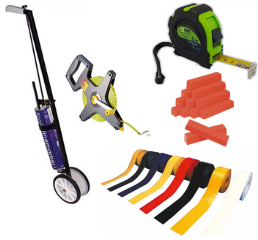

- Category
-
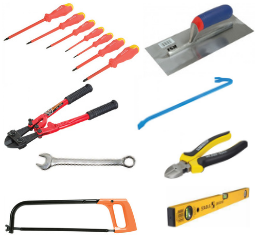
- Hand Tools 200
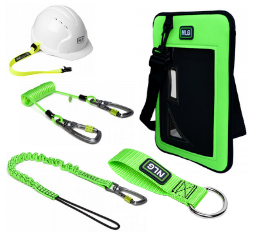
- Tool Tethering 81
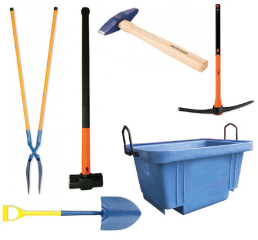
- Groundwork Tools 153
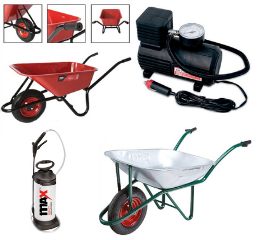
- Groundwork Equipment 108
- Measuring & Marking 59
- Plant & Machinery 46
Hand & Groundworking Tools

Hand & Groundworking Tools for contractors, civils teams and groundworks crews managing daily site work, planned works and repeat tool supply. Source contractor-grade hand tools, groundwork tools, measuring and marking equipment, tool tethering, plant and site equipment for excavation, drainage, concreting and setting out ... Hand & Groundworking Tools for contractors, civils teams and groundworks crews managing daily site work, planned works and repeat tool supply. Source contractor-grade hand tools, groundwork tools, measuring and marking equipment, tool tethering, plant and site equipment for excavation, drainage, concreting, setting out and general site work. CMT Group works with trade buyers on stock availability, account-based purchasing, van and depot replenishment, project rollouts and fast nationwide delivery for contract supply. read more...read less
Hand and groundworking tool categories, site use and buying considerations
| Category | What it covers | Common site use | Buying considerations |
|---|---|---|---|
| Hand Tools | Everyday site tools for cutting, fixing, striking, levelling, gripping, tightening, finishing and general trade tasks. | Construction, civils, utilities, maintenance, site preparation, finishing work and day-to-day contractor tasks | Choose tool type, handle design, durability, trade use, storage needs and whether insulated or specialist versions are required. |
| Tool Tethering | Tool lanyards, tethers, anchors, attachment points and tethering systems used to help manage tools when working at height. | Scaffolding, elevated platforms, rail, utilities, maintenance, roofing, bridges and work-at-height environments | Check tool weight, attachment method, anchor point, working environment, site rules and manufacturer instructions before use. |
| Groundwork Tools | Specialist manual tools for excavation, breaking, digging, levelling, raking, compacting and ground preparation. | Groundworks, drainage, foundations, trenching, landscaping, civils, utilities and road or rail infrastructure | Choose handle type, head type, tool weight, digging or breaking task, ground condition and expected site use. |
| Groundwork Equipment | Site equipment used to support groundworks, materials handling, concreting, mixing, pumping, storage and site preparation. | Excavation, concreting, drainage, site setup, materials movement, ground preparation and project support | Check capacity, portability, power source, task suitability, storage space, maintenance needs and delivery requirements. |
| Measuring & Marking | Setting-out, measuring, marking, levelling and identification products used to keep site work accurate and organised. | Setting out, excavation lines, drainage runs, foundation work, layout marking, inspection and general site measurement | Choose measurement type, visibility, accuracy needs, site conditions, marking colour, durability and repeat-use requirements. |
| Plant & Machinery | Plant, machinery and site equipment used to support heavier-duty work, surface preparation, cutting, pumping and site operations. | Groundworks, civils, utilities, construction sites, infrastructure work, preparation tasks and heavier site operations | Check task suitability, power source, transport, storage, operator requirements, consumables and project delivery timescales. |
Frequently asked questions
Which hand tools are most commonly ordered for construction sites?
Common orders include hammers, bolsters, chisels, trowels, floats, screwdrivers, pliers, wire cutters, sockets, wrenches, utility knives, saws, levels and tape measures. The right selection depends on the trade, task type and site phase, and whether tools are being issued to individuals or stocked across a team or depot.
Buyers should check product specifications for durability, handle type and trade suitability before ordering, particularly for tools that will be in sustained daily use.
What groundworking tools are used for excavation, drainage and foundations?
Excavation and groundworks commonly require shovels, spades, forks, digging bars, crowbars, pickaxes, mattocks, sledgehammers and mauls. Drainage and foundation work may also require lutes, rakes, compaction tools and levelling equipment.
Tool selection depends on ground conditions, excavation depth, drainage specification and site access. Buyers ordering for a project rollout should confirm quantities and handle types against site requirements before placing an order.
How should buyers choose between ash, fibreglass, polyfibre and insulated handles?
Handle material affects weight, shock absorption, grip and suitability for the task. Ash handles are traditional and absorb impact well, making them a common choice for general groundworks. Fibreglass handles can offer strength and resistance to moisture, while polyfibre options can be useful where reduced weight and sustained handling are important.
Insulated handles are designed for use in environments where electrical hazard is present, but buyers should always check the product specification, relevant standards and site requirements before use. No single handle type is suitable for every task or environment.
When should tool tethering be used on site?
Tool tethering is used to help reduce risk from dropped objects when working at height or in areas where a falling tool could cause injury, damage or disruption. It is often used on scaffolding, elevated platforms, bridges, rail and utility environments where site rules or task risk assessments require controlled tool attachment.
The correct tethering system depends on tool weight, attachment point, anchor location and site rules. Buyers should check product load ratings and manufacturer instructions before selecting tethering products. Tethering does not remove the need for a full dropped-object risk assessment.
What measuring and marking tools are useful for setting out groundworks?
Setting out can involve tapes, builders' lines, line pins, pegs, profile boards, ranging rods, levels, marking sprays, chalk lines and marker pegs. These products help teams mark excavation lines, drainage runs, slab edges, kerb lines and general site layouts.
Tool choice depends on the accuracy required, ground type, visibility needs and whether setting out is being done by one operative or across a wider team. Check product suitability against the working environment before ordering.
Can CMT Group supply hand and groundworking tools in bulk?
Yes. CMT Group supplies hand tools, groundwork tools, measuring and marking products, tool tethering systems and groundworks equipment for construction, civils, utilities and infrastructure projects.
For project quantities, procurement teams can use the EDGE B2B Portal or contact the CMT Group team to discuss stock availability, repeat supply and ordering options.
How can contractors manage repeat orders for site tools?
Repeat ordering for site tools can be managed through CMT Group's EDGE B2B Portal, which allows account holders to view order history and reorder frequently used products across projects, depots and site teams.
For trade accounts or procurement across multiple locations, contact the CMT Group team to discuss account-based supply and repeat replenishment options.
Can CMT Group help source specialist tools for groundworks or utilities teams?
CMT Group can support procurement teams and site managers looking for specialist groundworking tools, measuring equipment, tethering systems or site machinery for civils, utilities and infrastructure work. Product suitability depends on the task, ground conditions, site specification and any project-specific requirements.
contact the CMT Group team to discuss specific product needs and supply requirements.
Managing tool supply across vans, depots or live construction sites? The CMT Group team can help buyers source practical site tools, groundworking equipment, measuring products and tethering systems for daily use and repeat replenishment. For project quantities or specialist site requirements, speak to the team.
UK-wide delivery
Next-day and VIP same-day delivery on stocked tool and groundworking equipment lines, with nationwide coverage for trade and project accounts.Stock availability
Large stockholding and repeat ordering support for hand tools, groundwork tools, measuring products and site equipment.EDGE B2B Portal
Self-serve procurement with trade pricing, order tracking and easy repeat ordering for account holders.Contractor-grade range
Tools and groundworking equipment selected for construction, civils, utilities, infrastructure and daily site use.Sustainable procurement
Supply support for responsible procurement, project planning and social value commitments across construction and infrastructure work.Shop Hand & Groundworking Tools by Category
Hand & Groundworking Tools
Hand & Groundworking Tools for contractors, civils teams and groundworks crews managing daily site work, planned works and repeat tool supply. Source contractor-grade hand tools, groundwork tools, measuring and marking equipment, tool tethering, plant and site equipment for excavation, drainage, concreting and setting out ... Hand & Groundworking Tools for contractors, civils teams and groundworks crews managing daily site work, planned works and repeat tool supply. Source contractor-grade hand tools, groundwork tools, measuring and marking equipment, tool tethering, plant and site equipment for excavation, drainage, concreting, setting out and general site work. CMT Group works with trade buyers on stock availability, account-based purchasing, van and depot replenishment, project rollouts and fast nationwide delivery for contract supply. read more...read less
Hand and groundworking tool categories, site use and buying considerations
| Category | What it covers | Common site use | Buying considerations |
|---|---|---|---|
| Hand Tools | Everyday site tools for cutting, fixing, striking, levelling, gripping, tightening, finishing and general trade tasks. | Construction, civils, utilities, maintenance, site preparation, finishing work and day-to-day contractor tasks | Choose tool type, handle design, durability, trade use, storage needs and whether insulated or specialist versions are required. |
| Tool Tethering | Tool lanyards, tethers, anchors, attachment points and tethering systems used to help manage tools when working at height. | Scaffolding, elevated platforms, rail, utilities, maintenance, roofing, bridges and work-at-height environments | Check tool weight, attachment method, anchor point, working environment, site rules and manufacturer instructions before use. |
| Groundwork Tools | Specialist manual tools for excavation, breaking, digging, levelling, raking, compacting and ground preparation. | Groundworks, drainage, foundations, trenching, landscaping, civils, utilities and road or rail infrastructure | Choose handle type, head type, tool weight, digging or breaking task, ground condition and expected site use. |
| Groundwork Equipment | Site equipment used to support groundworks, materials handling, concreting, mixing, pumping, storage and site preparation. | Excavation, concreting, drainage, site setup, materials movement, ground preparation and project support | Check capacity, portability, power source, task suitability, storage space, maintenance needs and delivery requirements. |
| Measuring & Marking | Setting-out, measuring, marking, levelling and identification products used to keep site work accurate and organised. | Setting out, excavation lines, drainage runs, foundation work, layout marking, inspection and general site measurement | Choose measurement type, visibility, accuracy needs, site conditions, marking colour, durability and repeat-use requirements. |
| Plant & Machinery | Plant, machinery and site equipment used to support heavier-duty work, surface preparation, cutting, pumping and site operations. | Groundworks, civils, utilities, construction sites, infrastructure work, preparation tasks and heavier site operations | Check task suitability, power source, transport, storage, operator requirements, consumables and project delivery timescales. |
Frequently asked questions
Which hand tools are most commonly ordered for construction sites?
Common orders include hammers, bolsters, chisels, trowels, floats, screwdrivers, pliers, wire cutters, sockets, wrenches, utility knives, saws, levels and tape measures. The right selection depends on the trade, task type and site phase, and whether tools are being issued to individuals or stocked across a team or depot.
Buyers should check product specifications for durability, handle type and trade suitability before ordering, particularly for tools that will be in sustained daily use.
What groundworking tools are used for excavation, drainage and foundations?
Excavation and groundworks commonly require shovels, spades, forks, digging bars, crowbars, pickaxes, mattocks, sledgehammers and mauls. Drainage and foundation work may also require lutes, rakes, compaction tools and levelling equipment.
Tool selection depends on ground conditions, excavation depth, drainage specification and site access. Buyers ordering for a project rollout should confirm quantities and handle types against site requirements before placing an order.
How should buyers choose between ash, fibreglass, polyfibre and insulated handles?
Handle material affects weight, shock absorption, grip and suitability for the task. Ash handles are traditional and absorb impact well, making them a common choice for general groundworks. Fibreglass handles can offer strength and resistance to moisture, while polyfibre options can be useful where reduced weight and sustained handling are important.
Insulated handles are designed for use in environments where electrical hazard is present, but buyers should always check the product specification, relevant standards and site requirements before use. No single handle type is suitable for every task or environment.
When should tool tethering be used on site?
Tool tethering is used to help reduce risk from dropped objects when working at height or in areas where a falling tool could cause injury, damage or disruption. It is often used on scaffolding, elevated platforms, bridges, rail and utility environments where site rules or task risk assessments require controlled tool attachment.
The correct tethering system depends on tool weight, attachment point, anchor location and site rules. Buyers should check product load ratings and manufacturer instructions before selecting tethering products. Tethering does not remove the need for a full dropped-object risk assessment.
What measuring and marking tools are useful for setting out groundworks?
Setting out can involve tapes, builders' lines, line pins, pegs, profile boards, ranging rods, levels, marking sprays, chalk lines and marker pegs. These products help teams mark excavation lines, drainage runs, slab edges, kerb lines and general site layouts.
Tool choice depends on the accuracy required, ground type, visibility needs and whether setting out is being done by one operative or across a wider team. Check product suitability against the working environment before ordering.
Can CMT Group supply hand and groundworking tools in bulk?
Yes. CMT Group supplies hand tools, groundwork tools, measuring and marking products, tool tethering systems and groundworks equipment for construction, civils, utilities and infrastructure projects.
For project quantities, procurement teams can use the EDGE B2B Portal or contact the CMT Group team to discuss stock availability, repeat supply and ordering options.
How can contractors manage repeat orders for site tools?
Repeat ordering for site tools can be managed through CMT Group's EDGE B2B Portal, which allows account holders to view order history and reorder frequently used products across projects, depots and site teams.
For trade accounts or procurement across multiple locations, contact the CMT Group team to discuss account-based supply and repeat replenishment options.
Can CMT Group help source specialist tools for groundworks or utilities teams?
CMT Group can support procurement teams and site managers looking for specialist groundworking tools, measuring equipment, tethering systems or site machinery for civils, utilities and infrastructure work. Product suitability depends on the task, ground conditions, site specification and any project-specific requirements.
contact the CMT Group team to discuss specific product needs and supply requirements.
Managing tool supply across vans, depots or live construction sites? The CMT Group team can help buyers source practical site tools, groundworking equipment, measuring products and tethering systems for daily use and repeat replenishment. For project quantities or specialist site requirements, speak to the team.
