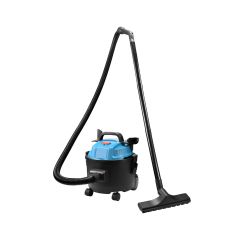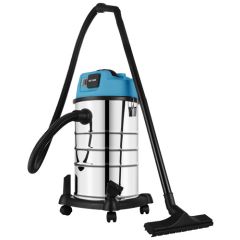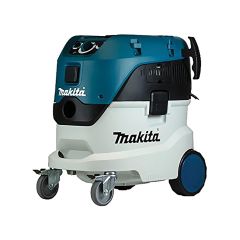
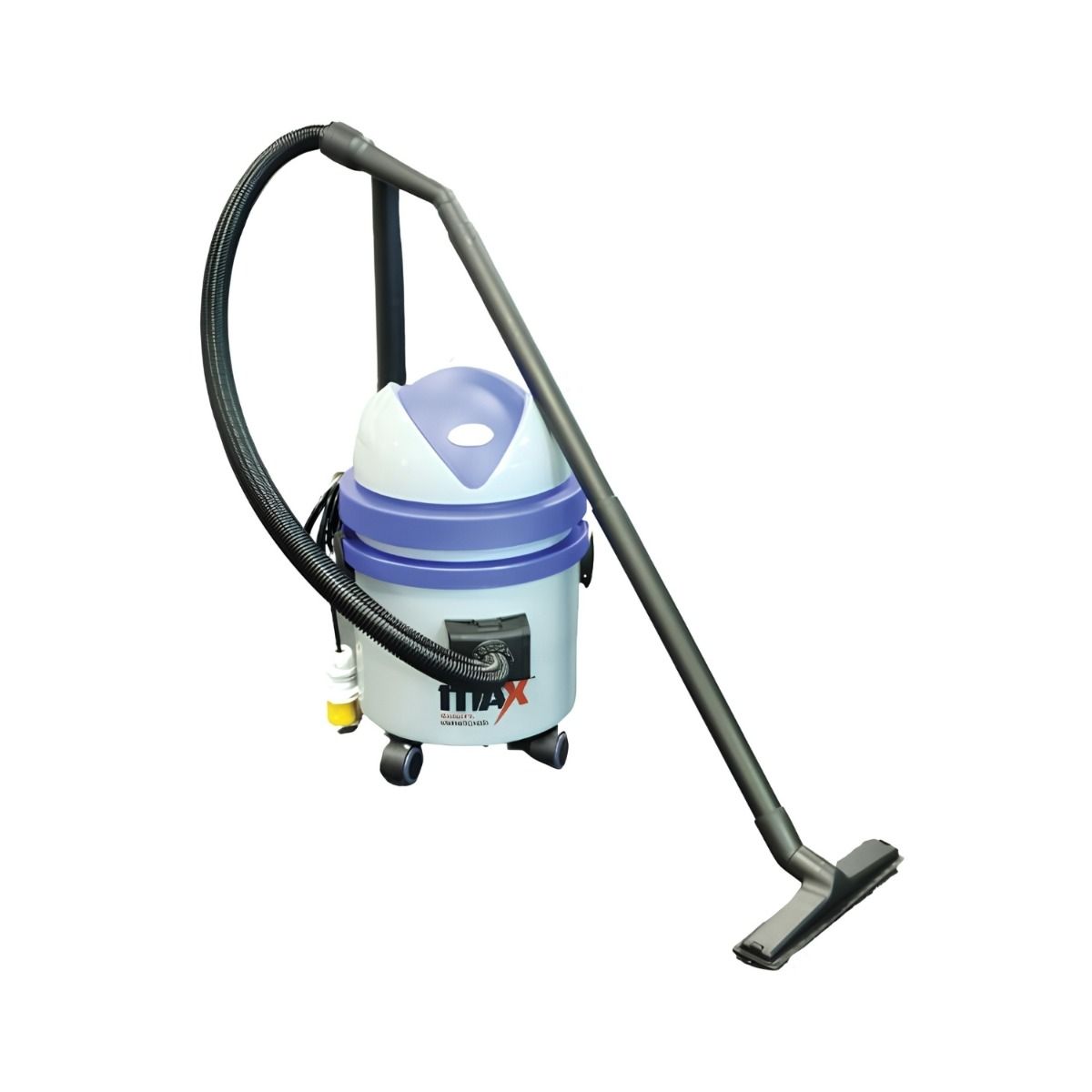

A 110V L-class wet and dry vacuum cleaner with 21L tank for construction sites operating on site transformer supply.
- L-class certified, suitable for dusts with WEL above 1 mg/m3
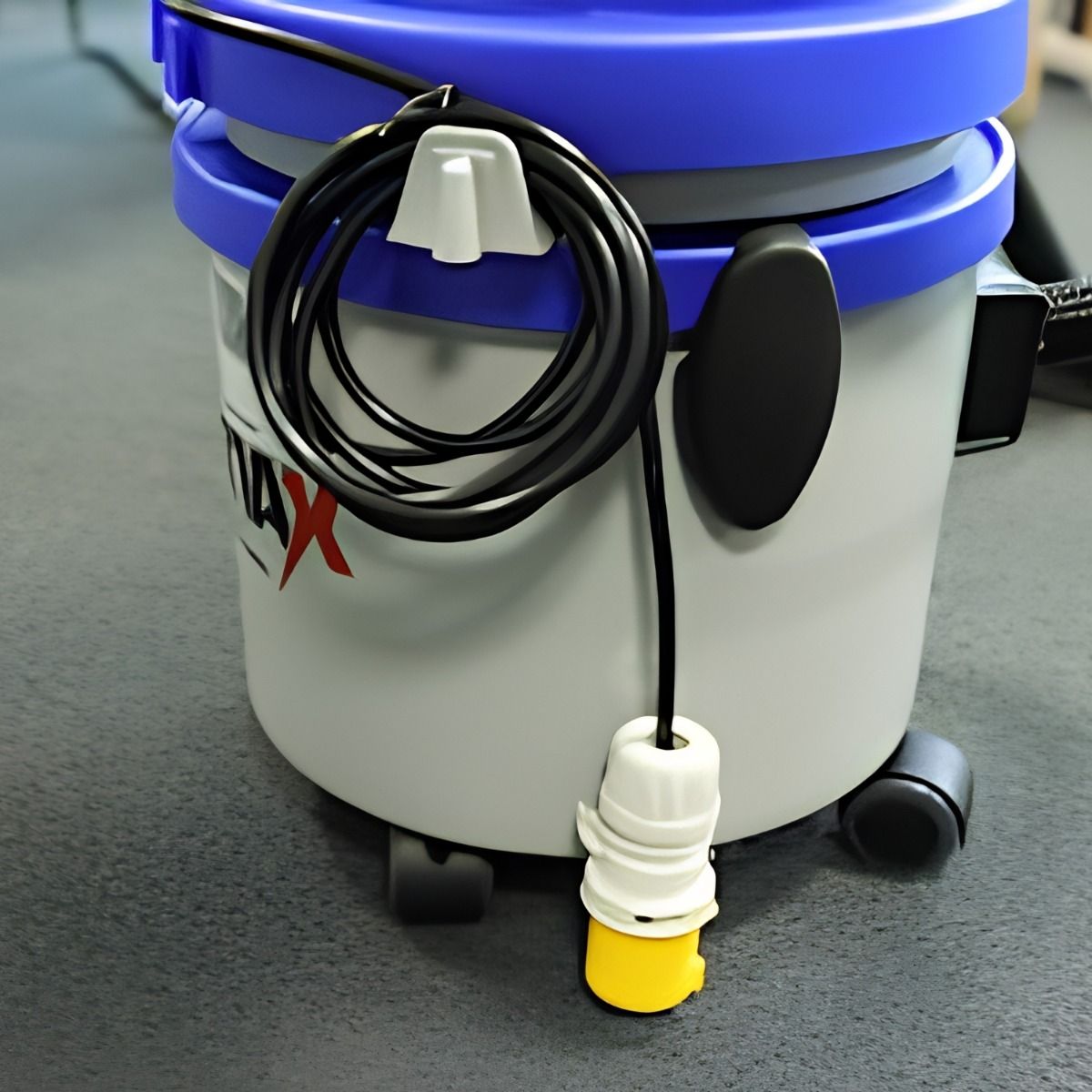
- 110V CTE site supply compatible, yellow 16A connector
- 21L tank for extended collection between empties
- Wet and dry extraction in a single machine
- IPX4 motor housing protection
- 50/60Hz frequency operation
MAX 110V L-Class Wet and Dry Vacuum Cleaner - 21L

A 110V L-class wet and dry vacuum cleaner with 21L tank for construction sites operating on site transformer supply.
- L-class certified, suitable for dusts with WEL above 1 mg/m3
- 110V CTE site supply compatible, yellow 16A connector
- 21L tank for extended collection between empties
- Wet and dry extraction in a single machine
- IPX4 motor housing protection
- 50/60Hz frequency operation
Order 1x to earn 89 FASTPoints
Order to earn 89 FASTPoints
Log in to access trade discountsMAX 110V L-Class Wet and Dry Vacuum Cleaner
110V L-class wet and dry vacuum cleaners are specific compliance tools for UK construction sites, not general-purpose workshop vacuums. This MAX unit runs on site transformer supply and carries L-class certification for collecting low-hazard dusts including softwood, gypsum, and plasterboard under COSHH Regulations 2002. The 21L tank provides capacity for extended site cleanup sessions, and the machine handles wet spills as well as dry dust when the task demands it.
What L-Class Certification Means on a UK Construction Site
Most site managers know they need dust extraction but not all know which classification their machine must carry. Using an unclassified or under-specified vacuum on a material that generates a regulated dust is a COSHH compliance failure. An L-class certified machine meets the minimum extraction standard for low-hazard construction dusts including softwood, gypsum, plasterboard, and plaster, giving the site manager documented compliance for those materials.
Key Features
-
L-class dust extraction: Certified for dusts with a workplace exposure limit (WEL) above 1 mg/m3. Covers softwood dust, gypsum, plasterboard, plaster, cork, and Corian on UK construction and refurbishment sites under COSHH Regulations 2002.
-
110V site supply: Designed for UK centre-tapped earth (CTE) transformer supply. The CTE system limits maximum voltage to earth to 55V, meeting HSE guidelines for safe portable electrical equipment in construction environments. Connect via the yellow 16A site connector.
-
Wet and dry extraction: Handles dry dust and debris collection and liquid spills from a single machine. Switch between modes using the appropriate filter for each application.
-
21L tank capacity: Sufficient for extended extraction sessions on typical construction, drylining, and refurbishment projects without constant emptying.
-
IPX4 motor protection: The motor housing is protected against water splashing from any direction.
Who Is This For
Trades and roles:
-
Site managers and supervisors
-
Carpenters and joiners
-
Drylining operatives
-
Plasterers and drylining contractors
-
Facilities managers
Industries:
-
Construction
-
Refurbishment and fit-out
-
Joinery and woodworking
-
Facilities management
-
Manufacturing
Specifications
| Specification | Detail |
| Product Name | MAX 110V L-Class Wet and Dry Vacuum Cleaner - 21L |
| SKU | JL170002 |
| Dust Extraction Class | L-class (BS EN 60335-2-69) |
| Operating Modes | Dry vacuuming, wet vacuuming |
| Voltage | 110V |
| Frequency | 50/60Hz |
| Tank Capacity | 21L |
| Motor Protection | IPX4 |
| Power Supply Connector | 110V 16A yellow site connector (BS EN 60309-2) |
Compatibility
| Application or condition | Status |
| Softwood dust (WEL above 1 mg/m3) | ✓ L-class compatible |
| Gypsum and plasterboard dust | ✓ L-class compatible |
| Plaster dust | ✓ L-class compatible |
| Cork and soft board dust | ✓ L-class compatible |
| Corian and composite surface dust | ✓ L-class compatible |
| Wet spills and liquid debris | ✓ Compatible (wet mode) |
| 110V CTE construction site environments | ✓ Compatible |
| Hardwood dust | ✗ Not suitable (M-class required under HSE guidance) |
| Concrete, brick, or stone dust (silica) | ✗ Not suitable (M-class minimum required) |
| Any dust with WEL at or below 1 mg/m3 | ✗ Not suitable (exceeds L-class specification) |
| Asbestos | ✗ Not suitable (H-class required) |
| Toxic or carcinogenic substances | ✗ Not suitable |
| 240V mains-only site (no transformer) | ✗ Not compatible (110V CTE supply required) |
Who Is This For
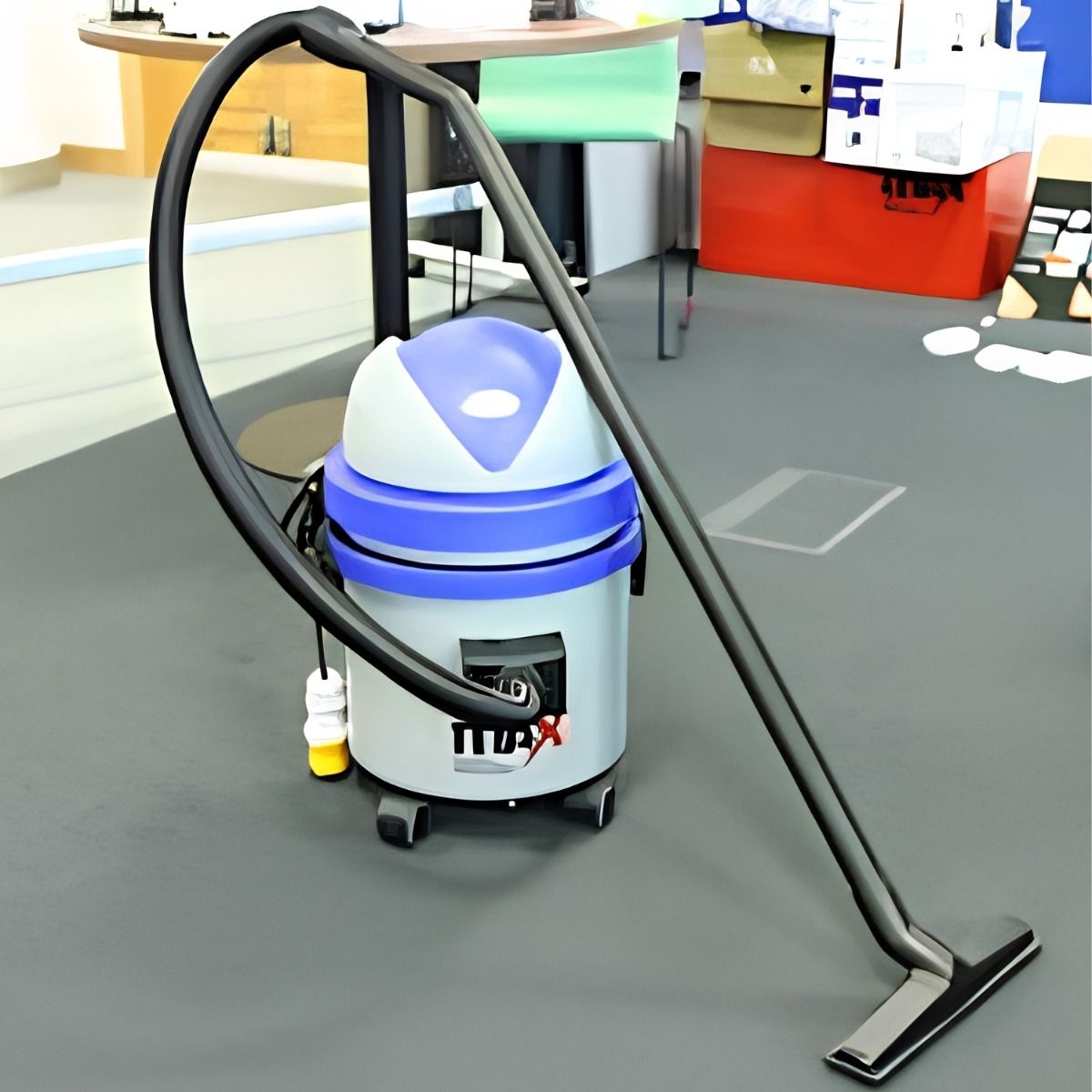
This 110V L-class vacuum cleaner is the standard compliance tool for UK construction sites where COSHH regulations require certified dust extraction for low-hazard materials. It suits site managers, carpenters, drylining operatives, and joinery contractors who need certified L-class extraction on 110V CTE supply. The wet and dry capability extends its use beyond dust extraction to general site cleanup including liquid spills and wet debris between trades.
Typical Applications
-
Extracting softwood dust at source during carpentry, joinery, and timber framing operations on construction sites.
-
Collecting gypsum and plasterboard dust during drylining, plastering, and boarding operations on new build and refurbishment projects.
-
Removing plaster dust during renovation and strip-out work on occupied or partially occupied buildings.
-
Extracting cork and soft board dust during floor laying, insulation fitting, and acoustic boarding.
-
Collecting Corian and composite surface dust during kitchen and worktop installation on fit-out projects.
-
Picking up wet spills and liquid debris during site cleanup between trades or after wet cutting operations.
-
General floor and surface cleaning in site areas served by 110V CTE transformer supply.
-
Welfare room and site office cleanup where 110V supply is the only available power source.
How to Use
Step 1: Connect the vacuum to a 110V CTE site transformer using the yellow 16A connector. Confirm the supply is active before switching on.
Step 2: Ensure the correct filter is fitted for the intended mode. Use the dry filter for dust extraction. Switch to the wet filter configuration for liquid pickup.
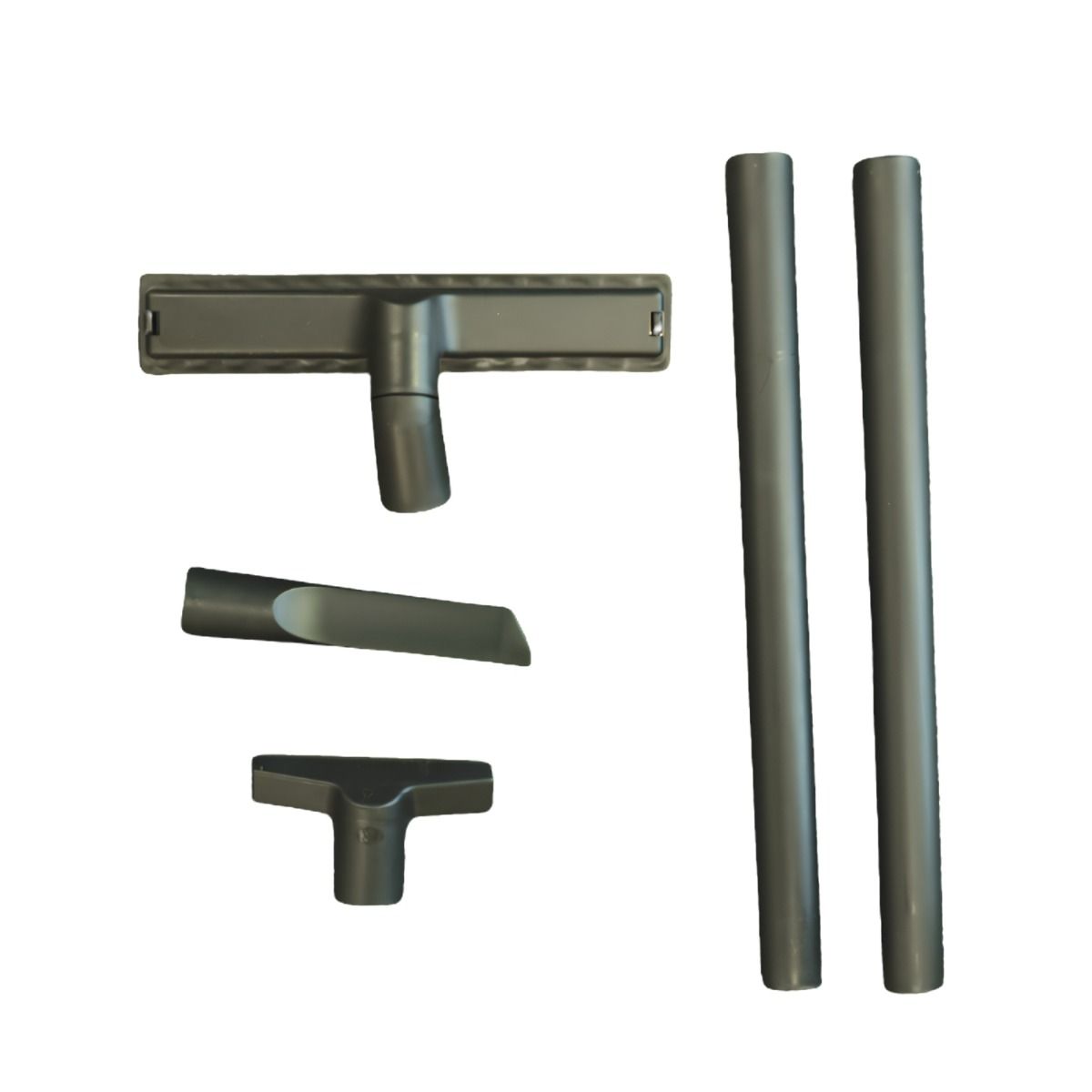
Step 3: Assemble the hose and required extension tube and attachment.
Step 4: Position the machine as close to the work area as practical. Suction performance drops over long hose runs.
Step 5: Switch on and position the nozzle at the dust source wherever possible. Extracting dust at source is significantly more effective than trying to capture airborne particles after they have dispersed.
Step 6: Empty the tank regularly during use. Do not allow the tank to overfill as this reduces suction and puts strain on the motor.
Step 7: Switch off and disconnect from supply before changing attachments, emptying the tank, or carrying out any maintenance.
Common Mistakes
-
Using this machine for M-class or H-class hazard dusts: L-class certification covers only dusts with a WEL above 1 mg/m3. Hardwood dust, concrete dust, and silica all require M-class minimum under COSHH. Using an L-class machine for these materials is non-compliant.
-
Connecting to 240V mains supply: this machine is designed for 110V CTE site transformer supply. Do not connect to 240V without confirming the machine is rated for dual voltage.
-
Allowing the tank to overfill: a full tank blocks suction and strains the motor. Empty at regular intervals during extended extraction sessions.
-
Extracting dust away from the source: positioning the nozzle near but not at the point of dust generation captures a fraction of what source extraction achieves. Keep the nozzle as close to the cutting or sanding point as the tool allows.
-
Leaving dust in the tank between shifts: empty the tank at the end of every session. Leaving fine dust in the tank overnight increases contamination risk when the machine is next moved or serviced.
Safety
This vacuum runs on 110V CTE site supply only. The CTE system limits maximum voltage to earth to 55V, meeting HSE guidelines for safe portable electrical equipment on UK construction sites. Do not connect to 240V mains without confirming the machine supports dual voltage operation. Never use this machine for dusts beyond the L-class specification: hardwood dust, silica dust, asbestos, and any material with a WEL at or below 1 mg/m3 require M-class or H-class equipment. Always fit the correct filter for the operating mode and never run the machine without a filter. Switch off and disconnect from supply before changing filters, emptying the tank, or carrying out any maintenance. IPX4 protection covers the motor housing against water splashing. This does not mean the machine is waterproof or rated for use in rain or exposed outdoor conditions.
Maintenance
Disconnect from supply before any maintenance. Clean filters in accordance with the manufacturer's instructions and allow them to dry completely before reinstalling. Empty the tank after every session and wipe the interior clean. Check the hose for blockage or damage before each use. Do not use abrasives or solvents on any part of the machine. Store in a dry, secure location when not in use.
Frequently Asked Questions
Q: What does L-class mean and which dusts is this vacuum certified for?
A: L-class is the first of three dust extraction classifications under BS EN 60335-2-69. It certifies the vacuum for safe collection of dusts where the workplace exposure limit (WEL) is greater than 1 mg/m3. In construction environments, that covers softwood dust, gypsum, plasterboard, plaster, cork, and Corian. An L-class certified machine meets the minimum compliance threshold for those materials under the Control of Substances Hazardous to Health Regulations 2002.
Q: What dusts is this vacuum NOT suitable for?
A: This machine must not be used for hardwood dust, which the HSE now classifies as a carcinogen requiring M-class extraction as a minimum. It must not be used for silica dust from cutting concrete, brick, or stone, which also requires M-class minimum. It is not suitable for asbestos, which requires H-class equipment. Any dust with a WEL at or below 1 mg/m3 exceeds the L-class specification. Using this machine for higher-hazard dusts is non-compliant under COSHH.
Q: What is the difference between L-class, M-class, and H-class dust extraction?
A: The three classes define the hazard level the machine is certified to handle. L-class (Low) covers dusts with a WEL above 1 mg/m3, including softwood, gypsum, and plasterboard. M-class (Medium) covers dusts with a WEL at or above 0.1 mg/m3, including hardwood, concrete dust, and silica. H-class (High) covers the most hazardous dusts including asbestos and certain carcinogens. Each class has progressively tighter filtration requirements and is independently certified. The correct class is a legal requirement under COSHH, not a preference.
Q: Why does this vacuum run on 110V and not 240V?
A: UK construction sites use 110V centre-tapped earth (CTE) supply as the standard for portable electrical equipment. The CTE transformer limits the maximum voltage to earth to 55V, significantly reducing the severity of electric shock in the event of a fault. This meets HSE guidelines for safe portable electrical equipment in construction environments and is the standard system on all managed construction sites in the UK.
Q: Does this machine meet HSE construction dust guidelines?
A: Yes, for L-class dust applications. HSE guidance on managing construction dust requires employers to use appropriate dust extraction equipment matched to the hazard level of the material being worked. An L-class certified machine meets the requirement for low-hazard dusts with a WEL above 1 mg/m3, including softwood, gypsum, and plasterboard. For higher-hazard dusts, M-class or H-class equipment is required.
Q: Can I use this vacuum for wet pickup as well as dust extraction?
A: Yes. This is a wet and dry vacuum, which means it collects both dry dust and liquid spills. The correct filter must be fitted for each mode. Do not run the machine without a filter fitted for either mode.
Q: Can I connect this vacuum to a 240V mains supply if a 110V transformer is not available?
A: This machine is rated for 110V operation. Do not connect it to 240V mains supply. On construction sites, connect only to the 110V CTE output from a site transformer via the yellow 16A connector.