
Hand sanitiser gel with 70% alcohol content, built for quick antibacterial hand hygiene on site and in the workplace.
- 70% alcohol content, antibacterial
- Rubs in dry, no water or towel needed
- Available in 100ml, 500ml, 1L and 5L
- Brand, designs, and format vary by size
- EN1276 and EN1500 certified
- Keep away from heat, sparks and open flame
Hand Sanitiser Gel - 70% Alcohol and Antibacterial
Hand sanitiser gel with 70% alcohol content, built for quick antibacterial hand hygiene on site and in the workplace.
- 70% alcohol content, antibacterial
- Rubs in dry, no water or towel needed
- Available in 100ml, 500ml, 1L and 5L
- Brand, designs, and format vary by size
- EN1276 and EN1500 certified
- Keep away from heat, sparks and open flame
Hand Sanitiser Gel - 70% Alcohol Antibacterial
Hand sanitiser gel formulated with 70% alcohol for fast, antibacterial hand hygiene when soap and water aren't available on site. It rubs into the skin within seconds, leaving hands clean without needing water, towels or a sink. Available across four sizes, from a 100ml bottle for site vehicles and welfare units up to a 5 litre jerry can for high traffic workplace dispensing.
How 70% alcohol delivers effective hand hygiene on site
Handwashing facilities aren't always within reach on a construction site, especially during groundwork, drainage or outdoor tasks away from the welfare unit. Going without hand hygiene between tasks increases the risk of spreading bacteria, particularly before eating or after handling shared tools and equipment. A 70% alcohol hand sanitiser gel gives workers an immediate way to clean hands without water, at a concentration recognised as effective for antibacterial hand hygiene.
Key Features
-
70% alcohol content: Sits within the concentration range recognised as effective for antibacterial hand hygiene, giving reliable protection between proper handwashes.
-
Fast drying formula: Rubs into the skin within seconds, so workers aren't left waiting around with wet hands mid task.
-
No water or towel required: Works anywhere on site, from the welfare unit to the back of a van, without needing access to a sink.
-
Available in four sizes: Ranges from a 100ml bottle for personal or vehicle use up to a 5 litre jerry can for high traffic dispensing points.
-
EN1276 and EN1500 certified on larger sizes: The 1L and 5L options carry recognised European standards for bactericidal effectiveness and hygienic hand disinfection.
Who is this for
Trades and roles:
-
Site operatives
-
Facilities managers
-
Health and safety officers
-
Welfare unit operators
-
Site managers
Industries:
-
Construction
-
Civil engineering
-
Facilities management
-
Warehousing and logistics
-
Public and community services
Specifications
| Specification | Detail |
| Product Name | Hand Sanitiser Gel - 70% Alcohol and Antibacterial |
| Parent Code | HSG |
| Product Type | Alcohol based hand sanitiser gel |
| Alcohol Content | 70% |
| Application | Antibacterial hand hygiene |
| Usage | Apply to palms, rub into skin until dry |
| Storage | Store in a cool, dry place, away from heat and ignition sources |
| Sizes Available | 100ml, 500ml, 1L, 5L, see variations table below |
| Brand and Format | Varies by size, see variations table below |
Variations
| SKU | Size | Brand | Format |
|---|---|---|---|
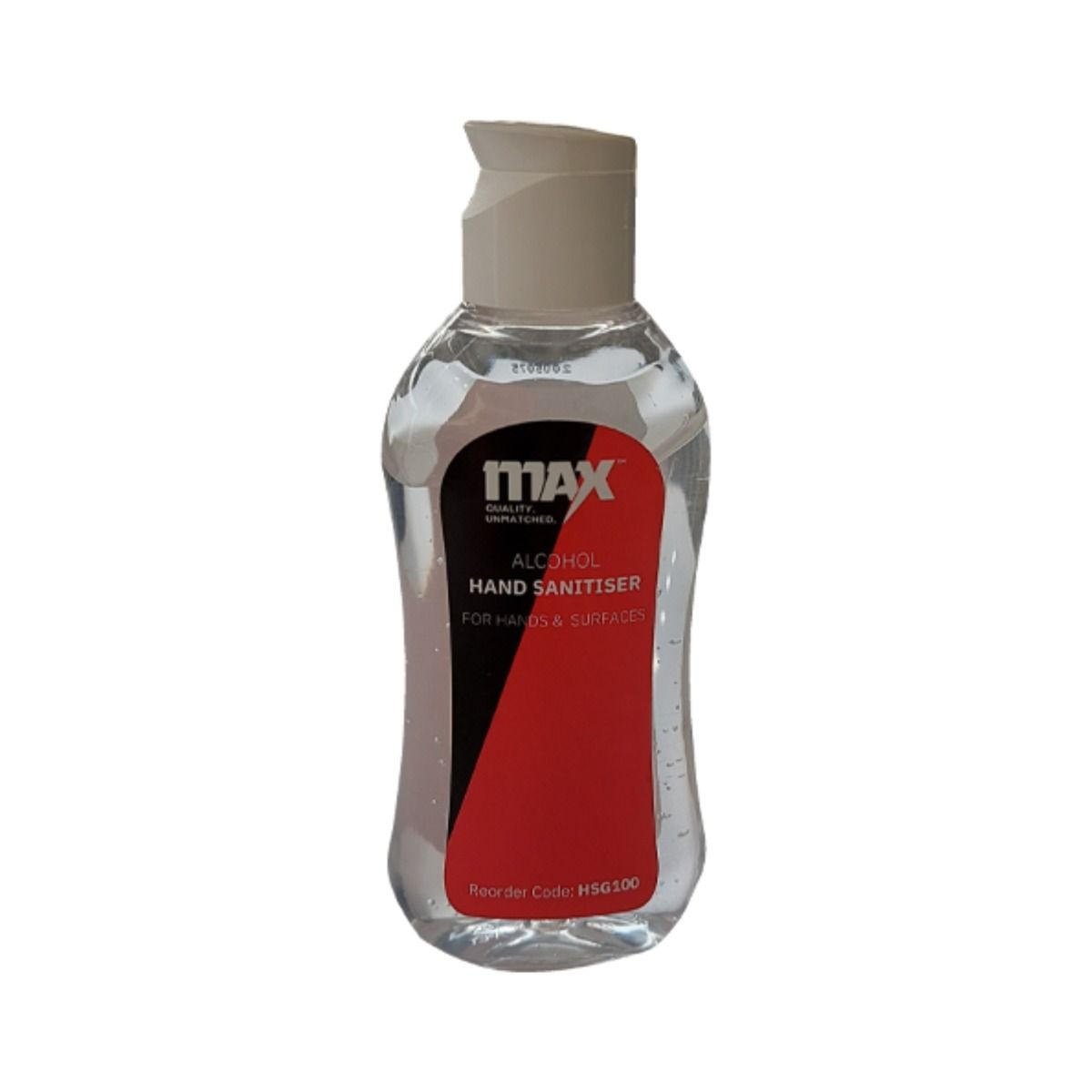
| HSG100 | 100ml | MAX | Bottle, flip cap |
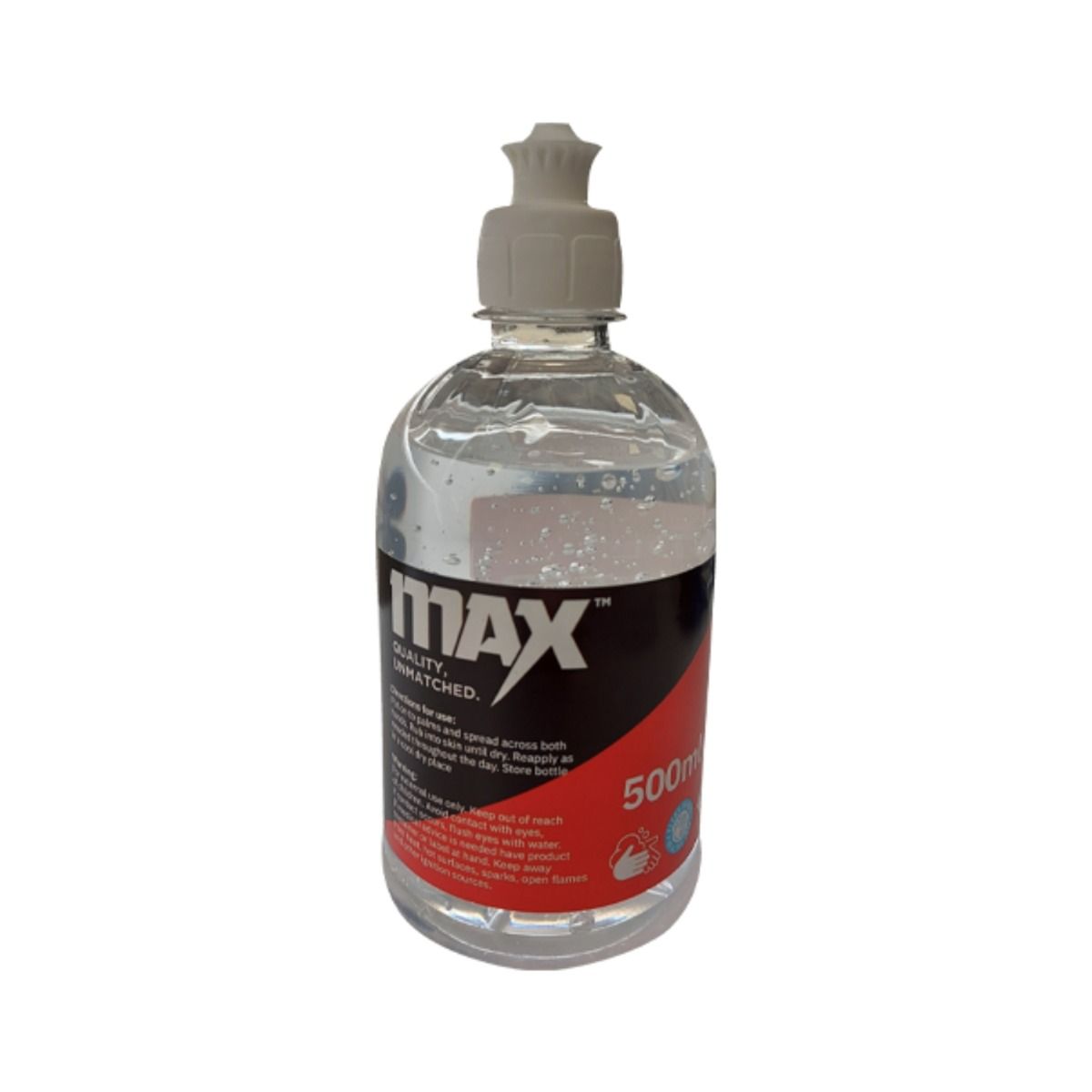
| HSG500 | 500ml | MAX | Bottle, pump |
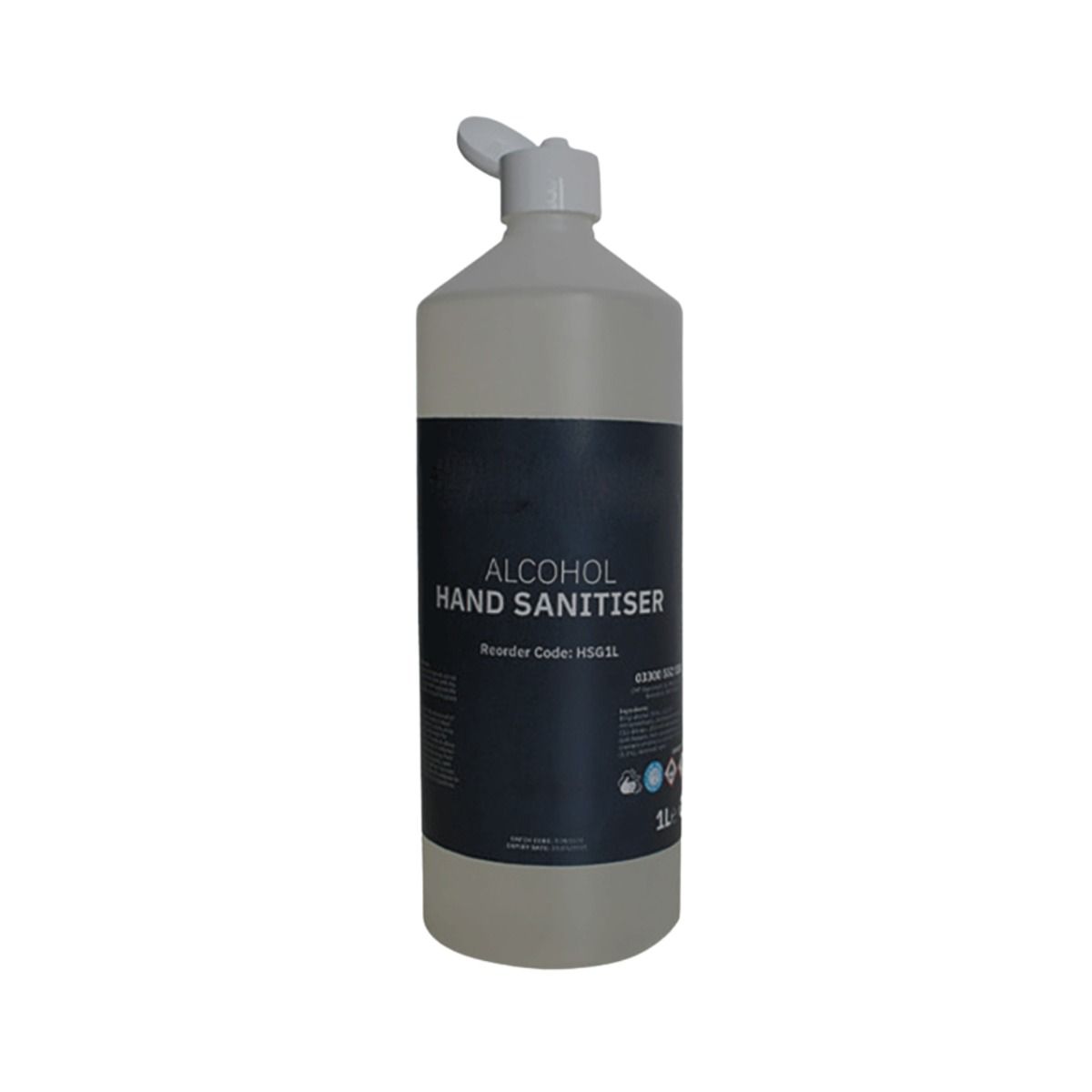
| HSG1L | 1L | CMT | Bottle, pump |
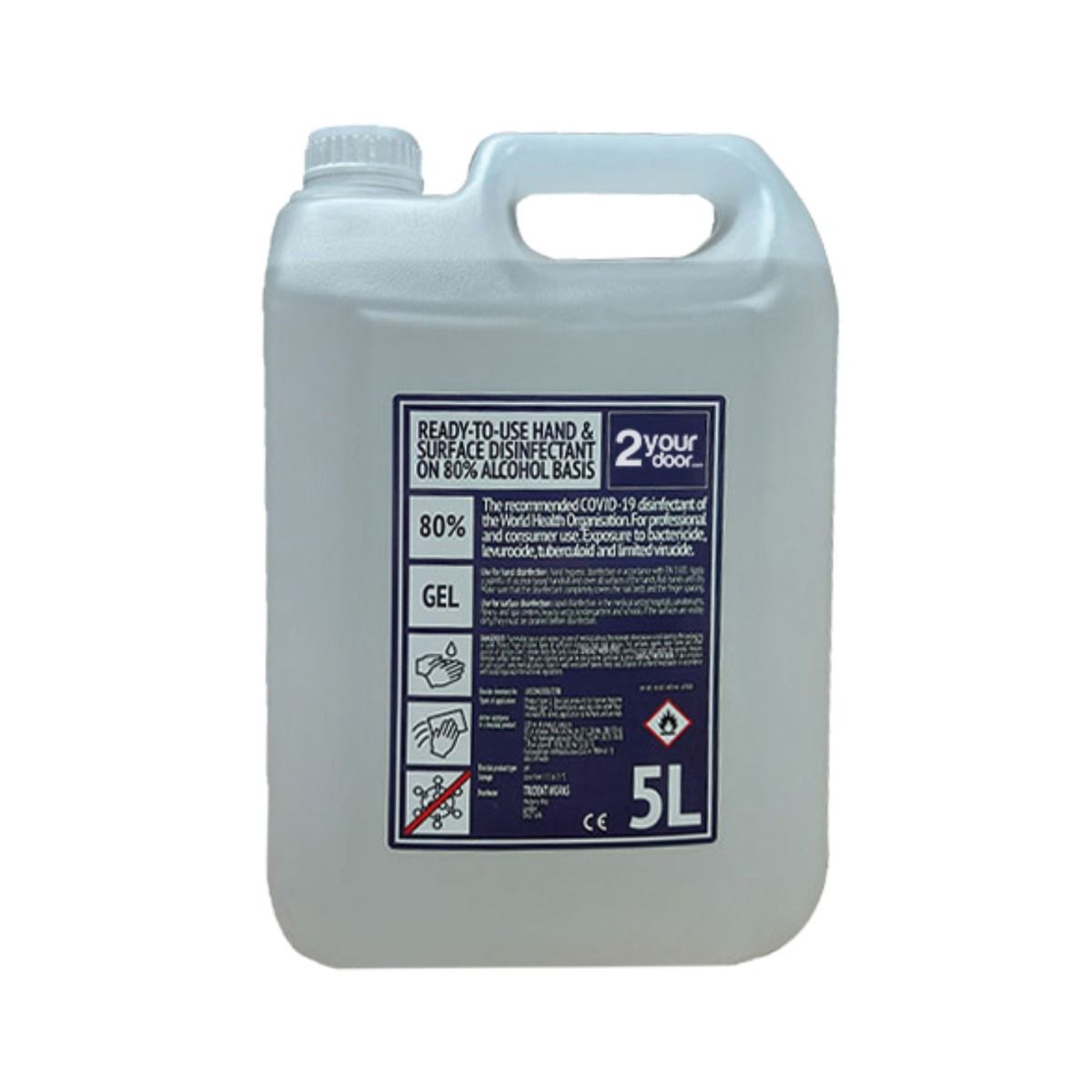
| JLSS05 | 5L | CMT | Jerry can |
Who is this for
This hand sanitiser gel is used across UK construction sites, facilities and workplaces wherever handwashing isn't immediately accessible. Site operatives keep smaller bottles in vehicles, tool bags or welfare units for use between tasks, while facilities managers and health and safety officers specify the 1L and 5L formats for dispensing points in canteens, entrances and high traffic areas. It suits any setting needing a fast, reliable alternative to soap and water.
Typical applications
-
Personal hand hygiene between site tasks when a sink isn't nearby.
-
Stocking welfare units and canteens with an accessible hand sanitising station.
-
Refilling wall mounted or freestanding dispensers in high traffic entrances and corridors.
-
Keeping vehicles and site cabins stocked with a compact hand sanitiser bottle.
-
Supporting hygiene protocols in facilities management and public access buildings.
-
Bulk dispensing at events, community halls or temporary work areas.
How to use
Step 1: Apply a small amount of gel to the palm of one hand.
Step 2: Rub hands together, covering palms, backs of hands and between fingers.
Step 3: Continue rubbing until the gel has dried fully, without wiping it off.
Step 4: Reapply as needed throughout the day, particularly before eating or after handling shared equipment.
Step 5: Store the bottle or jerry can in a cool, dry place away from heat and direct sunlight.
Common mistakes
-
Wiping hands dry before the gel has fully absorbed, which reduces its effectiveness.
-
Storing bottles near heaters, direct sunlight or other heat sources, since the formula is flammable.
-
Using hand sanitiser as a substitute for handwashing when hands are visibly soiled, rather than as a between-wash measure.
-
Leaving dispensers unrefilled at high traffic entrances, reducing consistent use across a site or building.
Safety
This product is alcohol based and flammable. Keep away from heat, hot surfaces, sparks, open flames and other ignition sources, and don't use near smoking areas. Keep out of reach of children, and keep the product container or label at hand if medical advice is ever needed.
Maintenance
Keep bottles and dispensers topped up at regular intervals, particularly at high traffic entrances and welfare units. Store unopened stock in a cool, dry place. Check bottle and pump mechanisms periodically for blockages or damage.
Frequently Asked Questions
Q: Is 70% alcohol enough to kill bacteria effectively?
A: Yes, 70% sits within the alcohol concentration commonly recognised as effective for antibacterial hand hygiene. It's high enough to break down bacterial cell membranes quickly while still being practical to apply as a rub-in gel without irritating skin excessively with repeated use.
Q: What do EN1276 and EN1500 mean, and which sizes carry them?
A: EN1276 is the European standard for bactericidal activity, confirming a product kills bacteria to a defined level under test conditions. EN1500 is the standard specifically for hygienic hand disinfection technique and effectiveness.
Q: What is this hand sanitiser gel NOT suitable for?
A: It's a hand hygiene product, not a substitute for washing visibly soiled or greasy hands with soap and water. It isn't formulated as a surface disinfectant, so it shouldn't be relied on for cleaning tools, equipment or worktops. Anyone with a known skin sensitivity to alcohol based products should patch test before regular use.
Q: Why choose a 70% alcohol gel over a lower strength sanitiser?
A: Lower alcohol concentrations, typically below 60%, are generally considered less effective at reducing bacteria on the hands. Sitting at 70%, this gel offers a stronger, faster acting formula while still drying quickly and comfortably enough for repeated daily use throughout a shift.
Q: Can this be used in cold weather or outdoor site conditions?
A: Yes, it works the same regardless of temperature, since it doesn't rely on water. In very cold conditions, some users find the gel takes slightly longer to feel fully dry on the skin, but effectiveness isn't affected.
Q: How long does a bottle typically last?
A: This depends on team size and how often it's used, but the 100ml and 500ml bottles suit individual or small team use, while the 1L and 5L formats are built for higher frequency dispensing across a welfare unit or entrance point. Keep an eye on levels and top up dispensers before they run dry.
