In this article
On UK roadworks and utility projects, blade selection is usually focused on segment height or price. In asphalt cutting, neither tells you how or when the blade will actually fail. The dominant failure mode in abrasive materials is not diamond wear — it is steel core erosion. The material grinds away the steel beneath the segment before the diamonds have done any meaningful work. This is called undercutting, and it is the single most common reason asphalt blades are replaced prematurely.
Understanding when undercut protection is necessary — and when it is not — is critical for controlling cost-per-cut, reducing downtime and specifying the correct blade from the CMT diamond blade range.
What Is Undercutting?
A diamond blade has two primary components: a steel core (the disc) and diamond segments (the cutting teeth welded to the rim). In normal operation, the segments gradually wear down as diamond particles grind through the material and are replaced by new layers exposed from the bond matrix. The steel core stays intact.
Undercutting reverses that equation. In abrasive materials, the slurry generated during cutting — a mixture of sharp sand, fine aggregate particles and water — attacks the steel core directly beneath the segment. Instead of the segment wearing first, the steel erodes from underneath it.
The progression is predictable:
Undercutting is not a manufacturing defect. It is a predictable, material-driven wear pattern. The question is not whether it will happen in abrasive cutting — it is how fast, and whether the blade is built to resist it.
Why Asphalt Is a "Steel Killer" on Site
Asphalt is not hard in the way granite or engineering brick is hard. It does not resist cutting pressure. Instead, it is highly abrasive — full of sharp sand, fine aggregates and bituminous binder particles that actively erode any unprotected steel surface they contact.
The same applies to green (freshly poured) concrete, cement screed, render, lignacite blocks and sandstone. These materials share a common characteristic: their aggregate content acts like sandpaper on the blade structure, concentrating wear on the steel core rather than the diamond segment.
This is the opposite of what happens in hard materials. Granite and cured reinforced concrete resist the blade — they are hard but not highly abrasive. The segment wears predictably, the steel core remains intact, and failure occurs when the diamonds are consumed. In abrasive materials, the steel fails first.
Asphalt does not resist cutting — it attacks the blade. The primary wear mechanism is steel erosion, not diamond consumption. Without undercut protection, the core fails before the segment has done any meaningful work.
What Undercut Protection Actually Does
Undercut protection reinforces the steel core directly beneath the diamond segment. It uses additional material — typically wider or offset drop segments, carbide inserts, or protective side coatings — to prevent abrasive slurry from eroding the critical zone where segment meets core.
It is important to understand what it does not do. Undercut protection does not change the bond hardness of the segment. It does not alter diamond concentration, grit size or cutting speed. It is purely a structural defence against abrasive steel wear.
When Undercut Protection Is Essential
If the primary cutting material is abrasive, undercut protection is not an upgrade — it is a specification requirement. The following materials all generate the kind of abrasive slurry that attacks steel cores:
If any of these is the primary application, omitting undercut protection increases the probability of premature blade failure, unexpected downtime and higher overall project cost — regardless of the purchase price of the blade.
Projects Where Skipping Undercut Protection Is a Costly Mistake
The lower purchase price of a non-protected blade rarely translates into lower overall cost. On projects involving sustained or repetitive abrasive cutting, the consequences of steel core failure compound rapidly:
In every case, the cost of blade failure — labour, machine idle time, replacement frequency and project risk — significantly exceeds the marginal cost of specifying undercut protection upfront.
Undercut Protection Across the CMT / OTEC Asphalt Blade Range
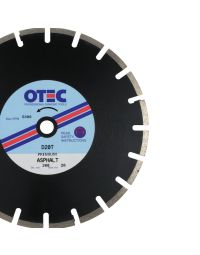
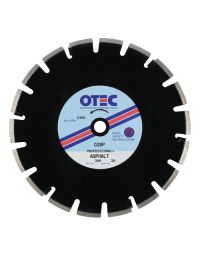
All four tiers of the CMT / OTEC asphalt blade range include undercut protection as standard. The tiers escalate in durability and cutting intensity — but the structural defence against abrasive steel wear is present across all of them.
Premium Range
Undercut protection for controlled abrasive cutting. Suitable for routine asphalt repairs and moderate cutting volumes. The entry point for specifying protected blades on asphalt-led projects.
Super Premium Range
Combines undercut protection with increased segment durability. Supports sustained cutting and longer working shifts on abrasive road surfaces without mid-shift blade changes.
Professional Range
Retains undercut protection while offering greater flexibility across site conditions and machine types. Supports regular asphalt work across varied project scales and mixed-material environments.
Professional Plus Range
Maximises both segment capacity and steel protection. Engineered for high-intensity, repetitive asphalt cutting where downtime must be minimised and cost-per-cut is the primary procurement metric.
Undercut protection in these ranges is not cosmetic and not optional — it is a structural requirement for abrasive environments. View the full asphalt blade range →
When Undercut Protection Is Not Required
If the primary cutting material is hard but not highly abrasive, undercut protection adds cost without meaningful benefit. In the following materials, the dominant wear mechanism is segment consumption — not steel erosion:
In these applications, correct bond configuration — matching the softness of the bond matrix to the hardness of the material — is more important than steel reinforcement. Hard materials do not generate the abrasive slurry that attacks the core.
This is precisely why asphalt blades and hard-material blades should never be used interchangeably. A blade designed for granite will glaze and overheat in asphalt. A blade designed for asphalt will wear through in minutes on granite. They are engineered for different failure modes. Browse the full CMT diamond blade range to match specification to material.
checklistProcurement Checklist: Do You Need Undercut Protection?
Before specifying a blade, answer these four questions. If the answer to any is yes, undercut protection is required.
Frequently Asked Questions
What is undercutting on a diamond blade?
Undercutting occurs when the steel core of a diamond blade erodes faster than the diamond segment wears down. In abrasive materials like asphalt, sharp sand and fine aggregate particles grind away the steel directly beneath the segment. Over time the steel thins, segment support weakens, vibration increases and the blade must be removed prematurely — or the segment detaches entirely. Undercutting is not a manufacturing defect; it is a predictable wear pattern in abrasive cutting environments.
Why does asphalt cause more blade damage than hard concrete?
Hard concrete resists cutting pressure but is not highly abrasive. Asphalt is the opposite: it is relatively soft but contains sharp sand, fine aggregates and bituminous particles that act like sandpaper on the steel core. The primary wear mechanism in asphalt cutting is steel erosion, not diamond segment consumption. Without undercut protection, the steel core can fail before the segment has done any meaningful work.
When is undercut protection essential?
Whenever the primary material is abrasive: asphalt road surfaces, utility reinstatement trenches, green concrete, cement screed, render, lignacite blocks, abrasive concrete pavers and sandstone. It is particularly important on continuous highways cutting, long floor saw runs, daily reinstatement and high-abrasion urban roadworks where downtime costs are significant.
When is undercut protection NOT required?
If cutting primarily involves granite, engineering bricks, hard natural stone or very hard cured concrete, steel core erosion is not the dominant failure mode. In these applications, bond configuration and diamond exposure rate matter more than steel reinforcement. Asphalt blades and hard-material blades should never be used interchangeably.
Does undercut protection change the bond hardness?
No. Undercut protection reinforces the steel core directly beneath the segment to resist abrasive erosion. It does not alter the bond matrix, diamond concentration or grit size. It is a structural defence against steel wear, not a change to the cutting characteristics of the segment itself.
Which CMT / OTEC asphalt blades include undercut protection?
All four tiers: Premium (routine repairs, moderate volumes), Super Premium (sustained cutting, longer shifts), Professional (varied project scales, multiple machine types) and Professional Plus (high-intensity, repetitive cutting where downtime must be minimised). Undercut protection across these ranges is a structural requirement, not an optional upgrade.