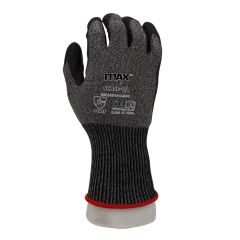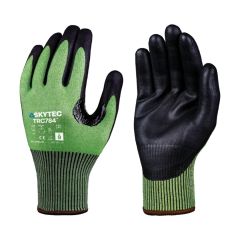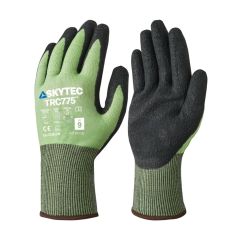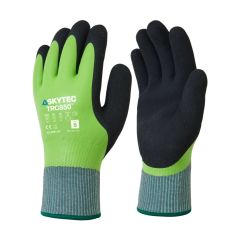

Cut Resistant Level F Gloves offering the highest EN388 cut protection for construction, glass handling, metal fabrication, and industrial work where sharp materials present a serious hand injury risk every day.
- EN388:2016+A1:2018 certified, rated 4X43F
- Level F (the highest cut resistance classification)
- CE and UKCA marked
- High-performance cut-resistant fibre construction throughout palm and fingers
- Excellent grip and abrasion resistance (Level 4 abrasion rating)
- Flexible and breathable design for a full shift without discomfort
- Lightweight construction for high dexterity alongside maximum cut protection
- Available in Size 7 (Small) and Size 8 (Medium)
- Supplied as one pair
Cut Resistant Level F Gloves - Glass Metal and Construction
Cut Resistant Level F Gloves offering the highest EN388 cut protection for construction, glass handling, metal fabrication, and industrial work where sharp materials present a serious hand injury risk every day.
- EN388:2016+A1:2018 certified, rated 4X43F
- Level F (the highest cut resistance classification)
- CE and UKCA marked
- High-performance cut-resistant fibre construction throughout palm and fingers
- Excellent grip and abrasion resistance (Level 4 abrasion rating)
- Flexible and breathable design for a full shift without discomfort
- Lightweight construction for high dexterity alongside maximum cut protection
- Available in Size 7 (Small) and Size 8 (Medium)
- Supplied as one pair
Cut Resistant Level F Gloves
There is a big difference between a glove that offers some cut resistance and one that offers the highest level the standard allows. If your work puts your hands close to sharp edges regularly, glass panels, sheet metal, rebar, blades, that difference matters more than almost anything else about the glove you choose.
These gloves are rated Level F under EN388:2016+A1:2018, the UK and European standard for mechanical protection in gloves. Level F is the top of the scale. It means the glove has been independently tested and confirmed to resist blade forces of 30 Newtons or more before cut-through, more than twice the threshold required for Level D, which most people already consider a high cut resistance specification. When you are handling glass panes, cutting around sheet metal edges, or working with rebar on a construction site, that extra resistance is what stands between a near-miss and a serious hand injury.
What makes these gloves practical as well as protective is the breathable, lightweight construction. High cut resistance gloves have a reputation for being hot, stiff, and uncomfortable, the kind of glove that comes off at the first opportunity because the discomfort outweighs the protection instinct. These are designed to stay on. The breathable back keeps hands cooler during extended wear, the flexible construction allows the dexterity needed for precise handling tasks, and the fit is close enough to give real tactile feedback without restricting movement.
What Level F cut resistance actually means
EN388:2016+A1:2018 grades cut resistance from Level A at the lowest end up to Level F at the top. The grading is based on the ISO 13997 TDM test, a straight-blade test that measures the force required to cut through the glove material. Level A requires resistance to just 2 Newtons of blade force. Level F requires resistance to 30 Newtons or more. To put that in context, a Level D glove, already considered high cut resistance, requires resistance to only 15 Newtons. Level F doubles that threshold. For tasks involving glass, sharp metal edges, and blades, the difference between Level D and Level F is the difference between adequate and genuinely protective.
Key Features
-
EN388:2016+A1:2018 rated 4X43F: Abrasion resistance Level 4, TDM cut resistance Level F, tear resistance Level 4, puncture resistance Level 3. The X in position 2 means the older Coup blade test was not conducted because the more accurate TDM test replaces it, X is not a gap or a failure, it is standard practice under the updated EN388 standard. Full explanation in the FAQ.
-
Level F cut resistance: The highest cut protection classification under EN388:2016+A1:2018. Required for tasks involving sharp blades, sheet metal, glass, and other high-cut-hazard materials where lower-rated gloves carry an unacceptable injury risk.
-
Level 4 abrasion resistance: Very good abrasion resistance confirmed by independent testing. The palm and finger sections hold up under sustained contact with rough and sharp materials without wearing through prematurely.
-
High-performance cut-resistant fibre liner: The glove is built around cut-resistant fibres that carry the Level F rating without making the glove rigid or bulky. The fibre construction balances maximum cut protection with the flexibility needed for practical handling.
-
Breathable back of hand: The uncoated back allows airflow across the hand during extended wear, reducing the heat and moisture build-up that causes operatives to pull gloves off between tasks. A glove that stays on provides real protection. A glove that gets removed does not.
-
CE and UKCA marked, Category II PPE: Independently certified for both the UK and European markets. Category II means an approved body has assessed and confirmed the gloves meet EN388:2016+A1:2018 at the rated performance levels, this is not a self-certification.
Who is this for
Trades and roles:
-
Construction operatives and site workers
-
Sheet metal workers and fabricators
-
Glaziers and glass handling operatives
-
Automotive and mechanical technicians
-
Warehouse operatives handling sharp packaged goods
-
General industrial maintenance workers
Industries:
-
Construction and civil engineering
-
Metal fabrication and manufacturing
-
Glass and glazing
-
Automotive and engineering
-
Warehousing and logistics
-
General industry and maintenance
Specifications
| Specification | Detail |
| Product name | Cut Resistant Level F Gloves - Glass Metal and Construction |
| Parent SKU | SCRSFHM |
| EN standard | EN388:2016+A1:2018 |
| EN388 rating | 4X43F |
| Abrasion resistance | Level 4 |
| Blade cut resistance (position 2) | X — TDM test used in place of Coup test |
| Tear resistance | Level 4 |
| Puncture resistance | Level 3 |
| TDM cut resistance | Level F — highest classification under EN388 |
| Certification | CE marked, UKCA marked |
| PPE category | Category II |
| Supply quantity | One pair |
Compatibility
| Application or condition | Status |
| Sharp edge and blade handling in construction and fabrication | ✓ Compatible |
| Sheet metal and metal edge handling | ✓ Compatible |
| Glass handling and glazing work | ✓ Compatible |
| Automotive and mechanical workshop tasks | ✓ Compatible |
| Warehouse and logistics handling of sharp packaged goods | ✓ Compatible |
| General industrial tasks involving sharp materials | ✓ Compatible |
| Chemical splash or liquid immersion | ✗ No EN374 rating |
| Heat and flame protection | ✗ No thermal rating |
| Electrical hazard protection | ✗ No electrical rating |
Who is this for
These gloves are for anyone whose hands regularly come into contact with materials that could cause a serious cut. That sounds straightforward but the range of people it covers is wider than most realise. Glaziers handling large panes where a sudden shift in load or an invisible edge flaw can cause an unexpected break. Sheet metal workers whose hands run along freshly cut edges dozens of times a day. Construction operatives working around exposed rebar, structural steel connections, and cut masonry where sharp contact is a routine part of the job. Automotive technicians reaching into engine bays where sharp brackets and clips catch skin without warning. Warehouse staff breaking down pallets with fixed blades or handling metal-bound packaging.
What all of these situations have in common is that the cut risk is real, regular, and not easily eliminated by the way the task is organised. The correct response is a glove rated to match the hazard, and for all of these tasks, Level F is the appropriate specification.
Typical applications
-
Handling sheet metal, steel sections, and metal fabrication components where cut edges present a regular hand injury risk during every lifting, positioning, and assembly operation.
-
Glass handling and glazing installation where sharp edges and smooth surfaces combine to create a high cut risk during every lift and placement, and where an unexpected break can produce extremely sharp fragments.
-
Construction tasks involving rebar handling, structural steel erection, and work around exposed metal edges where Level F cut protection provides a meaningful safety margin over lower-rated alternatives.
-
Automotive and mechanical workshop tasks involving sharp metal brackets, clips, and components where hands work in confined spaces close to edges that are difficult to see clearly.
-
Warehouse and logistics operations involving the handling and breaking down of sharply packaged goods, metal components, and materials where cut incidents are a consistent and underreported risk.
-
General industrial maintenance tasks involving work around sharp machinery edges, plant components, and engineering materials where unexpected contact with a sharp surface is always a possibility.
How to use
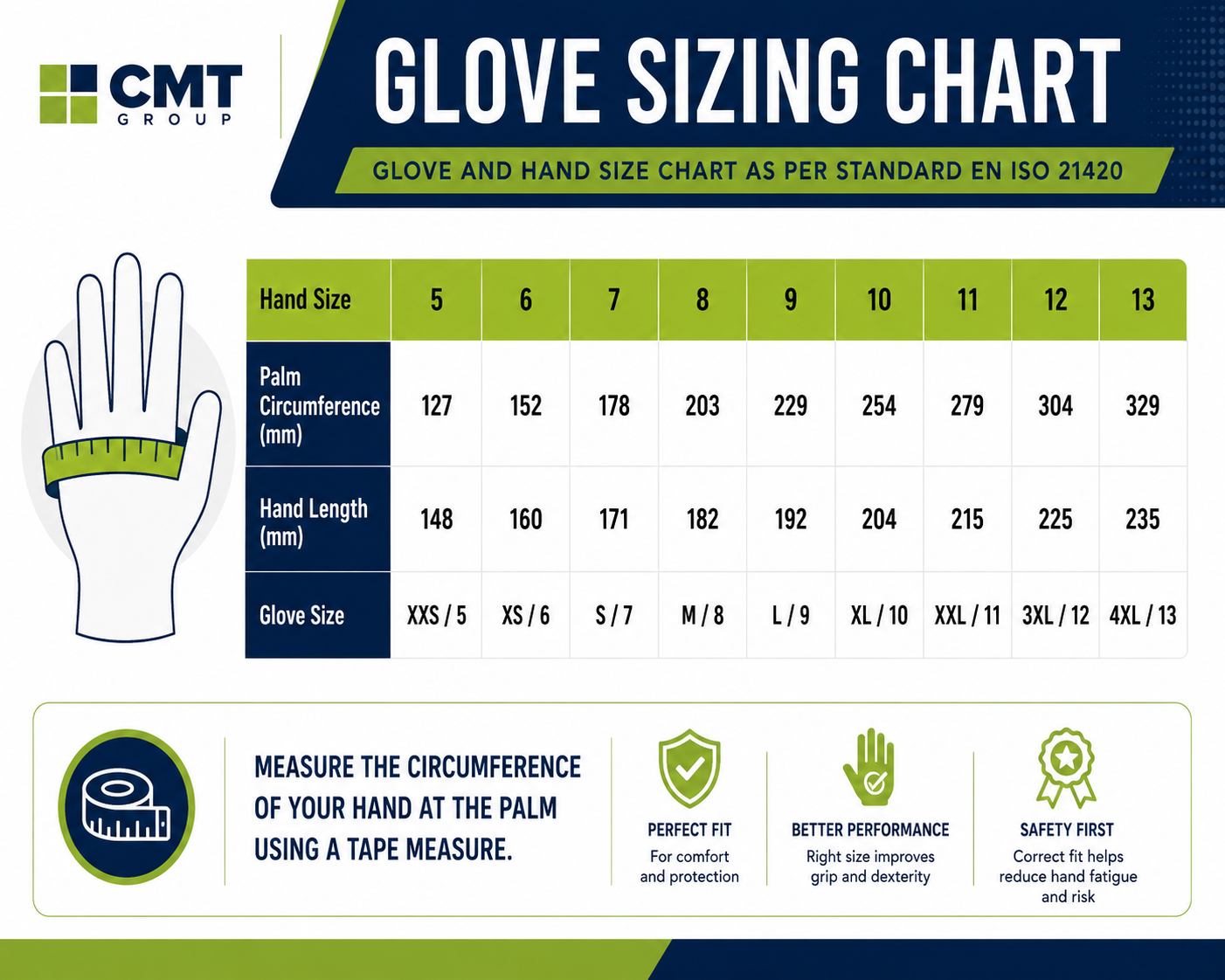
Step 1: Select the correct size before first use. Size 7 fits a small hand and Size 8 fits a medium hand. At Level F cut resistance, correct sizing matters more than with a general-handling glove. An oversized glove bunches at the fingertips, reducing dexterity and grip precision in exactly the situations where precise control of a sharp object is what protects you.
Step 2: Pull the glove fully onto the hand with all fingers completely seated. The glove should fit snugly across the palm and fingers without bunching or gaps at the fingertips.
Step 3: Before starting any task, inspect both gloves for cuts, abrasions, or visible damage to the palm and finger sections. A damaged cut-resistant liner in the palm or fingers means the glove should be replaced before use, not after the next shift.
Step 4: Use the gloves for the tasks they are rated for. Level F cut resistance covers sharp edges, blades, glass, and sheet metal. These gloves carry no chemical, thermal, or electrical protection rating. If the task involves any of those hazards, the appropriate rated glove for that hazard must be used separately or in combination.
Step 5: After each use, inspect again for cuts or wear. Clean if necessary. Replace when the cut-resistant liner shows visible wear, cuts, or damage, do not wait until the glove fails in use.
Common mistakes
Choosing the wrong size: A glove that is too large creates fingertip bunching that makes it harder to grip and control sharp materials accurately. A glove that is too small restricts circulation and causes discomfort that leads to the gloves being removed. Measure the hand circumference across the knuckles and size accurately — it matters more with cut-resistant gloves than with almost any other glove type.
Using cut-resistant gloves for chemical or thermal hazards: Level F cut resistance is a cut resistance rating, nothing more. These gloves provide no protection against chemical splash, liquid immersion, heat, or flame. If the task involves any of those risks alongside the cut hazard, the appropriate glove for each hazard must be specified and the risk assessment must confirm the combined protection is adequate.
Continuing to wear a glove that has been cut through: If the glove has taken a confirmed cut contact during use, the cut-resistant liner at that point may be compromised. Inspect it carefully and replace it if there is any doubt. A glove that looks intact on the outside may have a damaged liner that no longer provides rated protection.
Assuming Level F means the glove cannot be cut: Level F is the highest rated cut resistance under EN388 and provides excellent protection. It does not mean the glove is impervious to cutting under all circumstances. Use the gloves appropriately, replace them when they show wear, and do not treat cut-resistant certification as permission to take risks that a risk assessment would otherwise flag.
Safety
These gloves are Category II PPE certified to EN388:2016+A1:2018 rated 4X43F, CE and UKCA marked for UK and European market compliance. They must be used as part of a task-specific risk assessment under the Personal Protective Equipment at Work Regulations 1992. They provide cut, abrasion, tear, and puncture protection only. Employers have a legal duty to provide PPE appropriate to the identified risk and to ensure operatives are trained in its correct use, care, and replacement criteria. A glove that has been damaged in use must be replaced before the next task, not at the next scheduled replacement date.
Maintenance
After each use, inspect both gloves carefully for cuts or visible damage to the palm and finger sections. Clean by hand washing with mild detergent and allow to air dry naturally. Do not use abrasive cleaning methods, bleach, or solvent cleaners that could damage the cut-resistant fibre construction. Store clean and dry, away from sharp objects that could damage the glove material between uses. Replace when the palm or finger sections show visible wear or cuts, or when the glove has taken a confirmed cut contact that may have compromised the liner integrity.
Frequently Asked Questions
Q: What does the EN388:2016+A1:2018 rating of 4X43F mean?
A: EN388:2016+A1:2018 is the UK and European standard for gloves that protect against mechanical risks. The rating 4X43F breaks down position by position. Position 1 (4) is abrasion resistance at Level 4,very good. Position 2 (X) means the older Coup blade cut test was not conducted because the more modern and accurate TDM test in position 5 replaces it as the primary cut resistance measure. X is not a failure or a missing result. It is the correct notation under the updated standard when the TDM test is used. Position 3 (4) is tear resistance at Level 4. Position 4 (3) is puncture resistance at Level 3. Position 5 (F) is the TDM ISO 13997 cut resistance level, Level F, the highest classification in the standard.
Q: Why does position 2 show X rather than a number?
A: The X in position 2 simply means the older Coup test was not run because the TDM straight-blade test in position 5 replaces it under EN388:2016+A1:2018. The TDM test is more accurate and more relevant to real-world cut hazards than the Coup test, which is why the updated standard moved away from it. The cut protection performance of these gloves is fully captured by the Level F result in position 5. X is not a weakness or an omission. It is the correct and expected notation for a glove tested to the current standard.
Q: What is Level F cut resistance and how does it compare to other levels?
A: EN388:2016+A1:2018 grades cut resistance from Level A at the lowest end through to Level F at the top. The grading is based on the ISO 13997 TDM test, which measures the blade force required to cut through the glove material. Level A requires resistance to 2 Newtons of blade force. Level F requires resistance to 30 Newtons or more. Level D, which is already considered a high cut resistance level and is widely used in construction and fabrication, requires only 15 Newtons. Level F doubles that threshold. For tasks involving glass, sharp metal, and blades, the additional protection Level F provides over Level D is real and significant.
Q: What are these gloves NOT suitable for?
A: These gloves provide cut, abrasion, tear, and puncture protection only. They carry no EN374 chemical protection rating and must not be used for chemical splash or liquid immersion. They carry no thermal or flame protection rating and must not be used for heat, welding, or flame tasks. They carry no electrical protection rating and must not be used for electrical work. For any of those hazards, the appropriate rated glove for that specific risk must be used.
Q: How do I choose the right size?
A: Size 7 is a Small and Size 8 is a Medium. As a practical guide, measure the circumference of your dominant hand across the knuckles with fingers together. Around 17cm to 19cm typically corresponds to Size 7 Small. Around 19cm to 21cm typically corresponds to Size 8 Medium. If you fall between sizes, go up rather than down. A slightly larger glove is more comfortable and safer than one that restricts circulation or dexterity.
Q: Can the gloves be washed?
A: Yes. Hand wash with mild detergent and allow to air dry naturally. Do not use bleach, solvents, or abrasive cleaning materials that could damage the cut-resistant fibre liner. Inspect the palm and finger sections after washing before returning the gloves to use.
Q: Why buy these gloves from CMT Group?
A: CMT Group operates its own delivery fleet covering over 95% of the UK mainland. Order by 7pm for next-day delivery nationwide, with live tracking, real-time ETAs, and What3Words integration for precise delivery to any site entrance or compound. For safety officers and procurement teams managing PPE across multiple sites, the EDGE portal provides contract pricing, bulk ordering, role-based spending controls, and full delivery visibility from a single account.