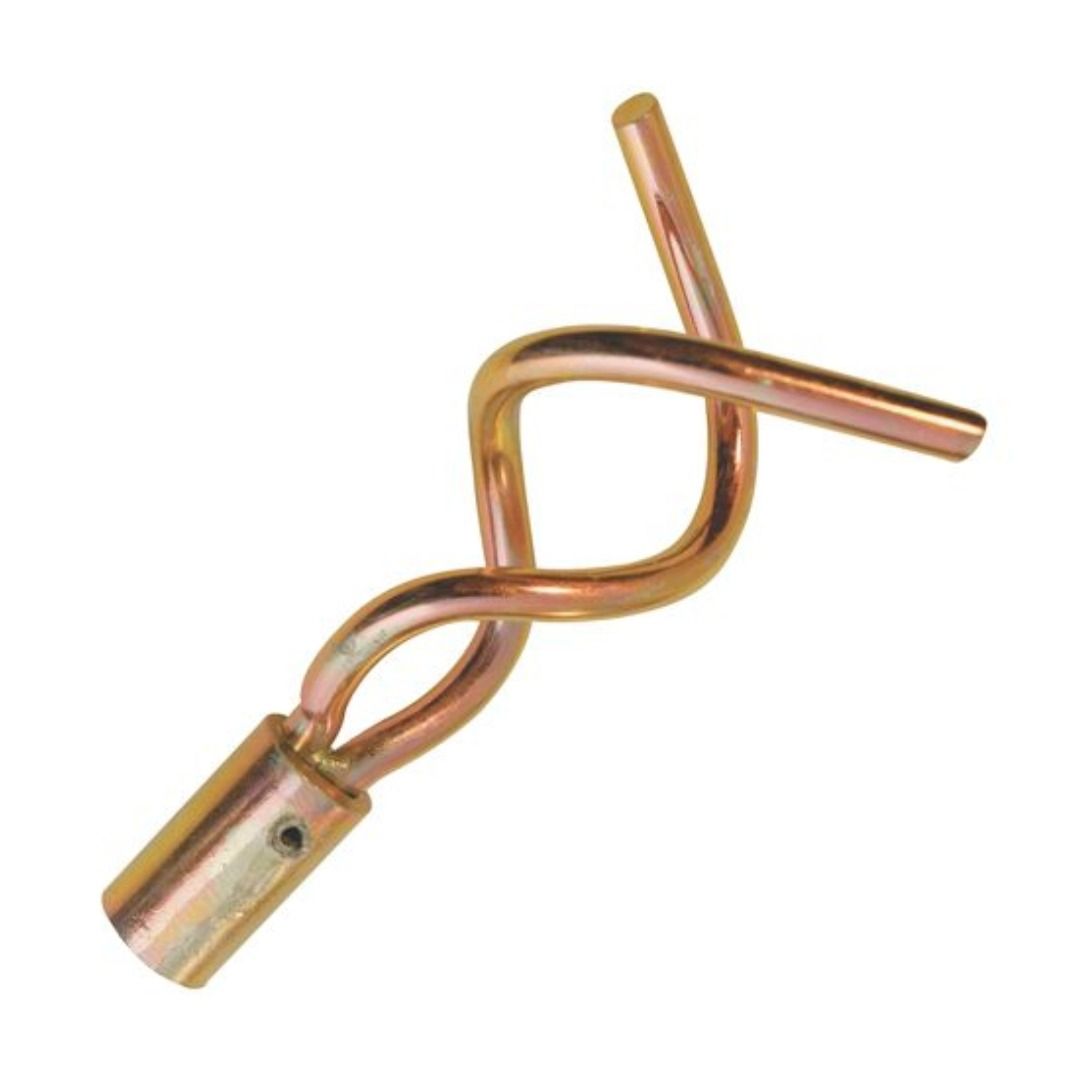
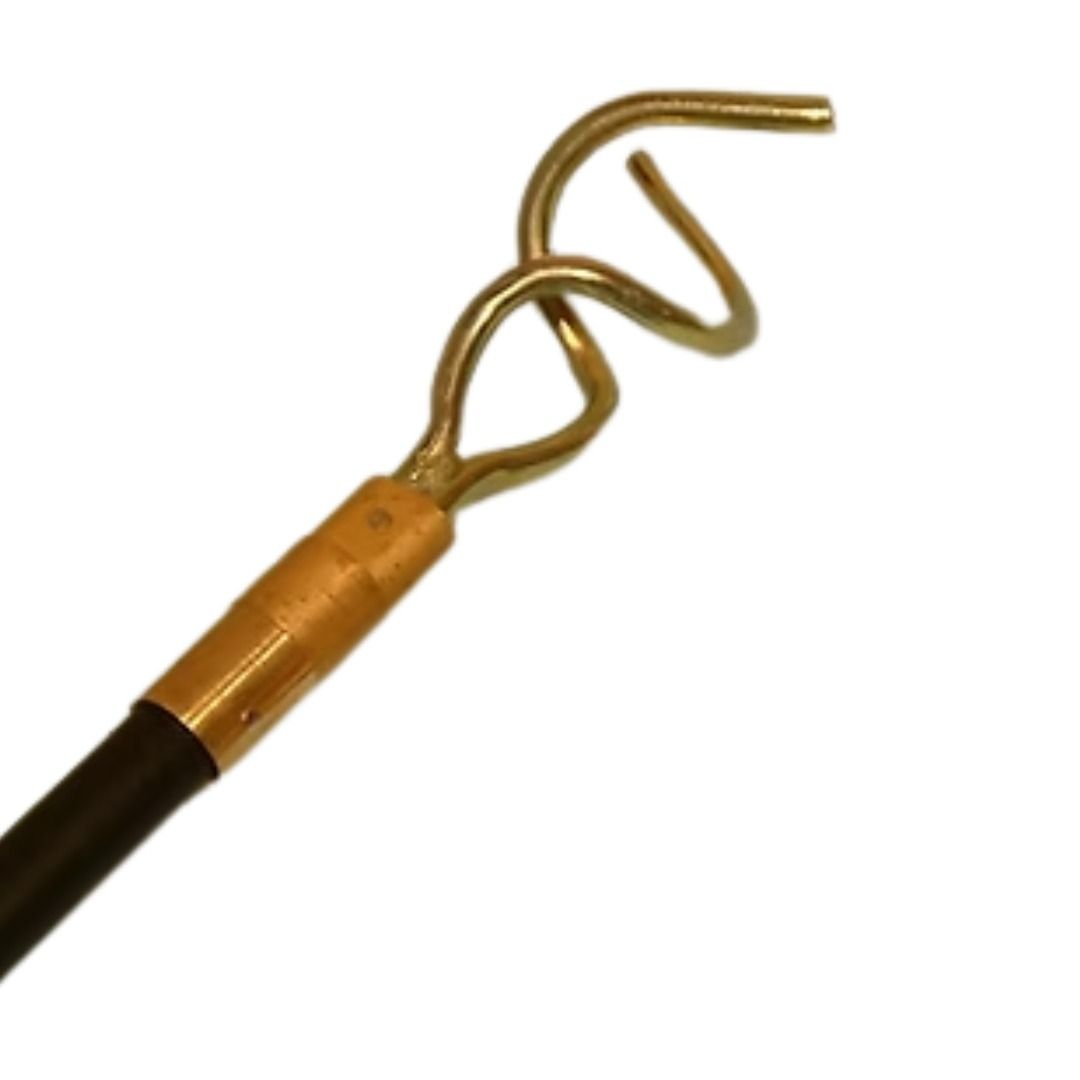
Double worm screw attachment for drain rods, designed to pierce and retrieve soft blockages including paper, rags, and similar obstructions from domestic and light commercial pipework.
- Twin-spiral design pierces soft blockages and retrieves them on withdrawal
- Universal fitting compatible with most standard drain rods
- Suited to paper, rag, and soft organic blockages
- Suitable for domestic and light commercial pipework
Double Worm Screw Drain Rod Attachment - Universal Fitting
Double worm screw attachment for drain rods, designed to pierce and retrieve soft blockages including paper, rags, and similar obstructions from domestic and light commercial pipework.
- Twin-spiral design pierces soft blockages and retrieves them on withdrawal
- Universal fitting compatible with most standard drain rods
- Suited to paper, rag, and soft organic blockages
- Suitable for domestic and light commercial pipework
- Buy 5 for £6.26 £5.22 each and save 14%
- Buy 10 for £5.35 £4.46 each and save 27%
| BULK DISCOUNT | 5 | 10 |
|---|---|---|
| Price | £5.22 £6.26 | £4.46 £5.35 |
Order 1x to earn 6 FASTPoints
Order to earn 6 FASTPoints
Log in to access trade discountsDouble Worm Screw Drain Rod Attachment
Drain rod attachment with a twin-spiral double worm design for piercing and retrieving soft blockages from domestic and light commercial drainage pipework. Where a plunger head shifts a blockage by pressure and a disc head pushes debris forward, the double worm screw takes a different approach, the twin spirals grip the fibrous structure of paper, rag, and similar soft material as the rod is rotated, locking the obstruction onto the head for retrieval when the rods are withdrawn.
Why twin spirals outperform a single worm on soft fibrous blockages
A single worm provides one point of grip on a soft blockage. In compressible material such as wet paper or tangled rags, a single spiral can rotate through the obstruction without gaining the purchase needed to pull it free. The double worm applies two simultaneous gripping points across a wider cross-section of the material, distributing grip evenly through the blockage and significantly improving the chance of securing it for clean retrieval on the first attempt.
Key Features
-
Twin-spiral geometry: Two interlocking spirals working together provide greater grip on soft, compressible blockage material than a single-spiral alternative.
-
Pierce and retrieve action: The worm is pushed into the blockage under rod rotation, allowed to grip, then withdrawn, bringing the obstruction back with it rather than pushing it further along the pipe.
-
Universal fitting: Compatible with most standard drain rod sets, avoiding the need to purchase a matching brand attachment.
-
Domestic and light commercial application: Sized and rated for residential drainage and light commercial pipework where paper, rag, and similar soft material blockages are the primary cause of obstruction.
Who is this for
Trades and roles:
-
Plumbers
-
Drainage engineers
-
Maintenance contractors
-
Facilities managers
-
Site managers
Industries:
-
Construction
-
Building and property maintenance
-
Facilities management
-
Commercial property
-
Residential property services
Specifications
| Specification | Detail |
|---|---|
| Product Name | Double Worm Screw Drain Rod Attachment - Universal Fitting |
| SKU / Product Code | DRDWS |
| Product Type | Drain rod attachment — double worm screw |
| Design | Twin-spiral double helix worm |
| Function | Pierces and retrieves soft blockages on withdrawal |
| Blockage Type | Paper, rags, and similar soft fibrous obstructions |
| Fitting | Universal — compatible with most standard drain rods |
| Pipework Suitability | Domestic and light commercial drainage |
Compatibility
| Blockage Type or Application | Status |
|---|---|
| Paper and tissue blockages | ✓ Suitable |
| Rag and fabric blockages | ✓ Suitable |
| Soft organic waste blockages | ✓ Suitable |
| Domestic drainage pipework | ✓ Suitable |
| Light commercial drainage pipework | ✓ Suitable |
| Solid or compacted blockages | ✗ Not designed for — use plunger or disc head |
| Root intrusion | ✗ Not suitable — use root cutter attachment |
Who is this for
Plumbers, drainage engineers, and maintenance contractors dealing with soft blockages in domestic and light commercial drainage systems where paper, rag, or similar fibrous material is the suspected cause. Particularly useful for facilities managers and site managers on construction sites where welfare unit toilets and drainage systems encounter blockages from paper and sanitary material during periods of high occupancy.
Typical applications
-
Clearing paper and tissue blockages from domestic toilet branch pipes and soil stacks where flushed material has accumulated and restricted flow.
-
Retrieving rag and fabric obstructions from light commercial drainage pipework in welfare units, commercial kitchens, and site facilities.
-
Removing soft organic material blockages from inspection chambers and accessible drain runs where a plunger has failed to shift the obstruction.
-
First-attempt retrieval of suspected soft blockages before escalating to more invasive drain clearing methods.
How to use
Step 1: Confirm the double worm head is securely threaded onto the lead drain rod section before inserting into the drain.
Step 2: Insert the rods into the drain opening and advance towards the blockage. Add rod sections as needed to reach the obstruction.
Step 3: When the worm contacts the blockage, apply gentle forward pressure combined with clockwise rotation. The twin spirals will work into the soft material.
Step 4: Once the worm has penetrated the blockage, maintain clockwise rotation and begin withdrawing the rods slowly. The worm grips the material and draws it back towards the access point.
Step 5: Remove the retrieved material from the drain opening. Flush the drain with water to confirm the obstruction has been cleared.
Step 6: Always rotate clockwise during both insertion and withdrawal. Anticlockwise rotation risks unscrewing the rod connections inside the drain.
Common mistakes
-
Rotating anticlockwise: drain rod connections are right-hand threaded. Anticlockwise rotation unscrews the sections inside the pipe, leaving rods stranded in the drain. Always rotate clockwise.
-
Using against solid or compacted blockages: the worm is designed for soft fibrous material. Against a solid blockage, forcing the head will not retrieve the obstruction and risks damaging the attachment or the pipework.
-
Pushing too hard before the worm has gripped: applying excessive forward pressure before the spirals have engaged the blockage pushes the material further into the drain rather than retrieving it. Apply moderate pressure and allow the rotation to do the work.
-
Withdrawing too quickly: fast withdrawal can pull the worm free of the material before it has fully cleared the pipe. Withdraw slowly and steadily.
Safety
Work with appropriate PPE when clearing drainage blockages, nitrile rubber gloves and eye protection are recommended when handling drain rods in proximity to wastewater. Wash hands thoroughly after any drain clearing work. Dispose of retrieved blockage material in accordance with the site waste management plan.
Maintenance
Rinse the double worm head with clean water after each use to remove any retained waste material. Inspect the worm spirals and coupling for deformation or damage before reuse. Store clean and dry alongside the drain rod set.
Frequently Asked Questions
Q: What is the difference between a double worm and a single worm drain rod attachment?
A: A single worm provides one spiral grip point on a soft blockage. In compressible material such as wet paper or tangled fabric, a single spiral can rotate through the obstruction without securing it firmly enough for clean retrieval. The double worm applies two simultaneous grip points across a wider cross-section, providing significantly better purchase on soft, fibrous material and improving first-attempt retrieval rates.
Q: What blockage types is this designed for?
A: The double worm is designed specifically for soft, fibrous blockages, paper, tissue, rags, fabric, and similar material that the spiral can physically grip and retrieve. It is not the correct tool for solid, compacted, or root-based blockages where a different head type is required.
Q: What should I use instead for a solid or root blockage?
A: For solid or compacted blockages, a plunger or disc head generates the hydraulic pressure needed to shift the obstruction. For root intrusion into pipework, a root cutter attachment is the appropriate tool. Using a worm screw against a solid or root blockage will not clear the drain and risks damaging the attachment.
Q: Will this fit my existing drain rods?
A: The attachment is described as a universal fitting compatible with most standard drain rods. Thread size should be confirmed from the product label before ordering, as some drain rod manufacturers use proprietary thread standards. If you are unsure whether your rod set uses a standard thread, contact CMT Group before ordering.