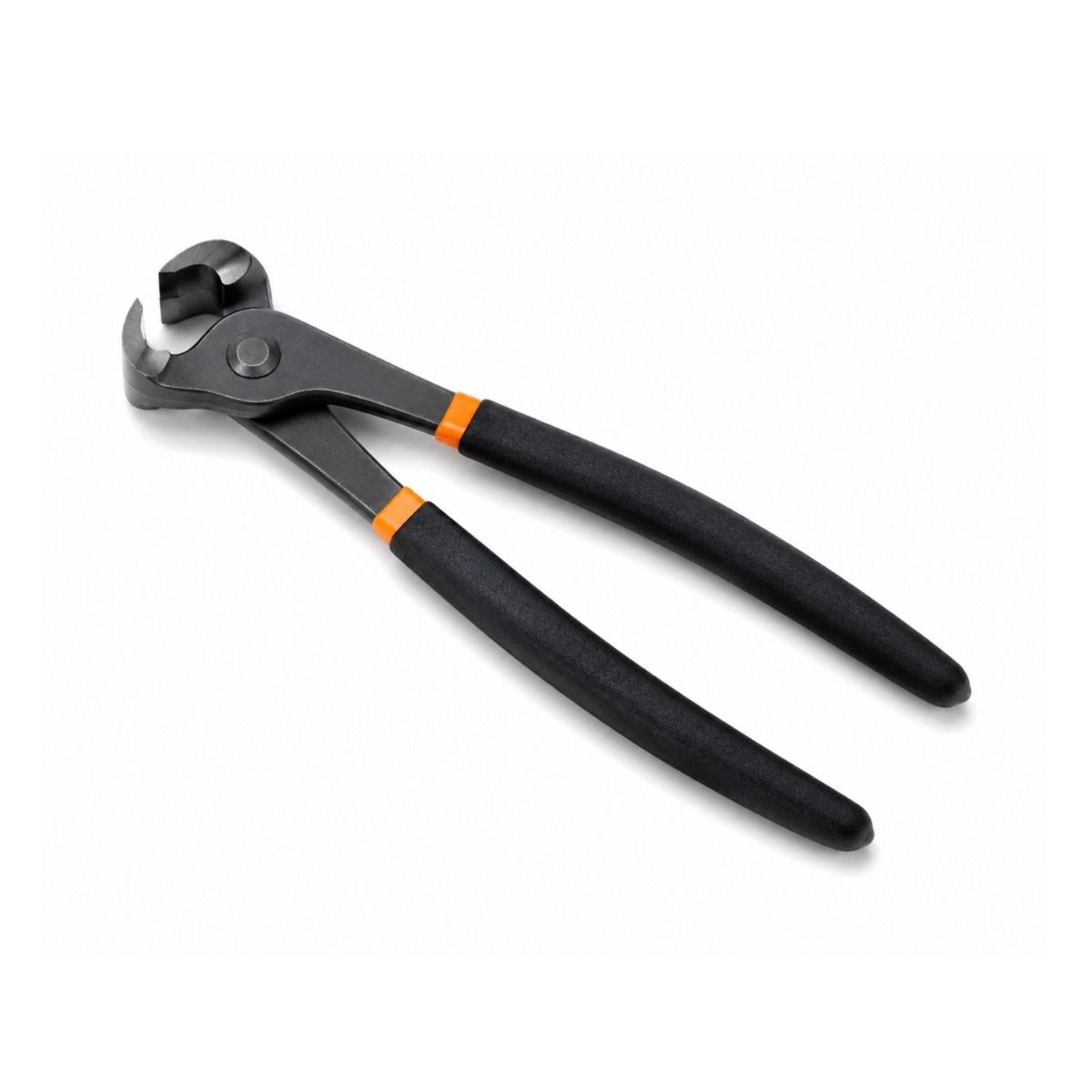
A 150mm (6 inch) drop forged carbon steel end cutter for wire cutting, nail pulling, and close-quarter work on construction sites and in general trade use.
- Drop forged construction, stronger and tougher than cast alternatives
- Carbon steel, manufactured to DIN standards for strength and rigidity
- End-cutting head for flush cuts against flat surfaces
- 150mm (6 inch) overall length for confined space access
- Suitable for wire, cable ties, nails, and soft steel rod
150mm End Cutters - Drop Forged Carbon Steel
A 150mm (6 inch) drop forged carbon steel end cutter for wire cutting, nail pulling, and close-quarter work on construction sites and in general trade use.
- Drop forged construction, stronger and tougher than cast alternatives
- Carbon steel, manufactured to DIN standards for strength and rigidity
- End-cutting head for flush cuts against flat surfaces
- 150mm (6 inch) overall length for confined space access
- Suitable for wire, cable ties, nails, and soft steel rod
- Buy 12 for £5.74 £4.78 each and save 4%
| BULK DISCOUNT | 12 |
|---|---|
| Price | £4.78 £5.74 |
Order 1x to earn 4 FASTPoints
Order to earn 4 FASTPoints
Log in to access trade discounts150mm End Cutters
A 150mm (6 inch) drop forged carbon steel end cutter for wire cutting, nail pulling, and close-quarter work on construction sites and in general trade environments. The end-cutting head positions the cutting faces at the front of the tool, allowing flush cuts against flat surfaces that side-cutting pliers cannot reach. Drop forging produces a denser steel structure than casting, giving the cutting faces and pivot the toughness required for sustained site use. Manufactured to DIN standards for dimensions, materials, and quality.
Why Drop Forging Matters for a Cutting Tool
When a tool is drop forged, a steel billet is shaped under extreme pressure, which aligns the grain structure of the metal with the form of the tool. This produces greater strength and toughness in the blade and pivot areas where the cutting load is highest. Cast steel tools have a random grain structure and are more likely to chip or deform under repeated load. For a tool that concentrates force through a narrow cutting edge every time it is used, the grain alignment achieved by drop forging is what determines how long the cutting faces remain serviceable under daily trade use.
Key Features
-
Drop forged carbon steel: Shaped under high pressure for a denser, tougher grain structure than cast alternatives. Manufactured to DIN standards for strength and rigidity.
-
End-cutting head geometry: Cutting faces positioned at the front of the tool, perpendicular to the handle axis. Cuts flush against surfaces where side-cutting pliers cannot access or angle correctly.
-
150mm (6 inch) length: Compact overall length for close work and confined spaces where a larger tool cannot manoeuvre or open wide enough to grip.
-
DIN standard manufacture: Produced to the German industrial standard for pliers, covering dimensions, material specification, hardness, and manufacturing quality.
-
Wire and nail pulling capability: The end-cutting head grips nail heads and wire cleanly for flush removal, a task side-cutting pliers cannot perform at the same angle.
Who Is This For
Trades and roles:
-
Carpenters and joiners
-
General builders and site operatives
-
Groundworkers and concreters
-
Electricians
-
Maintenance contractors
Industries:
-
Construction
-
Carpentry and joinery
-
Electrical installation
-
General site maintenance
Specifications
| Specification | Detail |
| Product Name | 150mm End Cutters - Drop Forged Carbon Steel |
| SKU | NCPEC150 |
| Overall Length | 150mm (6 inch) |
| Material | Carbon steel |
| Manufacturing Method | Drop forged |
| Standard | DIN standard |
| Head Type | End cutting |
| Primary Application | Wire cutting, nail pulling, soft steel rod |
Compatibility
| Application or condition | Status |
| Wire and cable cutting | ✓ Compatible |
| Nail pulling from timber | ✓ Compatible |
| Soft steel rod | ✓ Compatible |
| Cable ties and plastic straps | ✓ Compatible |
| Flush cutting against flat surfaces | ✓ Compatible |
| Close-quarter and confined space work | ✓ Compatible |
| Hardened steel or masonry nails | ✗ Not suitable (will chip the cutting edge) |
| High-tensile wire or stainless steel wire rope | ✗ Not suitable |
| Use as a pry bar or lever | ✗ Not suitable (will damage pivot and jaws) |
| Live electrical conductors without isolation | ✗ Not suitable |
Who Is This For
The 150mm end cutter is a standard compact hand tool for construction site operatives, carpenters, joiners, and general trade workers who need to cut wire, pull nails flush, or work in confined spaces where a larger tool cannot reach. The 6 inch overall length makes it particularly useful for nail removal from finished surfaces and for wire cutting in tight spaces during first and second fix electrical and carpentry work.
Typical Applications
-
Cutting wire and cable ties flush to the surface during carpentry, joinery, and first fix installation.
-
Pulling nails from timber during strip-out, refurbishment, formwork striking, and general site clearance.
-
Cutting soft steel rod and binding wire during concrete tying and reinforcement work.
-
Removing protruding nail heads flush to the surface of finished or dressed timber.
-
Close-quarter wire cutting in confined spaces where diagonal side-cutters cannot open far enough to grip.
-
Cutting hose clips, fixings, and strapping during plant and equipment maintenance.
How to Use
Cutting wire or rod:
Step 1: Position the cutting jaws around the wire or rod. Ensure the cutting faces are in full contact, not gripping at an angle.
Step 2: Apply even closing pressure through the handles. For harder wire within the tool's capacity, apply steady controlled force rather than a sharp snap.
Pulling nails:
Step 1: Hook the end-cutting jaws under the nail head, seating the nail shaft into the jaw groove.
Step 2: Apply lever pressure with a controlled rocking motion. For deep nails, place a timber offcut under the head as a fulcrum to protect the surface and increase leverage.
After use:
Step 3: Wipe the cutting faces and pivot clean. Apply a light oil film before storage if conditions are damp.
Common Mistakes
-
Using on hardened steel or masonry nails: end cutters in this class are designed for wire and soft steel nails. Attempting to cut hardened fixings will chip or deform the cutting edge.
-
Gripping at an angle: the cutting faces must be parallel to and in full contact with the material. Off-axis cuts reduce efficiency, bend the material rather than cutting it, and accelerate edge wear.
-
Using as a pry bar: end cutters are a cutting tool, not a lever. Applying lateral loads to the head stresses the pivot joint and can crack the jaws at the fulcrum point.
-
Cutting oversized material: do not attempt to cut wire or rod significantly thicker than the tool's standard capacity. Oversized material risks damaging both the cutting faces and the pivot.
Safety
Wear appropriate eye protection when cutting wire or nails. Cutting operations can eject fragments at speed, particularly when cutting under tension. Ensure the work area is clear of bystanders before making cuts. Do not cut live electrical conductors without confirming the circuit is isolated. Inspect the cutting faces and pivot before each use. Do not use a tool with cracked jaws, chipped cutting faces, or a loose or worn pivot.
Maintenance
Wipe the cutting faces and pivot clean after each use to remove debris and moisture. Apply a light oil film to the pivot and cutting faces before storage, particularly in damp or outdoor site conditions. Do not use abrasive cleaners on the cutting faces. The cutting faces cannot be reliably re-sharpened in the field without altering the cutting geometry. Replace the tool when the cutting faces show significant wear, rolling, or chipping that reduces cutting performance.
Frequently Asked Questions
Q: What is the difference between end cutters and side-cutting pliers?
A: End cutters have cutting faces at the front of the tool, positioned at the tip perpendicular to the handle axis. This allows flush cuts against flat surfaces and access to confined spaces where side-cutting pliers cannot position correctly. Side-cutting or diagonal pliers have cutting faces on the side, angled to the handle. End cutters are the correct choice when a flush cut against a surface is needed, or when working in a tight space where diagonal cutters cannot open wide enough to grip the material.
Q: What can these end cutters cut?
A: These end cutters are designed for wire, soft steel nails, cable ties, and soft steel rod within the standard capacity range for a 150mm tool. They are not suitable for hardened steel nails, high-tensile wire, stainless steel wire rope, or any material significantly harder than soft carbon steel.
Q: What does drop forged mean and why does it matter?
A: Drop forging shapes a steel billet under extreme pressure, which aligns the grain structure of the metal with the form of the finished tool. This produces a denser, stronger, and more impact-resistant structure than cast steel. For a cutting tool that concentrates force through a narrow edge under every use, the aligned grain structure of drop-forged steel gives the cutting faces greater durability under sustained daily site use compared with cast alternatives.
Q: What does DIN standard mean for these cutters?
A: DIN is the German Institute for Standardisation. DIN standards for pliers and cutting tools define requirements for dimensions, material specification, hardness, and manufacturing quality. A tool manufactured to DIN standard has been produced to a defined specification for strength and rigidity, giving trade buyers a quality reference point rather than relying on an unspecified generic alternative.
Q: Can these be used to pull nails?
A: Yes. Hooking the end-cutting jaws under a nail head and applying a controlled rocking lever motion draws the nail from timber. For deep or stubborn nails, use a timber offcut under the head as a fulcrum to protect the surface and increase the lever advantage. Nail pulling is one of the primary applications for end cutters in carpentry and general site work.
Q: What is this tool NOT suitable for?
A: Do not use on hardened steel nails, masonry fixings, or high-tensile wire. Do not use as a prying or levering tool. Do not cut live electrical conductors without confirming isolation. Do not use a tool with cracked jaws, chipped cutting faces, or a loose pivot.
Q: How do I maintain the cutting faces?
A: Wipe clean after each use and apply a light oil film before storage. The cutting faces cannot be reliably re-sharpened in the field without affecting cutting geometry. Replace the tool when the faces show significant wear or chipping that noticeably reduces cutting performance.