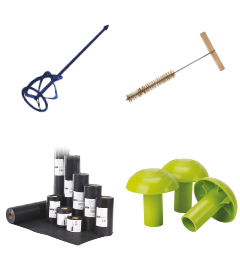
Concrete & Formwork Equipment and Fixings

Concrete and formwork equipment helps your team prepare, pour, finish and test concrete on active construction sites. CMT Group supplies trade-ready products for concreting, formwork preparation, concrete testing, release agent application, fixings and general site support ... Concrete and formwork equipment helps your team prepare, pour, finish and test concrete on active construction sites. CMT Group supplies trade-ready products for concreting, formwork preparation, concrete testing, release agent application, fixings and general site support. You can use the ranges below to find concreting tools, concrete accessories, formwork oil sprayers, fixings and fastenings, chemicals, grouts, sealants and concrete testing equipment. The range supports concrete pours, formwork preparation, release agent application, grouting, sealing, concrete sampling and related site work where product data supports the use. For larger requirements, CMT Group can support stock checks, repeat procurement, depot replenishment and same-day or next-day UK delivery on stocked lines. read more...read less
Choose the right concrete and formwork range
| Product range | Best for | Key buying checks | Typical products |
|---|---|---|---|
| Concreting Tools | Placing, levelling, screeding and finishing concrete surfaces on active construction sites. | Tool type, compatible surface material, application phase (placement, finishing or screeding) and surface finish required. | Concrete floats, steel trowels, screeds, dapple bars, concrete rakes, bull floats and associated concreting hand tools. |
| Concrete Accessories | Reinforcement support, concrete pour preparation and associated accessory requirements on construction sites. | Spacer type and size, reinforcement bar or mesh compatibility, cube mould size (100mm or 150mm) and project requirement where relevant. | Concrete spacers, cover chairs, cube moulds, tie wire, reinforcement accessories and pour preparation products. |
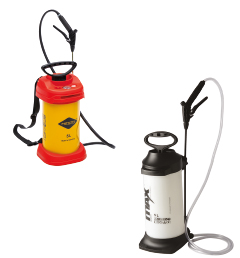
| Formwork Oil Sprayers | Applying release agent evenly to formwork, shuttering and mould surfaces before each concrete pour. | Sprayer capacity, compatible release agent type and formwork area to be treated. | Pressure sprayers for formwork and shuttering release agent application, including MAX brand sprayers. |
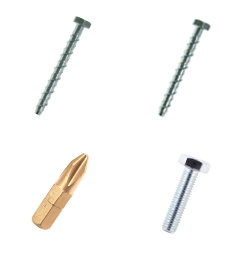
| Fixings & Fastenings | Structural fixing, formwork assembly, concrete connections and general construction fastening on site. | Fixing type, load requirement where stated in product data, substrate material, thread type and pack quantity. | Anchors, bolts, screws, ties, formwork fixings, concrete fixings and general fastenings from brands including RawlPlug and Richard Carters. |
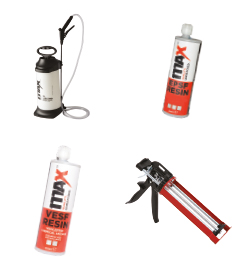
| Chemicals, Grouts & Sealants | Concrete repair, grouting, bonding, sealing and release agent application in concrete and construction work. | Product type, substrate compatibility, coverage rate and project application where relevant. | Concrete release agents, cement grout, repair mortars, cementitious products, sealants and chemical products for concrete and construction use. |
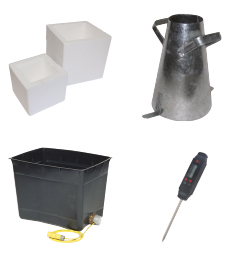
| Concrete Testing Equipment | On-site concrete sampling, slump testing and quality control during and after pours. | Cube mould size (100mm or 150mm), project sampling regime and testing requirement. | Cube moulds, slump cones, tamping rods and associated concrete testing and quality control accessories. |
Frequently asked questions
What can I order from Concrete and Formwork Equipment and Fixings?
CMT Group supplies concreting tools, concrete accessories, formwork oil sprayers, fixings and fastenings, chemicals and grouts, and concrete testing equipment. The range supports concrete pours, formwork preparation, release agent application, concrete repair, grouting, sealing and on-site sampling. Orders are available for trade accounts, project supply and repeat procurement.
Use the product ranges below to move quickly to the right section, then narrow the results by product type, brand, pack size, specification and delivery requirement where relevant. For account enquiries or volume supply, speak to our team.
Which concrete or formwork range should I start with?
Start with the site task. Use Concreting Tools for placing, levelling, screeding and finishing concrete surfaces. Use Concrete Accessories for reinforcement support, cube moulds, cover chairs and pour preparation. Use Formwork Oil Sprayers for release agent application to formwork and shuttering. Use Fixings and Fastenings for structural connections, formwork assembly and general site fastening. Use Chemicals, Grouts and Sealants for concrete repair, grouting, bonding and sealing. Use Concrete Testing Equipment for cube moulds, slump cones, tamping rods and on-site quality control.
Once you open the relevant range, use the available filters to narrow the results by product type, brand, pack size and delivery requirement where relevant.
What should I check before ordering concreting tools?
Check the tool type, compatible surface material and the application phase required. Concreting floats, trowels and screeds suit different phases of the concrete finishing process. Where the site specification requires a particular surface finish, confirm that the tool type and material in the product data supports the intended use before ordering.
For larger quantities or project supply, speak to our team to check availability and lead times.
What should I check before ordering concrete accessories or cube moulds?
For cube moulds, check the mould size against the project sampling regime. The two standard sizes are 100mm and 150mm. Confirm the correct size before ordering, as testing accessories may need to match the mould size.
For concrete spacers and cover chairs, check the nominal cover required, the reinforcement bar diameter and whether the spacer type is compatible with the reinforcement arrangement on the project. Confirm product data supports the intended use before ordering.
What should I check before ordering chemicals, grouts or sealants?
Check the product type, substrate compatibility and coverage rate against the intended application. For release agents, confirm the product is compatible with the formwork or mould material in use. For repair mortars and grouts, check the product data confirms suitability for the substrate, application method and curing conditions on site.
For sealants, confirm surface compatibility and check whether a primer is required before application. Where the project references a particular product type, check the product data confirms suitability before ordering.
What should I check before ordering fixings and fastenings for concrete or formwork work?
Check fixing type, substrate material and load requirement where stated in the product data. For concrete fixings such as anchors and bolts, confirm the fixing is rated for the substrate and load in the project data. For formwork assembly fixings, confirm the type is compatible with the formwork system in use.
For chemical anchors, check the hole diameter, depth and substrate type against the product data. Confirm suitability before ordering. For volume supply or project-specific requirements, speak to our team.
Can CMT Group support project quantities and repeat supply for concrete and formwork orders?
Yes. CMT Group supplies concreting supplies, fixings and formwork products for project accounts, framework contracts and depot replenishment. Trade account holders can use the EDGE B2B Portal for repeat orders, order tracking and account management.
The wider supply service is supported by supplier-level accreditations including CHAS Elite, BSI ISO 9001:2015 Quality Management and ConstructionOnline Gold. These accreditations support procurement confidence around safety management, quality processes and supplier assurance. Product suitability still depends on the individual product type, site conditions, compatibility, manufacturer guidance and any project-specific requirements.
How quickly can stocked concrete and formwork products be delivered?
Stocked concrete and formwork product lines can be supplied with same-day and next-day UK delivery options where available, with nationwide coverage for trade and project accounts.
For time-critical requirements, check stock availability and confirm lead times with our team before ordering. Use the EDGE B2B Portal to track orders and manage account purchasing, or visit the delivery information page for full details.
Sourcing concrete and formwork equipment, concreting supplies or fixings for construction, civils or project supply? CMT Group supplies concreting tools, concrete accessories, formwork oil sprayers, chemicals and grouts, fixings and concrete testing equipment for trade and project accounts across the UK. For volume requirements, depot replenishment or planned supply, speak to our team or browse the product ranges below.
UK-wide delivery
Same-day and next-day UK delivery on stocked concrete and formwork product lines, with nationwide coverage for trade and project accounts.Stock availability
Stocked concreting tools, concrete accessories, formwork sprayers, chemicals, fixings and testing equipment for trade and project orders.EDGE B2B Portal
Self-serve procurement with trade pricing, order tracking and easy repeat ordering for account holders.Site Equipment & Consumables
Browse the full Site Equipment and Consumables range including site security, site essentials, electrical, decorating and heavy plant equipment.Sustainable procurement
Supply support for responsible procurement, project planning and social value commitments across construction and infrastructure work.Shop Concrete and Formwork Equipment by Category
Concrete & Formwork Equipment and Fixings
Concrete and formwork equipment helps your team prepare, pour, finish and test concrete on active construction sites. CMT Group supplies trade-ready products for concreting, formwork preparation, concrete testing, release agent application, fixings and general site support ... Concrete and formwork equipment helps your team prepare, pour, finish and test concrete on active construction sites. CMT Group supplies trade-ready products for concreting, formwork preparation, concrete testing, release agent application, fixings and general site support. You can use the ranges below to find concreting tools, concrete accessories, formwork oil sprayers, fixings and fastenings, chemicals, grouts, sealants and concrete testing equipment. The range supports concrete pours, formwork preparation, release agent application, grouting, sealing, concrete sampling and related site work where product data supports the use. For larger requirements, CMT Group can support stock checks, repeat procurement, depot replenishment and same-day or next-day UK delivery on stocked lines. read more...read less
Choose the right concrete and formwork range
| Product range | Best for | Key buying checks | Typical products |
|---|---|---|---|
| Concreting Tools | Placing, levelling, screeding and finishing concrete surfaces on active construction sites. | Tool type, compatible surface material, application phase (placement, finishing or screeding) and surface finish required. | Concrete floats, steel trowels, screeds, dapple bars, concrete rakes, bull floats and associated concreting hand tools. |
| Concrete Accessories | Reinforcement support, concrete pour preparation and associated accessory requirements on construction sites. | Spacer type and size, reinforcement bar or mesh compatibility, cube mould size (100mm or 150mm) and project requirement where relevant. | Concrete spacers, cover chairs, cube moulds, tie wire, reinforcement accessories and pour preparation products. |
| Formwork Oil Sprayers | Applying release agent evenly to formwork, shuttering and mould surfaces before each concrete pour. | Sprayer capacity, compatible release agent type and formwork area to be treated. | Pressure sprayers for formwork and shuttering release agent application, including MAX brand sprayers. |
| Fixings & Fastenings | Structural fixing, formwork assembly, concrete connections and general construction fastening on site. | Fixing type, load requirement where stated in product data, substrate material, thread type and pack quantity. | Anchors, bolts, screws, ties, formwork fixings, concrete fixings and general fastenings from brands including RawlPlug and Richard Carters. |
| Chemicals, Grouts & Sealants | Concrete repair, grouting, bonding, sealing and release agent application in concrete and construction work. | Product type, substrate compatibility, coverage rate and project application where relevant. | Concrete release agents, cement grout, repair mortars, cementitious products, sealants and chemical products for concrete and construction use. |
| Concrete Testing Equipment | On-site concrete sampling, slump testing and quality control during and after pours. | Cube mould size (100mm or 150mm), project sampling regime and testing requirement. | Cube moulds, slump cones, tamping rods and associated concrete testing and quality control accessories. |
Frequently asked questions
What can I order from Concrete and Formwork Equipment and Fixings?
CMT Group supplies concreting tools, concrete accessories, formwork oil sprayers, fixings and fastenings, chemicals and grouts, and concrete testing equipment. The range supports concrete pours, formwork preparation, release agent application, concrete repair, grouting, sealing and on-site sampling. Orders are available for trade accounts, project supply and repeat procurement.
Use the product ranges below to move quickly to the right section, then narrow the results by product type, brand, pack size, specification and delivery requirement where relevant. For account enquiries or volume supply, speak to our team.
Which concrete or formwork range should I start with?
Start with the site task. Use Concreting Tools for placing, levelling, screeding and finishing concrete surfaces. Use Concrete Accessories for reinforcement support, cube moulds, cover chairs and pour preparation. Use Formwork Oil Sprayers for release agent application to formwork and shuttering. Use Fixings and Fastenings for structural connections, formwork assembly and general site fastening. Use Chemicals, Grouts and Sealants for concrete repair, grouting, bonding and sealing. Use Concrete Testing Equipment for cube moulds, slump cones, tamping rods and on-site quality control.
Once you open the relevant range, use the available filters to narrow the results by product type, brand, pack size and delivery requirement where relevant.
What should I check before ordering concreting tools?
Check the tool type, compatible surface material and the application phase required. Concreting floats, trowels and screeds suit different phases of the concrete finishing process. Where the site specification requires a particular surface finish, confirm that the tool type and material in the product data supports the intended use before ordering.
For larger quantities or project supply, speak to our team to check availability and lead times.
What should I check before ordering concrete accessories or cube moulds?
For cube moulds, check the mould size against the project sampling regime. The two standard sizes are 100mm and 150mm. Confirm the correct size before ordering, as testing accessories may need to match the mould size.
For concrete spacers and cover chairs, check the nominal cover required, the reinforcement bar diameter and whether the spacer type is compatible with the reinforcement arrangement on the project. Confirm product data supports the intended use before ordering.
What should I check before ordering chemicals, grouts or sealants?
Check the product type, substrate compatibility and coverage rate against the intended application. For release agents, confirm the product is compatible with the formwork or mould material in use. For repair mortars and grouts, check the product data confirms suitability for the substrate, application method and curing conditions on site.
For sealants, confirm surface compatibility and check whether a primer is required before application. Where the project references a particular product type, check the product data confirms suitability before ordering.
What should I check before ordering fixings and fastenings for concrete or formwork work?
Check fixing type, substrate material and load requirement where stated in the product data. For concrete fixings such as anchors and bolts, confirm the fixing is rated for the substrate and load in the project data. For formwork assembly fixings, confirm the type is compatible with the formwork system in use.
For chemical anchors, check the hole diameter, depth and substrate type against the product data. Confirm suitability before ordering. For volume supply or project-specific requirements, speak to our team.
Can CMT Group support project quantities and repeat supply for concrete and formwork orders?
Yes. CMT Group supplies concreting supplies, fixings and formwork products for project accounts, framework contracts and depot replenishment. Trade account holders can use the EDGE B2B Portal for repeat orders, order tracking and account management.
The wider supply service is supported by supplier-level accreditations including CHAS Elite, BSI ISO 9001:2015 Quality Management and ConstructionOnline Gold. These accreditations support procurement confidence around safety management, quality processes and supplier assurance. Product suitability still depends on the individual product type, site conditions, compatibility, manufacturer guidance and any project-specific requirements.
How quickly can stocked concrete and formwork products be delivered?
Stocked concrete and formwork product lines can be supplied with same-day and next-day UK delivery options where available, with nationwide coverage for trade and project accounts.
For time-critical requirements, check stock availability and confirm lead times with our team before ordering. Use the EDGE B2B Portal to track orders and manage account purchasing, or visit the delivery information page for full details.
Sourcing concrete and formwork equipment, concreting supplies or fixings for construction, civils or project supply? CMT Group supplies concreting tools, concrete accessories, formwork oil sprayers, chemicals and grouts, fixings and concrete testing equipment for trade and project accounts across the UK. For volume requirements, depot replenishment or planned supply, speak to our team or browse the product ranges below.