
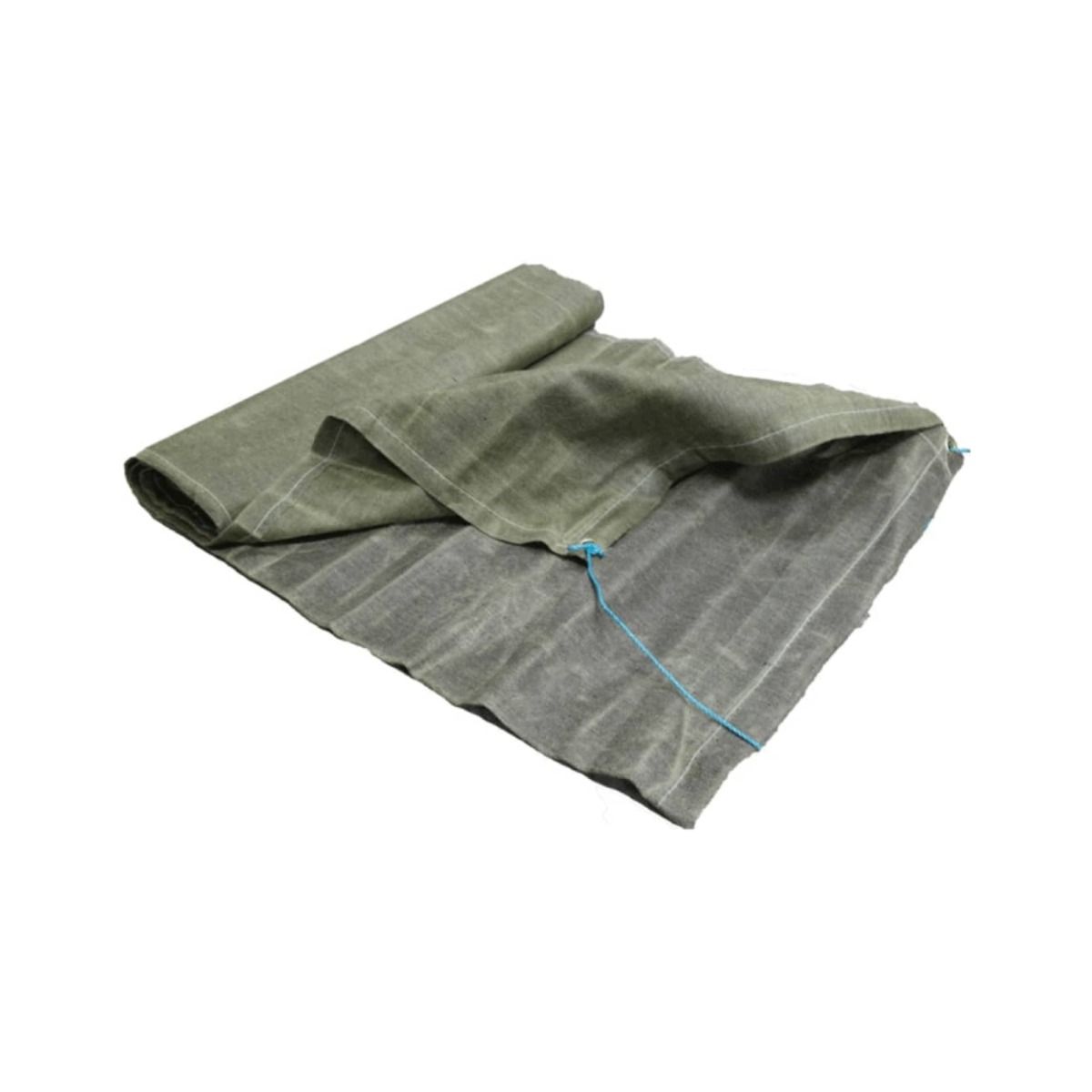
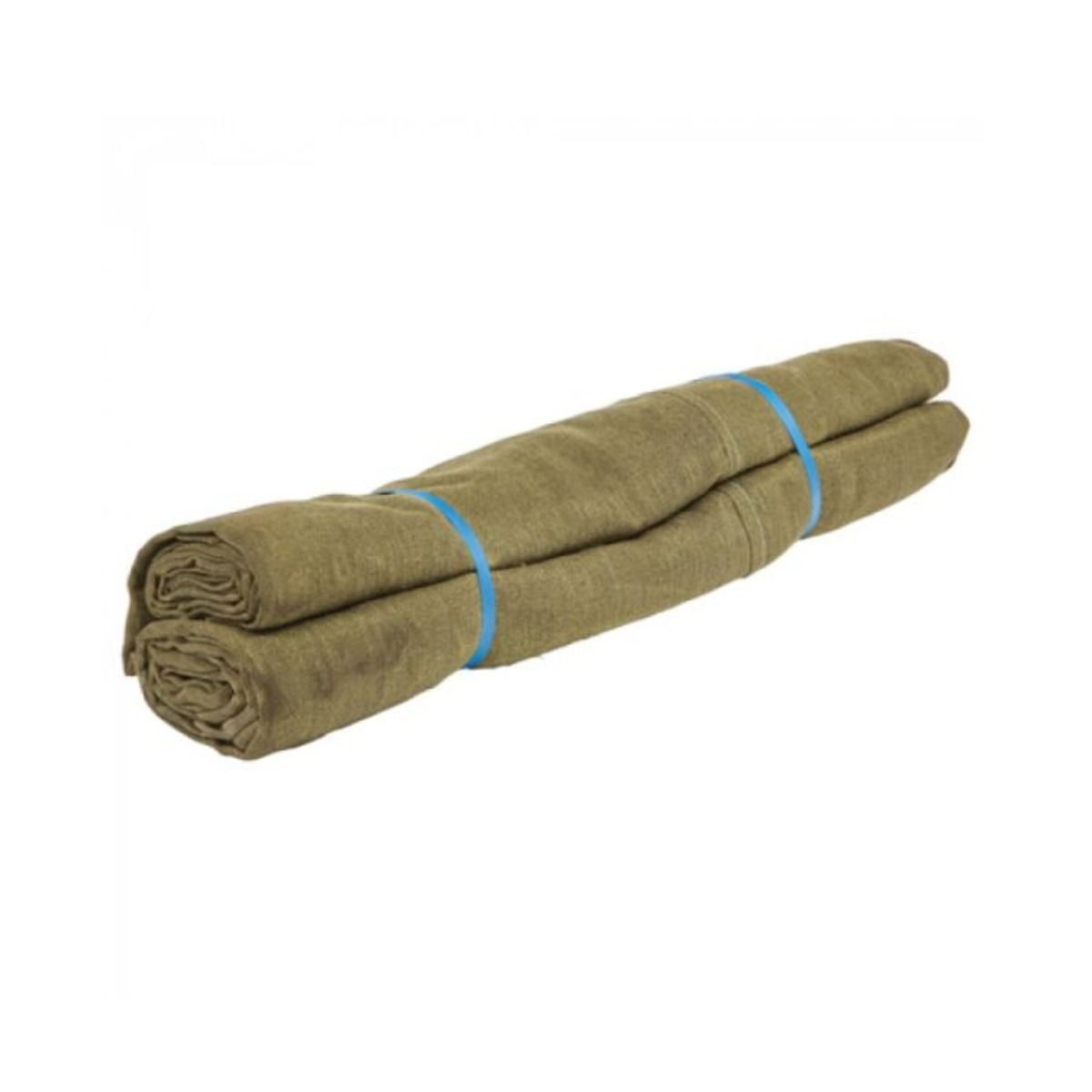
Tarmac jute sheet built to retain heat in freshly laid asphalt during transport and curing on roadworks and paving projects.
- Natural jute material, breathable and biodegradable
- Double sewn seams and hemmed edges
- Eyelets and ropes for secure fastening
- Retains heat to slow tarmac cooling
- waterproof
- Available in multiple sizes
- Nominal cut size, not finished size
Tarmac Jute Sheet - Asphalt Warming Blanket for Roadworks
Tarmac jute sheet built to retain heat in freshly laid asphalt during transport and curing on roadworks and paving projects.
- Natural jute material, breathable and biodegradable
- Double sewn seams and hemmed edges
- Eyelets and ropes for secure fastening
- Retains heat to slow tarmac cooling
- waterproof
- Available in multiple sizes
- Nominal cut size, not finished size
Tarmac Jute Sheet - Asphalt Warming Blanket
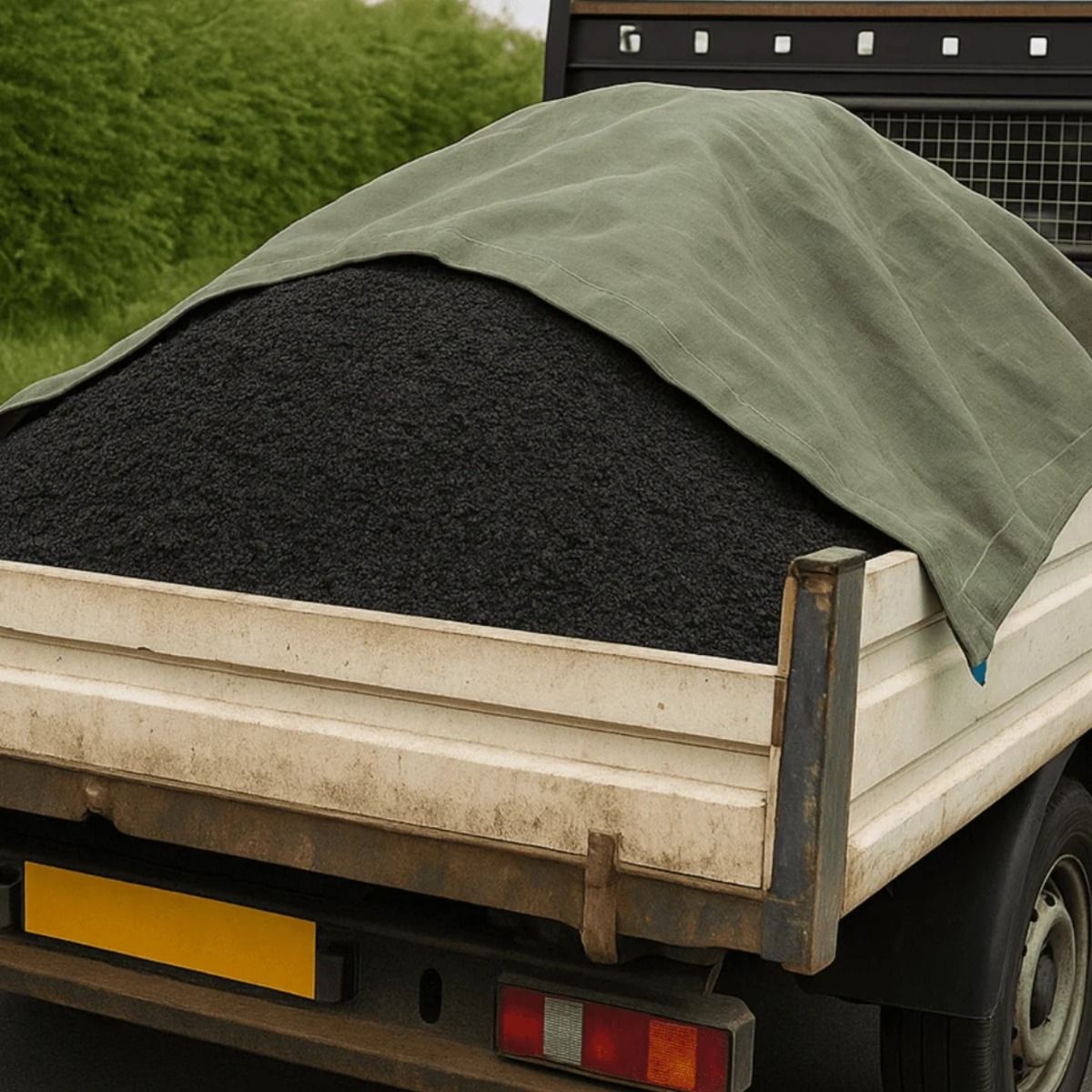
Tarmac jute sheet built to retain heat in freshly laid asphalt during transport and curing on roadworks, driveways, and paving projects. The breathable natural jute fabric slows cooling without trapping moisture, helping tarmac stay workable for longer between loading and laying. Supplied with eyelets and ropes for securing to tippers, barrows, or ground stakes, and available in multiple sizes to suit different load and work area sizes.
How a jute sheet keeps tarmac workable for longer
Freshly laid or loaded tarmac begins cooling as soon as it leaves the plant, and once it drops below its working temperature, compaction and finish quality suffer. A standard tarpaulin or uncovered load loses heat quickly, especially in cold or windy conditions, shortening the window to lay and compact the material properly. A breathable jute sheet slows that heat loss without trapping moisture against the tarmac, keeping the load workable for longer during transport and between passes on site.
Key Features
-
Natural jute material: Breathable and biodegradable, helping retain heat without trapping moisture against the tarmac surface.
-
Double sewn seams and hemmed edges: Add durability and reduce fraying with repeated use and handling.
-
Eyelets and ropes included: Allow the sheet to be secured to tippers, barrows, hotboxes, or ground stakes during transport or on site.
-
Breathable, not fully waterproof: Designed for heat retention rather than waterproofing, so it should not be relied on as a rain cover.
-
Multiple sizes available: From 12' x 9' up to 24' x 18', suited to different load sizes and work areas.
-
Eco-friendly and biodegradable: A natural fibre alternative to plastic tarpaulins for site cover applications.
Who is this for
Trades and roles:
-
Groundworkers
-
Surfacing contractors
-
Civil engineers
-
Highways maintenance teams
Industries:
-
Construction
-
Civil engineering
-
Highways and roadworks
-
Groundworks and paving
Specifications
| Specification | Detail |
|---|---|
| Product Name | Tarmac Jute Sheet - Asphalt Warming Blanket for Roadworks |
| Parent SKU | TS12 |
| Primary Function | Tarmac heat retention cover |
| Material | Natural jute (hessian) |
| Seam Type | Double sewn seams |
| Edge Finish | Hemmed edges |
| Fastening | Eyelets and ropes |
| Breathability | Breathable, moisture venting |
| Biodegradable | Yes |
| Sizing Note | Nominal cut size, not finished size |
Size Comparison
| Size | Product Code | Notes |
|---|---|---|
| 12' x 9' | TS1209 | Suited to smaller loads and patch repairs |
| 15' x 9' | TS1509 | Suited to medium loads and work areas |
| 15' x 12' | TS1512 | Suited to medium loads and work areas |
| 18' x 12' | TS1812 | Suited to larger loads and tipper covers |
| 24' x 18' | TS2418 | Heavy Duty. Suited to the largest loads and full tipper beds |
Who is this for
This sheet suits groundworkers, surfacing contractors, and highways maintenance teams transporting or laying tarmac who need to slow heat loss during transit and between passes on site. It is intended for covering loaded tippers, barrows, and hotboxes in transit, and for covering freshly laid tarmac on site during cooler conditions.
Typical applications
-
Covering a loaded tipper or lorry bed to retain heat in tarmac during transport to site.
-
Covering freshly laid tarmac between passes to slow cooling and support proper compaction.
-
Protecting patch repairs and smaller work areas from rapid heat loss in cold weather.
-
Covering hotboxes and barrows to keep smaller loads workable for longer.
-
Providing temporary weather protection for roads and paths during short breaks in work.
How to use
Step 1: Select the correct size for the load or work area being covered, using the size comparison table to match tipper bed or patch size.
Step 2: Lay the sheet directly over the tarmac or loaded material, ensuring full coverage without large gaps.
Step 3: Secure the sheet using the fitted eyelets and ropes, tying down to the vehicle body, ground stakes, or barriers as appropriate.
Step 4: Remove the sheet before laying or compacting the tarmac, rather than leaving it in place during active work.
Step 5: Allow the sheet to dry fully before folding and storing, to prevent mould or deterioration between uses.
Common mistakes
-
Relying on the sheet as a rain cover, since it is breathable and not fully waterproof.
-
Leaving the sheet in place while compacting or laying tarmac, rather than removing it for the active work.
-
Storing the sheet wet or damp, which can lead to mould and shorten its working life.
-
Using a sheet too small for the load or area, leaving edges of the tarmac exposed to heat loss.
-
Overtightening ropes in a way that pulls eyelets away from the hemmed edge over repeated use.
Safety
This sheet is designed for heat retention, not as a waterproof cover or fall protection. It should not be relied on to keep tarmac or equipment dry in wet weather. Secure the sheet adequately before transport to avoid it coming loose and creating a hazard on the road or site.
Maintenance
Allow the sheet to dry fully after each use before folding and storing, to prevent mould and extend its working life. Check eyelets, ropes, and seams periodically for wear, and avoid using a sheet with damaged eyelets or torn seams.
Frequently Asked Questions
Q: What sheet is used to keep tarmac warm?
A: A hessian or jute sheet is typically used to keep freshly laid tarmac warm. These natural fibre sheets provide insulation and help slow cooling, ensuring the tarmac sets properly and remains workable in cold conditions.
Q: Why is it important to keep tarmac warm?
A: Maintaining warmth prevents the tarmac from cooling too quickly, which can lead to poor compaction and surface defects. Proper insulation ensures a smooth, durable finish once the tarmac is laid and compacted.
Q: Why choose a jute sheet over a standard plastic tarpaulin?
A: A standard plastic tarpaulin traps moisture against the tarmac and does not offer the same insulating properties as natural jute. A breathable jute sheet slows heat loss while venting moisture, helping the tarmac stay workable for longer without the surface issues that trapped moisture can cause.
Q: Can tarmac sheets be reused?
A: Yes. With proper drying and storage, jute sheets can be reused for multiple jobs, making them a cost-effective and sustainable choice over disposable covers. Checking seams and eyelets before each use helps confirm the sheet is still fit for the next job.
Q: How do I choose the right size for my job?
A: Size should match the load or area being covered: the 12' x 9' and 15' x 9' sizes suit smaller loads and patch repairs, the 18' x 12' size suits larger loads and tipper covers, and the 24' x 18' heavy duty size suits the largest loads and full tipper beds. Checking the size comparison table before ordering helps avoid a sheet that leaves parts of the load exposed.
