A practical 2026 guide to choosing the right wheelbarrow, sack truck, drum lifter, or pallet truck for your site, comparing every CMT Group model side by side so you can specify with confidence and avoid costly downtime.
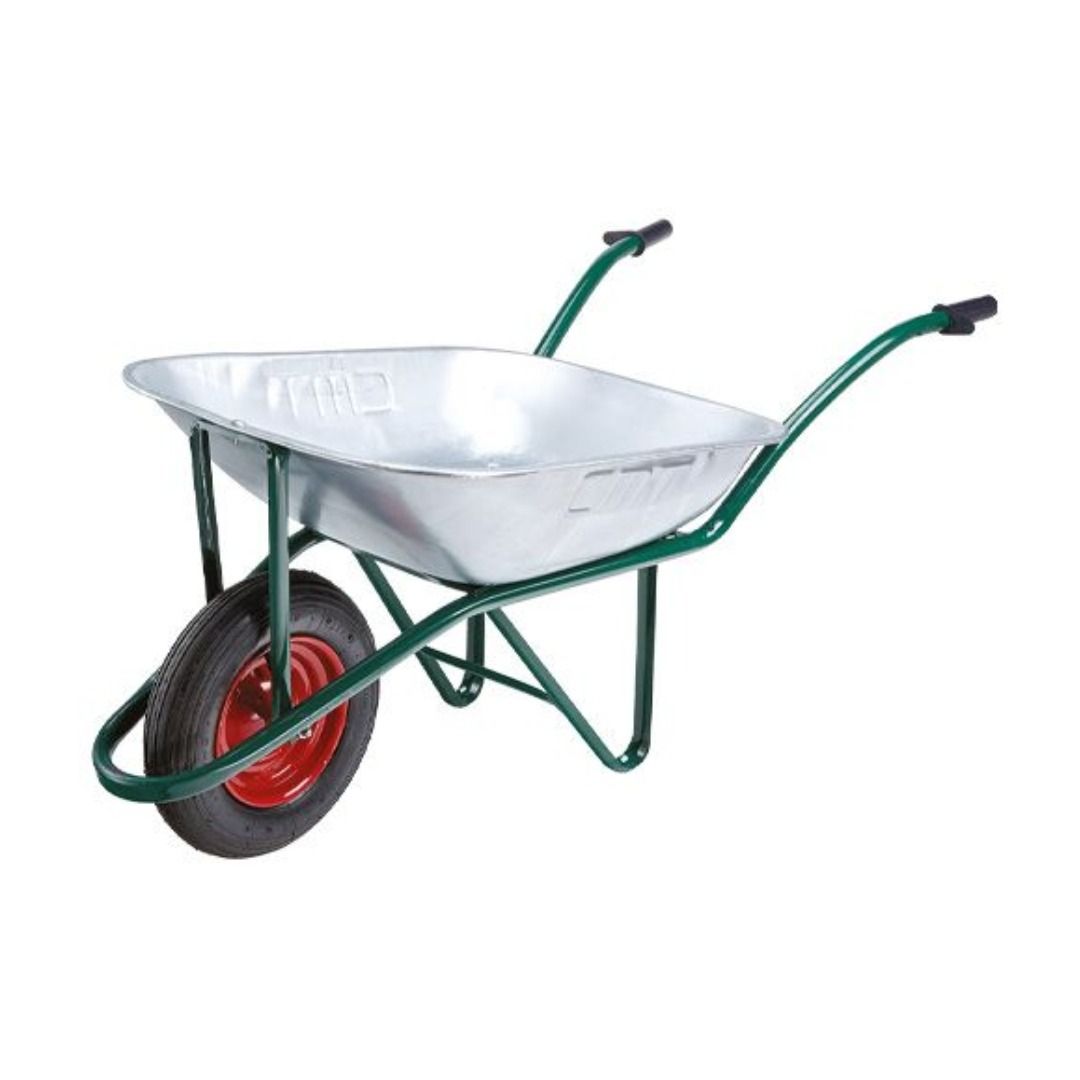
A 90-litre heavy duty galvanised wheelbarrow built for builders, groundworkers, and site operatives handling heavy materials on UK construction sites daily.
- Pressed steel pan to 15 tonnes for structural robustness under sustained heavy loading
- Galvanised heavy duty pan resists corrosion from cement, water, and outdoor site exposure
- Tubular steel frame with highly robust supports for reliable daily contractor use
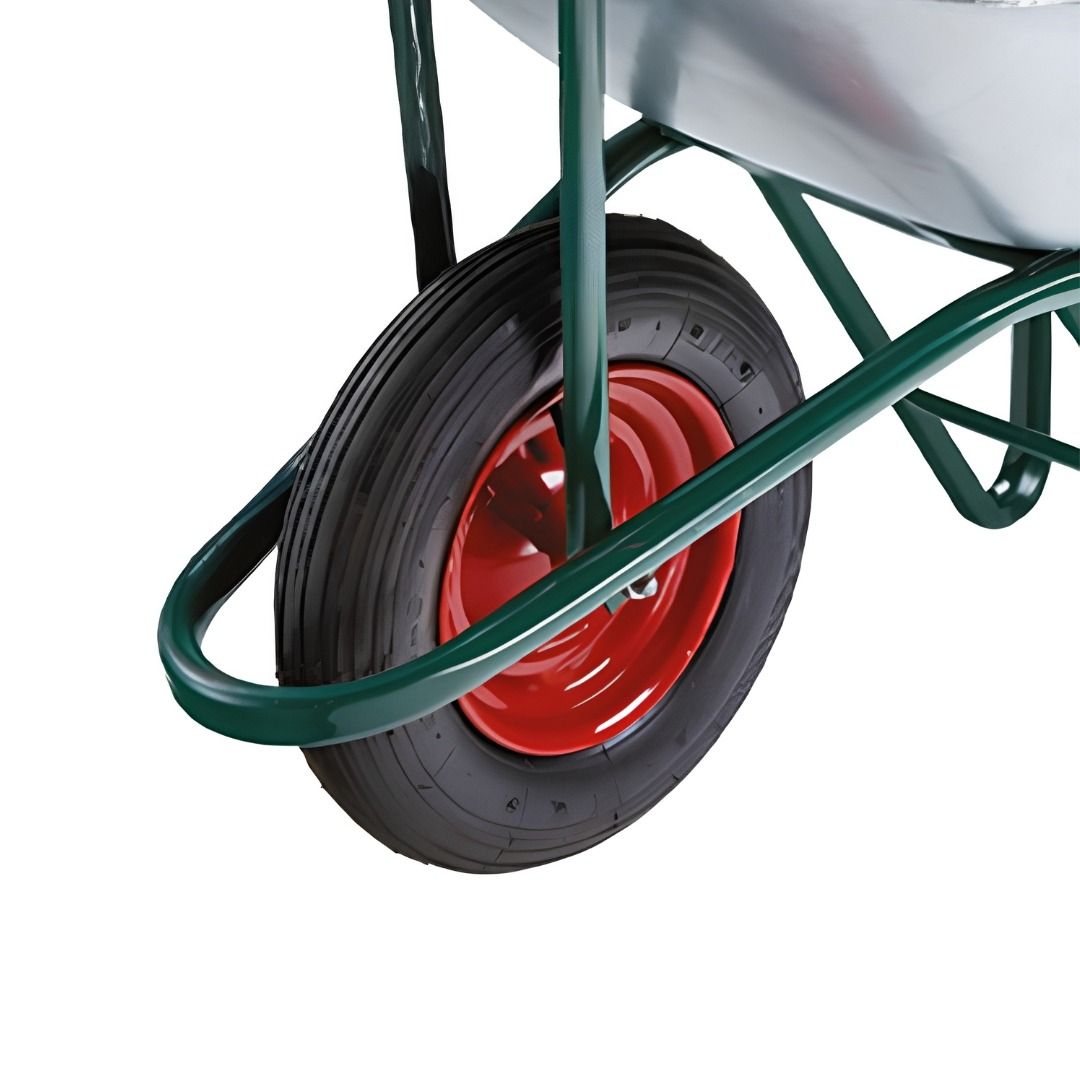
- Metal wheel with bearing for smooth controlled movement under load
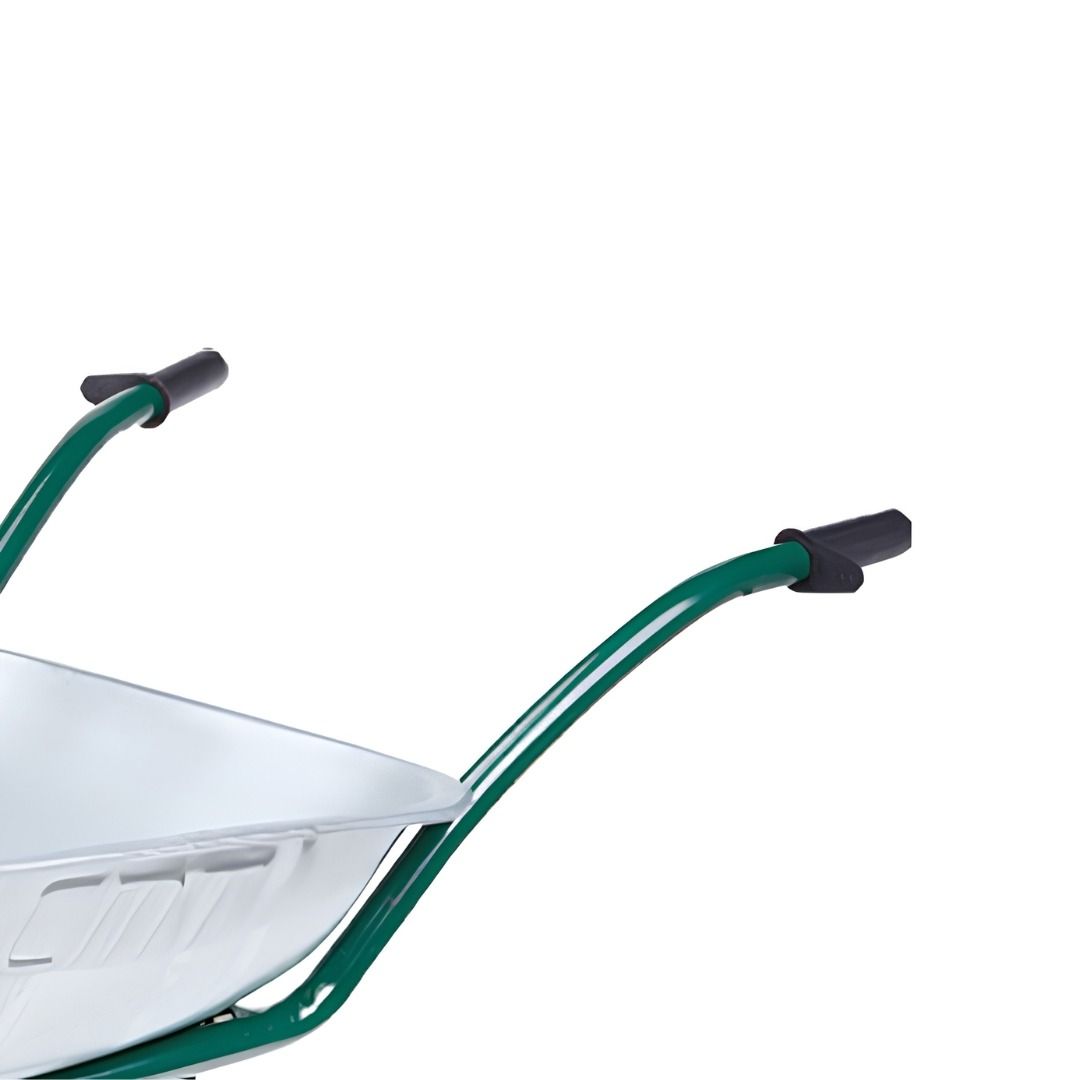
- Super-grip handles for secure push and tip control across a full shift
- Locking nuts fixed to pan, no movement or rattle under heavy load or impact
- Available with pneumatic tyre or puncture-proof tyre to suit site conditions
Heavy Duty Galvanised Wheelbarrow 90 Litre - Pressed Steel Pan
A 90-litre heavy duty galvanised wheelbarrow built for builders, groundworkers, and site operatives handling heavy materials on UK construction sites daily.
- Pressed steel pan to 15 tonnes for structural robustness under sustained heavy loading
- Galvanised heavy duty pan resists corrosion from cement, water, and outdoor site exposure
- Tubular steel frame with highly robust supports for reliable daily contractor use
- Metal wheel with bearing for smooth controlled movement under load
- Super-grip handles for secure push and tip control across a full shift
- Locking nuts fixed to pan, no movement or rattle under heavy load or impact
- Available with pneumatic tyre or puncture-proof tyre to suit site conditions
Heavy Duty Galvanised Wheelbarrow 90 Litre
Heavy duty galvanised steel wheelbarrow built for builders, groundworkers, bricklayers, and site operatives moving concrete, rubble, aggregate, and heavy site materials across UK construction sites. The pan is pressed steel to 15 tonnes, giving it the structural robustness needed for sustained daily loading without deformation or cracking under heavy materials. Available in two variants: pneumatic tyre for general site and compacted surface use, and puncture-proof tyre for demolition, strip-out, and debris-contaminated sites where sharp ground material makes a pneumatic tyre impractical.
How a pressed steel pan holds up where lighter alternatives fail
A pressed steel pan formed to 15 tonnes uses significantly higher forming pressure than lighter domestic or garden-grade pans, producing a denser, more rigid steel structure that resists deformation under repeated heavy loading and tipping impact. Lighter pans formed at lower pressures flex and eventually crack at the base and rolled edges when used daily with concrete, rubble, and aggregate loads on a construction site. The 15-tonne pressing specification means this pan is built to absorb that kind of repeated loading without the structural fatigue that shortens the service life of entry-level alternatives.
Key Features
-
Pressed steel pan to 15 tonnes: Pan formed at 15 tonnes pressing pressure, producing a rigid steel structure that resists deformation under sustained heavy loading, concrete, rubble, and aggregate handling on UK construction sites.
-
Galvanised heavy duty pan: Galvanising protects the steel pan against corrosion from cement contact, standing water, and continuous outdoor site exposure throughout the working life of the barrow.
-
Tubular steel frame with highly robust supports: Frame constructed from tubular steel with robust leg supports that absorb the repeated loading and tipping impact of daily site use without flexing or cracking at the support points.
-
Metal wheel with bearing: Bearing-mounted metal wheel runs smoothly across compacted and uneven site surfaces, reducing rolling resistance and push effort under full load compared to a fixed axle or unbraked wheel.
-
Super-grip handles: Handle grip surface maintains secure contact through wet, muddy, and dusty site conditions, giving consistent push and tip control throughout a shift without hand fatigue.
-
Locking nuts fixed to pan: Pan secured to frame with locking nuts that prevent the pan working loose, rattling, or shifting under repeated heavy loading and tipping impact.
-
Pneumatic tyre rust resistant: Pneumatic tyre fitted with a rust-resistant wheel, maintaining wheel integrity in wet outdoor and concrete site conditions over an extended service life.
Who is this for
Trades and roles:
-
Builders and general contractors
-
Groundworkers
-
Bricklayers and masons
-
Site labourers and material handlers
-
Demolition operatives
-
Landscaping and civils operatives
Industries:
-
Construction
-
Civil engineering
-
Groundworks
-
Demolition and strip-out
-
Utilities and infrastructure
-
Landscaping and external works
Specifications
| Specification | Detail |
|---|---|
| Product Name | Heavy Duty Galvanised Wheelbarrow 90 Litre - Pressed Steel Pan |
| SKU / Product Code | WB90L |
| Pan Material | Pressed steel, galvanised heavy duty |
| Pan Press Rating | Pressed to 15 tonnes |
| Pan Capacity | 90 litres |
| Frame Construction | Tubular steel with highly robust supports |
| Pan Fixing | Locking nuts fixed to pan |
| Handle Type | Super-grip handles |
| Wheel Type | Metal wheel with bearing |
| Tyre Type | Pneumatic rust resistant (WB90LGALV) or puncture-proof (WB90LSW) |
| Colour | Silver galvanised pan, green frame |
Compatibility
| Application or condition | Status |
| Concrete, mortar, and cement handling | ✓ Compatible |
| Rubble, aggregate, and general site material handling | ✓ Compatible |
| Groundwork and drainage installation | ✓ Compatible |
| Bricklaying and masonry supply runs | ✓ Compatible |
| General outdoor site use in wet conditions | ✓ Compatible |
| Demolition and debris-contaminated sites (puncture-proof variant) | ✓ Compatible |
| Debris-contaminated sites with nails and rebar (pneumatic variant) | ✗ Use puncture-proof variant |
| Hot asphalt or bitumen loads | ✗ Not recommended — use HDPE pan barrow |
| Powered or motorised attachment use | ✗ Not applicable — manual use only |
Who is this for
This wheelbarrow is used by builders, groundworkers, bricklayers, and general site operatives on UK construction sites where heavy loose materials are moved continuously across a working day. It suits site teams on projects involving concrete handling, aggregate supply, rubble clearance, and drainage installation where a robust, corrosion-resistant pan is needed for sustained daily use. Both variants serve professional contractor use: the pneumatic tyre for general compacted site surfaces, and the puncture-proof tyre for demolition, strip-out, and sites where sharp ground debris is consistently present.
Typical applications
-
Moving mixed concrete and mortar from the mixing point to the pour location during slab, footing, and foundation work on construction sites.
-
Transporting rubble, broken block, and demolition debris from strip-out areas to skips or segregation points during internal and external demolition operations.
-
Carrying aggregate, sand, and drainage stone to trench locations during groundwork, drainage installation, and utilities projects.
-
Supply runs on bricklaying operations, moving bricks, blocks, and bagged mortar from delivery or storage points to the working gang.
-
Shifting excavated soil and spoil from foundation trenches, service trenches, and ducting excavations to spoil heaps or skips.
-
General site labouring on construction projects, moving materials between delivery areas, storage, and working zones throughout the shift.
-
Landscaping and external civils works involving bulk topsoil, aggregate, paving materials, and wet concrete in open site conditions.
-
Reinstatement and patching works involving cold-lay asphalt and road planings at ambient temperature.
How to use
Step 1: Select the correct variant for the site. Use the pneumatic tyre variant on clean, compacted, or smooth surfaces. Use the puncture-proof variant on demolition, strip-out, or debris-contaminated ground where nails, rebar, broken tile, or sharp aggregate are present.
Step 2: Before loading, check that the locking nuts securing the pan to the frame are fully tightened. Inspect the frame supports, pan, and wheel for any visible damage. Do not use a barrow with a cracked pan, bent frame, or damaged wheel.
Step 3: Load material centrally in the pan with the weight positioned over or slightly forward of the wheel axle. Rear-heavy loading makes the barrow unstable and significantly increases the effort needed to push and balance it on the move.
Step 4: Grip both handles firmly and push with controlled, steady force. On inclines and uneven ground, keep the load within a weight that allows full control throughout the run.
Step 5: When tipping, position the nose at the tip point, maintain a firm grip on both handles, and tip smoothly. Control the return to the pushing position rather than dropping the handles abruptly after tipping.
Step 6: After each shift, rinse concrete and cement residue from the pan with clean water before it sets. Hardened concrete bonded to the pan reduces capacity and adds unnecessary weight on every subsequent run.
Common mistakes
-
Loading too far to the rear: Placing heavy material at the back of the pan shifts the centre of gravity behind the wheel, making the barrow difficult to balance and significantly harder to push on long runs. Load centrally or slightly forward of the axle.
-
Using the pneumatic variant on debris-contaminated ground: On demolition, strip-out, or reinstatement sites where nails and rebar are present at ground level, a single puncture puts the barrow out of service. Specify the puncture-proof variant from the outset on these sites.
-
Leaving cement residue to set in the pan: Concrete and mortar bond strongly to galvanised steel once cured and are very difficult to remove without damaging the pan surface. A brief rinse with clean water at the end of every shift prevents this entirely.
-
Overloading on sloped ground: Carrying loads beyond the safe manual handling limit on a sloped surface increases the risk of loss of control. If the barrow feels unstable or difficult to steer on level ground, the load weight or distribution needs adjusting before moving to an incline.
-
Ignoring loose pan fixings: Locking nuts can work slightly loose under sustained heavy use. A pan that rattles or shifts under load should be stopped and the fixings checked and re-tightened before continuing.
Safety
Use this wheelbarrow only for manual material handling tasks within its design capacity. Do not modify the frame, pan, or wheel. Inspect the frame supports, pan, locking nuts, and wheel before each use and do not use a barrow with visible structural damage or loose fixings. Operatives should wear appropriate PPE including safety footwear when loading and unloading heavy materials. When working near excavations, trenches, or site edges, maintain a safe distance from the edge at all times. Use of this equipment is subject to the Manual Handling Operations Regulations 1992 (as amended) and general site risk assessment requirements under CDM 2015.
Maintenance
Rinse concrete, mortar, and cement residue from the pan with clean water at the end of each shift before residue sets. Check and re-tighten the pan locking nuts weekly under heavy daily use. Inspect the wheel bearing monthly and replace when movement becomes stiff or noisy. For the pneumatic tyre variant, check tyre inflation at the start of each working week. Touch up any paint chips on the frame as soon as they appear to slow surface corrosion at exposed points. Store upright or inverted in a covered area when not in use to protect the pan and frame from prolonged standing water.

Frequently Asked Questions
Q: What does "pressed steel to 15 tonnes" mean and why does it matter on a construction site?
A: The 15-tonne figure refers to the pressing force used to form the pan during manufacture. A pan formed at this pressure produces a denser, more rigid steel structure than lighter domestic or garden-grade pans pressed at significantly lower tonnages. In practice this means the pan resists deformation under sustained heavy loading with concrete, rubble, and aggregate, and is less likely to crack or develop stress fractures at the base and rolled edges under the kind of repeated tipping impact that is typical on a busy construction site. For a contractor running barrows daily across a full season, pan robustness directly affects how long the equipment stays in service.
Q: What is the difference between the pneumatic tyre and puncture-proof tyre variants?
A: The pneumatic tyre variant uses an air-filled rust-resistant tyre with a bearing-mounted metal wheel, which gives slightly smoother movement on compacted or uneven ground and absorbs some vibration from rough surfaces. The puncture-proof variant uses a solid tyre with no inner tube and no air, making it immune to punctures from nails, rebar offcuts, broken tile, and sharp aggregate. On demolition, strip-out, and debris-contaminated sites, a single nail puncture can put a pneumatic-tyred barrow out of service until a replacement wheel is sourced. The puncture-proof variant removes that risk entirely and is the correct specification for those site conditions.
Q: What is this wheelbarrow NOT suitable for?
A: This barrow is not suitable for carrying hot asphalt or bitumen at working temperature, as the material bonds to the galvanised steel pan surface and is extremely difficult to remove once cooled. It is not suited to powered or motorised attachment use and is designed for manual operation only. The pneumatic tyre variant is not suitable for demolition or strip-out sites where nails, rebar, and sharp debris are present at ground level throughout the working day. This barrow is also not the correct choice for bulk asphalt surfacing operations where an HDPE pan barrow is the appropriate specification.
Q: How does the galvanised pan protect against corrosion from cement and site exposure?
A: Galvanising applies a zinc coating to the steel pan surface through a hot-dip process, creating a layer that resists the alkaline chemical attack from fresh concrete and mortar contact, as well as general corrosion from standing water, rain, and outdoor storage. Untreated or painted-only steel pans are vulnerable to accelerated corrosion at points where the coating is scratched or chipped by aggregate and rubble loading. The galvanised finish extends pan service life significantly in construction environments where cement contact is a daily occurrence.
Q: How should I maintain the locking nuts to keep the pan secure?
A: Check and re-tighten the locking nuts that secure the pan to the frame weekly under heavy daily use. Under sustained loading and tipping impact, fixings can work slightly loose over time. A pan that shows any movement, rattle, or shift when loaded should have its fixings checked immediately before the next run. Locking nuts are designed to resist vibration loosening, but periodic checking is good practice on any heavy-use site equipment.
Q: How long should this wheelbarrow last under daily contractor use?
A: Service life depends on load weights, ground conditions, and how consistently the barrow is maintained. Under daily professional use with correct loading and end-of-shift pan cleaning, the pressed steel galvanised pan and tubular frame should provide multiple seasons of reliable service. The wheel bearing and, on the pneumatic variant, the tyre are the components most likely to require replacement over time. Replacement pneumatic wheels and puncture-proof wheel conversion kits are available from CMT Group, making in-field replacement straightforward without specialist tools.
Q: Is this barrow suitable for use with hot tarmac or asphalt?
A: No. Hot asphalt and bitumen at working temperature bond aggressively to galvanised steel pan surfaces and cannot be removed cleanly once cooled without risking damage to the pan. For asphalt surfacing, highway reinstatement, and bituminous material handling, a high-density polyethylene pan wheelbarrow is the correct specification. This barrow is well suited to cold-lay reinstatement material and road planings handled at ambient temperature.
Q: How quickly can I get this wheelbarrow delivered to a UK construction site?
A: Order by 7pm for next-day delivery nationwide. CMT Group runs its own fleet of delivery vehicles covering over 95% of the UK mainland, with live order tracking, real-time ETAs, and What3Words integration for precise delivery to a specific site entrance or compound gate without needing a full postcode.