How to Choose the Right Lifting and Handling Tool for Your Site
Wheelbarrows, sack trucks, drum lifters, and pallet trucks compared side by side, so you can specify the right equipment first time and avoid the downtime that comes from getting it wrong.
| Step One: Which Category Do You Actually Need? | Pallet Trucks |
| Wheelbarrows | Frequently Asked Questions |
| Sack Trucks | Drum Lifting and Handling |
Most equipment failures on a construction site or in a warehouse come down to one thing: the wrong tool was specified for the job in the first place. A pneumatic-tyred wheelbarrow on a demolition site gets a puncture on day two. A sack truck built for warehouse floors gets dragged across rubble. A manual pallet truck gets used for runs long enough that an electric one would have paid for itself in a week.
This guide starts with the decision that matters most, which category of equipment your task actually needs, then walks through every product in each category with a side-by-side comparison so you can pick the right specification first time.
Step One: Which Category Do You Actually Need?
Before comparing individual products, work out which category fits the material or load you're moving. Each one is built for a different job, and using the wrong category is the single biggest cause of wasted spend and on-site frustration.
| If you're moving… | You need | Why |
|---|---|---|
| Loose or wet material: concrete, mortar, aggregate, rubble, tarmac | A wheelbarrow | Open pan carries bulk loose material and tips for controlled placement |
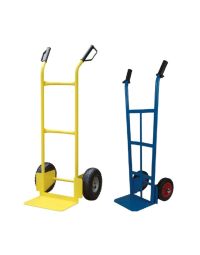
| Bagged, boxed, or stacked goods | A sack truck | Toe plate slides under unit loads; upright frame keeps the load stable over short distances |
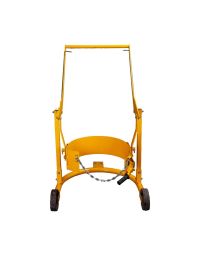
| Full 210 litre steel drums | A drum lifter and truck | Clamps, lifts, and rotates a drum safely without rolling or dragging it |
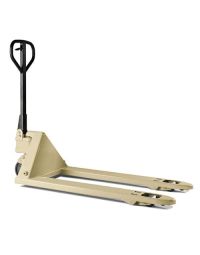
| Palletised loads on a flat floor | A pallet truck | Forks slide under the pallet; wheels and hydraulics do the lifting instead of your back |
Once you know your category, the next decision inside that category is almost always about the material or ground conditions you're working with, not the brand. The sections below cover that in detail.
Wheelbarrows
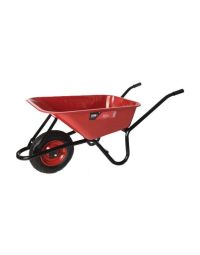
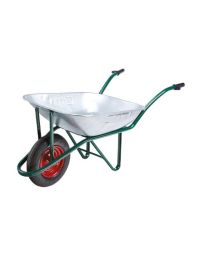
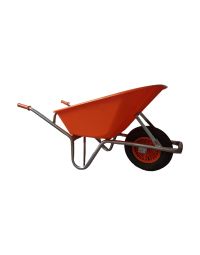
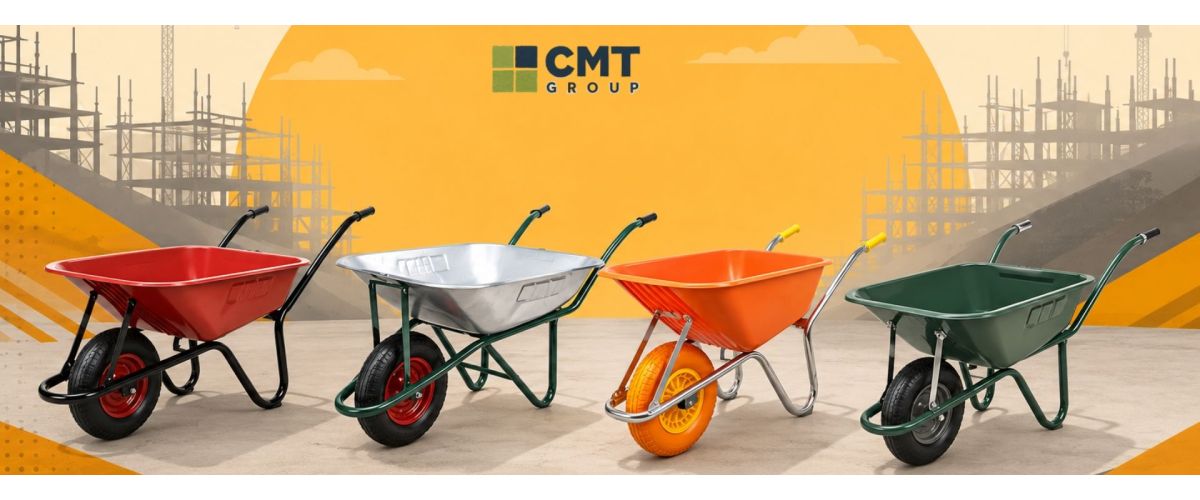
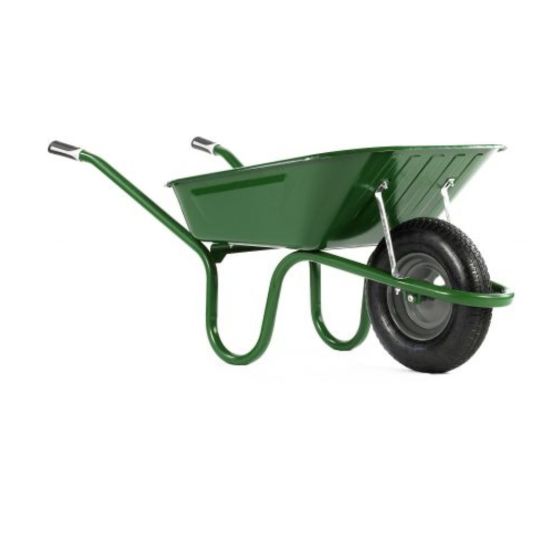
The first decision inside this category is pan material, because it determines what the barrow can actually carry without being ruined by it. Galvanised steel pans handle wet concrete, mortar, aggregate, and general site debris well, but cannot carry hot tarmac, which bonds permanently to steel at working temperature. HDPE and PE pans are chemically inert to tarmac, concrete, and cement slurry alike, releasing material cleanly after every load, making them the only sensible choice if your site mixes tarmac and concrete work in the same shift.
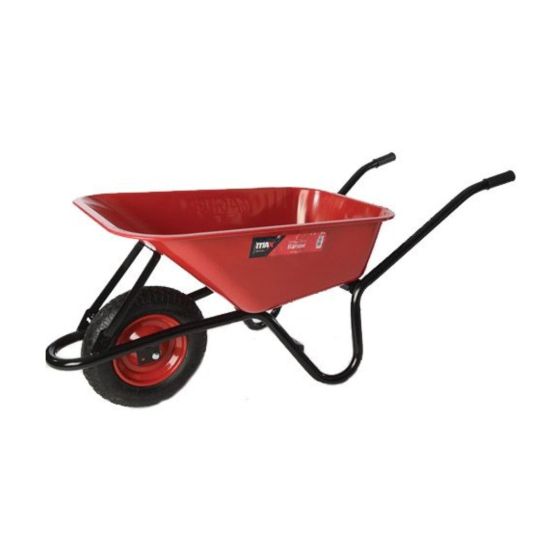
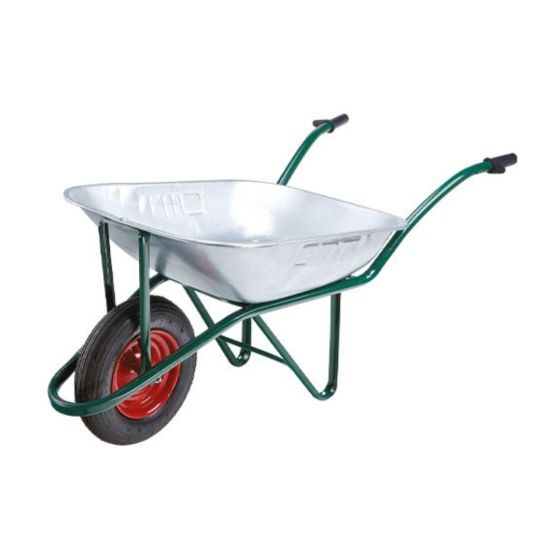
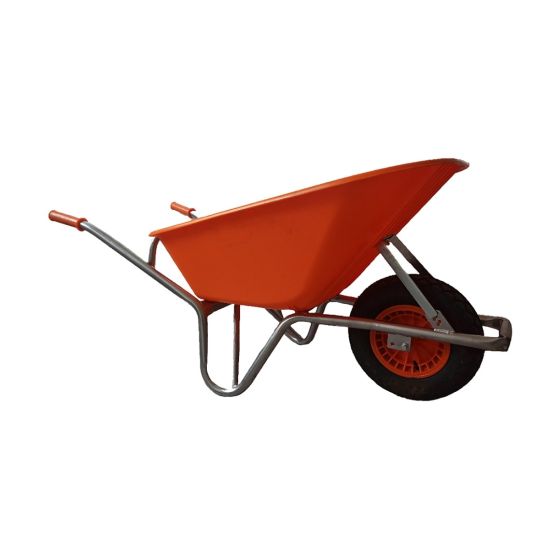
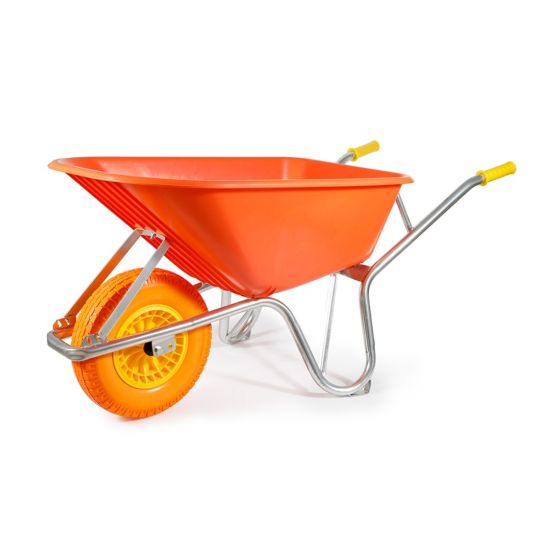
| Model | Pan material | Capacity | Frame | Best for |
|---|---|---|---|---|
| MAX Heavy Duty Wheelbarrow 100L | Galvanised steel | 100 litres | One-piece 32mm tubular, adjustable tipping point | Regular tipping over kerbs or skip edges |
| Heavy Duty Galvanised Wheelbarrow 90L | Galvanised steel, 15t pressed | 90 litres | Standard tubular | General construction on a budget |
| Churchill Heavy-Duty Wheelbarrow 100L | HDPE | 100 litres, 275kg rated | Galvanised, under-tray cross support | Hot tarmac and mixed material work |
| TufX Heavy Duty Wheelbarrow 100L | HDPE | 100 litres, 275kg rated | Zinc-coated, needle roller bearing | High-volume tarmac and concrete operations |
| Haemmerlin Original 90L | Galvanised, double rolled edge | 90 litres | Integral one-piece, built-in tipping bar | Longest proven track record, whole-life cost |
Pneumatic, Puncture-Proof, or Puncture-Free Wheels
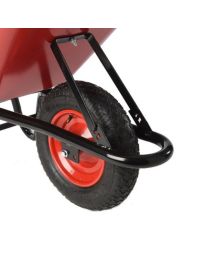
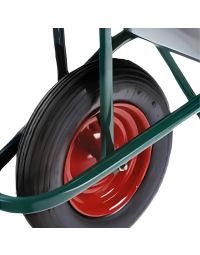
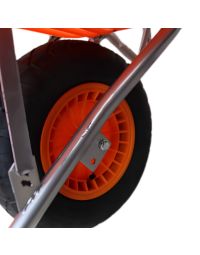
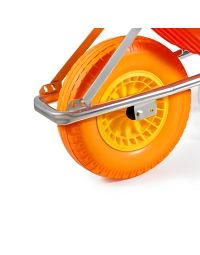
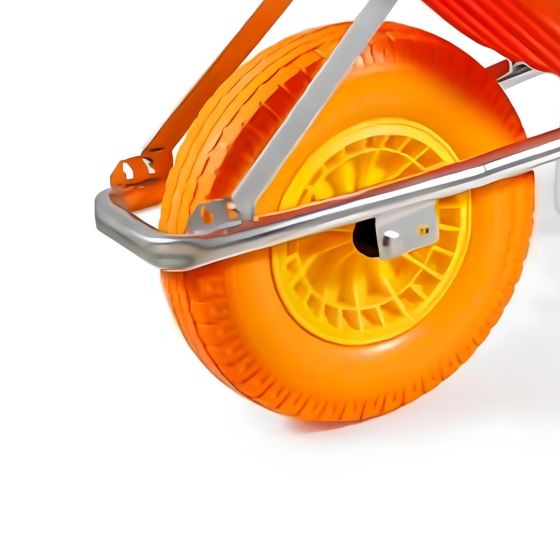
Every barrow above is available with a choice of tyre type, and getting this wrong is one of the most avoidable causes of downtime on a busy site. Pneumatic tyres give the smoothest ride on compacted or clean ground but puncture on a single nail or rebar offcut. Puncture-proof and puncture-free wheels remove that risk entirely with no air and nothing to lose pressure, the correct choice for demolition, strip-out, and reinstatement sites.
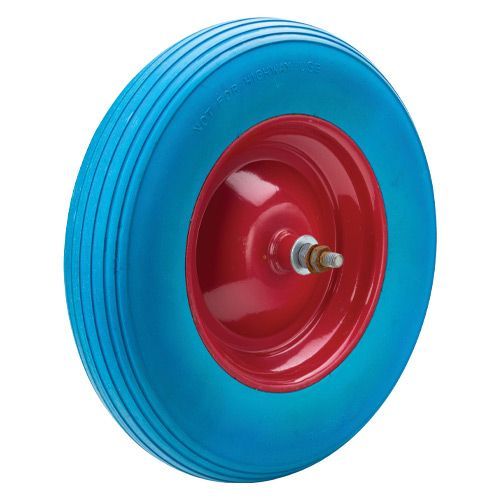
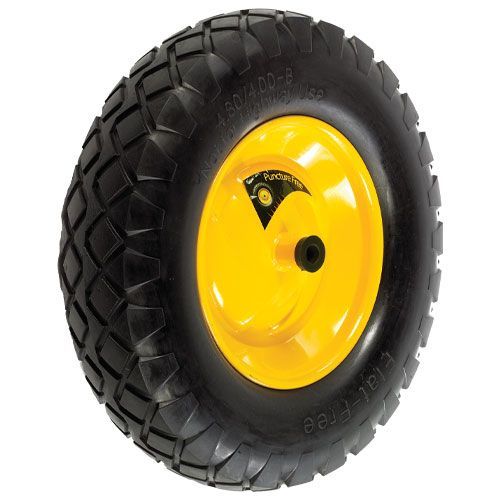
The maths is simple. A barrow out of service on a pour day costs far more in lost gang time than the wheel itself. If your next site phase involves nails, rebar, or broken material at ground level, specify puncture-proof from day one rather than waiting for the first failure.
Spare and Replacement Wheels
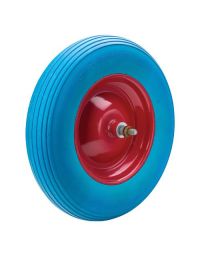
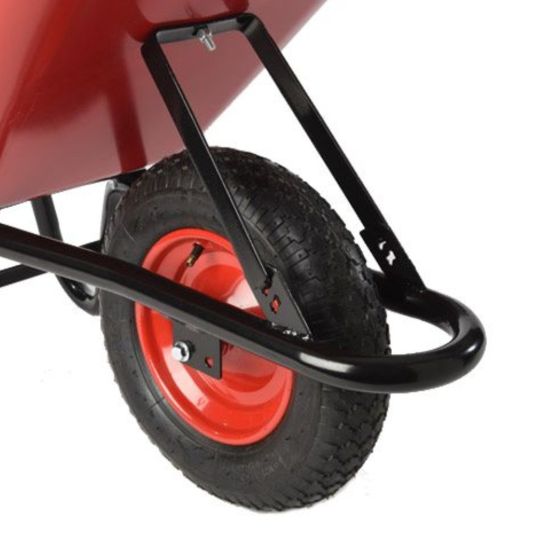
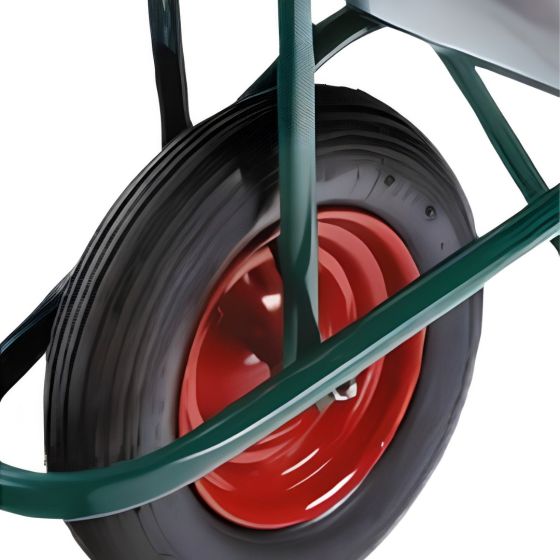
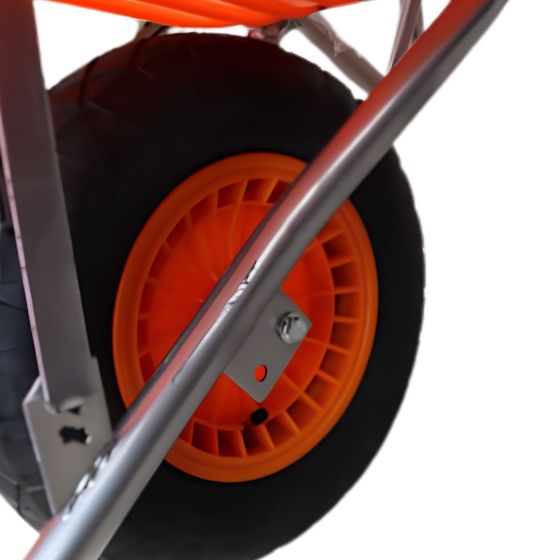
Even with the right tyre type specified, wheels remain the highest-wear component on any wheelbarrow. Holding the correct spare on site turns a damaged wheel into a two-minute swap instead of a lost shift.
| Spare wheel | Fits | Notable feature |
|---|---|---|
| Spare Pneumatic Wheel | MAX Heavy Duty Wheelbarrow 100L | Matches original specification |
| Replacement Pneumatic Wheel | Heavy Duty Galvanised Wheelbarrow 90L | Sold as single unit, no surplus stock |
| Replacement Pneumatic Wheel (Churchill) | Churchill Heavy-Duty Wheelbarrow 100L | Matches original fitted wheel exactly |
| TufX Replacement Wheel | TufX Heavy Duty Wheelbarrow 100L | Only spare in the range with a needle roller bearing |
A simple rule for spares: if you only run one barrow on site, keep its specific spare wheel on the shelf. If you're running several across a project, hold one spare per model in use, since a five-minute swap costs nothing compared with a barrow out of action for a day.
Sack Trucks
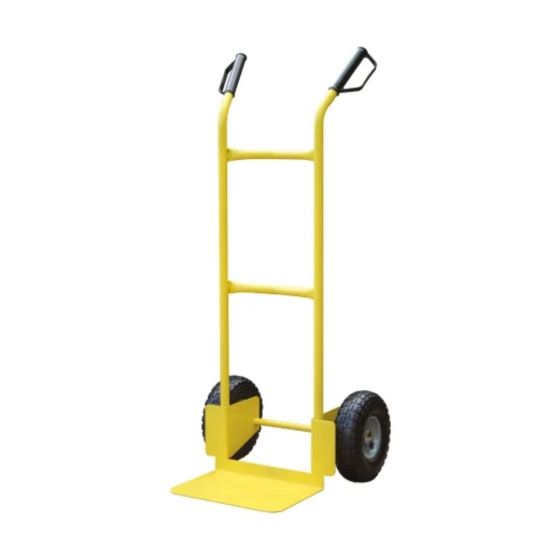
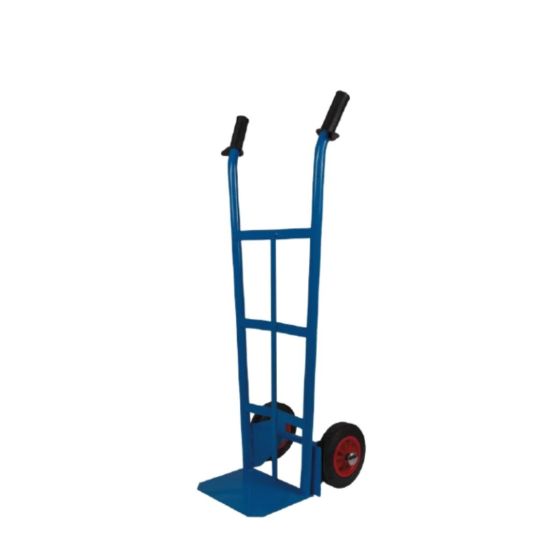
For bagged, boxed, and unit loads rather than loose material, the deciding factor is ground surface, not load weight alone.
| Variant | Load capacity | Wheel type | Best surface |
|---|---|---|---|
| Heavy Duty Sack Truck (Pneumatic) | 200kg | Pneumatic, knuckle guard handles | Outdoor, uneven construction sites |
| Premium Sack Truck (Solid Wheel) | 150kg | Solid, zero maintenance | Smooth warehouse and commercial floors |
Choose pneumatic if you're moving bagged goods across rough or outdoor site ground. Choose solid wheel if you're working on smooth indoor floors and want zero tyre maintenance.
Drum Lifting and Handling
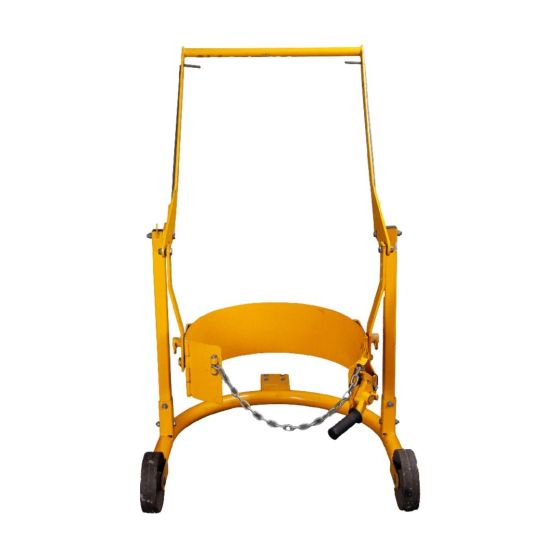
Moving a full 210 litre steel drum by rolling or dragging it is one of the most common causes of manual handling injury in warehouses and industrial sites.
| Capacity | Drum size | Mechanism | Best for |
|---|---|---|---|
| 363kg | 210 litre steel drum | Chain clamp, ergonomic handle, 90° rotation for dispensing | Single-operative drum handling without forklift access |
Choose this if your site or depot regularly handles full steel drums and you want a safe, single-operative method that doesn't depend on forklift access.
Pallet Trucks
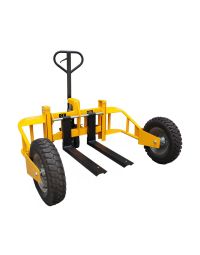
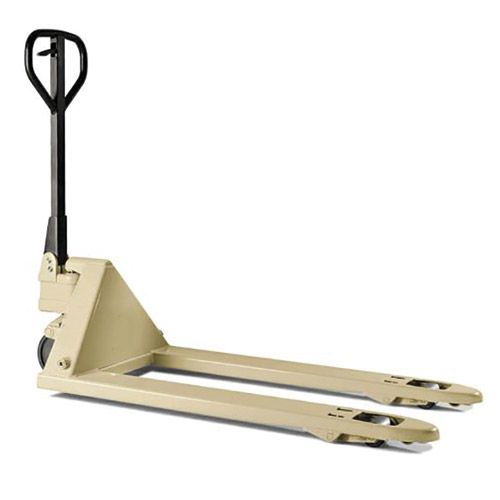
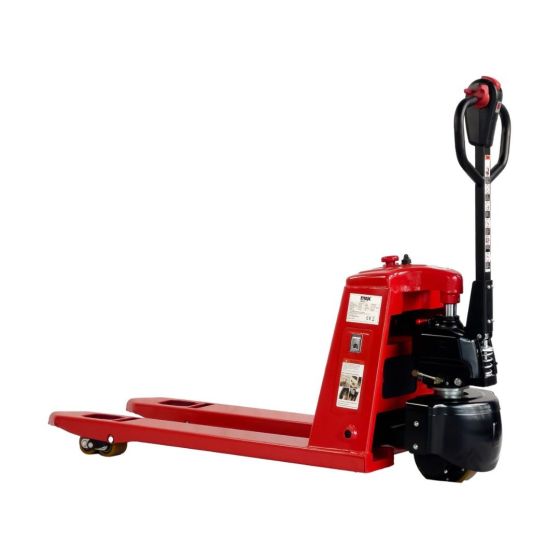
Pallet trucks split into a few real options depending on power source and ground conditions: a fully manual truck for flat warehouse floors, a manual truck built specifically for rough or uneven ground, or a semi-electric truck where a motor handles the travel and you only operate the hydraulic lift by hand. Which one is right depends on the floor surface, the distance, and how much of the working day is spent pushing loaded pallets rather than loading and unloading them.

| Model | Drive | Capacity | Best for |
|---|---|---|---|
| 2.5 Tonne Manual Pallet Truck | Fully manual | 2.5 tonnes, Euro pallets 550mm x 1150mm | Short or occasional runs on flat warehouse floors, zero maintenance |
| Heavy Duty Industrial Pallet Truck | Fully manual, dual-action pump | 1000kg | Uneven or rough ground, pneumatic front wheels absorb shock |
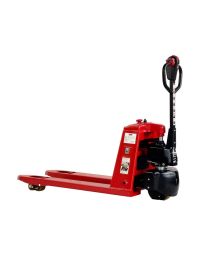
| MAX Electric Pallet Truck | Semi-electric: electric drive, manual lift | 2000kg | Long or frequent runs across flat warehouse floors |
Choose the Heavy Duty Industrial Pallet Truck if your floor isn't flat or finished, broken yard surfaces, hardstanding, or general site ground where a standard pallet truck's solid wheels would struggle. The pneumatic front wheels absorb shock over uneven surfaces while solid rear wheels resist deformation under the load itself, and the dual-action pump gives faster lifting with less pumping effort than a single-stage manual pump.
Keeping the MAX Electric Pallet Truck Running Across Double Shifts
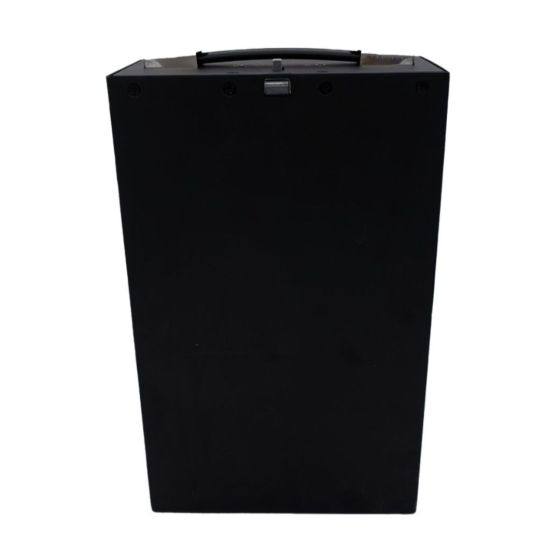
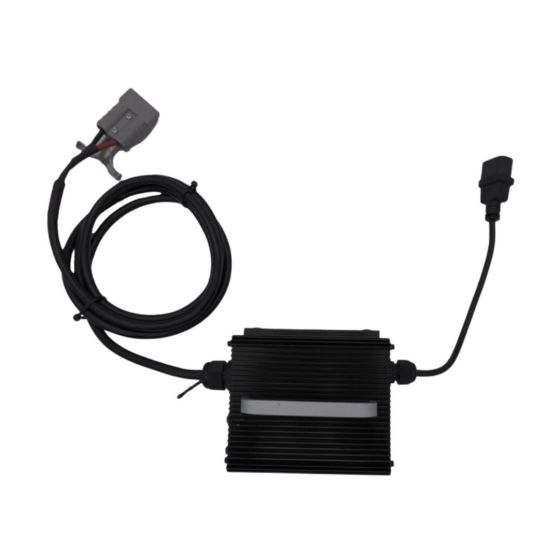
The semi-electric truck only earns its keep over the manual option if it's actually available when you need it. Two spare parts make double-shift and continuous operation realistic.
| Part | Specification | Role |
|---|---|---|
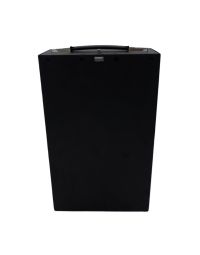
| Spare Electric Pallet Truck Battery | 24V / 30Ah lithium-ion, direct fit | Swap a depleted battery for a charged one in seconds |
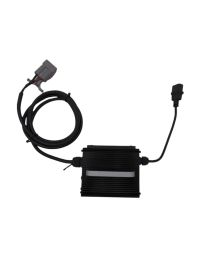
| Electric Pallet Truck Fast Charger | 24V, direct fit | Lets the spare battery charge independently while the truck keeps working |
The practical setup: one truck, one spare battery, one spare charger. That combination means a depleted battery is always charging independently while a charged one is either on the truck or ready to swap in, and the only time the truck is out of action is the few seconds it takes to make the swap.
Frequently Asked Questions
What's the difference between a wheelbarrow and a sack truck?
A wheelbarrow has an open pan and is built for loose or wet material such as concrete, mortar, aggregate, or rubble, which you load in bulk and tip out. A sack truck has a flat toe plate and an upright frame, designed to slide under bagged, boxed, or stacked unit loads and carry them upright over short distances. If your load can be poured or shovelled, you need a wheelbarrow. If it's already in a bag, box, or stack, you need a sack truck.
Can I use a galvanised steel wheelbarrow for hot tarmac?
No. Hot tarmac bonds permanently to a galvanised steel pan at working temperature, ruining it. If your site handles tarmac, reinstatement material, or mixed tarmac-and-concrete work, you need an HDPE or PE pan wheelbarrow, such as the Churchill or TufX, both of which release tarmac cleanly after every load.
Should I choose a pneumatic or puncture-proof wheel for my wheelbarrow?
Pneumatic tyres give the smoothest ride on clean, compacted ground, but a single nail or rebar offcut will puncture them and put the barrow out of service. On demolition, strip-out, or reinstatement sites where sharp debris at ground level is a daily reality, a puncture-proof wheel kit removes that risk entirely and is the safer specification from day one.
How do I know which spare wheel fits my wheelbarrow?
Match the spare wheel to your specific barrow model, since they are not interchangeable across the range. The MAX Heavy Duty Wheelbarrow, the Heavy Duty Galvanised Wheelbarrow 90L, the Churchill Heavy-Duty Wheelbarrow, and the TufX Heavy Duty Wheelbarrow each have their own direct-fit replacement wheel. Check the product code on your barrow before ordering, or contact CMT Group's sales team to confirm fitment.
Is a manual or electric pallet truck better for my warehouse?
A fully manual pallet truck is the lower-cost, zero-maintenance option for short or occasional pallet runs. A semi-electric pallet truck, such as the MAX Electric Pallet Truck, removes the physical effort of driving the load over longer or more frequent runs while keeping a simple manual hydraulic lift. If pallets move often or across long distances on a flat floor, the electric option typically pays for itself quickly in reduced operator fatigue and faster turnaround.
How do I run an electric pallet truck across double shifts without downtime?
Hold one spare battery and one spare charger alongside the truck. This lets a depleted battery charge independently on its own charger while a fully charged spare is either already on the truck or ready to swap in, so the truck is only out of action for the few seconds it takes to make the swap, rather than the full charge cycle.
Summary
Start with category, not brand: a wheelbarrow for loose material, a sack truck for unit loads, a drum lifter for full steel drums, a pallet truck for palletised goods. Inside each category, match the pan or wheel material to what the equipment will actually touch on site, not what it might touch occasionally. Specify for the conditions you know you'll face, hold the right spare wheel or battery on site before you need it, and the equipment stays in service when it matters most.
For help specifying the right equipment for a specific project, contact the CMT Group sales team on 020 8311 1144, or order online for next-day delivery on stocked lines. You can also browse the full groundwork equipment range at CMT Group.