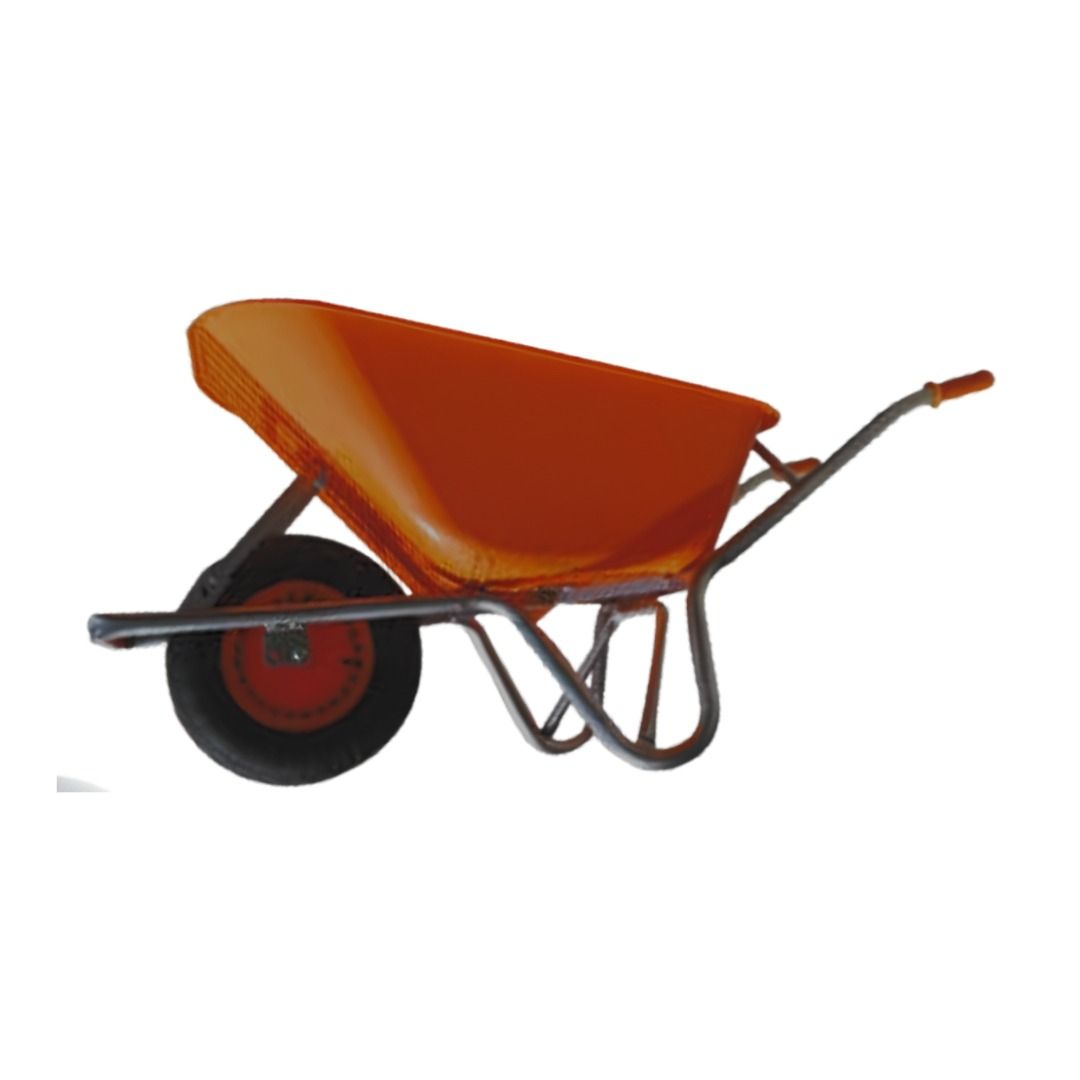
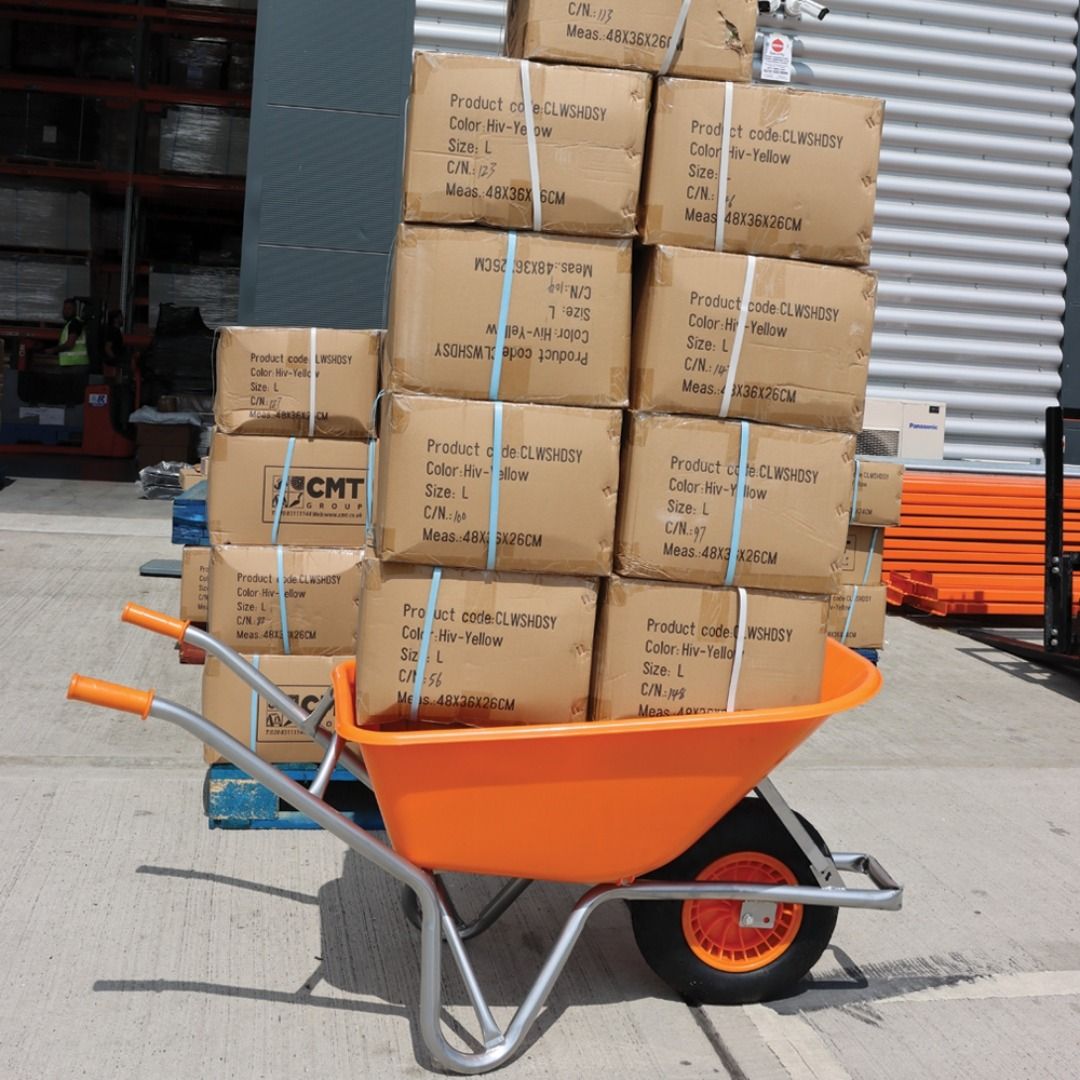
Churchill heavy-duty HDPE wheelbarrow 100 litre orange pan galvanised frame front three-quarter view | CMT Group UK
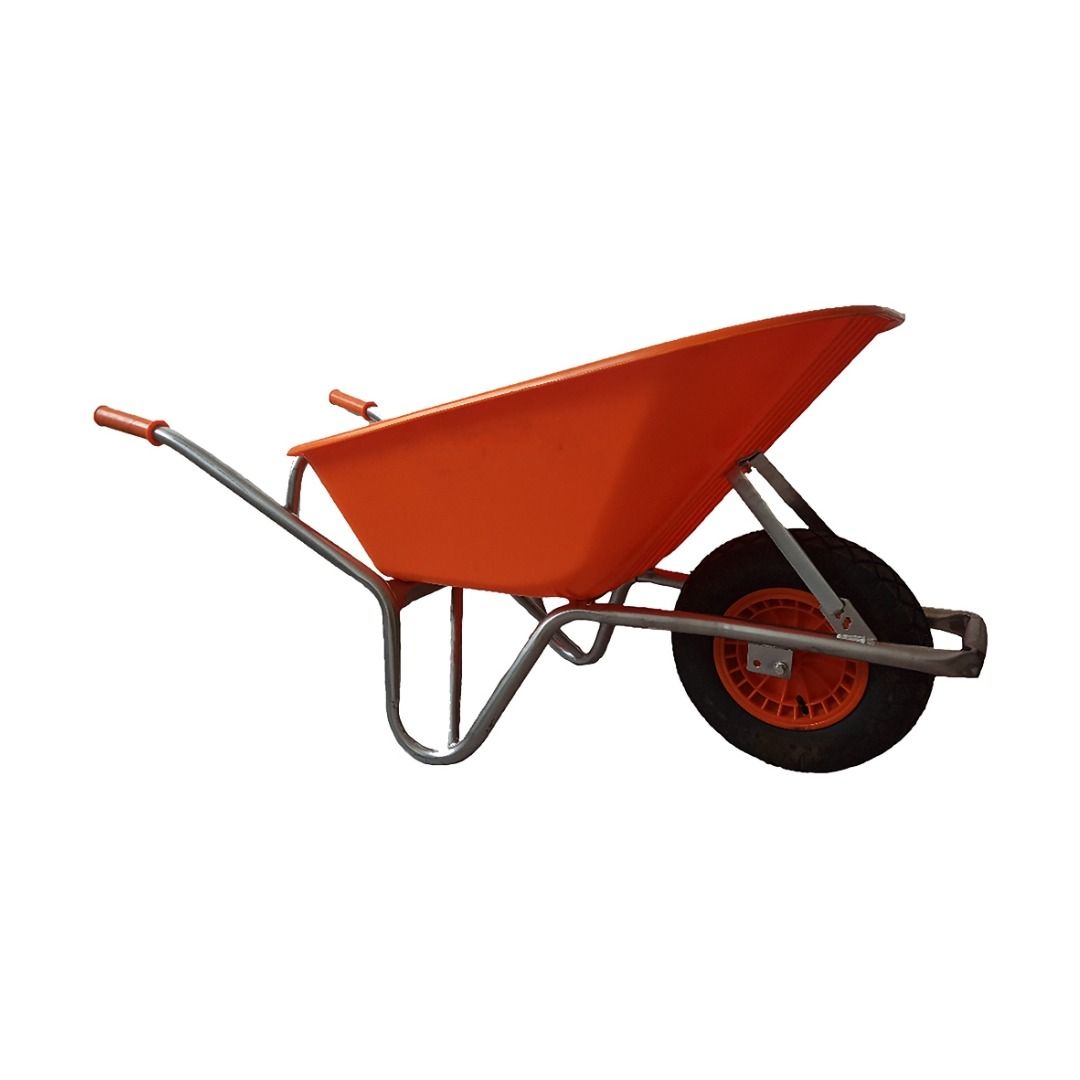
Churchill heavy-duty HDPE wheelbarrow 100 litre orange pan galvanised frame front three-quarter view | CMT Group UK Churchill heavy-duty HDPE wheelbarrow 100 litre orange pan galvanised frame side view | CMT Group UK Churchill HDPE wheelbarrow locking nut pan fixing and galvanised frame nose close-up detail | CMT Group UK 100 Litre Heavy-Duty Wheelbarrow | CMT Group UK Churchill Heavy-Duty Wheelbarrow 100 Litre for Hot Tarmac and Construction | CMT Group UK Churchill HDPE Wheelbarrow 100L Hot Tarmac on site | CMT Group UK

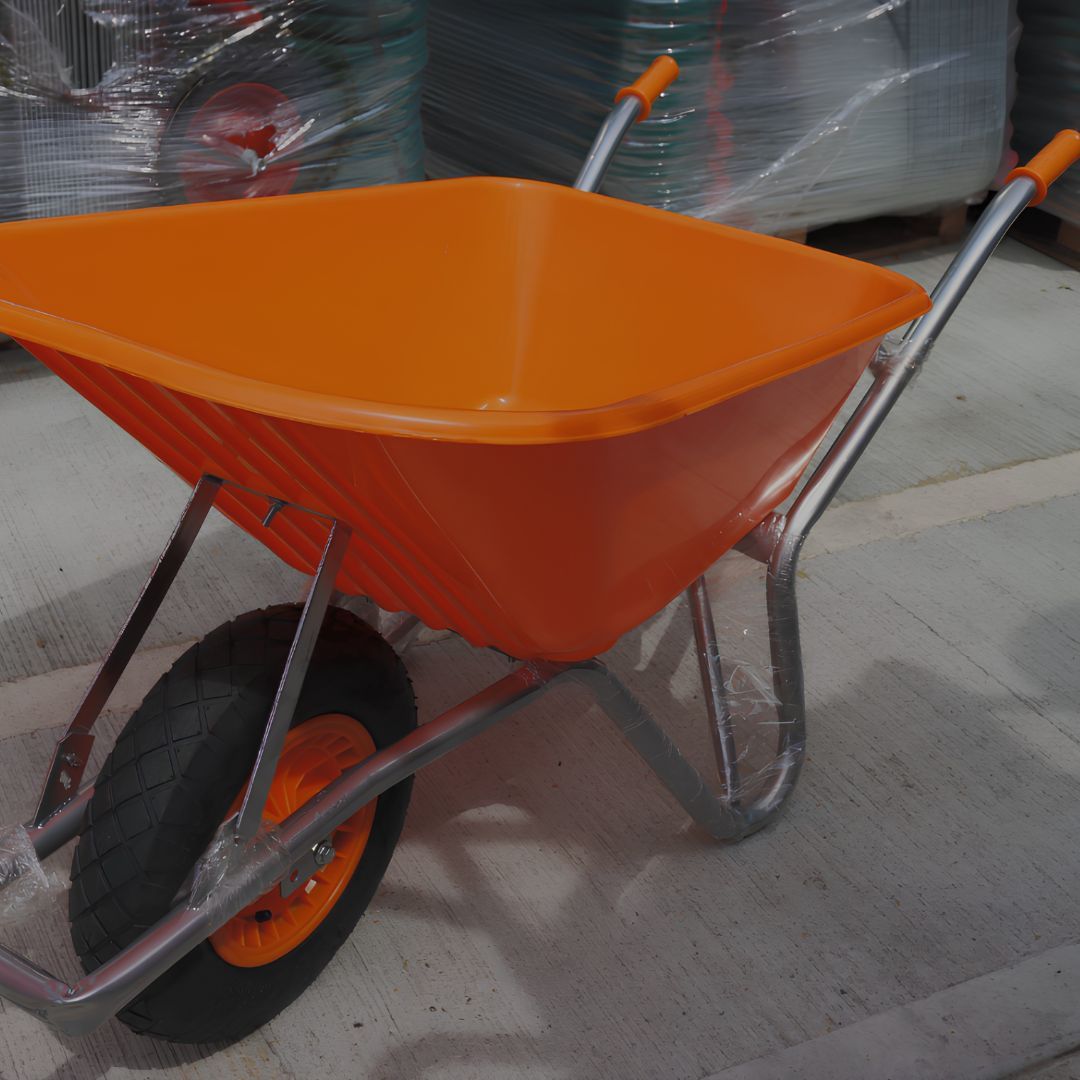
A 100-litre HDPE heavy-duty wheelbarrow with a 275kg load capacity, built for groundworkers, tarmac gangs, and construction professionals handling hot tarmac, concrete, and aggregate on UK sites daily.

  • HDPE pan suitable for hot tarmac, concrete, and cement
  • 275kg maximum loading capacity for heavy single loads in fewer runs
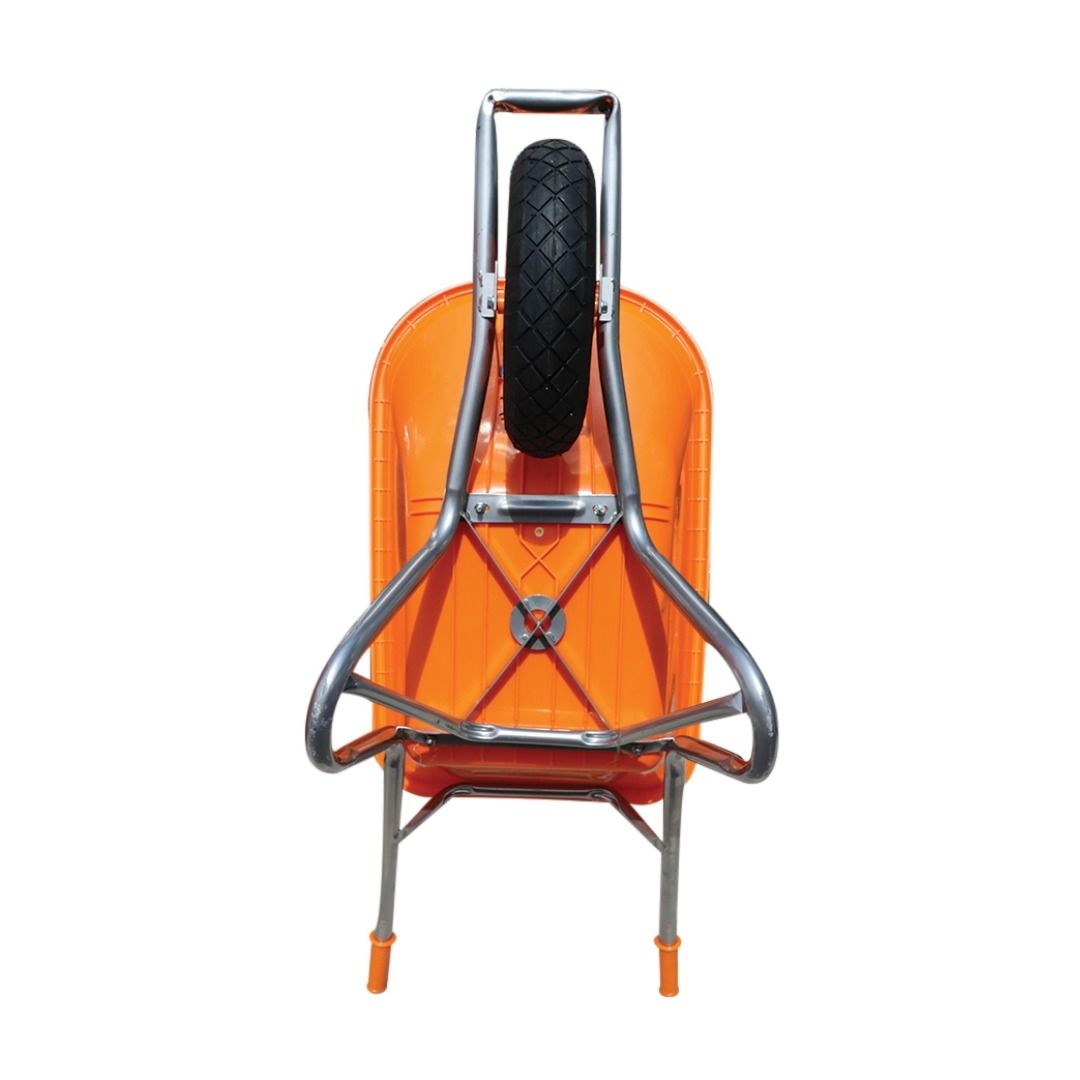
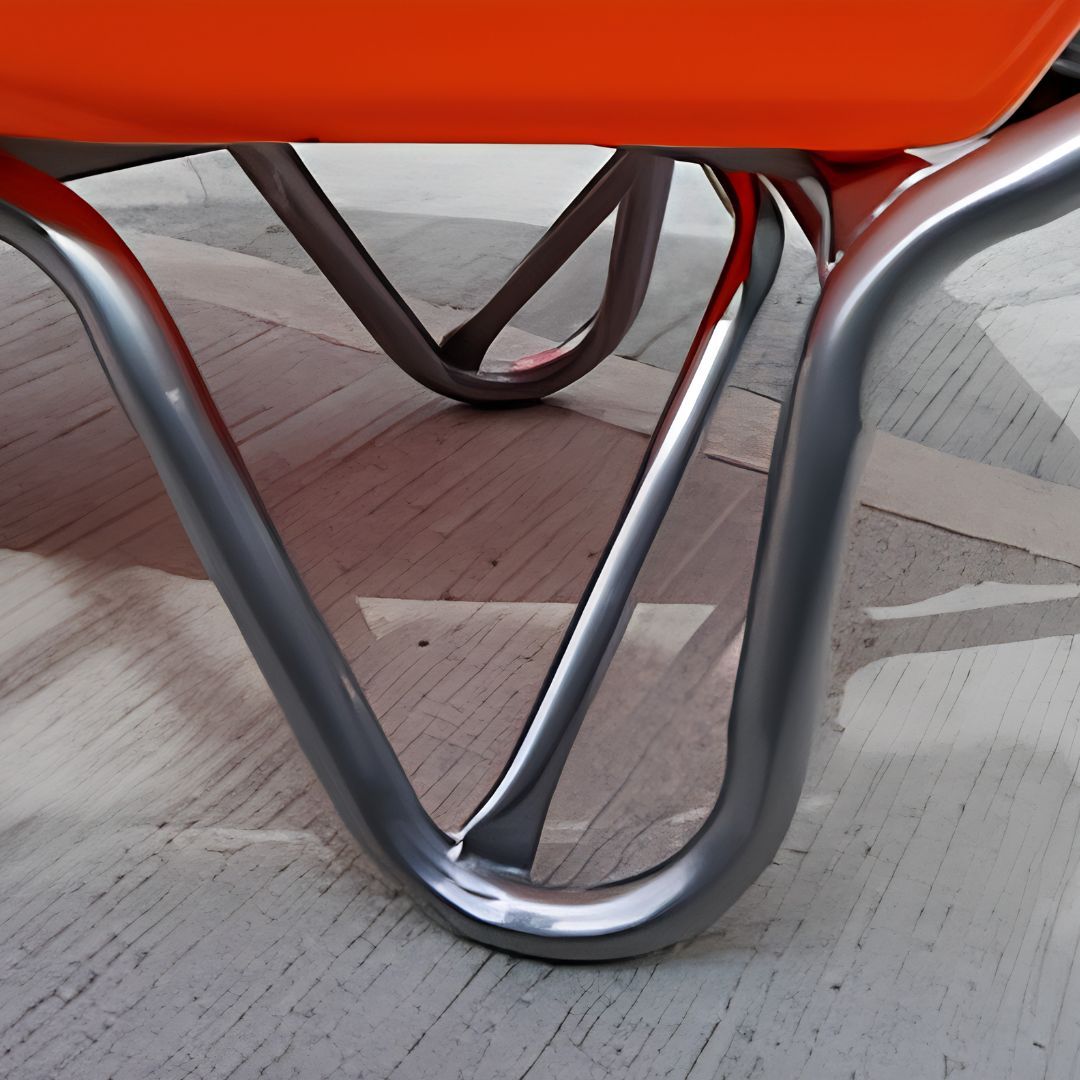
  • Galvanised steel frame with under-tray cross support for structural rigidity under maximum load
  • Wider legs with zero tip rating for stability on sloped and uneven site surfaces
  • Pneumatic tyre for controlled movement across uneven ground
  • Locking nuts fix pan securely to frame under repeated heavy loading and tipping impact


Churchill Heavy-Duty Wheelbarrow 100 Litre - Hot Tarmac and Construction

Code
WBCHURCH120
490+ In Stock

A 100-litre HDPE heavy-duty wheelbarrow with a 275kg load capacity, built for groundworkers, tarmac gangs, and construction professionals handling hot tarmac, concrete, and aggregate on UK sites daily.

  • HDPE pan suitable for hot tarmac, concrete, and cement
  • 275kg maximum loading capacity for heavy single loads in fewer runs
  • Galvanised steel frame with under-tray cross support for structural rigidity under maximum load
  • Wider legs with zero tip rating for stability on sloped and uneven site surfaces
  • Pneumatic tyre for controlled movement across uneven ground
  • Locking nuts fix pan securely to frame under repeated heavy loading and tipping impact


£164.47 £137.06
  • Buy 5 for £145.00 £120.83 each and save 12%
  • Buy 10 for £127.72 £106.43 each and save 22%
  • BULK DISCOUNT 5 10
    Price £120.83 £145.00 £106.43 £127.72

Order 1x to earn 137 FASTPoints

Order to earn 137 FASTPoints

Log in to access trade discounts
490+ In Stock

Churchill Heavy-Duty Wheelbarrow 100 Litre 

Heavy-duty HDPE wheelbarrow built for groundworkers, concreters, tarmac gangs, and site operatives who need a 100-litre barrow rated to 275kg for demanding daily material handling on UK construction and civils sites. The HDPE pan does not bond with hot tarmac, concrete, or cement slurry in the way that steel pans do, making it the correct specification for surfacing, reinstatement, and mixed-material construction work where a steel-pan barrow would require constant cleaning or would degrade quickly under tarmac contact. The galvanised steel frame with under-tray cross support provides the structural rigidity needed to carry 275kg loads without frame flex or pan shift across a full working shift.

How an HDPE pan outperforms steel on a construction site

A steel pan bonds with hot tarmac at working temperature, traps hardened concrete and cement slurry in surface imperfections, and corrodes progressively from cement contact and outdoor exposure. On a busy construction or surfacing site, that means a steel pan that starts the project at full capacity ends it reduced by hardened residue and surface degradation. The Churchill HDPE pan is chemically inert to tarmac, concrete, and cement: materials release cleanly after each load without bonding to the pan surface. Combined with a galvanised frame that resists corrosion from wet ground conditions and site exposure, the overall construction is built for a working life measured in projects rather than seasons.

Key Features

  • HDPE pan rated for hot tarmac: High-density polyethylene resists bonding with bituminous materials at working temperature, concrete, mortar, and cement slurry. Residue releases cleanly after each load without the surface degradation that shortens the service life of steel-pan alternatives.

  • 275kg maximum loading capacity: Rated to 275kg, allowing heavier single loads of aggregate, rubble, wet concrete, and dense site materials to be moved in fewer trips across a shift.

  • Galvanised steel frame: Galvanising protects the frame steel against corrosion from wet ground conditions, cement contact, and outdoor site exposure throughout the working life of the barrow. Galvanised construction outperforms powder-coated alternatives under the abrasion and impact of daily professional use.

  • Under-tray cross support: Structural brace across the underside of the frame absorbs the load and tipping impact of 275kg loads, preventing frame flex at the highest-stress points during regular heavy use.

  • Wider legs with zero tip rating: Wider leg geometry lowers the centre of gravity of a loaded barrow, resisting sideways tipping on sloped ground and uneven site surfaces under full load.

  • Locking nuts fixed to pan: Pan secured to the frame with locking nuts that prevent movement, rattle, or pan shift under repeated heavy loading and tipping impact throughout a working shift.

  • Pneumatic tyre: Air-filled tyre absorbs ground shock on uneven, rutted, and broken site surfaces, reducing operative fatigue and maintaining load stability across a full day of heavy material handling.

  • Ergonomic frame design: Balanced frame geometry and handle positioning reduce the effort needed to lift, push, and tip a fully loaded barrow across a site shift.

Who is this for

Trades and roles:

  • Groundworkers

  • Tarmac and surfacing gangs

  • Concreters

  • Bricklayers and masons

  • Civil engineering operatives

  • Reinstatement and highways operatives

Industries:

  • Construction

  • Civil engineering

  • Highways and utilities

  • Groundworks contractors

  • Landscaping and external works

  • Demolition and strip-out

 Specifications

Specification Detail
Product Name Churchill Heavy-Duty Wheelbarrow 100 Litre - Hot Tarmac and Construction
SKU / Product Code WBCHURCH120
Pan Material High Density Polyethylene (HDPE)
Pan Capacity 100 litres
Maximum Loading Capacity 275kg
Hot Tarmac Suitable Yes
Frame Material Galvanised steel
Frame Support Under-tray cross support
Leg Design Wider legs, zero tip rating
Pan Fixing Locking nuts fixed to pan
Tyre Type Pneumatic
Handle Type Ergonomic grip
Colour Orange HDPE pan, galvanised silver frame

Compatibility

Application / Site Condition Status
Hot tarmac and asphalt at working temperature ✓ Compatible
Wet concrete, mortar, and cement slurry ✓ Compatible
Aggregates, rubble, and spoil ✓ Compatible
General site material handling in wet conditions ✓ Compatible
Outdoor year-round site use ✓ Compatible
Uneven, rutted, and broken ground surfaces ✓ Compatible
Sites with nails, rebar, or sharp debris (pneumatic tyre) ✗ Puncture risk - consider puncture-proof tyre kit
Loads exceeding 275kg ✗ Not recommended
Chemical or hazardous liquid containment ✗ Not suitable
Powered or motorised attachment use ✗ Not applicable - manual use only


Who is this for

This wheelbarrow is used primarily by tarmac and surfacing gangs, groundworkers, and concreters on UK construction, highways, and civils sites where the pan material matters as much as the capacity. It suits procurement teams specifying a single barrow for mixed-material sites where operatives move hot tarmac, wet concrete, and aggregate in the same working day, and where a steel-pan barrow would require replacement or constant maintenance to stay functional under that combination of materials. At 275kg maximum load capacity it also serves heavy aggregate and spoil operations where lighter-rated HDPE alternatives fall short.

Typical applications

  • Transporting hot tarmac during road surfacing, car park resurfacing, footpath laying, and highway reinstatement operations where an HDPE pan is the only appropriate specification.

  • Moving wet concrete from a mixer to pour locations during slab, footing, and foundation work on construction sites.

  • Shifting aggregates, hardcore, and MOT Type 1 during sub-base preparation and drainage installation on groundwork projects.

  • Clearing rubble, broken block, and demolition debris from strip-out areas to skips or segregation points during construction and refurbishment operations.

  • Carrying bricks, blocks, and paving slabs across site from delivery stacks to working positions on bricklaying and paving operations.

  • Moving topsoil, sand, and ballast during landscaping, external works, and civils projects where high load capacity reduces the number of runs per cycle.

  • Transporting mixed mortar from a mixer to bricklayers and blocklayers on site runs where pan cleanliness and release matter across a full shift.

  • General heavy material distribution on civils, utilities, and infrastructure projects where a 275kg rating is the primary procurement specification.

How to use

Step 1: Inspect the tyre pressure before each use. A correctly inflated pneumatic tyre provides the load-bearing and shock-absorbing performance the wheel is designed to deliver under the 275kg maximum load.

Step 2: Load material evenly and centrally in the pan, keeping the heaviest part of the load over the wheel axis. Front-heavy or rear-heavy loading reduces stability and control during the run.

Step 3: Do not exceed the 275kg maximum loading capacity. Overloading stresses the frame, wheel, and pan fixing points and creates a tipping hazard on uneven or sloped surfaces.

Step 4: Grip both handles firmly before lifting. Use legs to drive the lift rather than the lower back, particularly when the pan is at or near maximum load.

Step 5: On sloped ground, keep load speed controlled. The wider leg stance and zero tip geometry provide stability on moderate gradients but do not substitute for operative care on steeply cambered or uneven surfaces.

Step 6: After hot tarmac or concrete use, tip and clear the pan before material cools or cures. Although the HDPE pan releases most materials cleanly, hardened concrete left for an extended period will eventually require more effort to remove.

Common mistakes

  • Overloading the pan: The 275kg maximum is a structural limit, not a working target for every run. Loading at or beyond maximum capacity on rough or sloped ground creates tipping risk and accelerates frame and fixing wear. Load to the task and the ground conditions.

  • Ignoring tyre pressure: An underinflated pneumatic tyre under 275kg loads rolls harder, absorbs less ground shock, and places greater lateral stress on the wheel bearing. Check pressure at the start of each shift, particularly in cold weather.

  • Leaving tarmac or concrete to cure in the pan: Although the HDPE pan is significantly more resistant to bonding than steel, material left to cure fully will require more effort to remove and may eventually scratch the pan surface. Clear after each load on tarmac and concreting operations.

  • Using on debris-contaminated sites without puncture protection: Nails, rebar offcuts, and sharp stone on demolition or reinstatement sites will puncture a pneumatic tyre. A puncture-proof wheel kit should be considered for these site conditions.

  • Storing outdoors without cover in prolonged frost: Although the galvanised frame resists corrosion, a pneumatic tyre in sustained freezing conditions loses pressure rapidly. Store under cover or check and reinflate at the start of the first shift in cold weather.

Safety

The maximum loading capacity of 275kg must not be exceeded. On sloped or uneven ground, reduce load weight accordingly and ensure the operative has a clear, unobstructed path before moving. Do not use this wheelbarrow for transporting chemical or hazardous liquids: the pan is not sealed or rated for liquid containment. Operatives should wear safety footwear at all times when loading and moving a loaded barrow. On sites with vehicle movements, ensure designated pedestrian routes are in place before using a wheelbarrow in shared traffic areas, in compliance with CDM 2015 site traffic management requirements.

Maintenance

Clear the pan after each use before material sets. Rinse with clean water if concrete or mortar residue is present. Check and reinflate the pneumatic tyre to the correct pressure at the start of each shift. Inspect the tyre surface for cuts, embedded debris, and sidewall cracking periodically. Inspect the locking nuts on the pan fixing at regular intervals and re-tighten if movement is detected. Inspect the under-tray cross support and frame for any cracking or deformation under sustained heavy use and do not continue using a barrow with a damaged frame. Store in a covered location to protect the tyre and frame from prolonged UV and frost exposure.

Frequently Asked Questions

Q: Why is an HDPE pan better than a galvanised steel pan for hot tarmac and construction work?
A: A galvanised steel pan bonds with hot tarmac at working temperature: bituminous material adheres to the steel surface and cannot be removed cleanly once cooled, progressively reducing pan capacity and adding dead weight to every subsequent run. Steel pans also accumulate hardened concrete and cement residue in surface imperfections over time. The HDPE pan is chemically inert to tarmac, concrete, and cement slurry, so materials release cleanly after each load without bonding to the pan surface. On a mixed-material construction site where the barrow is used for tarmac, concrete, and aggregate across the same shift, the HDPE pan is the correct long-term specification.

Q: What is the maximum load this wheelbarrow can carry?
A: The maximum loading capacity is 275kg. This is a structural limit determined by the frame, wheel, and pan fixing design. On rough or sloped ground, reduce the single-load weight to maintain stability and operative control. Sustained loading at or near the maximum will shorten the service life of the frame and wheel assembly over time.

Q: What is this wheelbarrow NOT suitable for?
A: This barrow is not suitable for transporting chemical or hazardous liquids: the pan is not sealed and will not safely contain liquid. It is not rated for loads above 275kg. On sites with heavy nail, rebar, or sharp debris contamination at ground level, the pneumatic tyre is at puncture risk and a puncture-proof wheel kit is the more appropriate specification for those conditions. It is not designed as a mixing or containment vessel.

Q: What does the "zero tip rating" mean and how does the wider leg stance achieve it?
A: Zero tip rating means the wider leg geometry prevents the loaded barrow from tipping sideways when stationary on a level surface at maximum load. The wider leg stance achieves this by lowering the centre of gravity of the loaded pan relative to the leg contact points, increasing lateral stability compared with a narrow-leg barrow under equivalent loads. On sloped or heavily cambered ground, operative awareness and load management remain essential: the zero tip rating applies on level surfaces and does not substitute for care on gradients.

Q: How does a galvanised frame compare to a powder-coated frame for outdoor site use?
A: Galvanising bonds a zinc layer metallurgically to the steel surface, providing a sacrificial barrier that continues to protect the underlying metal even when the surface is scratched or abraded during daily site use. Powder coating offers good corrosion resistance when intact but chips and flakes under the impact and abrasion typical of a busy construction site, exposing bare steel to corrosion at the damaged points. A galvanised frame maintains its protective layer under working conditions and extends the usable service life of the barrow in wet and chemically active outdoor environments.

Q: Is this barrow suitable for both tarmac and concrete work on the same site?
A: Yes. The HDPE pan handles both applications without the material transfer and bonding problems that affect steel-pan barrows used for mixed materials. Tarmac, wet concrete, mortar, and cement slurry all release cleanly from the HDPE surface after each load. Rinsing the pan with clean water between tarmac and concrete loads on the same shift is good practice to prevent any residue from the previous material affecting the next load.

Q: How long should this wheelbarrow last under daily professional use?
A: Service life depends on load intensity, ground conditions, and maintenance. The HDPE pan resists the corrosion, denting, and residue bonding that degrades steel pans on active construction sites. The galvanised frame resists rust throughout year-round outdoor use. The pneumatic tyre and its fixing are the highest-wear components: checking tyre pressure daily and inspecting the tyre surface for embedded debris and sidewall damage will identify wear before it becomes a failure. Clearing the pan after each use and storing under cover when not in use extends overall service life significantly.

Q: How quickly can I get this wheelbarrow delivered to a UK construction site?
A: Order by 7pm for next-day delivery nationwide. CMT Group runs its own fleet of vehicles covering over 95% of the UK mainland, with live order tracking, real-time ETAs, and What3Words integration for precise delivery to a specific site entrance, compound gate, or yard location without needing a full postcode. VIP same-day delivery from a CMT depot is also available for time-critical requirements.

CMT Equipment Ltd