
Sustainability, AI, compliance and beyond.
2025 proved to be a pivotal year for the construction industry, as sustainability, digitalisation and regulatory reform shifted from long-term objectives to everyday operational realities. Throughout the year, construction suppliers and contractors faced increased pressure to demonstrate environmental responsibility, meet tighter product compliance standards and adapt to a growing use of digital tools designed to improve productivity, visibility and risk management on site.
Looking ahead to 2026, these developments show no signs of slowing down. Sustainability requirements are expected to become further embedded into contracts and procurement framework, while data-driven compliance and emerging technologies such as AI are set to play more of an influential role in equipment management, site safety and workforce training/decision making across the construction sector.
Sustainability
One of the most significant forces shaping the construction industry in 2026 will be the continued push on sustainability and emission reduction, driven by both regulation and client expectation. Contractors and procurement teams are already placing greater emphasis on carbon reporting such as the Carbon Border Adjustment Mechanism (CBAM) , alongside wider environmental performance and lifecycle impact when making purchasing decisions. At the same time, evolving emissions standards and cross-border regulations are adding new layers of consideration for equipment supply and compliance.
This growing focus on sustainability is encouraging everyone with buyer influence in the construction industry to expand their checklists and apply greater scrutiny when selecting the right suppliers.
Importantly, sustainable choices do not always been to revolve around headline-grabbing emission targets. Practical considerations such as reducing material waste across projects, improving fuel efficiency and energy usage, and assessing packaging materials and reduction initiatives are becoming just as influential. Topics that will be explored in more detail across our knowledge base throughout the year, helping you stay informed as the construction industry continues to evolve through 2026.
Compliance
Alongside sustainability, compliance will continue to play a central role in procurement decision making across the construction industry. Regulatory framework such as CE marking requirements, CBAM and the updated construction products regulation CPR, coming in as early as January 8th, are reinforcing the need for clear documentation, greater transparency and more robust due diligence when selecting suppliers.
In parallel, ongoing Grenfell-related reforms are further tightening compliance and accountability across the industry, with a stronger focus on product reliability, transparency and traceability throughout the supply chain.
For procurement teams, this signals a shift away from price-led purchasing towards a more risk-based approach, where compliance, traceability, and long-term reliability are increasingly prioritised.
As requirements evolve through 2026, procurement professionals are being asked not only to research and budget for equipment that meets the necessary standards, but also to build strong relationships with suppliers who can consistently support compliance throughout the supply chain. This places greater emphasis on networking, thorough research, and access to certification/documentation. Areas that are becoming critical in demonstrating due diligence and defensible procurement decisions.
Artificial Intelligence
Artificial intelligence gained significant traction across the construction industry throughout 2025, moving from early adoption to everyday use. From streamlining procurement processes and improving stock visibility, to pre-empting equipment failures through predictive data, AI is beginning to reshape how construction businesses manage risk, cost and productivity.
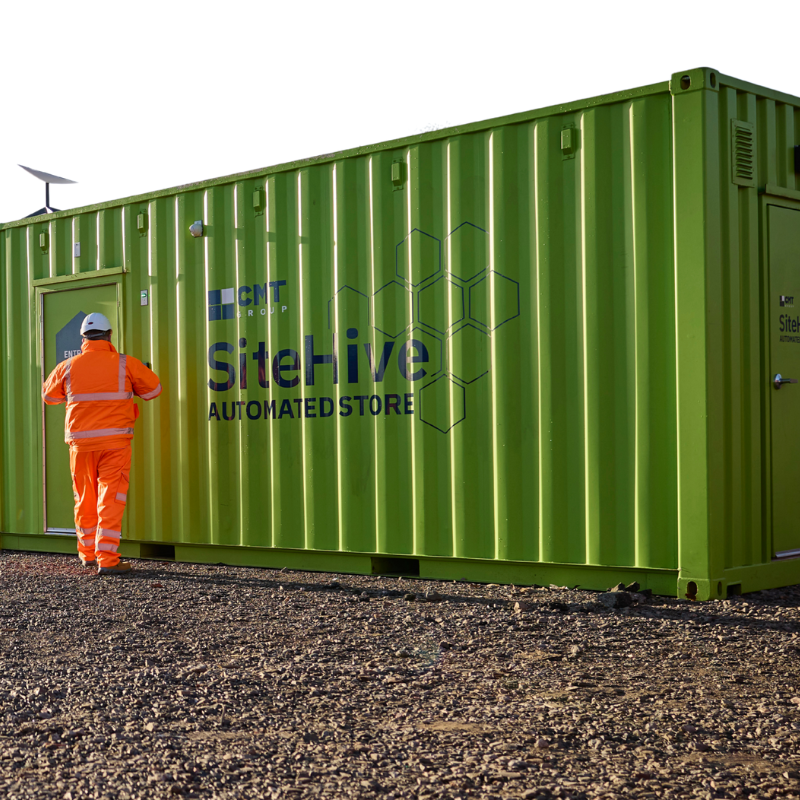
Looking ahead to 2026, the role of AI is expected to expand further, and conversations around it won’t stop. Particularly in areas such as automated procurement, equipment monitoring and training. Digital tools are increasingly being used to support smarter decision-making and creating new ways of sharing knowledge across the industry. This includes AI-managed site stores like SiteHive, award-winning technology that is helping teams improve availability, reduce downtime and simplify site logistics. These developments are a clear path to better education and efficiency in construction.
Despite ongoing challenges across the industry in the past few years, there is cautious optimism as we step into 2026. Industry data throughout 2024 and 2025 has shown gradual improvement in project pipelines, stabilising material supply and increased investment in digital and sustainable construction practices.
With sustainability, compliance and technology becoming more embedded across projects, 2026 presents an opportunity for the industry to build smarter, safer and long-term certainty. While change remains inevitable, the continued focus on innocation, skills development and collaboration across the supply chain offers a positive outlook for construction in the year ahead.
