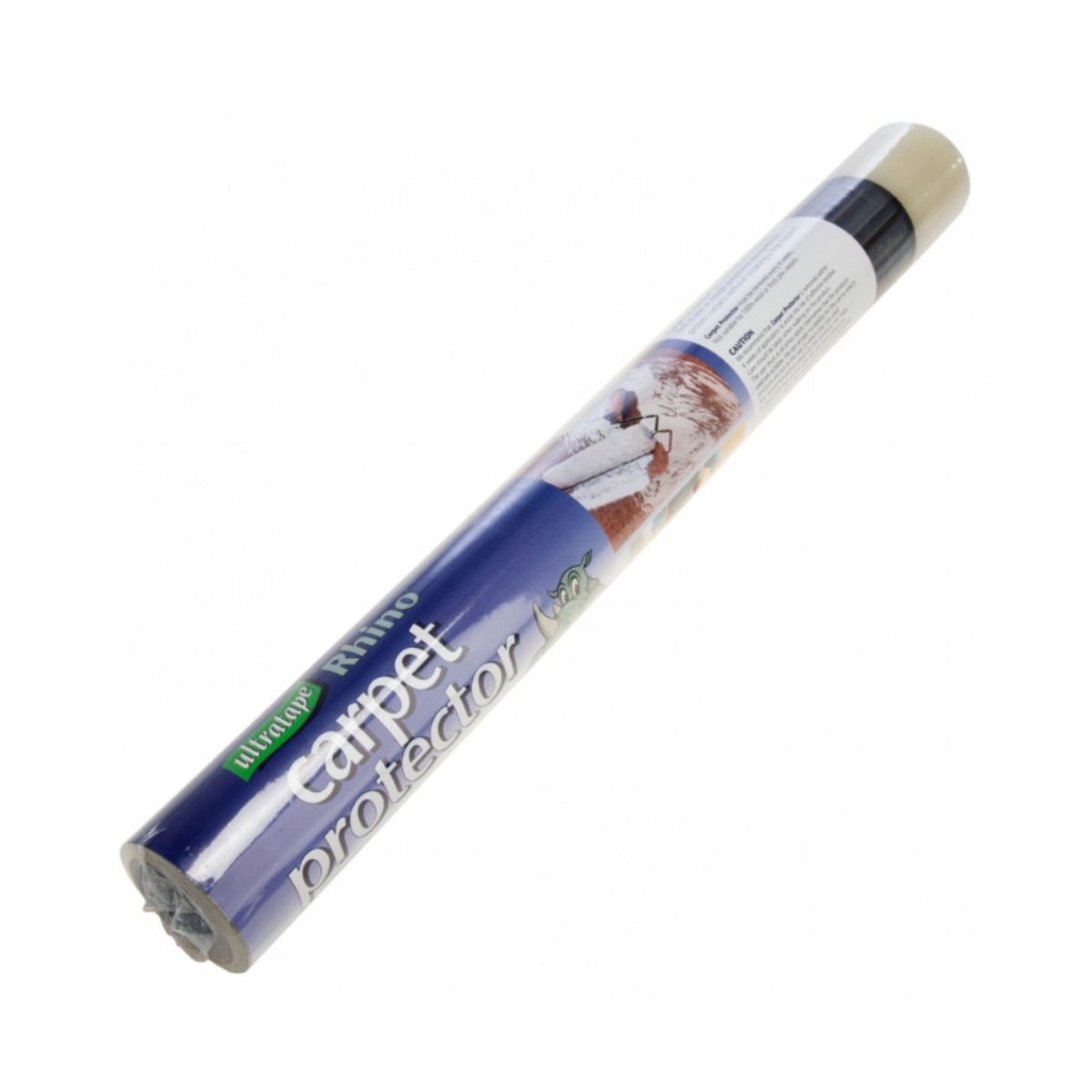
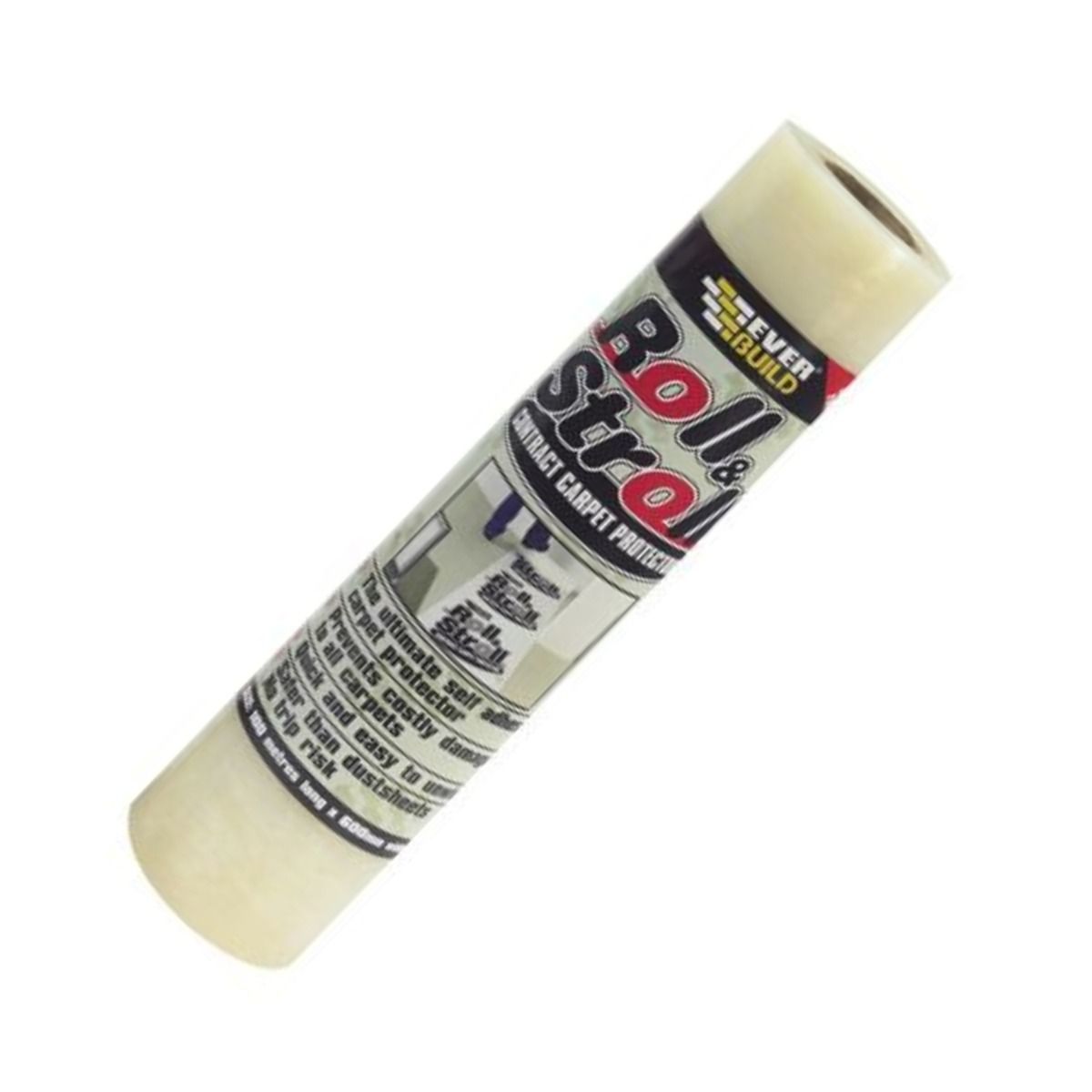
Self-adhesive carpet protection roll that shields carpets from dust, mud and paint during renovation and decorating work.
- Clear puncture and tear resistant polythene film
- Self-adhesive, sticks directly to carpet and stairs
- Withstands high foot traffic during renovation
- Flame retardant for added site safety
- Available in 600mm and 1200mm widths
- Best removed within 3 weeks for residue-free carpet
Carpet Protection Roll - Self-Adhesive Puncture and Tear Resistant Film
Self-adhesive carpet protection roll that shields carpets from dust, mud and paint during renovation and decorating work.
- Clear puncture and tear resistant polythene film
- Self-adhesive, sticks directly to carpet and stairs
- Withstands high foot traffic during renovation
- Flame retardant for added site safety
- Available in 600mm and 1200mm widths
- Best removed within 3 weeks for residue-free carpet
Carpet Protection Roll - Self-Adhesive Film
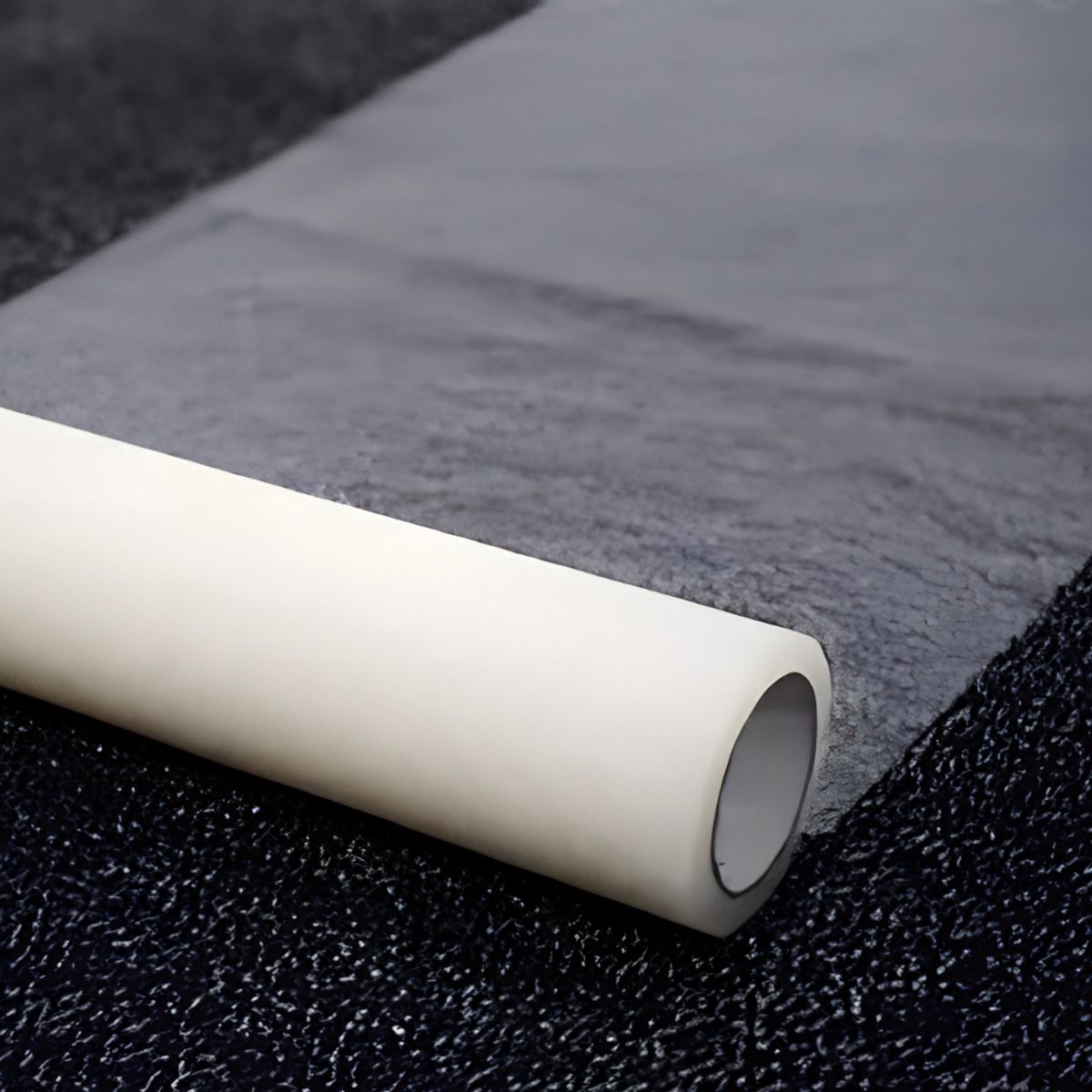
Carpet protection roll made from tough, self-adhesive polythene film, built to shield carpets and stairs from dust, mud and paint during renovation and maintenance work. The low tack adhesive sticks directly to the carpet without leaving residue, and covers large areas in minutes. Puncture and tear resistant construction lets it withstand high foot traffic throughout a renovation or decorating contract.
How self-adhesive film protects carpets better than dust sheets
Loose dust sheets shift and bunch underfoot, creating a trip hazard on stairs and high traffic areas during a renovation. Once a sheet moves out of place, the carpet underneath is left exposed to dust, mud and paint spills for the rest of the job. Self-adhesive carpet protection film sticks directly to the carpet surface, staying in position under foot traffic while still peeling away cleanly once the job is done.
Key Features
-
Self-adhesive, low tack film: Sticks directly to carpets and stairs without tape, staying in place under foot traffic and peeling away without residue.
-
Puncture and tear resistant: Tough polythene construction withstands high foot traffic and general site wear throughout a renovation or maintenance contract.
-
Flame retardant: Meets a key safety requirement for use on active construction and renovation sites.
-
Clear film: Lets flooring remain visible underneath, useful for matching up carpets or checking surface condition during a job.
-
Fast coverage: Unrolls quickly to cover large areas in minutes, faster than laying and taping traditional dust sheets.
-
Suitable for stairs: Provides protection and improved underfoot grip compared with loose sheeting on stair treads.
Who is this for
Trades and roles:
-
Decorators and painters
-
Renovation contractors
-
Flooring and carpet fitters
-
Removal and house clearance teams
-
Facilities maintenance teams
Industries:
-
Construction and renovation
-
Residential and commercial refurbishment
-
Facilities management
-
Property maintenance
-
Removals and relocations
Specifications
| Specification | Detail |
| Product Name | Carpet Protection Roll - Self-Adhesive Puncture and Tear Resistant Film |
| Parent Code | CP-1 |
| Material | Polythene film |
| Adhesive Type | Low tack, self-adhesive |
| Colour | Clear |
| Flame Retardant | Yes |
| Puncture and Tear Resistance | High |
| Suitable Surfaces | Carpet, stair carpet |
| Recommended Removal Period | Within 3 weeks for residue-free removal |
| Roll Length | 100m |
Compatibility
| Application or condition | Status |
| Carpet protection during renovation and decorating | ✓ Compatible |
| Stair carpet protection | ✓ Compatible |
| Protection against dust, mud and paint spills | ✓ Compatible |
| High foot traffic areas during a project | ✓ Compatible |
| Permanent flooring protection beyond 3 weeks | ✗ Not recommended |
| Hard flooring slip protection | ✗ Not recommended |
| Use as a vapour barrier or damp proof membrane | ✗ Not recommended |
Who is this for
This roll is used by decorators, renovation contractors and flooring fitters wherever carpet needs protecting during active work. Removal and house clearance teams use it to protect carpets and stairs from mud and scuffing during a move, while facilities maintenance teams apply it to keep communal carpeted areas clean during repair or refurbishment work. It suits any job where carpet needs to stay protected through a period of heavy foot traffic.
Typical applications
-
Protecting carpets from dust, mud and debris during renovation and building work.
-
Covering stair carpets to prevent slips and protect against foot traffic during a project.
-
Shielding carpets from paint spills and splashes during decorating jobs.
-
Protecting carpets during house moves and removals from scuffing and dirt.
-
Covering communal carpeted areas during facilities maintenance or repair work.
How to use
Step 1: Ensure the carpet surface is clean and dry before applying the film.
Step 2: Unroll the film across the carpet, working in one direction to avoid folds or creases.
Step 3: Press the film down firmly to ensure the adhesive makes full contact with the carpet.
Step 4: Trim to size at doorways, edges and stair nosings using a sharp blade.
Step 5: Remove within 3 weeks by peeling back slowly and evenly, working in the direction it was applied.
Common mistakes
-
Leaving the film down for longer than the recommended 3 weeks, increasing the risk of adhesive residue.
-
Applying the film to a damp or dirty carpet, which can reduce how well the adhesive sticks.
-
Pulling the film off sharply rather than peeling it back slowly, which can lift carpet fibres.
-
Using the film on hard flooring expecting the same slip protection as carpet use.
Safety
The film is flame retardant, a key requirement for use on active construction and renovation sites. It's designed as a temporary protective layer, not a permanent flooring solution, and should be removed within the recommended timeframe. On stairs, ensure the film is applied smoothly and firmly to avoid creating a trip hazard from loose or bunched film.
Maintenance
No maintenance is required once the film is applied, it's a single-use protective layer for the duration of the job. Remove within 3 weeks by peeling back slowly and evenly to avoid leaving adhesive residue on the carpet.
Frequently Asked Questions
Q: How long can the film stay on the carpet before removal?
A: The film is best removed within 3 weeks to avoid leaving residue on the carpet. Leaving it down longer increases the risk of the adhesive bonding more firmly to the carpet fibres, making clean removal harder. For projects running longer than 3 weeks, plan to lift and reapply fresh film partway through.
Q: What is the film made from, and is it flame retardant?
A: The film is a tough, clear polythene with a low tack self-adhesive backing. It's flame retardant as standard, an important safety consideration on active construction and renovation sites. There's no specific EN standard covering carpet protection film of this type, so flame retardancy and puncture resistance are the main quality indicators to check.
Q: What is this carpet protection roll NOT suitable for?
A: This film isn't designed for permanent flooring protection, it's intended as a temporary cover for the length of a renovation or decorating job, ideally removed within 3 weeks. It also isn't a vapour barrier or damp proof membrane, and shouldn't be relied on for that purpose. For hard flooring rather than carpet, a dedicated hard floor protection product is the better choice.
Q: Why choose self-adhesive film over traditional dust sheets for carpet protection?
A: Dust sheets shift and bunch underfoot, especially on stairs, creating a trip hazard and leaving gaps where dust and spills can reach the carpet. Self-adhesive film sticks directly to the carpet and stays in place under foot traffic, giving consistent protection without needing constant repositioning. It also covers large areas faster than laying and taping sheets.
Q: Can this film be used on stairs as well as flat carpet areas?
A: Yes, the film is suitable for stair carpets as well as flat areas, and its adhesive backing helps it stay in place on stair treads where loose sheeting is more likely to slip. This also reduces the trip hazard loose dust sheets can create on stairs during a renovation.
Q: How do I remove the film without damaging the carpet underneath?
A: Peel the film back slowly and evenly rather than pulling sharply, working in the same direction the roll was applied. Removing it within the recommended 3 week window gives the cleanest result with no adhesive residue left behind.
Q: Which width should I choose, 600mm or 1200mm?
A: 600mm suits stairs, hallways and narrower areas where a smaller roll is easier to handle. 1200mm covers larger open rooms faster with fewer strips needed. Check the variations table above for both options.