Storm Austen and Storm Boelo brought amber warnings, power cuts and hundreds of flood alerts across the UK. This guide compares sandbags, flood cubes and Boxwall barriers, shows how to build a flood defence that works, and covers the pumps, generators, covers and hi-vis PPE that keep sites running through the next storm.
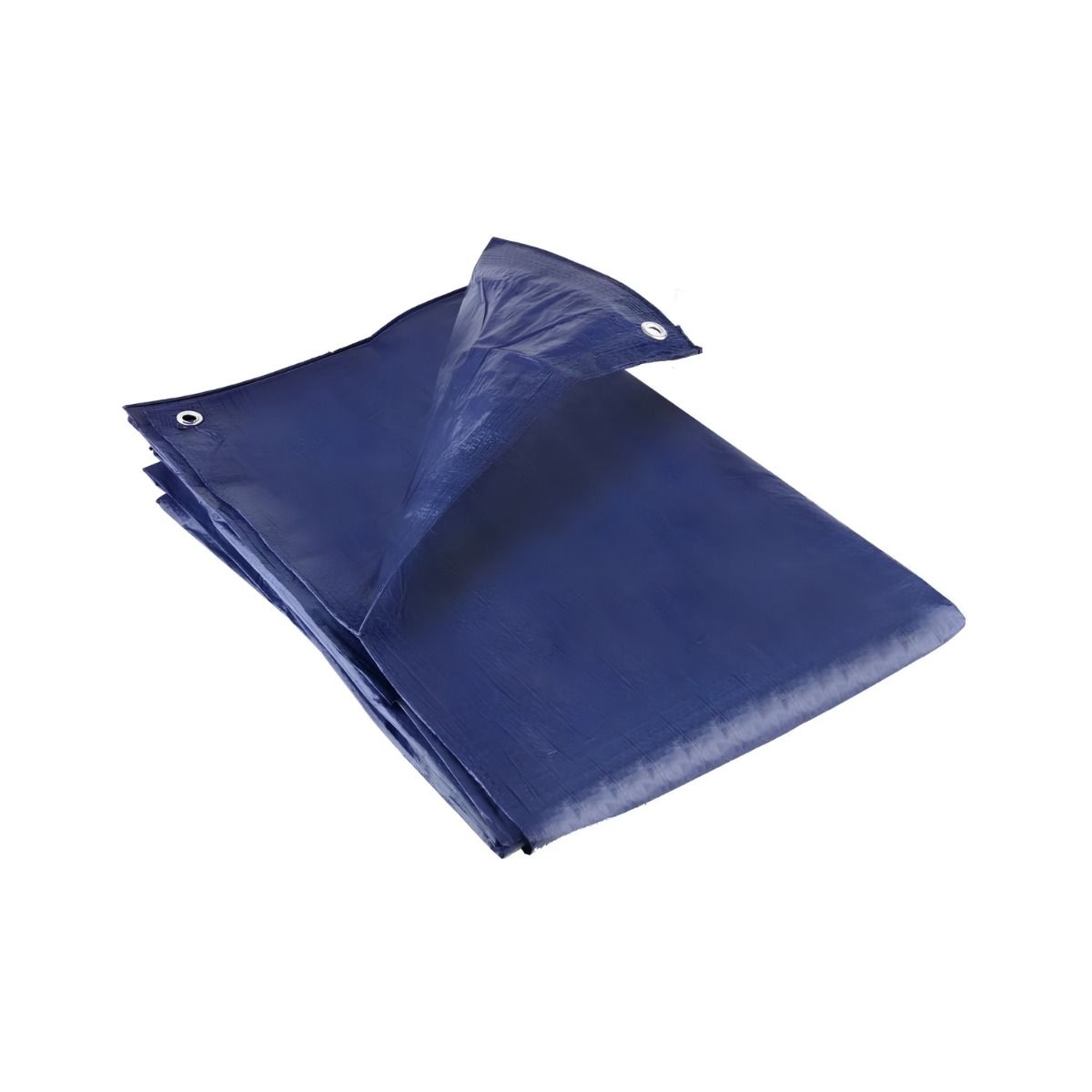
Waterproof tarpaulin sheets, lightweight with aluminium eyelets, for temporary covers on building sites and yards, used by contractors and facilities teams.
- Lightweight laminated woven fabric, easy to handle and fold
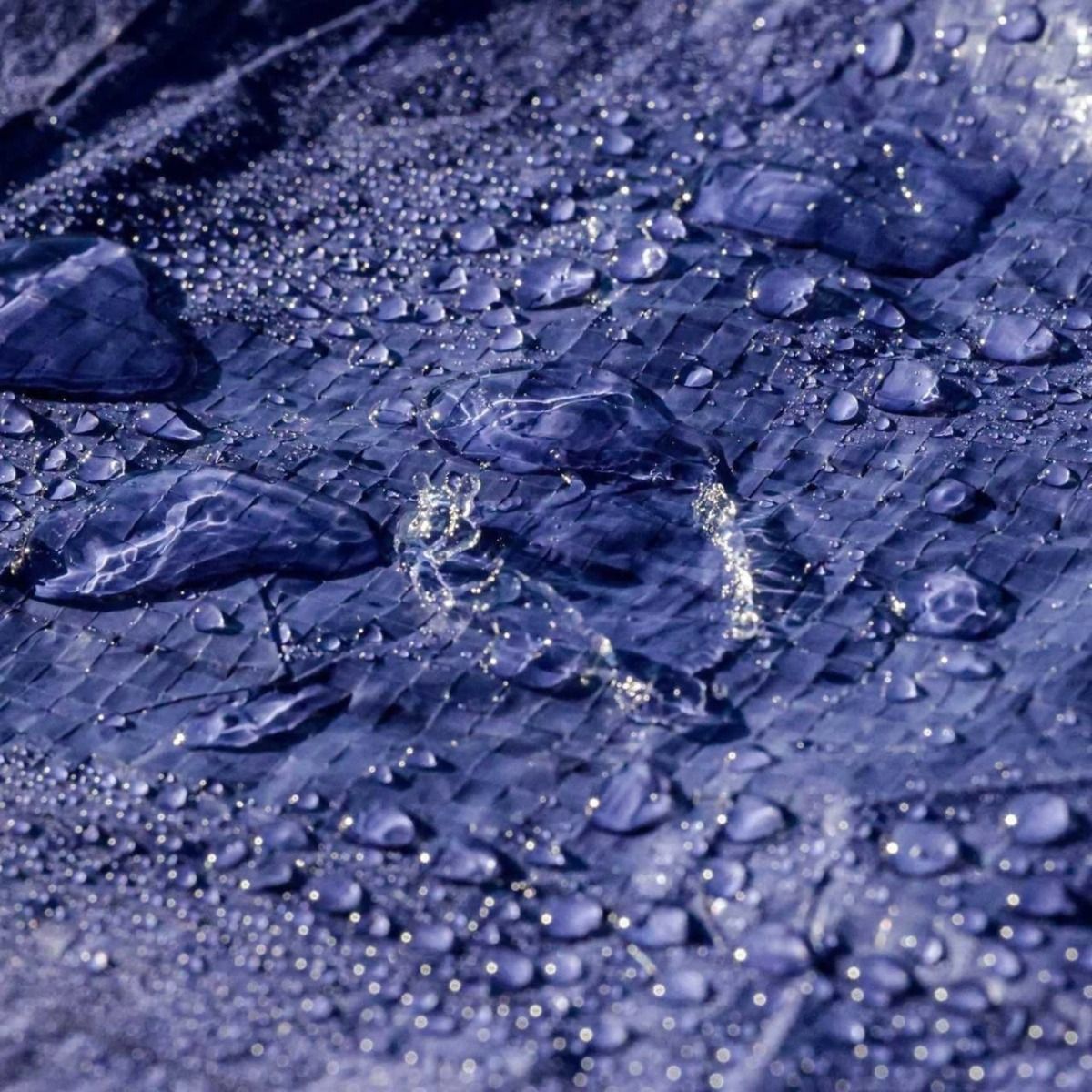
- HDPE weave with LDPE lamination, 8 x 8 weave count
- 12mm aluminium eyelets every metre in rope reinforced hems
- UV protected, rotproof and shrinkproof
- Stays flexible in sub-zero temperatures
- Available in multiple sizes
Waterproof Tarpaulin Sheets - Lightweight with Eyelets
Waterproof tarpaulin sheets, lightweight with aluminium eyelets, for temporary covers on building sites and yards, used by contractors and facilities teams.
- Lightweight laminated woven fabric, easy to handle and fold
- HDPE weave with LDPE lamination, 8 x 8 weave count
- 12mm aluminium eyelets every metre in rope reinforced hems
- UV protected, rotproof and shrinkproof
- Stays flexible in sub-zero temperatures
- Available in multiple sizes
Waterproof Tarpaulin Sheets with Eyelets
Waterproof tarpaulin sheets give a quick, temporary cover for materials, stacks and equipment left outdoors. Each sheet is a woven HDPE fabric laminated with LDPE, with aluminium eyelets set into rope reinforced hems. They are light enough for one person to carry, unfold and pull over a load.
How Eyelets Every Metre Spread the Load in the Wind
A cover held at only a few points takes the full force of the wind on those eyelets. On site, that is where tarpaulins tear, and once the cover rips, the materials underneath get wet. With an eyelet every metre and every one secured, the pull is shared along the whole edge, so the cover stays in place and lasts longer.
Key Features
-
Eyelets every metre: 12mm aluminium eyelets along every edge give plenty of fixing points to share the load.
-
Rope reinforced hems: a rope runs inside the hem behind the eyelets, so they resist pulling through.
-
Laminated woven fabric: an HDPE weave with LDPE lamination keeps rain out while staying light.
-
8 x 8 weave count: a consistent weave that holds its shape under tension.
-
UV protected, rotproof and shrinkproof: stands up to sunlight and damp during outdoor use.
-
Flexible in the cold: stays pliable in sub-zero temperatures, so it can be folded and fitted in winter.
Who is this for
Trades and roles
-
Site managers
-
Groundworkers
-
Builders
-
Facilities managers
-
Grounds maintenance teams
-
Highways and gritting crews
Industries
-
Construction
-
Housebuilding
-
Facilities management
-
Local authorities
-
Agriculture
Specifications
| Specification | Detail |
|---|---|
| Product name | Waterproof Tarpaulin Sheets - Lightweight with Eyelets |
| Product code | TARP |
| Product type | Lightweight waterproof tarpaulin |
| Material | HDPE weave with LDPE lamination |
| Weave count | 8 x 8 |
| Waterproof | Yes |
| Eyelets | 12mm aluminium, at 1m intervals |
| Hems | Rope reinforced |
| Protection | UV protected, rotproof, shrinkproof |
| Cold weather | Remains flexible in sub-zero temperatures |
| Size type | Cut size, finished size up to 30cm shorter |
| Brand | Tarpaflex |
Size Selection
| Product code | Cut size | Cut size (feet) | Cut area | Weight |
|---|---|---|---|---|
| TARP1218 | 1.2m x 1.8m | 4ft x 6ft | 2.16m2 | 70gsm |
| TARP45 | 4m x 5m | 13ft x 16ft | 20m2 | 60gsm |
| TARP117 | 11m x 7m | 36ft x 23ft | 77m2 | 80gsm |
Compatibility
| Base material, tool or condition | Suitability |
|---|---|
| Temporary covers for building materials and pallets | Suitable |
| Salt, grit, log and wood stacks | Suitable |
| Groundsheet for work areas and collecting debris | Suitable |
| Sub-zero temperatures | Suitable, stays flexible in the cold |
| Bungees through every eyelet | Suitable, spreads the load evenly |
| Rigid fixings such as cable ties or metal hooks | Not recommended, they strain individual eyelets, use bungees |
| Securing by the corner eyelets only | Not recommended, use every eyelet |
| Long-term or exposed covers | Not recommended, choose a heavier tarpaulin |
| Hot asphalt and tarmac loads | Not recommended, use a tarmac sheet |
| Lifting or slinging loads | Not recommended, not a lifting product |
Typical Users and Projects
Site managers, builders and facilities teams use lightweight tarpaulins on building sites, depots, yards and grounds. They cover materials, equipment and stacks for days or weeks at a time, often in changing weather. They suit any team that needs a fast, easy-to-handle cover rather than a long-term heavy duty sheet.
Typical applications
-
Covering sand, blocks and timber on a building site overnight and over weekends.
-
Keeping pallets of bagged materials dry in a builders’ yard.
-
Covering winter salt and grit stacks at depots and car parks.
-
Protecting log and wood stacks from rain.
-
Laying a small groundsheet to collect waste, cuttings or debris during work.
-
Covering equipment and furniture during outdoor refurbishment.
How to use
Step 1: Choose a size larger than the load, allowing for the finished size being up to 30cm shorter than the cut size.
Step 2: Unfold the tarpaulin on clean ground, away from sharp edges.
Step 3: Pull it over the load so it overlaps all sides.
Step 4: Secure it with bungees through every eyelet, working round the edge to keep the tension even.
Step 5: Check the cover after strong winds or heavy rain and re-tension any loose edges.
Step 6: To remove it, release the bungees, brush off debris and fold it once dry.
Common mistakes
-
Ordering the exact size of the load without allowing for cut size.
-
Tying it down with cable ties or metal hooks, which tear the eyelets.
-
Fixing only the corners, so the wind lifts and tears the edges.
-
Leaving water to pool on a flat cover, which stretches and strains the sheet.
-
Using a lightweight tarp as a long-term or exposed cover.
Safety
Secure the tarpaulin fully before leaving it, because a loose cover can blow off and become a hazard to people and traffic. Keep it away from hot works and naked flames, as no fire rating is stated. When it is used as a groundsheet, keep the edges flat to avoid trip hazards.
Maintenance
Brush off debris and let the tarpaulin dry before folding it. Store it out of direct sunlight when not in use. Check the eyelets and hems for wear before each use.
Frequently Asked Questions
Q: What does gsm mean on a tarpaulin?
A: It means the fabric weight in grams per square metre. A higher gsm means a heavier, thicker tarpaulin. These sheets range from 60gsm to 80gsm depending on size, which makes them lightweight covers for temporary use.
Q: What does 4m x 5m mean, and what is a cut size?
A: The first number is the length and the second is the width. Both are cut sizes, measured on the material before the hems and eyelets are added. The finished tarpaulin can be up to 30cm shorter, so choose a size with some overlap.
Q: Is this tarpaulin waterproof and UV protected?
A: Yes. The laminated woven fabric is waterproof, and it is UV protected, rotproof and shrinkproof for outdoor use. It also stays flexible in sub-zero temperatures.
Q: What is this tarpaulin not suitable for?
A: It is not suitable for long-term or exposed covers, hot asphalt or tarmac loads, or lifting and slinging. For hot loads, use a tarmac sheet. For long-term covers, choose a heavier tarpaulin.
Q: Should I choose a lightweight or a heavier tarpaulin?
A: Choose a lightweight tarpaulin for temporary covers you need to fit and move often, where light weight saves time. Choose a heavier tarpaulin for covers that stay in place for long periods or face strong winds.
Q: How should I secure a tarpaulin?
A: Use bungees through every eyelet, keeping the tension even round the edge. Avoid cable ties and metal hooks, which put too much strain on single eyelets and can tear them.
Q: Does the tarpaulin work in freezing weather?
A: Yes. It stays flexible in sub-zero temperatures, so it can be unfolded, fitted and folded away in winter, for example over salt and grit stacks.
Q: How do I make a tarpaulin last longer?
A: Secure it with every eyelet so the load is shared, and stop water pooling on top. Dry it before folding and store it out of direct sunlight.