Storm season 2026 | Flood and storm readiness
Storm Austen and Storm Boelo: How to Protect Sites and Buildings from Flooding This Winter
Two named storms in three days brought amber warnings, power cuts and hundreds of flood alerts across the UK. This guide covers what happened, how to choose and build the right flood defence, and the pumps, power, cover and PPE that keep a site working through the next storm.
Published 28 October 2026 by CMT Group
In this guide
1. What Storm Austen and Storm Boelo brought
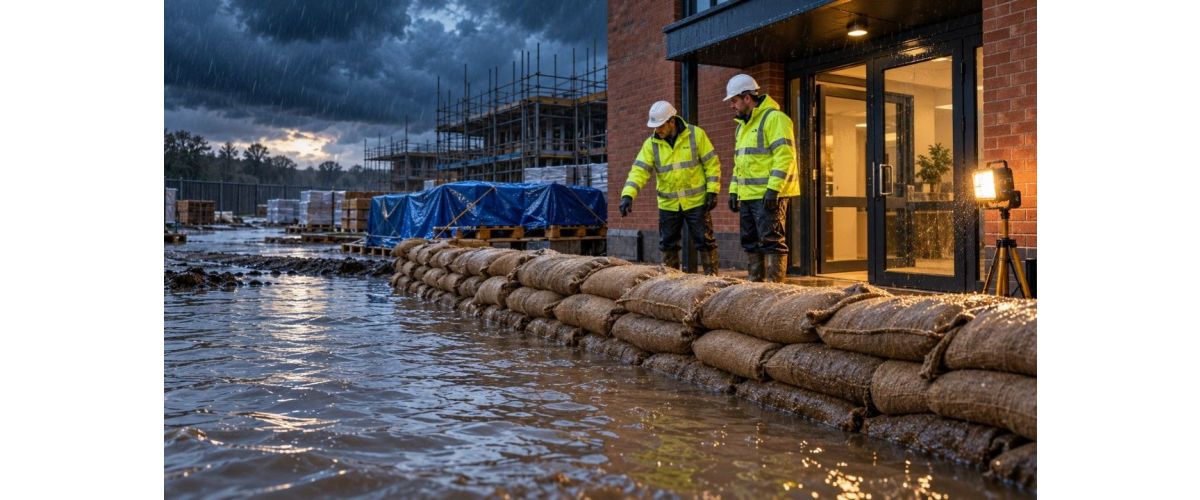
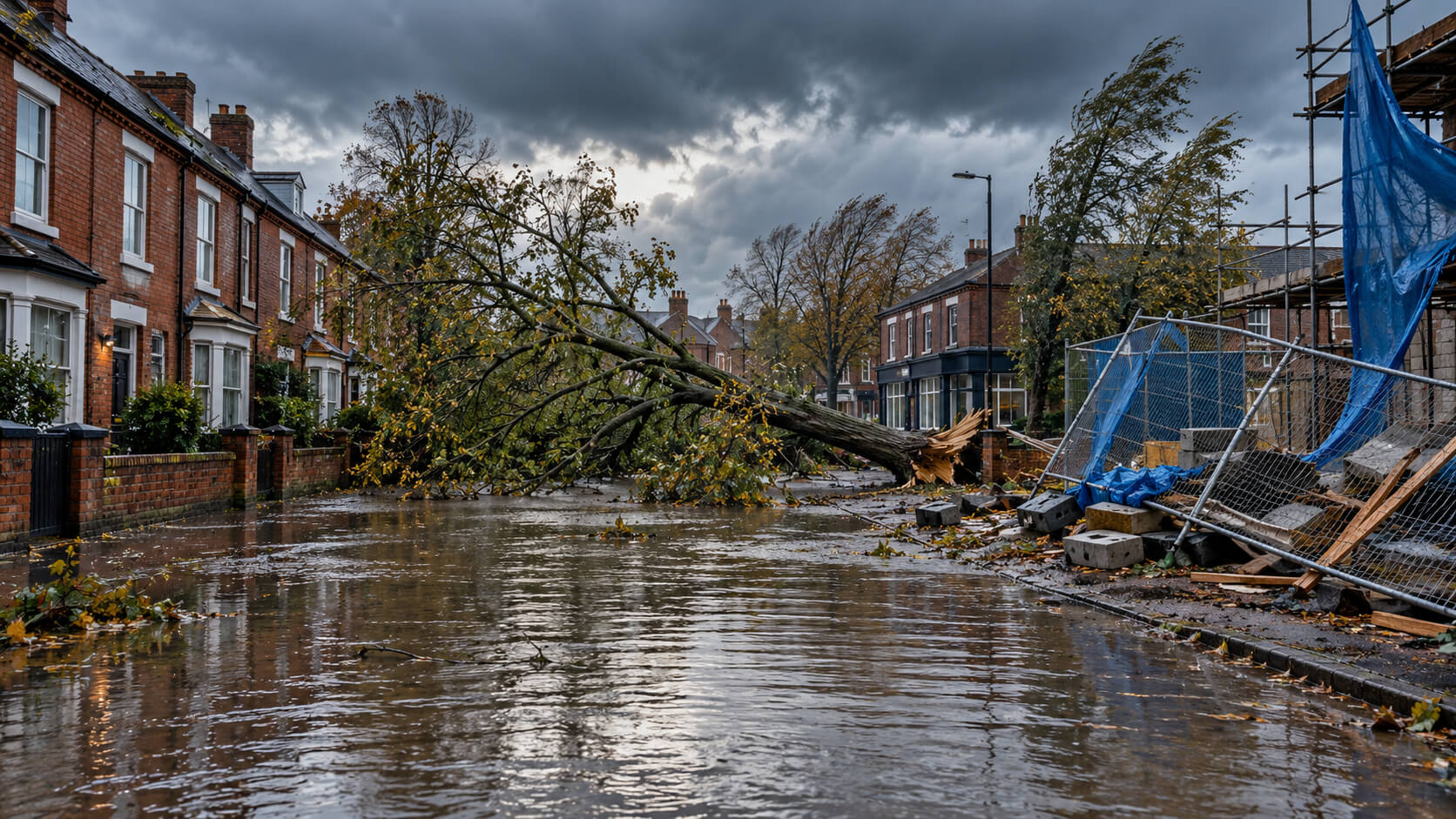
Storm Austen, the first named storm of the 2026-27 season, arrived on 23 October. The Met Office issued an amber wind warning for Cornwall, Devon and the Isles of Scilly, and National Grid confirmed that more than 16,000 homes lost power across the South West. Cornwall Council highways teams were dealing with around 100 incidents, mostly fallen trees and debris, alongside flooding.
Storm Boelo followed on 24 and 25 October, with an amber wind warning covering Scotland, the north coast of Northern Ireland, Cumbria and Northumberland. The Met Office forecast widespread gusts of 60 to 70mph, up to 80mph on exposed coasts. In Northumberland alone, around 400 road issues were reported, and thousands of properties in the North East lost power.
55
flood warnings and alerts in England during Storm Austen
247
flood warnings and alerts in England during Storm Boelo
96
counties covered by Storm Boelo flood warnings and alerts
16,000+
homes without power in the South West during Storm Austen
Flood warning and alert totals from FloodRadar, based on Environment Agency data for England.
2. Why prepare now, not at the next warning
Prime Minister Andy Burnham has warned the UK could face a "winter of greater flooding". After back-to-back storms, ground and rivers have less capacity to absorb the next spell of heavy rain, so flooding can follow more quickly.
For construction sites and managed buildings, the storms showed four practical risks:
Flood water
Excavations, basements, cabins and entrances flood at the lowest point.
Power cuts
Pumps, lighting and welfare units stop just when they are needed most.
Wind and rain damage
Materials get soaked, covers blow off and signs and fencing come down.
Team safety
Crews work in wind, rain and darkness, often near flood water.
The time to buy and stage defences is before the warning, when there is time to fill bags, test generators, plan barrier routes and brief the team.
3. Compare flood defences at a glance
Each defence suits a different situation. Tap a product name to view it.
| Product | Ready to use? | Weight to handle | Outdoor life | Best for |
|---|---|---|---|---|
| Pre-Filled Sandbags 15kg | Yes, already filled | Approx. 15kg | UV stabilised | Urgent barriers, sign ballast |
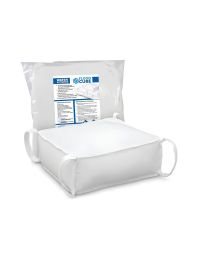
| Water Activated Flood Cubes | About 5 minutes in fresh water | 0.33kg flat, 20kg activated | Single use | Doorways, no sand on site |
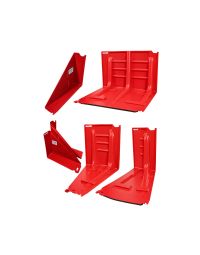
| Boxwall Flood Barriers | Snaps together, no tools | Approx. 6kg per section | Reusable, rinse and store | Roads, car parks, long runs up to 50cm |
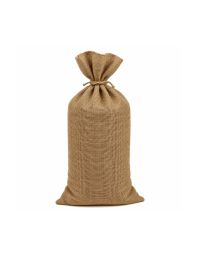
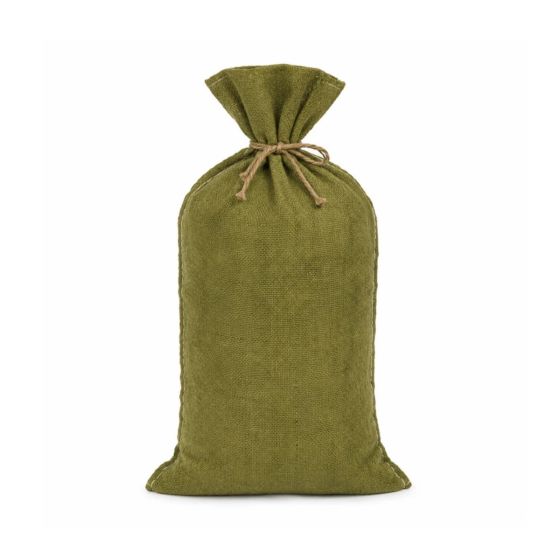
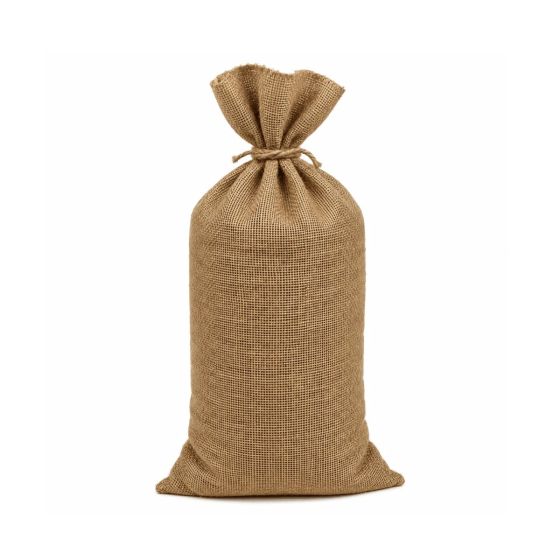
| Rot Proof Hessian Sandbags | Fill on site | Approx. 12.5kg filled | Longer than standard hessian | Defences left out for weeks |
| Biodegradable Hessian Sandbags | Fill on site | Approx. 12.5kg filled | Short-term, breaks down once wet | Short-term, natural material |
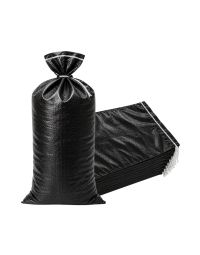
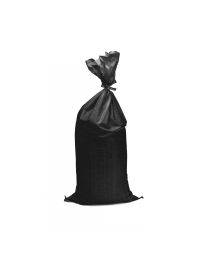
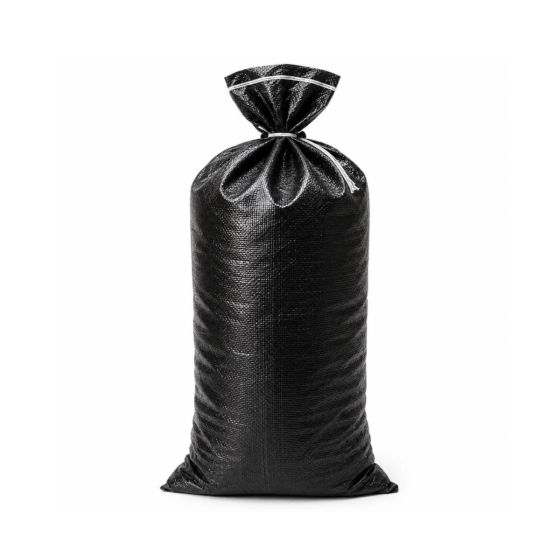
| Heavy Duty Black Polypropylene Sandbags | Fill on site | Approx. 12.5kg filled | Rot resistant, reusable if sound | Repeated use, damp conditions |
| White Polypropylene Sand Bags | Fill on site | Approx. 12.5kg filled | Short-term, weakens in sunlight | Short jobs, covered use |
Which product do I need?
Pick the situation closest to yours.
A flood warning is in force and there is no sand on site
Use water activated flood cubes, which swell to around 20kg in about 5 minutes with fresh water, or pre-filled sandbags, which are ready to place on arrival.
I need to protect a road, car park or long frontage
Boxwall flood barriers lock together without tools and are held down by the weight of the flood water, holding back up to 50cm. Always place a pump on the dry side, as some leakage is normal.
My defences will stay out for weeks
Choose rot proof hessian sandbags or heavy duty black polypropylene sandbags. Standard hessian starts to break down once it stays wet.
Water is already inside, or collecting behind a barrier
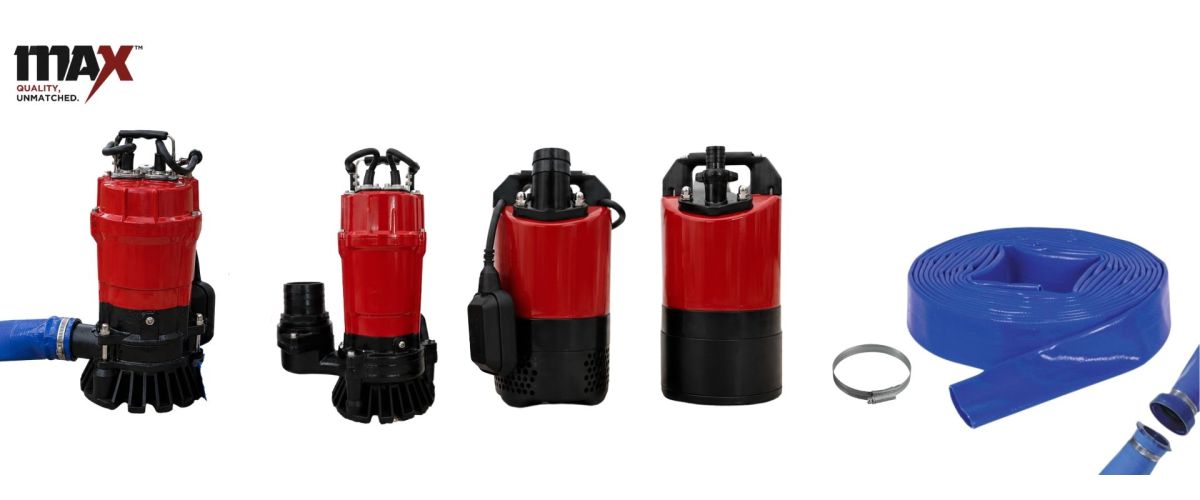
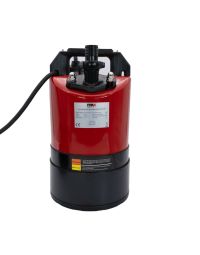
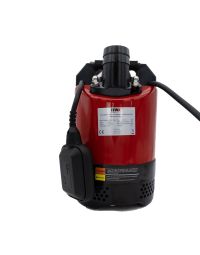
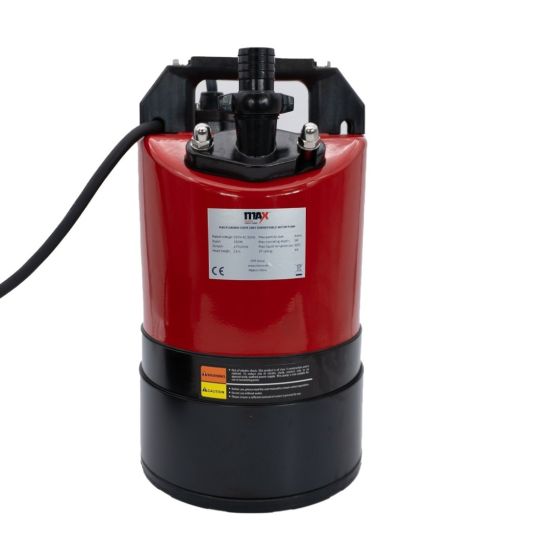
A puddle pump clears shallow standing water. For deeper water, see the full submersible pump range.
The power is out on site
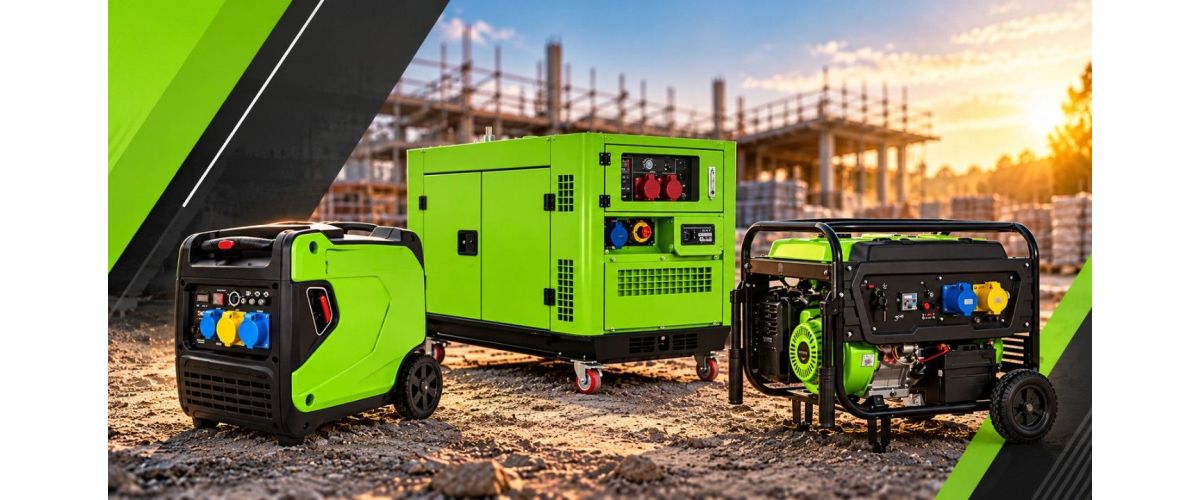
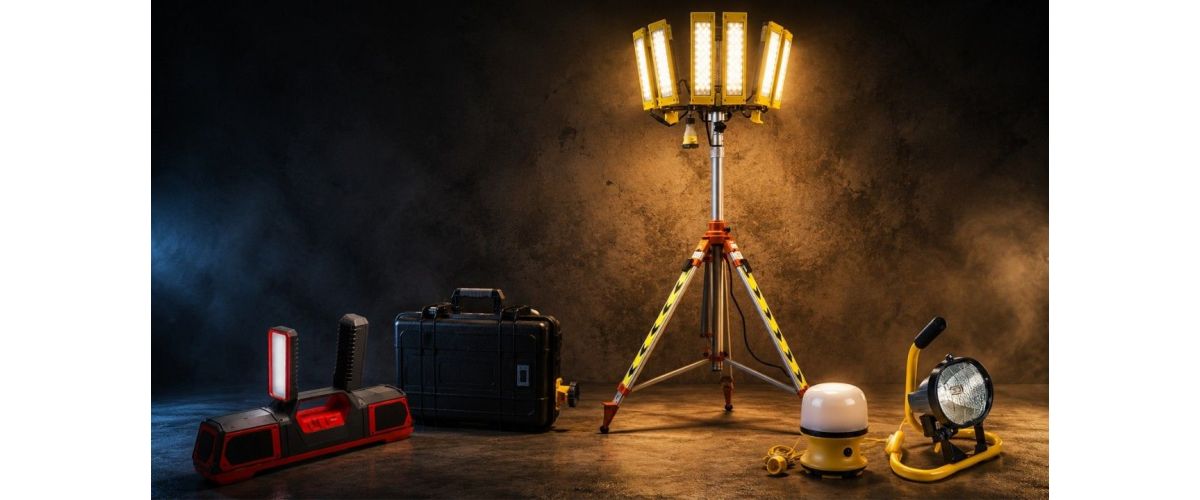
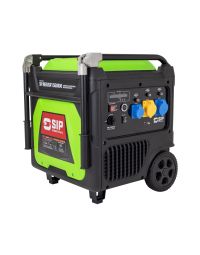
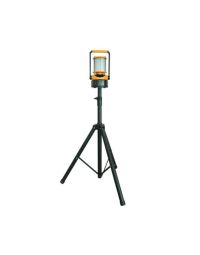
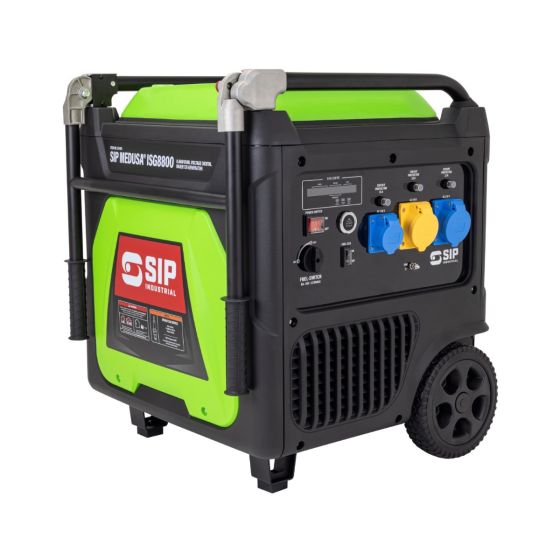
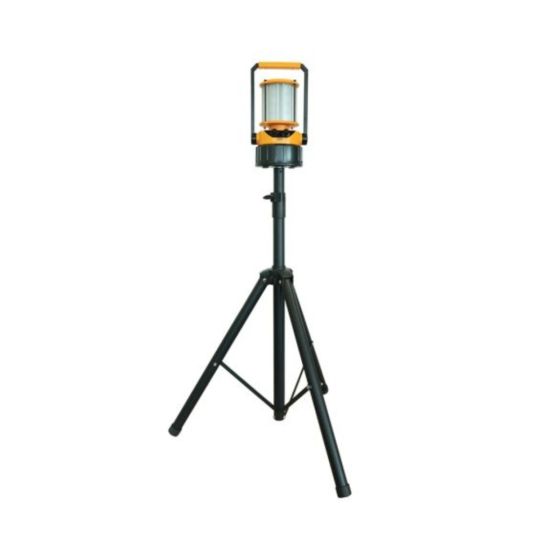
A dual voltage inverter generator runs pumps and site equipment at 110V or 230V, and a rechargeable LED work light keeps work areas lit without mains power.
I need ballast for signs, barriers and fencing in high winds
Pre-filled sandbags give approximately 15kg of ready ballast in UV stabilised fabric, suited to exposed sites.
I have bulk sand delivered and a team to fill bags
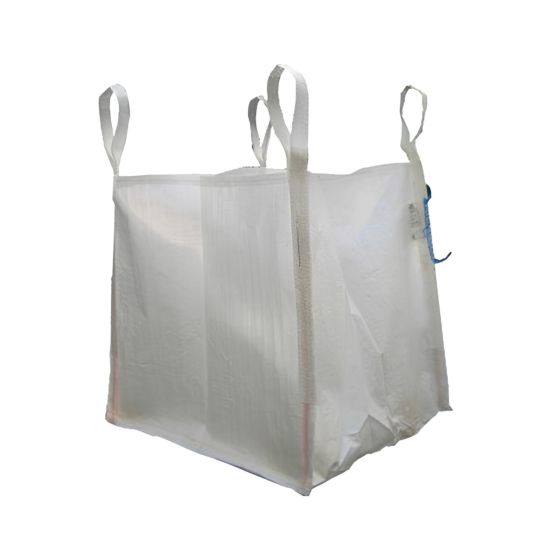
Store sand in tonne bags and fill empty hessian or polypropylene sandbags as needed.
I need to keep materials and equipment dry
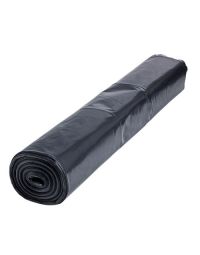
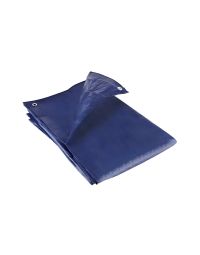
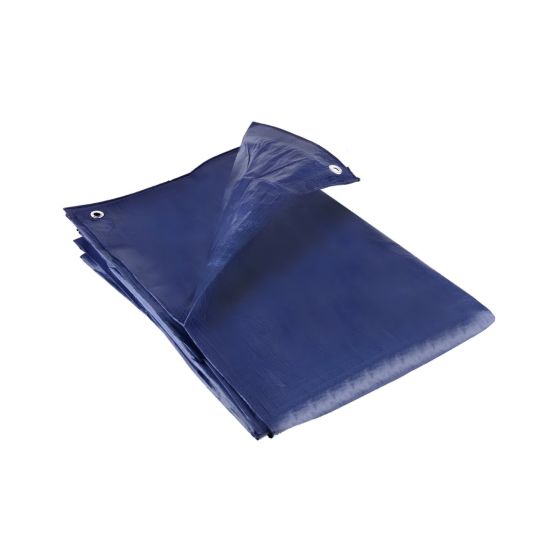
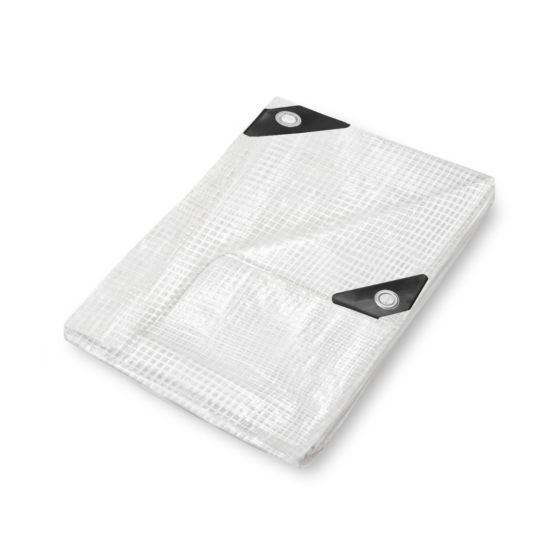
Cover stockpiles with waterproof tarpaulin sheets or heavy duty polythene sheeting, secured and weighted with sandbags.
4. Sandbags explained: which bag for which job
CMT's empty sandbags are 13" x 30" and hold around 12.5kg once filled. The difference is the fabric, and how long it lasts outdoors. Pre-filled bags skip the filling altogether.


5. Fast-response flood barriers
When there is no time or sand to fill bags, these get a defence in place quickly. Flood cubes suit doorways and short runs. Boxwall barriers suit roads, car parks and long frontages, and can be used again next time.


6. Pumps and polythene: the parts of a defence people forget
No temporary defence is watertight. Water seeps through sandbag walls, under barriers and through the ground, and rain collects behind the line. Two simple additions make every defence work better:
- A pump on the dry side clears water that gets past the barrier, before it reaches the building.
- Polythene sheeting on the water side of a sandbag wall cuts seepage between the bags.

7. Power cuts: keeping pumps, lights and welfare running
Storm Austen left more than 16,000 homes without power in the South West, and Storm Boelo cut supply to thousands of properties in the North East. When the mains goes down, pumps stop, sites go dark and welfare units lose heat, often at the moment flood water is rising.
A generator keeps essential equipment running, and battery lighting means teams can keep working safely after dark.
Generator safety
Only run generators outdoors in a well ventilated area, as exhaust fumes contain carbon monoxide. Keep them dry and away from standing water. Never connect a generator to a building's wiring without a proper changeover installed by a qualified electrician.
8. Protect materials and stockpiles
Soaked sand, cement and timber mean waste and delays once the storm passes. Cover stockpiles, keep bulk sand contained, and secure every cover against the wind.

9. Protect your team in storm conditions
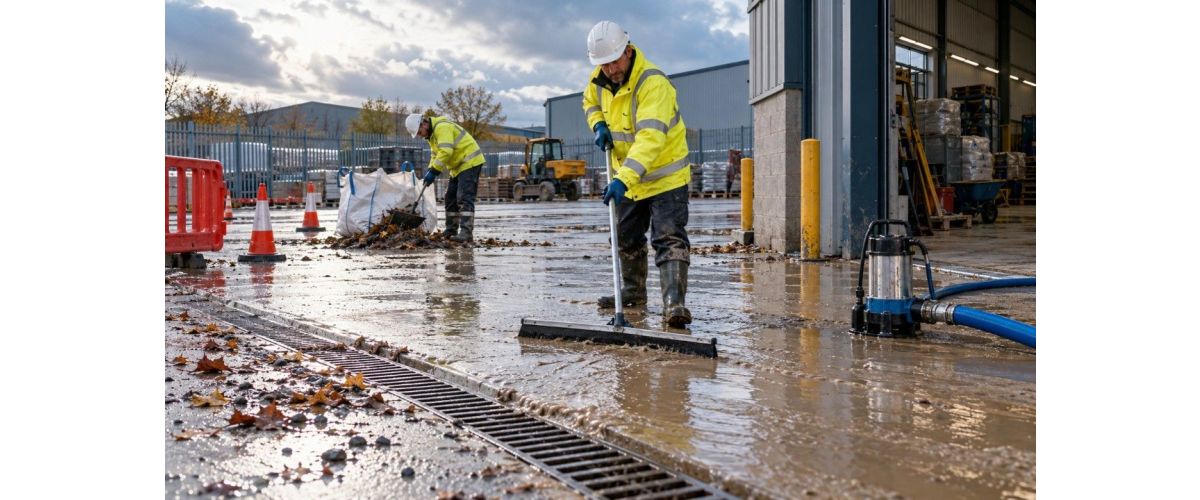
Deploying defences means working in wind, heavy rain and poor light, often on roads and near flood water. Crews need to stay dry, warm and visible.

Storm PPE checklist
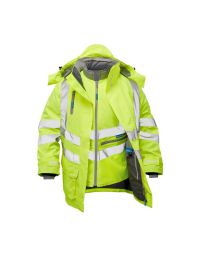
- Hi-vis waterproofs for anyone working near roads, plant or in poor light.
- Waterproof gloves when handling sandbags or anything that has been in flood water.
- Safety wellingtons or waterproof boots with good grip on wet ground.
- Eye protection in strong wind, when debris and grit are blown about.
- Head torches or work lights so hands stay free when deploying defences at night.
10. How to build a sandbag flood barrier
A sandbag wall slows and diverts water rather than sealing it completely. Built well, it buys valuable time and reduces how much water gets in.
Step 1: Clear and line
Clear debris from the line of the wall and lay polythene sheeting on the water side.
Step 2: Fill correctly
Fill empty bags about half to two-thirds full, so they can be shaped. Tie the neck, leaving slack.
Step 3: Lay the first row
Lay bags tight together with the tied end facing away from the water, pressing each one flat.
Step 4: Stagger the joints
Lay the next row like brickwork so the joints don't line up, and press down as you go.
Step 5: Pump the dry side
Place a pump behind the wall to clear any water that seeps through or collects from rain.
Safety first
Filled sandbags weigh 12.5kg to 15kg, so follow HSE manual handling guidance and share lifts. Flood water can carry sewage, so wear waterproof gloves. Never work in fast-flowing water, and check live warnings on the GOV.UK flood warning service and Met Office weather warnings.
11. After the storm: drains and ice


12. Storm readiness checklist and FAQs
Tick off each item as your site is ready.
Frequently asked questions
Are sandbags waterproof?
No. Sandbags slow and divert water rather than sealing it. Laying polythene sheeting on the water side of the wall reduces seepage, and a pump on the dry side clears what gets through.
How many flood cubes do I need for a doorway?
Each cube is 400mm long, so a standard 900mm doorway takes around 3 cubes per layer, plus extra to extend past each side of the frame.
Can I activate flood cubes with seawater?
No. Flood cubes need fresh water to activate. Use a sink, bucket, wheelie bin, hosepipe or fresh flood water.
Do temporary flood barriers need a pump?
Yes. Some water always gets through or under a temporary barrier, and rain collects behind it. A pump on the dry side keeps the protected area clear.
Can I run a generator inside a building or welfare unit?
No. Generator exhaust contains carbon monoxide, so always run it outdoors in a well ventilated area, away from doors, windows and vents.
Which sandbag lasts longest outdoors?
Rot proof hessian and heavy duty black polypropylene bags last longest. Standard hessian breaks down once it stays wet, and white polypropylene weakens in direct sunlight.
What should I do once the flood water has gone?
Wear gloves, remove and dispose of contaminated sandbags and flood cubes following local authority guidance, clear silt from drains, and grit wet surfaces before temperatures drop.
Get your site storm-ready with CMT Group
Keep flood, power and winter stock on site with SiteHive, CMT's automated 24/7 site store, or order across projects through the free EDGE procurement portal. Speak to our team on 020 8311 1144 or email sales@cmt.co.uk.