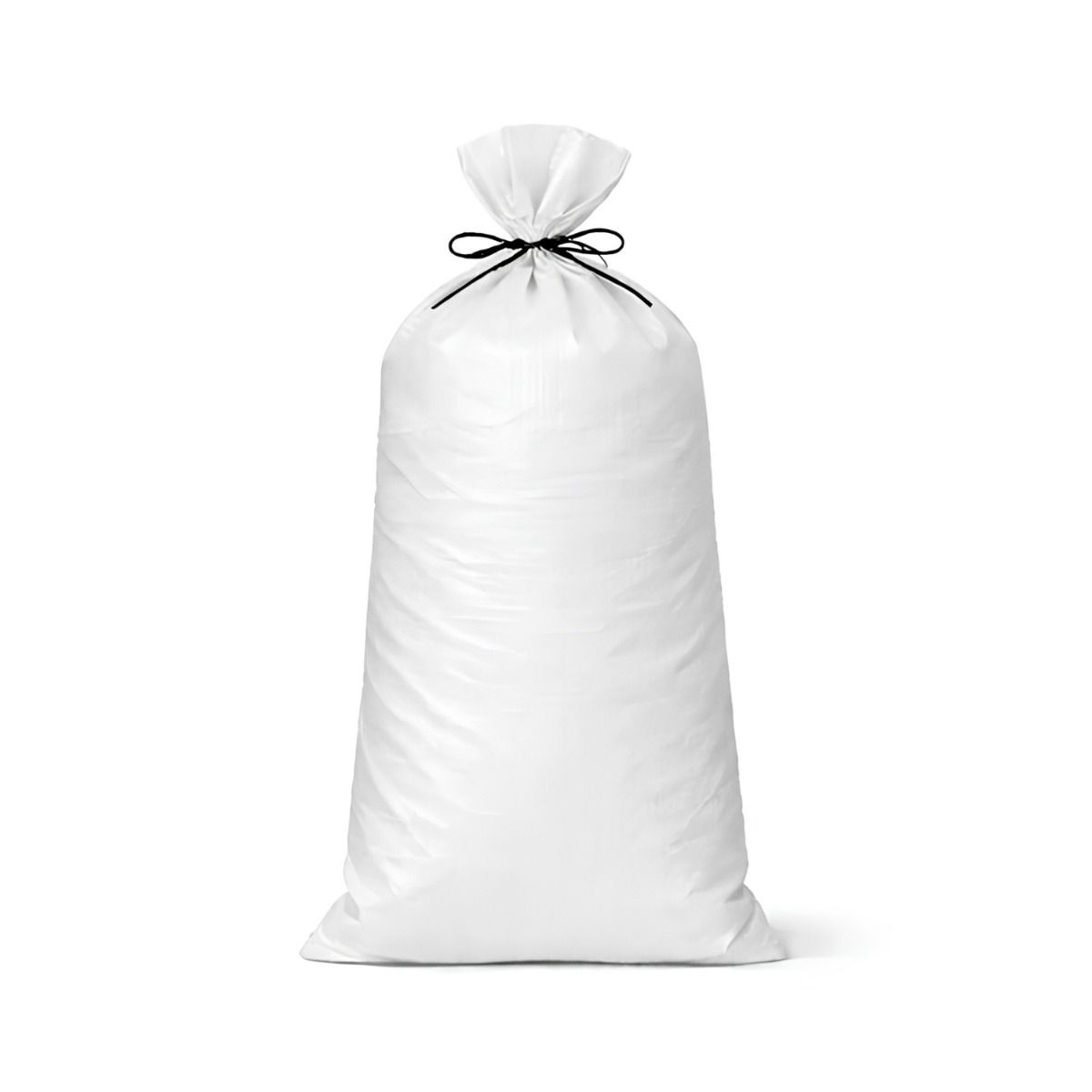
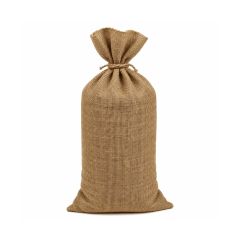
White polypropylene sand bags are woven synthetic sacks, supplied empty for filling with sand or gravel on site. Each bag holds approximately 12.5kg and closes with a tie string at the mouth. They are used for flood defence and for weighting and ballast on construction sites.
How Standard Polypropylene Suits Short-Term Jobs
Hessian sandbags start to rot once they stay wet, while heavy duty bags can be more than a short job needs. On site, that means choosing between bags that break down too soon and bags built for long spells outdoors. Standard white polypropylene bags won’t rot like hessian and suit short-term or covered use, as long as they aren’t left in direct sunlight for long periods.
Key Features
Woven polypropylene: a synthetic weave that holds sand or gravel firmly once filled.
Rot-free fabric: won’t rot in damp conditions the way natural hessian does.
Approx. 12.5kg fill: a manageable weight to lift, carry and stack by hand.
Tie string mouth: closes the bag quickly once filled.
Supplied empty and flat: stores compactly until needed.
Who is this for
Trades and roles
Site managers
Groundworkers
Facilities managers
Highways and traffic management teams
Builders
Maintenance teams
Industries
Construction
Civil engineering
Facilities management
Local authorities
Housebuilding
Specifications
Specification
Detail
Product name
White Polypropylene Sand Bags 13" x 30" (33cm x 75cm)
Product code
POLYBWHT
Product type
Polypropylene sand bag, supplied empty
Duty
Standard
Material
Woven polypropylene
Rot resistance
Synthetic fabric, does not rot like natural hessian
Sunlight
Breaks down over time in direct sunlight
Closure
Tie string at the mouth
Fill capacity
Approx. 12.5kg per bag
Fill
Sand, gravel or similar, filled on site
Waterproof
No
Colour
White
Size (empty, flat)
13" x 30" (33cm x 75cm)
Compatibility
Base material, tool or condition
Suitability
Short-term flood defence at doors and entrances
Suitable
Weighting and ballast on construction sites
Suitable
Damp conditions
Suitable, the synthetic fabric does not rot like hessian
Covered or shaded use
Suitable
Polythene sheeting or a tarpaulin behind the wall
Suitable, improves the barrier
Long exposure to direct sunlight
Not recommended, polypropylene breaks down over time in sunlight
Long-term outdoor defences
Not recommended, choose a heavier duty sandbag
Jobs needing a biodegradable bag
Not recommended, use hessian sandbags
Watertight seal on their own
Not recommended, sandbags slow water rather than seal it
Oil or chemical spills
Not recommended, use a spill kit
Lifting by hook or sling
Not recommended, not a lifting bag
Typical Users and Projects
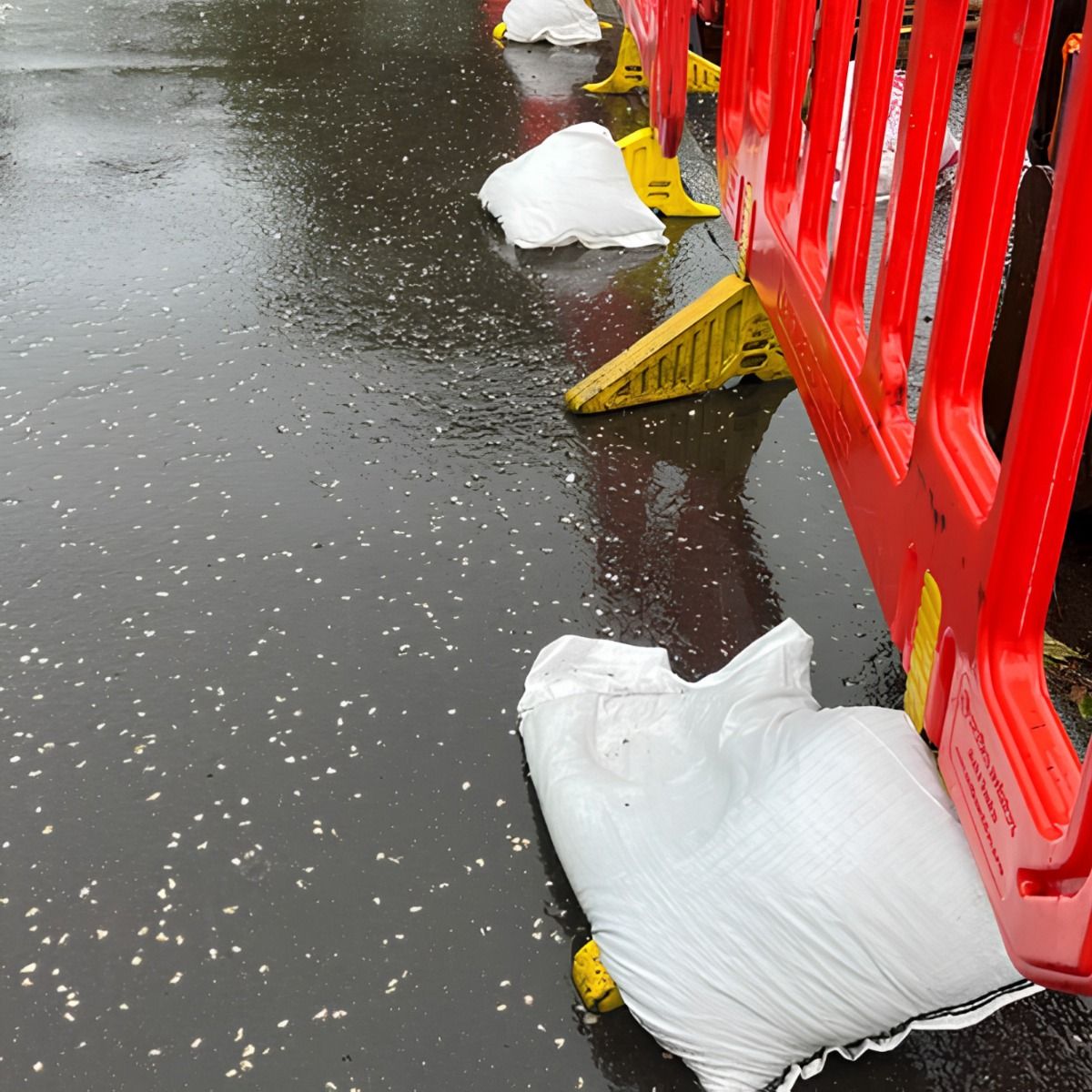
Site managers, builders and facilities teams use white polypropylene sand bags for short-term flood defence and site ballast. Typical settings are construction sites, roadworks and buildings facing a flood warning. They suit jobs measured in days or a few weeks, or where filled bags sit under cover.
Typical applications
Building a short-term sandbag wall across doorways ahead of forecast flooding.
Weighting down temporary signs, barrier feet and fencing on a construction site.
Holding down sheeting and covers over materials.
Diverting surface water away from excavations during a wet spell.
Keeping a store of empty bags under cover for flood season.
How to use
Step 1: Fill each bag about half to two-thirds full with sand or gravel, up to approximately 12.5kg. Step 2: Tie the mouth with the tie string, leaving enough slack to fold the top under. Step 3: Lay the first row tight together with the tied end facing away from the water, pressing each bag flat. Step 4: Lay the next row staggered like brickwork, so the joints don’t line up. Step 5: For a better barrier, lay polythene sheeting or a tarpaulin on the water side before stacking. Step 6: Remove the bags once the job is done, rather than leaving them in direct sunlight.
Common mistakes
Leaving filled bags in direct sunlight for long periods.
Using standard bags for long-term outdoor defences.
Filling bags to the top, so they can’t be shaped and leave gaps.
Lining up joints instead of staggering them.
Expecting a sandbag wall to be watertight.
Safety
Each filled bag weighs around 12.5kg, so follow HSE guidance under the Manual Handling Operations Regulations 1992, keep loads close and share repetitive lifting. Flood water can carry sewage and chemicals, so wear waterproof gloves and wash your hands after handling used bags. Check bags that have been outdoors for a while for weakened fabric before moving them.
Maintenance
Store empty bags flat, dry and out of direct sunlight. Check filled bags regularly and replace any that split or show weakened fabric.
Frequently Asked Questions
Q: What does 13" x 30" mean on a sand bag? A: It is the size of the empty bag laid flat: 13 inches (33cm) wide and about 30 inches (75cm) long. Once filled and tied, the bag is shorter and thicker.
Q: Do polypropylene sand bags break down in sunlight? A: Yes. Polypropylene breaks down over time in direct sunlight, so long exposure weakens the fabric. Use these bags for short-term outdoor use, or keep filled bags shaded or covered.
Q: What are these sand bags not suitable for? A: They are not suitable for long exposure to direct sunlight, long-term outdoor defences, or jobs needing a biodegradable bag. They also aren’t for watertight sealing, oil or chemical spills, or lifting by hook or sling.
Q: Should I choose polypropylene or hessian sand bags? A: Polypropylene won’t rot when damp, while hessian is a natural fibre that breaks down once wet. Choose hessian where a biodegradable bag is preferred, and polypropylene where rotting is the bigger concern.
Q: How much sand does each bag hold, and how full should I fill it? A: Each bag holds approximately 12.5kg of sand. Fill it about half to two-thirds full, so you can fold the top under and press it flat into the wall.
Q: Are polypropylene sand bags waterproof? A: No. The woven fabric lets water through, so a sand bag wall slows and diverts water rather than sealing it. Lay polythene sheeting on the water side for a better barrier.
Q: How should I store white polypropylene sand bags? A: Keep empty bags flat, dry and out of direct sunlight. Sunlight weakens polypropylene over time, even before the bags are used.
Storm Austen and Storm Boelo brought amber warnings, power cuts and hundreds of flood alerts across the UK. This guide compares sandbags, flood cubes and Boxwall barriers, shows how to build a flood defence that works, and covers the pumps, generators, covers and hi-vis PPE that keep sites running through the next storm.