How to Pump Water from an Excavation:
A 7-Step Site Dewatering System
A complete prevention-to-discharge guide for site managers and groundworkers. From placing an EnviroPad before the first pour to clearing the final millimetre with a puddle pump, covering every step the Environment Agency expects you to have considered.
Compliance note: Discharging contaminated water from a construction site excavation is an offence under the Water Resources Act 1991 and the Environmental Permitting Regulations 2016. The Environment Agency's Regulatory Position Statement 261 permits temporary discharge of uncontaminated water from excavations to surface water without a permit. If your water contains oil, hydrocarbons, or elevated sediment, a permit or treatment is required before discharge. This guide covers how to test, treat, and discharge correctly.
7 Steps to Compliant Excavation Dewatering
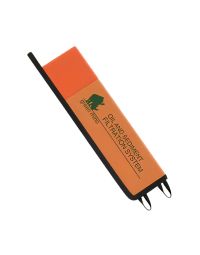
Place an EnviroPad Under the Pump and Plant Before Work Begins
The most common source of hydrocarbon contamination in excavation water is not historical ground pollution but active contamination from plant operating at the excavation edge. Every combustion engine on site, whether a pump, generator, disc cutter, or tower light, produces fuel drips and oil seepage. Those drips fall directly into the standing water below, and by the time dewatering begins, the water is already contaminated.
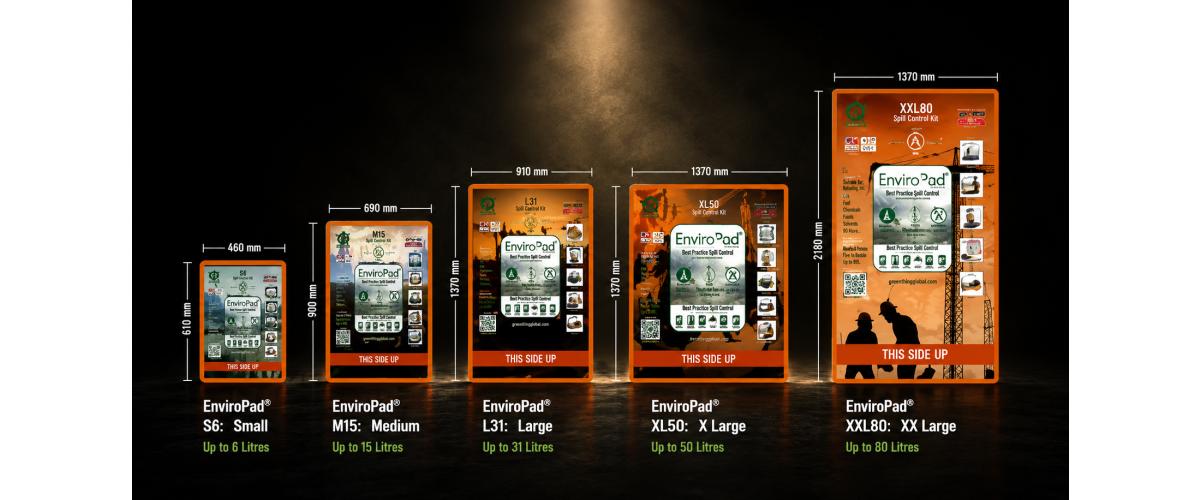
Placing a Green Rhino EnviroPad under the pump and any nearby plant before work starts intercepts those drips before they reach the water. The EnviroPad uses patented Neutroilize Smart Fabric Technology to convert hydrocarbons into a permanently solid, non-leaching state. Unlike a polypropylene absorbent nappy, which stores oil as liquid and releases it when moved or pressurised, the EnviroPad locks contamination in permanently. It also sheds clean rainwater freely, so it will not overflow in wet conditions.
The S6 Small (610mm x 460mm) is the correct size for a submersible pump, small generator, or tower light. Position it label side up, ensuring the pad extends beyond the drip zone on all sides.
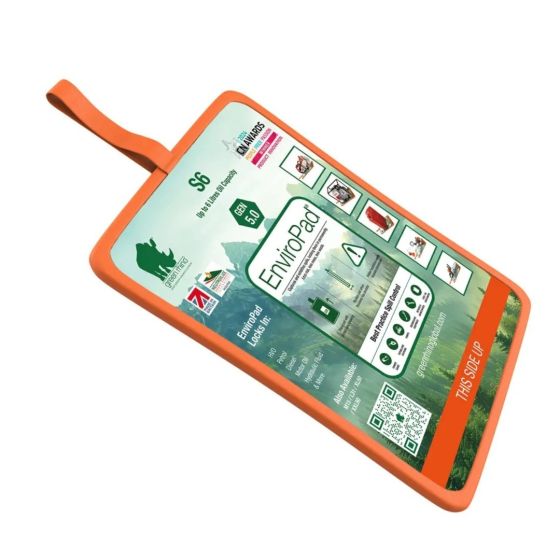
Green Rhino EnviroPad 5.0 S6
610mm x 460mm, 6L oil capacity
Shop now →Set Up a 110V Transformer to Power the Site Pumps
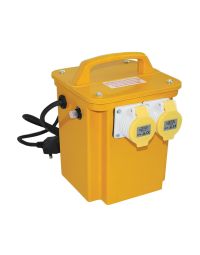
Three of the four pumps in this system run on 110V AC, the standard site safety voltage required by most UK principal contractors for electrical equipment used in wet or outdoor environments. A 110V centre-tapped-to-earth supply limits the maximum voltage to earth to 55V, significantly reducing the severity of an electric shock compared to a 230V mains connection.
A 110V site transformer steps down from the 230V mains supply to 110V output. CMT Group stocks two transformer capacities: the 3.3 KVA model (ET300) provides two 16A outlets, sufficient for a single submersible pump alongside basic site tools. The 5 KVA model (ET500) adds a 32A outlet for higher-demand configurations. Both are GRP-cased with IP44 weather protection and carry handles for site portability.
The 230V puddle pump (Step 7) connects directly to a 230V mains supply without a transformer. If the site runs both 110V submersible pumps and the 230V puddle pump simultaneously, both circuits must be independently supplied and protected.
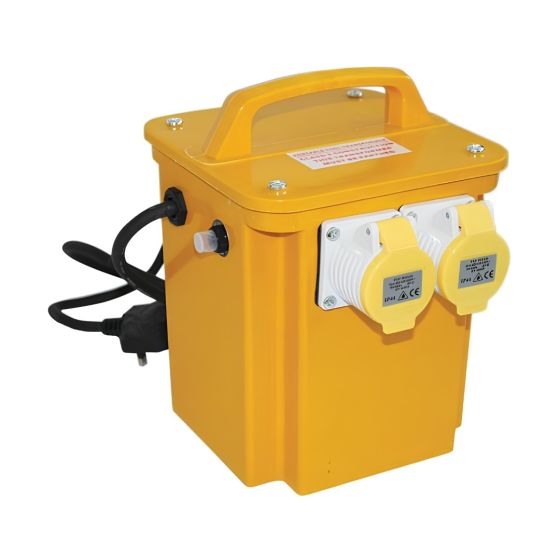
110V Site Transformer
3.3 KVA and 5 KVA options, IP44 rated
Shop now →Test the Excavation Water for Hydrocarbons Before Pumping Begins
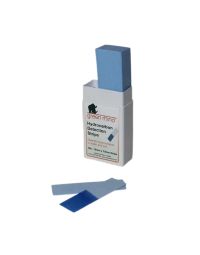
Before connecting the pump, dip a Green Rhino Hydrocarbon Detection Strip into the standing water and move it gently for several seconds. The strip detects hydrocarbons at a concentration of 1ppm (one part per million), well below the threshold visible to the eye. If hydrocarbons are present, the strip changes from light blue to dark blue. Light flecking indicates low-level contamination. A full, immediate transformation indicates a higher concentration.
A clean result means proceed to Step 4 and pump without a filter. A positive result means proceed to Step 6 before dewatering, routing the discharge through a filter to bring the water to a standard appropriate for surface water discharge.
Testing before each dewatering session is best practice. The source and concentration of contamination can vary between sessions at the same excavation, depending on plant activity and ground conditions. At 100 strips per pack, the cost of testing is minimal relative to the cost of an EA enforcement notice.
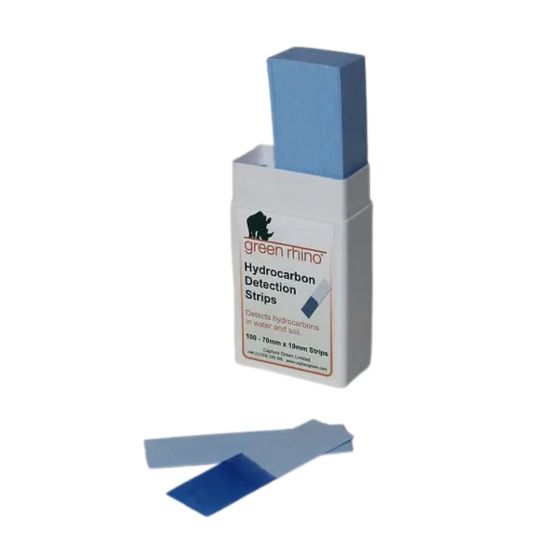
Green Rhino Hydrocarbon Detection Strips
1ppm sensitivity, 100 per pack
Shop now →Deploy the Submersible Pump for Primary Dewatering
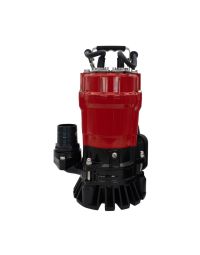
With the EnviroPad in place, the transformer connected, and the water confirmed clean (or a filter arranged for Step 6), lower the submersible pump into the excavation. The integrated automatic float switch will start the pump when the water rises to its trigger point and stop it when the level drops, managing water accumulation without manual monitoring.
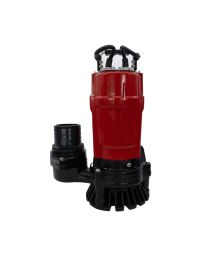
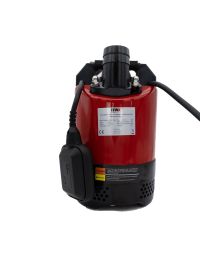
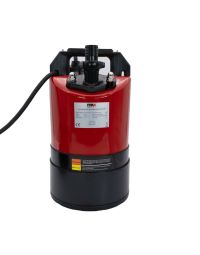
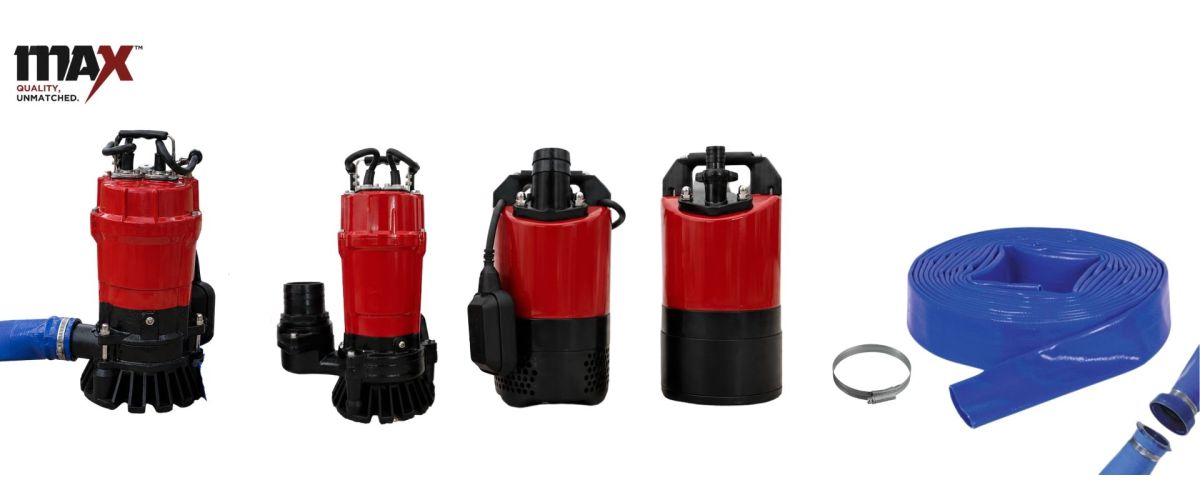
Choose the correct pump for the volume and discharge distance. The three MAX 110V submersible pumps cover the full range of standard site dewatering requirements:
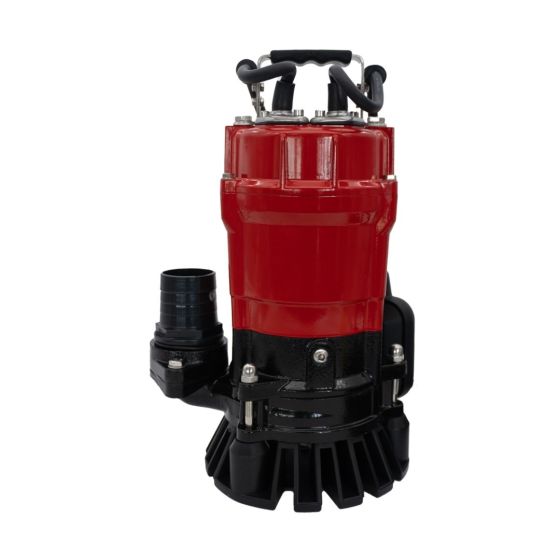
MAX 110V 500W Submersible Water Pump
210 L/min, 12m head, 2" outlet
Shop now →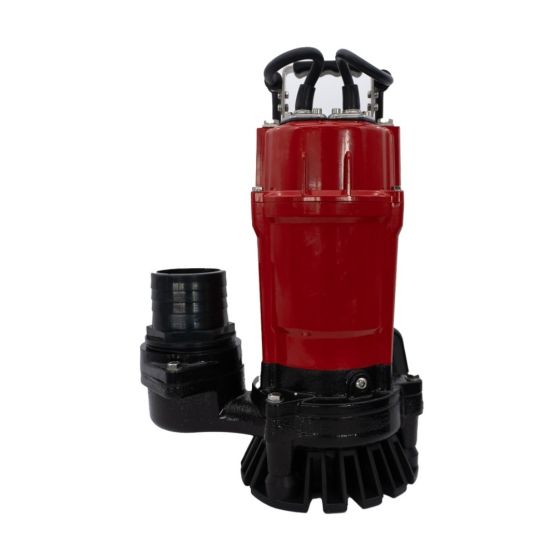
MAX 110V 750W Submersible Water Pump
250 L/min, 18m head, 3" outlet
Shop now →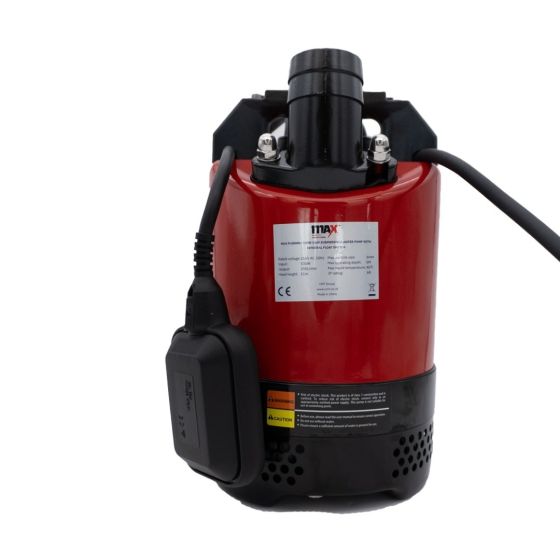
MAX 110V 530W Submersible Water Pump
250 L/min, 11m head, compact body
Shop now →| Model | Power | Max Flow | Max Head | Outlet | Best Suited To |
|---|---|---|---|---|---|
| PL080001 500W | 110V / 500W | 210 L/min | 12m | 2" (50mm) | Standard site dewatering, most excavation types |
| PL080002 750W | 110V / 750W | 250 L/min | 18m | 3" (80mm) | Large excavations, longer discharge runs, high groundwater inflow |
| PL080003 530W | 110V / 530W | 250 L/min | 11m | 2" (50mm) | Confined sumps, narrow excavations, portable multi-location use |
Connect Layflat Hose and Jubilee Clips to Route the Discharge
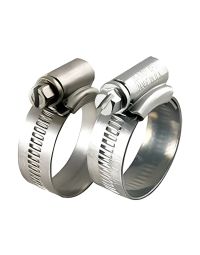
Connect a layflat discharge hose to the pump outlet stub and secure it with a jubilee clip. Match the hose internal diameter to the pump outlet: 2-inch hose for the 2-inch outlet on PL080001 and PL080003, and 3-inch hose for the 3-inch outlet on PL080002.
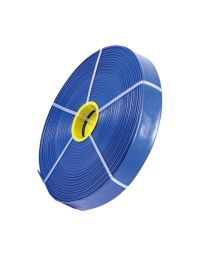
The layflat hose lies flat when empty, unrolls quickly across the site without requiring fittings or supports, and firms up to a full round cross-section under water pressure. The polyester yarn construction is rated to 8 bar working pressure, significantly above the output pressure of the MAX submersible range. CMT Group stocks 2-inch hose in 50m (LFH250) and 100m (LFH2100) lengths, and 3-inch hose in 50m (LFH350).
Layflat hose is a discharge-side hose only. Do not use it on the suction side of a surface pump. Route the hose to the confirmed legal discharge point, either the dewatering filter in Step 6 if contamination was detected, or directly to the outfall if the water tested clean.
Filter the Discharge If the Detection Strip Returned a Positive Result
Every excavation dewatering operation should use a filter on the discharge hose before the water reaches a surface drain or watercourse. Sediment filters are required even when the detection strip returns a clean result, to remove suspended solids. If the strip returns a positive result, an oil and sediment filter is required instead.
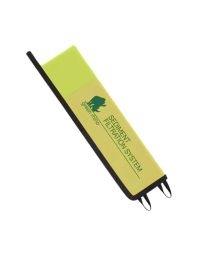
CMT Group stocks three Green Rhino filter options to cover every site scenario. The Economy Sediment Filter is a single-use 100µm option for occasional or low-volume jobs. The Sediment Dewatering Filter (available in L and XL sizes) is a reusable 150µm option with an integrated hydrocarbon indicator for regular dewatering. The EnviroElite Oil and Sediment In-line Filter is required when hydrocarbon contamination is detected in the discharge water.
Fit the filter over the discharge hose end and secure with the integral cord. The filtered water exits through the filter media to the surface drain or watercourse. If the hydrocarbon indicator on the sediment filter turns dark blue during pumping, stop immediately and switch to the oil and sediment filter.
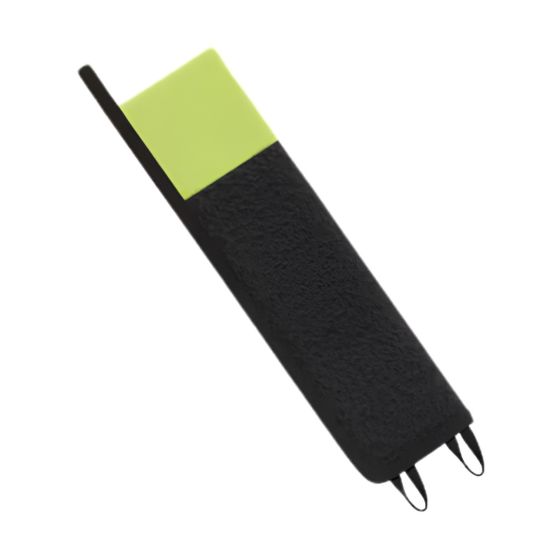
Green Rhino Economy Sediment Filter Bag
Single-use, 100µm, 20kg capacity. For occasional or low-volume dewatering.
Shop now →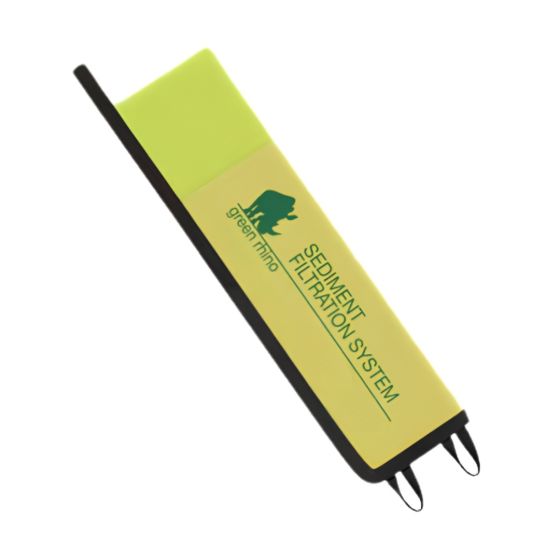
Green Rhino Sediment Dewatering Filters
Reusable 20x, 150µm, hydrocarbon indicator. L: 20kg / XL: 40kg.
Shop now →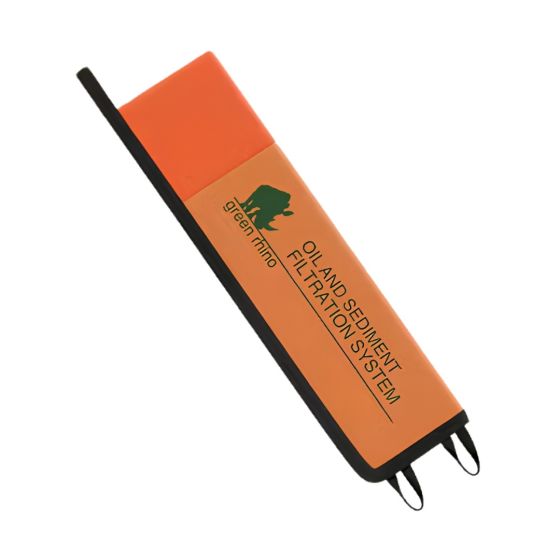
Green Rhino EnviroElite Oil and Sediment Filter
For water with confirmed hydrocarbon contamination. Removes oil sheen and sediment.
Shop now →Clear Residual Water to 1mm with the Puddle Pump
Once the submersible pump has reduced the water level to its lower operating threshold, a thin layer of water remains on the excavation floor that no standard submersible pump can remove. The MAX 230V puddle pump is built specifically for this final stage. Its flat base design positions the inlet ports as close to the floor surface as physically possible, draining the space to within 1mm of the ground level.
Unlike the 110V submersible pumps, the puddle pump runs on a standard 230V mains supply and does not require a transformer. It has no float switch and runs continuously once connected: connect to power when the submersible pump has reached its limit, and disconnect manually when pumping is complete.
Position the pump flat on the lowest point of the excavation floor. The 1mm drainage capability depends on the flat base sitting flush against the surface. The integrated swing check valve prevents drained water flowing back through the pump when it stops.
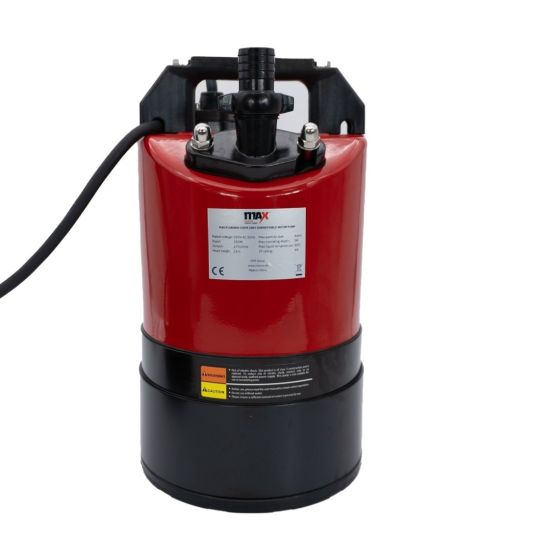
MAX 230V 530W Puddle Pump
Drains to 1mm, 170 L/min, 1" outlet
Shop now →Frequently Asked Questions
Common questions from site managers and groundworkers on excavation dewatering compliance and equipment selection.
Shop the Complete Dewatering System
All products in this guide, available from CMT Group with next-day delivery.
Green Rhino EnviroPad 5.0 S6
610mm x 460mm, 6L oil capacity
Shop now →110V Site Transformer
3.3 KVA and 5 KVA options, IP44 rated
Shop now →Green Rhino Hydrocarbon Detection Strips
1ppm sensitivity, 100 per pack
Shop now →MAX 110V 500W Submersible Water Pump
210 L/min, 12m head, 2" outlet
Shop now →MAX 110V 750W Submersible Water Pump
250 L/min, 18m head, 3" outlet
Shop now →MAX 110V 530W Submersible Water Pump
250 L/min, 11m head, compact body
Shop now →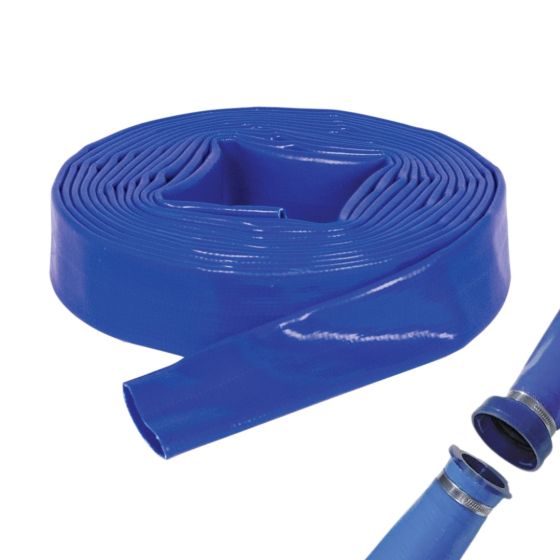
Layflat Discharge Hose
2" x 50m, 2" x 100m, 3" x 50m
Shop now →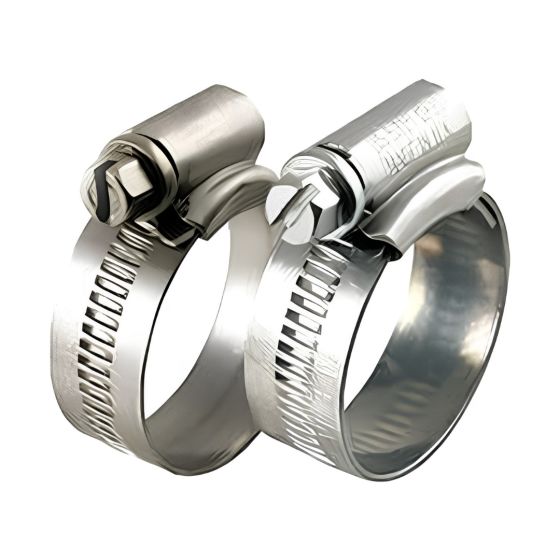
Jubilee Clips - Adjustable Hose Clamps
6 sizes, 22mm to 90mm
Shop now →MAX 230V 530W Puddle Pump
Drains to 1mm, 170 L/min, 1" outlet
Shop now →Green Rhino Economy Sediment Filter Bag
Single-use, 100µm, 20kg capacity
Shop now →Green Rhino Sediment Dewatering Filters
Reusable 20x, 150µm, L and XL sizes
Shop now →Green Rhino EnviroElite Oil and Sediment Filter
For contaminated water. Removes oil sheen and sediment
Shop now →