A complete 7-step guide to dewatering a construction site excavation safely and legally, covering spill prevention, hydrocarbon testing, pump selection, discharge routing, sediment filtration, and residual drainage to 1mm. All products available from CMT Group with next-day delivery.
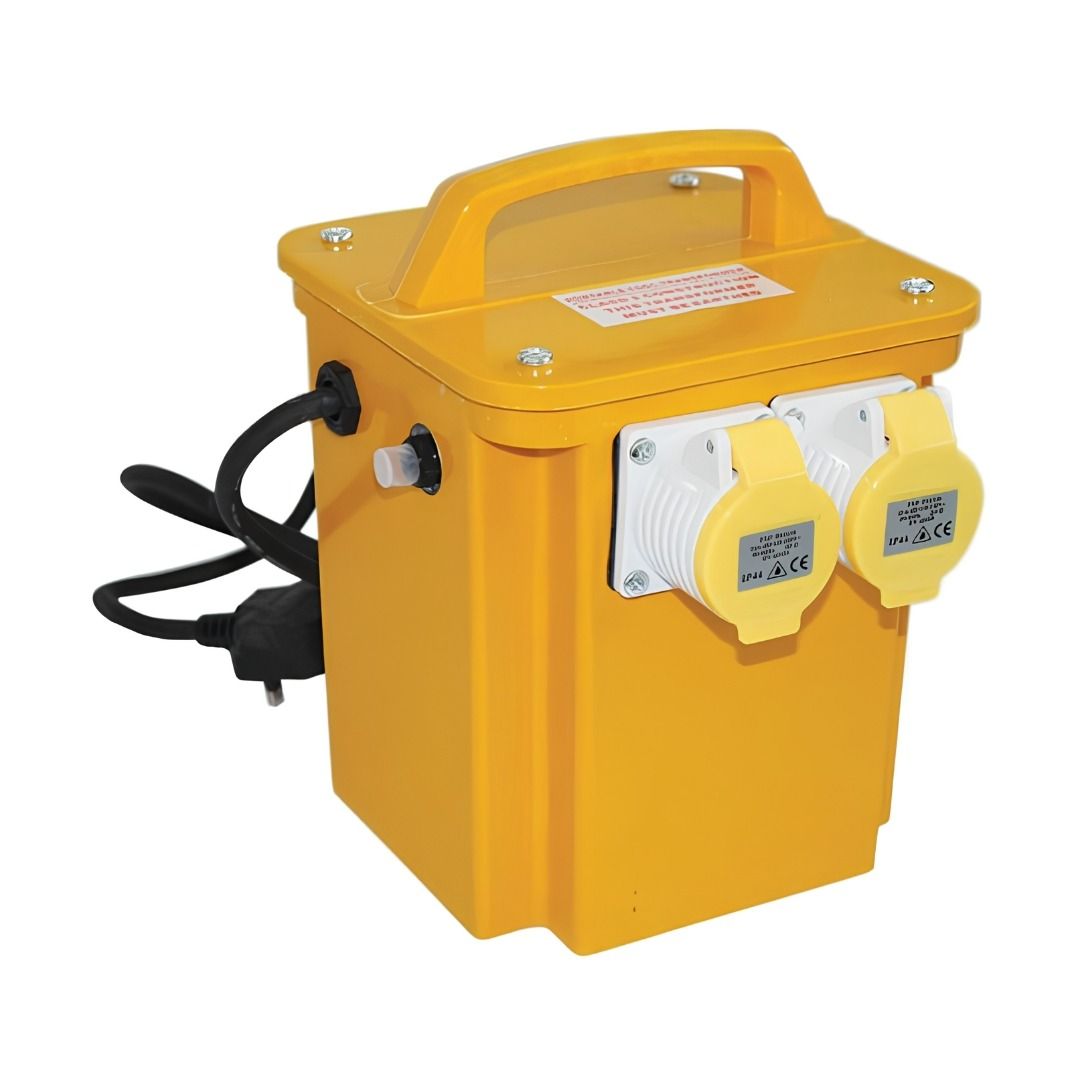
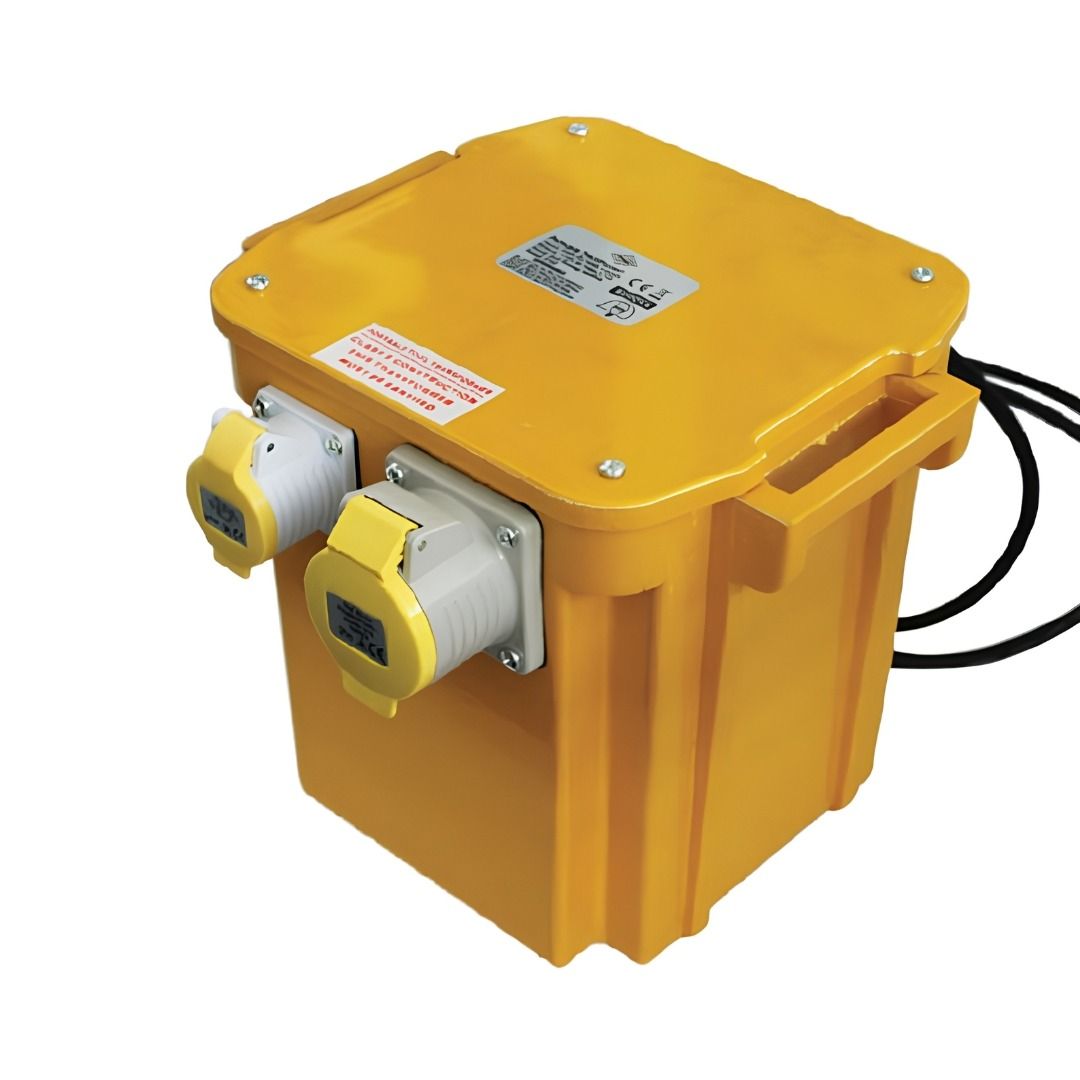
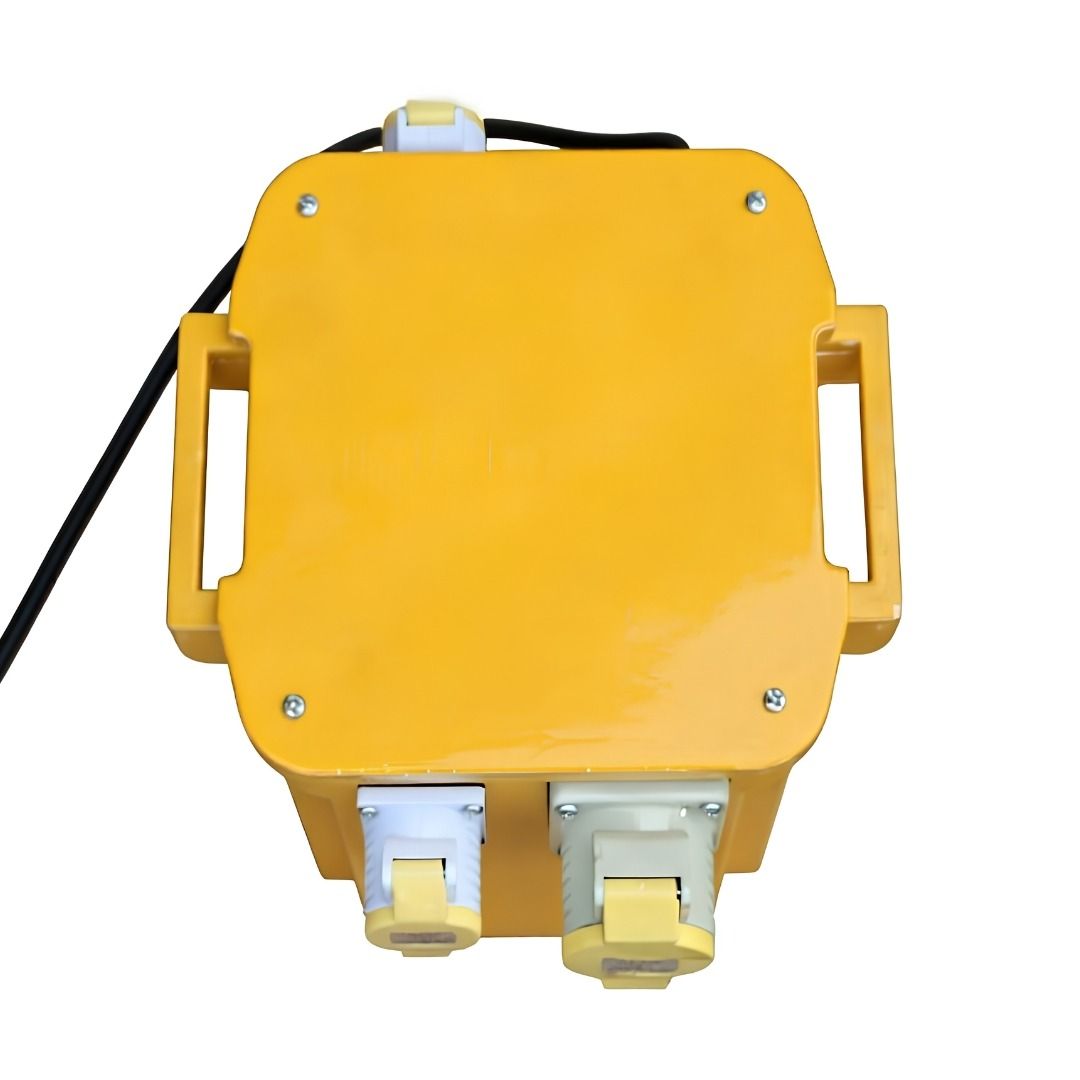
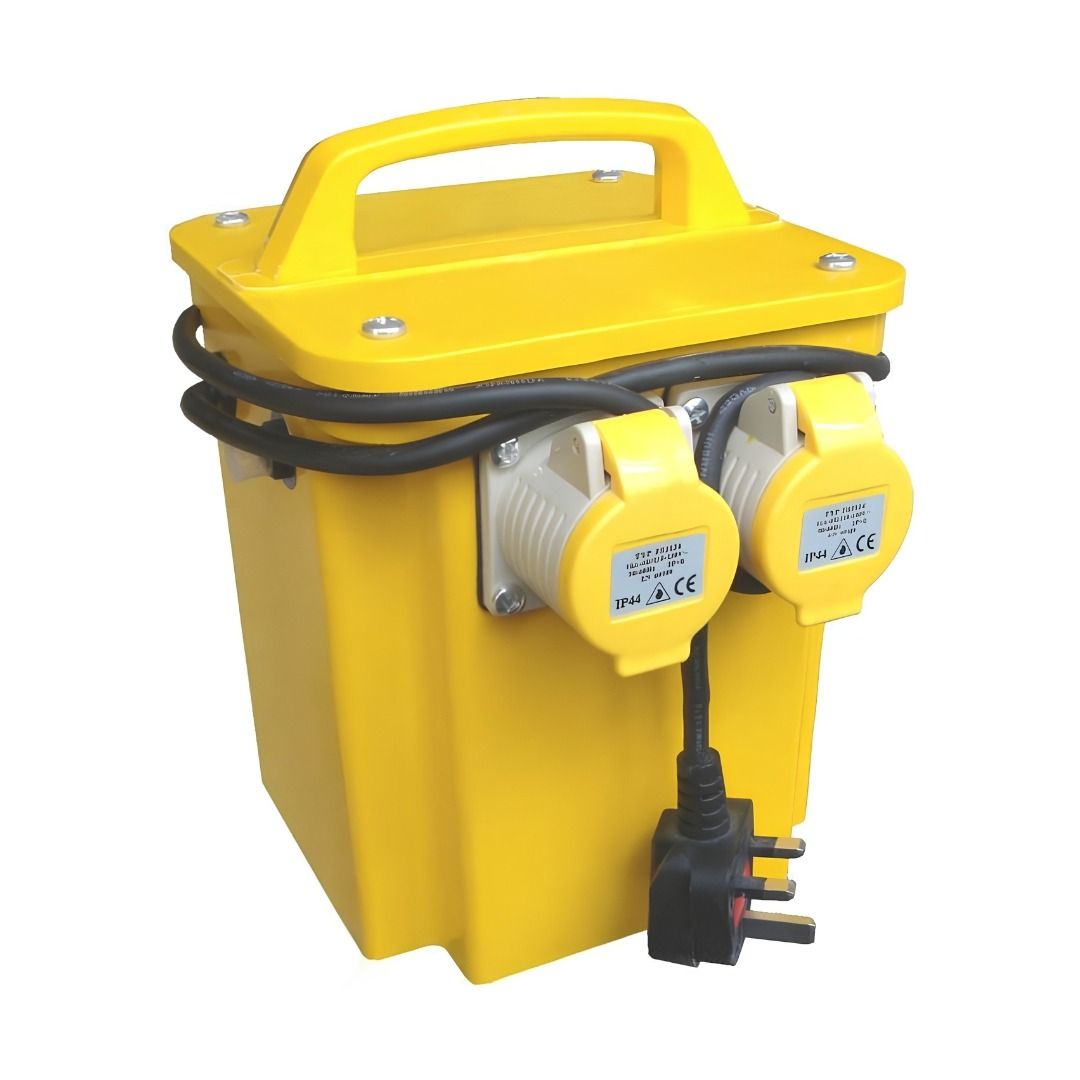
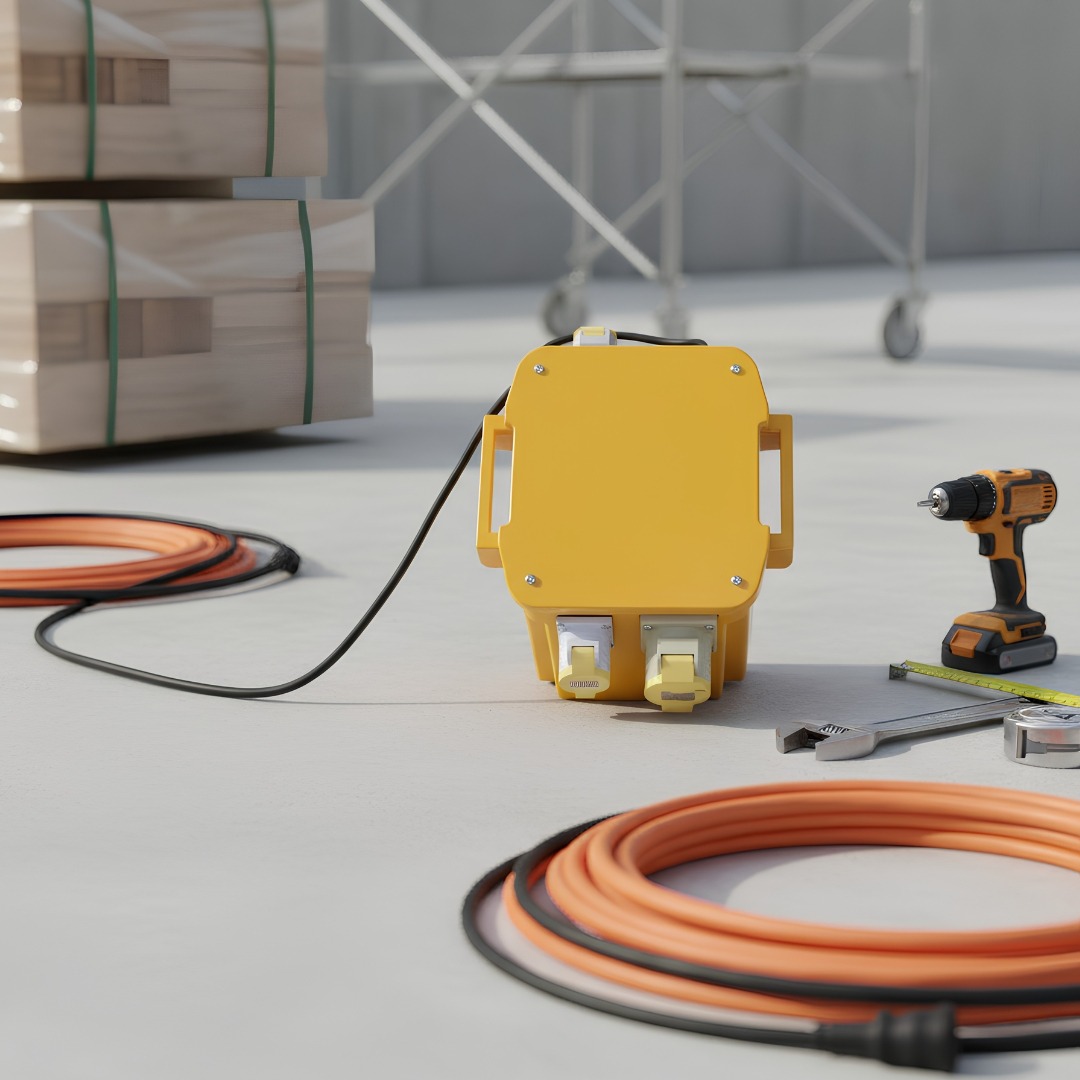
110V site transformer for powering submersible pumps, site tools, and equipment from a standard 230V mains supply, delivering a centre-tapped-to-earth 110V output for use on UK construction sites.
- Centre-tapped-to-earth 110V output, maximum 55V to earth
- GRP casing, IP44 weather protection, carry handle
- 3kVA model (ET300): 2 x 16A yellow outlets (BS EN 60309)
- 5kVA model (ET500): 2 x 16A and 1 x 32A yellow outlets
- 230V AC 50Hz mains input
- CE marked
110V Site Transformer
110V site transformer for powering submersible pumps, site tools, and equipment from a standard 230V mains supply, delivering a centre-tapped-to-earth 110V output for use on UK construction sites.
- Centre-tapped-to-earth 110V output, maximum 55V to earth
- GRP casing, IP44 weather protection, carry handle
- 3kVA model (ET300): 2 x 16A yellow outlets (BS EN 60309)
- 5kVA model (ET500): 2 x 16A and 1 x 32A yellow outlets
- 230V AC 50Hz mains input
- CE marked
110V Site Transformer - 3kVA and 5kVA
110V site transformer for stepping down a 230V mains supply to 110V centre-tapped-to-earth output, for use with submersible dewatering pumps, power tools, site lighting, and other 110V electrical equipment on UK construction and industrial sites. Available in two capacities: the ET300 at 3kVA with two 16A outlets for single-pump and standard site tool applications, and the ET500 at 5kVA with two 16A and one 32A outlet for higher-demand configurations running multiple tools simultaneously.
How a centre-tapped-to-earth supply reduces electrical risk on site
Standard 230V mains electricity presents a maximum shock voltage of 230V to earth, enough to cause a fatal electrocution from even brief contact with a live conductor. A 110V centre-tapped-to-earth transformer reduces that risk by splitting the 110V output across a central earth point. In a CTE system, the maximum voltage to earth at any live terminal is 55V, less than a quarter of the mains shock voltage. This is why 110V CTE is the standard site safety specification across the UK construction industry and why most principal contractors and site electrical regulations require 110V for all portable electrical equipment used outdoors and in wet environments.
Key Features
-
Centre-tapped-to-earth 110V output: The safety configuration required by UK site electrical specifications. Limits maximum voltage to earth to 55V, significantly reducing the severity of electric shock from contact with live conductors.
-
GRP casing: Glass reinforced plastic construction provides impact resistance, electrical insulation, and protection against the site environment without the corrosion risk of a metal case.
-
IP44 weather protection: Sealed against solid particles above 1mm and water splashing from any direction. Suitable for outdoor site use in UK weather conditions.
-
BS EN 60309 yellow outlet sockets: The industry-standard yellow 110V outlet sockets used across UK site electrical equipment. Physically incompatible with 230V plugs, providing an additional safety safeguard against incorrect connections.
-
Carry handle: Integral carry handle for moving the transformer between locations on site without additional lifting equipment.
-
CE marked: Meets the relevant EU and UK electrical equipment directives.
-
Two capacity options: ET300 at 3kVA for standard site applications, ET500 at 5kVA for larger loads and multi-tool configurations.
Who is this for
Trades and roles:
-
Site managers and site electricians specifying site power supply
-
Plant hire operators supplying 110V equipment
-
Groundworkers operating 110V submersible pumps
-
Civil engineers powering 110V site tools and lighting
-
Principal contractors equipping site compounds
Industries:
-
Construction and civil engineering
-
Utilities and infrastructure
-
Highways and drainage
-
Industrial maintenance
-
Plant hire
Specifications
| Specification | Detail |
| Product Name | 110V Site Transformer |
| Parent Code | ET |
| Input Voltage | 230V AC 50Hz |
| Output Voltage | 110V AC, Centre Tapped to Earth (CTE) |
| Max Voltage to Earth | 55V |
| Outlet Type | Yellow BS EN 60309 110V sockets |
| Casing Material | GRP (Glass Reinforced Plastic) |
| IP Rating | IP44 |
| Phase | Single phase |
| Colour | Yellow |
| Carry Handle | Yes, integral |
| Compliance | CE marked |
Variant Comparison
| Specification | ET300 | ET500 |
|---|---|---|
| Capacity | ||
| SKU | ET300 | ET500 |
| Rated Capacity | 3kVA | 5kVA |
| Outlets | ||
| 16A Outlets | 2 x 16A | 2 x 16A |
| 32A Outlets | None | 1 x 32A |
| Total Outlets | 2 | 3 |
| Best Suited To | ||
| Primary use | Single submersible pump or standard site tools, one or two tools simultaneously | Multiple 110V tools simultaneously, or single high-draw equipment requiring 32A supply |
Compatibility
| Application or condition | Status |
| 110V submersible dewatering pumps | ✓ Compatible |
| 110V power tools (drills, grinders, saws) | ✓ Compatible |
| 110V site lighting | ✓ Compatible |
| 110V site heating equipment | ✓ Compatible |
| Outdoor and wet site environments | ✓ Compatible, IP44 rated |
| 230V tools and equipment | ✗ Not compatible, 110V output only |
| Three-phase equipment | ✗ Not compatible, single phase only |
| Equipment exceeding rated kVA capacity | ✗ Not suitable, check tool load before connecting |
| Permanent fixed installation | ✗ Not designed for permanent installation, portable site use only |
Who is this for
Site managers, site electricians, plant hire operators, and groundworkers on UK construction and civil engineering sites requiring a safe 110V power supply for portable electrical equipment. Any site operative running a 110V submersible dewatering pump, power tool, or site lighting from a 230V mains connection requires a 110V CTE transformer between the mains supply and the equipment. The ET300 is the standard specification for single-pump dewatering setups and one or two simultaneous site tools. The ET500 covers multi-tool configurations and applications requiring a 32A circuit for higher-draw equipment.
Typical applications
-
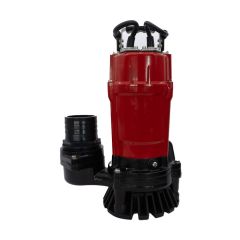
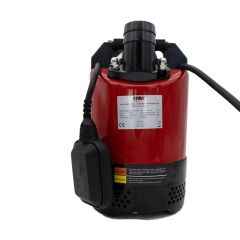
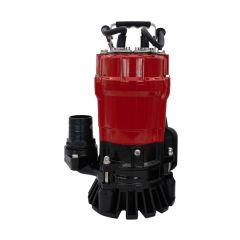
Providing a 110V CTE power supply for MAX submersible dewatering pumps (PL080001, PL080002, PL080003) during excavation dewatering on construction sites.
-
Powering 110V angle grinders, drills, jigsaws, and reciprocating saws on active construction sites where principal contractors specify 110V for all portable electrical equipment.
-
Supplying 110V site lighting for temporary illumination of active work areas, welfare cabins, and access routes.
-
Running 110V site heating equipment during cold weather working periods.
-
Providing multiple simultaneous 110V tool connections on larger sites where a single transformer feeds several operatives (ET500 with three outlets).
How to use
Step 1: Confirm that all equipment to be connected is rated for 110V operation. Check the total power draw of all connected equipment does not exceed the transformer's rated kVA capacity.
Step 2: Connect the transformer to the 230V mains supply using the fitted input cable. Ensure the mains socket used is protected by an RCD.
Step 3: Plug the 110V equipment into the yellow BS EN 60309 outlets on the transformer front panel. The yellow outlet sockets are physically incompatible with 230V plugs, preventing incorrect connections.
Step 4: Check that connected equipment starts and operates correctly. The transformer converts the 230V mains to 110V CTE output automatically once connected.
Step 5: When work is complete, disconnect equipment from the transformer outlets before disconnecting the transformer from the mains supply.
Common mistakes
-
Overloading the transformer: adding too many tools to a single transformer without checking the total current draw against the rated kVA. Add up the wattage of all connected equipment and confirm it does not exceed 3kVA (ET300) or 5kVA (ET500) before connecting. Overloading causes thermal shutdown and may damage the transformer.
-
Using a standard 230V extension lead between the mains and the transformer: the input cable is fitted and rated for site use. Using an undersized domestic extension lead to reach the mains socket can cause voltage drop and overheating.
-
Assuming IP44 means fully submersible: IP44 protects against water splashing from any direction but does not permit submersion. Keep the transformer on a raised, stable surface away from standing water and direct hose spray.
-
Running equipment rated above the outlet amperage: the 16A outlets support equipment drawing up to 16A. Equipment requiring more than 16A must use the 32A outlet on the ET500. Do not adapt a 32A plug to a 16A outlet.
Safety
This transformer must be connected to a 230V mains supply protected by a residual current device (RCD). The 110V CTE output limits the maximum shock voltage to 55V to earth but does not eliminate electrical risk. Do not use with damaged cables, connectors, or equipment. Do not expose the transformer to submersion or heavy water spray beyond IP44 protection. Technical servicing and internal maintenance must only be carried out by a qualified electrician. The transformer is designed for portable site use and must not be permanently installed without appropriate electrical assessment.
Maintenance
Inspect the input cable, output sockets, and casing before each use. Do not use if any visible damage to the casing, cable, or sockets is present. Keep outlet socket covers closed when not in use to maintain IP44 protection. Clean the casing with a damp cloth. Store in a dry location when not deployed. Check the earth connection at the centre tap periodically if the transformer is in regular use.

Frequently Asked Questions
Q: What is a 110V site transformer and why do I need one?
A: A 110V site transformer steps down the 230V mains supply to a 110V centre-tapped-to-earth output for use with site tools and equipment. The centre-tapped earth configuration limits the maximum voltage to earth to 55V, significantly reducing the risk of a fatal electric shock from contact with a live conductor. Most UK principal contractors and site electrical specifications require 110V CTE for all portable electrical equipment used outdoors and in wet environments. Without a transformer, 110V tools and pumps cannot be used on site.
Q: What is the difference between the ET300 and ET500 and which one do I need?
A: The ET300 is rated at 3kVA and provides two 16A yellow outlets, sufficient for a single submersible dewatering pump or two standard site power tools running simultaneously. The ET500 is rated at 5kVA and provides two 16A outlets plus one 32A outlet, covering higher-draw equipment and multi-tool configurations where more power is required. If you are running a single MAX submersible pump, the ET300 is the correct choice. If you need to run multiple tools simultaneously or connect equipment requiring a 32A supply, specify the ET500.
Q: What does centre tapped to earth mean?
A: In a centre-tapped-to-earth transformer, the earth connection is made at the midpoint of the secondary (output) winding rather than at one end. This means the output voltage is split equally on either side of earth: in a 110V CTE system, each live conductor sits at 55V relative to earth rather than 110V. The maximum voltage anyone could receive in a shock is therefore 55V rather than 110V, which while still dangerous is significantly less likely to cause a fatal outcome than 230V mains contact.
Q: Can I run a MAX submersible dewatering pump from this transformer?
A: Yes. The MAX 110V submersible pumps (PL080001 500W, PL080002 750W, and PL080003 530W) all operate on 110V AC and connect to the yellow 16A outlets on the ET300 or ET500. A single pump draws well within the 16A outlet rating and the 3kVA total capacity of the ET300. The ET300 is the standard transformer for a single-pump dewatering setup on site.
Q: What is IP44 protection?
A: IP44 is an ingress protection rating under the IEC 60529 standard. The first digit (4) means the unit is protected against solid particles above 1mm in diameter. The second digit (4) means it is protected against water splashing from any direction. For a site transformer used outdoors in UK conditions, IP44 confirms the unit can withstand rain and splash exposure during normal site use. It does not mean the transformer is waterproof or submersion-rated.
Q: How do I know if my tools are drawing too much power for the transformer?
A: Check the wattage rating on each piece of equipment to be connected. Add the wattages together and confirm the total does not exceed the transformer's kVA rating. For the ET300, 3kVA equals 3000W. For the ET500, 5kVA equals 5000W. As a practical example: a 500W submersible pump and a 1000W angle grinder running simultaneously draw 1500W total, well within the ET300's 3kVA capacity.