A complete 7-step guide to dewatering a construction site excavation safely and legally, covering spill prevention, hydrocarbon testing, pump selection, discharge routing, sediment filtration, and residual drainage to 1mm. All products available from CMT Group with next-day delivery.
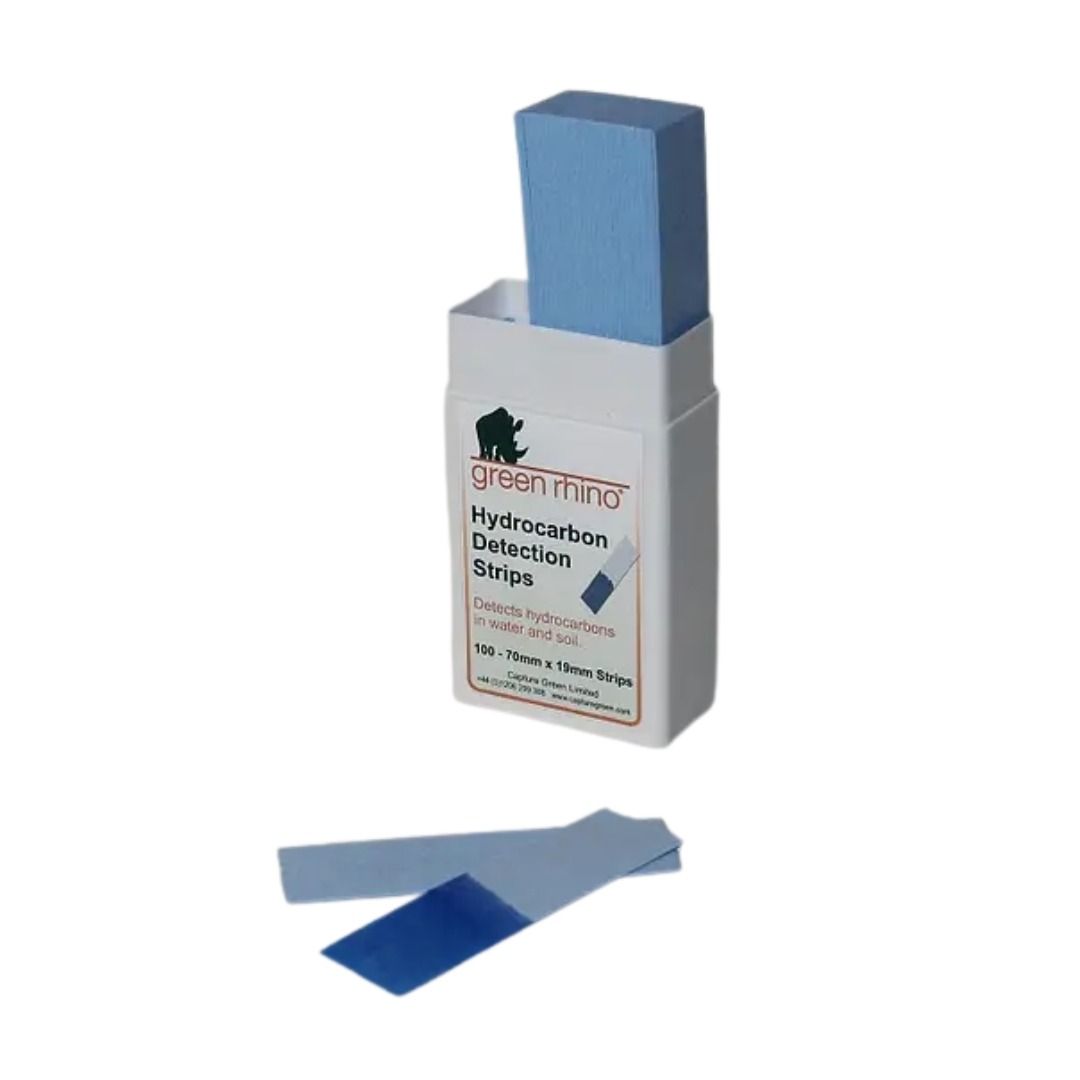
Green Rhino Hydrocarbon Detection Strips instantly indicate the presence of oil and fuel in water or soil, providing immediate on-site results for environmental compliance and dewatering decisions.
- Detects hydrocarbons including oil, diesel, petrol, and fuel at 1ppm sensitivity
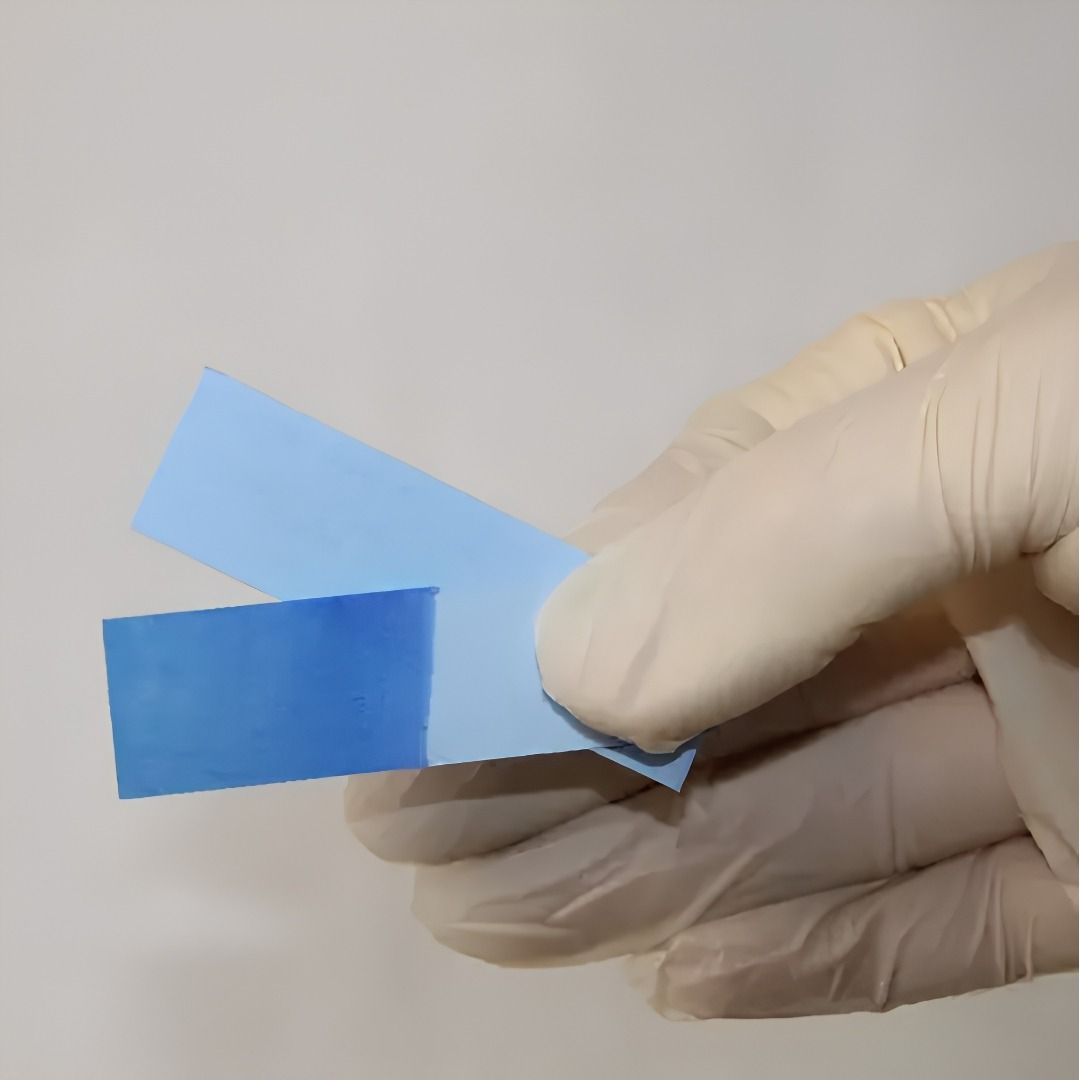
- Colour change from light blue to dark blue
- For testing water in excavations, bunds, tanks, and pools
- For testing water purity after spill response or clean-up
- Can be used to test soil as well as water
- No laboratory equipment required, results in seconds
- Visual guide included in every pack
- Pack of 100 strips
- 70mm x 19mm each
- Used strips disposed of in hazardous waste bin
Green Rhino Hydrocarbon Detection Strips - 1ppm Sensitivity
Green Rhino Hydrocarbon Detection Strips instantly indicate the presence of oil and fuel in water or soil, providing immediate on-site results for environmental compliance and dewatering decisions.
- Detects hydrocarbons including oil, diesel, petrol, and fuel at 1ppm sensitivity
- Colour change from light blue to dark blue
- For testing water in excavations, bunds, tanks, and pools
- For testing water purity after spill response or clean-up
- Can be used to test soil as well as water
- No laboratory equipment required, results in seconds
- Visual guide included in every pack
- Pack of 100 strips
- 70mm x 19mm each
- Used strips disposed of in hazardous waste bin
Order 1x to earn 105 FASTPoints
Order to earn 105 FASTPoints
Log in to access trade discountsGreen Rhino Hydrocarbon Detection Strips
Hydrocarbon detection strips that immediately indicate the presence of oils, diesel, petrol, and other fuel-based contaminants in standing water or soil, built for environmental managers, civil engineers, and site operatives responsible for compliant dewatering and spill response on UK construction sites. Dip the strip in water, move it for a few seconds, and the result is immediate: no change for clean water, light blue to dark blue for contaminated water. No laboratory, no third-party testing, no delay.
How instant on-site detection removes the compliance risk of dewatering delays
Sending water samples to a third-party laboratory for hydrocarbon analysis takes days and costs money. On a live construction site where an excavation is filling faster than it can be pumped, that delay creates direct commercial pressure to discharge water without testing. Green Rhino Hydrocarbon Detection Strips remove that pressure by delivering a field-accurate 1ppm result in seconds, on site, without any equipment beyond the strip itself. The Environment Agency's Regulatory Position Statement 261 on Temporary Dewatering from Excavations sets out the conditions under which water may be discharged to surface water. A positive strip result gives the site team the information needed to treat or arrange licensed disposal before pumping begins, rather than after an enforcement notice arrives.
Key Features
-
1ppm detection threshold: Detects hydrocarbons at a concentration of one part per million, a field-accurate result sufficient for compliance decisions before dewatering or water disposal.
-
Instant colour-change result: The strip changes from light blue to dark blue on contact with hydrocarbons. Light flecking indicates low-level contamination. A full, immediate transformation indicates high concentration. A visual guide is included in every pack.
-
Water and soil testing: Dip in standing water or press against soil to test both media for hydrocarbon contamination, making this a versatile tool across site investigation, spill response, and dewatering compliance tasks.
-
No equipment required: No reagents, no laboratory, no sample bottles, no courier. The strip itself is the test. Results in seconds.
-
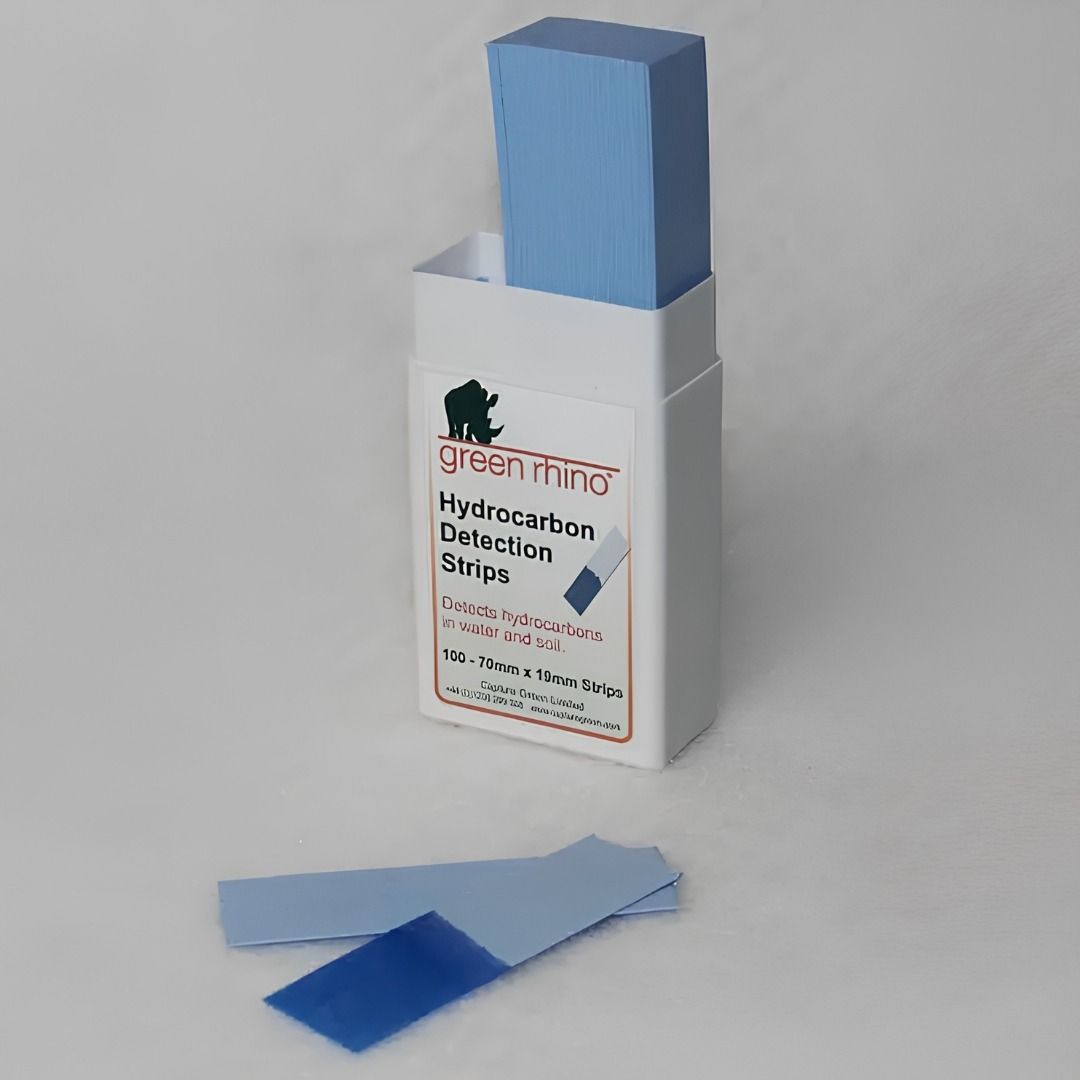
Pocket-sized for site use: At 70mm x 19mm, the strips fit in a pocket or site bag. The dispensing box holds 100 strips and dispenses individually to prevent contamination of the remaining stock.
-
Visual guide included: Every pack includes a colour reference guide so operatives can accurately interpret results regardless of prior experience.
Who is this for
Trades and roles:
-
Environmental managers
-
Site managers and project managers
-
Civil engineers and groundworkers
-
Utilities operatives
-
Environmental consultants
-
Health, safety, and environment officers
Industries:
-
Construction and civil engineering
-
Utilities and infrastructure
-
Highways and transport
-
Environmental remediation
-
Facilities management
Specifications
| Specification | Detail |
| Product Name | Green Rhino Hydrocarbon Detection Strips - 1ppm Sensitivity |
| SKU | ODS1DIS00 |
| Brand | Green Rhino (Capture Green Ltd) |
| Green Rhino Code | GRR 99 99 01 HDST |
| Product Type | Hydrocarbon detection strips, single use |
| Detection Method | Colorimetric, colour change from light blue to dark blue |
| Detects | Hydrocarbons including oil, diesel, petrol, and fuel-based contaminants |
| Detection Threshold | 1ppm (one part per million) |
| Test Media | Water and soil |
| Result Time | Seconds |
| Strip Colour (Clean) | Light blue |
| Strip Colour (Positive) | Dark blue, ranging from light flecking to full transformation |
| Strip Dimensions | 70mm x 19mm |
| Visual Guide | Included in every pack |
| Disposal | Hazardous waste bin |
| Pack Quantity | 100 strips per pack |
Compatibility
| Application or condition | Status |
| Testing standing water in excavations before dewatering | ✓ Compatible |
| Testing water in bunds, tanks, and settlement pools | ✓ Compatible |
| Testing water purity after spill clean-up | ✓ Compatible |
| Soil contamination testing | ✓ Compatible |
| Initial site investigation screening | ✓ Compatible |
| Detecting oil, diesel, petrol, and fuel-based hydrocarbons | ✓ Compatible |
| Replacing certified laboratory analysis for permit applications | ✗ Not suitable, field test only, not an accredited analytical method |
| Detecting non-hydrocarbon contaminants (heavy metals, solvents, etc.) | ✗ Not suitable, detects hydrocarbons only |
| Quantitative concentration measurement | ✗ Not suitable, qualitative indication only, not a calibrated measurement |
| Detecting contamination below 1ppm | ✗ Not suitable, 1ppm is the detection threshold |
Who is this for
Environmental managers, site managers, and civil engineers working on UK construction, civils, and utilities sites where dewatering is required and where hydrocarbon contamination of standing water is a known or potential risk. Also used by HSE and environment officers conducting compliance checks, remediation contractors managing contaminated land, and utilities operatives responding to fuel or oil spills near watercourses. Any professional with responsibility for ensuring water is clean before it enters the surface water drainage system has a direct use for these strips.
Typical applications
-
Testing the water in an excavation for hydrocarbon contamination before pumping begins to ensure discharge complies with Environment Agency RPS 261 for temporary dewatering from excavations.
-
Verifying water purity in a settlement tank or bund after filtration before final discharge to a watercourse or surface water drain.
-
Confirming that a spill response has been effective by testing the water remaining in the affected area after oil retention pillows or absorbent pads have been removed.
-
Screening standing water in a highway maintenance excavation where there is a risk of fuel contamination from adjacent plant operations or historic spillages in the carriageway substrate.
-
Testing soil in areas where a fuel or oil spill has occurred, to determine whether the contamination has reached the ground before remediation is complete.
-
Providing on-site evidence of pre-dewatering testing to an Environment Agency inspector or principal contractor's environmental auditor.
-
Differentiating between hydrocarbon contamination and naturally occurring bacteria sheen on the surface of standing water before deciding whether dewatering treatment is required.
How to use
Step 1: Put on disposable gloves before handling the strips. Do not touch the active surface of the strip with bare hands as natural skin oils may affect the result.
Step 2: Remove a single strip from the dispensing box. Do not return a used or handled strip to the box as it may contaminate the remaining stock.
Step 3: For water testing: dip the strip into the water and move it around gently for several seconds to ensure adequate contact with the water sample.
Step 4: For soil testing: press the strip firmly against the soil surface for several seconds, then rinse with clean water to remove soil particles before reading the result.
Step 5: Observe the colour of the strip. No colour change indicates hydrocarbons are not present above 1ppm. A change from light blue to dark blue indicates the presence of hydrocarbons. Light flecking indicates low-level contamination. Full, immediate transformation to dark blue indicates a higher concentration.
Step 6: Compare the strip to the visual guide included in the pack to confirm the result.
Step 7: Place the used strip in a hazardous waste bin. Do not dispose of in general waste.
Common mistakes
-
Not moving the strip in the water for long enough: a brief dip without movement does not give adequate contact between the strip and a representative water sample. Move the strip around for at least several seconds.
-
Misidentifying bacterial sheen as hydrocarbon contamination before testing: a certain type of naturally occurring bacteria produces a multi-coloured surface sheen that can look identical to an oil sheen. To differentiate before testing, drag a stick through the sheen. If it breaks apart into separate pieces, it is bacteria and not oil. If it remains as a continuous layer, treat it as potential hydrocarbon contamination and test with a strip.
-
Assuming a clean result confirms zero contamination: the strip detects hydrocarbons at 1ppm. Contamination below this threshold will not trigger a colour change. Where regulatory requirements demand quantitative analysis, a field strip result does not replace accredited laboratory testing.
-
Testing too close to the surface in disturbed water: recent pumping or heavy rain can disperse surface contamination. Allow the water to settle before testing and test at multiple locations across the water body.
-
Storing strips near fuel, oils, or solvents: hydrocarbon vapours in storage can pre-activate the strips. Store in a cool, dry location away from fuel storage, plant, and chemical products.
-
Disposing of used strips in general waste: used strips that have contacted hydrocarbons are hazardous waste and must be disposed of in a hazardous waste bin in line with company waste procedures.
Safety
These strips are a single-use field testing tool and are not an accredited analytical method. A positive result must be acted upon. Do not discharge water that has produced a positive strip result to surface water, drains, or watercourses without appropriate treatment or licensed removal. Disposing of hydrocarbon-contaminated water to a watercourse is an offence under the Water Resources Act 1991 and the Environmental Permitting Regulations 2010, which can result in unlimited fines and prosecution. Used strips are hazardous waste. Handle with disposable gloves and dispose of in a dedicated hazardous waste container.
Maintenance
Store unused strips in the original dispensing box in a cool, dry location away from fuel, oils, solvents, and direct sunlight. Keep the box sealed between uses to prevent contamination by hydrocarbon vapours. Check the expiry or batch date on the pack before use.
Frequently Asked Questions
Q: What concentration of hydrocarbons can these strips detect?
A: Green Rhino Hydrocarbon Detection Strips detect hydrocarbons at a threshold of 1ppm, one part per million. At this level the strip will begin to show a colour change from light blue to dark blue. The degree of colour change, from light flecking to full immediate transformation, gives a qualitative indication of concentration level. A visual guide included in every pack helps operatives interpret the result accurately.
Q: How exactly do I use a hydrocarbon detection strip?
A: For water testing, dip the strip in the water sample and move it around gently for several seconds. For soil testing, press the strip against the soil surface for several seconds then rinse with clean water before reading. In both cases, compare the strip to the visual guide included in the pack. Wear disposable gloves during handling and place used strips in a hazardous waste bin after use.
Q: What is the difference between an oil sheen and a bacterial sheen on site water?
A: A certain type of naturally occurring bacteria produces a surface sheen on standing water that looks almost identical to an oil sheen. The simplest field check before using a detection strip is the stick test: drag a stick through the sheen. If the sheen breaks up into separate pieces, it is bacteria and not oil contamination. If it remains as a continuous layer and re-forms after disturbance, treat it as potential hydrocarbon contamination and test with a strip. The detection strips will not react to bacterial sheens, only to genuine hydrocarbons.
Q: Can these strips replace laboratory water testing for Environment Agency discharge permits?
A: No. The detection strips are a qualitative field tool, not an accredited analytical method. A strip result is sufficient for a site team to make an informed on-site decision about whether to proceed with dewatering or to treat contaminated water before pumping. Where a formal water discharge permit or Environment Agency consent requires quantitative analysis to a specific standard, accredited laboratory testing is required. The strips are most valuable in removing the cost and delay of routine pre-dewatering checks.
Q: What should I do if a strip turns dark blue?
A: A positive result means hydrocarbons are present above 1ppm in the water tested. Do not discharge that water to a surface water drain, watercourse, or highway drain without treatment. Depending on the concentration and the source, appropriate next steps may include deploying oil retention pillows or absorbent materials to reduce the hydrocarbon level, using a dewatering filter rated for oil and sediment removal, or engaging a licensed waste carrier to remove the water from site. Contact your environmental manager or principal contractor's HSE team before proceeding.
Q: Are these strips suitable for testing soil as well as water?
A: Yes. Press the strip firmly against the soil to be tested, ensuring good contact, then rinse with clean water to remove soil particles before reading the result. This makes the strips useful not only for pre-dewatering checks but also for initial screening of soil in areas affected by fuel or oil spills, or during site investigation where hydrocarbon contamination is suspected.
Q: How should used strips be disposed of?
A: Place used strips, particularly those that have tested positive, in a hazardous waste bin. Do not dispose of in general site waste. Disposal must be in line with company hazardous waste procedures and applicable waste regulations. Unused strips that have been removed from the dispensing box and handled should also be treated as potentially contaminated and disposed of as hazardous waste.