Storm season 2026 | Flood clean-up
After Storm Austen and Storm Boelo: A Flood Clean-Up Guide for Sites, Drains and Roads
Once the water drops, the real work starts. This guide covers how to make a site safe, remove standing water, clean and disinfect, clear silt from drains, deal with damaged materials, and get roads, routes and fencing back in order.
Published by CMT Group
In this guide
1. What the storms left behind
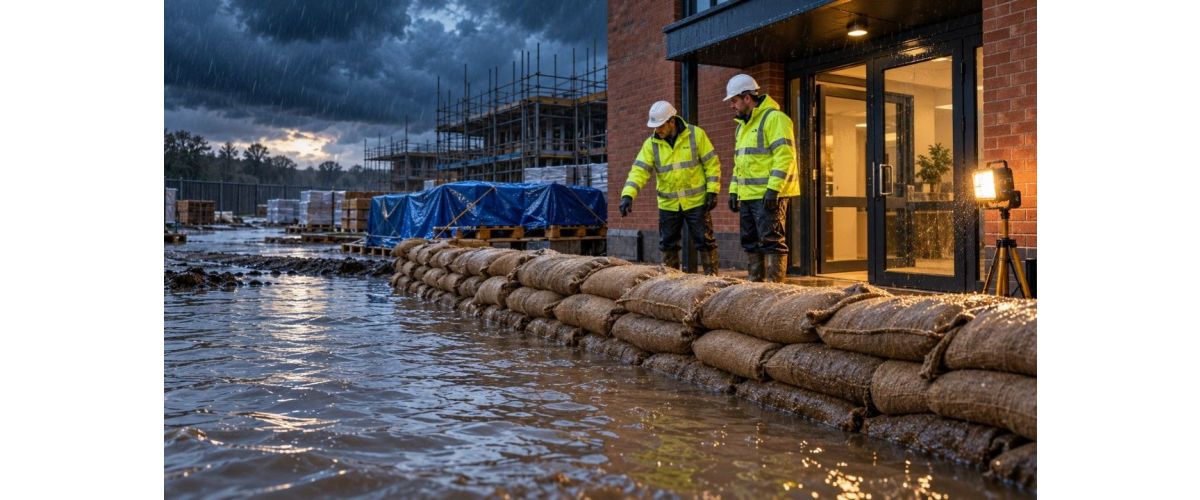
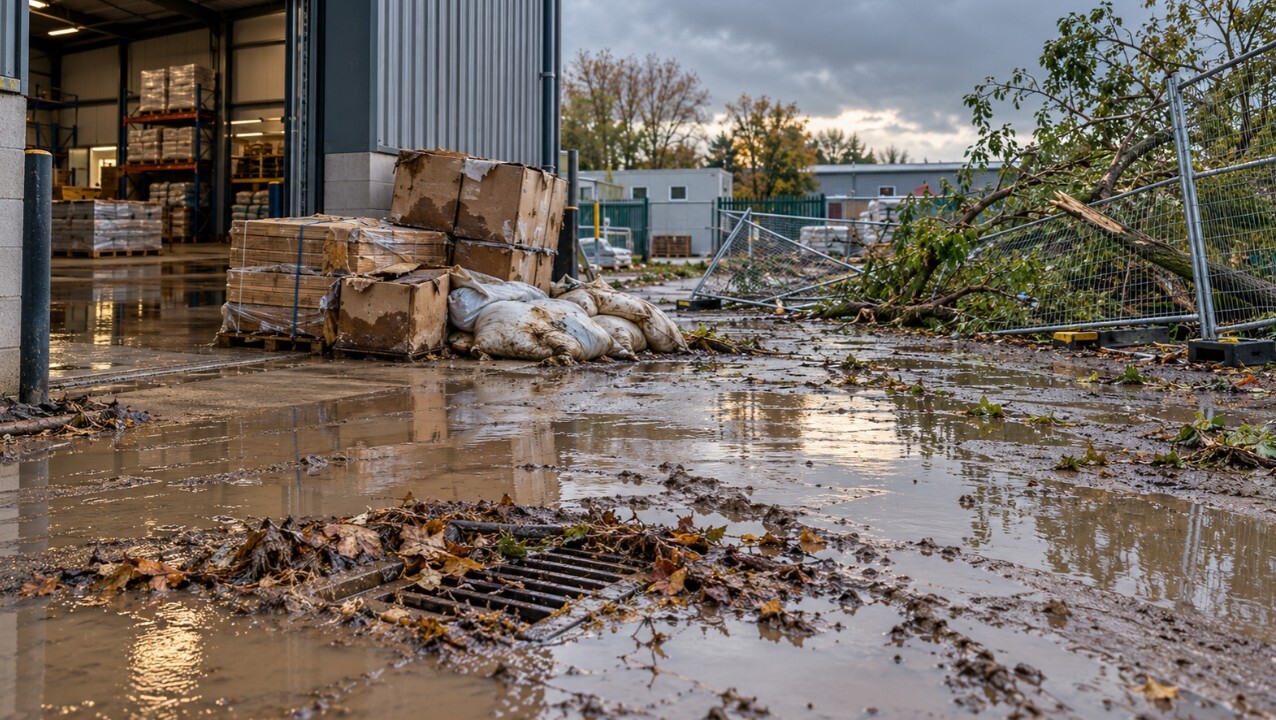
Storm Austen and Storm Boelo brought hundreds of flood warnings and alerts, power cuts and widespread damage. Cornwall Council highways teams handled around 100 incidents, mostly fallen trees and debris, alongside flooding. In Northumberland alone, around 400 road issues were reported during Storm Boelo.
For sites and managed buildings, that leaves a familiar list of jobs:
Standing water
In cabins, basements, excavations and entrances.
Silt and mud
On floors and surfaces, and settled in drain runs.
Damaged materials
Soaked stock, used sandbags and storm debris to clear.
Unsafe routes
Debris on roads, and fencing or hoarding blown down.
Getting ready for the next storm? Read our guide to protecting sites and buildings from flooding.
2. Make it safe before you start
Flood water can contain sewage, harmful pollutants and contaminants, so GOV.UK advises wearing protective clothing while cleaning up (GOV.UK: how to recover from flooding). Work through these checks before anyone starts clearing:
Check the warnings
Confirm flood warnings have cleared on the GOV.UK flood warning service before returning to low areas.
Electrics and gas
Have a qualified electrician or engineer check anything that got wet before switching it back on.
Record the damage
Photograph damage and contact your insurer before clearing anything away.
PPE on
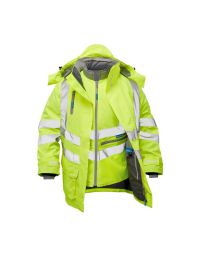
Waterproof gloves, boots and protective clothing for everyone handling flood water or debris.

Clean-up hygiene, step by step
- Cover cuts and grazes with waterproof plasters before starting.
- Wear waterproof gloves, boots and protective clothing throughout.
- Wash hands with soap and warm water after each clean-up session and before eating.
- Wash clothes used for cleaning on a separate cycle from other clothes.
- Never run generators or fuel-powered dryers indoors, as fumes contain carbon monoxide.
Based on UKHSA flooding and health advice.
3. Remove standing water
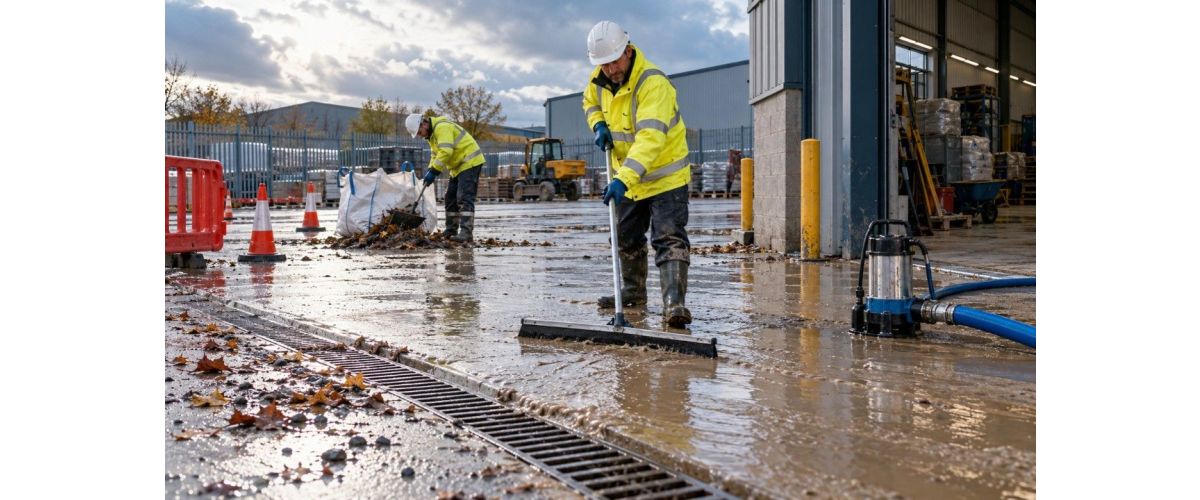
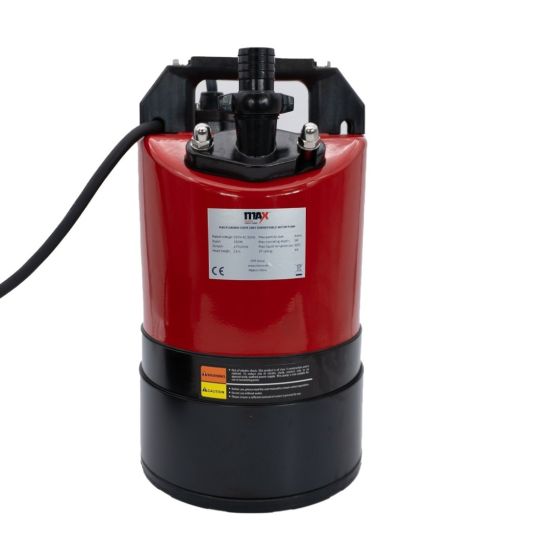
Get water out quickly, before it soaks further into floors, walls and stored materials. Use a submersible pump for depth, then a wet and dry vacuum to lift what is left from floors and corners.

4. Clean and disinfect
Once the water is out, clean every hard surface flood water has touched. UKHSA advises using hot water and detergent on hard surfaces, then letting them dry thoroughly (GOV.UK). Work from the top down and from the furthest point back towards the door.
Step 1: Scrape and sweep
Shovel and sweep out mud and silt before wet cleaning.
Step 2: Wash
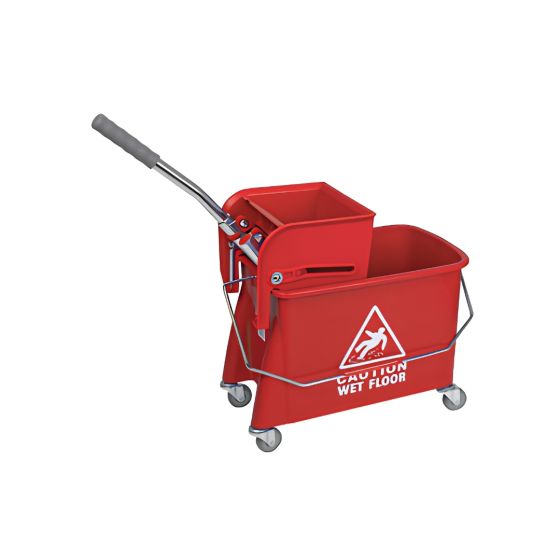
Wash hard surfaces with hot water and detergent, changing the water often.
Step 3: Disinfect
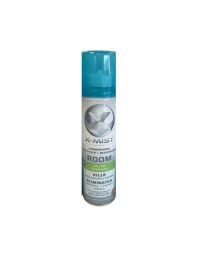
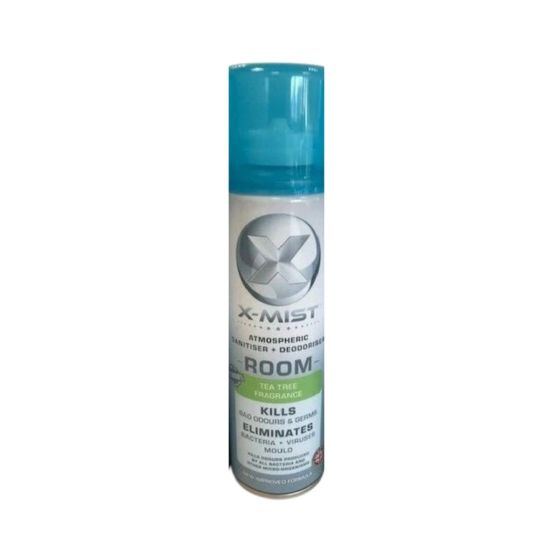
Disinfect food areas, welfare units and touch points, following the product label.
Step 4: Dry out
Ventilate well and dry surfaces fully to stop mould forming.

5. Clear silt and debris from drains
Flood water carries silt, leaves and site debris into drain runs, where it settles and causes the next blockage. Clearing drains now stops water backing up the next time it rains.

The drain clearing sequence
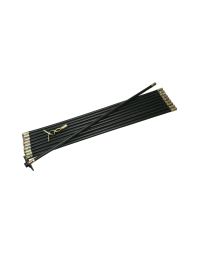
1. Break up: double worm screw
Screw into compacted silt and debris to break it up and open a path for the water.
2. Drag back: half circle drop scraper
The hinged blade passes over debris going in, then drops and drags silt back to the chamber so it can be lifted out.
3. Flush: full circle plunger
The rubber disc fills the pipe and pushes water through to flush the loosened material down the run.
4. Finish: drain rod brush
Stiff bristles scrub the remaining silt and grease from the pipe wall for a clean bore.
Turn universal rods clockwise only. Turning anti-clockwise can unscrew a joint and leave rods or tools stuck in the drain. Never enter a manhole or chamber: that is confined space work for a trained team.
6. Clear damaged materials and waste
Flood-damaged stock, used sandbags, flood cubes and storm debris all need clearing. Keep contaminated waste separate, and dispose of anything that has sat in flood water following your local authority's guidance.
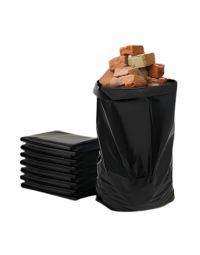
- Bag soft waste, debris and contaminated items in rubble sacks.
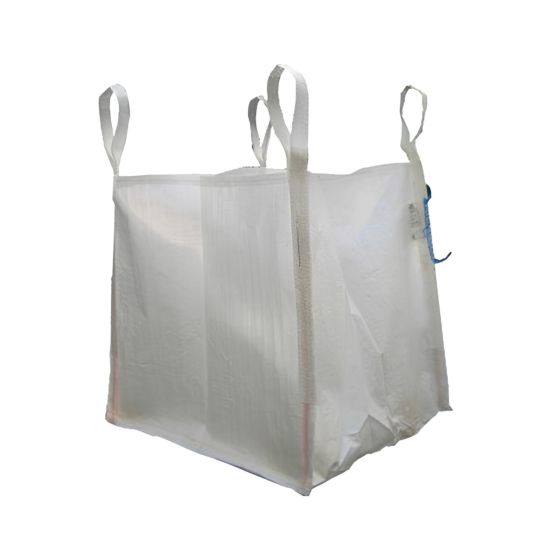
- Collect bulky debris, rubble and spoil in tonne bags for lifting off site.
- Dispose of used sandbags and flood cubes that touched flood water, rather than storing them for reuse.
- Keep recyclable and general waste streams separate to cut disposal costs.

7. Make roads, routes and fencing safe
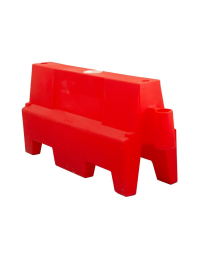
Fallen trees, debris and damaged fencing turn site access routes and car parks into hazards. Close off what isn't safe, warn drivers and pedestrians, and secure the perimeter before work restarts.
Fallen trees and power lines: report trees blocking public roads to the local council. Never approach fallen power lines. Call 105 to report damage to the electricity network.



8. Clean-up checklist and FAQs
Tick off each job as the site gets back to normal.
Frequently asked questions
What PPE do I need to clean up after a flood?
Waterproof gloves, rubber boots and protective clothing such as overalls or a waterproof apron, because flood water can contain sewage. Add hi-vis clothing when working near roads or plant.
How should I clean hard surfaces after flooding?
Remove mud and silt first, then wash hard surfaces with hot water and detergent, as UKHSA advises. Disinfect welfare and food areas, then ventilate and dry everything thoroughly.
Can I reuse sandbags after a flood?
Not if they have sat in flood water, which can carry sewage. Dispose of them following local authority guidance. Clean, undamaged polypropylene bags that stayed out of flood water can be checked and kept.
When can I switch the power back on?
Only once a qualified electrician has checked any wiring, sockets or equipment that got wet. The same applies to gas and oil heating, which should be checked by a qualified engineer.
How do I know a drain is clear after rodding?
Run clean water through the run and check it flows freely to the next chamber without backing up. For new or critical drains, a CCTV survey confirms the pipe is clear and undamaged.
Who deals with fallen trees and power lines?
Report trees blocking public roads to the local council. Never approach fallen power lines, and call 105 to report damage to the electricity network.
Get your site back to work with CMT Group
Order clean-up, drainage and safety supplies across every project through the free EDGE procurement portal, or keep them stocked on site with SiteHive. Speak to our team on 020 8311 1144 or email sales@cmt.co.uk.