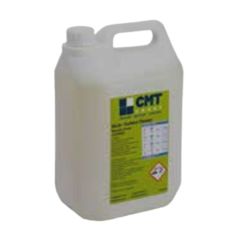
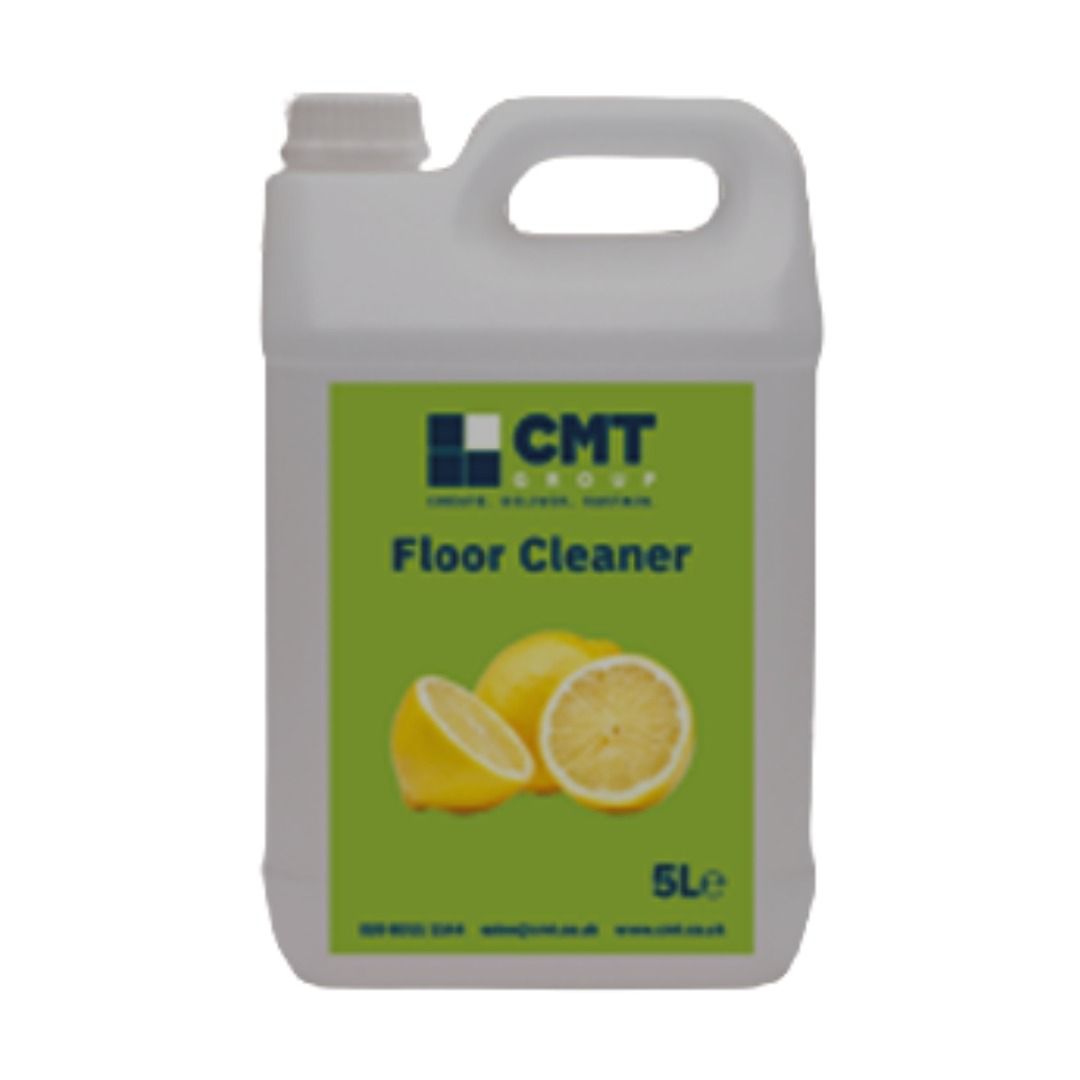
Neutral pH floor cleaner with a clean lemon fragrance for daily maintenance cleaning of hard floors, wood, laminate, and parquet in welfare units and site facilities.
- Neutral pH 6.5 to 8, safe on wood, laminate, parquet, and all hard floor surfaces
- Non-hazardous, no CLP classification required
- Dilutes into a spray bottle for all-purpose hard surface cleaning across the facility
- Clean lemon fragrance
Floor Cleaner 5 Litre
Neutral pH floor cleaner with a clean lemon fragrance for daily maintenance cleaning of hard floors, wood, laminate, and parquet in welfare units and site facilities.
- Neutral pH 6.5 to 8, safe on wood, laminate, parquet, and all hard floor surfaces
- Non-hazardous, no CLP classification required
- Dilutes into a spray bottle for all-purpose hard surface cleaning across the facility
- Clean lemon fragrance
- Buy 6 for £14.72 £12.27 each and save 9%
- Buy 12 for £13.18 £10.98 each and save 19%
| BULK DISCOUNT | 6 | 12 |
|---|---|---|
| Price | £12.27 £14.72 | £10.98 £13.18 |
Order 1x to earn 13 FASTPoints
Order to earn 13 FASTPoints
Log in to access trade discountsFloor Cleaner
Neutral pH floor cleaner sitting at pH 6.5 to 8 for daily maintenance cleaning of all hard floor surfaces throughout welfare unit canteens, washrooms, site offices, and compound facilities. Where the alkaline multi-surface cleaner in this range handles heavy degreasing on floors and worktops, this product handles ongoing daily floor maintenance, including surfaces the alkaline formula cannot touch, specifically sealed wood, laminate, and parquet. A single 5 Litre container also dilutes into a spray bottle for all-purpose hard surface cleaning across the same welfare facility, reducing the number of separate products a site needs to stock.
How neutral pH keeps wood and laminate floors safe across the full cleaning cycle
Alkaline floor cleaners above pH 9 strip protective coatings from sealed wooden floors, cause swelling and warping in laminate panels, and degrade parquet finishes over repeated use. Sites that maintain a mix of hard floor types throughout their welfare compound, tiled canteen floors alongside laminate-finished site offices or parquet-floored welfare rooms, cannot use a high-pH product across all of them without causing progressive surface damage. At pH 6.5 to 8, this cleaner sits within the neutral range that preserves seals, coatings, and surface finishes on every hard floor type in the compound, making it the correct choice for daily cross-floor-type maintenance cleaning.
Key Features
-
Neutral pH 6.5 to 8: Confirmed safe for sealed wood, laminate, parquet, ceramic, vinyl, and all other hard floor types without the coating degradation risk of alkaline formulas.
-
Universal hard floor compatibility: A single product covers every hard floor surface type across a welfare compound, from tiled washrooms to sealed wood-finish site offices, without switching products.
-
Dual-use dilution: Dilutes into a spray bottle for all-purpose hard surface cleaning of worktops, wall panels, and non-floor surfaces throughout the same facility, reducing the number of stocked products.
-
Non-hazardous formula: No CLP classification required. No mandatory PPE beyond standard good hygiene practice. Simpler to deploy across welfare operative teams than chemically classified alternatives.
-
Lemon fragrance: Clean, fresh scent without the sharp chemical odour associated with alkaline or acid-based cleaning products, improving the working atmosphere in welfare canteen and washroom areas.
-
5 Litre bulk format: BEST SELLER in the CMT janitorial range.
Who is this for
Trades and roles:
-
Welfare unit operatives
-
Site managers
-
Facilities managers
-
Maintenance contractors
-
Compound managers
Industries:
-
Construction
-
Civil engineering
-
Utilities and groundworks
-
Industrial facilities management
-
Property maintenance
Specifications
| Specification | Detail |
|---|---|
| Product Name | Floor Cleaner 5 Litre |
| SKU / Product Code | FC5L |
| Fixed Specifications | |
| Product Type | Neutral pH floor and hard surface cleaner |
| Application | Daily maintenance cleaning of all hard floors and hard surfaces |
| pH | 6.5 to 8 (neutral) |
| Fragrance | Lemon |
| Hazard Classification | Non-hazardous — no CLP classification required |
| PPE Required | None required for normal use — standard hygiene practices apply |
| Dual-Use | Dilutes into spray bottle for all-purpose hard surface cleaning |
| Suitable Surfaces | All hard floors — sealed wood, laminate, parquet, vinyl, ceramic, concrete |
| Variable Specifications | |
| Volume | 5 Litre |
Compatibility
| Surface or Floor Type | Status |
|---|---|
| Sealed wooden floors | ✓ Compatible |
| Laminate floors | ✓ Compatible |
| Parquet floors | ✓ Compatible |
| Vinyl and PVC floors | ✓ Compatible |
| Ceramic and porcelain tiles | ✓ Compatible |
| Concrete and screed floors | ✓ Compatible |
| General non-porous hard surfaces (via spray dilution) | ✓ Compatible |
| Unsealed or bare wood | ✗ Not recommended — liquid absorbs into unprotected wood |
| Carpets and soft floor coverings | ✗ Not recommended — not formulated for soft surfaces |
Who is this for
Welfare unit operatives carrying out daily floor cleaning across mixed-surface welfare compounds where different floor types sit side by side. Sites that have a combination of tiled washroom floors, laminate-finished site office areas, and sealed wood or parquet welfare rooms can run this product across all of them without risk of surface damage. Procurement teams managing welfare consumables across multiple sites benefit from the dual-use dilution capability, which allows the same 5 Litre container to serve both floor mopping and spray-bottle surface wiping, consolidating two product lines into one.
Typical applications
-
Daily mopping of canteen floor surfaces in site welfare units at the start and end of meal break periods throughout the working day.
-
Routine cleaning of sealed wood or laminate-finished floors in site offices and meeting rooms attached to welfare compounds where an alkaline cleaner would cause surface damage over time.
-
Cleaning parquet or wood-finish flooring in welfare accommodation blocks and longer-term site facility buildings where floor preservation matters across an extended project duration.
-
Diluting into a spray bottle for quick wipe-downs of worktops, door handles, and non-floor hard surfaces between scheduled deep cleaning cycles.
-
End-of-week or end-of-shift floor cleaning across all welfare facility areas as part of a structured site welfare maintenance schedule.
-
Periodic cleaning of vinyl and PVC floor coverings in temporary welfare cabins and modular welfare units.
How to use
Step 1: Dilute the floor cleaner in a mop bucket per the instructions on the product label before mopping.
Step 2: Apply to the floor using a clean mop, working in sections across the floor area.
Step 3: Allow the floor to dry before permitting foot traffic back onto the cleaned surface, particularly on sealed wood and laminate floors where wet surfaces present a slip risk.
Step 4: For spray bottle use, dilute per label instructions into a clean spray bottle. Apply to hard surfaces, wipe with a clean cloth, and allow to dry.
Step 5: Rinse mop head thoroughly after use and store the mop upright to allow drying between cleaning sessions.
Step 6: Replace the container lid securely after use and store in a cool location.
Common mistakes
-
Applying undiluted to floors: always dilute per label instructions before mopping. Undiluted product is not necessary for routine cleaning and increases cost per use significantly.
-
Using on unsealed or bare wood: the neutral pH does not protect against liquid penetration into unprotected wood grain. Only use on sealed, coated, or finished wood surfaces where the protective layer prevents liquid absorption.
-
Allowing standing water on laminate: laminate floors are particularly susceptible to edge-swelling from excess water. Wring the mop thoroughly before applying and avoid leaving puddles on the floor surface.
-
Reusing dirty mop water: mop water becomes contaminated quickly on heavily soiled welfare floors. Change the water regularly during a cleaning session to avoid spreading soiling rather than removing it.
-
Not allowing the floor to dry before foot traffic: a wet floor in a welfare unit is a slip hazard. Post a wet floor sign and allow adequate drying time before the area is reopened.
Safety
Non-hazardous product with no CLP classification. Standard hygiene practices apply: wash hands after use and avoid prolonged contact with eyes. If eye contact occurs, rinse with clean water. Keep out of reach of children. No specialist PPE is required for normal use. Mop heads and cleaning equipment should be stored clean and dry between uses to prevent bacterial growth on the equipment itself.
Maintenance
Store the 5 Litre container upright with the lid secured in a cool location. Do not store near heat sources or in direct sunlight. Use within the period indicated on the product label. Clean spray bottles used for diluted product between refills to prevent residue build-up affecting spray performance.
Frequently Asked Questions
Q: Is this floor cleaner safe to use on sealed wooden floors?
A: Yes. The neutral pH of 6.5 to 8 sits within the range that preserves the protective seal on treated wood floors. Alkaline cleaners above pH 9 strip and degrade wood floor coatings over repeated use. Ensure the floor is sealed before cleaning — this product is not suitable for bare or unsealed wood, where liquid penetrates the surface rather than cleaning it.
Q: How do I dilute this product for use in a spray bottle?
A: Refer to the dilution guidance on the product label for the correct ratio for spray-bottle use. As a general principle, spray-bottle dilution for surface wiping is typically lighter than mop-bucket dilution for floor cleaning. Use a clean spray bottle and label it clearly when dispensing.
Q: Does this product need to be rinsed off after use?
A: Under normal use at the correct dilution, rinsing is not required on hard floor surfaces. On food preparation worktops and any surface that may contact food when used via spray bottle, a clean water wipe-down after cleaning is recommended as good practice.
Q: How is this different from the Multi Surface Cleaner in the CMT range?
A: The Multi Surface Cleaner (JLHSC05) operates at pH 11.4, a highly alkaline formula suited to heavy degreasing of contaminated welfare surfaces. It must not be used on wood, laminate, or parquet due to the coating damage that alkaline cleaners cause over time. This floor cleaner sits at pH 6.5 to 8 and is safe for all hard floor types including wood and laminate. The two products are complementary: the alkaline cleaner for periodic heavy degreasing, this product for daily floor maintenance across mixed floor types.
Q: How often should welfare unit floors be cleaned?
A: CDM Regulations require site welfare facilities to be maintained in a clean and orderly condition. In active welfare units serving multiple shift patterns, daily mopping of canteen and washroom floors is standard practice. High-traffic entry areas may need cleaning more frequently during active site phases. A structured cleaning schedule should form part of the site welfare management plan.
Q: Is PPE required when using this product?
A: No specialist PPE is required. The product carries no CLP hazard classification. Standard hygiene practice, washing hands after use and avoiding eye contact, is sufficient for normal use.
Q: Can this be used in modular or mobile welfare units?
A: Yes. The product is suitable for all hard floor types found in modular welfare cabins, mobile welfare units, and temporary site accommodation, including vinyl, PVC, and laminate floor surfaces commonly used in these facilities. The 5 Litre format provides enough volume to cover extended cleaning schedules across multiple welfare units on the same site.