NLG Hi-Vis Neoprene Helmet Lanyard | CMT Group UK
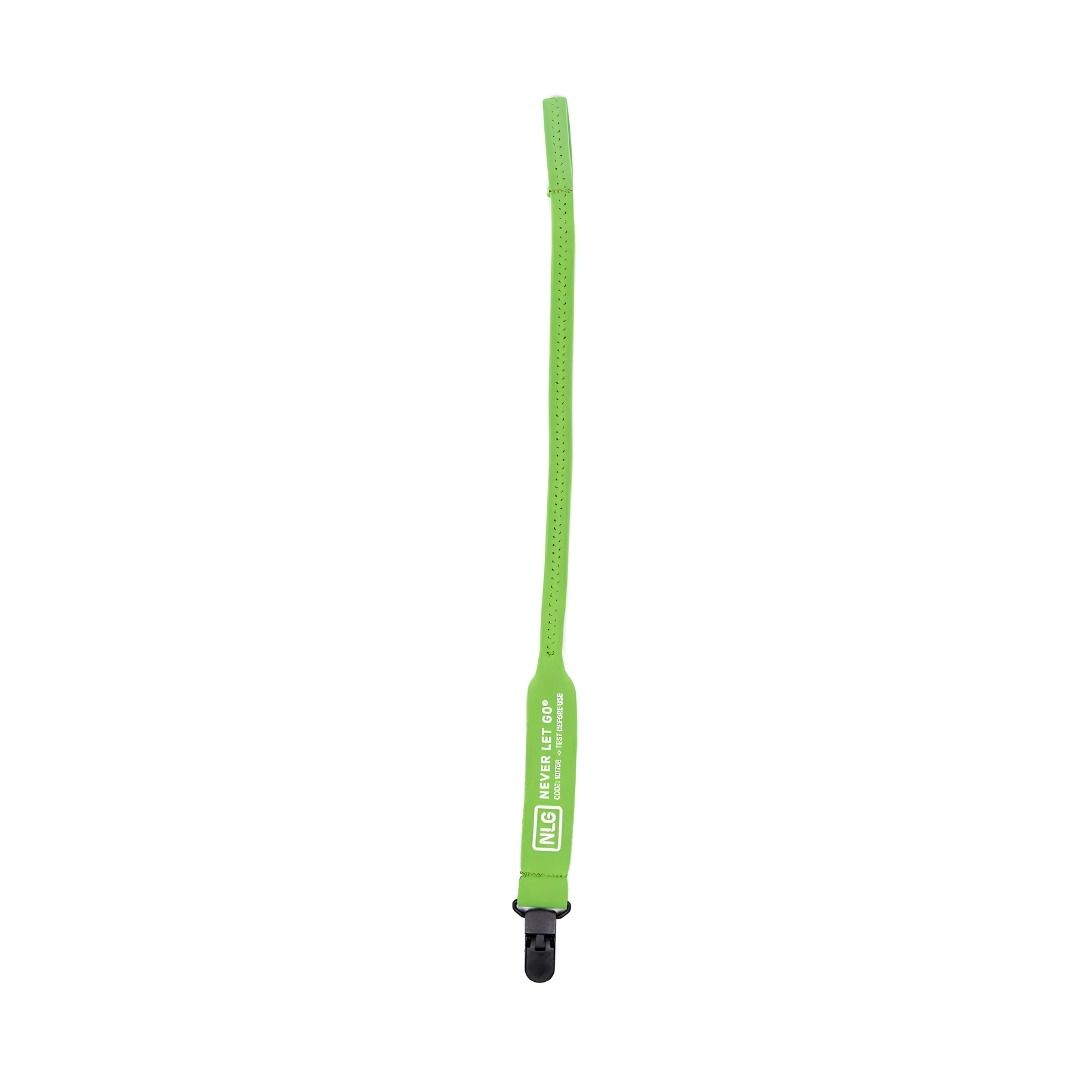
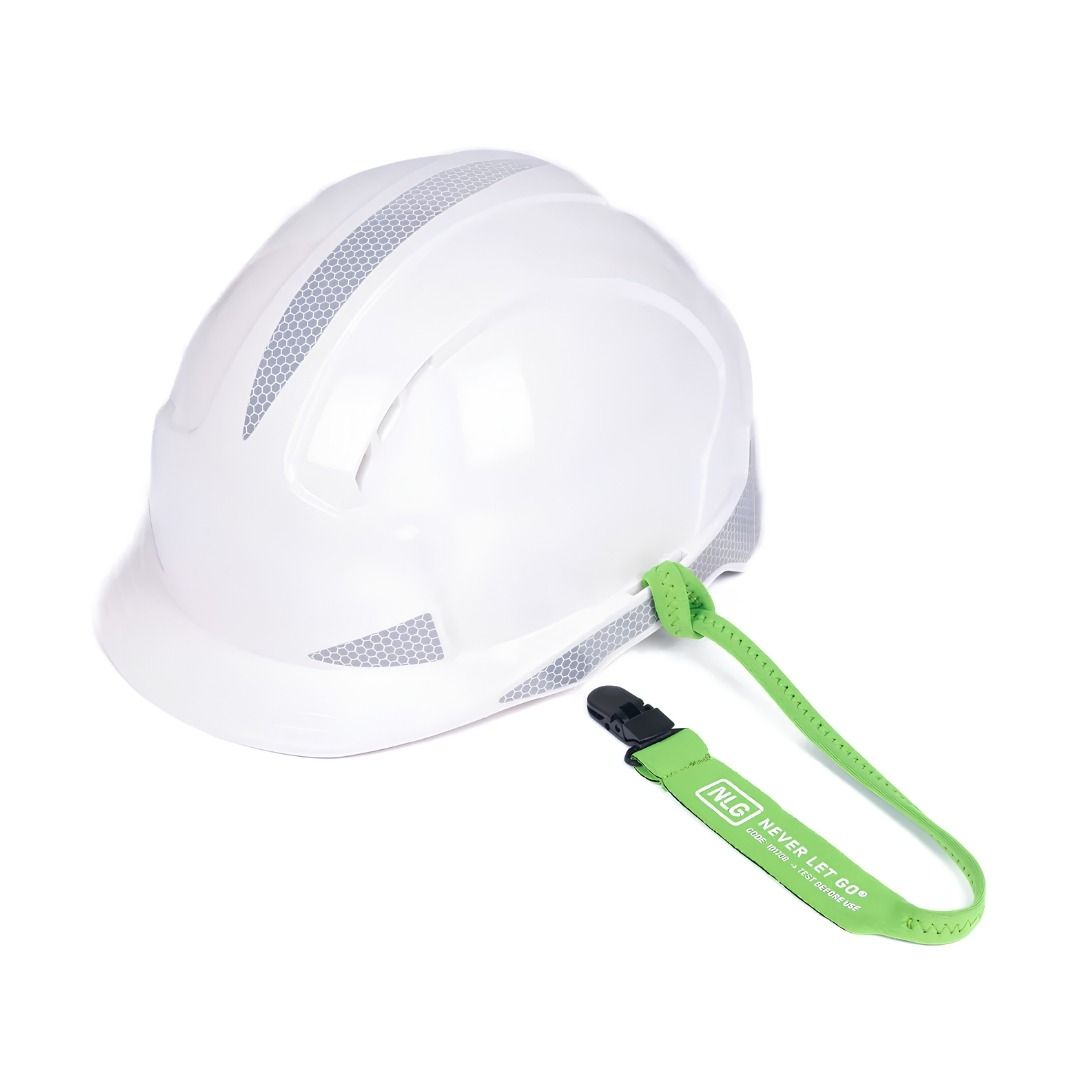
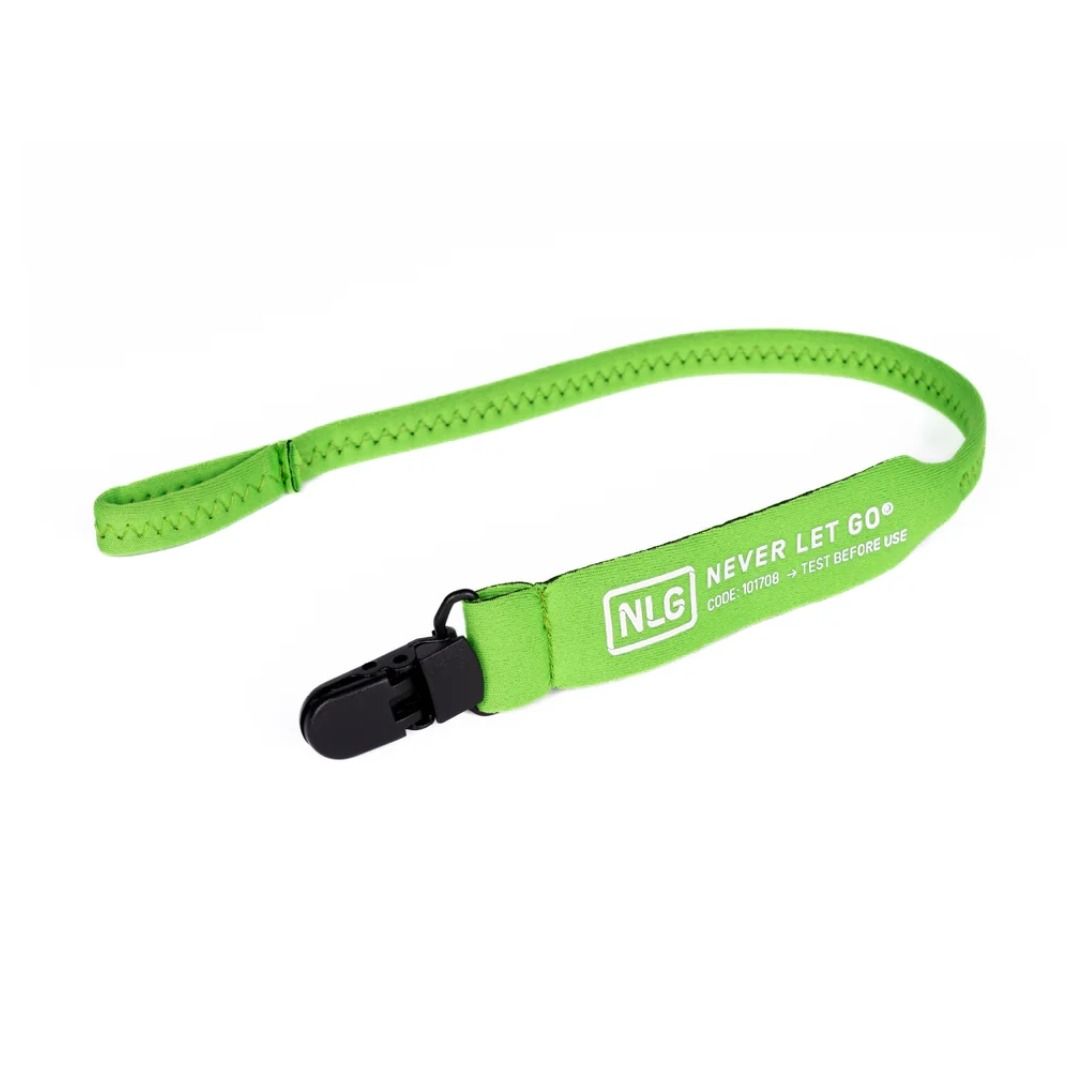
NLG Hi-Vis Neoprene Helmet Lanyard | CMT Group UK Hi-vis green neoprene helmet lanyard with Tough Teeth clip, solo product flat view | CMT Group UK NLG hi-vis neoprene helmet lanyard attached to white safety helmet via accessory slot | CMT Group UK

Hi-vis neoprene helmet lanyard for tethering hard hats to the wearer, preventing the helmet from becoming a dropped object hazard.

  • Hi-vis neoprene construction, 400mm x 20mm
  • Safety breakaway clip for use near moving machinery
  • Tough Teeth clip, single-hand glove-friendly attachment
  • Non-conductive design
  • Universal fit, all helmet types and accessory slots
  • Third-party tested and certified, NLG ID tag included

NLG Hi-Vis Neoprene Helmet Lanyard - Dropped Object Prevention

Code
NLG101708
2900+ In Stock

Hi-vis neoprene helmet lanyard for tethering hard hats to the wearer, preventing the helmet from becoming a dropped object hazard.

  • Hi-vis neoprene construction, 400mm x 20mm
  • Safety breakaway clip for use near moving machinery
  • Tough Teeth clip, single-hand glove-friendly attachment
  • Non-conductive design
  • Universal fit, all helmet types and accessory slots
  • Third-party tested and certified, NLG ID tag included
£3.16 £2.63
  • Buy 20 for £2.92 £2.43 each and save 8%
  • Buy 50 for £2.65 £2.21 each and save 16%
  • BULK DISCOUNT 20 50
    Price £2.43 £2.92 £2.21 £2.65

Order 1x to earn 2 FASTPoints

Order to earn 2 FASTPoints

Log in to access trade discounts
2900+ In Stock

NLG Hi-Vis Neoprene Helmet Lanyard

Hi-vis neoprene helmet lanyard that tethers a hard hat to the wearer's clothing, keeping it out of the path of anyone working below if it comes off at height or on site. The neoprene sits flat against jackets, vests, and harness webbing without adding bulk, and the Tough Teeth clip fastens to any woven fabric in a single hand motion, operable with gloves on. A safety breakaway feature means the clip releases under sudden load rather than transferring force to the wearer if the lanyard snags near plant or machinery.

How the Safety Breakaway Clip Protects You Near Moving Machinery

A basic cord or standard clip keeps the hard hat in reach but creates a secondary hazard near rotating machinery, conveyor guards, and moving plant, if it snags, the force goes straight to the wearer's head and neck. On a live construction site, that can happen before a worker has time to react, and the consequences are serious. The Tough Teeth clip is built with a breakaway release that lets the lanyard detach from the garment under sudden force, so the wearer is protected rather than held.

Key Features

  • Safety breakaway clip: Releases under sudden load if the lanyard catches on machinery, plant guards, or overhead obstacles. Designed to protect the wearer rather than hold them.

  • Tough Teeth clip: Grips any woven fabric including hi-vis vests, work jackets, and harness webbing without slipping. Attaches and releases with one finger, without removing gloves.

  • Hi-vis neoprene construction: Green neoprene webbing is immediately visible against dark site PPE and clothing, making the lanyard easy to locate during a pre-use check and supporting site compliance visibility.

  • Universal helmet compatibility: Routes through any standard accessory slot and cinches via a self-locking loop. Where integrated hearing protection occupies the slot, the loop attaches to the helmet's internal harness instead.

  • Non-conductive design: No metal components in the load path, reducing conductivity risk on sites where contact with live services is a possibility.

  • NLG ID inspection tag: Scan with a smartphone to access product certificates, instruction videos, and a digital inspection log without paper-based records.

Who Is This For

Trades and roles:

  • Working at height operatives

  • Scaffolders

  • Steel erectors

  • Rope access technicians

  • Site managers specifying dropped object prevention

Industries:

  • Construction

  • Civil engineering

  • Utilities

  • Rail and infrastructure

  • Oil and gas

 Specifications

Specification Detail
Product Name NLG Hi-Vis Neoprene Helmet Lanyard - Dropped Object Prevention
SKU 101708
Product Category Helmet Lanyard, Dropped Object Prevention
Construction Material Hi-vis neoprene webbing
Clip Type Tough Teeth safety breakaway clip
Helmet Attachment Method Loop cinch via accessory slot or internal harness
Garment Attachment Tough Teeth clip, single-hand operable with gloves on
Safety Breakaway Yes, clip releases under sudden load
Max Load N/A, helmet retention tether only
Non-Conductive Yes
Inspection System NLG ID serialised scan tag
Testing Dynamic load tested, third-party certified
Certification CE marked (UKCA status: confirm before publishing)
Colour Hi-vis green
Dimensions 400mm x 20mm
Unit Weight 5g

Compatibility

Application or condition Status
Tethering hard hats on construction and civils sites ✓ Compatible
Helmets with standard accessory slot ✓ Compatible
Helmets with integrated hearing protection (attach loop to internal harness) ✓ Compatible
Environments near moving machinery and rotating plant ✓ Compatible, breakaway releases
Sites requiring visible PPE for compliance checks ✓ Compatible, hi-vis construction
Rated tool tethering or carrying weighted equipment ✗ Not suitable
Fall arrest or safety-critical load-bearing applications ✗ Not suitable
Replacement for EN354 or EN355 rated safety lanyard or harness ✗ Not suitable
Chemical or solvent environments (neoprene may degrade on contact) ✗ Not recommended


Who Is This For

Working at height operatives, scaffolders, and steel erectors on UK construction and civil engineering sites where hard hats present a dropped object risk to those below. It is also used by site managers and CDM coordinators implementing a dropped object prevention programme across multiple trades, and by rope access technicians and maintenance operatives working in elevated or confined positions where retrieving a dropped helmet is not practical.

Typical Applications

  • Tethering a hard hat to the wearer's clothing or harness during scaffold erection, where reaching, leaning, and working overhead makes the helmet vulnerable to coming off.

  • Keeping a safety helmet in reach during steel erection and structural ironwork at height, where a dropped helmet falling to a live lower floor is a serious risk.

  • Retaining a hard hat during confined space entry and working in elevated plant rooms, where standard retrieval of a dropped item is impractical.

  • Use on general construction sites as part of a site-wide dropped object prevention programme, alongside tool lanyards and tethered PPE accessories.

  • Satisfying site induction requirements for working at height where helmet retention is specified in the site-specific risk assessment or method statement.

  • Maintaining helmet compliance on sites with mandatory PPE requirements, where the hi-vis construction makes the lanyard visible to supervisors and site managers during checks.

How to Use

Step 1: Pass the loop end of the lanyard through the helmet's accessory slot.

Step 2: Pass the Tough Teeth clip through the loop end and pull firmly to create a tight cinch around the slot. The loop tightens and locks against itself.

Step 3: Confirm the lanyard is secure by applying light manual tension to the clip. The loop must not move at the accessory slot.

Step 4: Attach the Tough Teeth clip to a fixed point on your outer garment. Chest-level attachment on a jacket or vest front is the standard position. Press the clip closed and confirm it is seated.

Step 5: Conduct a final check before beginning work. Both the helmet attachment and garment clip must be firm, with no slack or loose material in the attachment.

Note: If integrated hearing protection occupies the accessory slot, route the loop through the helmet's internal harness system instead of the slot. The cinch method works identically on the harness webbing.

Common Mistakes

  • Skipping the pre-use check: A clip that has partially opened or a loop that has worked loose at the cinch point provides no reliable retention. Check both ends before starting work, every shift.

  • Using it as a tool tether: This lanyard has no working load rating. Attaching tools, pouches, or equipment to it risks clip failure and a dropped object incident.

  • Attaching the clip to a loose or thin material: The Tough Teeth clip grips woven fabric reliably. Applied to a loose hem, thin nylon lining, or single-layer mesh, it may slip under load. Clip to a reinforced chest panel, jacket placket, or harness strap.

  • Continuing to use after a drop event: Even with no visible damage, quarantine the lanyard after any drop event and carry out a thorough inspection before returning it to service.

  • Ignoring visible degradation: Neoprene that is stiffening, cracking, or discolouring at the loop or mid-section should be retired from service. Do not continue using a lanyard that fails a visual inspection.

Safety

This lanyard is a helmet retention tether. It is not fall arrest equipment and must not be used in any application where a rated load-bearing lanyard is required under the Work at Height Regulations 2005. It does not replace a chin strap where the helmet manufacturer specifies one. Always inspect before use. Remove from service immediately if any component is worn, damaged, or deformed. Quarantine after any drop event for thorough inspection before returning to use. The non-conductive construction reduces conductivity risk but does not constitute a rated electrical insulation class, confirm suitability for electrical environments with your site safety officer before specifying for that use.

Maintenance

Inspect the neoprene webbing, loop end, and Tough Teeth clip body before every use. Look for fraying at the loop, cracking or stiffening in the neoprene, and any deformation or damage to the clip mechanism. Remove from service immediately if deterioration is found. Wipe clean with a damp cloth. Do not immerse in solvents or cleaning chemicals. Store away from direct sunlight and heat sources. Log each inspection via the NLG ID scan tag to maintain a digital inspection record. Detailed inspection checklists are accessible by scanning the NLG ID tag.

Frequently Asked Questions

Q: What is the difference between this helmet lanyard and a chin strap?
A: A chin strap holds the hard hat on the head by passing under the chin, designed to keep it in place during movement. A helmet lanyard tethers the hard hat to the wearer's clothing or harness, so if it comes off, it stays within reach rather than falling. The two serve different purposes, and on many sites they are used together. A lanyard is the correct solution where a dropped helmet presents a risk to those working below , which is the primary concern on sites with working at height activity.

Q: What does the safety breakaway feature actually do and why does it matter?
A: The safety breakaway is built into the Tough Teeth clip and allows it to release from the garment under a set sudden load. If the lanyard is caught on a rotating guard, moving part, or overhead obstacle, the clip detaches from the wearer's clothing rather than transferring that force to the head and neck. Without a breakaway, a snagged lanyard can cause a secondary injury far more serious than a dropped helmet. This makes the breakaway feature particularly important on sites with live plant, excavation machinery, and overhead gantries where snagging is a realistic risk.

Q: What is this lanyard not suitable for?
A: This helmet lanyard is a retention tether with no working load rating and must not be used to carry tools, equipment, or weighted accessories. It is not fall arrest equipment and does not replace a harness or lanyard rated under EN354 or EN355. It is not suitable as a substitute for a chin strap where the helmet manufacturer specifies one. The neoprene construction may degrade on contact with solvents and certain chemicals, confirm suitability for chemical environments with your site safety officer before specifying for that application.

Q: Can the Tough Teeth clip be attached and removed with gloves on?
A: Yes. The clip is designed specifically for single-hand operation while wearing gloves. It opens with one finger and grips any woven fabric securely on closing, including hi-vis vest panels, jacket chest areas, and harness webbing. On site, removing gloves to attach a safety accessory is not realistic, the clip is built around that constraint.

Q: Will this work with any hard hat, including ones fitted with visors or ear defenders?
A: Yes. The loop end routes through any standard helmet accessory slot and cinches on itself, fitting every hard hat design regardless of brim type or shell profile. If integrated hearing protection occupies the accessory slot, the loop attaches to the helmet's internal harness instead, he cinch method works identically on harness webbing. Helmets fitted with visors or face shields present no compatibility issue at the accessory slot.

Q: How do I inspect this lanyard and when should I replace it?
A: Check the loop end, neoprene webbing, and Tough Teeth clip before every use. Look for fraying at the loop, cracking or stiffening of the neoprene, and any deformation in the clip body or teeth. If any of those are present, remove from service immediately. After any drop event, quarantine the lanyard for a full inspection before returning it to use, internal damage may not be visible. Detailed inspection checklists are accessible by scanning the NLG ID tag on the lanyard.

Q: What is the NLG ID tag and how does it help with site inspection records?
A: The NLG ID tag is a serialised identifier on each lanyard. Scanning it with a smartphone gives direct access to the product's certificates, installation instructions, and a digital inspection log. For sites requiring documented PPE inspection records under the Work at Height Regulations 2005 or CDM 2015 site requirements, the NLG ID system provides a straightforward way to record and retrieve inspection history without paper-based logs or separate filing.

CMT Equipment Ltd