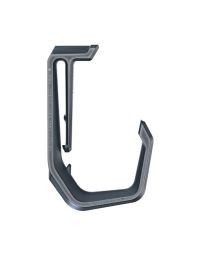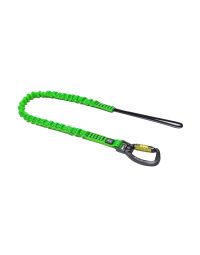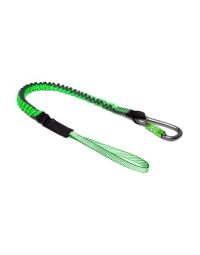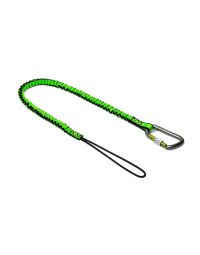
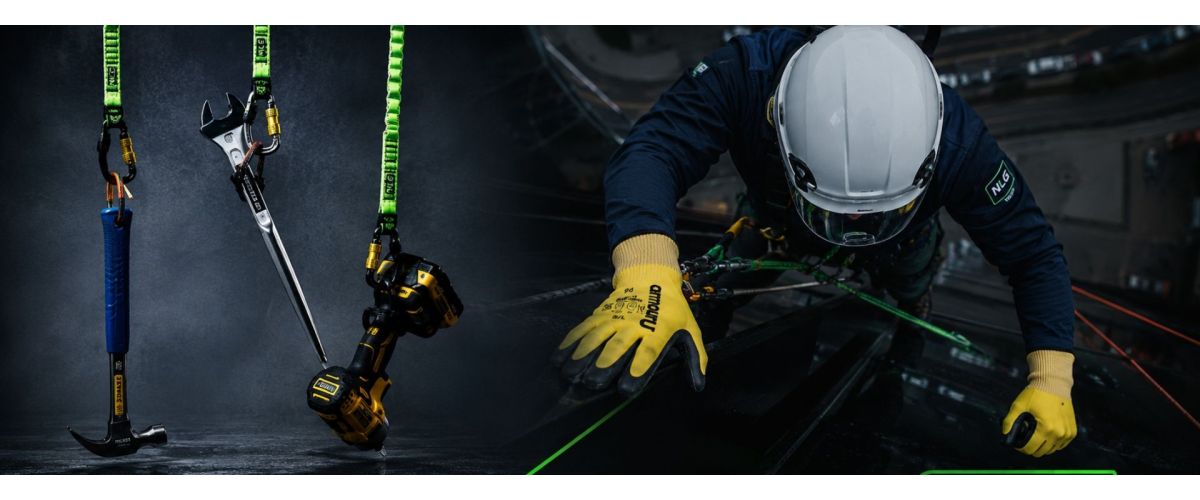
Dropped objects are one of the leading causes of fatalities and serious injuries in UK construction, utilities, and industrial sectors. A 1kg hand tool dropped from 10 metres reaches a speed capable of causing fatal head injuries. The Work at Height Regulations 2005 places a legal duty on employers to take suitable and sufficient steps to prevent objects falling from height. NLG is the market-leading specialist brand that has built its entire product range around that single purpose.
What is NLG and Why Does It Matter?
NLG is a UK and internationally-recognised specialist brand dedicated exclusively to dropped object prevention. Where general PPE suppliers treat tool tethering as a subcategory, NLG has built a complete system from the ground up, covering every stage from the attachment point on the tool, through the lanyard, to the anchor point on the person or structure.
Every product in the NLG range is independently load tested to the ANSI/ISEA 121-2023 standard and certified by a third party, with CE and UKCA marking confirming compliance with UK PPE regulations. Every item carries a unique serial number and NLG ID scannable tag, enabling formal inspection records, digital audit trails, and instant access to certificates of conformity. For procurement teams managing dropped object prevention programmes on large or multi-site projects, this serialisation is not just useful. It is often a contractual requirement.
CMT Group is an authorised UK stockist of the full NLG range. Every NLG product on CMT's site is a current-specification item with UK Declarations of Conformity available on request. Orders placed by 7pm qualify for next-day delivery via CMT's own fleet, covering over 95% of the UK mainland.
Legal context: The Work at Height Regulations 2005 requires employers to take suitable and sufficient measures to prevent objects falling from height and striking people. Tool tethering is one of the primary active controls for meeting this duty. An untethered tool that falls and injures or kills a person below creates both a RIDDOR reportable incident and potential corporate manslaughter liability for the responsible organisation.
The NLG Three-Step Tethering System
NLG uses a three-step system to describe a complete tool tethering setup. Every compliant system needs all three steps covered. Missing any one step means the system fails.
Tool-Side Attachment
The connection on the tool itself. Tether rings, tether loops, D-rings, chokes, tether tape, and spin tethers create the anchor point on the tool that the lanyard connects to.
The Lanyard
The connection between the tool and the person or structure. Bungee lanyards, webbing lanyards, coiled lanyards, and wrist lanyards connect Step 1 to Step 3 while absorbing shock if the tool is dropped.
Anchor on Person or Structure
The anchor point on the person or the structure. Tool belts, wristbands, belt loop anchors, BiLock and TriLock Velcro anchors provide a certified D-ring point at which the lanyard terminates.
A tether ring on a spanner (Step 1) connected by a bungee lanyard (Step 2) to a Belt Loop Anchor on a tool belt (Step 3) is a complete system. Missing the tool belt and clipping the lanyard to a harness webbing loop with no load rating is not a compliant system. Missing the tether ring and taping the lanyard around the tool is not a compliant system. All three steps must be independently load rated and certified.
Step 1: Tool Tethers - Creating the Attachment Point on Your Tool
Step 1 products connect directly to the tool. The choice depends on the tool type: whether it has a captive hole, a shaped mid-section, a smooth barrel, or requires a retrofit without modifying the tool's structure.
Tether Rings
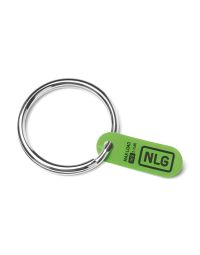
Tether rings thread onto tools with captive holes or shaped mid-sections, the same way a key ring attaches to a keychain. Available in three sizes to suit different tool types. Anti-corrosion coated for dependable performance in wet, coastal, and industrial environments. 360-degree rotation prevents lanyard tangling.
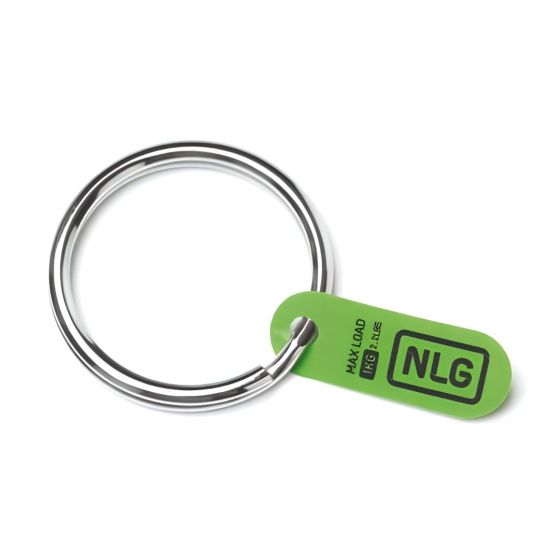
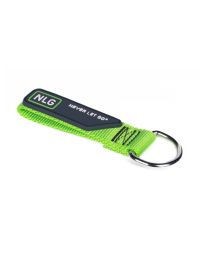
NLG Tether Ring - 1kg Anti-Corrosion
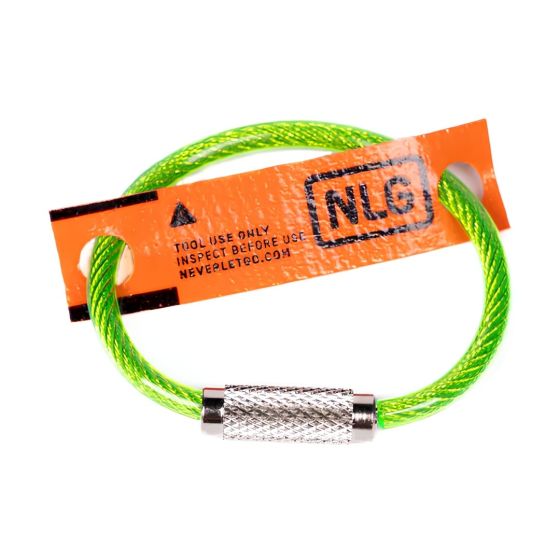
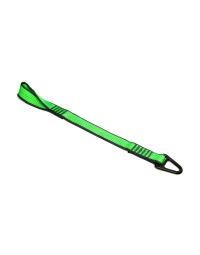
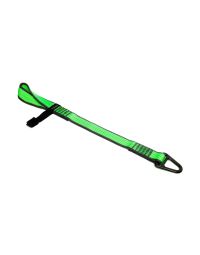
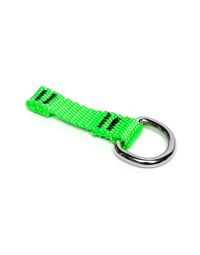
NLG Tether Loop - 3kg Aircraft-Grade
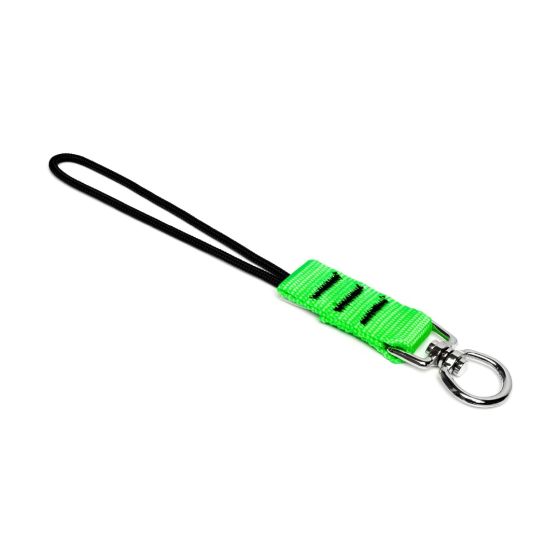
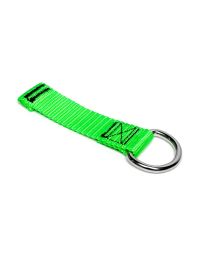
NLG 360 D-Ring Loop - 3kg Anti-Tangle
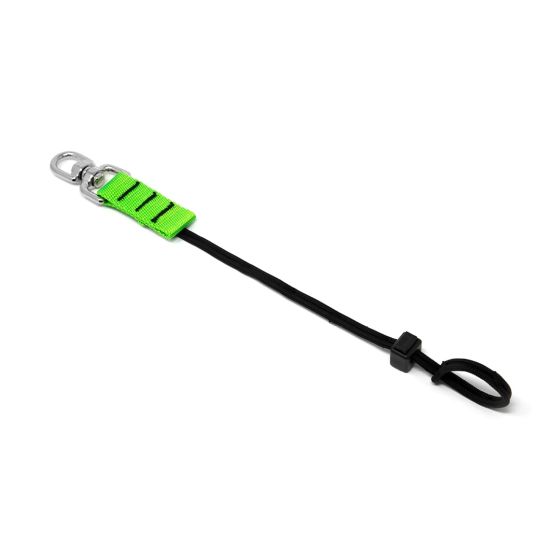
NLG 360 D-Ring Locking Loop - 3kg
Tether Chokes
Tether chokes wrap around the tool body and tighten under load, creating an anchor point on any tool without the need for a captive hole or modification. Three versions cover different tool geometries.
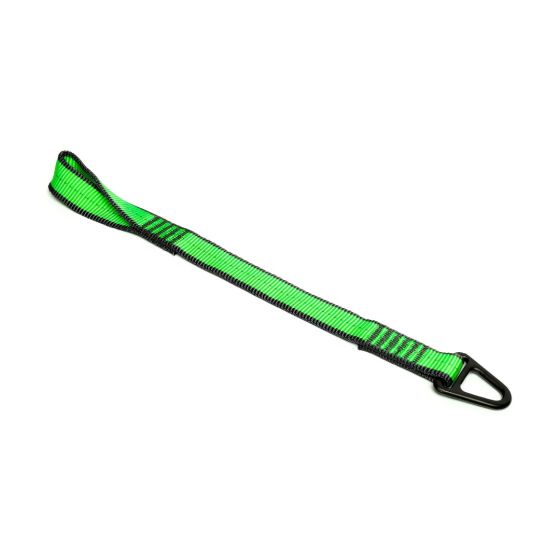
NLG Tether Choke Original
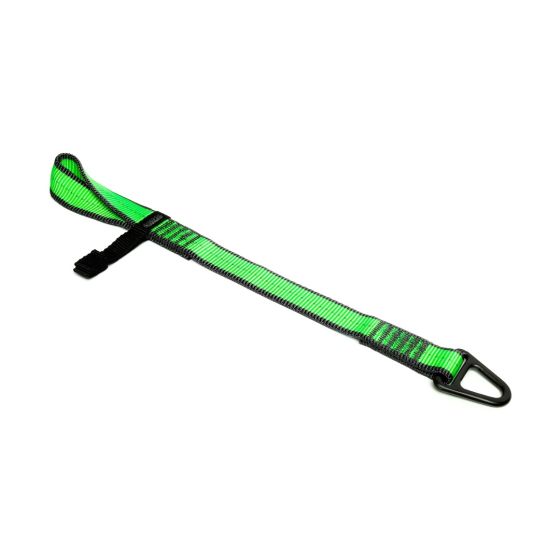
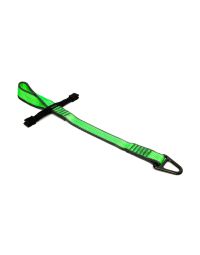
NLG Single Arm Tether Choke
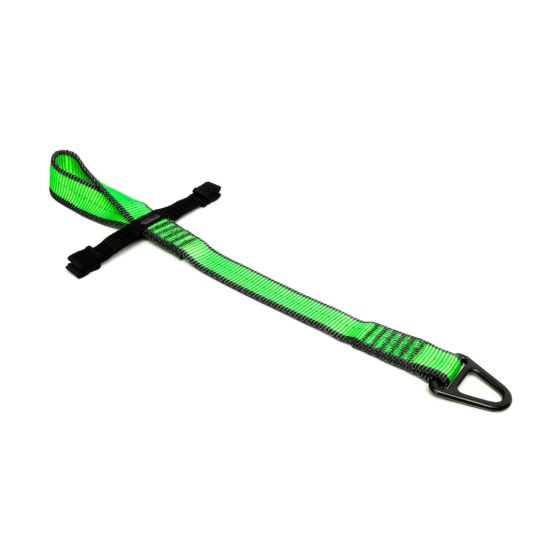
NLG Twin Arm Tether Choke
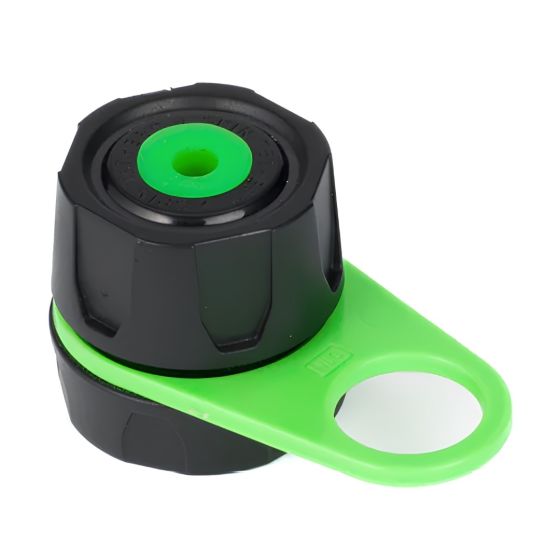
NLG Spin Tether
D-Rings, Tether Tape and Adhesive Attachments
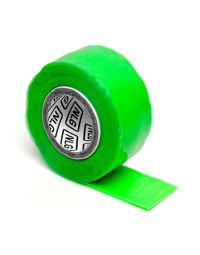
For tools without captive holes, D-rings are applied using Tether Tape, a self-amalgamating wrap that bonds directly to the tool body without adhesive. Mini Adhesive D-Rings are used for smooth-surfaced tools where tape is not suitable.
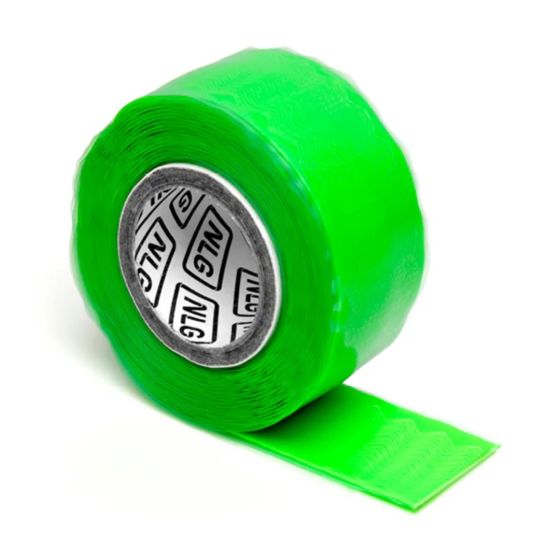
NLG Tether Tape
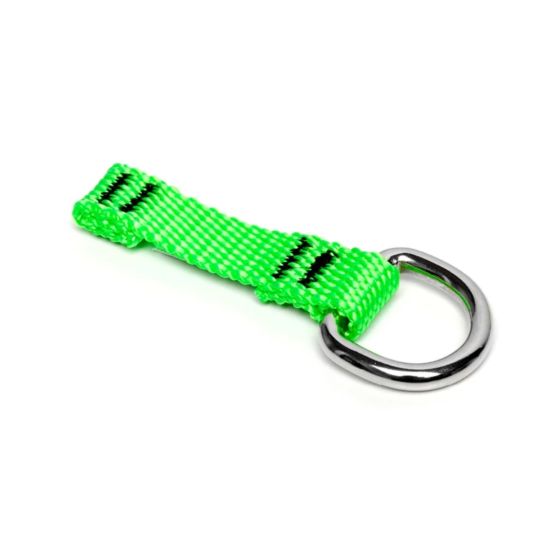
NLG Small D-Ring
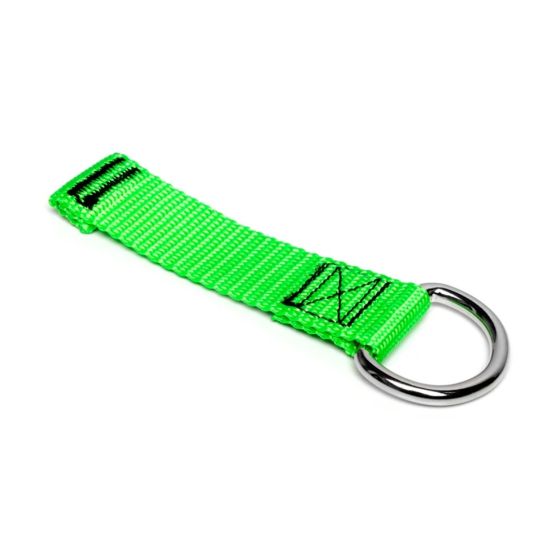
NLG Large D-Ring
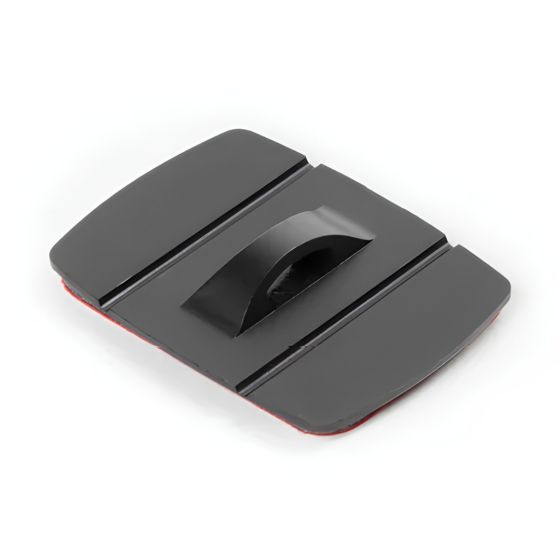
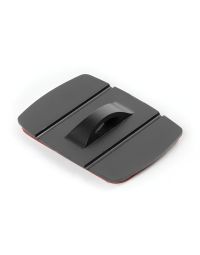
NLG Mini Adhesive D-Ring
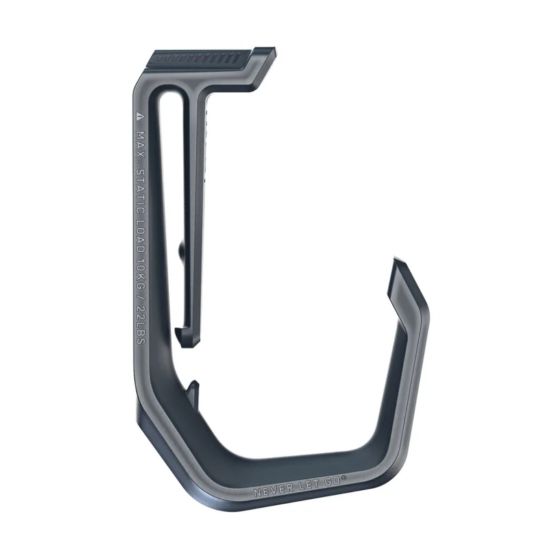
NLG AirPark
Step 1 Comparison: Which Tool Tether Do You Need?
| Product | Max Load | Best For | How It Attaches |
|---|---|---|---|
| Tether Ring 19mm | 1kg | Screwdrivers, Allen keys, small chisels | Threads through captive hole like a key ring |
| Tether Ring 25mm | 1kg | Standard spanners, mid-size hand tools | Threads through captive hole |
| Tether Ring 38mm | 1kg | Scaffold spanners, podgers, large shaped tools | Wraps around shaped mid-section |
| Tether Loop | 3kg | Most hand tools needing higher load rating | Aircraft-grade webbing loop around tool |
| 360 D-Ring Loop | 3kg | Tools requiring free rotation during use | 360-degree swivel D-ring attachment |
| 360 D-Ring Locking Loop | 3kg | Secure applications needing locking | Self-tightening locking loop with swivel |
| Tether Choke Original | Various | Tools without captive holes or shaped sections | Wraps around tool body, tightens under load |
| Single Arm Tether Choke | Various | Thin-handled or cylindrical tools | Single arm wrap |
| Twin Arm Tether Choke | Various | Power tools, heavier or wider tools | Dual arm wrap for greater security |
| Tether Tape + D-Ring | Various | Any smooth-bodied tool without attachment points | Self-amalgamating tape with bonded D-ring |
| Mini Adhesive D-Ring | Various | Smooth-surface tools and devices | Adhesive-backed, bonds to tool surface |
Step 2: Tool Lanyards - The Connection Between Tool and Person
The lanyard is the element of the system most buyers focus on first. There are four main lanyard types in the NLG range, and the choice is not about preference. It is about tool weight, working geometry, and the task being performed.
Bungee Lanyards
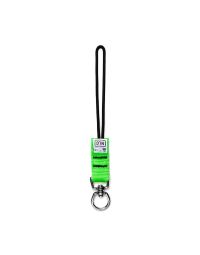
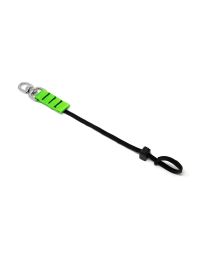
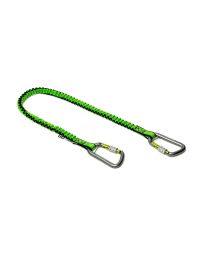
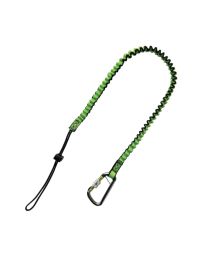
Bungee lanyards use elastic cord that extends as the tool is brought into use and retracts when it is not. The elastic absorbs the shock load if the tool is dropped, distributing the arrest force across the full extension rather than as a single jolt at the anchor. They suit hand tools used in repetitive or varied motion throughout the working shift. The NLG bungee range runs from medium duty (2kg) through to heavy duty variants.
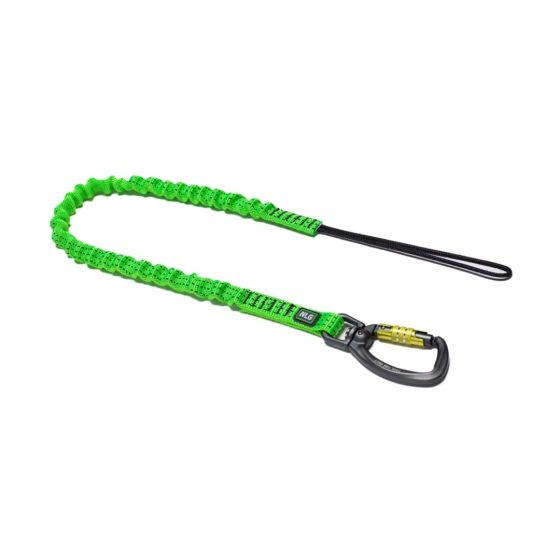
NLG Medium Duty Bungee Lanyard
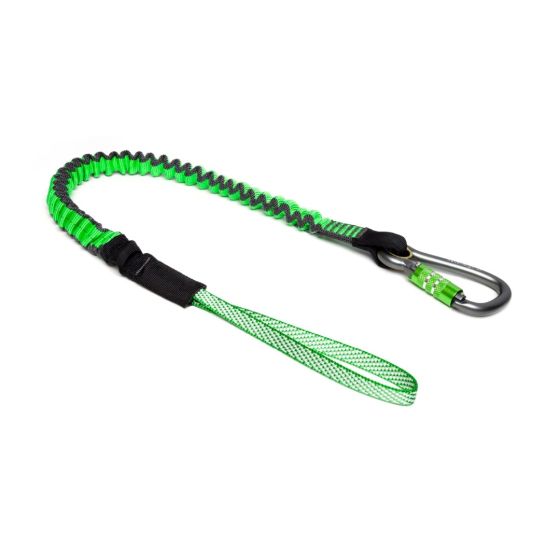
NLG Heavy Duty Bungee Lanyard
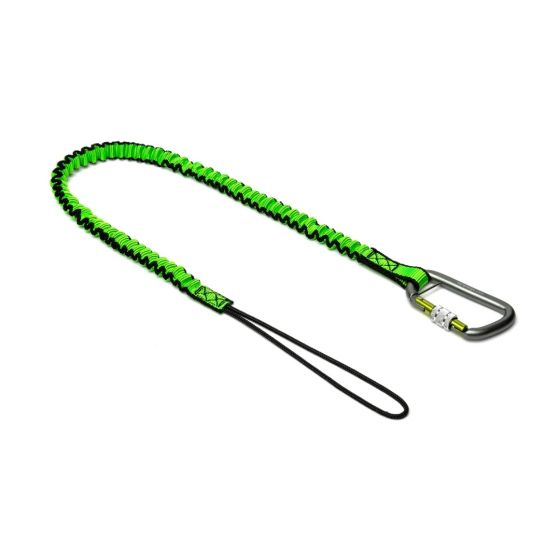
NLG Go Bungee Tool Lanyard
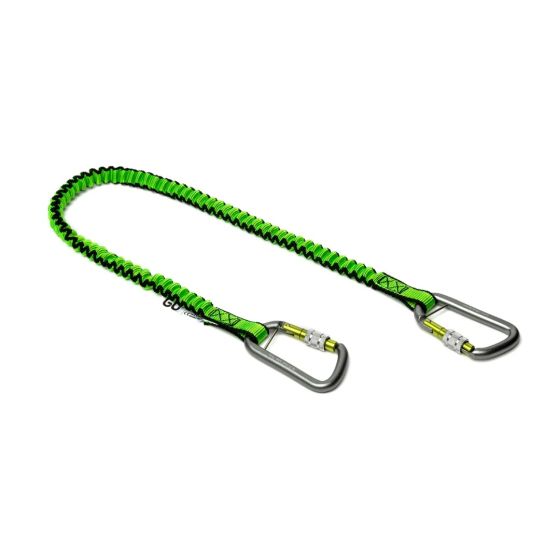
NLG Go Bungee Twin Carabiner
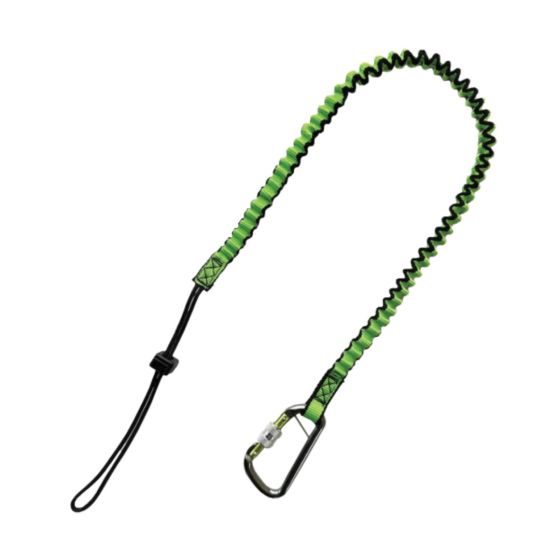
NLG Screwgate Bungee Lanyard
Webbing Lanyards
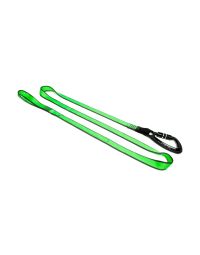
Webbing lanyards are flat, non-elastic, and fixed length. They provide greater load capacity than equivalent bungee lanyards and suit heavier tools where predictable geometry matters. The 0.25m close-reach version keeps tools at arm's length for task work. The 1.5m version suits tools that need to be set down on a platform while remaining tethered.
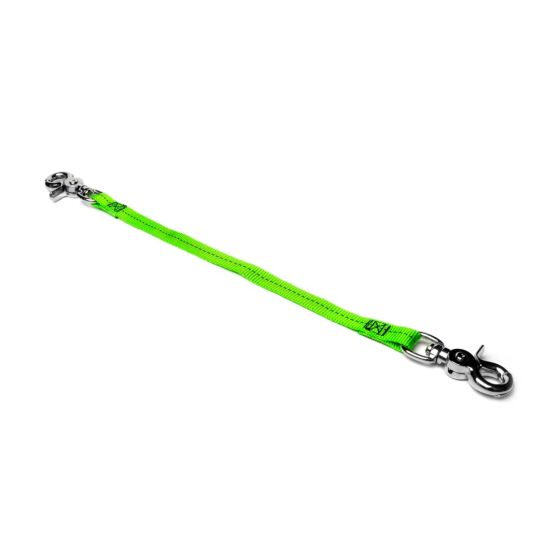
NLG Webbing Lanyard 0.25m - 5kg Close-Reach
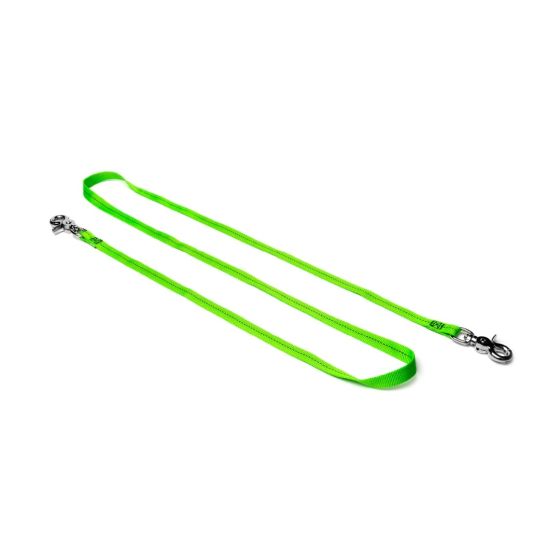
NLG Webbing Lanyard 1.5m
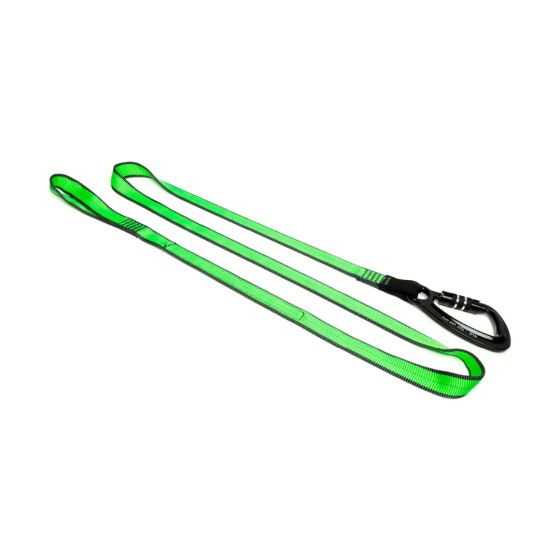
NLG Super Heavy Duty Webbing Lanyard
Coiled Lanyards
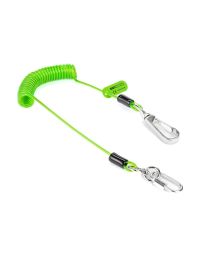
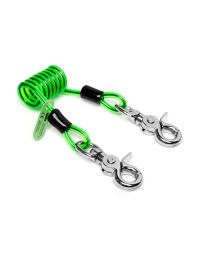
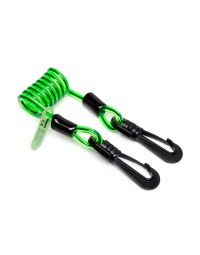
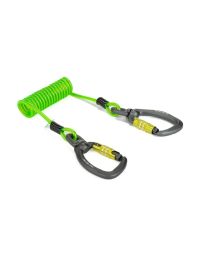
Coiled lanyards coil at rest and extend when the tool is in use, combining some of the reach flexibility of bungee with the defined geometry of webbing. They stay tidy when not extended, reducing trip and snag risk on platforms. Available from lightweight 1kg versions for small tools through to standard coiled lanyards for general use.
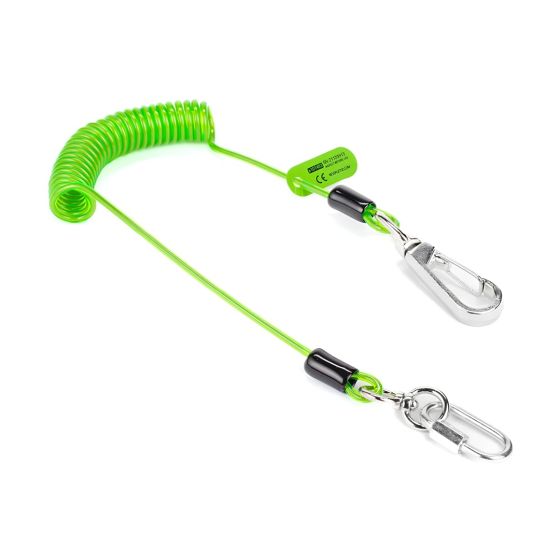
NLG Lightweight Coil Lanyard
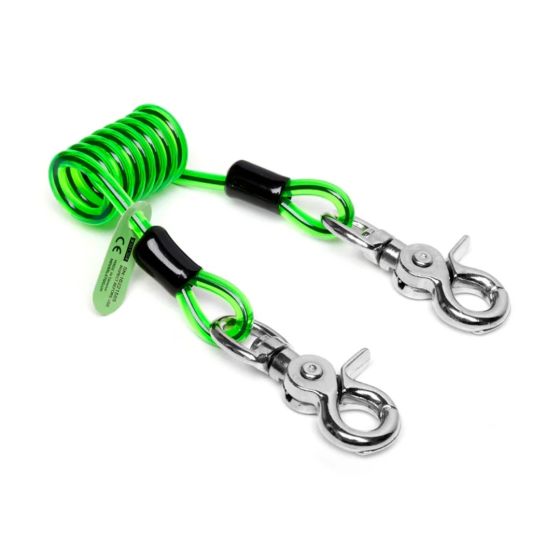
NLG Short Coiled Tool Lanyard
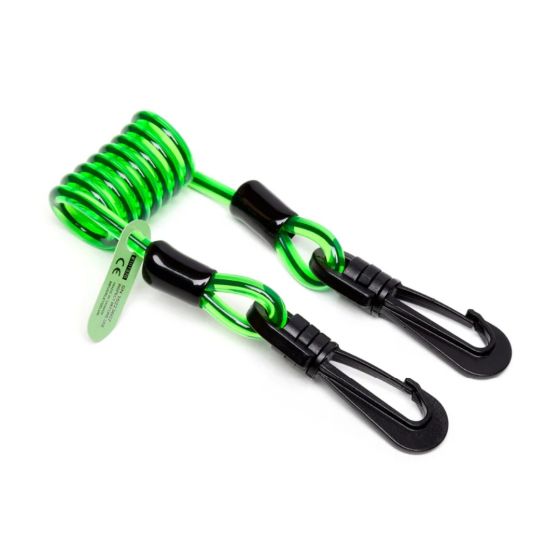
NLG Short Coiled Lanyard
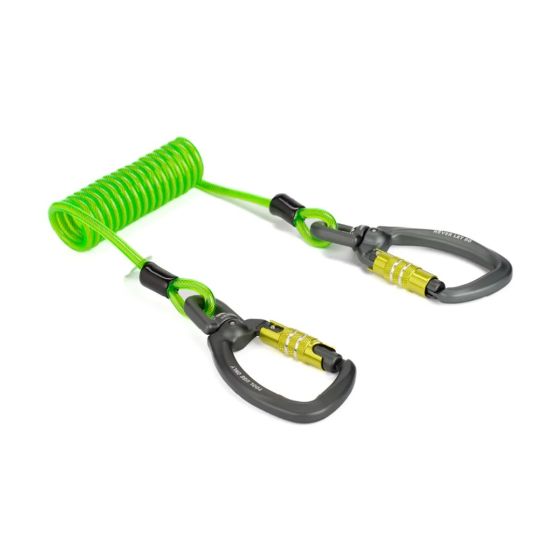
NLG Coiled Lanyard
Wrist and Retractable Lanyards
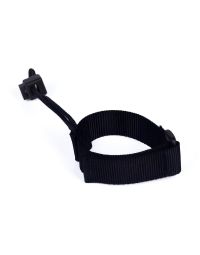
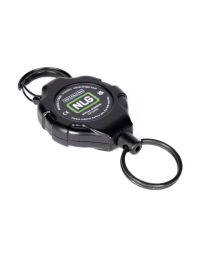
Wrist lanyards anchor from the wrist rather than the belt or harness, giving operatives continuous tethering even when not wearing a belt. The Mini Ratchet Retractable Lanyard auto-retracts to take up slack, keeping the lanyard clear of the work area.
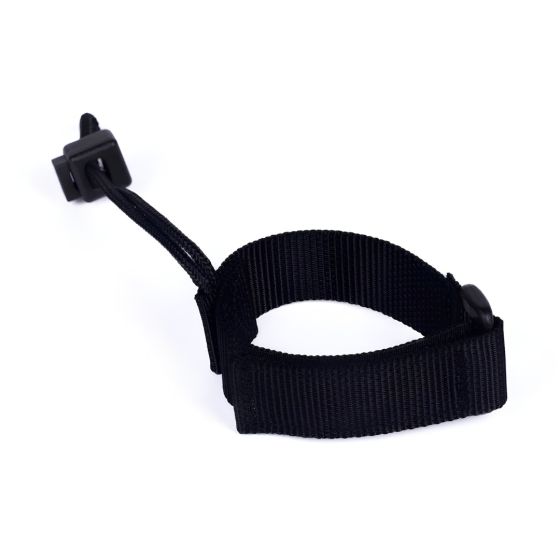
NLG Go Wrist Lanyard
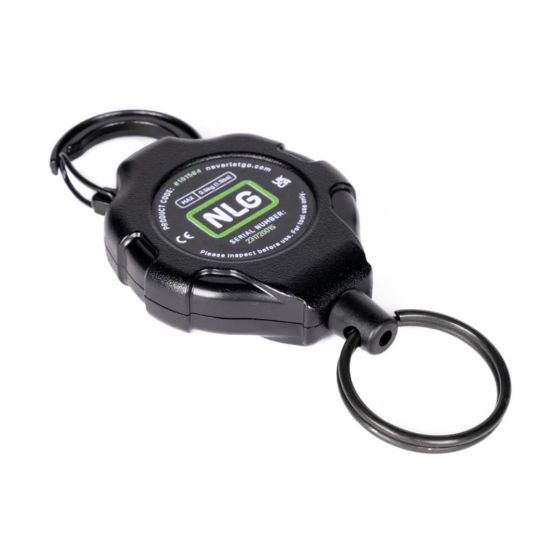
NLG Mini Ratchet Retractable Lanyard
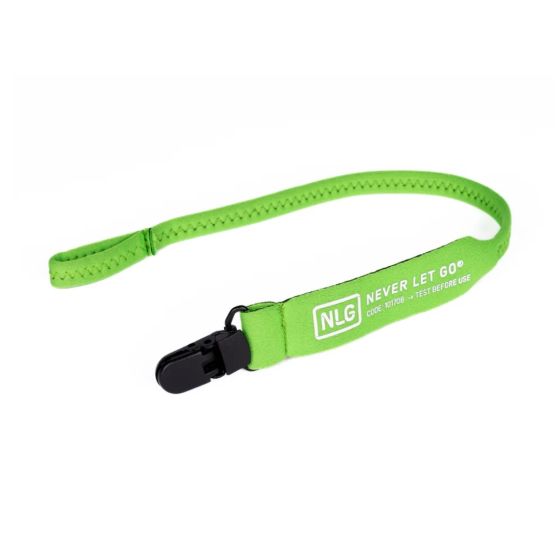
NLG Hi-Vis Neoprene Helmet Lanyard
Step 2 Comparison: Which Lanyard Type Do You Need?
| Lanyard Type | Max Load Range | Behaviour | Best Applications |
|---|---|---|---|
| Bungee | 1kg to 5kg+ | Extends and retracts, absorbs shock on arrest | Hand tools in repetitive use, screwdrivers, chisels, hammers |
| Webbing | 5kg to 40kg | Fixed length, non-elastic, predictable geometry | Heavier tools, power tools, task work requiring precise reach |
| Coiled | 1kg to 3kg+ | Coils at rest, extends in use, stays tidy | Close-work situations, platforms with limited space |
| Retractable | Varies | Automatically retracts slack, always taut | Tasks where a trailing lanyard creates a hazard |
| Wrist | Varies | Anchors from wrist, no belt required | Operatives not wearing a tool belt, casual height work |
Step 3: Anchor Points - Where the Lanyard Terminates
The anchor point is the certified D-ring or attachment at the person or structure end of the lanyard. This is where the system terminates. A lanyard clipped to an uncertified harness webbing loop, a belt buckle, or a casual loop of cord is not a compliant system. Every Step 3 anchor must be independently load rated.
NLG Superlight Safety Tool Belt
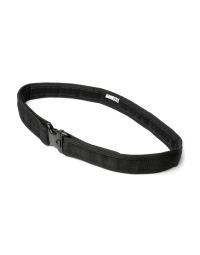
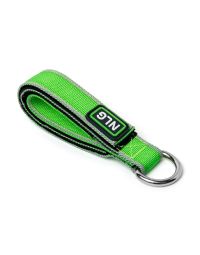
The NLG Superlight Safety Tool Belt is the foundation of a body-worn tool tethering system. It provides the webbing base onto which Belt Loop Anchors, BiLock, and TriLock Velcro Anchors are mounted, and onto which NLG holsters and pouches slide. At 175g, with a triple-action buckle that cannot open accidentally and an inside Velcro size adjustment that eliminates external snag points, it is purpose-designed for active height work.
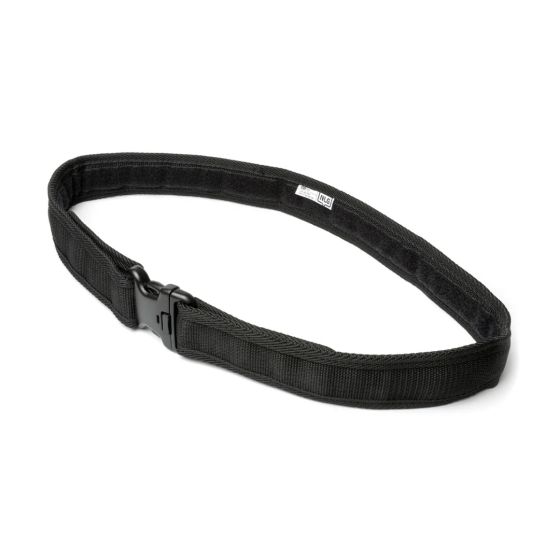
NLG Superlight Safety Tool Belt - 30kg
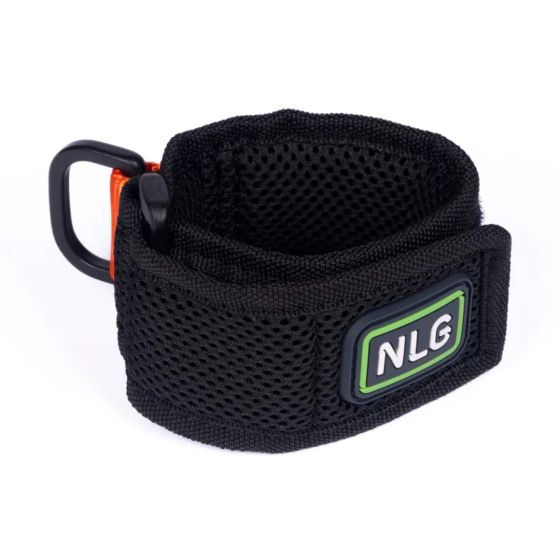
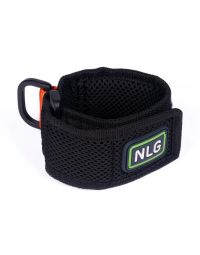
NLG Adjustable Wristband - 3kg
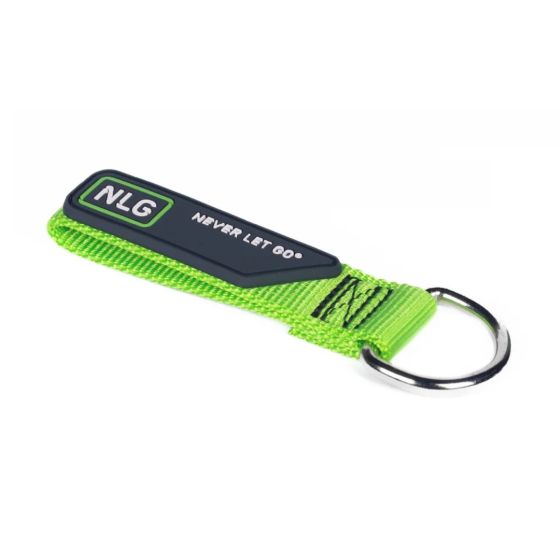
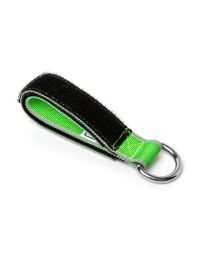
NLG Belt Loop Anchor - 3kg
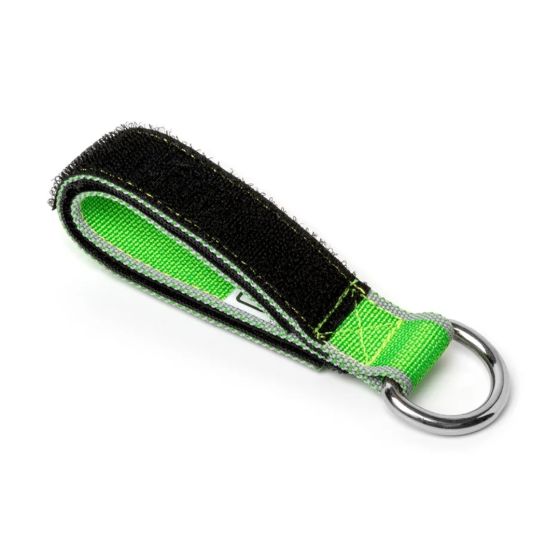
NLG BiLock Velcro Anchor - 3kg
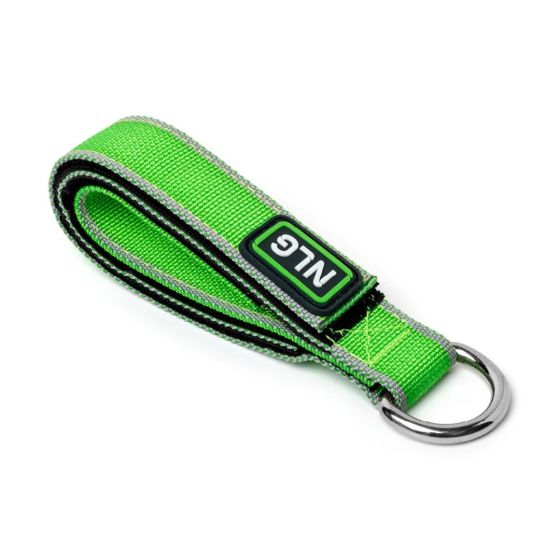
NLG TriLock Velcro Anchor - 10kg
Step 3 Comparison: Which Anchor Point Do You Need?
| Product | Max Load | Attaches To | Best For |
|---|---|---|---|
| Belt Loop Anchor | 3kg | Belt or harness webbing (threads through) | Permanent anchor on tool belt, most hand tools up to 3kg |
| BiLock Velcro Anchor | 3kg | Belt, harness, or rail (Velcro wrap) | Flexible positioning, quick attachment to belt or rail |
| TriLock Velcro Anchor | 10kg | Belt, harness, or rail (triple Velcro wrap) | Heavier tools up to 10kg, scaffold rails, power tool tethering |
| Adjustable Wristband | 3kg | Wrist (worn directly) | Operatives not wearing a tool belt, casual or intermittent height tasks |
| Superlight Tool Belt | 30kg total / 3kg per point | Waist (worn) | Full multi-tool tethering system, base for all belt anchors and holsters |
Tool Bags and Storage at Height
Tool bags serve a different function from lanyards and tether rings. Rather than tethering a single tool to a person, a tool bag tethers multiple tools to a structure or contains fixings securely so they cannot fall, even if the bag is inverted or dropped. Every NLG bag is ANSI/ISEA 121-2023 certified and carries CE and UKCA marking.
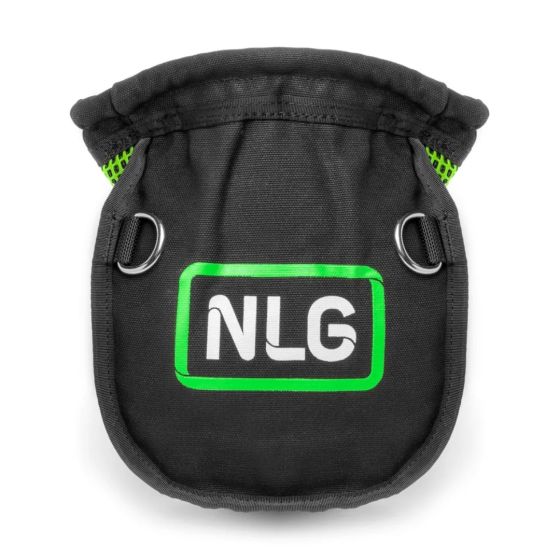
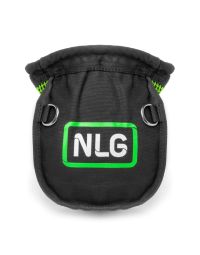
NLG Aero Pouch - 5kg Fixings
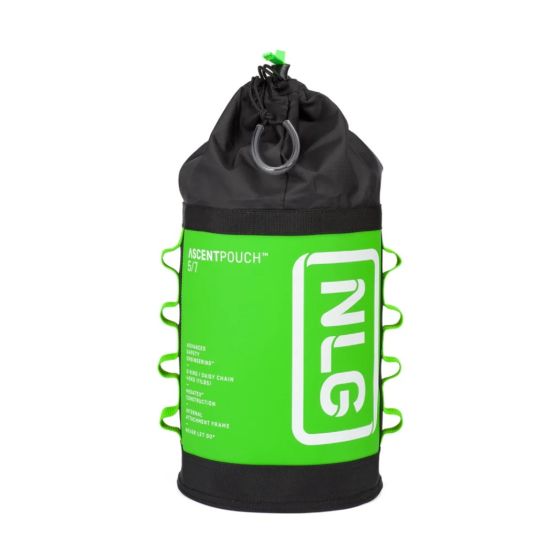
NLG Ascent Pouch
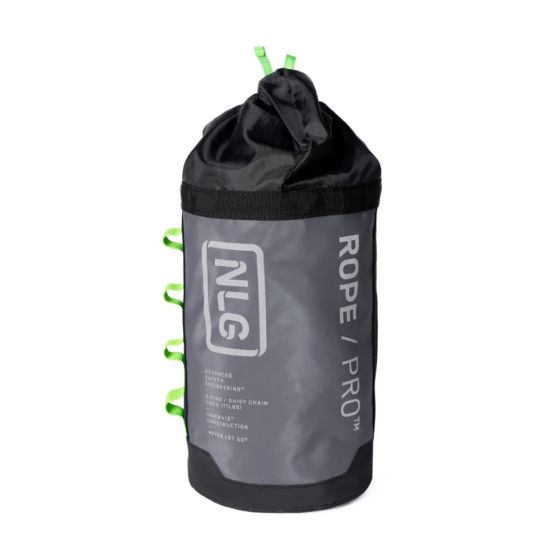
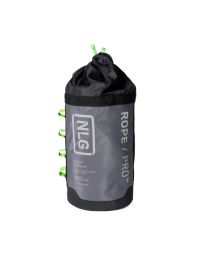
NLG Rope/Pro Pouch - 5kg Rope Access
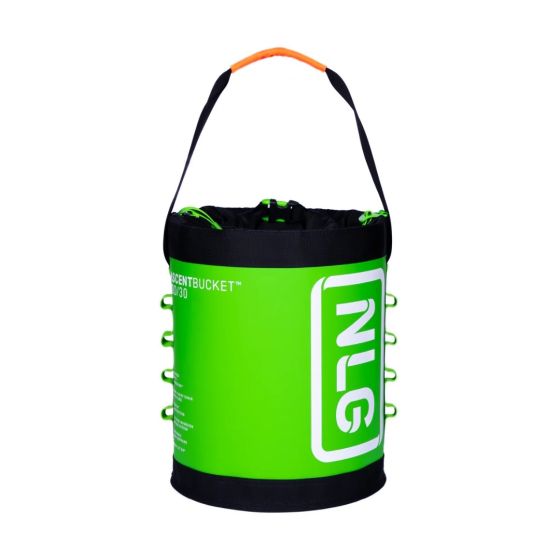
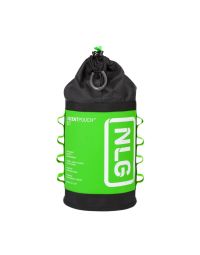
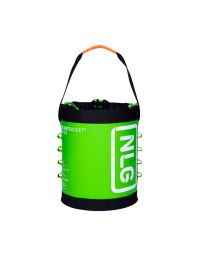
NLG Ascent Bucket - 100kg Hoist
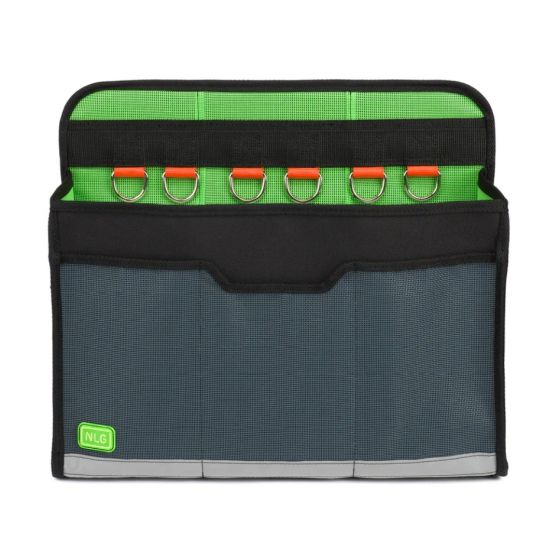
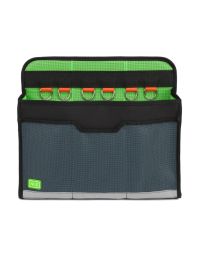
NLG MEWP Bag - 30kg Rail-Mount
Bag Comparison: Which NLG Bag Do You Need?
| Product | Max Load | Capacity | Attachment | Best For |
|---|---|---|---|---|
| NLG Aero Pouch | 5kg | Small | Belt, harness, or rail via Quick Connect buckles | Nuts, bolts, screws, nails. Self-closing valve prevents drops even when inverted. |
| NLG Rope/Pro Pouch | 5kg | 7L | Belt or harness via Quick Connect buckle or D-ring | Rope access technicians. One-handed quick-cinch closure. Fits 100m of 6mm cord. |
| NLG Ascent Pouch | Varies | Small to medium | Carry handle and attachment loops | Small parts and general tool storage at height. |
| NLG Ascent Bucket | 100kg | 30L | Load-rated orange lifting handle for hoisting | Hoisting tools and materials to height. 6 internal anchor points. Inversion-secure closure. |
| NLG MEWP Bag | 30kg | Large | TriLock Velcro straps to any approved MEWP or scaffold rail | Scissor lifts, cherry pickers, boom lifts, scaffold. Rail-mounted, not body-worn. |
Key difference between bags: The Aero Pouch and Rope/Pro Pouch are worn on the body and suit individuals working at height. The Ascent Bucket is designed to be hoisted to height and used as a tool station. The MEWP Bag is rail-mounted and stays fixed to the platform throughout the task. Choose the bag based on how you access height, not just what you need to carry.
Tool Holsters and Device Protection
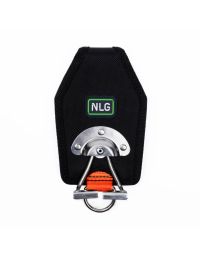
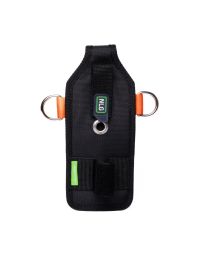
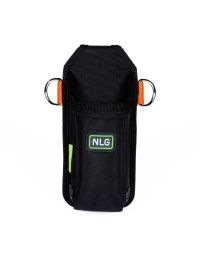
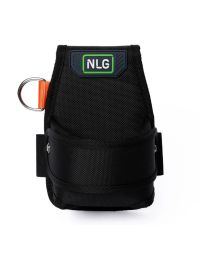
NLG holsters slide directly onto the NLG Superlight Tool Belt webbing, keeping tools organised, accessible, and off the platform deck. Specialist holsters exist for drills, hammers, spanners, tape measures, phones, tablets, radios, and water bottles. Every holster includes a tether attachment point so the tool can also be lanyard-connected for dual security.
Specialist Tool Holsters
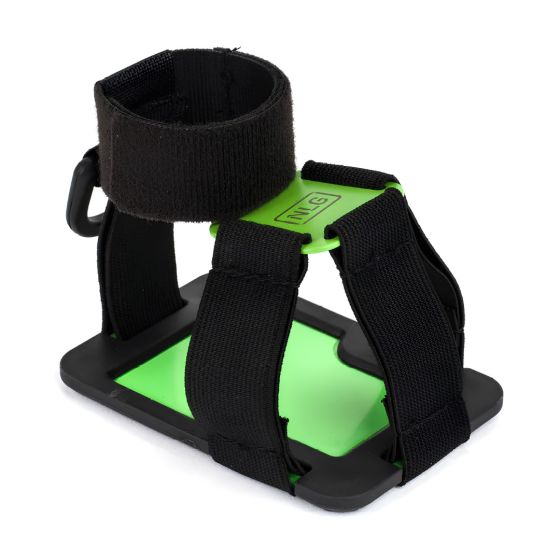
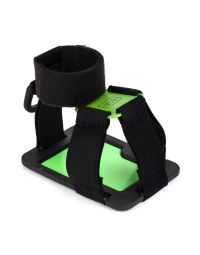
NLG Drill Boot Harness
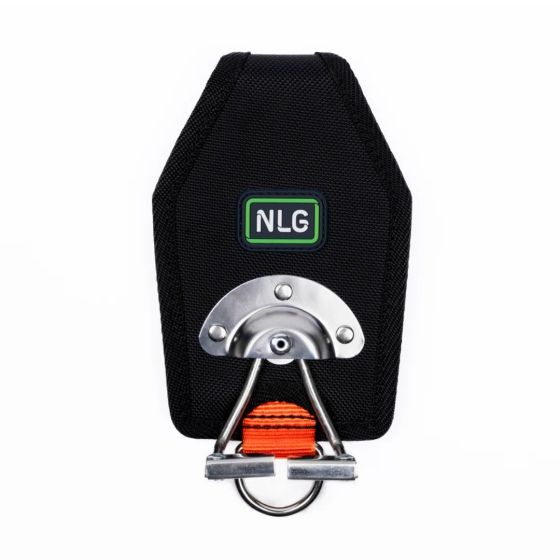
NLG Hammer Holster
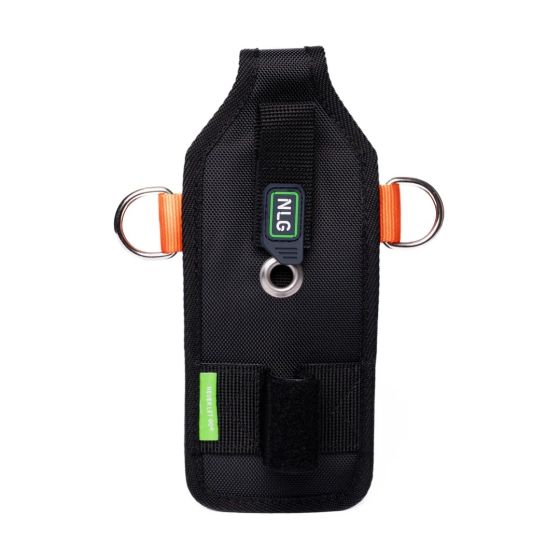
NLG Spanner Holster
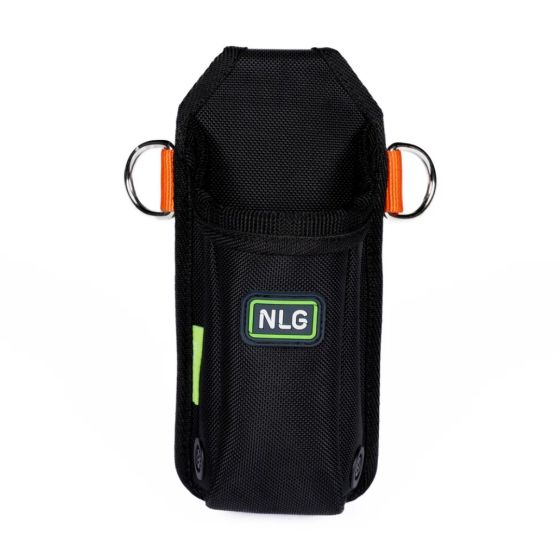
NLG Tool Holster
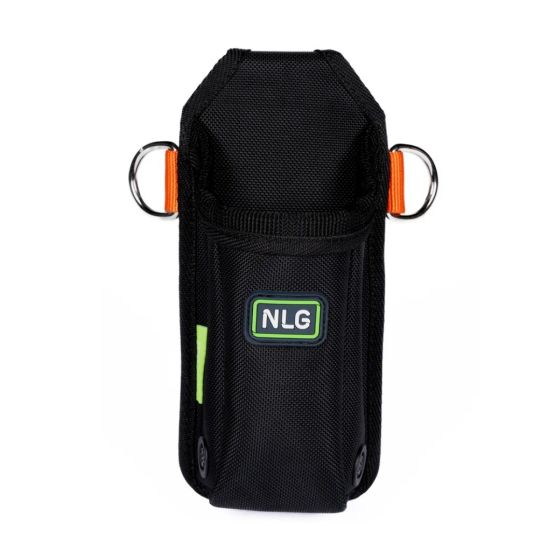
NLG Retractable Tool Holder
Tape Measure Tethering
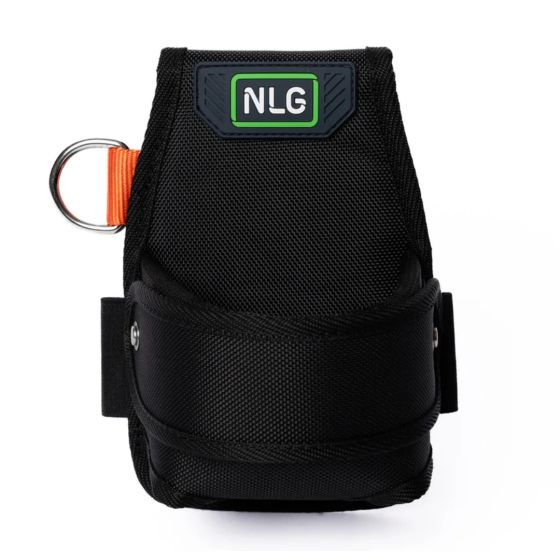
NLG Tape Measure Holster
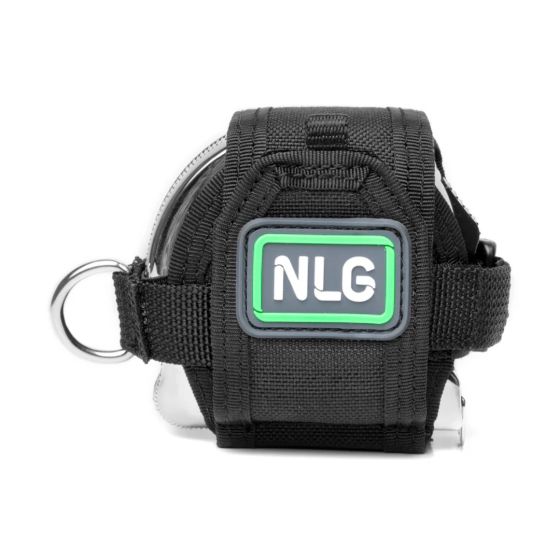
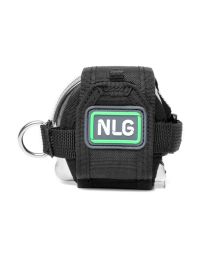
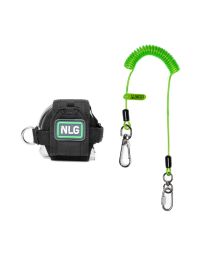
NLG Tape Measure Tether
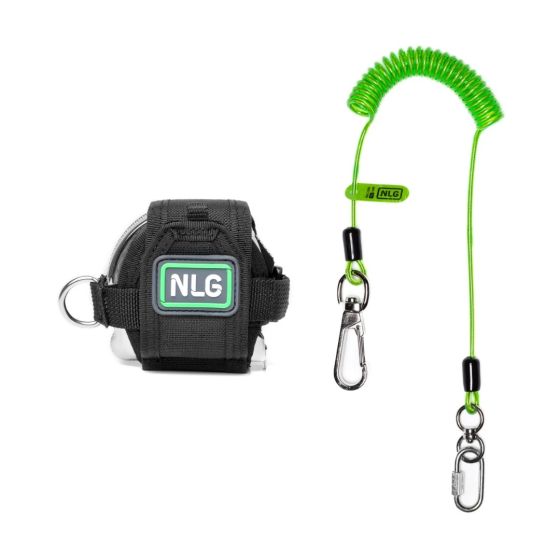
NLG Tape Measure Tethering Kit
Device Protection: Phones, Tablets, Radios
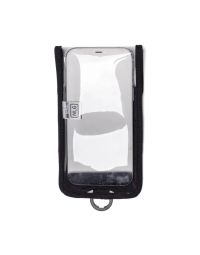
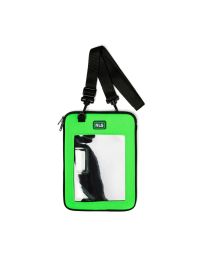
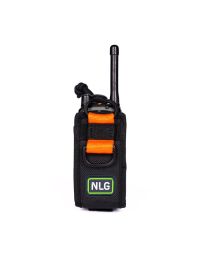
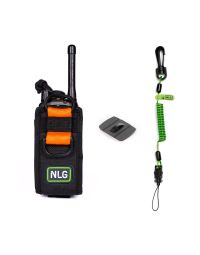
Dropped devices are a dropped object risk as significant as a dropped tool. A smartphone dropped from height can seriously injure anyone below, yet the majority of site operatives carry a phone at height with no tethering whatsoever. NLG covers phone, tablet, and radio tethering with purpose-built cases, harnesses, and holders.
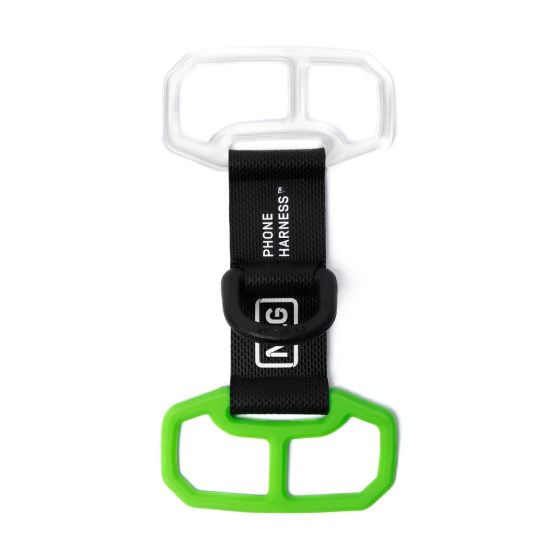
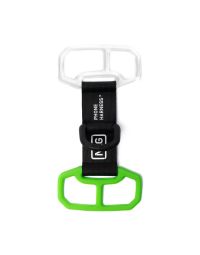
NLG Phone Harness
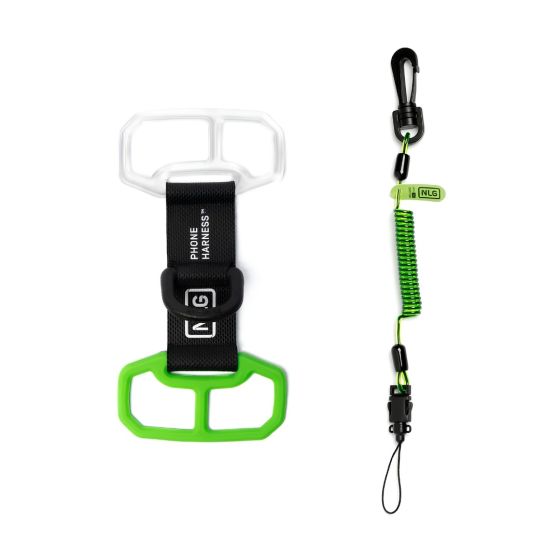
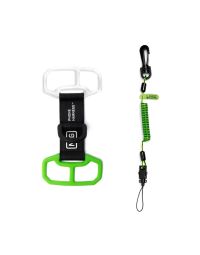
NLG Phone Harness Kit
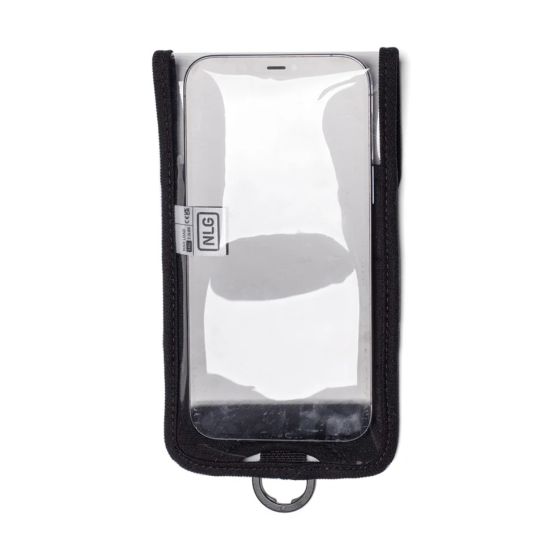
NLG Phone Case
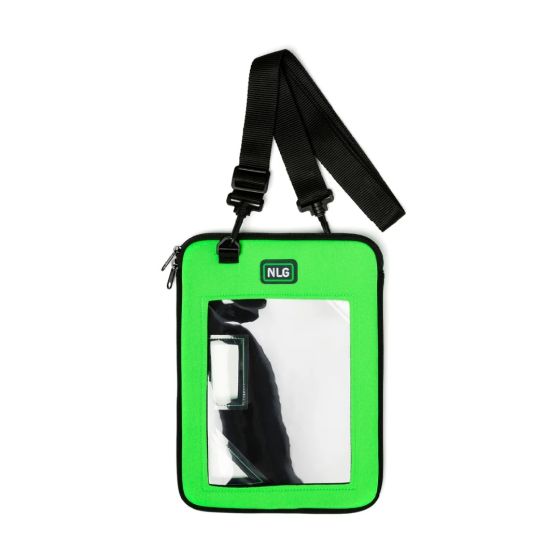
NLG Tablet Case
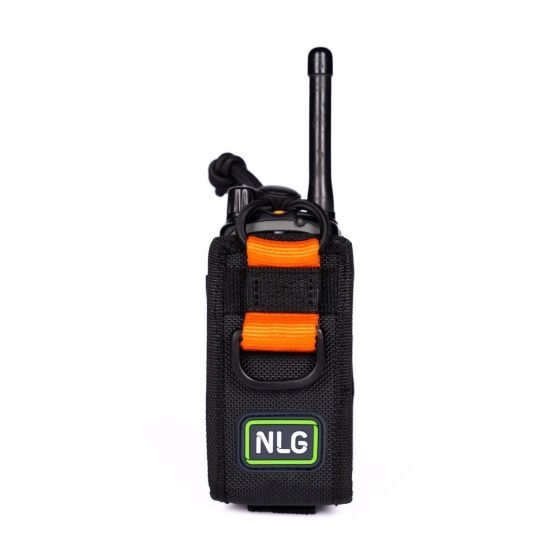
NLG Radio Holder
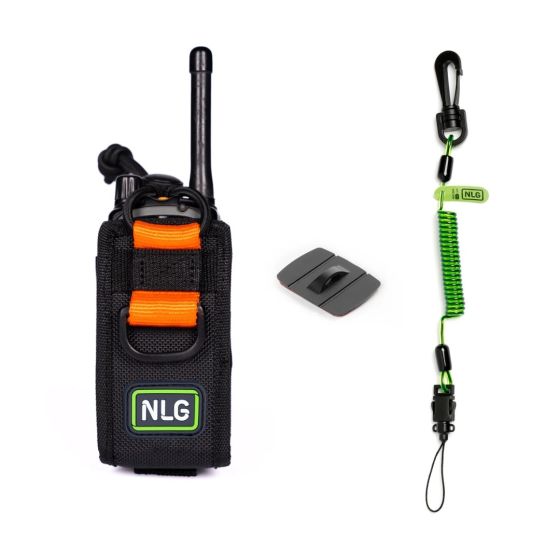
NLG Radio Tethering Kit
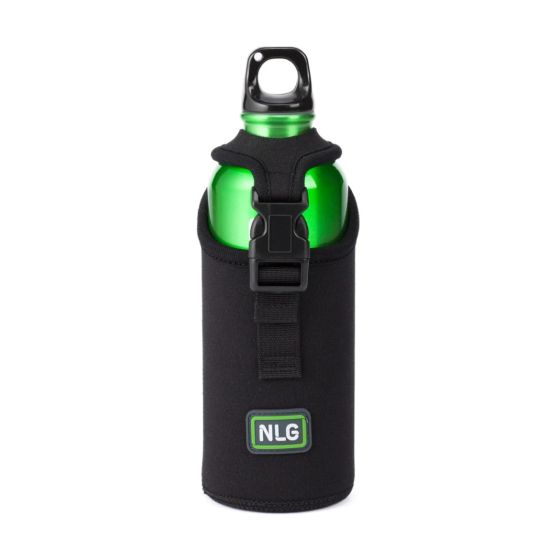
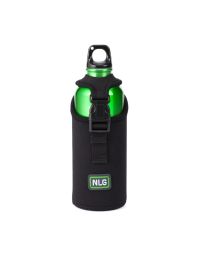
NLG Water Bottle Holder
Which NLG System Do You Need? Trade-by-Trade Guide
The right NLG system depends on your trade, your tools, and how you access height. Below is a practical starting point for the most common at-height trades.
Scaffolders
- Tether Ring 38mm for scaffold spanners and podgers
- NLG Superlight Tool Belt as the base system
- Belt Loop Anchors for each lanyard attachment point
- Heavy Duty Bungee Lanyards for spanners and podgers
- Ascent Bucket for hoisting materials to height
Electricians
- Tether Ring 19mm for screwdrivers and small tools
- Tether Tape + D-Ring for smooth-bodied tools
- NLG Superlight Tool Belt (non-conductive)
- Medium Duty Bungee Lanyard for light hand tools
- MEWP Bag for scissor lift platform work
- Aero Pouch for fixings on the platform
Rope Access Technicians
- Rope/Pro Pouch as the primary tool bag (fits 100m of 6mm cord)
- Tether Loop 3kg for main tools
- 360 D-Ring Loop for tools requiring free rotation
- Coiled Lanyards to keep slack clear of the work area
- Aero Pouch for fixings alongside the main pouch
MEWP Operators
- MEWP Bag rail-mounted to the platform guardrail
- Aero Pouch attached to MEWP Bag external loops for fixings
- BiLock Velcro Anchors on the platform rail for larger tools
- Webbing Lanyards for tools too heavy for bungee
- Phone Harness for tethered device use on platform
Telecoms Engineers
- Rope/Pro Pouch for tower climbing and antenna work
- Tether Rings for hand tools
- BiLock Velcro Anchors for securing lanyards at structure
- Radio Tethering Kit for two-way radio at height
- Phone Case for tethered smartphone during climbs
Wind Energy Technicians
- Rope/Pro Pouch for climb with tools and cord
- Ascent Bucket for hoisting equipment to the nacelle
- Tether Loops 3kg for larger hand tools
- 360 D-Ring Loop for tools rotating in use
- BiLock Velcro Anchors for harness attachment points
Understanding ANSI/ISEA 121-2023
What ANSI/ISEA 121-2023 Requires
ANSI/ISEA 121-2023 is the international standard for dropped object prevention systems. It sets the minimum design, performance, testing, and labelling requirements for every component in a tool tethering system, from the attachment on the tool through to the anchor at the person or structure.
To meet the standard, a product must be independently third-party load tested and demonstrate: a minimum 2:1 dynamic safety factor (meaning the product must withstand twice its rated load in a drop test without failure), correct labelling with load rating and compliance markings, and traceability through a unique serial number. Static testing at a 7:1 safety factor is required for some product types. CE and UKCA marking on NLG products confirms they have been assessed against the relevant UK and European PPE regulations.
This matters for UK buyers because the Work at Height Regulations 2005 requires employers to use "suitable work equipment" to prevent dropped objects. A tool tethering component that has not been independently certified does not constitute suitable work equipment. Using uncertified tethering does not fulfil the legal duty.
Every product in the NLG range at CMT Group carries ANSI/ISEA 121 certification, CE and UKCA marking, and a unique serial number. Third-party Declarations of Conformity are available on request from NLG via team@neverletgo.com.
NLG ID Technology: Serialised, Scannable, Traceable
What NLG ID Does
Every NLG product carries a unique serial number and an NLG ID scannable tag. Scan the tag with a phone to access product certificates, Declarations of Conformity, installation videos, and inspection records instantly. For sites running DROPS compliance programmes or formal dropped object prevention audits, this creates a fully traceable digital record for every individual component on site, replacing paper-based inspection logs with a live digital system.
In practice, NLG ID means a site manager can scan any tether ring, lanyard, or bag and immediately confirm: the product is within its service life, it has been formally inspected by a competent person, its certificate is current, and it has not been involved in an unreported drop event. This is the level of traceability increasingly required by principal contractors and safety-critical operators in construction, energy, and utilities.
Frequently Asked Questions

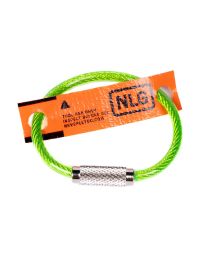
The NLG Tool Tethering Learning Hub Sample Board includes sample products from across the NLG range, designed to help site managers and safety officers understand the system before specifying it for their teams.
View Sample Board