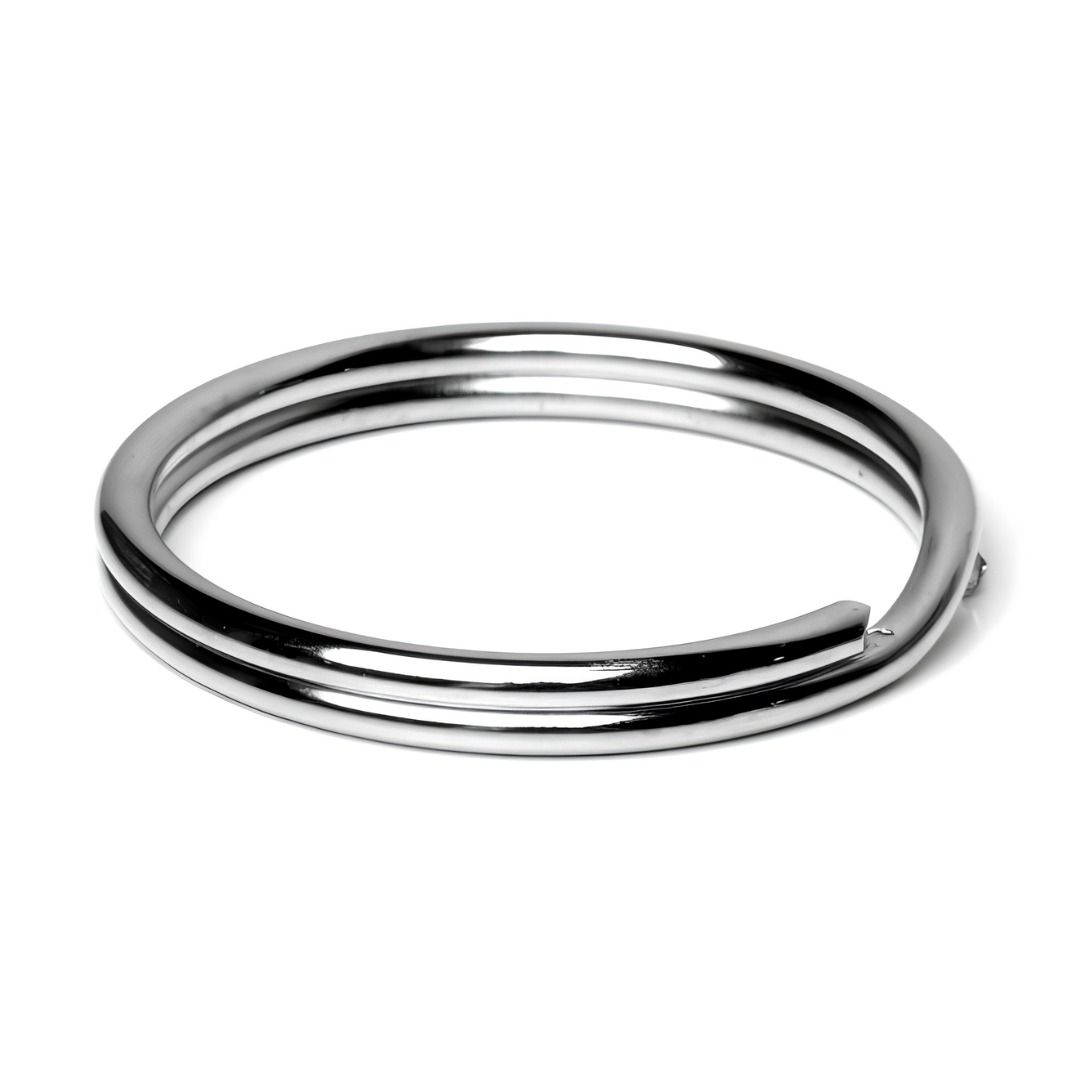
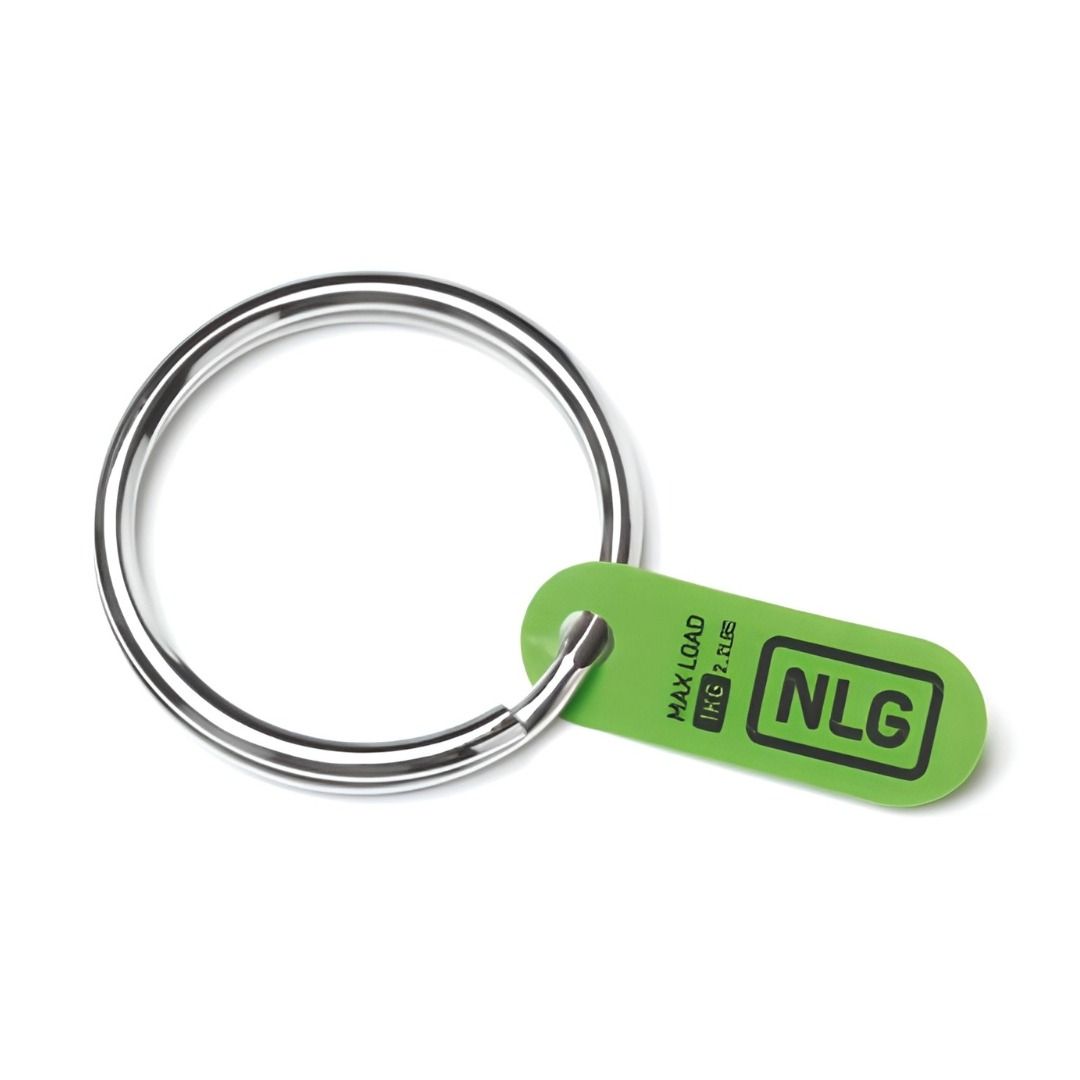
NLG tether ring 25mm anti-corrosion metal ring with NLG ID tag front view | CMT Group UK
NLG tether ring 25mm anti-corrosion metal ring with NLG ID tag front view | CMT Group UK NLG Tether Ring Anti-Corrosion Tool Tethering | CMT Group UK NLG tether ring 25mm anti-corrosion metal ring used | CMT Group UK Tether Rings™  - Explained

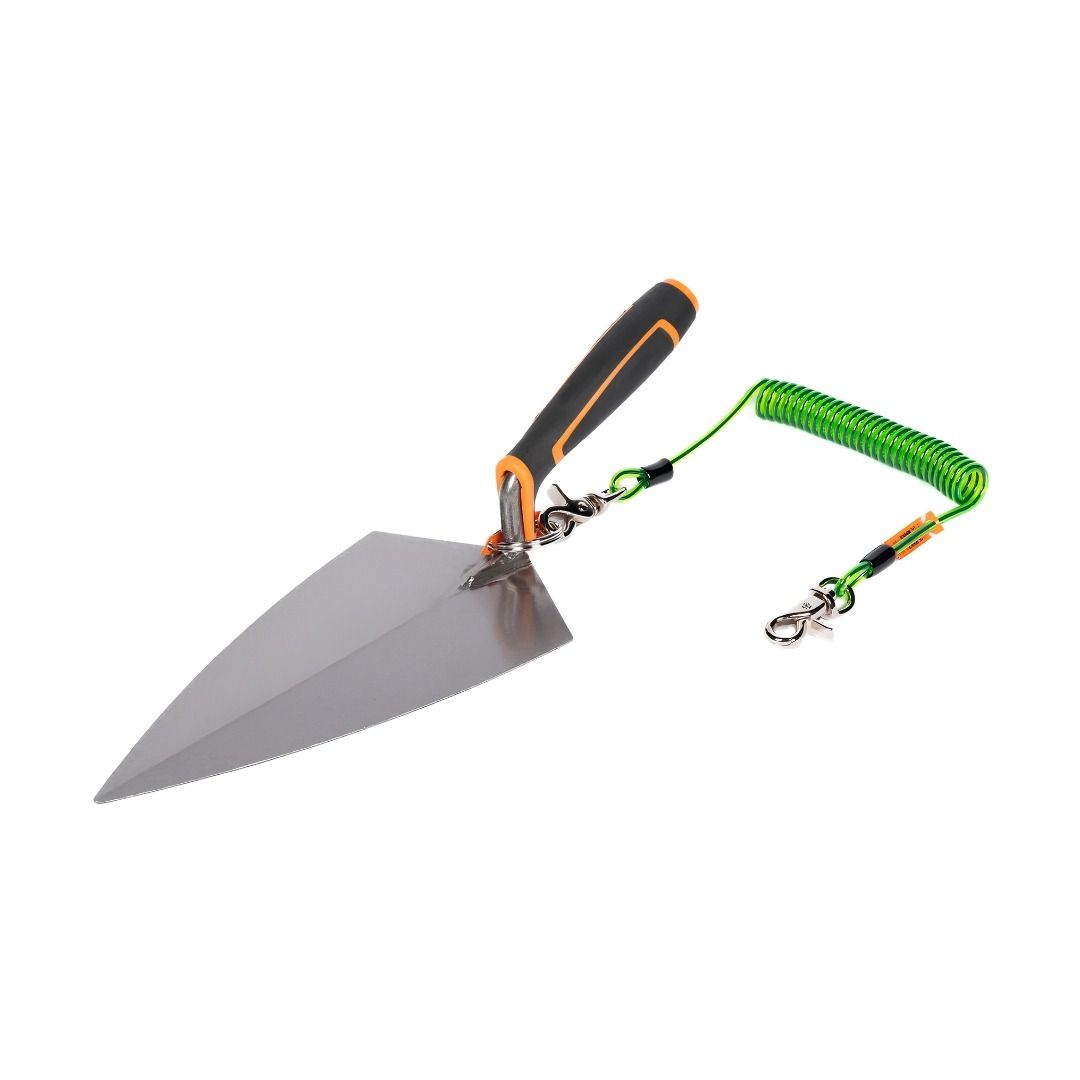
Tool tethering attachment ring for creating load-rated tether points on hand tools with captive holes or shaped mid-sections, for workers at height.

  • 1kg max load, dynamically tested with 2:1 safety factor
  • Certified to ANSI/ISEA 121-2018 and NS 9611:2022+AC
  • CE and UKCA marked
  • Anti-corrosion coated for dependable performance in harsh site environments
  • 360-degree rotation prevents lanyard tangling during use
  • NLG ID scannable tag for certificates, inspection records, and installation videos
  • Available in three sizes: 19mm, 25mm, and 38mm
  • Max lanyard length 200cm

NLG Tether Ring - 1kg Anti-Corrosion Tool Tethering Attachment

Code
NLG10127
In stock

Tool tethering attachment ring for creating load-rated tether points on hand tools with captive holes or shaped mid-sections, for workers at height.

  • 1kg max load, dynamically tested with 2:1 safety factor
  • Certified to ANSI/ISEA 121-2018 and NS 9611:2022+AC
  • CE and UKCA marked
  • Anti-corrosion coated for dependable performance in harsh site environments
  • 360-degree rotation prevents lanyard tangling during use
  • NLG ID scannable tag for certificates, inspection records, and installation videos
  • Available in three sizes: 19mm, 25mm, and 38mm
  • Max lanyard length 200cm
Grouped product items
NLG Tether Ring 19mm Code NLG101466
£2.34 £1.95
Bulk Discounts
NLG Tether Ring 25mm Code NLG101273
£1.72 £1.43
Bulk Discounts
NLG Tether Ring 38mm Code NLG101275
£2.03 £1.69
Bulk Discounts

NLG Tether Ring

Tool tethering attachment ring that threads onto hand tools with captive holes or shaped mid-sections, forming the tool-side anchor point in a compliant at-height tethering system. Installed in seconds using a pair of pliers, in the same way as fitting a key ring. Available in 19mm, 25mm, and 38mm to suit different tool types, with an anti-corrosion coating that protects the ring in wet, coastal, and industrial environments.

How Anti-Corrosion Coating Keeps Your Tether Points Reliable

A standard metal ring corrodes quickly in wet and chemically exposed environments, and once corrosion sets in, the load-bearing capacity is compromised, often without being visible during a pre-use inspection. On site, that is not a risk worth taking. The NLG Tether Ring carries a specialist anti-corrosion coating that protects the metal throughout its service life, maintaining a dependable tether point whether the ring is used on a coastal scaffold, in a wind turbine nacelle, or on a rain-exposed construction platform.

Key Features

Anti-corrosion coated construction: Specialist coating protects the metal against corrosion in wet, coastal, and industrially exposed environments, maintaining load rating and integrity across the ring's service life.

1kg max load, dynamically tested: Load tested with a 2:1 dynamic safety factor across all three sizes. Certified to ANSI/ISEA 121-2018, the international standard for dropped object prevention, and NS 9611:2022+AC, the standard specifically covering personal tool attachment systems used at height.

360-degree rotation: The ring moves freely around the tool, preventing the lanyard from tangling during use regardless of how the tool is positioned or rotated.

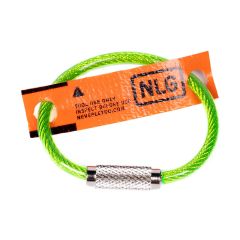
NLG ID serialised technology: Each ring carries a unique serial number. Scan the NLG ID tag with a phone to access product certificates, Declarations of Conformity, and installation videos instantly. Supports formal inspection logs and tool tethering audit programmes.

Three sizes for different tools: 19mm suits screwdrivers and small chisels; 25mm suits standard spanners; 38mm suits scaffold spanners, podgers, and larger shaped tools.

Simple self-installation: Fitted with needle nose or split ring pliers. No specialist skills or off-site tool modification required.

Who Is This For

Trades and roles:

  • Scaffolders

  • Electricians

  • Telecoms engineers

  • Construction operatives

  • Utilities engineers

  • MEWP operators

  • Rope access technicians

Industries:

  • Construction

  • Telecoms and utilities

  • Wind energy and renewables

  • Rail

  • Oil and gas

  • Building services

 Specifications

Specification Detail
Product Name NLG Tether Ring -  1kg Anti-Corrosion Tool Tethering Attachment
SKU NLG10127
Product Type Tool Tethering Attachment Ring — Step 1 Tether Point
Max Load 1 KG / 2.2 LBS (all sizes)
Load Testing Dynamic, 2:1 Safety Factor, Third-Party Certified
Safety Standards ANSI/ISEA 121-2018, NS 9611:2022+AC
Compliance Markings CE, UKCA
Construction Durable metal with anti-corrosion coating
Rotation 360 degrees — prevents lanyard tangling
NLG ID Technology Scannable — access certificates, inspection records, and installation videos via phone
Serialisation Unique serial number per unit
Max Lanyard Length 200 CM / 78 IN

Size Guide

Size Product Code Diameter Typical Use
Small NLG101466 19mm Screwdrivers, Allen keys, small chisels, light hand tools
Medium NLG101273 25mm Standard spanners, mid-size hand tools, most captive-hole tools
Large NLG101275 38mm Scaffold spanners, podgers, larger shaped mid-section tools

Compatibility

Application or Tool Type Status
Hand tools with captive holes (screwdrivers, chisels, open-ended spanners) ✓ Compatible
Shaped mid-section tools (scaffold spanners, podgers, wrenches) ✓ Compatible
Wet, coastal, and chemically exposed site environments ✓ Compatible
Scaffolding, MEWP, and elevated platform applications ✓ Compatible
Tools weighing over 1kg ✗ Not Suitable
Tools without captive holes or shaped mid-sections — use D-Ring and Tether Tape instead ✗ Not Suitable
Power tools — require specialist tethering attachment methods ✗ Not Suitable
Personal fall arrest — this is a tool attachment, not a fall protection component ✗ Not Suitable


Who Is This For

These tether rings are used by workers who carry hand tools at height and need a load-rated, inspectable tether point on each tool they use. Scaffolders fit them to spanners and podgers; electricians use them on screwdrivers and chisels on MEWP platforms; telecoms engineers fit them to hand tools on mast and antenna work. The tether ring is Step 1 in the NLG three-part tethering system, forming the tool-side attachment point that connects to a tool lanyard (Step 2) and an anchor on the body or structure (Step 3). Without a compliant Step 1, the rest of the system cannot function.

Typical Applications

  • Fitting to scaffold spanners and podgers to meet dropped object prevention requirements on scaffolding platforms above ground level.

  • Creating a tether point on screwdrivers, chisels, and open-ended spanners that have pre-formed captive holes in the body.

  • Retrofitting shaped tools such as wrenches and podgers with a load-rated attachment point, without sending tools off-site for modification.

  • Supporting dropped object prevention (DROPS) programmes on construction, utilities, telecoms, and energy sites, where serialised, inspectable tether points are required for compliance records.

  • Meeting the employer's duty under the Work at Height Regulations 2005 to take suitable and sufficient steps to prevent objects falling from height.

  • Providing a tool-side tether point on MEWP and elevated platform work where tool security is a site requirement.

How to Use

Step 1: Select the correct size. The ring must be small enough not to slide off the tool's shaped mid-section, and large enough to allow easy lanyard connection. When in doubt, size down. 19mm suits small hand tools; 25mm suits most standard spanners; 38mm suits scaffold spanners and podgers.

Step 2: Use needle nose or split ring pliers to separate the coils of the ring.

Step 3: Thread the ring onto the tool through the captive hole or around the shaped mid-section, in the same manner as fitting a key ring.

Step 4: Test the tether point before putting the tool into use. Pull firmly to confirm the ring is correctly seated and cannot slide off.

Step 5: Connect an appropriate NLG tool lanyard rated to at least 1kg to the tether ring before use.

Step 6: After any drop event, quarantine the ring immediately. Inspect all components against the NLG Inspection Checklist before returning anything to service.

Common Mistakes

  • Selecting too large a ring for a shaped tool. If the ring can slide off either end of the tool during use, tether protection is lost entirely. Size down for shaped mid-section tools.

  • Using a tether ring on a tool over 1kg. The 1kg max load applies to all three sizes. Heavier tools require a higher-rated attachment method such as the NLG Tether Choke.

  • Skipping the pull test after installation. A ring that has not fully seated on the tool will fail before it is put into active use.

  • Returning a ring to service after a drop without inspection. Any component involved in a drop event must be quarantined and formally inspected before reuse.

Safety

The NLG Tether Ring is rated to 1kg maximum load across all three sizes. Do not use on tools exceeding this weight. This product is a tool tethering attachment only. It is not a personal fall protection component and must not be used as part of a fall arrest system. Employers have a duty under the Work at Height Regulations 2005 to take suitable steps to prevent objects falling from height. Tool tethering is one of the primary active controls for meeting this duty. After any drop, quarantine the ring and inspect all components before returning them to service.

Maintenance

Inspect before each use for distortion, cracks, sharp edges, and any corrosion that has broken through the coating. Clean with a water-dampened cloth and a mild soap or detergent solution; air dry away from direct heat, steam, and sunlight. Store in a clean, dry environment away from fumes and corrosive elements. Conduct regular formal inspections using the NLG Inspection Checklist, recording results by serial number. Retire the ring immediately if any sign of wear, deformation, or coating failure is visible.

Frequently Asked Questions

Q: What types of tool can the NLG Tether Ring be fitted to?
A: The tether ring suits tools with a captive hole built into the body, such as screwdrivers, chisels, and open-ended spanners. It is also suited to shaped tools with a mid-section, such as scaffold spanners and podgers, where the ring sits around the body of the tool rather than through a hole. For tools without either feature, the NLG D-Ring Tether used with Tether Tape is the correct approach. Scan the NLG ID tag for installation videos covering specific tool types.

Q: What do the safety standards mean for UK site compliance?
A: The tether ring is certified to ANSI/ISEA 121-2018, the international standard for dropped object prevention equipment covering design, performance, testing, and labelling requirements for tool attachment systems. It is also certified to NS 9611:2022+AC, the standard specifically covering personal tool attachment systems for working at height. Dynamic load testing at a 2:1 safety factor means the ring is tested at twice its rated load before certification. CE and UKCA marking confirms assessment against relevant UK and European safety requirements. Independent laboratory certificates and Declarations of Conformity are available on request from NLG.

Q: Which size do I need for my tools?
A: The 19mm small ring suits light hand tools such as screwdrivers, Allen keys, and small chisels. The 25mm medium ring suits most standard spanners and mid-size hand tools with captive holes. The 38mm large ring suits scaffold spanners, podgers, and tools with a broader shaped mid-section. For shaped tools, the ring must be small enough not to slide off either end. If two sizes seem feasible, always choose the smaller one.

Q: What is this tether ring NOT suitable for?
A: The tether ring is not suitable for tools weighing more than 1kg across any of the three sizes. It does not suit tools without a captive hole or shaped mid-section, use a D-Ring tether and Tether Tape for those. It is not a personal fall protection component and must not be used in a fall arrest or fall restraint system. Power tools require specialist tethering methods and are not appropriate for this attachment type.

Q: What is NLG ID technology and why does it matter?
A: Every NLG Tether Ring carries a unique serial number and an NLG ID scannable tag. Scanning the tag with a phone gives immediate access to product certificates, Declarations of Conformity, and step-by-step installation videos. It also supports a digital inspection log, recording each inspection against that ring's serial number. For sites running formal dropped object prevention programmes or DROPS compliance audits, this creates a traceable record for every individual tether ring on site, without paper-based systems.

Q: When should the tether ring be retired from service?
A: Retire the ring immediately if inspection reveals distortion, cracks, sharp edges, thinning of the metal, or visible corrosion that has broken through the coating. A ring involved in any drop event must be quarantined and inspected against the NLG Inspection Checklist before it is returned to service. If the ring has arrested an actual drop, consider retiring it regardless of visible condition.

Q: Can I install the tether ring myself or does it need a specialist?
A: Self-installation is straightforward and requires only a pair of needle nose or split ring pliers. Thread the ring through the captive hole or around the shaped mid-section in the same way as fitting a key ring, then test the attachment point firmly before use. NLG produces installation videos for different tool types, accessible by scanning the NLG ID tag on the ring.

Q: What is the maximum lanyard length compatible with these rings?
A: The maximum lanyard length for use with the NLG Tether Ring is 200cm. The lanyard used must be rated to at least 1kg to match the ring's maximum load rating.

CMT Equipment Ltd