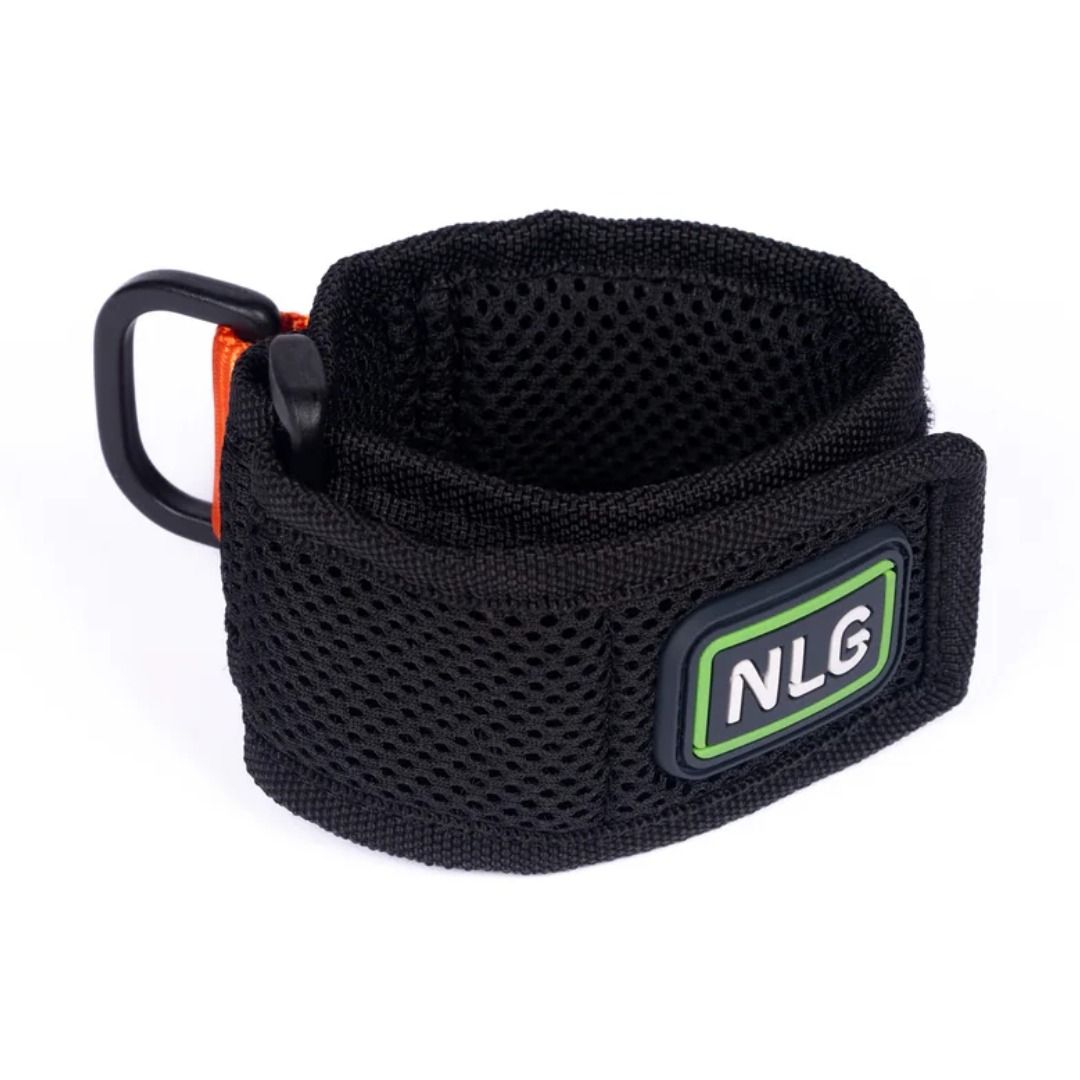
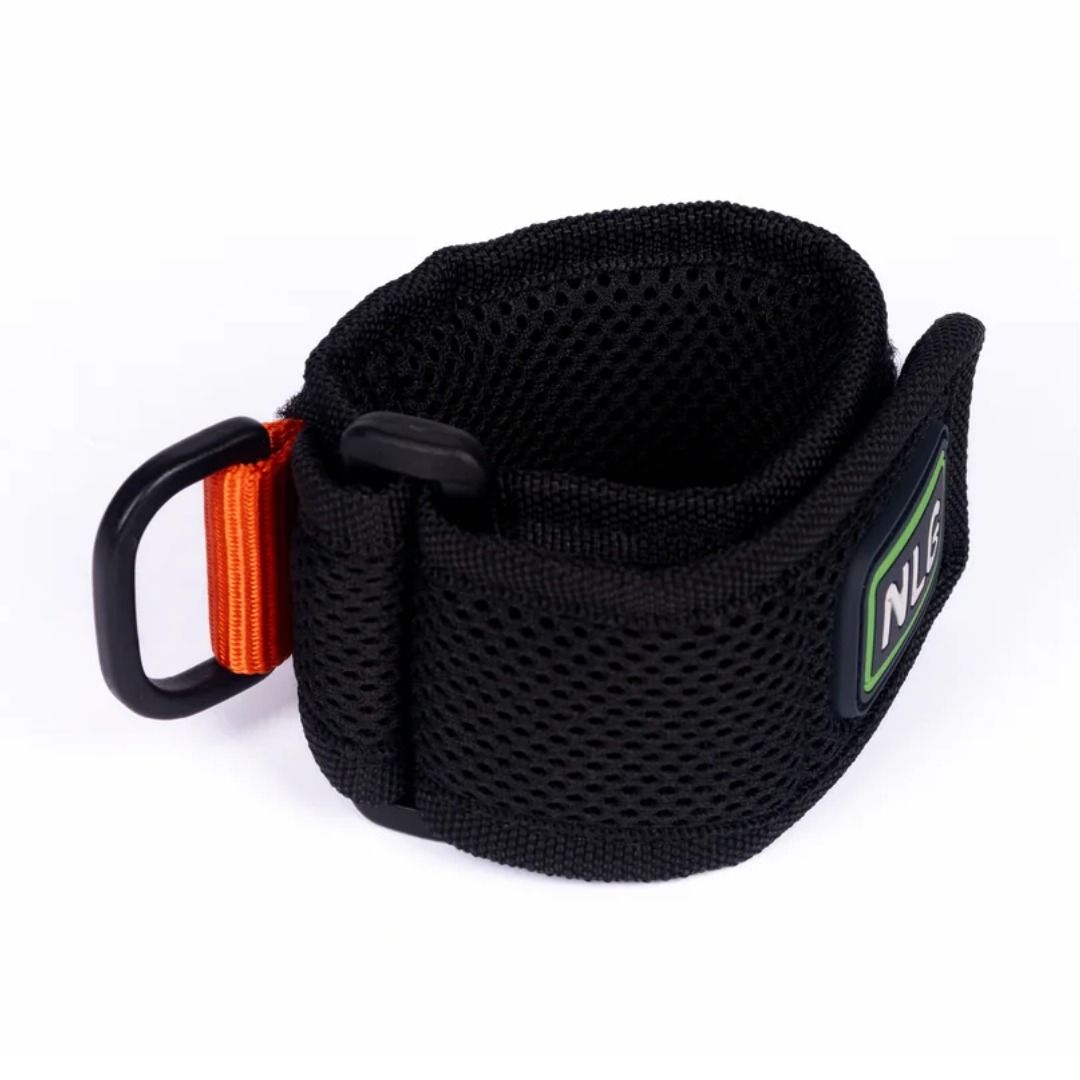
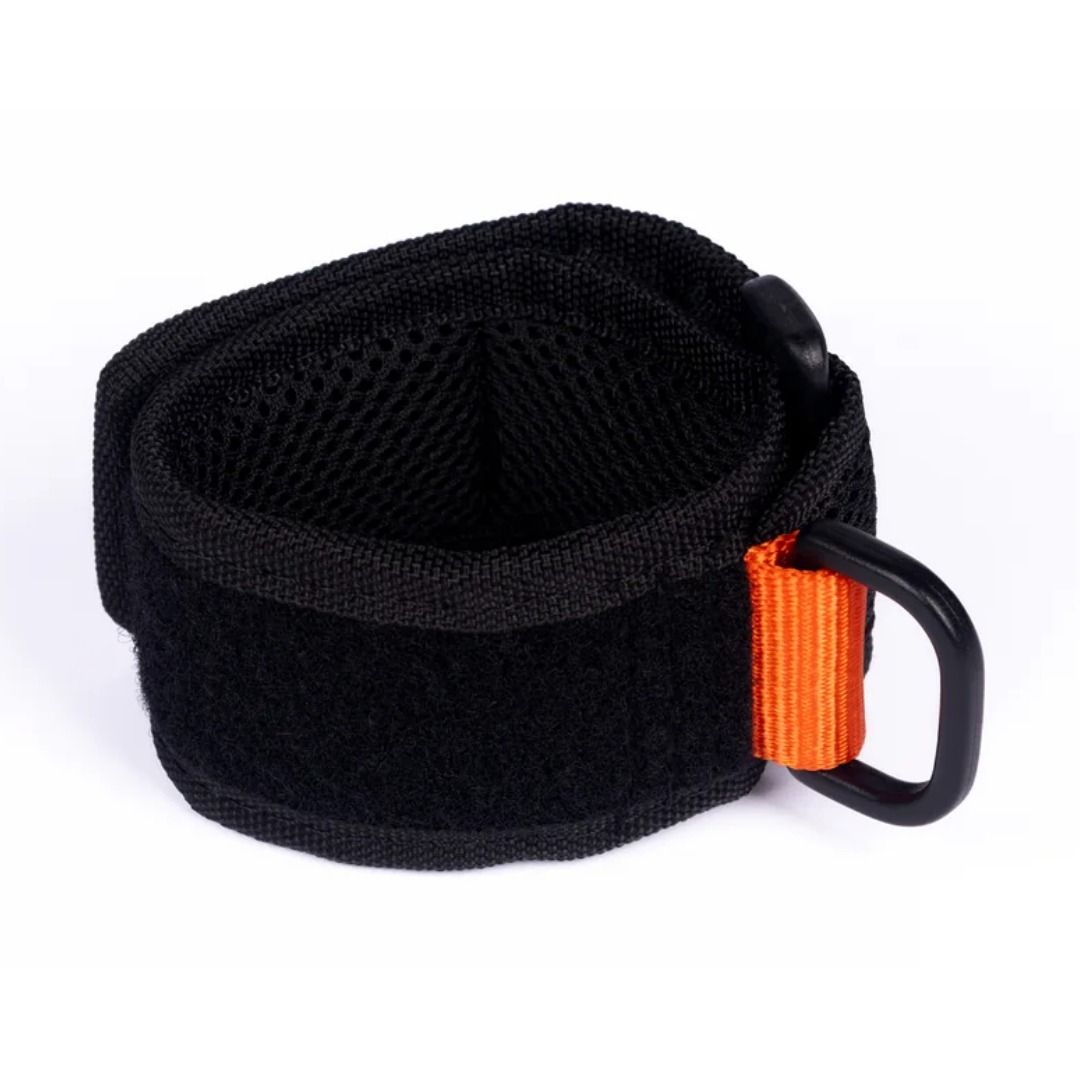
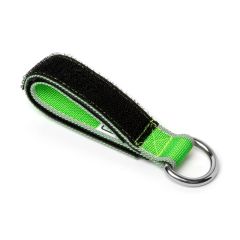
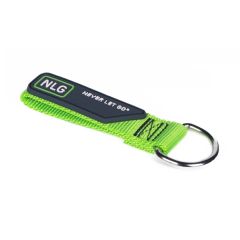
Non-conductive wrist anchor for small tool tethering, with a plastic D-ring for safe use in electrical environments and all-day comfort elasticated webbing.
- Non-conductive plastic D-ring, no metal components, safe for electrical environments
- 1.5kg maximum for wrist use (NLG medical research recommendation)
- 3kg as structural anchor
- High-comfort elasticated padded webbing
- one size fits all wrist sizes
- Easy-adjust Velcro fastening, compact footprint for confined spaces
- ANSI/ISEA 121-2023, CE and UKCA marked
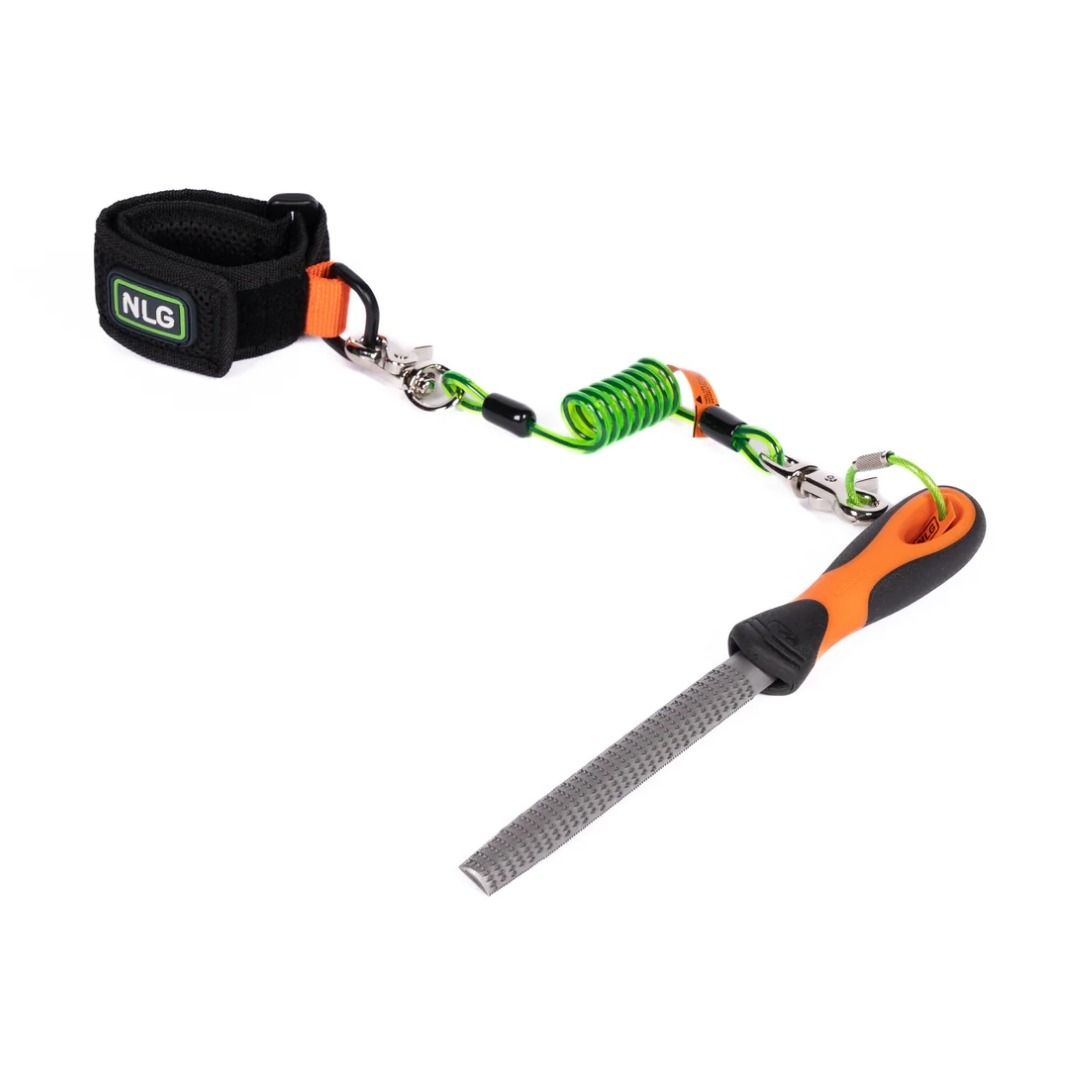
- Pairs with NLG Short Coil Lanyard (NLG101364) for a complete wrist tethering system
- 35g
- NLG ID compatible, unique serial number
Non-conductive wrist anchor for small tool tethering, with a plastic D-ring for safe use in electrical environments and all-day comfort elasticated webbing.
- Non-conductive plastic D-ring, no metal components, safe for electrical environments
- 1.5kg maximum for wrist use (NLG medical research recommendation)
- 3kg as structural anchor
- High-comfort elasticated padded webbing
- one size fits all wrist sizes
- Easy-adjust Velcro fastening, compact footprint for confined spaces
- ANSI/ISEA 121-2023, CE and UKCA marked
- Pairs with NLG Short Coil Lanyard (NLG101364) for a complete wrist tethering system
- 35g
- NLG ID compatible, unique serial number
- Buy 10 for £19.09 £15.91 each and save 6%
- Buy 20 for £17.99 £14.99 each and save 11%
| BULK DISCOUNT | 10 | 20 |
|---|---|---|
| Price | £15.91 £19.09 | £14.99 £17.99 |
Order 1x to earn 16 FASTPoints
Order to earn 16 FASTPoints
Log in to access trade discountsNLG Adjustable Wristband
Adjustable wrist anchors provide a body-worn tether point directly on the operative's hand, keeping small tools and instruments within reach throughout a shift without occupying belt or harness D-rings. The NLG Adjustable Wristband creates a wrist-worn anchor rated to 1.5kg when worn on the wrist and 3kg when used as a structural anchor on a rail or scaffold tube, with a non-conductive plastic D-ring as the sole attachment point. Certified to ANSI/ISEA 121-2023, CE and UKCA, it is the only anchor in the NLG range at CMT with no metal components, making it the appropriate choice for electrical environments and any site where metal-free PPE is a requirement.
Why non-conductive construction is a requirement, not an option, in electrical environments
Standard tool anchors, belt loops, BiLock anchors, and most wrist bands, use metal D-rings. In a live electrical environment, a metal component in contact with the operative's wrist or within arm's reach of live conductors creates a potential conduction pathway that site safety rules in electrical contracting typically prohibit. If an operative tethering tools during panel installation or switchgear maintenance must comply with a metal-free PPE requirement, a standard wrist anchor with a metal D-ring fails the specification regardless of its tool tethering credentials. The plastic D-ring and fully non-conductive construction of this wristband eliminate that risk, making it the correct anchor for live electrical work, chemical plant environments where metallic spark risk is controlled, and any site with a site-specific metal-free PPE requirement.
Key Features
-
Non-conductive plastic D-ring: No metal components anywhere in the design. Eliminates the conduction risk associated with metal D-rings in electrical environments. Meets the requirement for metal-free PPE on sites where this is mandated.
-
Dual load configuration: 1.5kg maximum load when worn on the wrist, based on NLG medical research into wrist loading. 3kg rated load when used as a structural anchor on a rail or scaffold tube. These are two separate operating limits that apply to two distinct configurations.
-
High-comfort elasticated padded webbing: Soft elasticated construction with cushion padding wears comfortably throughout a full shift. The wristband flexes with the wrist during active tool use rather than restricting movement or building pressure points.
-
Universal fit with easy-adjust Velcro: One size accommodates all wrist sizes. Velcro fastening adjusts to the required fit in seconds without tools. D-ring positions to the underside of the wrist for natural lanyard attachment during overhead or close-range work.
-
Cylindrical object tethering: The wristband loop can wrap around cylindrical objects such as spray cans, marker pens, and probes, creating a tether point directly on the object without a captive hole or adapter.
-
Pairs with NLG Short Coil Lanyard (NLG101364): The combination of wristband and coil lanyard creates a compact wrist tethering system particularly suited to operatives who swap between multiple small hand tools during a shift.
Who is this for
Trades and roles:
-
Electricians and electrical maintenance engineers
-
Instrumentation engineers in chemical and process plant environments
-
MEWP and aerial platform operators tethering hand tools
-
Operatives in environments with metal-free PPE requirements
-
Arborists and rope access technicians tethering small cutting tools
-
Any operative working with small hand tools and instruments at height
Industries:
-
Electrical contracting and installation
-
Oil, gas, and chemical processing
-
Instrumentation and control
-
Telecoms and broadcast infrastructure
-
Facilities management
-
Construction and maintenance
Specifications
| Specification | Detail |
|---|---|
| Product Name | NLG Adjustable Wristband - 3kg Non-Conductive Wrist Tool Anchor |
| SKU | NLG101365 |
| Product Type | Adjustable wrist tool anchor |
| Max Load (Wrist use) | 1.5kg (3.3lbs) - NLG medical research recommendation |
| Max Load (Structural) | 3kg (6.6lbs) on rails and scaffolding |
| D-Ring Type | Plastic D-ring (non-conductive, no metal) |
| Fastening | Easy-adjust Velcro |
| Construction | Non-conductive, no metal components |
| Padding | High-comfort cushion padding |
| Sizing | One size fits all |
| Dimensions | 38cm x 5cm |
| Safety Standards | ANSI/ISEA 121-2023 |
| Compliance Marking | CE and UKCA |
| Load Testing | Dynamic, 2:1 safety factor, third-party certified |
| Serialisation | Unique serial number, NLG ID compatible |
| Compatible Lanyard | NLG Short Coil Lanyard (NLG101364) |
| Unit Weight | 35g |
Compatibility
| Application or Condition | Status |
|---|---|
| Small hand tools up to 1.5kg when worn on wrist | Compatible |
| Cylindrical objects (spray cans, probes, markers) via loop tether | Compatible |
| Scaffold rail and tube anchor use for tools up to 3kg | Compatible |
| Electrical and live panel environments (non-conductive) | Compatible |
| Metal-free PPE sites and chemical plant environments | Compatible |
| NLG Short Coil Lanyard (101364) pairing | Compatible |
| Tools exceeding 1.5kg when worn on wrist | Not recommended |
| Tools exceeding 3kg as structural anchor | Not recommended |
| Personal fall arrest, restraint, or work positioning | Not recommended |
| Heavy or large power tools above wrist load limit | Not recommended |
Who is this for
The NLG Adjustable Wristband is used by electricians, instrumentation engineers, MEWP operators, and site operatives who need a body-worn tool tether point directly on the wrist for small hand tools and instruments, particularly in environments where a metal-free anchor is a site safety requirement. At 1.5kg wrist load limit, it suits small screwdrivers, compact multi-tools, precision instruments, markers, and probes carried and used repeatedly during a shift. For operatives who swap between multiple tools frequently, the pairing with the NLG Short Coil Lanyard (101364) creates a compact system where the tool connects and disconnects quickly without removing the wristband.
Typical applications
-
Tethering a small precision screwdriver or flat-blade driver to the wrist during electrical panel installation or switchgear termination work at height.
-
Attaching a compact multi-tool to the wrist anchor for close-range maintenance work in a MEWP basket where a belt anchor would position the tool too far from the working hand.
-
Tethering a cable stripper or crimping tool to the wrist during overhead cabling installation, allowing quick single-handed access between uses.
-
Wrapping the wristband loop around a spray can or cylindrical applicator to create a tether point on the object itself, for operatives applying marking or lubricating products at height.
-
Using the wristband as a scaffold tube anchor in situations where wrist wear is not practical, attaching it around the tube and connecting a short lanyard for a compact structural anchor point.
-
Tethering a small inspection mirror, probe, or test instrument to the wrist during confined access inspection work at height.
-
Providing a wrist tether for an arborist's folding pruning saw or hand tool when working in canopy positions where belt access is restricted.
How to use
Step 1: Inspect before every use. Check the elasticated webbing and Velcro for damage, contamination, or reduced grip. Check the plastic D-ring for cracking or deformation. Confirm the tool weight does not exceed 1.5kg for wrist use.
Step 2: Peel up the Velcro strap and open the wristband loop.
Step 3: Pass the hand through the open loop.
Step 4: Pull down the strap to the required fit and press the Velcro firmly into engagement. Position the D-ring on the underside of the wrist.
Step 5: Check the wristband is secure and does not slide or loosen when the wrist moves.
Step 6: Attach the rated lanyard to the D-ring and confirm the connector is fully engaged before beginning work.
When used as a structural anchor: Wrap the wristband loop around the scaffold tube or rail. Fasten the Velcro and confirm the anchor holds before attaching a lanyard.
Common mistakes
-
Selecting tools that exceed the 1.5kg wrist limit: the wrist load recommendation is based on medical research. A screwdriver or small driver well within this limit is the intended use; a full-size cordless drill is not.
-
Not positioning the D-ring on the underside of the wrist: the D-ring positioned on top of the wrist creates upward tension during reaching movements that wears on the Velcro fastening. The underside position keeps the connection comfortable and the Velcro load balanced.
-
Using the wristband with the Velcro contaminated: concrete dust, grease, or loose fibre prevents the Velcro from seating fully. A loose wristband can slide on the wrist during a drop event, reducing the anchor's effectiveness. Check and clean the Velcro surface before every shift.
-
Assuming the 3kg structural rating applies to wrist use: the 1.5kg wrist limit and the 3kg structural limit are distinct configurations. The wrist rating applies when worn on the body. The structural rating applies when the wristband is wrapped around a rail or tube.
-
Using the wristband for personal fall protection: this is a tool retention anchor only. It must not be used as a fall arrest, fall restraint, or work positioning component under any circumstances.
Safety
Certified to ANSI/ISEA 121-2023, CE and UKCA, dynamically load tested at a 2:1 safety factor. Two distinct load limits apply: 1.5kg maximum when worn on the wrist (based on NLG medical research recommendation), and 3kg maximum when used as a structural anchor on a rail or scaffold tube. Do not use for tools exceeding the applicable limit for the configuration in use. This is a tool retention anchor only. After any dynamic load event, remove from service for formal inspection before reuse.
Maintenance
Inspect the Velcro fastening before every use. Remove debris and contamination with a stiff brush. Contaminated Velcro loses grip and must be cleaned before use. Wipe the wristband with a damp cloth after exposure to dust, chemicals, or grease and allow to air dry. Do not machine wash or immerse in chemical solutions. Check the plastic D-ring for cracking, deformation, or damage before each shift. Record formal inspections against the serial number at intervals appropriate to use frequency and site conditions.

Frequently Asked Questions
Q: Why is the wrist load limit 1.5kg when the rated load is 3kg?
A: The 3kg rated load applies when the wristband is used as a structural anchor on a rail or scaffold tube, where the structure absorbs the full dynamic load of a drop event. The 1.5kg limit applies when worn on the wrist, based on NLG's medical research into the forces generated at the wrist joint during a sudden tool drop. These are two separate operating configurations with different limits. Confirm which configuration applies before selecting a tool to tether, and apply the correct limit.
Q: What certifications does this anchor carry?
A: Certified to ANSI/ISEA 121-2023, CE and UKCA, and dynamically load tested at a 2:1 safety factor by an independent third-party laboratory. Each unit carries a unique serial number with NLG ID compatibility.
Q: What is this anchor not suitable for?
A: It must not be used as a personal fall arrest anchor, fall restraint anchor, or work positioning device. Tools exceeding 1.5kg must not be attached when worn on the wrist. Tools exceeding 3kg must not be attached when used as a structural anchor. After any dynamic load event, remove from service for formal inspection.
Q: Why does non-conductive construction matter for electrical work?
A: Standard wrist anchors use metal D-rings. In live electrical environments, a metal component against the wrist or near live conductors creates a potential conduction pathway. Sites working on live panels, switchgear, and energised systems typically mandate metal-free PPE. The plastic D-ring and fully non-conductive construction of this wristband meet that requirement, making it the correct anchor where a standard metal-ring wristband would fail the site's safety specification.
Q: Can this be used as a structural anchor instead of a wrist anchor?
A: Yes. Wrap the wristband loop around a scaffold tube or rail, fasten the Velcro, and attach a rated lanyard to the D-ring. In this structural configuration the load limit is 3kg rather than the 1.5kg wrist limit. Confirm the attachment surface engages the Velcro reliably before use at height.
Q: Why does NLG recommend pairing this with the Short Coil Lanyard (101364)?
A: The coiled construction of the Short Coil Lanyard extends when the tool is in use and retracts compactly when returned to rest, keeping the combination unobtrusive between tool uses. For operatives who switch between several small hand tools during a shift, this combination allows quick lanyard disconnection and reconnection at the tool end without removing the wristband, making it more practical than a fixed-length lanyard for multi-tool working.
Q: How does the wristband tether a cylindrical object?
A: The wristband loop can be wrapped around a cylindrical object such as a spray can, probe, or cylindrical marker, and fastened with the Velcro to create a tether point on the object itself. This secondary tether use suits objects without a captive hole or built-in attachment point. The 1.5kg wrist load limit applies.