The complete guide to NLG dropped object prevention at CMT Group UK. Every product in the range explained and compared, from tether rings to MEWP bags, organised by the three-step tethering system and matched to your trade. Includes comparison tables, ANSI/ISEA 121-2023 compliance guidance, and a trade-by-trade buying guide for scaffolders, electricians, rope access technicians, MEWP operators, telecoms engineers, and wind energy technicians.
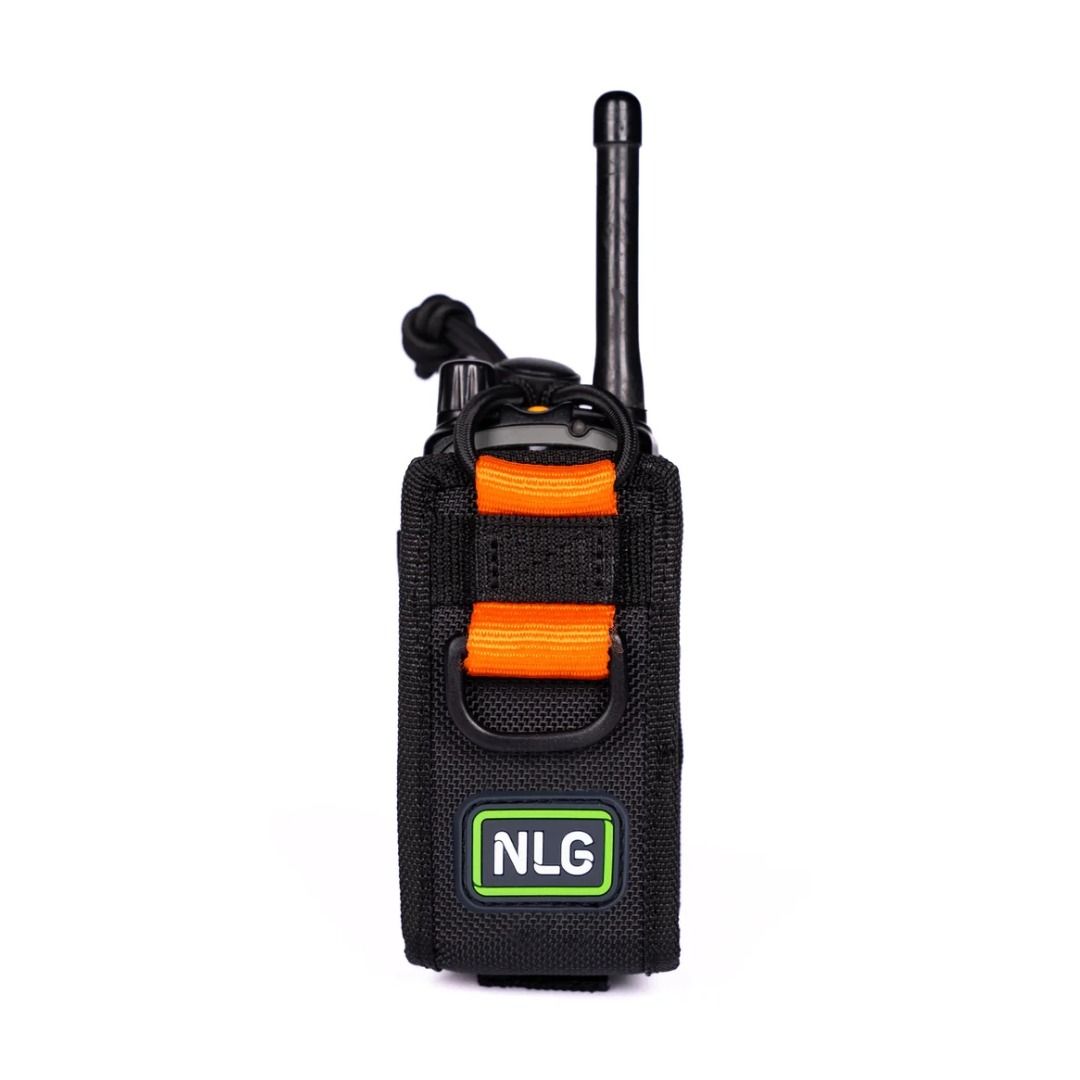
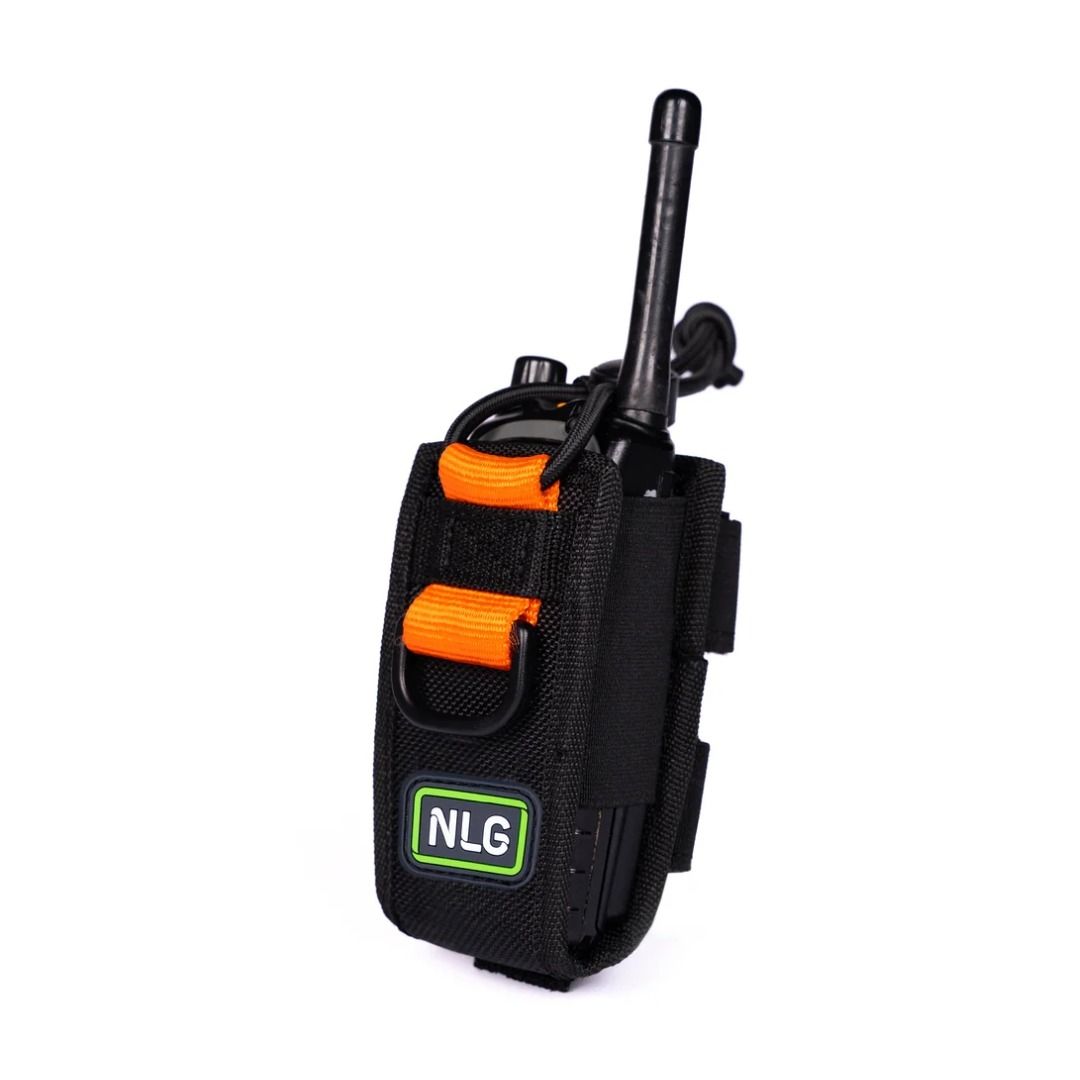
Two-way radio holster for height workers, securing radios up to 1kg with full controls access and horizontal or vertical harness mounting.
- Dual-layer ballistic construction, shape retention over extended use
- ANSI/ISEA 121-2023 certified, CE and UKCA marked
- 1kg rated, 2:1 dynamic safety factor, third-party tested
- Bungee cord retention with spring toggle, full controls accessible
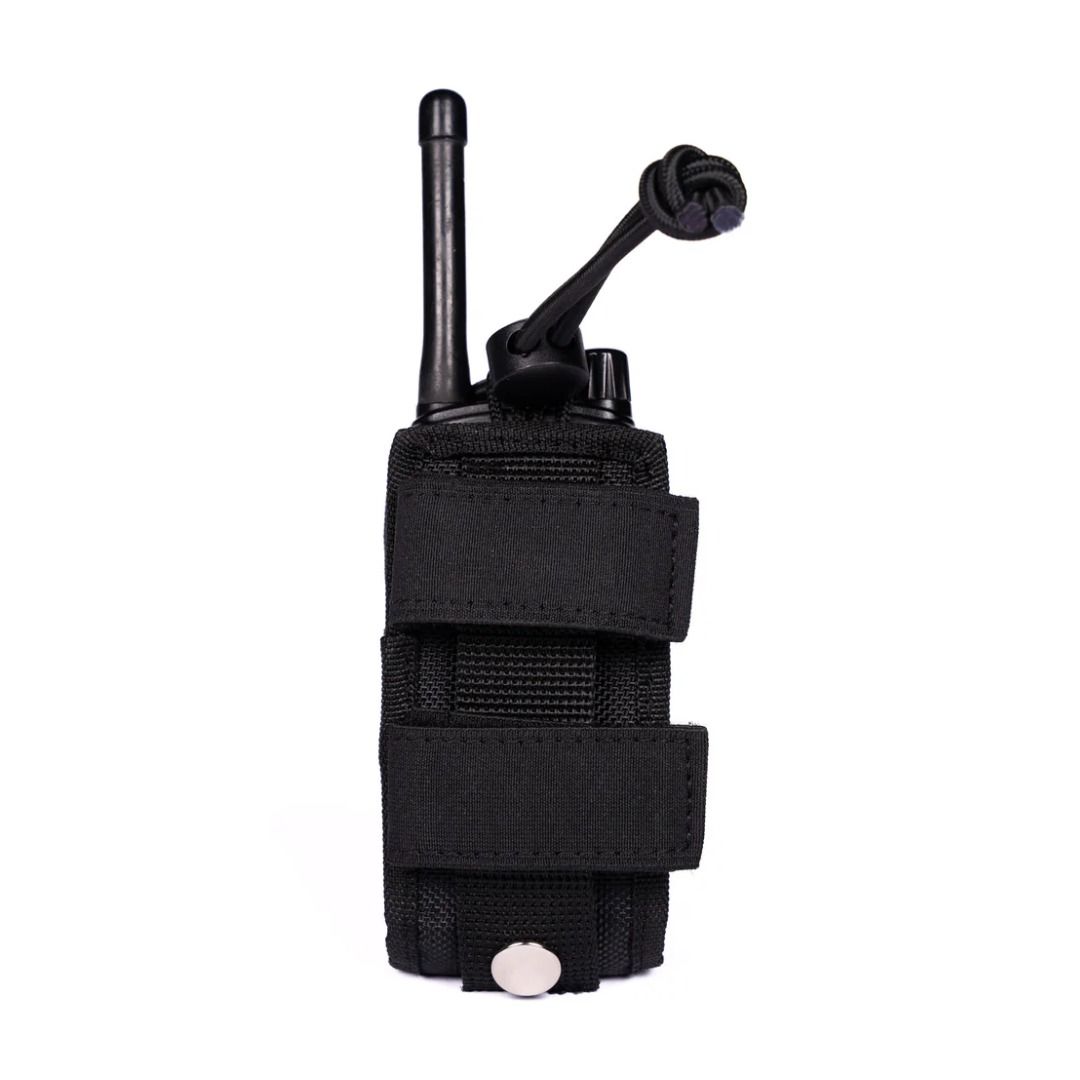
- Horizontal and vertical rear mount, harness or belt compatible
- Non-conductive ballistic plastic D-ring
Two-way radio holster for height workers, securing radios up to 1kg with full controls access and horizontal or vertical harness mounting.
- Dual-layer ballistic construction, shape retention over extended use
- ANSI/ISEA 121-2023 certified, CE and UKCA marked
- 1kg rated, 2:1 dynamic safety factor, third-party tested
- Bungee cord retention with spring toggle, full controls accessible
- Horizontal and vertical rear mount, harness or belt compatible
- Non-conductive ballistic plastic D-ring
- Buy 5 for £30.96 £25.80 each and save 5%
- Buy 10 for £27.90 £23.25 each and save 14%
| BULK DISCOUNT | 5 | 10 |
|---|---|---|
| Price | £25.80 £30.96 | £23.25 £27.90 |
Order 1x to earn 27 FASTPoints
Order to earn 27 FASTPoints
Log in to access trade discountsNLG Radio Holster
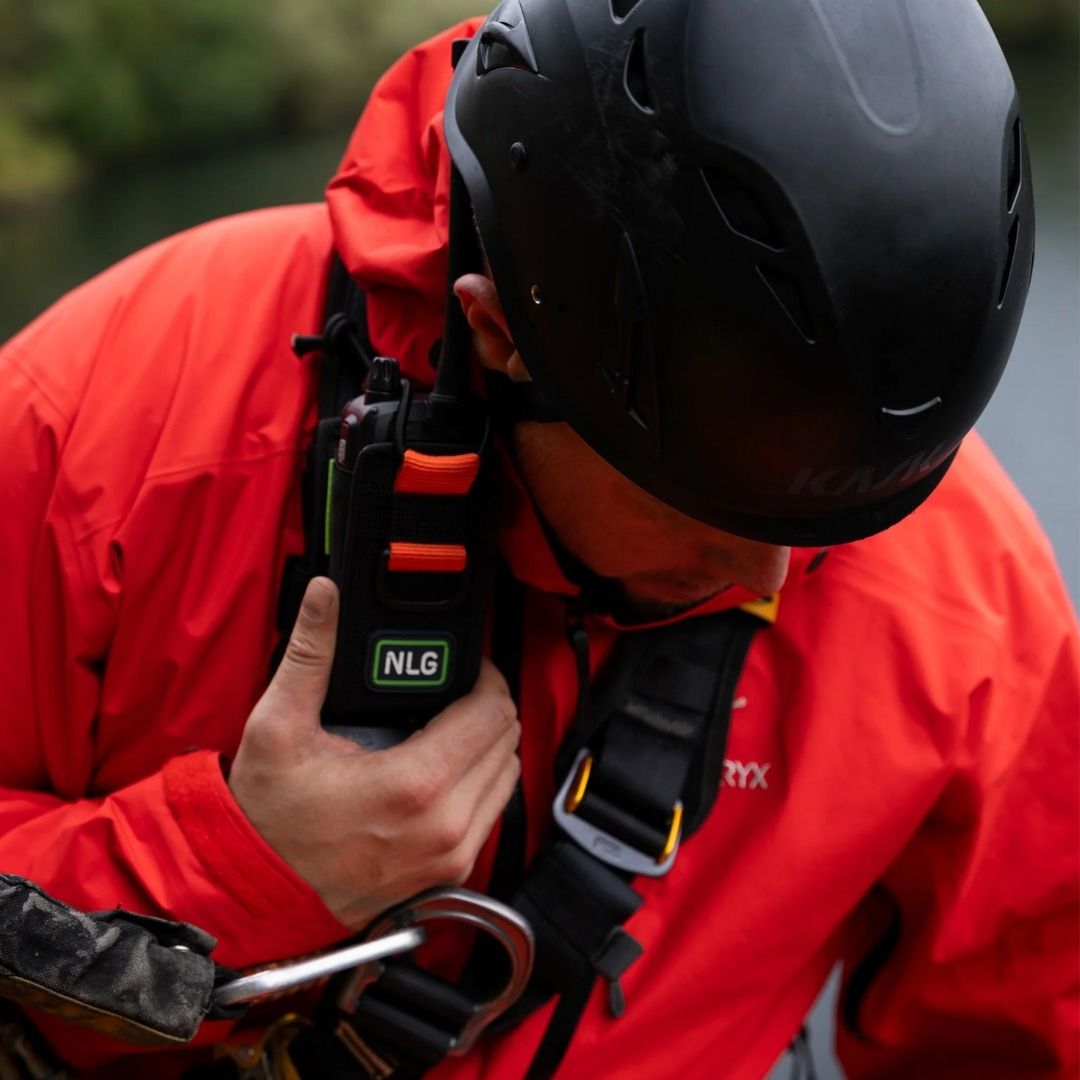
Two-way radio holster for construction site managers, scaffolders, and height workers who carry a radio throughout a working day and need it tethered, instantly accessible, and structurally sound across a full working season. The dual-layer ballistic construction maintains the holster's shape through repeated daily use, whilst the bungee cord and spring toggle retention system secures the radio without obstructing access to the volume knob, channel controls, or top buttons.
How dual-layer ballistic construction keeps the radio secure over a full site season
A single-layer fabric holster loses its shape as the radio is inserted and removed dozens of times across a working week. A loose holster allows the radio to shift during active site work, increases antenna snag risk, and eventually fails to retain the radio at the angle needed for quick removal. The NLG Radio Holster uses a dual-layer ballistic construction throughout: the outer ballistic layer resists abrasion and maintains the holster's profile over the full working life of the product, while the inner layer sits close against the radio body and is engineered to preserve audio clarity without muffling the speaker during transmission.
Key Features
-
Dual-layer ballistic construction: Outer ballistic layer maintains holster shape over extended use and resists site abrasion. Inner layer is audio-transparent and preserves radio speaker and microphone performance whilst the device is holstered.
-
Bungee cord retention with spring toggle: Two bungee cords pass over the top controls of the radio and are secured with a spring toggle. The radio is retained firmly without a lid or zipper that would block access to controls or require two-handed operation to open.
-
Horizontal and vertical rear mounting: Rear mounting system secures the holster to a harness loop or belt in either a vertical or horizontal orientation. Operatives choose the position that best suits their working posture and the specific task.
-
Full controls access: Volume knob, channel selectors, push-to-talk button, and all top controls remain operable without removing the radio from the holster. The radio's own belt clip remains accessible and usable via the low-back rear design.
-
Non-conductive ballistic plastic D-ring: Attachment point for a rated tool lanyard is made from ballistic-grade non-conductive plastic, eliminating the fault path risk of a metal ring in telecoms and electrical environments.
-
NLG ID serialised tag: Scan to access load test certificates, inspection checklists, and equipment condition records.
Who is this for
Trades and roles:
-
Construction site managers
-
Scaffolders and height workers
-
Telecoms and utilities engineers
-
Electrical installation engineers
-
Industrial maintenance teams
Industries:
-
Construction and civils
-
Telecoms and utilities
-
Electrical installation
-
Infrastructure and rail
-
Offshore and industrial plant
Specifications
| Specification | Detail |
|---|---|
| Product Name | NLG Radio Holster - 1kg Dual-Layer Ballistic Construction |
| SKU | NLG101418 |
| Product Category | Two-Way Radio Holster with Tethering Point |
| Max Load | 1 kg (2.2 lbs) |
| Safety Standards | ANSI/ISEA 121-2023, CE, UKCA, NS 9611:2022+AC |
| Load Testing | Dynamic, 2:1 safety factor, third-party certified |
| Construction | Dual-layer ballistic |
| Retention System | Dual bungee cords with spring toggle |
| Attachment Point | Non-conductive ballistic plastic D-ring |
| Mounting System | Rear mount, vertical or horizontal, harness and belt compatible |
| Controls Access | Full access maintained when radio is holstered |
| Audio Preservation | Dual-layer construction does not compromise audio quality |
| Compatible Radios | All common radio styles (verify against case dimensions) |
| NLG ID | Serialised, scannable, unique serial number |
| Dimensions | 12cm (H) x 6cm (W) x 4cm (D) |
| Max Lanyard Length | 120 cm (48 in) |
| Compliance Markings | CE, UKCA |
| Unit Weight | 45 g |
Compatibility
| Compatible With | Status |
|---|---|
| All common two-way radio styles (verify against 12cm H x 6cm W x 4cm D) | Compatible |
| Full radio controls while holstered (volume, buttons, push-to-talk) | Compatible |
| Vertical rear mounting on harness or belt | Compatible |
| Horizontal rear mounting on harness or belt | Compatible |
| NLG Mini Coil Lanyard and rated lanyards via D-ring | Compatible |
| Electrical and telecoms environments (non-conductive D-ring) | Compatible |
| Radios exceeding 1kg total weight | Not recommended |
| Radios exceeding holster dimensions (12cm H x 6cm W x 4cm D) | Not recommended |
| Use without a rated lanyard connected to the D-ring at height | Not recommended |
Who is this for
Site managers, scaffolders, and height workers who carry a two-way radio as a primary communication tool throughout a working day and need it secured, instantly accessible, and tethered in compliance with a dropped object prevention programme. The horizontal and vertical rear mounting options make the holster suitable for different harness and belt configurations, and the non-conductive D-ring makes it appropriate for telecoms and electrical environments where a metal attachment point would introduce a fault path risk.
Typical applications
-
Tethering a two-way radio on a scaffold or elevated access platform where a dropped radio could injure operatives or cause damage to equipment below.
-
Carrying a radio on a harness in a horizontal position during confined rooftop or facade work where a vertically mounted holster would foul on structural elements.
-
Using the holster in a telecoms or electrical installation environment where the non-conductive D-ring is required by site safety protocols.
-
Deploying matched holsters across a site crew to bring all two-way radios into a formal dropped object prevention programme under a single inspection and logging system.
-
Replacing a worn or shape-compromised generic radio pouch on an active site where consistent daily use has degraded the original holster's retention performance.
How to use
Step 1: Press the button of the spring toggle and slide it to the end knot of the bungee cords. Move both bungee cords to one side to open the holster.
Step 2: Insert the radio into the holster and position the two bungee cords so they pass over the top controls of the radio.
Step 3: Slide the spring toggle up the bungee cords to trap the radio securely in the holster.
Step 4: Test that the radio is firmly retained and cannot be pulled free without operating the spring toggle.
Step 5: Secure the rear mounting system to a harness loop, belt, or suitable clothing attachment point in the preferred orientation (vertical or horizontal).
Step 6: Attach a rated tool lanyard to the D-ring and connect the lanyard carabiner to a rated anchor point before working at height.
Common mistakes
-
Failing to slide the spring toggle fully to the end position before inserting the radio. A partially secured toggle will not retain the radio if the holster is inverted or knocked during work.
-
Using the holster without a rated lanyard connected to the D-ring at height. The holster retains the radio against the harness or belt but provides no dropped object prevention without a connected and anchored lanyard.
-
Using an unrated lanyard or cord with the D-ring. The holster is independently certified to ANSI/ISEA 121-2023. The lanyard must also carry a third-party independent rating.
-
Returning the holster to service after a drop without inspecting the ballistic outer layer and D-ring. Internal load damage may not be externally visible.
Safety
Certified to ANSI/ISEA 121-2023, CE, UKCA, and NS 9611:2022+AC. Maximum rated load is 1kg. The non-conductive ballistic plastic D-ring eliminates the fault path at the attachment point. In electrical or telecoms environments, the complete tethering system (lanyard and anchor point) must also be assessed for the working conditions. This product is not a fall arrest device. After any drop event, quarantine the holster and inspect it fully using the NLG Inspection Checklist before returning to service.
Maintenance
Inspect the ballistic outer layer, inner lining, bungee cords, spring toggle, D-ring, and rear mounting system before each use. Test that the bungee cords retain their elasticity by stretching and releasing them. Check the spring toggle slides smoothly and locks positively. Inspect the D-ring for cracking or deformation. Clean with a damp cloth. Store away from heat, solvents, and direct sunlight. Scan the NLG ID tag to access inspection checklists and log records. Retire from service if the bungee cords lose elasticity, the toggle fails to lock, or the D-ring shows any deformation.
Frequently Asked Questions
Q: What radio models will this holster fit?
A: The holster accommodates all common two-way radio styles within its internal dimensions of 12cm (H) x 6cm (W) x 4cm (D). This covers the majority of site radios from Motorola, Hytera, Kenwood, and Icom in regular use on UK construction sites. Verify your specific radio's body dimensions against the holster before ordering. The antenna protrudes from the top of the holster during use without restriction.
Q: What safety standards does this holster meet?
A: The holster is certified to ANSI/ISEA 121-2023, the primary international standard for dropped object prevention tethering equipment, and also meets NS 9611:2022+AC, the Norwegian standard for tool lanyards and tethering systems. It carries CE and UKCA markings. Load testing is dynamic at a 2:1 safety factor, independently verified by a third-party laboratory.
Q: What is this holster NOT suitable for?
A: The holster is not suitable for radios exceeding its internal dimensions (12cm H x 6cm W x 4cm D) or for radios exceeding 1kg total weight. It must not be used without a separately rated lanyard connected to the D-ring when working at height. It provides no personal fall arrest function. In live electrical environments, the complete tethering system (lanyard and anchor point) must also be assessed for suitability, not only the D-ring.
Q: Can I still operate the radio controls when it is in the holster?
A: Yes. The bungee cord retention system passes over the top of the radio, not across the sides or face, leaving the volume knob, channel selector, push-to-talk button, and all top controls fully accessible and operable. The radio's own belt clip is also accessible via the low-back design and can still be used if needed.
Q: What does "dual-layer ballistic construction" mean in practice for site use?
A: Standard single-layer fabric or textile holsters lose their shape as the radio is inserted and removed repeatedly. Over time, a deformed holster allows the radio to shift position and eventually fails to retain it at the correct angle for quick removal. Dual-layer ballistic construction addresses both issues: the outer ballistic layer resists abrasion and maintains the holster's dimensional shape across a full working season, whilst the inner layer provides audio-transparent protection without muffling the radio's speaker or microphone during transmission.
Q: Can I mount this horizontally as well as vertically on my harness?
A: Yes. The rear mounting system attaches to a harness loop, belt, or suitable clothing attachment point in either a vertical or horizontal orientation. Operatives working in confined positions, on steeply pitched roofs, or from MEWP baskets often prefer a horizontal orientation to keep the radio flat against the body. The choice of orientation does not affect the rated load or the security of the bungee retention.
Q: How does this compare to competitor radio holsters in terms of compliance?
A: The leading competitor (Ergodyne Squids 3772) is rated to 0.9kg and uses a zinc-plated alloy D-ring, which is conductive and unsuitable for telecoms or electrical environments. The NLG Radio Holster is rated to 1kg and uses a non-conductive ballistic plastic D-ring. Both are certified to ANSI/ISEA 121-2023. The NLG holster also carries NS 9611:2022+AC, which the Ergodyne product does not state.
Q: What should I do if the holster has been dropped?
A: Quarantine the holster immediately. Inspect the ballistic outer layer for tears, compression damage, or delamination. Check the bungee cords for kinking or loss of elasticity and the spring toggle for distortion. Inspect the D-ring for cracking or deformation and the rear mounting system for damage. Scan the NLG ID tag to log the event. Do not return the holster to service until a competent person has inspected and recorded it using the NLG Inspection Checklist.