How to specify certified PPE for UK construction sites, EN standards explained for cut-resistant gloves, safety glasses, safety goggles, ear defenders, and helmets, with product comparisons and selection guides.
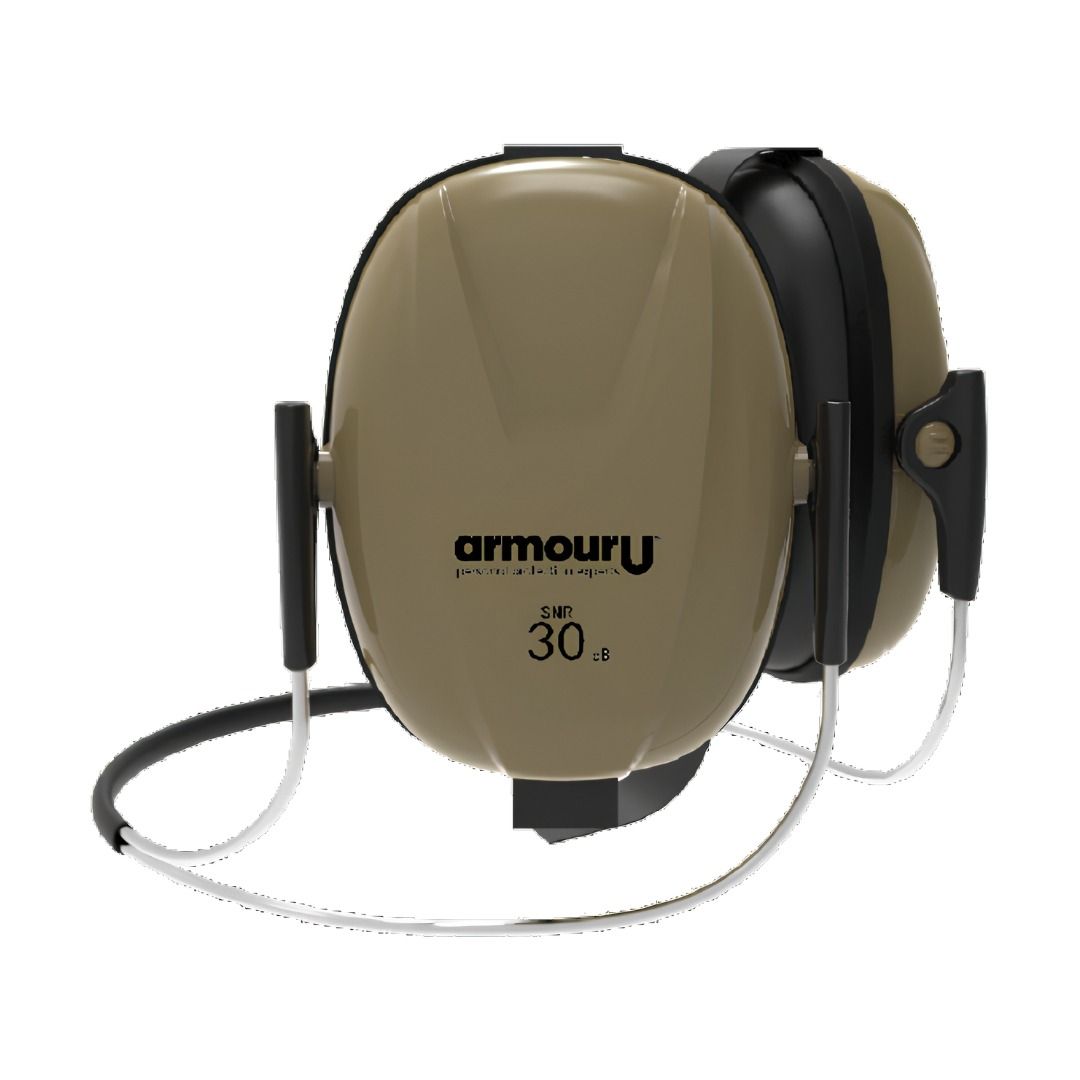
Neckband ear defenders with SNR 30dB and memory foam ear cushions for construction and industrial operatives working with hard hats or head-mounted PPE.
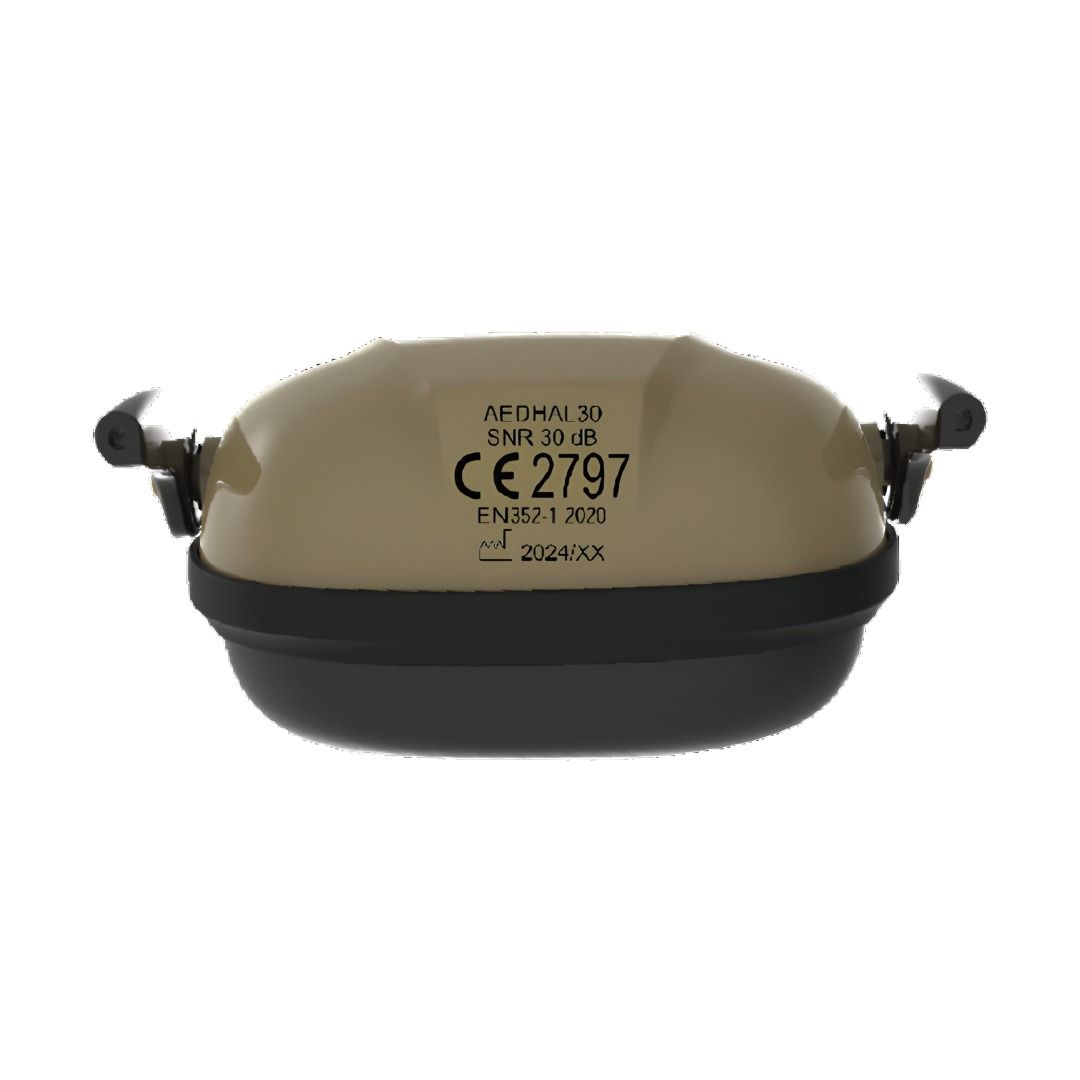
- EN 352-1:2020 certified, SNR 30dB (H=36dB, M=28dB, L=20dB), CE marked
- Neckband design, compatible with hard hats, face shields, and head-mounted PPE
- Memory foam padded ear cushions for comfort during extended wear
- Hook and loop head strap for stability across a range of head sizes
- Robust lightweight construction
- Recycled polyester storage bag
Neckband ear defenders with SNR 30dB and memory foam ear cushions for construction and industrial operatives working with hard hats or head-mounted PPE.
- EN 352-1:2020 certified, SNR 30dB (H=36dB, M=28dB, L=20dB), CE marked
- Neckband design, compatible with hard hats, face shields, and head-mounted PPE
- Memory foam padded ear cushions for comfort during extended wear
- Hook and loop head strap for stability across a range of head sizes
- Robust lightweight construction
- Recycled polyester storage bag
- Buy 10 for £21.67 £18.06 each and save 15%
- Buy 20 for £20.28 £16.90 each and save 20%
| BULK DISCOUNT | 10 | 20 |
|---|---|---|
| Price | £18.06 £21.67 | £16.90 £20.28 |
Order 1x to earn 21 FASTPoints
Order to earn 21 FASTPoints
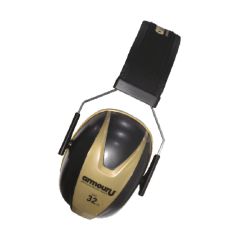
Log in to access trade discountsarmourU Hornelen Ear Defenders - Neckband SNR 30dB
Neckband ear defenders providing EN 352-1:2020 certified SNR 30dB protection for construction operatives, manufacturing workers, and industrial teams who routinely wear hard hats, face shields, or other head-mounted PPE that makes over-head headband ear defenders impractical or incompatible. The behind-the-neck arc sits below the headband of a standard construction helmet without interference, and the hook and loop head strap secures the cups across a range of head sizes for a stable fit throughout the shift. Certified to EN 352-1:2020, CE marked (CE 2797), and supplied with a recycled polyester storage bag.
How neckband design provides hearing protection when over-head defenders become unworkable
An over-head headband ear defender requires clear space above the crown, a space occupied by safety helmets, face shields, welding visors, and respirator head harnesses on most UK construction sites. Operatives wearing this equipment with over-head ear defenders face a choice between misaligning the helmet or leaving the ear cushions unseated, both of which break the acoustic seal and reduce attenuation below the rated SNR. The neckband design removes this conflict entirely by routing the arc behind the neck rather than over the head, allowing the ear cups to seat correctly against the face without any contact with the helmet or visor above. The hook and loop head strap provides additional cup stability during bending, turning, and physical activity, maintaining the seal that the SNR 30dB attenuation rating depends on.
Key Features
-
Neckband behind-the-neck design: The arc routes behind the neck, leaving the crown completely clear for hard hats, safety helmets, full-face respirators, welding visors, and face shields. The primary reason neckband format ear defenders are specified on construction sites where headgear conflicts make over-head defenders unworkable.
-
SNR 30dB, substantial industrial protection: Certified attenuation for construction, manufacturing, and general industrial environments at 85 to 100 dB(A). H=36dB covers high-frequency machinery noise; M=28dB and L=20dB cover mid and low frequency industrial noise across mixed environments.
-
Memory foam padded ear cushions: Extra-soft memory foam adapts to individual ear anatomy, distributing cushion pressure evenly and maintaining a consistent acoustic seal during active wear. For a neckband design where cup position may shift more during head movement than with an over-head design, memory foam cushion compliance is particularly relevant to maintaining attenuation performance.
-
Hook and loop head strap: Provides additional stability for the ear cups during physical activity, bending, and changes in head position, addressing the main wearing characteristic of neckband defenders where cups can migrate if unsecured. Adjustable across a range of head sizes.
-
EN 352-1:2020 certified, CE marked: Certified to the current (2020) version of the UK and European standard for ear muffs, confirming SNR 30dB, H, M, and L values under updated octave-band measurement methods. CE 2797 marking on each cup confirms independent Notified Body assessment.
-
Robust lightweight construction: Built for site environments where ear defenders are repeatedly removed and replaced across a shift, the neckband format specifically suits operatives who cycle between noisy and quieter tasks.
Who is this for
Trades and roles:
-
Construction site operatives wearing hard hats
-
Highway maintenance and utilities workers
-
Fabricators and welders using face shields or welding helmets
-
Operatives wearing full-face or half-face respirators
-
Site managers and supervisors moving between zones
Industries:
-
Construction and civil engineering
-
Metalworking and fabrication
-
Highways and utilities
-
General manufacturing with head-mounted PPE
-
Welding and cutting environments
Specifications
| Specification | Detail |
|---|---|
| Product Name | armourU Hornelen Ear Defenders - Neckband SNR 30dB Memory Foam EN 352-1:2020 |
| SKU | AEDHAL30 |
| Product Type | Ear defenders (ear muffs) — passive, neckband (behind-the-neck) design |
| EN Standard | EN 352-1:2020 |
| SNR Rating | 30dB |
| H (High frequency attenuation) | 36dB |
| M (Mid frequency attenuation) | 28dB |
| L (Low frequency attenuation) | 20dB |
| Attenuation Level | Substantial industrial noise protection |
| CE Marking | CE 2797 (confirmed — marked on each cup) |
| UKCA Marking | Confirm with armourU before publication |
| Cup Design | Neckband — behind-the-neck arc, compatible with hard hats and head-mounted PPE |
| Head Strap | Hook and loop for stability across a range of head sizes |
| Ear Cushion Material | Memory foam |
| Construction | Robust, lightweight |
| Weight | Lightweight — specific weight not confirmed; verify before publication |
| Storage | Recycled polyester storage bag |
Compatibility
| Headwear or head-mounted PPE | Neckband compatible? |
|---|---|
| Standard construction hard hat (slotted or peaked brim) | ✓ Compatible — neckband routes below headband without contact |
| Full-brim safety helmet | ✓ Compatible |
| Safety helmet with integrated face shield slots | ✓ Compatible |
| Welding visor or welding helmet | ✓ Compatible |
| Respiratory half face mask | ✓ Compatible |
| Respiratory full face mask | ✓ Compatible — verify no strap conflict at neckline |
| Balaclava or winter hood | ✓ Compatible |
| Safety glasses (thin-arm or frameless) | ✓ Compatible — minimal seal disruption |
| Over-head headband ear defenders | ✗ Not applicable — different format; choose one format only |
| Helmet-mounted ear defenders (EN 352-3) | ✗ Not applicable — different mounting system; different certification |
Who is this for
Neckband ear defenders for construction operatives, fabricators, highway maintenance workers, and industrial teams who routinely wear hard hats, face shields, welding helmets, or respiratory face masks where over-head headband ear defenders cannot seat correctly without helmet interference. The neckband format is commonly specified on construction sites with mandatory hard hat policies, in fabrication shops where welding visors are worn alongside hearing protection, and for operatives who cycle frequently between noisy and quieter task zones and need to remove and replace hearing protection quickly without disturbing their headwear.
Typical applications
-
Construction site operations under mandatory hard hat policy where over-head headband defenders conflict with the helmet headband, the neckband routes behind the neck without any crown contact.
-
Welding and fabrication tasks where a welding helmet or face shield sits over the crown, preventing correct over-head headband positioning.
-
Highway maintenance work with operatives wearing safety helmets alongside noisy road-working machinery at 85 to 100 dB(A).
-
Respiratory half and full face mask environments where the mask head harness occupies the over-head space that an over-head defender would require.
-
General construction tasks requiring repeated transition between high-noise zones and quieter areas, the neckband format allows rapid removal and replacement without disturbing the hard hat.
-
Any industrial environment where the combination of mandatory head protection and required hearing protection cannot be met with an over-head headband defender.
How to use
Step 1: Bring the neckband arc behind the head at neck level. The arc should sit comfortably in the natural curve behind the neck.
Step 2: Bring both ear cups forward and position over each ear, ensuring the memory foam cushion contacts the skin evenly around the full perimeter of the ear.
Step 3: Fasten the hook and loop head strap over the crown of the head, adjusting the strap length to hold the cups in a stable position without excessive pressure.
Step 4: Check the memory foam cushion is seated evenly against the face on both sides, the acoustic seal must be continuous for the rated SNR 30dB to apply. Any gap in the seal reduces attenuation below the rated value.
Step 5: Fit the hard hat, helmet, or face shield after the ear defenders are correctly positioned. Verify that no part of the helmet contacts or displaces the ear cups.
Step 6: Store in the supplied recycled polyester bag when not in use.
Common mistakes
-
Fitting the hard hat before the ear defenders: positioning the helmet first then attempting to fit neckband defenders can force the cups into a misaligned position where the memory foam seal is not continuous. Fit ear defenders first, then place the helmet.
-
Wearing the neckband arc at the back of the skull rather than the neck: the arc should sit at neck level to allow the cups to reach the ears at the correct angle. Positioning too high shifts the cup angle and can break the seal at the upper edge.
-
Not using the hook and loop head strap: without the strap, neckband cups migrate downward during bending, turning, and physical activity, breaking the acoustic seal and reducing attenuation below the rated SNR 30dB.
-
Selecting neckband defenders for environments above 100 dB(A): SNR 30dB is appropriate for construction, manufacturing, and welding environments at 85 to 100 dB(A). For quarrying, airports, and heavy demolition above 100 dB(A), specify the armourU El Capitan (AEDHAL37) or an over-head design with an appropriately high SNR rating.
Safety
These ear defenders are certified to EN 352-1:2020 with SNR 30dB, H=36dB, M=28dB, L=20dB. CE marked (CE 2797). They provide passive attenuation of airborne noise and are appropriate for construction, manufacturing, and welding environments at 85 to 100 dB(A). They are not appropriate for environments consistently above 100 dB(A) where higher SNR is required. Under the Control of Noise at Work Regulations 2005, hearing protection is mandatory at 85 dB(A). Always base hearing protection selection on a competent noise risk assessment. Confirm PPE combination compatibility (ear defenders plus helmet, face shield, or respiratory mask) as part of the site risk assessment, combinations of PPE may need independent verification.
Maintenance
Wipe memory foam ear cushions and inner cup surfaces with a damp cloth after each use. Do not submerge or use solvent cleaners. Inspect the neckband arc for deformation and the hook and loop head strap for wear and retention performance before each shift. Inspect memory foam cushions and replace when hardening, cracking, or deformation is visible. Store in the recycled polyester bag.
Frequently Asked Questions
Q: What is a neckband ear defender and when should I specify one instead of an over-head headband model?
A: A neckband ear defender routes the connecting arc behind the neck rather than over the crown of the head. This leaves the space above the crown completely clear for safety helmets, face shields, welding visors, and respiratory mask head harnesses, equipment that conflicts with the over-head arc of a standard headband defender and prevents the ear cups from seating correctly. Specify neckband format when your site or task requires both hard hat and hearing protection simultaneously, or when operatives wear head-mounted PPE that prevents correct over-head defender positioning.
Q: What does EN 352-1:2020 mean and is it different from EN 352-1:2002?
A: EN 352-1:2020 is the current version of the UK and European standard for ear muffs, updated from the previous EN 352-1:2002. The 2020 version introduced revised test methods and updated attenuation measurement requirements, bringing the standard into closer alignment with international ISO standards. Products certified to EN 352-1:2020 have been assessed under the updated criteria. The CE 2797 marking on each cup of the Hornelen confirms that an independent Notified Body has assessed the product against EN 352-1:2020 and the applicable UK PPE Regulations.
Q: What noise environments is SNR 30dB appropriate for?
A: SNR 30dB provides substantial industrial protection for construction, welding, manufacturing, and highway maintenance environments at 85 to 100 dB(A). Applying the HSE real-world correction (subtract half the SNR), SNR 30 at 100 dB(A) estimates ear exposure at 85 dB(A), at the mandatory protection threshold under the Control of Noise at Work Regulations 2005. For environments consistently above 100 dB(A), quarrying, airports, paper mills, heavy demolition, a higher SNR defender is required. Always confirm selection against a measured noise risk assessment.
Q: What environments are these defenders NOT suitable for?
A: These defenders are not suitable for environments consistently above 100 dB(A) where SNR 30 provides insufficient protection, specify the armourU El Capitan SNR 37 (AEDHAL37) for those applications. They are passive defenders with no electronic communication or level-dependent function, unsuitable where inter-operative communication alongside hearing protection is required. For environments requiring helmet-mounted ear defenders specifically (with EN 352-3 certification), a different product type is required, the Hornelen is a neckband defender, not a helmet-mounted system.
Q: How does the hook and loop head strap work alongside the neckband arc?
A: The neckband arc alone holds the cups in position via the spring tension of the arc behind the neck, but physical activity, bending, turning, and head movement, can cause cups to shift and the memory foam seal to lift. The hook and loop head strap passes over the crown of the head and is adjusted to provide additional cup stability without interfering with the hard hat above. The strap is adjustable across a range of head sizes, making the Hornelen fit-compliant across diverse operative populations without requiring specific-size variants.
Q: Can these be worn alongside safety glasses or face shields?
A: Safety glasses with thin or frameless arms cause minimal interference with the memory foam seal, the thinner the arm, the smaller the gap. Wider-arm spectacles or safety glasses create a larger seal gap and will reduce attenuation below the rated SNR 30dB. This should be assessed as part of the site risk assessment when both eye and hearing protection are required simultaneously. Face shields worn over the crown of the head are fully compatible, the neckband format was specifically designed for environments where face shields and helmet visors occupy the over-head space.