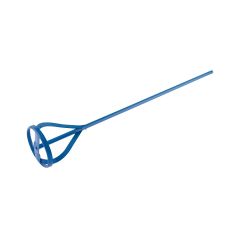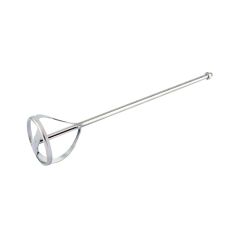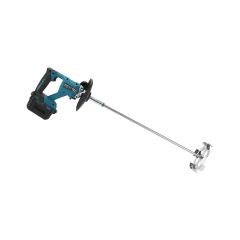
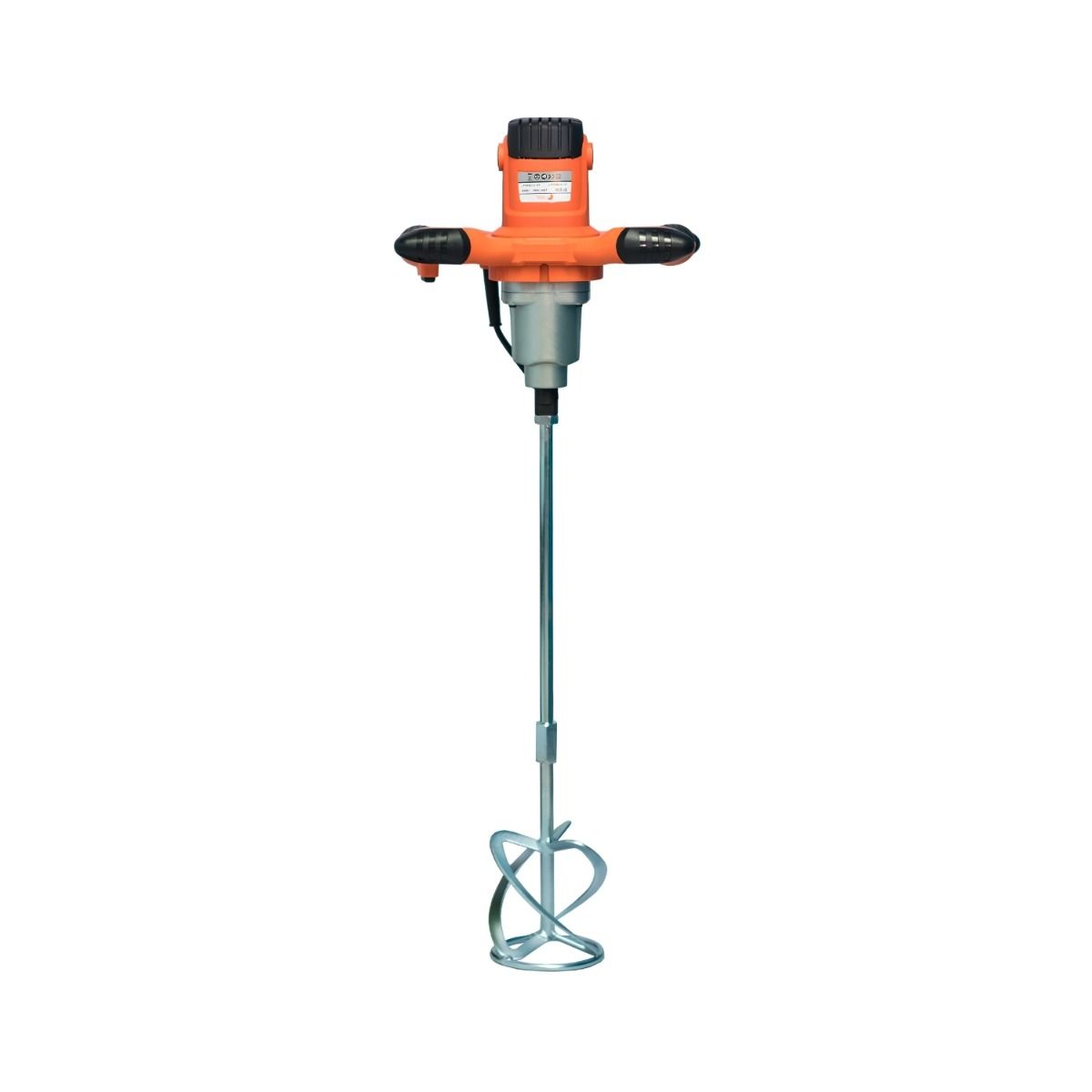
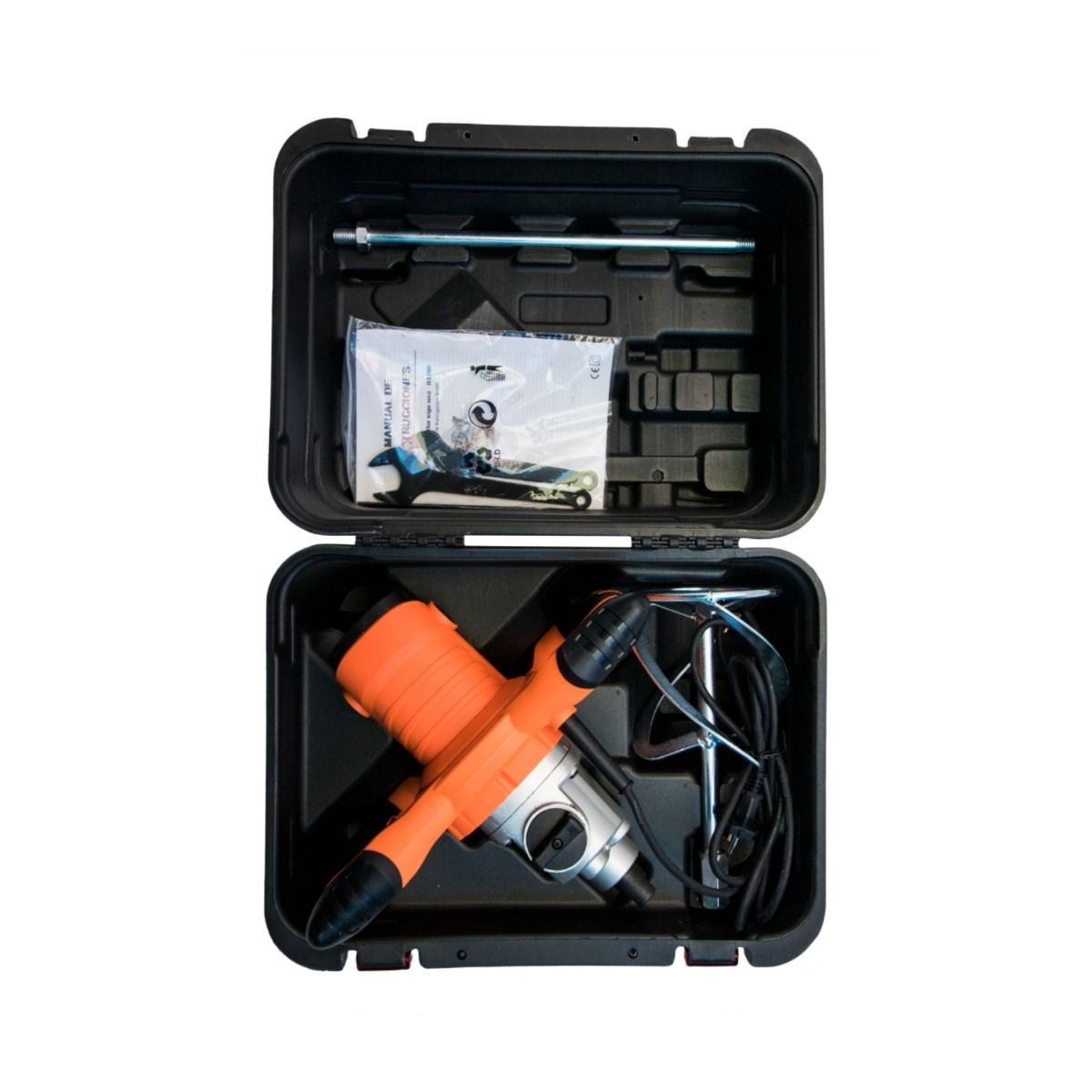
A professional 110V hand mixer for plaster, mortar, cement, tile adhesive, paint and other mixing materials on site.
- Two-speed gearbox with speeds up to 780 RPM
- 140mm mixing paddle diameter
- M14 paddle connection
- Constant electronic speed control
- Optional overload protection
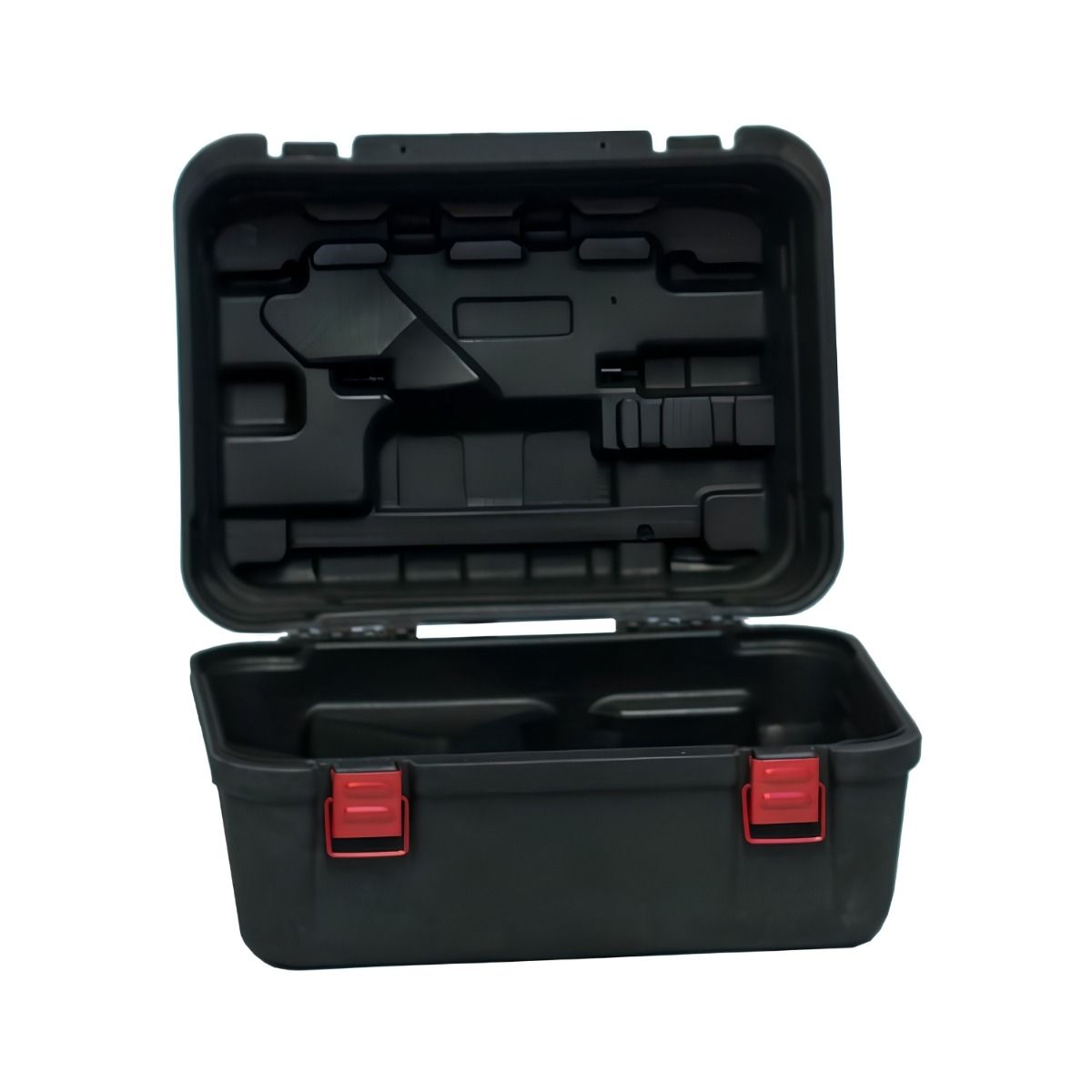
- Supplied in a protective carry case
MAX B 1700 Hand Mixer - 110V

A professional 110V hand mixer for plaster, mortar, cement, tile adhesive, paint and other mixing materials on site.
- Two-speed gearbox with speeds up to 780 RPM
- 140mm mixing paddle diameter
- M14 paddle connection
- Constant electronic speed control
- Optional overload protection
- Supplied in a protective carry case
- Buy 3 for £162.00 £135.00 each and save 9%
- Buy 5 for £142.80 £119.00 each and save 20%
| BULK DISCOUNT | 3 | 5 |
|---|---|---|
| Price | £135.00 £162.00 | £119.00 £142.80 |
Order 1x to earn 149 FASTPoints
Order to earn 149 FASTPoints
Log in to access trade discountsMAX B 1700 Hand Mixer 110V
The MAX B 1700 is a 110V hand mixer for trade professionals who need to mix materials quickly and consistently on site. It is suited to plaster, cement-based products, mortar, tile adhesive, paint, resins and bonding compounds.
Two gears provide a useful speed range for different material types. The 140mm paddle helps create an even mix, while the M14 thread allows compatible replacement paddles to be fitted. Constant electronic control supports steady mixing performance as the material thickens.
Key Features
-
110V site power: Designed for 110V site supply. Suitable for work areas using a site transformer.
-
Two-speed gearbox: First gear runs from 0 to 580 RPM. Second gear runs from 0 to 780 RPM. Select the speed that suits the material and mix consistency.
-
140mm mixing paddle: A 140mm paddle provides effective mixing coverage for common site materials.
-
M14 thread connection: Uses a standard M14 paddle thread. This makes it easy to fit compatible mixing paddles.
-
Constant electronic control: Helps maintain a controlled mixing speed during use.
-
Overload protection: Optional overload protection supports the machine during demanding mixing tasks.
-
Protective carry case: Keeps the mixer, paddle and accessories together during transport and storage.
Who Is This For
Trades and roles:
-
Plasterers
-
Bricklayers
-
Tilers
-
Flooring contractors
-
Painters and decorators
-
Resin flooring installers
-
General builders
-
Maintenance teams
Industries:
-
Construction
-
Refurbishment and fit-out
-
Plastering and rendering
-
Tiling
-
Flooring
-
Decorating
-
Facilities maintenance
Specifications
| Specification | Detail |
|---|---|
| Product code | PL030003 |
| Power supply | 110V |
| Speed, first gear | 0 to 580 RPM |
| Speed, second gear | 0 to 780 RPM |
| Paddle diameter | 140mm |
| Paddle thread | M14 |
| Weight | 8.2kg |
| Dimensions | 480 x 350 x 600mm |
| Electronic control | Constant electronic control |
| Protection | Optional overload protection |
Compatibility
| Material / accessory | Compatibility | Guidance |
|---|---|---|
| Plaster | Suitable | Start at a low speed and mix to the plaster manufacturer’s instructions. |
| Mortar | Suitable | Use first gear for greater control with heavier mixes. |
| Cement-based repair compounds | Suitable | Mix in manageable batches. Do not overload the bucket. |
| Tile adhesive | Suitable | Use a compatible paddle and follow the adhesive manufacturer’s water ratio. |
| Grout | Suitable | Mix at a controlled speed to help reduce air in the mix. |
| Render and bonding compounds | Suitable | Use a suitable paddle for the material consistency. |
| Paint and coatings | Suitable | Begin slowly to prevent splashing. |
| Resin products | Check manufacturer guidance | Only use mechanical mixing where the resin manufacturer permits it. |
| M14 mixing paddles | Compatible | The mixer has an M14 paddle thread. |
| 140mm mixing paddle | Compatible | The supplied paddle diameter is 140mm. |
| 110V site transformer | Required | Use a suitable 110V transformer supply. |
| 240V mains supply | Not compatible | Do not connect the mixer directly to a 240V mains socket. |
Who Is This For
This 110V hand mixer is for trades that regularly prepare bagged or liquid materials on site. It is a practical option for plasterers, tilers, builders and flooring contractors who need a more consistent mix than manual stirring can provide.
Typical Applications
-
Mixing plaster and finishing compounds before application.
-
Blending mortar and cement-based repair materials.
-
Preparing tile adhesive and grout.
-
Mixing render and bonding compounds.
-
Combining resin flooring materials where the manufacturer permits mechanical mixing.
-
Mixing paint, coatings and textured finishes.
-
Preparing fillers and jointing compounds.
-
Mixing small batches of construction materials in a suitable mixing bucket.
How to Use
Step 1: Check that the mixer, power cable and paddle are in good condition. Fit a suitable M14 mixing paddle securely.
Step 2: Place the material in a stable mixing bucket. Follow the material manufacturer’s mixing ratio and instructions.
Step 3: Connect the mixer to a suitable 110V site transformer supply.
Step 4: Start with the paddle fully inside the material. Select a low speed before beginning.
Step 5: Move the paddle slowly around the bucket. Keep it below the surface to reduce splashing and air bubbles.
Step 6: Increase the speed only when needed. Use the lower gear for heavier materials and greater control.
Step 7: Switch off and disconnect the mixer before lifting the paddle from the bucket.
Step 8: Clean the paddle immediately after use. Do not allow material to cure on the paddle or thread.
Common Mistakes
-
Starting the mixer with the paddle above the material. This can throw material from the bucket.
-
Using too high a speed for a thick mix. Start slowly and increase speed only if required.
-
Fitting a paddle with the wrong thread. Use a compatible M14 paddle only.
-
Mixing more material than the bucket can safely hold. Leave space to prevent spills.
-
Ignoring the material manufacturer’s water ratio. Too much or too little water can affect product performance.
-
Letting plaster, adhesive or mortar dry on the paddle. Clean it straight after use.
-
Connecting the tool directly to 240V mains. Use only a suitable 110V supply.
Safety
Wear suitable eye protection, gloves and safety footwear when mixing materials. Use respiratory protection where the material safety data sheet requires it, especially when handling dry powders. Keep loose clothing, jewellery and hair away from the rotating paddle. Always keep both hands on the handles during use. Ensure the bucket is stable before starting the mixer. Do not use the tool in standing water or exposed rain. Disconnect it from the power supply before changing the paddle, cleaning or carrying out maintenance.
Maintenance
Disconnect the mixer before maintenance. Wipe the body clean after use and remove material from the paddle before it hardens. Keep the M14 thread clean so paddles can be fitted securely. Check the cable, plug, handles and paddle before each use. Do not use the mixer if any part is damaged. Store the mixer and accessories in the carry case in a clean, dry location.
Frequently Asked Questions
Q: What materials can the MAX B 1700 mix?
A: It is suitable for common trade materials such as plaster, mortar, cement-based compounds, tile adhesive, grout, paint, resin and bonding compounds. Always follow the material manufacturer’s instructions.
Q: What is the difference between the two gears?
A: First gear provides a speed range of 0 to 580 RPM. Second gear provides 0 to 780 RPM. Lower speeds give greater control for heavier materials. Higher speeds can be useful for lighter materials and final blending.
Q: What paddle size does this mixer use?
A: The supplied paddle diameter is 140mm. The paddle connection uses an M14 thread.
Q: Can I fit another paddle to this hand mixer?
A: Yes, provided it has a compatible M14 thread and is suitable for the material being mixed.
Q: Does this mixer need a 110V transformer?
A: Yes. Use it with a suitable 110V site transformer supply. Do not connect it directly to a 240V mains socket.
Q: How should I clean the mixing paddle?
A: Clean the paddle immediately after use, before the material has time to set. Follow the material manufacturer’s cleaning guidance.
Q: Can I mix materials in any bucket?
A: Use a strong, stable bucket that is suitable for the material and batch size. Do not overfill it.
Q: What does constant electronic control do?
A: It helps maintain a controlled mixing speed as resistance changes in the material.