What Size Water Tank Do I Need? A Guide by Capacity and Use
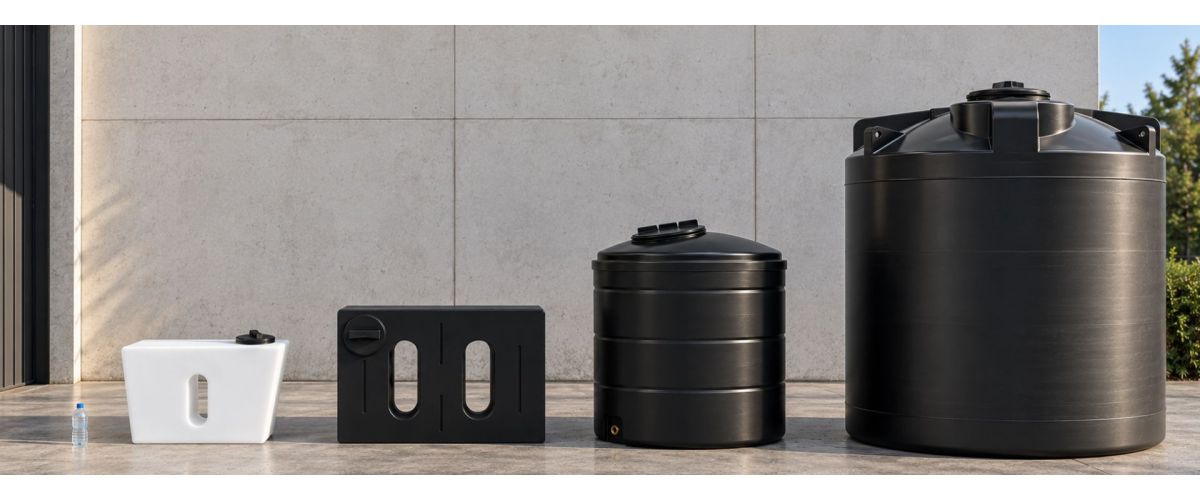
Water tanks are not one size fits all. A slim tank made for a narrow side return will not hold enough water for a farm. A large industrial tank will not fit against a garden wall. This guide breaks the range down by what you actually need the water for, so you can go straight to the size and shape that fits your site.
Work Out Your Use Case First
Before you look at litres, think about what the water is for and how much space you actually have. A tank for topping up garden irrigation has very different needs to one holding an emergency reserve for a commercial site. The right shape and size follow from that, not the other way round.
Small Gardens and Tight Spaces
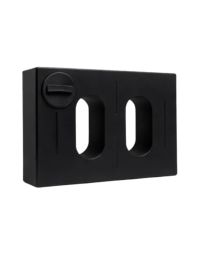
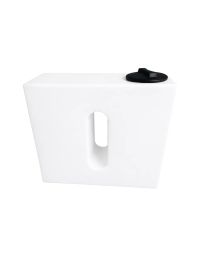
If space is the main constraint, a slimline tank is usually the answer. These tanks are flat rather than round, so they sit flush against a wall, garage or fence instead of needing clearance on every side. They are moulded from UV stabilised MDPE and rated for potable water as well as general use, and the range runs from 200 up to 650 litres.
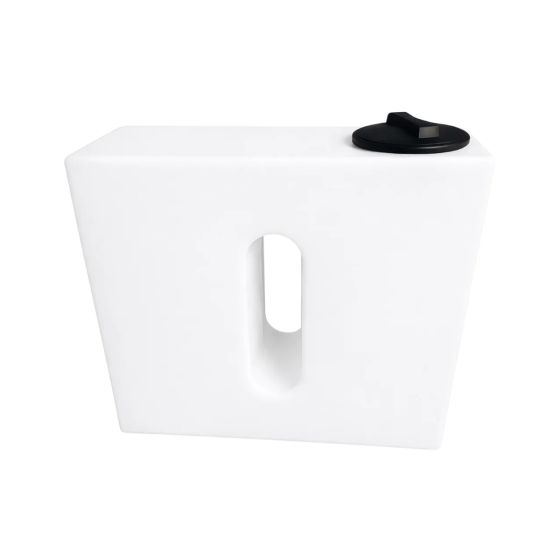
200 Litre Slimline Water Storage Tank
Fits flush against walls and fences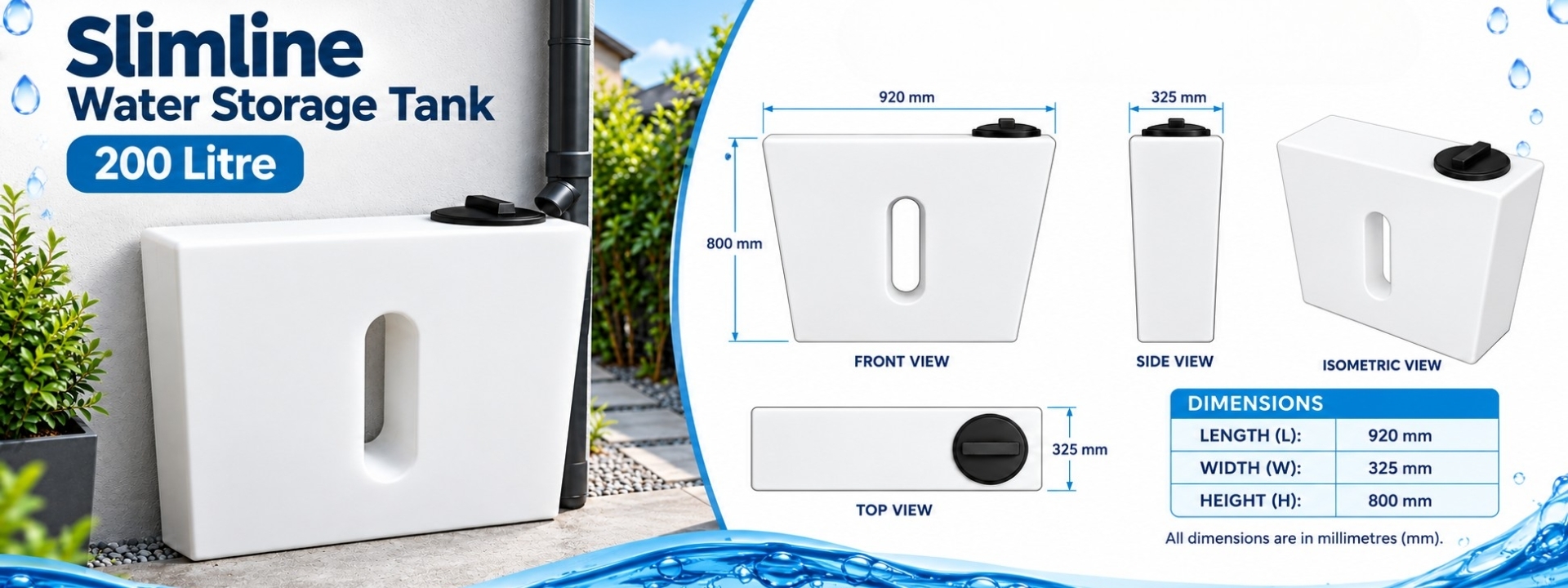
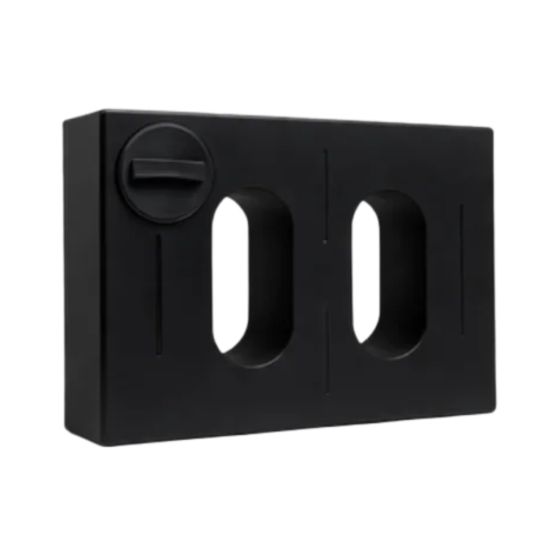
500 Litre Slimline Water Storage Tank
Same footprint, more capacity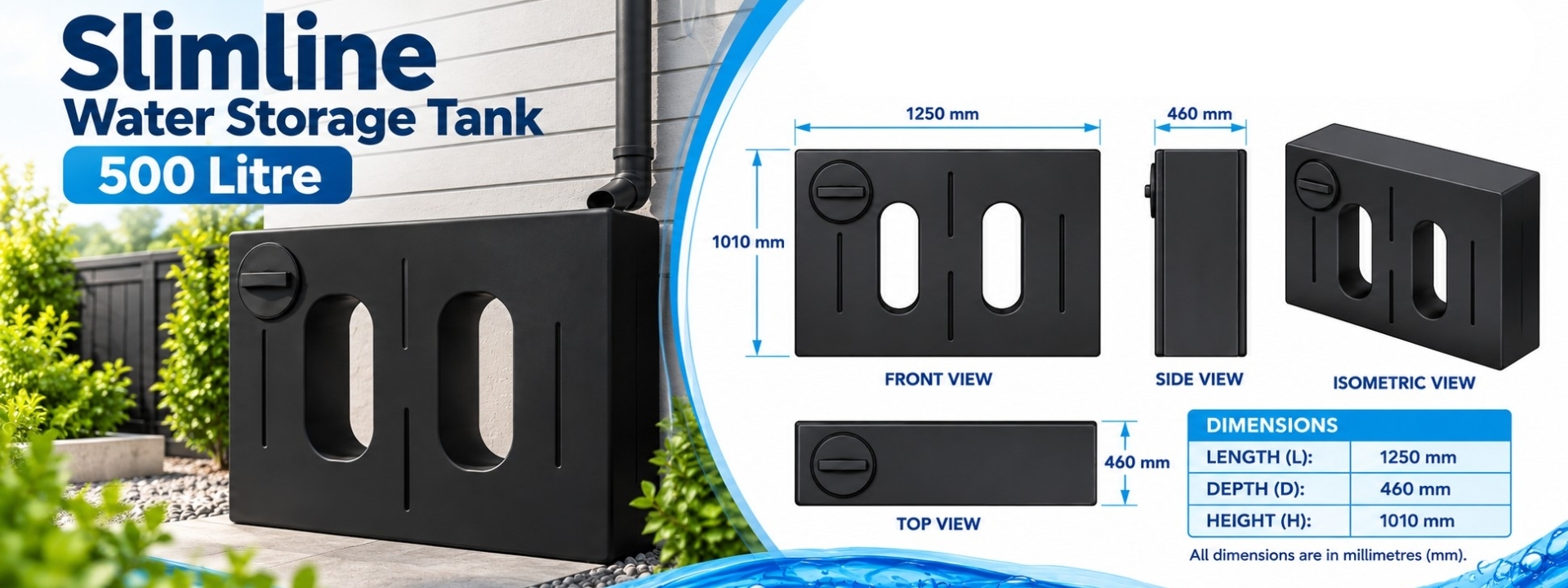
Rainwater Harvesting and General Site Use
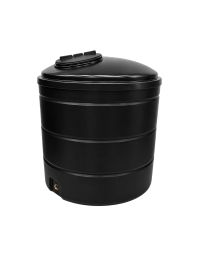
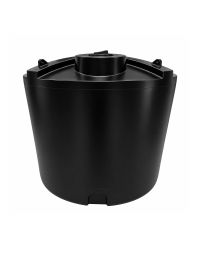
Where floor space is not as tight, a round Eco tank holds more water in a shorter overall height. The Eco range carries WRAS approval, an independently verified UK standard for materials that come into contact with drinking water, so these tanks are rated for potable use rather than just general storage. Sizes in the range run from 800 up to 2500 litres.
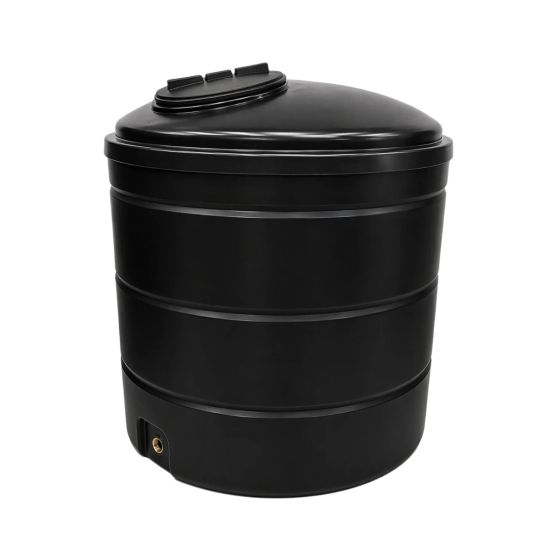
1200 Litre Eco Water Storage Tank
WRAS approved, space efficient
Farm Irrigation and Livestock Watering
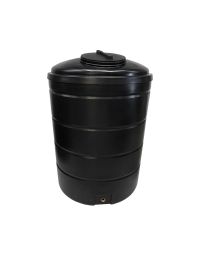
Farms and smallholdings tend to need more sustained capacity, feeding an irrigation system or a livestock water point throughout the day rather than topping up occasionally. The 1600 litre Eco tank is a common choice here, holding enough in reserve to reduce how often the tank needs refilling, while keeping the same WRAS approved, weather resistant construction as the rest of the range.
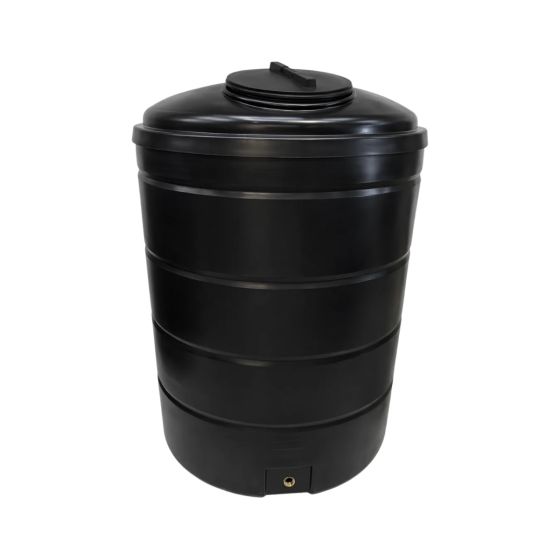
1600 Litre Eco Water Storage Tank
Built for irrigation and livestock
Commercial and Agricultural Bulk Storage
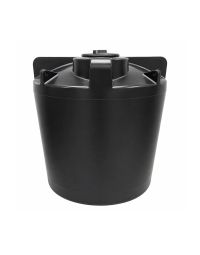
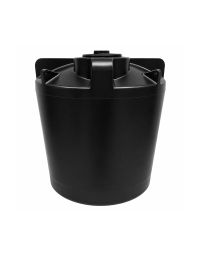
Once daily demand goes beyond what a domestic sized tank can hold, the Heavy Duty range takes over. These tanks are built from UV stabilised HDPE and hold their capacity in a genuinely space efficient footprint, gaining volume through height rather than a wider base. The 5000 and 6000 litre models share the same 1900mm diameter, so moving up a size does not cost any extra ground space.
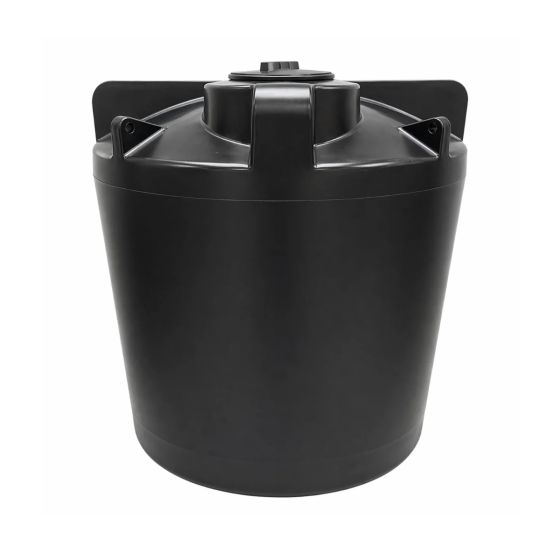
5000 Litre Heavy Duty Water Storage Tank
Bulk storage, space efficient footprint
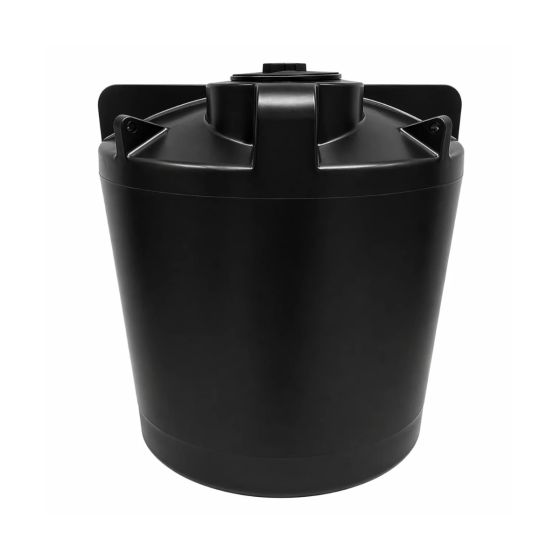
6000 Litre Heavy Duty Water Storage Tank
Same footprint, more capacity
Industrial Use and Emergency Reserves
At the top of the range, a 10000 litre tank gives industrial sites and emergency water planning a genuine standby reserve, enough to cover sustained use or an extended period without a refill delivery. A tank this size needs firm, level, load bearing ground. A full 10000 litre tank weighs around 10 tonnes, so ground conditions are worth checking before delivery.
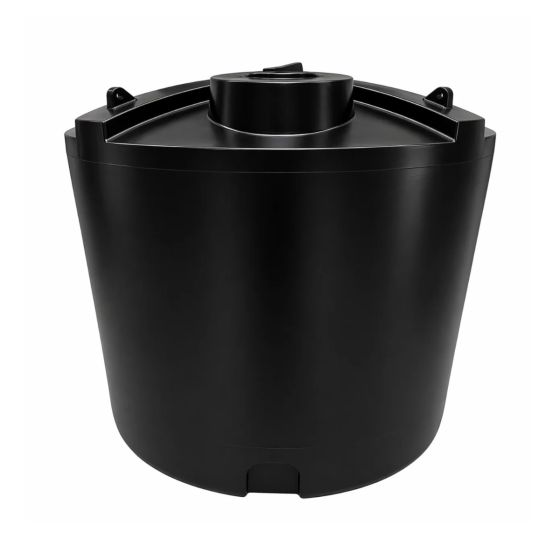
10000 Litre Heavy Duty Water Storage Tank
Largest in the range
Quick Reference
| Use Case | Recommended Shape | Capacity Range |
|---|---|---|
| Small gardens, tight spaces | Slimline | 200 to 650 litres |
| Rainwater harvesting, general site use | Eco | 800 to 2500 litres |
| Farm irrigation, livestock | Eco | 1200 to 2500 litres |
| Commercial, agricultural bulk storage | Heavy Duty | 5000 to 8000 litres |
| Industrial, emergency reserve | Heavy Duty | 10000 litres |
Frequently Asked Questions
What is the difference between a slimline and a round water tank?
A slimline tank is flat, built to sit flush against a wall, garage or fence where a round tank's wide diameter would not fit. A round tank, such as the Eco or Heavy Duty ranges, holds more water in a shorter overall height once floor space is available, since it does not need to keep a flat profile.
Are these tanks safe for storing drinking water?
Many are. Look for WRAS approval specifically. WRAS stands for the Water Regulations Advisory Scheme, and it is an independent, UK specific verification that a material will not contaminate water it comes into contact with. A general potable claim on its own is not the same level of assurance.
How much water storage does a typical site actually need?
It depends on demand, not just space. A small garden or side return rarely needs more than a few hundred litres. A farm running irrigation or livestock watering daily often needs 1200 litres upwards. Commercial and industrial sites planning for a genuine emergency reserve typically look at 5000 litres or more.
Do large water tanks need any ground preparation?
Yes, and it matters more as capacity increases. A full 5000 litre tank weighs around 5 tonnes, and a full 10000 litre tank weighs around 10 tonnes. The ground needs to be firm, level and capable of bearing that load without settling, particularly on sites with soft or made up ground.
Browse the full range of water containers and storage tanks
View Water Containers →