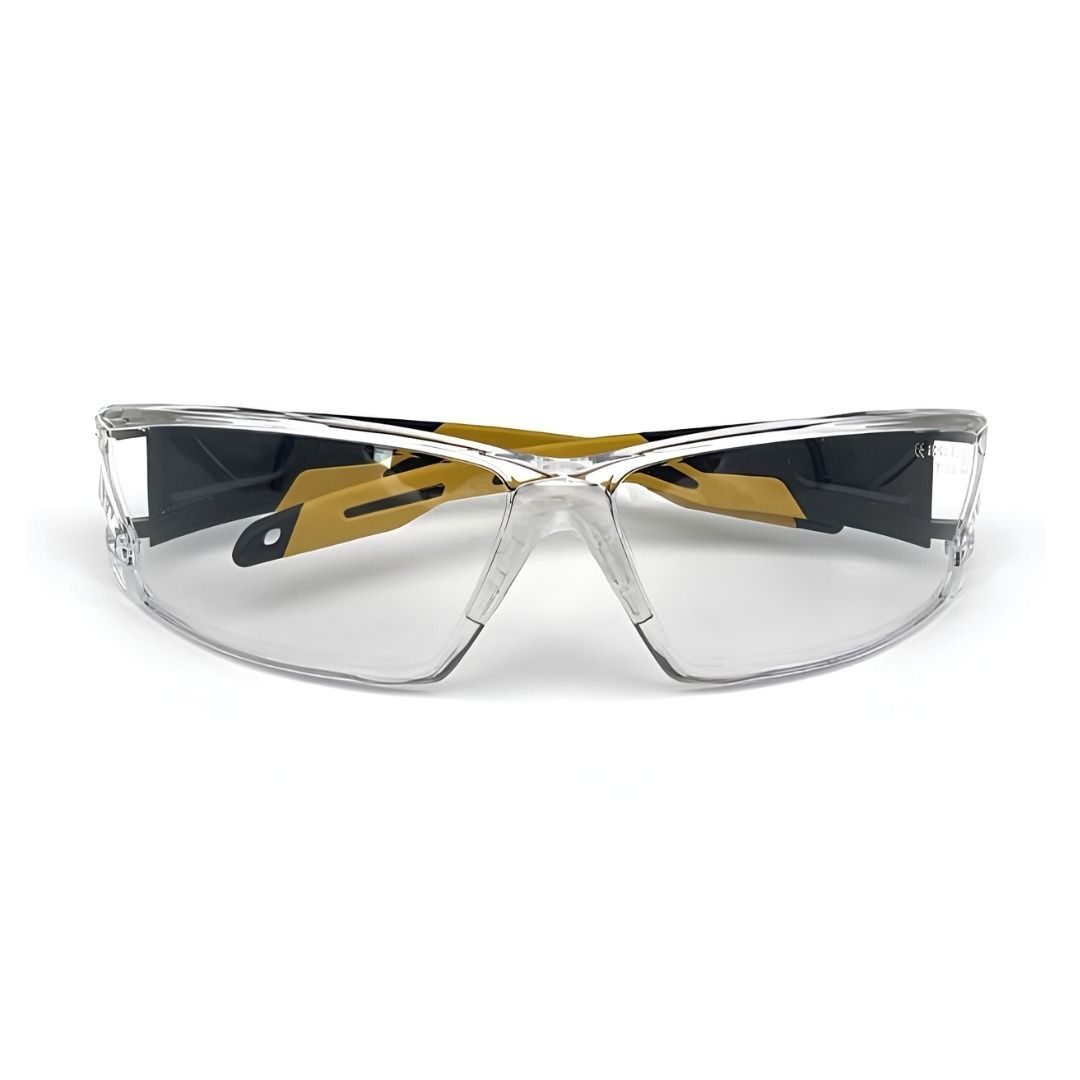
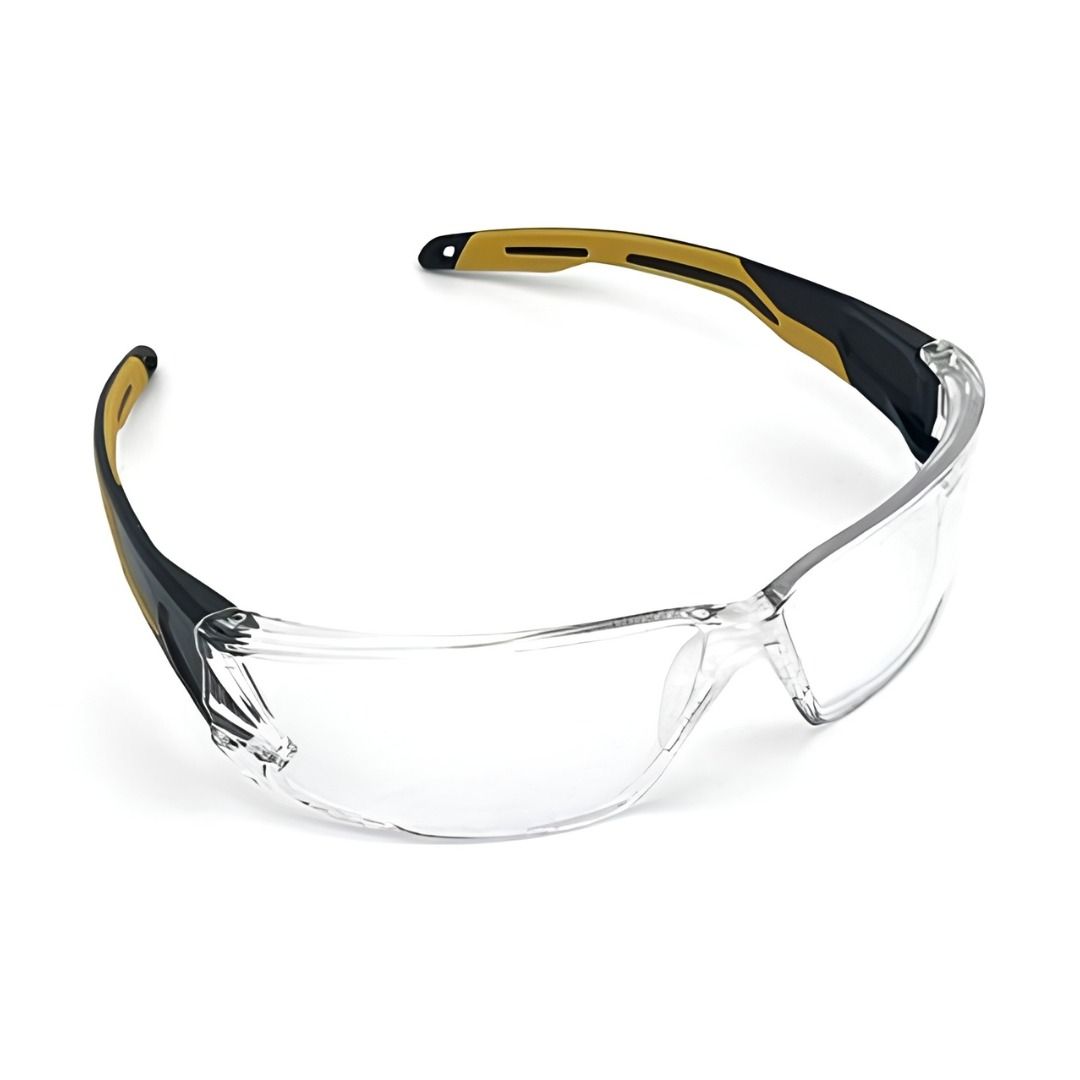
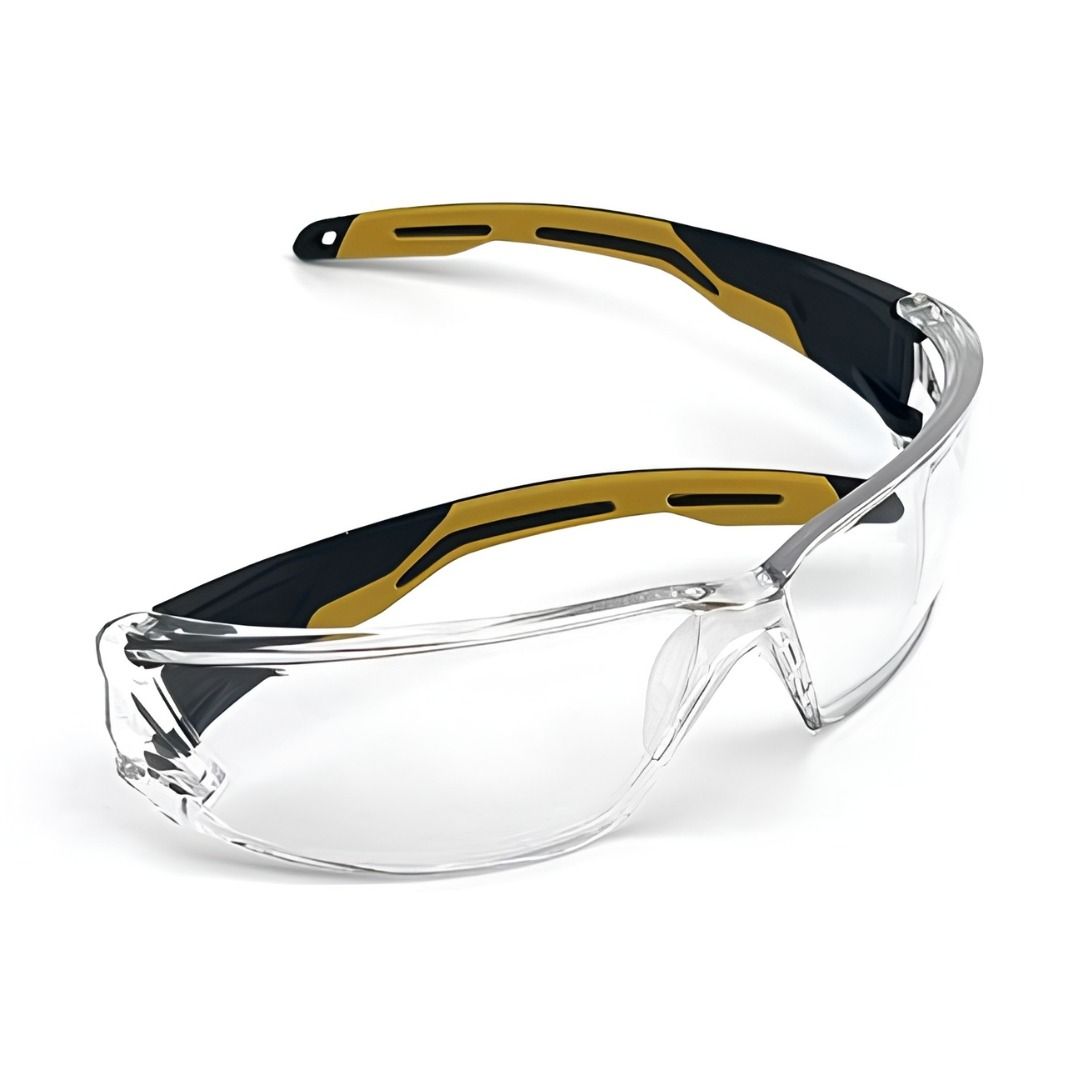
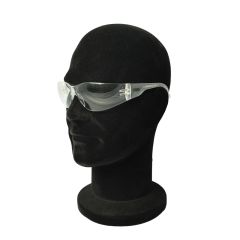
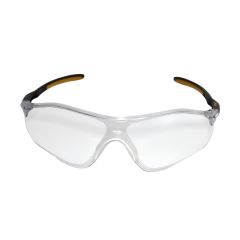
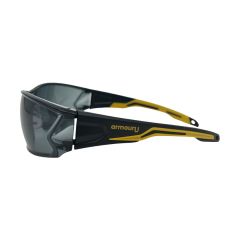
Anti-fog metal-free safety glasses clear lens black and yellow arms side profile armourU branding | CMT Group UK
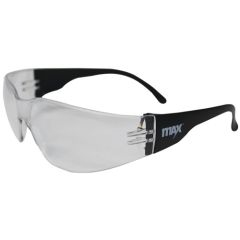
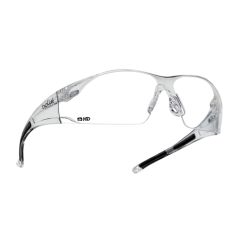
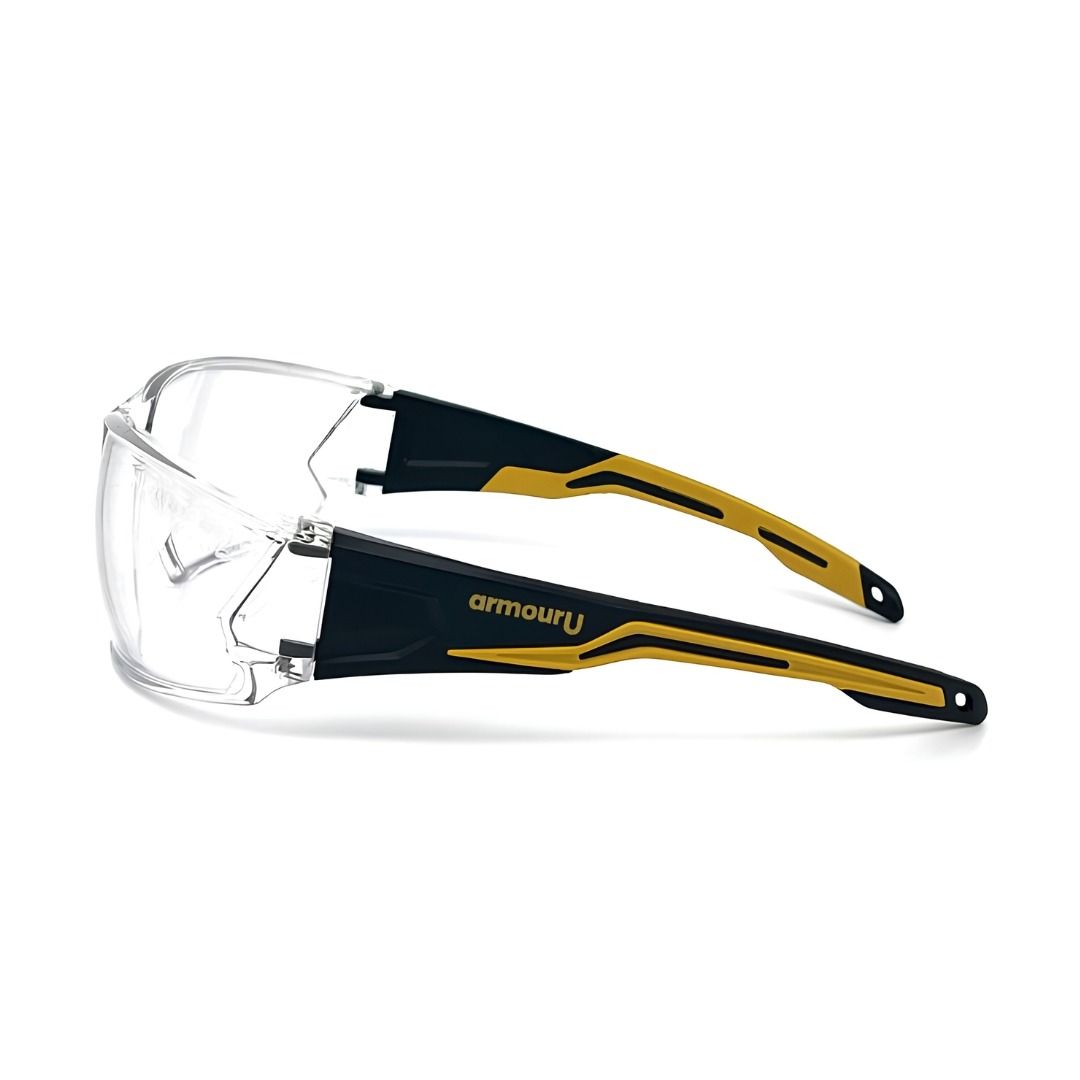
Anti-fog metal-free safety glasses clear lens black and yellow arms side profile armourU branding | CMT Group UK Metal-free frameless safety glasses clear polycarbonate lens front angled view | CMT Group UK Metal-free safety Spectacles clear polycarbonate angled three-quarter view showing arm construction | CMT Group UK armourU K2 Safety Glasses Metal-Free EN166 | CMT Group UK

Anti-fog metal-free safety glasses for food production, pharmaceutical, and industrial operatives requiring EN166 certified eye protection where metal contamination is a site risk.

  • EN166 FTKN certified, EN170 2C-1.2 UV protection
  • CE and UKCA marked
  • Optical class 1 clear polycarbonate lens
  • Permanent anti-fog and scratch-resistant coatings 
  • Polycarbonate frameless and screwless design, fully metal-free construction
  • Non-slip arms, clear TPE nose rest for extended comfort
  • Lightweight, approximately 25g
  • Recycled polyester pouch and recycled paper box
  • smoke lens available separately (AEYK2S)

armourU K2 Safety Glasses - Clear Lens Anti-Fog Metal-Free EN166

Code
AEYK2C
8840+ In Stock

Anti-fog metal-free safety glasses for food production, pharmaceutical, and industrial operatives requiring EN166 certified eye protection where metal contamination is a site risk.

  • EN166 FTKN certified, EN170 2C-1.2 UV protection
  • CE and UKCA marked
  • Optical class 1 clear polycarbonate lens
  • Permanent anti-fog and scratch-resistant coatings 
  • Polycarbonate frameless and screwless design, fully metal-free construction
  • Non-slip arms, clear TPE nose rest for extended comfort
  • Lightweight, approximately 25g
  • Recycled polyester pouch and recycled paper box
  • smoke lens available separately (AEYK2S)
£7.28 £6.07
  • Buy 20 for £6.98 £5.82 each and save 4%
  • Buy 50 for £6.71 £5.59 each and save 8%
  • BULK DISCOUNT 20 50
    Price £5.82 £6.98 £5.59 £6.71

Order 1x to earn 6 FASTPoints

Order to earn 6 FASTPoints

Log in to access trade discounts
8840+ In Stock

armourU K2 Safety Glasses - Clear Lens

Anti-fog metal-free safety glasses for operatives in food production, pharmaceutical, sterile, and general industrial environments where metal-free PPE is a site specification requirement alongside EN166 certified eye protection. The frameless polycarbonate construction eliminates all metal components, no screws, no metal fixings of any kind, whilst the permanent anti-fog and scratch-resistant coatings on both sides of the clear optical class 1 lens maintain undistorted vision in humid conditions, temperature transitions, and mask-wearing environments. Certified to EN166 FTKN and EN170 2C-1.2, CE and UKCA marked, and supplied in recycled packaging.

How fully metal-free construction opens environments where standard safety glasses cannot be specified

Standard safety glasses with metal screws, wire frames, or metal hinges fail the metal-free requirement on food production lines, pharmaceutical clean rooms, and sterile processing environments where metal detectors are in operation or where metal contamination of product or process is a compliance obligation. Operatives in these environments are typically issued sealed goggles instead, which deliver the required metal-free protection but at a significant cost to all-day comfort and field of vision compliance. The fully polycarbonate frameless and screwless construction of the K2 satisfies the metal-free site requirement whilst maintaining EN166 FTKN certified protection in a lightweight, open-vision design that operatives will actually wear for a full shift.

Key Features

  • Fully metal-free, frameless, and screwless: No metal components anywhere in the lens, frame, or arm assembly. Polycarbonate throughout. Passes metal detection requirements for food production, pharmaceutical, and sterile environments where any metal contamination of product, equipment, or process must be eliminated.

  • Frameless polycarbonate lens: The lens sits without a surrounding frame, delivering an unobstructed field of vision with no peripheral visual interruption from a frame edge. Reduced material also contributes to the lightweight construction.

  • Permanent anti-fog and scratch-resistant coatings, both sides: Applied permanently to both the inner and outer lens surface. Inner coating addresses fogging from body heat and exhaled breath. Outer coating resists condensation in temperature-change environments. Both coatings meet EN166 N and K performance requirements independently.

  • Optical class 1 clear polycarbonate lens: The highest optical quality rating under EN166, minimum distortion, maximum light transmission, suitable for all-day wear, and the only class rated for use when driving with eye protection required.

  • EN166 FTKN and EN170 2C-1.2 certified, CE and UKCA marked: Low energy impact resistance (F), hot particle resistance (T), anti-scratch (K), and anti-fog (N). EN170 2C-1.2 confirms UV protection with a clear optical class 1 lens. Independently assessed under UK PPE Regulations.

  • Non-slip arms with clear TPE nose rest: The clear TPE nose rest distributes frame weight evenly across the bridge without pressure points. Non-slip arm material keeps the glasses in position during physical activity and repeated fitting and removal.

  • Recycled packaging, ThinkGreen range: Recycled polyester pouch made from two reclaimed 1-litre plastic water bottles, supplied in a recycled paper box. No virgin single-use plastic.

Who is this for

Trades and roles:

  • Food production and processing operatives

  • Pharmaceutical and laboratory workers

  • Construction and engineering operatives on metal-free specified sites

  • H&S and PPE procurement leads managing mixed-environment programmes

  • Clean room and sterile environment workers

Industries:

  • Food production and processing

  • Pharmaceutical manufacturing

  • Construction and engineering

  • Chemical processing

  • Facilities management and sterile environments

 Specifications

Specification Detail
Product Name armourU K2 Safety Glasses - Clear Lens Anti-Fog Metal-Free EN166
SKU AEYK2C
Product Type Safety glasses (safety spectacles)
EN Standard EN166:2001 and EN170:2002
EN166 Marking FTKN
EN166 F Low energy impact resistance — 45 m/s steel ball
EN166 T Resistance to hot particles and extreme temperatures
EN166 K Resistance to surface damage by fine particles (anti-scratch)
EN166 N Not susceptible to fogging (anti-fog)
EN170 Marking 2C-1.2
UV Protection Filter code 2C — full UV-A and UV-B protection
Optical Class Class 1 — highest optical quality, minimum distortion
Lens Material Clear polycarbonate (PC)
Lens Colour Clear
Frame Design Frameless and screwless
Metal-Free Yes — no metal components anywhere in the construction
Lens Treatment Permanent anti-fog and scratch-resistant coatings — both sides
Arms Non-slip polycarbonate
Nose Rest Clear TPE (thermoplastic elastomer)
Weight Approximately 25g
Compliance Markings CE and UKCA
Smoke Lens Variant AEYK2S — available separately
Pouch Recycled polyester (made from two reclaimed 1-litre plastic water bottles)
Packaging Recycled paper box

Compatibility

Application or Condition Detail
Low energy impact — flying debris, chips, particles ✓ Compatible
Hot particle exposure — grinding, cutting, sparks ✓ Compatible
UV protection — outdoor site and construction work ✓ Compatible
Humid and mask-wearing environments (anti-fog) ✓ Compatible
Metal detection environments — food and pharmaceutical ✓ Compatible
Sterile and clean room environments ✓ Compatible
All-day wear — optical class 1 ✓ Compatible
Chemical or liquid splash protection ✗ Not recommended — open frame cannot seal
Large dust or fine particle ingress protection ✗ Not recommended — sealed goggles required
High energy impact tasks (B or A rated) ✗ Not recommended — rated F (low energy) only
Laser protection ✗ Not recommended — no laser filter rating
Welding arc protection ✗ Not recommended — no welding filter


Who is this for

Metal-free anti-fog safety glasses used primarily by operatives in food production, pharmaceutical manufacturing, and sterile processing environments where site specifications require all PPE to be free of metal components due to metal detection equipment or contamination control obligations. They are equally suited to construction, engineering, and general industrial operatives whose sites specify metal-free PPE as a procurement requirement, and to H&S leads managing mixed-environment issue programmes where a single EN166 certified metal-free product can cover multiple site types from a single stock line.

Typical applications

  • Food production line work where metal detector equipment is in operation and metal-free PPE is a mandatory site requirement to prevent contamination of product.

  • Pharmaceutical manufacturing and clean room environments where metal contamination of product, equipment, or sterile process is a compliance obligation.

  • Overhead drilling, cutting, and grinding tasks on construction and engineering sites with metal-free PPE specifications.

  • General industrial environments where operatives work in humid or temperature-variable conditions requiring anti-fog performance throughout the shift.

  • Mask-wearing environments, operatives wearing FFP2 or FFP3 respirators where exhaled breath drives continuous inner lens fogging.

  • Outdoor construction and groundwork with UV exposure throughout the working day.

  • Site management and inspection visits on food, pharmaceutical, or sensitive industrial sites where standard safety glasses with metal components fail the site entry PPE requirement.

  • Mixed-environment issue programmes where procurement teams specify a single metal-free EN166 product to cover both production-floor and site operatives from one stock line.

How to use

Step 1: Hold the glasses by the arms and position the frameless lens in front of the eyes, then extend the arms over the ears until they seat securely without pressure.

Step 2: Check the clear TPE nose rest sits flat and evenly across the bridge of the nose. The frameless construction is lightweight, if the frame sits unevenly, adjust by gently repositioning the arms.

Step 3: Confirm the non-slip arm material is in contact with the head behind the ears before beginning work.

Step 4: Do not touch the inner lens surface with bare fingers, skin oils degrade anti-fog coating over time. Handle by the arms and outer frame edges only.

Step 5: Store in the supplied recycled polyester pouch after every use to protect the lens surface from scratching.

Common mistakes

  • Assuming metal-free means reduced protection: EN166 FTKN certification applies to these glasses in full, the frameless polycarbonate construction meets the same low energy impact, anti-scratch, anti-fog, and hot particle resistance requirements as framed alternatives with metal components.

  • Wiping the lens with clothing, paper tissue, or a rough cloth: abrasive materials scratch polycarbonate and damage the anti-scratch coating permanently. Use only dedicated lens wipes or a clean soft cloth.

  • Using solvent-based cleaners: acetone, alcohol sprays, and solvent-based products degrade polycarbonate and permanently impair both the anti-fog and anti-scratch coatings. Use water or a water-based lens cleaning solution only.

  • Storing without the pouch: a frameless lens stored loose in a pocket, tool bag, or on a surface picks up scratches from contact with hard objects within days. The pouch is functional PPE maintenance, not optional packaging.

  • Continuing to use cracked or heavily scratched lenses: damaged polycarbonate no longer provides reliable EN166 impact protection. Replace immediately when cracking or deep scratching is visible.

Safety

These glasses are certified to EN166 FTKN (low energy impact, hot particles, anti-scratch, anti-fog) and EN170 2C-1.2 (UV filter, optical class 1). They provide protection against low energy impacts at up to 45 m/s and are suitable for general construction, engineering, food production, and industrial tasks. They do not protect against chemical splash, large dust ingress, high energy impacts, or laser exposure. Specify in accordance with the Personal Protective Equipment at Work Regulations 1992 (as amended) and the findings of a suitable workplace risk assessment. EN166 is being superseded by EN ISO 16321, this product's existing certification remains valid during the current transition period.

Maintenance

Clean with dedicated lens wipes or a clean soft cloth moistened with water or a water-based cleaning solution. Pat dry to reduce scratch risk. Never use solvent-based cleaners, paper tissue, or rough fabric. Inspect the lens before each use and replace if cracking, impact damage, or heavy scratching is visible. Store in the supplied recycled polyester pouch between uses.

Frequently Asked Questions

Q: Why does metal-free construction matter for safety glasses?
A: On food production lines, pharmaceutical clean rooms, and sterile processing environments, metal detector equipment is used to identify and reject any metal contamination in product or process. Standard safety glasses with metal screws, wire hinges, or metal frame components will trigger or create contamination risk in these environments and cannot be worn on site. A fully polycarbonate, screwless, and metal-free construction eliminates this risk entirely, allowing operatives to wear certified EN166 eye protection without any metal contamination concern. The same metal-free specification is also applied on some construction and general industrial sites as a procurement-wide PPE requirement.

Q: What does EN166 FTKN mean?
A: EN166 is the UK and European standard for personal eye protection. FTKN covers four independently tested performance characteristics: F confirms the lens and frame withstand a steel ball at 45 m/s, low energy impact protection for flying debris and chips. T confirms resistance to hot particles and extreme temperatures. K confirms the anti-scratch coating meets EN166's abrasion resistance requirement. N confirms the anti-fog coating passes EN166's fogging resistance test. CE and UKCA markings confirm independent assessment under UK PPE Regulations.

Q: What are these glasses not suitable for?
A: The open frame cannot seal against the face, these must not be used for liquid splash, fine dust ingress, or gas exposure, where sealed goggles with the relevant EN166 field-of-use rating are required. They are rated F (low energy, 45 m/s) only and must not be used for high-velocity impact tasks requiring B or A rated protection. They carry no laser filter or welding filter rating. They are plano lenses only and do not correct vision.

Q: What is the difference between the K2 and the Kanchenjunga?
A: Both carry identical EN166 FTKN and EN170 2C-1.2 certifications with optical class 1 clear lenses and permanent dual-side anti-fog and anti-scratch coatings. The key differences are construction and environment. The K2 is frameless, screwless, and fully metal-free, suited to food production, pharmaceutical, and metal-detector environments. The Kanchenjunga has a polycarbonate frame with stainless steel screw fixings, suited to construction and engineering sites where metal-free is not a requirement and the screw-secured arms provide a slightly more stable fit for outdoor and physically demanding work. The K2 weighs approximately 25g; the Kanchenjunga approximately 22g.

Q: Is the frameless design less protective than a framed spectacle?
A: No. EN166 certification is based on lens and frame performance in standardised tests, not on whether a frame is present. These glasses carry the full FTKN certification, which includes low energy impact resistance (F) regardless of frame design. The frameless construction eliminates the frame as a visual obstruction and reduces material weight, but it does not reduce the certified protection level.

Q: Can I get the same design with a tinted lens for outdoor use?
A: Yes. The K2 is also available with a smoke lens as AEYK2S. The smoke lens variant carries the same metal-free frameless construction and EN166 certification, with a tinted lens suited to outdoor use in bright conditions where glare reduction is required alongside eye protection.

Q: How do I maintain the coatings?
A: Clean with dedicated lens wipes or a clean soft cloth and water only, never solvent-based cleaners, alcohol sprays, or paper tissue, all of which degrade polycarbonate and damage both coatings. Store in the supplied recycled polyester pouch after every use. Replace when cracking, deep scratching, or impact damage is visible.

File Icon K2 INSTRUCTIONS (241.07 kB)
CMT Equipment Ltd