Wrong site lighting costs money, creates safety risks, and fails compliance checks. This guide maps every construction site lighting need to the right product, from a 10W magnetic COB work light to an 84,000lm tower flood, with Highways Act and BS 5266 compliance covered throughout.
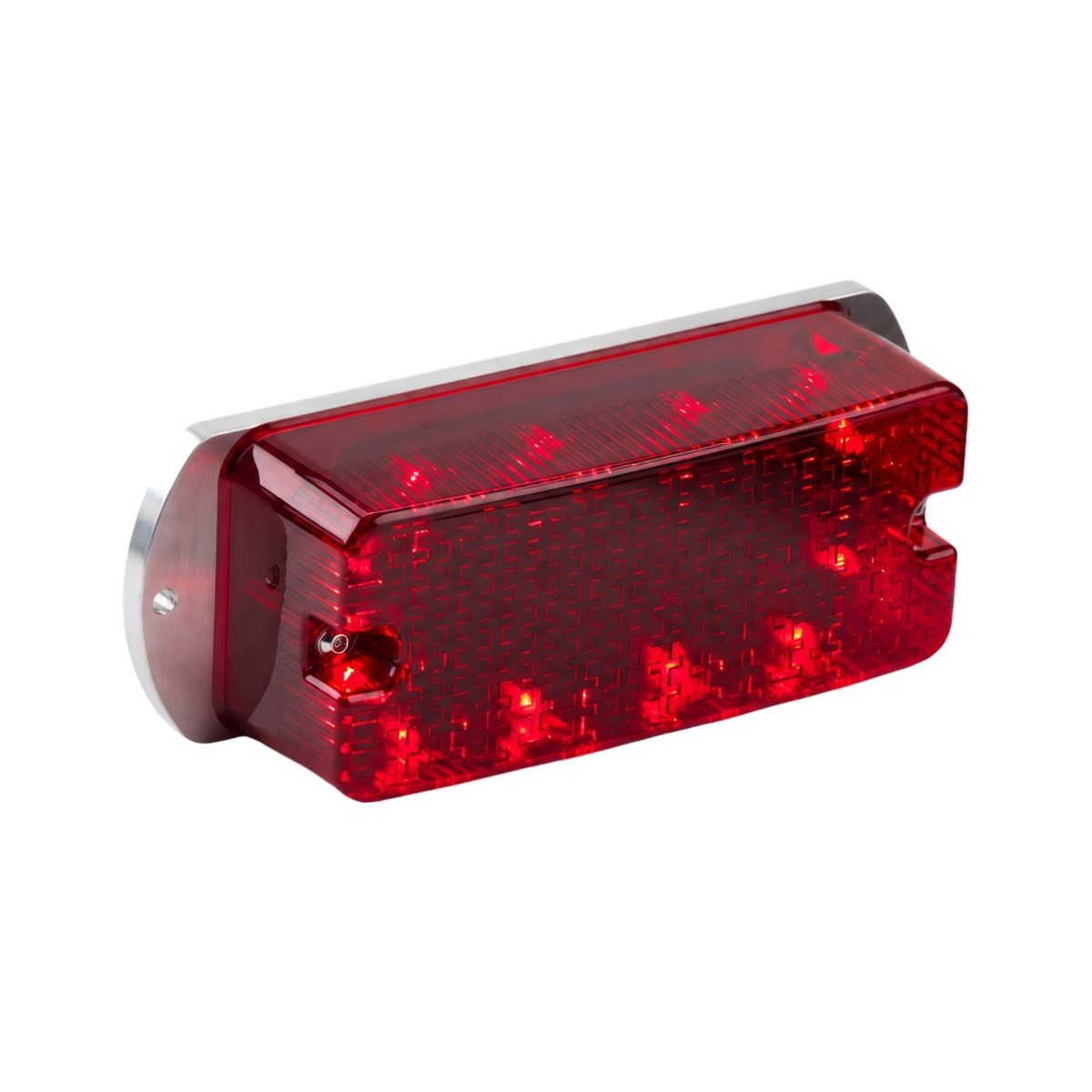
Battery powered red LED hoarding light for construction sites, compliant with the lighting requirements of the Highways Act 1980.
- Photocell for automatic dusk-to-dawn operation
- 12-week minimum battery life, 4 x D-type batteries included
- Three selectable modes, Off, Continuous, and Flashing
- Tamper-resistant fittings and security key supplied
- Recyclable aluminium body with polycarbonate prismatic lens
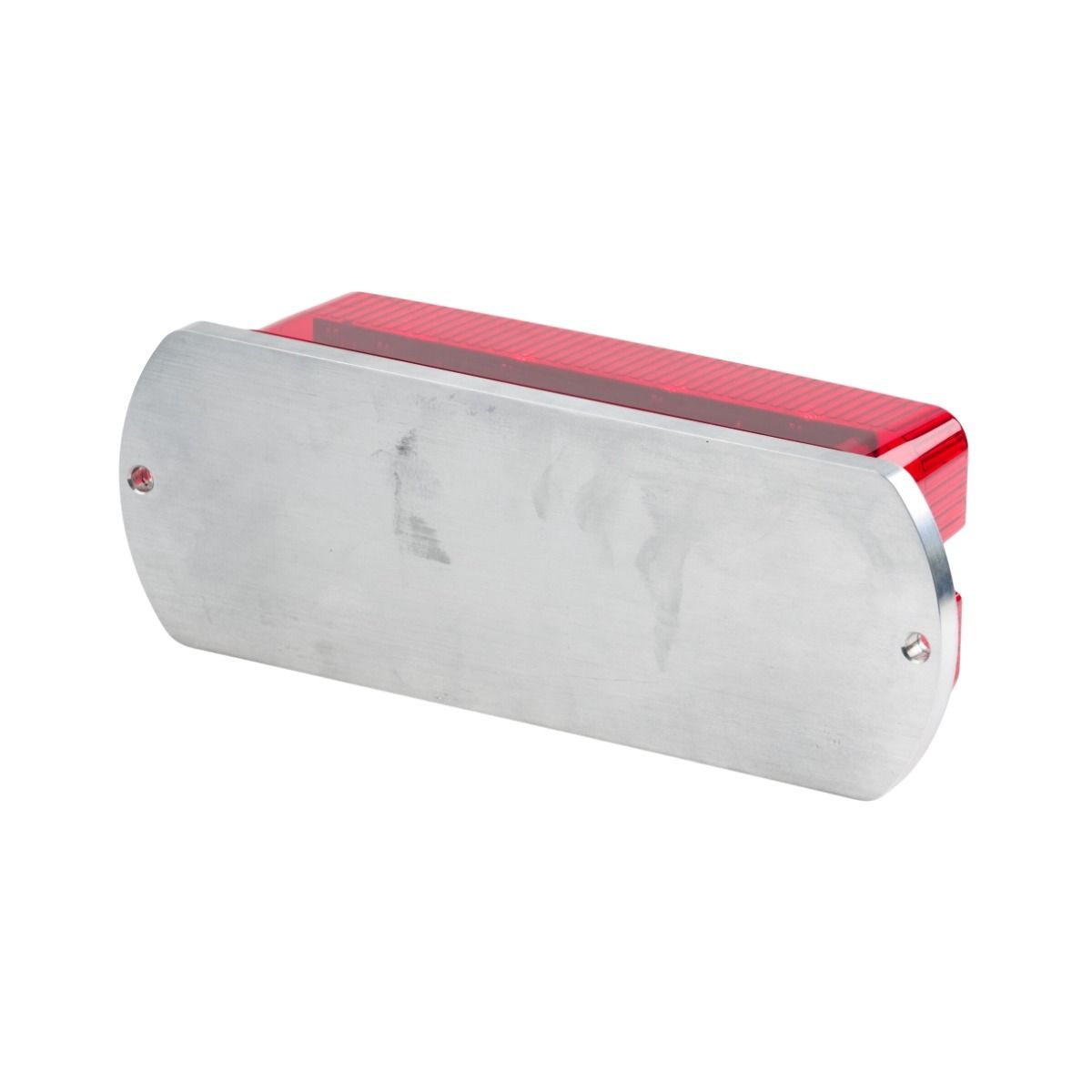
- Fixed via 2 x 8mm mounting holes on back plate
- RoHS compliant
Battery Powered Hoarding Light - Red LED Highways Act Compliant
Battery powered red LED hoarding light for construction sites, compliant with the lighting requirements of the Highways Act 1980.
- Photocell for automatic dusk-to-dawn operation
- 12-week minimum battery life, 4 x D-type batteries included
- Three selectable modes, Off, Continuous, and Flashing
- Tamper-resistant fittings and security key supplied
- Recyclable aluminium body with polycarbonate prismatic lens
- Fixed via 2 x 8mm mounting holes on back plate
- RoHS compliant
Order 1x to earn 132 FASTPoints
Order to earn 132 FASTPoints
Log in to access trade discountsBattery Powered Hoarding Light - Red LED
Battery powered red LED hoarding lights meet the lighting obligation set out in Section 172(3)(c) of the Highways Act 1980, which requires hoardings and temporary fences to be sufficiently lit during hours of darkness. Each unit runs on four D-type industrial batteries for a minimum of 12 weeks with the photocell enabled, activates automatically at dusk, and switches off at dawn without manual intervention. Tamper-resistant security bolts and a supplied security key protect the fitting on public-facing sites where interference is a genuine risk.
Why photocell operation matters on a long-running project
On a long-running hoarding, manually switching warning lights on and off every day is impractical across dozens of fittings spread along the perimeter. Lights left switched off put the contractor in breach of the Highways Act. Lights left running continuously drain batteries faster and increase maintenance visits. The built-in photocell monitors ambient light and switches the unit on at dusk and off at dawn automatically, reducing hands-on maintenance to battery replacement at or around the 12-week mark.
Key Features
-
Highways Act 1980 compliance: The Section 172(3)(c) obligation to light hoardings during hours of darkness is a statutory requirement, not a recommendation. This unit is specified to meet that requirement on UK construction sites.
-
Photocell dusk-to-dawn operation: The unit activates at dusk and deactivates at dawn without manual switching. On sites with multiple lights along a long hoarding run, automatic operation removes a daily task that is easy to miss.
-
12-week minimum battery life: Tested with the photocell sensor enabled. Four industrial D-type batteries are supplied with the unit. Replacement batteries are available from CMT Group.
-
Three selectable modes: Off for storage or when the site is not active. Continuous for a steady red warning light. Flashing for enhanced visibility in higher-risk or high-pedestrian locations.
-
Tamper-resistant security system: Security bolts and screws resist removal without the supplied security key. On urban sites with public access nearby, this significantly reduces the risk of lights being interfered with or taken.
-
Recyclable aluminium body: The housing is fully recyclable at end of life. The polycarbonate prismatic lens is designed to maximise light spread across the face of the fitting.
-
RoHS compliant: Meets the Restriction of Hazardous Substances Directive requirements for electrical and electronic equipment.
Who is this for
Trades and roles:
-
Site managers
-
Project managers
-
Site safety officers
-
Groundwork and civils contractors
-
Demolition contractors
Industries:
-
Construction
-
Civil engineering
-
Utilities and infrastructure
-
Demolition
-
Traffic management
Specifications
| Specification | Detail |
| Product Name | Battery Powered Hoarding Light – Red LED Highways Act Compliant |
| SKU | EL060004 |
| LED Colour | Red |
| Lens | Polycarbonate prismatic |
| Operating Modes | Off, Continuous, Flashing (user-selectable) |
| Daylight Sensor | Photocell (dusk-to-dawn automatic operation) |
| Battery Life (photocell enabled) | 12 weeks minimum |
| Power Supply | 4 x D-type industrial batteries (included) |
| Voltage | 6V |
| Body Material | Recyclable aluminium |
| Fittings | Tamper-resistant security bolts and screws |
| Security Access | Security key supplied with order |
| Mounting | Back plate with 2 x 8mm diameter holes |
| Legal Compliance | Highways Act 1980, Section 172(3)(c) |
| RoHS Compliant | Yes |
| Dimensions | W:102mm, D:83mm, L:280mm |
| Weight | 1.5kg |
Compatibility
| Application or condition | Status |
| Construction hoardings alongside public highways | ✓ Suitable – Highways Act 1980 compliant |
| Temporary site fencing at urban construction perimeters | ✓ Suitable |
| Scaffold boards and platforms adjacent to public rights of way | ✓ Suitable |
| Sites where mains power connection is impractical | ✓ Suitable – battery-powered, no mains required |
| Public-facing sites requiring tamper-resistant fittings | ✓ Suitable – security bolts and key supplied |
| Automatic dusk-to-dawn operation without manual switching | ✓ Suitable – photocell sensor included |
| Primary working illumination or task lighting | ✗ Not suitable – this is a warning light, not a work light |
| Use as a traffic signal or regulatory road sign | ✗ Not suitable – not a traffic management device |
| Permanent fixed installation | ✗ Not recommended – designed for temporary hoarding use |
Who is this for
Site managers, project managers, and safety officers responsible for highway-adjacent hoardings and temporary fencing are the primary buyers. The Highways Act 1980 obligation applies to any hoarding or fence alongside a highway, making compliant lighting a statutory requirement on these sites regardless of project type or duration. Groundwork contractors, civils teams, and demolition contractors working in urban areas with public-facing hoardings form the bulk of ongoing procurement.
Typical applications
-
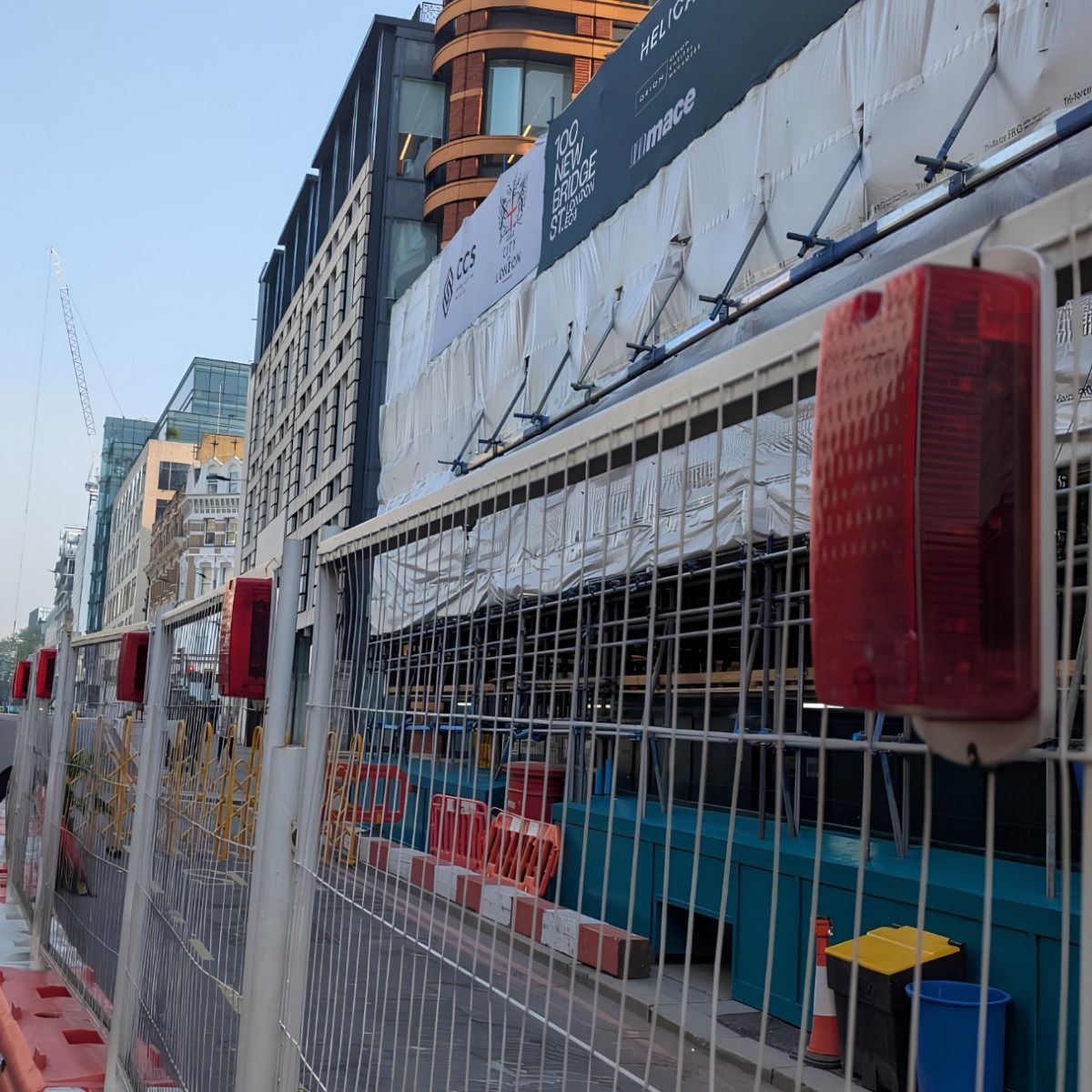
Mounted along construction hoardings running alongside public highways, footpaths, and roads throughout the hours of darkness.
-
Fitted to temporary site fencing at the perimeter of urban civils, drainage, and groundwork projects.
-
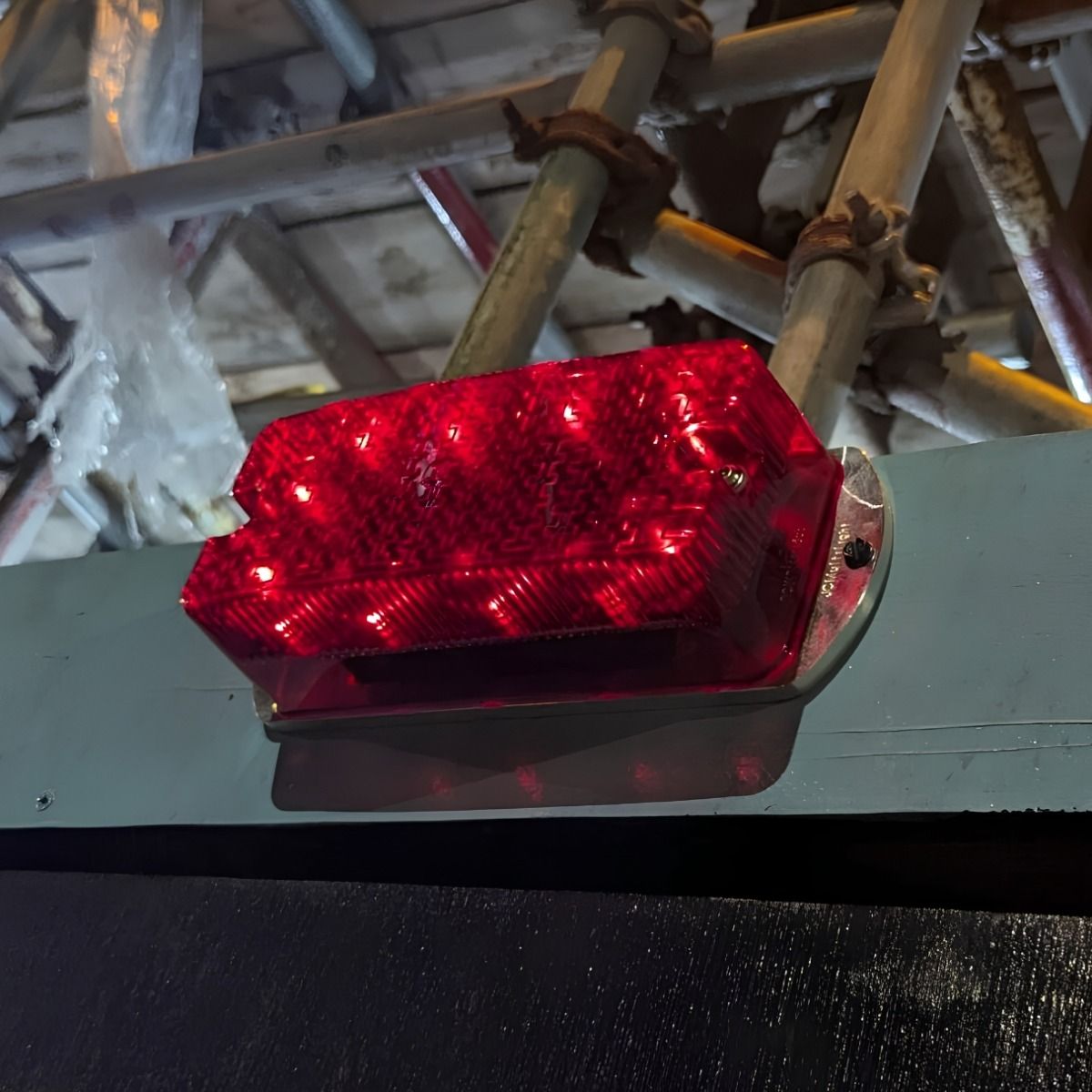
Attached to scaffold boards, platforms, and handrails adjacent to public rights of way, as required by the Highways Act.
-
Urban demolition sites where a hoarding is erected for the full project duration.
-
Road and utilities works where temporary fencing closes part of a pavement or carriageway.
-
Any hoarding, fence, or temporary barrier within the scope of Highways Act 1980, Section 172.
How to use
Step 1: Insert the 4 x D-type industrial batteries into the unit using the supplied security key to access the housing.
Step 2: Select the operating mode using the user-selectable switch: Off, Continuous, or Flashing.
Step 3: Mount the unit to the hoarding surface using the 2 x 8mm diameter back plate holes and the tamper-resistant security bolts.
Step 4: The photocell will activate the light automatically at dusk each evening and deactivate it at dawn.
Step 5: Check battery condition during routine site safety inspections. The light will dim visibly when batteries are approaching end of life. Replace before full discharge.
Step 6: Replacement D-type industrial batteries are available from CMT Group.
Common mistakes
-
Selecting Continuous mode without using the photocell: running the light continuously day and night reduces battery life significantly below the 12-week minimum. Use the photocell-enabled setting for standard hoarding applications.
-
Spacing units too far apart: the Highways Act requires the hoarding to be sufficiently lit. Gaps in coverage along the hoarding run may not meet that requirement. Plan spacing before installation to ensure even coverage.
-
Using consumer-grade batteries: the unit is specified for industrial standard D-type batteries. Consumer alkaline batteries typically deliver shorter and less reliable run times, particularly in cold weather.
-
Allowing batteries to fully discharge: deeply discharged batteries can leak inside the housing. Replace at the first sign of dimming, before full failure.
Safety
The Highways Act 1980, Section 172(3)(c) places a legal obligation on the person who has erected a hoarding or temporary fence alongside a highway to light it sufficiently during hours of darkness. Failure to maintain compliant lighting is a breach of statutory duty. It may also create liability in the event of a pedestrian or road user incident. Confirm that all units are operational at dusk as part of routine site safety checks. Record battery replacement dates to track when units are due for servicing.
Maintenance
Inspect each unit monthly to confirm secure mounting and check for housing damage or corrosion. Clean the polycarbonate lens with a dry or lightly damp cloth to maintain light spread and visibility. Do not use solvents or abrasive cleaners. Replace batteries using the supplied security key. Store unused units in a dry location with batteries removed to prevent discharge or leakage.
Frequently Asked Questions
Q: Why is lighting a hoarding a legal requirement?
A: Section 172(3)(c) of the Highways Act 1980 requires that where a person has erected a hoarding or fence alongside a highway, they must sufficiently light it during hours of darkness. This is a statutory duty. It applies regardless of project size, duration, or location. Failure to comply is a breach of the Act and may create liability if a pedestrian or road user is involved in an incident near an unlit hoarding.
Q: What does "sufficiently lit" mean under the Highways Act?
A: The Act does not specify a minimum lux level, but the obligation is to ensure the hoarding is visible to road users and pedestrians during darkness. In practice, this means fitting lights at regular intervals along the full length of the hoarding, maintaining them in working order, and ensuring they operate throughout the hours of darkness. Gaps in coverage or failed lights that are not replaced promptly may not meet the sufficiency requirement.
Q: What is this light NOT suitable for?
A: This is a warning light, not a work light. It is not suitable for use as task or area illumination on a construction floor or in a welfare unit. It is not a traffic management device and must not be used as a substitute for regulatory traffic signals or signs. It is designed for temporary hoarding use and is not intended as a permanent fixed installation.
Q: How many hoarding lights do I need and how far apart should they be spaced?
A: Spacing depends on the height of the hoarding, the width of the adjacent footpath or road, and local authority requirements. As a general guide, lights should be visible to a pedestrian or driver approaching from either direction without dark sections between them. On taller or wider hoardings, closer spacing may be needed. Check with the relevant highway authority if the project is on a major road or in a designated zone.
Q: What is the difference between Continuous and Flashing modes?
A: Continuous mode emits a steady red light. Flashing mode emits a pulsing red light at regular intervals. Flashing is more attention-grabbing and is often used in higher-risk locations, near junctions, or where pedestrian volumes are higher. Continuous is standard for most hoarding runs. Both modes operate with the photocell, switching on at dusk and off at dawn automatically.
Q: Why does tamper resistance matter on a hoarding light?
A: Construction hoardings on public-facing urban sites are accessible to the public. Warning lights mounted at a reachable height are frequently interfered with, switched off, or removed. Tamper-resistant security bolts and screws prevent removal without the supplied security key, ensuring lights stay in position and in operation throughout the project. The security key is supplied with the order and should be kept by the site manager.